Fun Game Variations Of Classic Scrabble
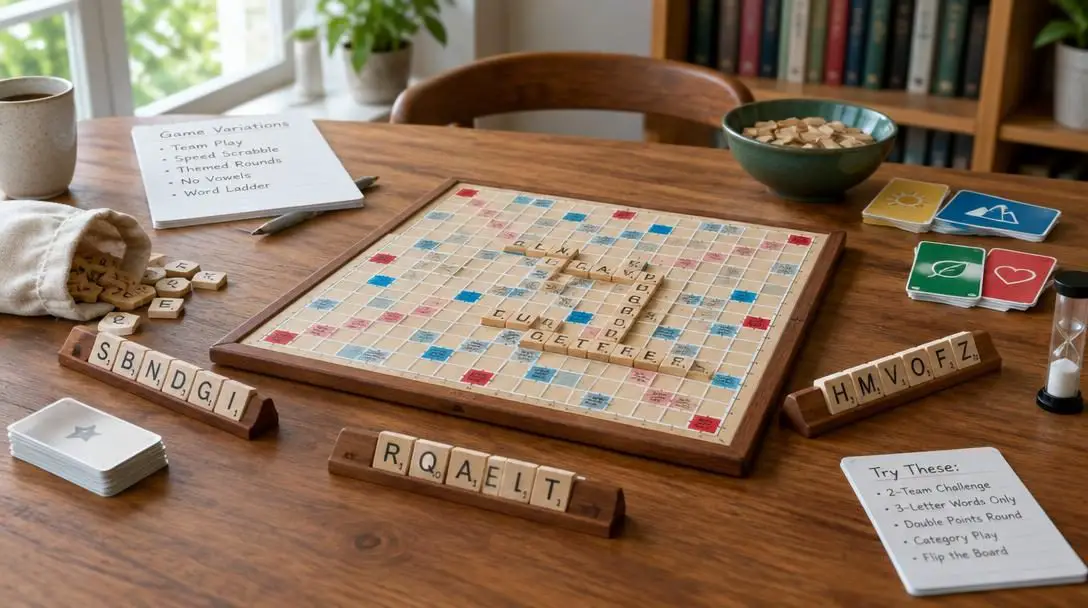
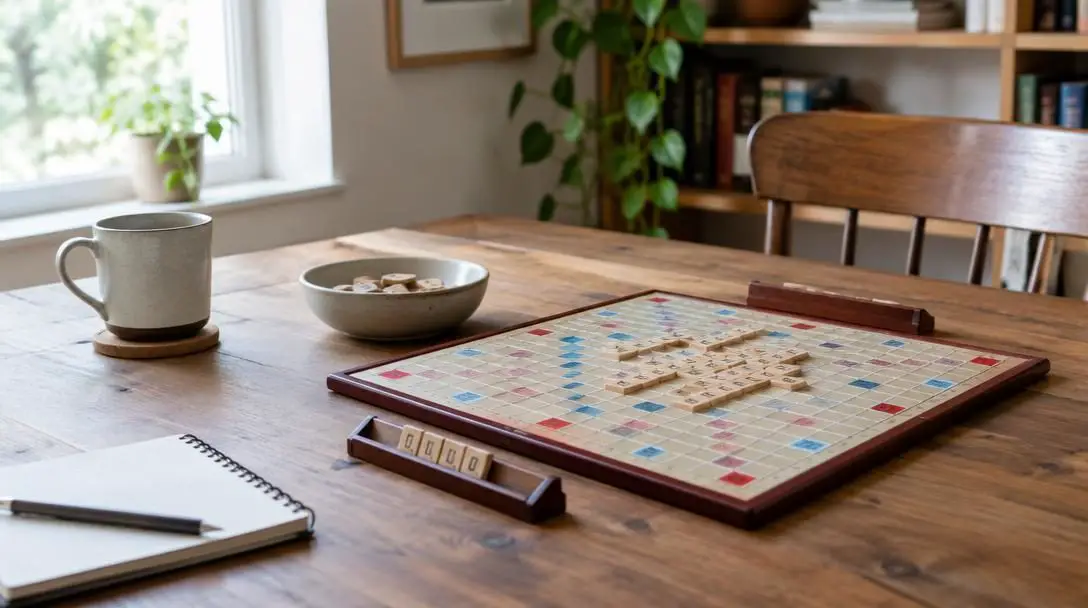
For decades, Scrabble has stood as a beloved fixture of family gatherings, school clubs, and competitive tournaments across the globe. Players draw letter tiles from a communal bag, organize seven-letter racks, and maneuver across a grid peppered with premium letter and word squares to outscore their opponents. However, playing with the exact same standard rules repeatedly can sometimes produce predictable outcomes, long stretches of downtime, or lopsided matches between seasoned wordsmiths and casual players.
To refresh the experience, creative groups and tabletop designers have introduced an array of alternative formats, expansions, and spinoffs. By swapping out turn structures, adjusting spatial boundaries, or introducing cooperative partnerships, these alternate rule sets breathe fresh energy into the traditional tile pool. Whether you want an adrenaline-fueled race against the clock or a collaborative strategic challenge, experimenting with classic word game variations transforms how you view letter combinations.
Key takeaways
- Speed-oriented formats like Speed Scrabble and Bananagrams eliminate downtime by replacing traditional turn-taking with simultaneous, frantic crossword building.
- Super Scrabble expands the scale of the game by doubling both board size and tile count, offering higher point thresholds and room for longer words.
- Team Scrabble transforms a solitary contest into a cooperative challenge, making it easier to balance games between novices and seasoned veterans.
- Rule-bending modes like Reverse Scrabble and Ghost challenge linguistic reflexes by inverting reading direction or penalizing players who finish valid words.
- Selecting the best variant depends heavily on table space, available tile inventories, group size, and player skill levels.
Comparing Word Game Variations at a Glance
Every variation approaches letter tiles, spatial constraints, and victory conditions differently. Reviewing their key attributes side by side makes it straightforward to select the exact experience that suits your gathering.
| Variation | Board Requirement | Tile Requirement | Turn Structure | Victory Condition |
|---|---|---|---|---|
| Speed Scrabble | Individual boards for each player | 100 tiles per player | Simultaneous action | Highest point tally after someone calls "Speed!" |
| Bananagrams | None (flat surface) | Communal pool | Simultaneous action | First to play all tiles once pool is empty |
| Super Scrabble | Oversized dedicated board | 200 tiles | Turn-based | Highest point tally when tiles are exhausted |
| Team Scrabble | Standard shared board | Standard 100 tiles | Turn-based | Highest collective team score |
| Reverse Scrabble | Standard shared board | Standard 100 tiles | Turn-based | Highest point tally from backward word placements |
| Ghost | None (spoken or written fragment) | Optional or none | Turn-based letter additions | Last remaining player without three "ghosted" strikes |
Exploring different variations of classic Scrabble allows players to adjust the pacing of their gatherings, emphasize cooperation, and test their language skills under entirely new conditions.
Six Creative Ways to Play Classic Scrabble
From high-speed independent scrambles to collaborative team matches and spatial puzzles, the following variations showcase the versatility of letter-tile games.
Speed Scrabble
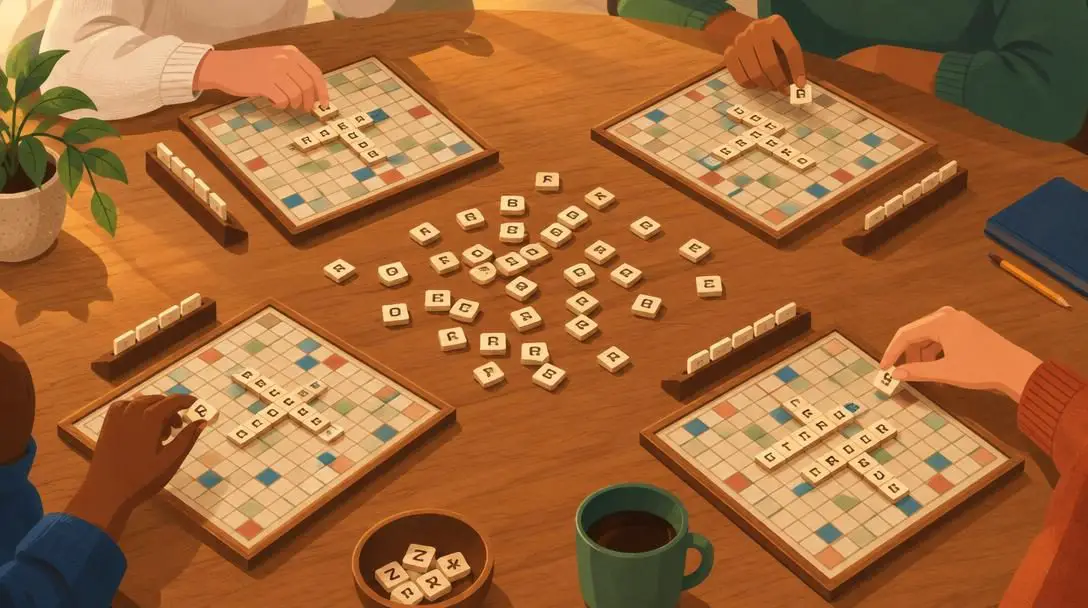
- Tiles per player: 100 letter tiles
- Board setup: Individual board per participant
- Turn style: Simultaneous racing
- Victory trigger: Highest points after "Speed!" call
Speed Scrabble transforms a quiet, analytical pastime into an intense, rapid-fire competition. In standard play, participants wait patiently while an opponent mulls over premium squares and tile combinations. Speed Scrabble removes that waiting period completely. To begin, each participant takes 100 tiles from the bag and places them face down across their own play area. When the match starts, everyone flips over their tiles simultaneously and begins constructing words on their own dedicated board.
Because each participant builds on an individual playing surface, nobody has to wait for a shared grid to open up. The round continues at a frantic pace until one player manages to use every single tile in their supply and shouts "Speed!" At that moment, all construction halts instantly. Players then tally the points on their individual layouts according to standard scoring values, meaning the fastest player is not automatically the winner unless their layout also produces the top score.
Bananagrams
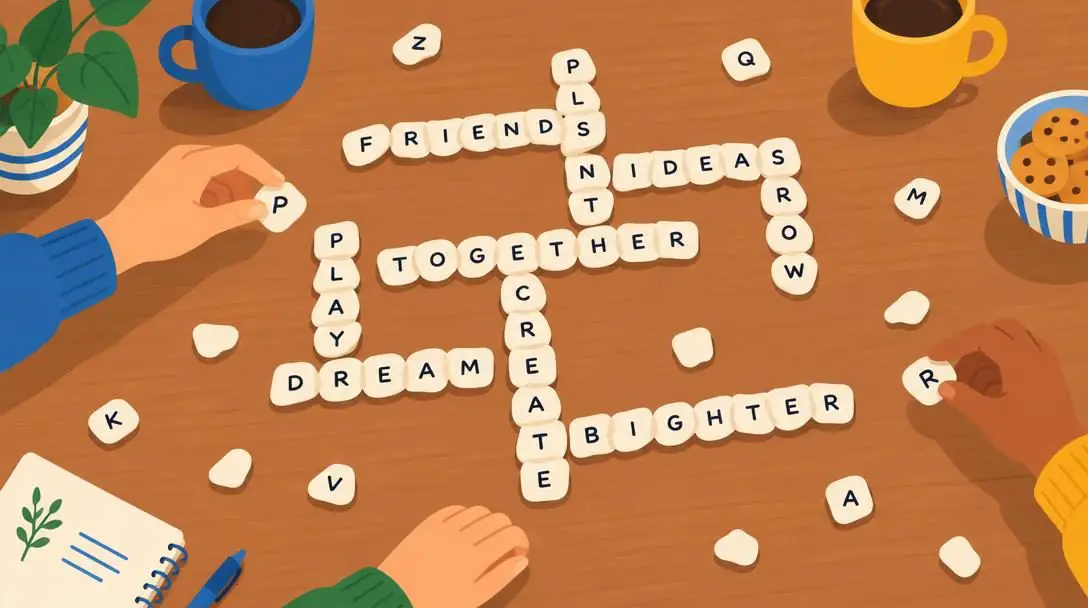
- Board setup: None required
- Key mechanic: Shouting "Peel!" to draw tiles
- Scoring system: No point calculations
- Victory trigger: First to exhaust hand after tile pool empties
Like Speed Scrabble, Bananagrams trades turn-taking for real-time simultaneous action, but it eliminates the need for boards, racks, and scoring sheets entirely. Players sit around a central table with a shared pool of face-down tiles known as the bunch. Each person draws an initial hand of tiles and scrambles to arrange them into an intersecting, interconnected crossword grid directly on the table.
The defining dynamic occurs when a player successfully incorporates all their active tiles into valid intersecting words. That player immediately shouts "Peel!", requiring every person at the table to draw another tile from the central pool. This sudden influx forces players to break apart, rearrange, and adapt their personal grids on the fly. The cycle continues until the central supply is depleted, at which point the first player to place all their remaining letters shouts the winning call.
Super Scrabble
- Tile supply: 200 letter tiles
- Board dimensions: Twice as large as a standard board
- Grid additions: Extra premium scoring spaces
- Turn style: Traditional turn-based play
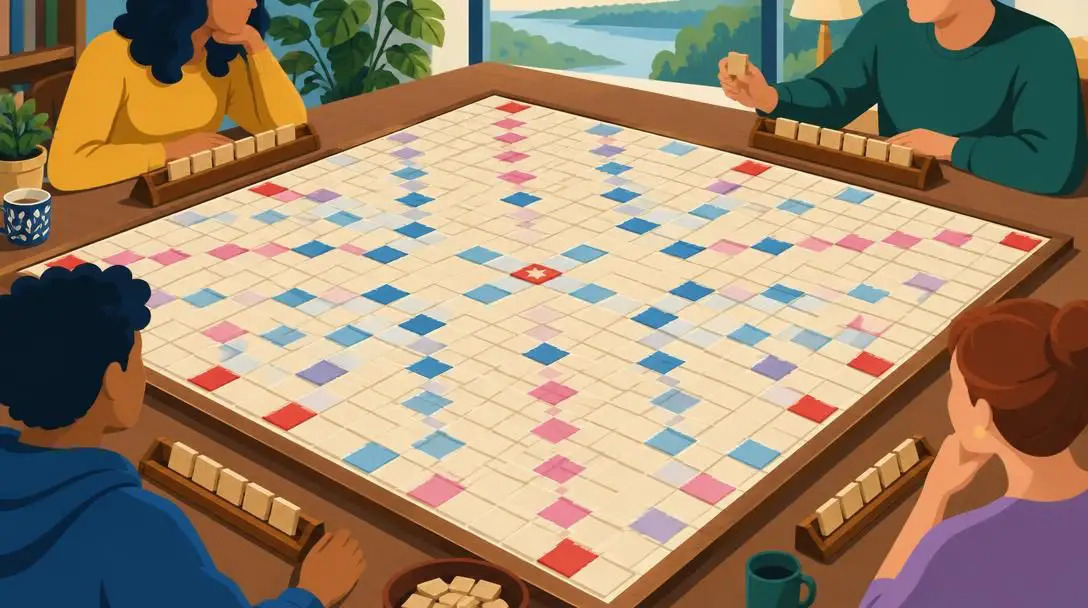
For purists who love deliberate strategy, intricate rack management, and deep point maximization, Super Scrabble delivers an expansive upgrade. Rather than altering the underlying rules of play, this version substantially enlarges the playground. It features a board that is twice as big as the standard grid and supplies 200 letter tiles—doubling the pool available in a traditional game.
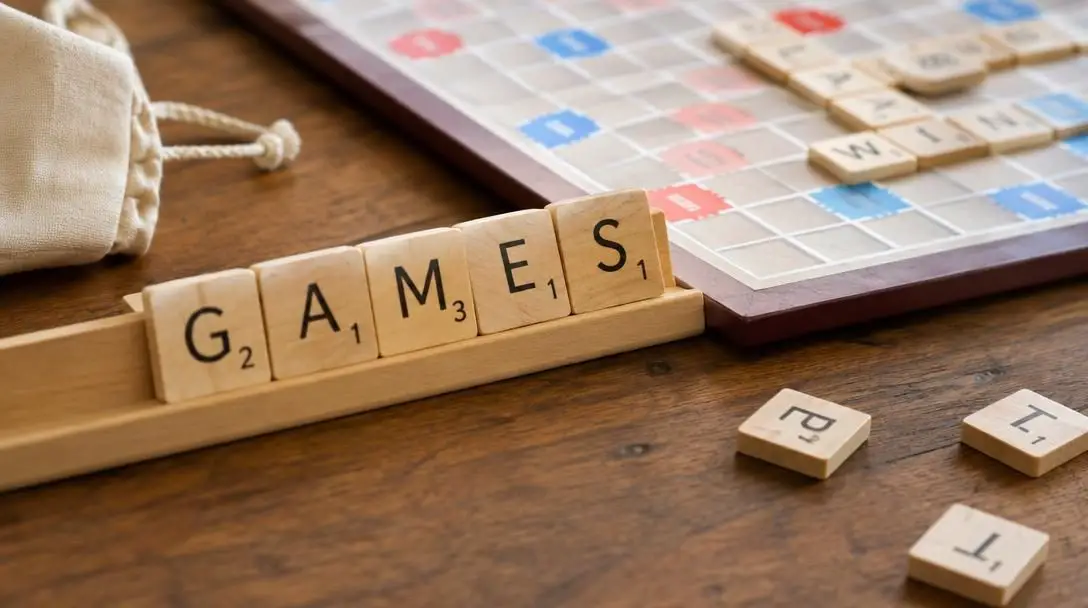
The massive surface includes extra bonus squares, allowing players to weave around previously locked areas and land multiple multiplier bonuses in a single play. Because the board stretches so far, players can spell out long eight- or nine-letter words without running into the borders. The doubled frequency of high-value letters like Q, Z, and X leads to exceptionally high scores, making Super Scrabble a centerpiece format for long, immersive game nights.
Team Scrabble
- Participants: Teams of two or more players
- Board setup: Single shared board
- Social mechanic: Open strategic discussion
- Format goal: Collaborative problem-solving
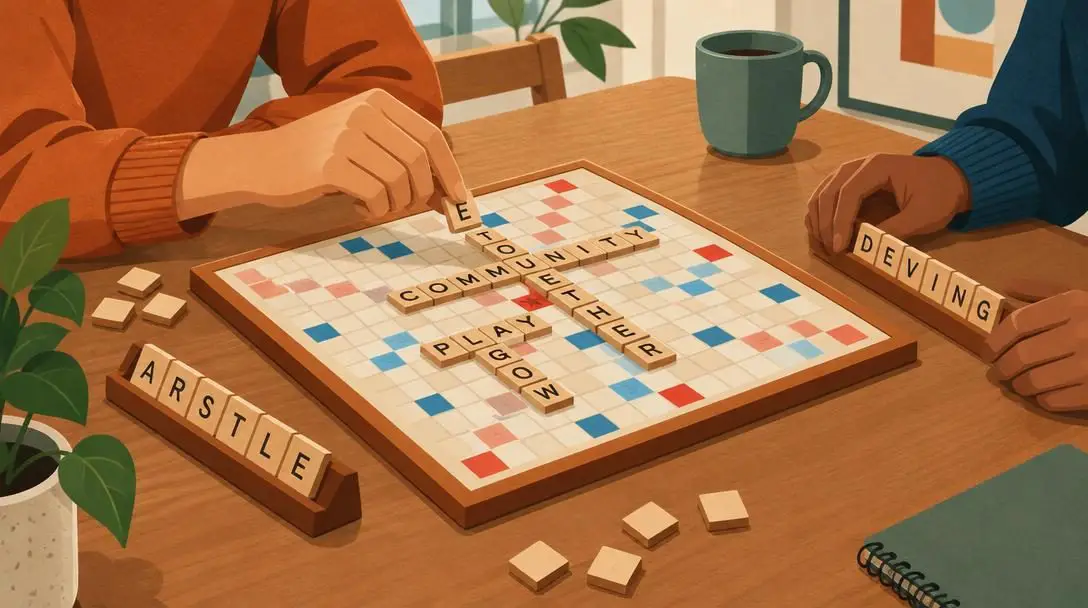
Playing word games individually can sometimes feel isolating or intimidating, especially for casual participants playing against seasoned tournament competitors. Team Scrabble resolves this imbalance by organizing players into pairs or small groups that manage a single rack and make moves collectively on one standard board. Teammates confer on tile placement, evaluate point totals, and decide whether to play aggressively or block opponent lanes.
This cooperative format encourages partners to combine different linguistic strengths. One player might possess a sharp eye for finding anagrams, while the other excels at spatial board awareness and defensive tactics. It creates a supportive setting where inexperienced players can learn complex strategies, explore unconventional vocabulary, and contribute without the fear of making a costly solo blunder.
Reverse Scrabble
- Rule change: Words must be spelled backward
- Board setup: Standard shared grid
- Skill focus: Inverted spatial and spelling comprehension
- Challenge: Countering ingrained forward-reading habits
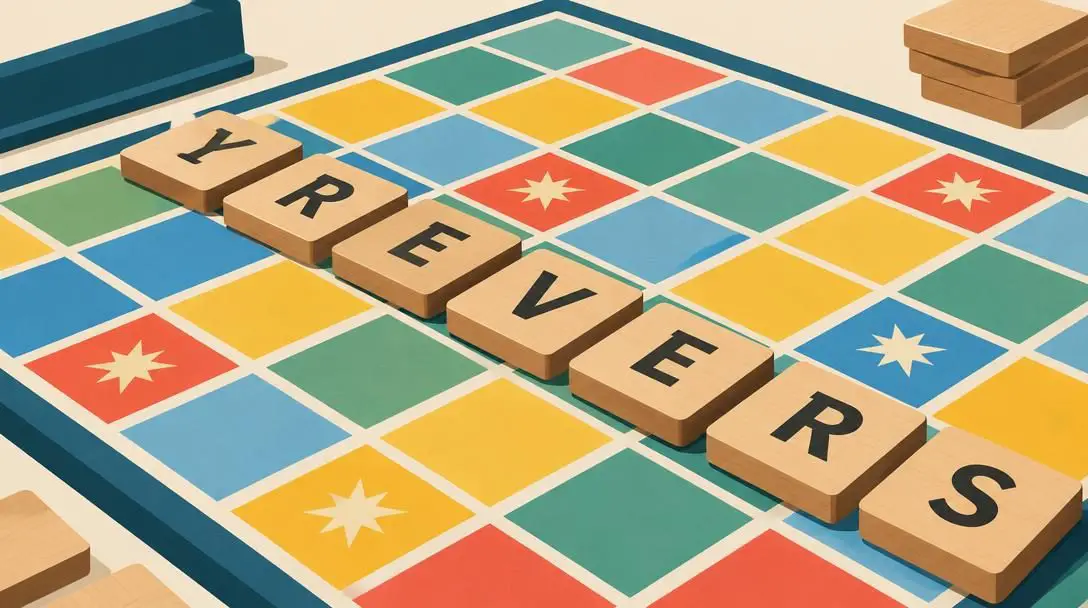
Reverse Scrabble is an intriguing mental exercise that forces players to overturn decades of established reading and spelling instincts. Under this variation, all words placed across or down the grid must be spelled in reverse order. For instance, rather than attaching letters to form a word in normal left-to-right or top-to-bottom sequence, players must assemble letter sequences like "god" or "dgo" to build from a root like "dog."
This directional inversion creates a completely fresh puzzle on a standard board. Experienced players who routinely rely on common prefixes, suffixes, and familiar letter stems suddenly find their mental shortcuts scrambled. Every open hook and connection requires deliberate backward visualization, leveling the playing field between seasoned veterans and casual participants.
Ghost
- Format: Fragment-building elimination game
- Board requirement: None
- Penalty condition: Getting "ghosted" for finishing a word
- Elimination threshold: Three strikes
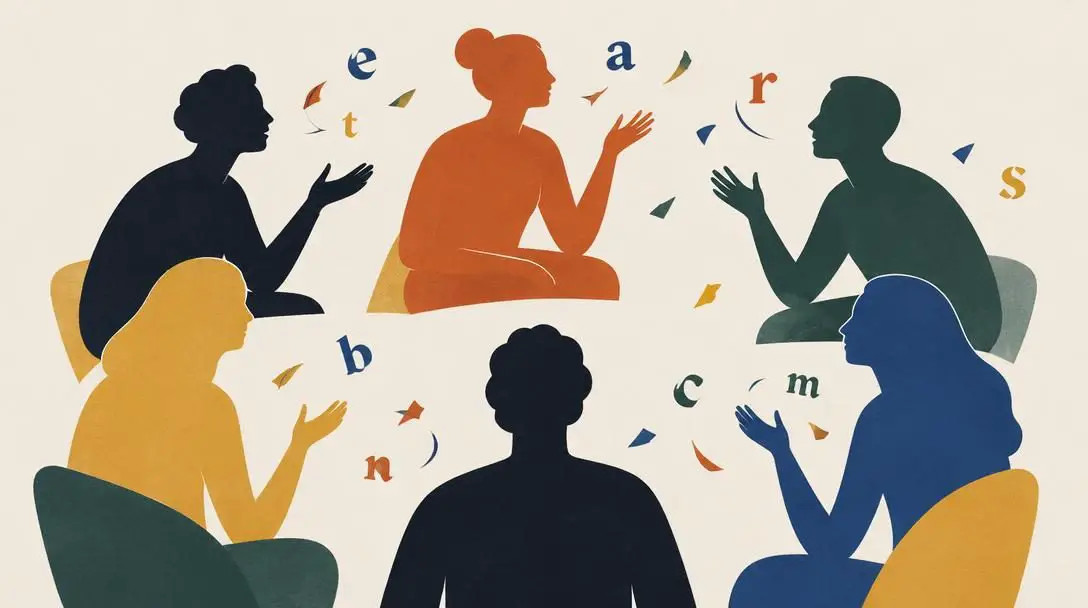
Ghost strips away boards, racks, and premium multipliers entirely, reducing the game to pure vocabulary defense and bluffing. Sitting in a circle, players take turns adding a single letter to a growing communal word fragment. The objective is simple yet nerve-wracking: every letter you add must be part of an authentic English word, but you must avoid being the player who actually finishes that word.
If you add a letter that completes a recognized word of four letters or more, or if you name a letter that cannot lead to any valid word, you receive a strike known as getting ghosted. Players can also challenge the person before them if they believe no legitimate word can be formed from the current fragment. Once a player is ghosted three times, they are eliminated from the circle. The game continues through tense rounds of linguistic brinkmanship until only one survivor remains.
Core Mechanics and Playstyle Differences
Examining how these alternate rules shift gameplay reveals why certain formats appeal to different types of players. By manipulating four fundamental variables—pacing, board scale, communication, and directional rules—each variant creates a unique experience.
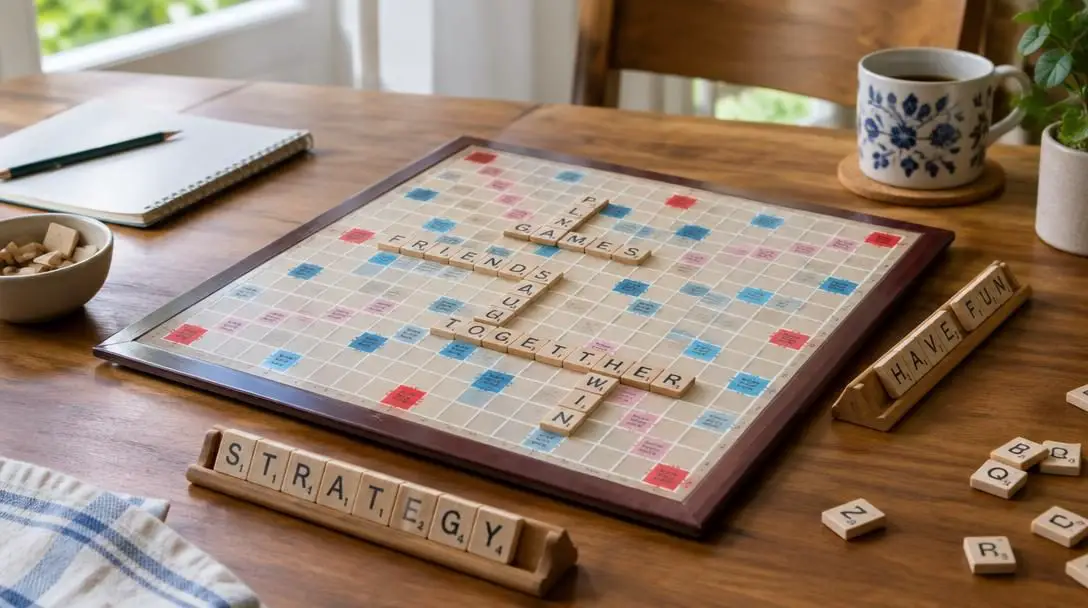
The most drastic shift happens when games discard traditional turn-taking. In standard play, the clock runs only as fast as the slowest player's rack evaluation. Fast variants such as Speed Scrabble and Bananagrams dismantle this bottleneck by having all players operate concurrently. The tension shifts from deliberate calculation to reflexive pattern matching, where making several fast, modest plays often outperforms holding out for a single high-scoring word.
Expanded board variants like Super Scrabble take the opposite approach by leaning into complex spatial planning. The expanded real estate reduces board congestion, giving players ample runway to build sprawling word webs across premium multiplier squares. Meanwhile, variations like Team Scrabble and Ghost redefine player interaction. Team play fosters supportive discussion and collaborative reasoning, whereas Ghost elevates direct interpersonal psychology through tactical challenges and defensive bluffing.
Step-by-Step Guide to Hosting an Alternative Word Game Night
Successfully running an evening of alternate word games requires clear expectations, adequate materials, and a shared understanding of rule adjustments before the first tile is drawn.
- Select the right variation for your group: Match the format to your gathering's energy level. Choose Bananagrams or Speed Scrabble for high-energy, fast-moving groups; select Team Scrabble or Super Scrabble for a relaxed, strategic evening.
- Verify your equipment and tile counts: Confirm that you have sufficient supplies on hand. Standard team play requires only one standard set, whereas Speed Scrabble demands 100 tiles and a board for each participant, and Super Scrabble requires its dedicated 200-tile set and board.
- Establish the official dictionary reference: Fast-paced building and letter-adding variations frequently lead to contested plays. Settle on a physical or digital word-game dictionary prior to play to resolve challenges swiftly without stalling the momentum.
- Clarify the specific end-game trigger: Remind all players how the match concludes. Ensure everyone knows whether the game stops on an exclamation of "Speed!", after the tile pool runs out following repeated calls of "Peel!", upon three ghosted strikes, or when standard tile depletion occurs.
- Appoint a dedicated scorekeeper when points are tracked: If your selected game relies on point totals—such as Speed Scrabble, Team Scrabble, or Super Scrabble—designate someone to track scores to avoid computational disputes after intense rounds.
Pitfalls and Misunderstandings to Avoid
When introducing rule modifications, players often fall into predictable traps by mixing up traditional procedures with variant-specific rules. Watching out for these common errors keeps the session running smoothly.
- Confusing victory conditions between speed games: Players often assume that shouting "Speed!" wins the game outright. In Speed Scrabble, calling "Speed!" simply halts the round; the person with the highest scored layout wins. In Bananagrams, points do not exist, and the first person to empty their hand after the pool is exhausted wins automatically.
- Failing to provide enough tiles for simultaneous play: Attempting to run Speed Scrabble with three or four players using a single standard 100-tile set leaves everyone short on letters. Each participant must have an individual 100-tile supply to play properly.
- Dominating the rack in cooperative team play: In Team Scrabble, an experienced player might be tempted to make every decision without consulting their partner. This defeats the cooperative purpose of the variation, which relies on collaborative discussion and mutual learning.
- Accidentally finalizing words during Ghost: Novices in Ghost frequently concentrate so hard on spelling a long term that they lay down a letter creating an intermediate valid word, instantly earning a ghosted strike.
- Overextending toward empty borders in expanded games: In Super Scrabble, the vast playing field tempts participants to build long isolated pathways toward distant bonus squares, stranding valuable high-point tiles where teammates or opponents cannot hook into them.
Choosing the Right Format for Your Group and Space
Choosing the ideal game depends heavily on your physical environment and group dynamics. A mismatch between the game's requirements and your gaming area can quickly derail an otherwise exciting evening.
Physical surface space is the most practical constraint. Super Scrabble requires a wide dining table or substantial gaming area to hold its expansive board and rack space. Similarly, Speed Scrabble needs enough tabletop room for every participant to lay out an individual board and 100 loose tiles without knocking into their neighbor's setup. If you are playing in a compact space, Bananagrams needs only a modest flat table, while Ghost requires no table space or physical components at all, making it suitable for couches or travel.
Equally critical is the competitive balance among your participants. When a group consists of varying skill levels, placing a novice directly opposite an expert in Reverse Scrabble or Speed Scrabble can lead to frustration. Pairing players together in Team Scrabble removes that anxiety, turning the match into an instructive and shared puzzle. Tailoring the game mode to your environment and players ensures an engaging, balanced experience for everyone at the table.
Frequently asked questions
How is Speed Scrabble different from Bananagrams?
While both games feature simultaneous, real-time tile placement without turn waiting, Speed Scrabble uses individual boards, requires 100 tiles per player, and is decided by the highest point total after someone shouts "Speed!" Bananagrams uses no board, involves a communal draw pool driven by calls of "Peel!", and awards victory to the first person to use all their tiles once the draw pool is exhausted, without tracking points.
Can you play Super Scrabble using standard Scrabble equipment?
No. Super Scrabble requires a dedicated board that is twice as large as a standard board, complete with additional premium bonus squares, along with an expanded supply of 200 letter tiles rather than the traditional 100 tiles.
What happens if you complete a word in the game of Ghost?
In Ghost, the objective is to add letters to a fragment without completing an actual word. If a player adds a letter that finishes a legitimate word of four or more letters, or adds a letter that cannot form any valid word, that player is penalized with a strike, known as getting ghosted. Accumulating three strikes results in elimination.
Why is Team Scrabble helpful for beginners?
Team Scrabble pairs two or more players together to share a single rack and make moves collectively on one board. This cooperative dynamic allows beginners to discuss strategy, learn high-scoring tile placements, and discover new vocabulary alongside an experienced partner without feeling the pressure of playing alone.
How does scoring work in Reverse Scrabble?
Reverse Scrabble follows standard tile values and board premium rules, but every word played across or down must be spelled backward. Scores are tallied according to the letter points and bonus squares covered by the backward placements.
The bottom line
Classic Scrabble remains an iconic tabletop tradition, but exploring creative rule variations keeps the experience fresh, dynamic, and accessible. Whether you prefer the frantic tile-shedding rush of Bananagrams, the immense strategic scope of Super Scrabble, or the collaborative partnership of Team Scrabble, each variation highlights a different dimension of wordplay. Introducing these alternative formats to your collection ensures that every game night offers an engaging, competitive, and enjoyable test of vocabulary.