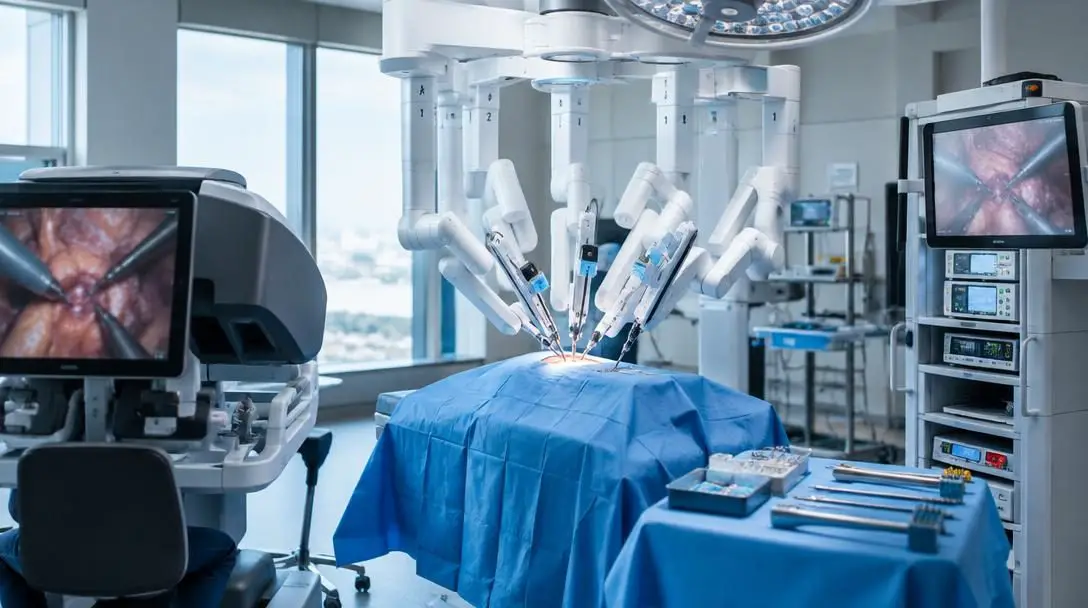
How AI and ML Are Being Used in Healthcare
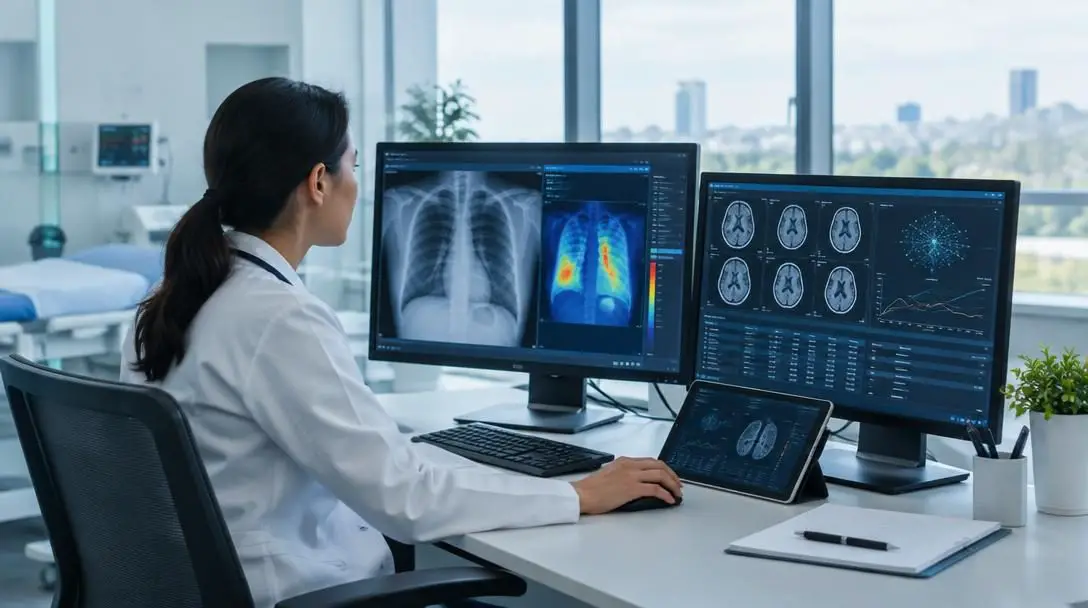
For decades, healthcare delivery operated largely on paper charts, manual diagnostic interpretation, and siloed computing archives. As hospitals and clinics embraced digital infrastructure, medical practices began generating an unprecedented volume of diagnostic imagery, clinical records, and physiological readings. However, the sheer density of this incoming data quickly surpassed the capacity of human clinicians to review, evaluate, and synthesize in real time. Modern healthcare computing has reached an inflection point where advanced computational systems are no longer a luxury, but an operational necessity.
Artificial intelligence and machine learning have stepped into this critical gap, providing computational frameworks capable of digesting complex, multi-layered medical inputs without needing rigid, rule-by-rule programming for every clinical situation. Far from replacing doctors and nurses, these algorithmic tools are designed to augment human medical expertise across diagnosis, precision therapy, and long-term patient monitoring. By identifying hidden correlations across vast clinical archives, healthcare organizations are working toward an integrated digital standard where technology accelerates clinical insight and elevates patient care.
Key takeaways
- Artificial intelligence and machine learning analyze complex medical datasets to accelerate diagnostic speed and reduce clinical workloads.
- Computational algorithms enable personalized treatment strategies in oncology and significantly shorten timelines for pharmaceutical drug discovery.
- Remote telemetry and predictive analytics allow care teams to monitor chronic conditions and intervene before acute medical emergencies occur.
- Ethical deployment depends on preserving patient privacy, eliminating algorithmic bias, and clearly defining legal liability between vendors and clinicians.
- Successful implementation requires overcoming data interoperability hurdles and seamlessly integrating computational tools directly into existing electronic health records.
The Expanding Role of Algorithmic Systems in Clinical Diagnosis
The foundation of effective clinical medicine rests upon the timely and accurate identification of illness. When a diagnosis is delayed or missed, therapeutic interventions become more invasive, costs escalate, and patient outcomes deteriorate. Traditional diagnostic workflows require clinicians to inspect thousands of high-resolution image slices, histopathology slides, and disparate laboratory reports, often under severe time constraints. Artificial intelligence and machine learning algorithms excel at parsing these massive digital repositories, highlighting subtle physiological variations and pathological changes that might otherwise escape human detection during routine visual reviews.
By screening diagnostic files within seconds, machine learning models offer a crucial safety net for busy practices. They assist in triaging incoming cases so that life-threatening abnormalities receive immediate attention, while standard, negative findings can be organized efficiently. This division of labor frees clinicians to direct their cognitive energy where it matters most: complex clinical judgment, patient communication, and comprehensive bedside care.
Medical Imaging and Radiology
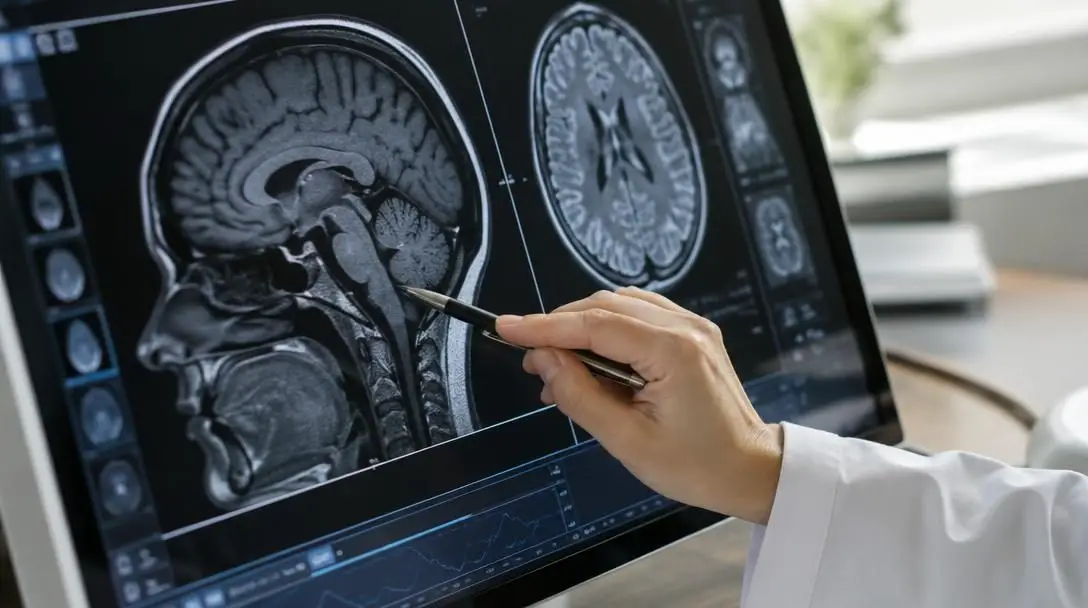
Modern radiology departments handle immense volumes of computed tomography (CT) scans, magnetic resonance imaging (MRI) protocols, and conventional digital X-rays. Machine learning algorithms process these digital image matrices to identify abnormalities, measure anatomical structures, and highlight suspicious areas for clinical review. By running automated pre-screening checks as scans enter the picture archiving and communication system, these algorithms can flag critical conditions—such as pulmonary embolisms, intracranial hemorrhages, or occult fractures—allowing emergency physicians and radiologists to prioritize the most vulnerable patients.
Pathology and Histology
Histological examination traditionally requires pathologists to spend hours examining microtome tissue sections under high-power optical microscopes to assess tissue architecture, margins, and nuclear atypia. Machine learning systems analyze digitized whole-slide images at cellular resolutions, categorizing clusters of cells and flagging morphological changes indicative of malignancy. By pinpointing micro-metastases and classifying cellular phenotypes, computational pathology tools assist pathologists in delivering faster, highly consistent diagnostic evaluations that guide subsequent cancer therapies.
Transforming Treatment Plans and Pharmaceutical Development
Standard medical treatments historically relied on standardized guidelines designed around population averages. While these protocols remain effective for baseline conditions, they often fail to account for unique metabolic, biological, and genetic variations among individual patients. Artificial intelligence and machine learning are bridging this gap by analyzing multiple clinical parameters simultaneously, shifting standard clinical protocols toward tailored therapeutic interventions that optimize efficacy and minimize unnecessary toxicities.
Rather than relying on one-size-fits-all protocols, machine learning cross-references individual patient profiles to help clinicians select treatments that maximize efficacy while reducing adverse side effects.
Oncology and Personalized Medicine
Oncological care represents one of the most significant frontiers for personalized medicine. Malignant tumors frequently harbor intricate genetic mutations that dictate how aggressively a disease spreads and how it responds to standard chemotherapy, ionizing radiation, or immunotherapy agents. Machine learning models analyze a patient's historical health record alongside their tumor's genetic profile, enabling clinical oncologists to select targeted drug regimens engineered to neutralize malignant cells while sparing healthy tissue. This targeted strategy lowers the risk of unsuccessful therapy cycles and reduces debilitating adverse side effects.
Pharmaceutical Discovery and Development
Bringing a novel pharmaceutical compound from initial concept to commercial approval has traditionally required up to a decade or more of manual laboratory trials, chemical synthesis, and preclinical assays. Machine learning models radically compress these timelines by analyzing vast chemical libraries and biological target structures in silico. Algorithms simulate molecular binding affinities, predict toxicity risks, and evaluate metabolic stability before physical compounds are ever synthesized in a wet lab. During public health crises or when tackling treatment-resistant pathogens, computational drug discovery surfaces promising drug candidates in a fraction of conventional timelines.
Continuous Remote Monitoring and Patient Care Management
Clinical care is no longer confined to the four walls of a hospital or an outpatient examination room. The convergence of ambient sensor technology, consumer wearables, and machine learning software has made continuous physiological surveillance feasible across general patient populations. By continuously evaluating real-time health streams outside formal medical facilities, computational systems help clinicians transition from episodic, reactive care to continuous, preventive oversight.
Wearable Telemetry and Real-Time Tracking
Wearable biosensors, continuous glucose monitors, and connected cardiac patches continuously capture vital signs, blood oxygen levels, heart rhythms, and physical activity metrics. Machine learning models parse these incoming data streams in real time, establishing individual baseline parameters and identifying subtle deviations that signal clinical instability. Rather than waiting for a patient to experience an acute crisis or schedule a routine follow-up, medical teams can intervene at the earliest indication of decompensation.
Predictive Analytics for Chronic Illness
Predictive analytics leverages longitudinal patient histories, demographic factors, and laboratory trends to calculate an individual's statistical vulnerability to developing chronic illnesses such as type 2 diabetes, congestive heart failure, or renal impairment. Machine learning algorithms identify non-linear risk factors that human clinicians might overlook across disparate records. By flagging elevated risks well in advance, healthcare providers can introduce lifestyle interventions, dietary adjustments, and preventive medications to halt disease progression.
Conversational Interfaces and Virtual Assistants
Conversational AI agents and automated virtual assistants serve as an accessible point of contact for patient communication. Operating continuously without scheduling constraints, these systems triage routine inquiries, deliver post-operative guidance, send medication adherence reminders, and answer common health questions. By managing non-emergency administrative and educational communications, virtual assistants enhance patient engagement while mitigating administrative burnout among clinical support staff.
Comparing Key Clinical AI Applications
Artificial intelligence and machine learning adapt to diverse medical demands, utilizing different input data types to achieve distinct clinical objectives across the continuum of care.
| Application Domain | Primary Clinical Inputs | Core Algorithmic Function | Primary Patient Benefit |
|---|---|---|---|
| Medical Imaging | CT, MRI, and X-ray pixel matrices | Detects subtle anatomical anomalies and prioritizes urgent scans | Faster diagnostic turnaround and earlier disease detection |
| Precision Oncology | Genomic profiles and longitudinal medical history | Models therapeutic responses and identifies targeted drug options | Personalized treatment plans with minimized adverse side effects |
| Drug Discovery | Chemical databases and protein structural models | Simulates molecular binding affinity and candidate viability | Accelerated delivery of novel pharmaceutical therapies |
| Remote Monitoring | Wearable sensor streams and physiological metrics | Analyzes continuous health telemetry for anomalous deviations | Timely intervention before acute health deterioration occurs |
| Predictive Analytics | Baseline clinical markers and historical records | Forecasts chronic disease risk and patient vulnerability | Targeted preventive care that reduces invasive procedures later |
How Medical AI Systems Process Clinical Data
Machine learning models do not operate on intuition. Instead, they execute structured, mathematical workflows designed to translate raw, multi-source medical information into reliable clinical guidance. Understanding this sequential architecture clarifies how raw clinical data becomes a meaningful diagnostic recommendation.
- Data Ingestion and Cleansing: The computational platform collects raw digital files from electronic health records, imaging systems, or laboratory instruments. Text notes, imaging pixels, and numeric readings are standardized and scrubbed to eliminate digital artifacts, duplicates, and missing values.
- Feature Extraction: Algorithmic routines isolate relevant mathematical parameters within the clean data, such as spatial density variations in a radiograph, specific genetic sequences, or longitudinal shifts in blood pressure.
- Pattern Matching and Model Execution: Statistical models, trained on millions of historical clinical reference cases, evaluate the extracted features to determine whether they align with known disease presentations, healthy baseline parameters, or pharmacological targets.
- Output Generation: The system produces an actionable assessment for the medical team, typically formatted as a numerical risk probability, a visual bounding box around a suspicious lesion, or a prioritized list of therapeutic matches.
- Human Review and Clinical Action: A licensed medical practitioner reviews the algorithmic finding, contextualizes it against the patient's physical examination and personal circumstances, and makes the final diagnostic or therapeutic decision.
Ethical, Legal, and Operational Considerations
While the technical capabilities of medical machine learning are vast, integrating automated decision tools into human clinical care introduces profound ethical, legal, and operational dilemmas. Healthcare administrators and technology developers must address these challenges directly to ensure patient safety and maintain public trust.
Patient privacy remains paramount. Modern machine learning architectures require access to massive datasets to achieve clinical efficacy, exposing confidential medical histories, diagnostic imaging records, and genomic profiles to potential data breaches or unauthorized secondary uses. Healthcare organizations must enforce stringent access controls, state-of-the-art encryption, and rigorous de-identification protocols to safeguard sensitive health information against external cyber threats.
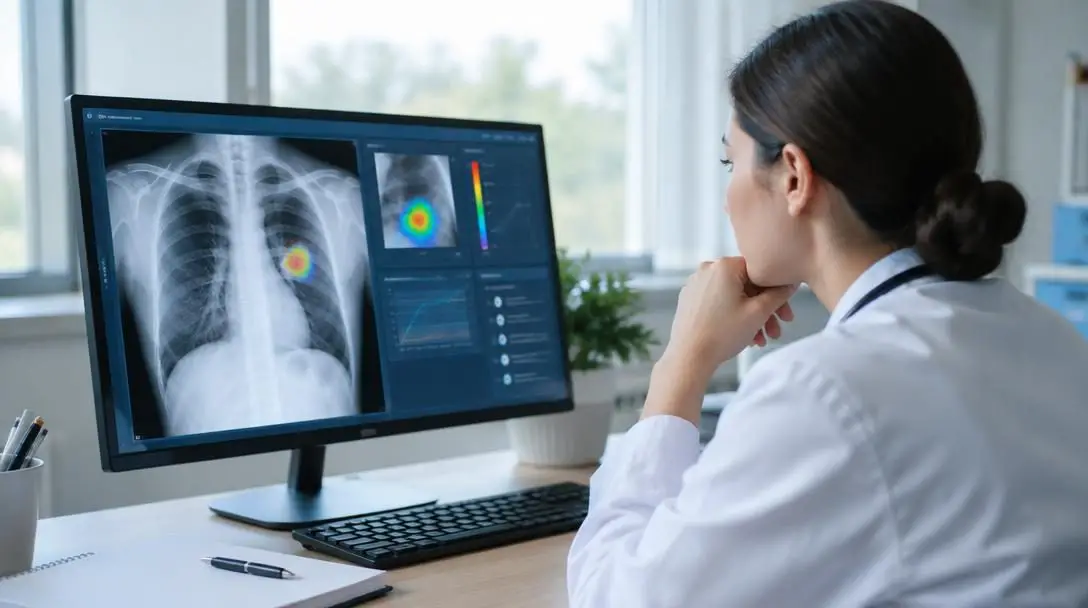
Algorithmic bias represents another pressing concern. If a diagnostic model is trained predominantly on patient data from specific geographic areas, well-funded tertiary academic centers, or limited demographic backgrounds, its performance can deteriorate when deployed across underrepresented communities. Biased training sets risk entrenching clinical disparities, causing certain cohorts to experience higher rates of false negatives or sub-optimal therapeutic recommendations.
Finally, the medical community faces complex questions regarding legal liability and professional accountability. When an algorithmic tool misinterprets a scan or suggests an inappropriate pharmacological choice, determining fault is legally challenging. Responsibility could fall upon the third-party software developer for programming deficiencies, the healthcare organization for deployment flaws, or the attending clinician for failing to catch the error. Establishing clear lines of accountability within regulatory and institutional policies is essential as autonomous tools become more prevalent.
Challenges and Future Outlook
Before machine learning can achieve widespread integration across global healthcare systems, significant operational barriers must be addressed. A central impediment is the lack of clinical data interoperability. Healthcare data remains fractured across disparate electronic health record (EHR) platforms, closed vendor ecosystems, and non-standardized file formats. Without unified standards that permit seamless, secure data exchange between institutions, machine learning systems struggle to access the comprehensive information required for maximum accuracy.
Software integration presents another daily challenge for clinical adoption. Physicians, nurses, and administrative staff already manage complex, demanding software interfaces. If predictive AI tools require clinicians to switch between disconnected applications or navigate cumbersome secondary portals, they introduce workflow friction and contribute to cognitive fatigue. To succeed, machine learning insights must be embedded directly within the native EHR interfaces that providers use every day.
Despite these integration and data quality hurdles, the future trajectory of medical artificial intelligence remains exceptionally promising. Ongoing research, combined with expanding computational capacity and active collaboration between software developers and health systems, is driving steady progress. As these technologies mature, they will continue to enhance clinical accuracy, accelerate medical research, and support a more accessible, preventative model of healthcare worldwide.
Strategic Steps for Healthcare Organizations Adopting AI
For hospital systems, private group practices, and health administrators preparing to incorporate machine learning applications into active clinical workflows, a structured implementation plan is vital to safeguard patient safety and ensure clinical utility.
- Audit Data Infrastructure and Interoperability: Evaluate internal clinical repositories to ensure electronic health records, imaging systems, and lab databases adhere to standardized formats capable of securely feeding algorithmic tools.
- Select Clinically Validated Solutions: Prioritize machine learning software that has undergone rigorous clinical validation, peer review, and regulatory clearance for specific medical use cases.
- Embed Systems Directly into Existing Workflows: Partner with software vendors to integrate risk scores, notifications, and image overlays directly into the daily EHR interface to prevent operational friction and provider fatigue.
- Establish Interdisciplinary Governance: Form a dedicated oversight committee composed of clinicians, data scientists, legal experts, and patient advocates to monitor algorithmic outputs, review clinical discrepancies, and guard against demographic bias.
- Provide Comprehensive Clinical Staff Training: Train physicians, nurses, and allied health staff on the capabilities and limitations of computational tools, emphasizing that algorithmic outputs serve as decision aids rather than absolute clinical determinations.
Frequently asked questions
Will artificial intelligence and machine learning replace human doctors?
No. These technologies are developed to augment and support clinical professionals rather than replace them. Algorithms handle data-heavy screening, image pre-processing, and pattern recognition, freeing physicians to focus on complex clinical decisions, empathetic communication, and final therapeutic choices.
How does machine learning improve cancer diagnosis and treatment?
Machine learning aids cancer care by analyzing microscopic histology slides to detect cancerous cells and identifying subtle structural abnormalities on radiological scans. In treatment planning, algorithms evaluate a tumor's genetic profile against patient history to help oncologists select targeted therapies tailored to the disease's specific biological mutations.
What causes algorithmic bias in healthcare artificial intelligence?
Algorithmic bias occurs when machine learning models are trained on clinical datasets that lack demographic, geographic, or socioeconomic diversity. If an algorithm learns primarily from one specific group, it may perform inconsistently or generate less accurate predictions when applied to patients from different backgrounds.
How do wearable devices and remote monitoring benefit patients?
Wearable devices collect physiological metrics continuously in real time, allowing algorithmic systems to establish individual baseline readings and detect early deviations. This enables healthcare providers to intervene well before minor physiological changes escalate into acute medical emergencies.
Why is electronic health record (EHR) integration so critical for clinical AI?
Clinicians manage dense schedules and complex software workflows. If machine learning tools operate in separate, disconnected applications, medical teams face workflow friction and cognitive fatigue. Integrating automated insights directly into native EHR interfaces ensures algorithmic tools enhance daily productivity without disrupting patient care.
The bottom line
Artificial intelligence and machine learning represent a monumental shift in modern medicine, moving healthcare away from manual, reactive processes and toward proactive, personalized clinical care. By processing complex physiological patterns, medical imaging scans, and genomic profiles at scale, these technologies provide vital decision support that enhances diagnostic accuracy, speeds pharmaceutical discovery, and keeps patients closely connected to care teams through continuous remote monitoring.
Realizing the full promise of medical computing requires careful management of data interoperability, algorithmic bias, patient privacy, and clinical workflows. As healthcare providers, technology developers, and regulatory bodies work together to address these ethical and operational challenges, artificial intelligence will continue to serve as a powerful ally to human clinical expertise, driving better health outcomes for patients worldwide.