How Local Communities Are Shaping the Future of Their Towns and Cities
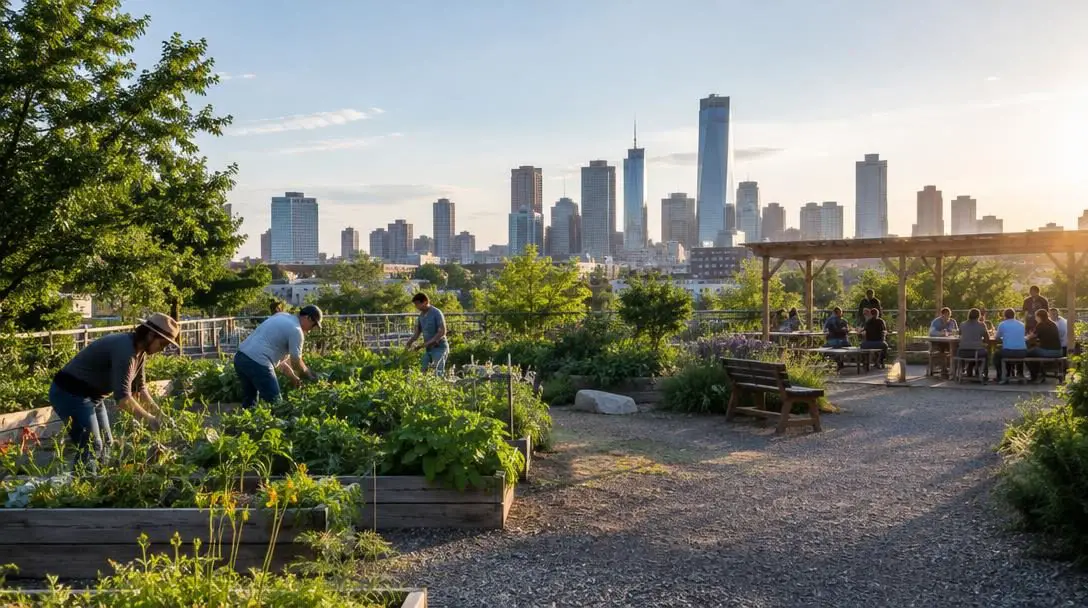
Across the globe, towns and cities are experiencing a decisive transformation driven not by distant municipal bureaus or commercial developers, but by the residents who live there. Confronted with municipal budget limitations, bureaucratic backlogs, and shifting municipal priorities, neighborhoods increasingly find that waiting for outside intervention yields slow or inadequate results. In response, everyday citizens are pooling their collective knowledge, labor, and local resources to solve urgent social and environmental issues from the ground up.
This widespread movement toward decentralized community action represents a fundamental reimagining of urban and suburban stewardship. By taking direct ownership of public parks, launching clean energy and conservation projects, organizing cooperative institutions, and supporting neighborhood-based commerce, local communities are proving that long-term civic vitality begins right outside their own front doors.
Key takeaways
- Community-led development addresses critical service and infrastructure gaps that emerge when local authorities face resource constraints or administrative delays.
- Decentralized neighborhood action succeeds by pairing sustainable environmental initiatives with the organizational power of co-ops, non-profits, and labor unions.
- Participatory urban planning ensures that the design of housing, public spaces, and infrastructure mirrors the authentic culture and daily priorities of residents.
- A resilient town depends directly on local economic circulation, supported by independent small business owners, freelancers, and organized community spending.
- Securing durable improvements requires moving from temporary volunteer projects to formal governance structures and binding municipal policy changes.
The shift toward neighborhood self-reliance
Historically, municipal planning and local economic development operated almost exclusively through top-down mandates. Regional planning commissions, civil engineers, and external commercial developers designed neighborhoods, allocated investments, and set zoning regulations with limited direct input from the people living in those areas. While this centralized model aimed for uniform administrative control, it frequently overlooked the nuanced, lived experiences of neighborhood inhabitants. Today, an unmistakable transition toward decentralized civic participation is taking root in towns of all sizes.
The motivation behind this shift is deeply practical. When municipal governments experience tightening fiscal conditions, administrative bottlenecks, or divided agendas, essential neighborhood maintenance is often deferred. Public green spaces fall into neglect, infrastructure deteriorates, community services shrink, and neighborhood business corridors face steady decline. Rather than remaining passive in the face of these challenges, residents recognize that their proximity to the issues gives them an operational advantage. Living in an area gives neighbors firsthand awareness of which crosswalks are dangerous, which vacant lots attract illegal dumping, and which families lack dependable access to wholesome nutrition.
When community members take the initiative to repair, build, and organize, they cultivate a protective sense of ownership. A playground renovated by neighborhood hands or a community garden planted by local families receives far greater ongoing care and oversight than an impersonal municipal installation. By mobilizing readily available talents, equipment, and personal relationships, grassroots coalitions are turning neglected corners into active, resilient public assets.
Four primary drivers of community-led transformation
Grassroots revitalization takes many forms depending on the resources, geography, and pressing challenges of a given area. Rather than relying on isolated interventions, thriving towns usually advance through several complementary approaches that build upon one another.
Sustainable green living initiatives
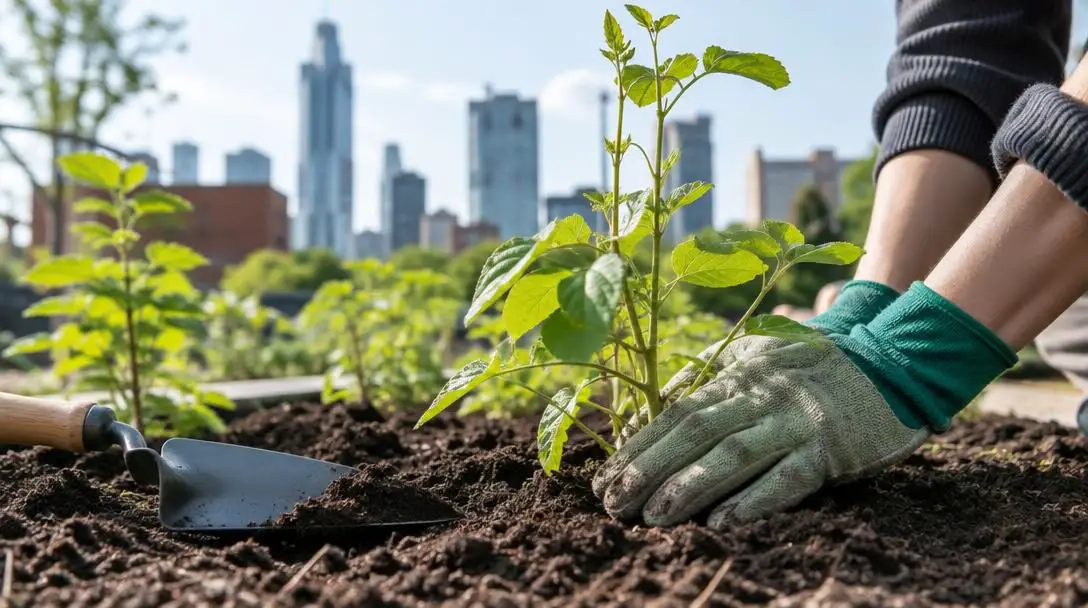
Small-scale environmental practices represent some of the most accessible and immediately transformative projects undertaken by local groups. In low-income areas and under-resourced neighborhoods worldwide, community members utilize everyday materials and vacant land to improve local quality of life and bolster public health. Establishing neighborhood gardens provides a dependable supply of fresh produce in areas where grocery options are scarce or unaffordable. Alongside food production, decentralized rainwater harvesting systems provide alternative water reserves for household and gardening use. These practical conservation efforts simultaneously ease household financial burdens, alleviate municipal drainage burdens, and protect local ecosystems.
Institutional advocacy through co-ops, unions, and non-profits
While informal volunteerism creates immediate momentum, structured organizations provide the endurance required for long-term structural reform. Labor unions, worker or housing cooperatives, and community-based non-profits serve as vital coordinating bodies within towns and cities. These organizations possess the operational capacity to stage informative public campaigns that focus attention on systemic issues like economic inequality and regional education reform. Furthermore, formal civic groups routinely deliver direct educational services, including financial literacy training, to give residents the practical tools needed to build personal and generational stability. By forming coalitions across organizational lines, these institutions negotiate effectively with municipal boards and craft scalable solutions to complex social issues.
Participatory and community-led urban planning
For decades, urban planning excluded the very populations most impacted by zoning decisions and redevelopment proposals. Community-led urban planning restores local agency by placing everyday residents at the center of the design process. Citizens actively contribute to blueprints for affordable housing, pedestrian infrastructure, public transit stops, and shared recreational spaces. When planning sessions incorporate local voices, capital investments reflect the values, cultural heritage, and practical routines of long-term residents rather than the speculative interests of external commercial developers. This direct engagement prevents displacement, improves street safety, and builds shared public spaces that communities genuinely use and defend.
Individual civic effort and local business vitality
Broad municipal progress is sustained by continuous, small-scale personal contributions. When residents organize or join weekend cleanups, they immediately improve neighborhood sanitation and safety. Volunteering time at youth centers, after-school programs, or mutual aid pantries strengthens the local social safety net. Simultaneously, individual purchasing habits dictate the economic survival of commercial districts. Patronizing independent neighborhood merchants, artisans, and service providers keeps money circulating within the local community rather than siphoning wealth out to corporate headquarters. Independent entrepreneurs and freelancers form the backbone of local employment, creating stable livelihoods and essential services tailored to the community's unique needs.
| Civic Pathway | Primary Focus | Typical Activities | Direct Community Impact |
|---|---|---|---|
| Green Living Projects | Ecological health and resource conservation | Community gardens, rainwater collection systems | Reduces household costs and improves local nutrition |
| Civic Organizations | Structural reform and community advocacy | Financial literacy classes, public issue campaigns | Empowers residents through collective bargaining and education |
| Participatory Planning | Built environment and neighborhood design | Zoning reviews, public space design sessions | Ensures housing and infrastructure match resident needs |
| Local Commercial Support | Economic circulation and enterprise | Independent retail patronage, entrepreneurship | Generates local employment and preserves neighborhood character |
Step-by-step guide to organizing local civic initiatives
Transforming spontaneous civic enthusiasm into lasting community infrastructure requires methodical organization. Whether your objective is rehabilitating an abandoned lot, starting a financial education circle, or petitioning for safer pedestrian infrastructure, following an orderly sequence helps optimize limited time and volunteer energy.
- Identify shared priorities: Begin by speaking directly with neighbors, local shopkeepers, and workers across your district to pinpoint recurring frustrations. Holding informal listening sessions reveals whether the most urgent neighborhood need is a lack of accessible green space, inadequate street lighting, or access to financial literacy training.
- Inventory available local resources: Map out the existing skills, tools, spaces, and partnerships already present within your community. Cataloging practical assets—such as a retired neighbor with bookkeeping skills, an artisan with carpentry equipment, or a neighborhood cafe willing to host evening planning meetings—ensures projects build on existing strengths.
- Form small, focused working groups: Avoid the mistake of tasking a single general committee with every neighborhood ambition. Establish dedicated teams centered on distinct goals, such as one group handling street cleanup logistics, another coordinating garden planting, and a third building merchant networking events.
- Connect with established organizations: Reach out to seasoned non-profits, labor unions, and local cooperative associations operating in your region. These groups can share proven educational materials, assist with event logistics, and provide governance mentorship that prevents new organizers from having to reinvent administrative processes.
- Engage local authorities early: When your efforts involve public land, zoning, or public works, initiate a productive dialogue with municipal planners and local elected officials. Arriving at city hall with well-researched proposals, broad resident endorsements, and clear implementation plans significantly increases municipal cooperation.
- Implement quick, visible projects: Launch an achievable initiative early in the process to demonstrate immediate value. Successfully clearing a neglected alleyway or constructing an initial rainwater collection setup shows hesitant neighbors that grassroots change is realistic and rewarding, accelerating future participation.
- Support the local economic base: Integrate local economic health into your ongoing efforts. Encourage residents to hire neighborhood freelancers, patronize independent grocers, and attend networking sessions that introduce small business proprietors to local customers.
Frequent pitfalls in grassroots neighborhood organizing
Even passionately supported civic campaigns can falter if core organizational hazards are ignored. Navigating the natural challenges of volunteer-led initiatives requires intentional planning, clear communication, and balanced workloads.
- Lacking representative participation: A frequent failure mode occurs when planning groups consist solely of a narrow demographic or professional circle. If low-income households, shift workers, renters, and long-term elders are excluded from planning sessions, resulting projects will fail to serve the real needs of the entire neighborhood.
- Attempting overly ambitious initial projects: Launching directly into complex, expensive infrastructure projects without first developing operational experience routinely leads to stalled construction and volunteer exhaustion. Premature scaling drains financial reserves and discourages supporters before any tangible benefit is achieved.
- Relying on a few overworked organizers: When an entire movement depends on the stamina of one or two central coordinators, burnout is inevitable. Sustaining momentum over several years requires distributing responsibilities through organized working groups, rotating leadership positions, and maintaining transparent records.
- Overlooking the neighborhood commercial ecosystem: Treating grassroots activism in isolation from the local business community deprives initiatives of commercial stability. When small enterprises close down, neighborhood foot traffic falls, commercial vacancies rise, and the tax base supporting local services weakens.
Strategies for achieving lasting policy and economic impact
For community initiatives to thrive across generations, temporary volunteer excitement must eventually mature into permanent institutions and systemic municipal policies. Grassroots organizers should anticipate this transition early by laying institutional foundations that outlast any single campaign.
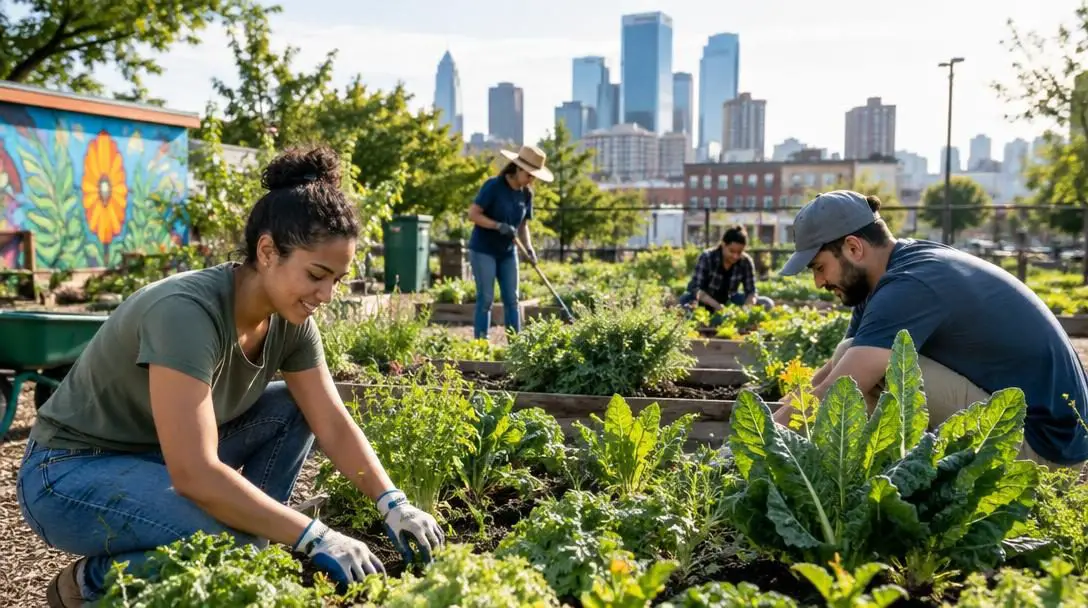
Meaningful civic revitalization succeeds when everyday neighbors combine practical, small-scale physical improvements with enduring institutional advocacy and municipal policy reform.
One essential pathway is formalizing governance structures. While informal gatherings are ideal for initiating neighborhood cleanups, long-term asset management often requires legally recognized entities. Incorporating community development corporations, housing cooperatives, or community land trusts enables neighborhoods to hold real estate, accept philanthropic grants, and manage community bank accounts with transparency and legal protection. These structures permanently shield critical community resources from speculative real estate pressures and political turnover.
A second vital objective is integrating local advocacy into municipal policy. Grassroots community planning should not remain merely reactive; the ultimate goal is embedding participatory standards into official town codes. By routinely attending council hearings, offering evidence-based testimony, and proposing concrete planning amendments, neighborhood coalitions help establish binding statutory guidelines for affordable housing ratios, public park preservation, and pedestrian-first transit design.
Equally critical is strengthening local economic circulation. Retaining wealth within the municipality acts as a protective buffer against broader macroeconomic shocks. Communities can establish organized independent business associations, promote localized commercial directories, and sponsor recurring vendor showcases. Connecting neighborhood freelancers and trade professionals with local contracts ensures that financial capital recirculates among nearby households, stabilizing the community tax base and expanding local employment.
Finally, long-term resilience requires a commitment to intergenerational education and skill-sharing. Regularly offering free community workshops on topics such as personal financial literacy, water conservation methods, urban farming, and civic organizing techniques prepares emerging young leaders to take up leadership roles. By deliberately mentoring upcoming generations, neighborhoods ensure that hard-won community wisdom, organizational contacts, and practical knowledge remain active within the town for decades to come.
Frequently asked questions
Why do residents turn to community action instead of waiting for municipal government?
Local authorities often grapple with limited tax revenues, competing municipal priorities, and administrative bottlenecks that make quick intervention in specific neighborhoods difficult. Residents turn to direct action because they experience the consequences of deferred maintenance immediately and possess firsthand insight into which neighborhood issues require immediate attention.
How do small green initiatives help reduce poverty in low-income neighborhoods?
Initiatives such as community gardens provide direct access to fresh, healthy produce, reducing household grocery expenses in areas where fresh food options are scarce or costly. Similarly, collecting rainwater creates a dependable, free reserve for domestic and gardening uses, which lowers recurring utility bills and improves community self-sufficiency.
What role do co-ops, unions, and non-profits play in neighborhood revitalization?
Formal civic institutions provide structural stability, legal standing, and organizational resources that ad-hoc volunteer groups lack. They run public campaigns addressing systemic issues such as economic inequality and educational access, provide vital community classes in financial literacy, and build coalitions that successfully lobby municipal planning departments.
How does community-led urban planning differ from traditional planning models?
Traditional urban planning historically operated via top-down administrative decisions made by distant municipal staff and commercial developers. In contrast, community-led planning places local residents directly into design consultations, ensuring that public facilities, pedestrian infrastructure, and housing developments accurately reflect the community's culture, daily routines, and lived priorities.
Why is supporting local businesses considered an essential part of civic improvement?
Independent small businesses, neighborhood shops, and freelancers are the primary generators of local jobs and essential community services. When residents spend their money at local independent establishments rather than national chains, capital continues to circulate within the town, protecting the area against external economic downturns and funding local revitalization.
The bottom line
The trajectory of modern towns and cities is being decisively reshaped by the people who walk their streets every day. When residents unite to plant neighborhood gardens, harvest rainwater, organize workers through co-ops, and actively participate in urban planning forums, they bridge critical institutional divides that municipal governments cannot address alone. Lasting urban renewal does not demand massive corporate capital or top-down municipal reorganizations; it flourishes wherever determined citizens organize their skills, champion local business, and insist on building an equitable, resilient future together.