
How Many Ingredients Are Actually Scientifically Proven To Help Your Skin?
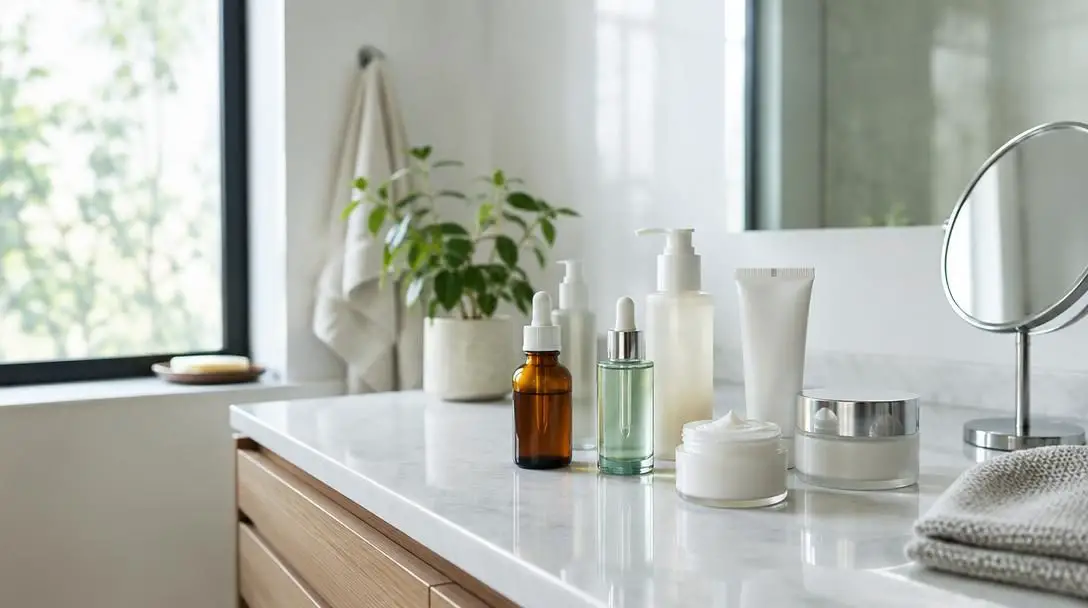
Every year, department store counters, pharmacies, and specialty beauty boutiques are flooded with countless new skincare formulas. Serums, toners, creams, and masks line the shelves, accompanied by extravagant claims of reversing aging, banishing blemishes overnight, and unlocking an elusive, youthful glow. Yet beneath the sleek packaging, persuasive advertising campaigns, and exotic botanical infusions lies a sobering reality: very few skincare components have robust scientific evidence proving that they actually deliver measurable benefits to your skin.
For everyday shoppers, navigating this landscape of marketing promises can feel bewildering. Most cosmetic formulas rely on lofty buzzwords rather than rigorous, dermatologically tested active compounds. By filtering out unverified hype and understanding which specific ingredients boast legitimate scientific validation, you can make informed decisions, protect your wallet, and build a regimen that supports lasting cellular health and barrier protection.
Key takeaways
- Only a small handful of dermatologically tested skincare ingredients have genuine, scientifically documented efficacy.
- Core actives like retinol, ascorbic acid, and ceramides work by altering fundamental biological mechanisms such as cellular turnover, collagen production, and barrier lipid replacement.
- Certain ingredients offer powerful synergies when combined, such as Vitamin C and Vitamin E working together to boost antioxidant protection.
- Matching proven ingredients to your individual skin profile and allowing adequate time, such as four weeks for Vitamin B3, is crucial for real results.
The science-backed ingredients proven to help your skin
To establish an effective daily routine, consumers need to understand the biological mechanisms behind the rare ingredients that hold true clinical proof. The following eight components stand out for their verified ability to repair, hydrate, and defend skin cells.
Retinol
- Compound class: Concentrated Vitamin A derivative
- Primary mechanism: Accelerates cell turnover and acts as an antioxidant
- Recommended frequency: Once or twice weekly at night
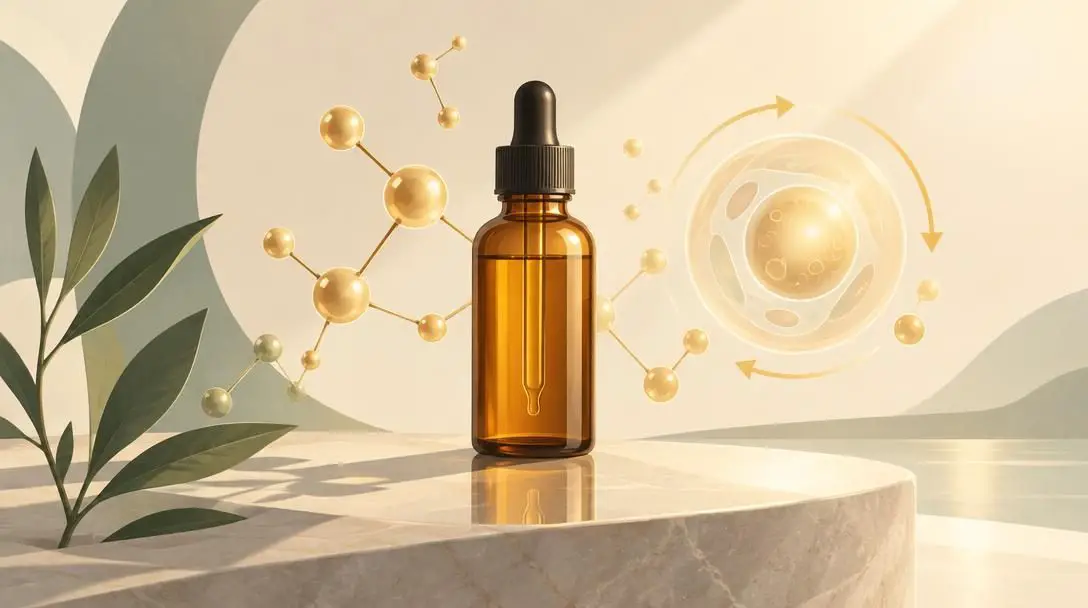
Retinol is a highly concentrated derivative of Vitamin A renowned for its profound impact on cellular renewal and turnover. Under normal biological conditions, older and fatigued skin cells linger on the outermost layer of the epidermis, resulting in a dull, coarse, and uneven surface texture. Retinol speeds up the natural renewal cycle, pushing younger, healthier cells to the forefront much more rapidly. Beyond accelerating skin renewal, retinol behaves as a potent antioxidant that actively neutralizes free radicals. Unstable free radicals inflict ongoing structural damage on cellular tissue, degrading skin integrity over time. Because of its sheer potency, dermatological guidance recommends applying retinol only once or twice a week at night, which maximizes its restorative potential while preventing unnecessary irritation, peeling, or sensitivity.
Alpha-hydroxy acids

- Compound class: Naturally occurring organic acids (fruits, vegetables, milk)
- Primary examples: Glycolic acid and lactic acid
- Biological function: Humectant hydration and moisture retention
Alpha-hydroxy acids, commonly known as AHAs, are naturally occurring acids found across everyday botanical and dairy sources, including fruits, vegetables, and milk. Among the various forms available in modern formulations, glycolic acid and lactic acid have earned strong scientific endorsement. Rather than stripping the surface, these specific acids function as natural humectants. Humectants possess the unique biochemical capacity to attract and pull moisture directly from the ambient environment into the deeper layers of the skin. By drawing ambient water into the tissue, alpha-hydroxy acids establish a sustained barrier that prevents ongoing trans-epidermal dryness and helps maintain internal, long-term hydration levels.
Hyaluronic acid

- Biological origin: Naturally synthesized within the human body
- Moisture capacity: Up to 1,000 times its own weight in water
- Skin compatibility: Suitable for both dry and oily complexions
Hyaluronic acid is widely considered the quintessential benchmark for topical hydration. Unlike many synthetic alternatives, this substance is naturally produced within the human body, where its primary biological role is to lock water into tissues and maintain optimal joint and skin lubrication. What sets hyaluronic acid apart from virtually every other cosmetic compound is its unmatched ability to hold up to a thousand times its weight in water. Because it delivers profound hydration without introducing heavy oils or pore-clogging residues, it serves as an exceptionally versatile ingredient that functions equally well for parched, flaky complexions and slick, acne-prone skin types.
Vitamin E
- Compound class: Fat-soluble antioxidant group
- Key benefit: Anti-inflammatory action that minimizes redness and puffiness
- Precaution: Avoid if dealing with heavy acne or very oily skin
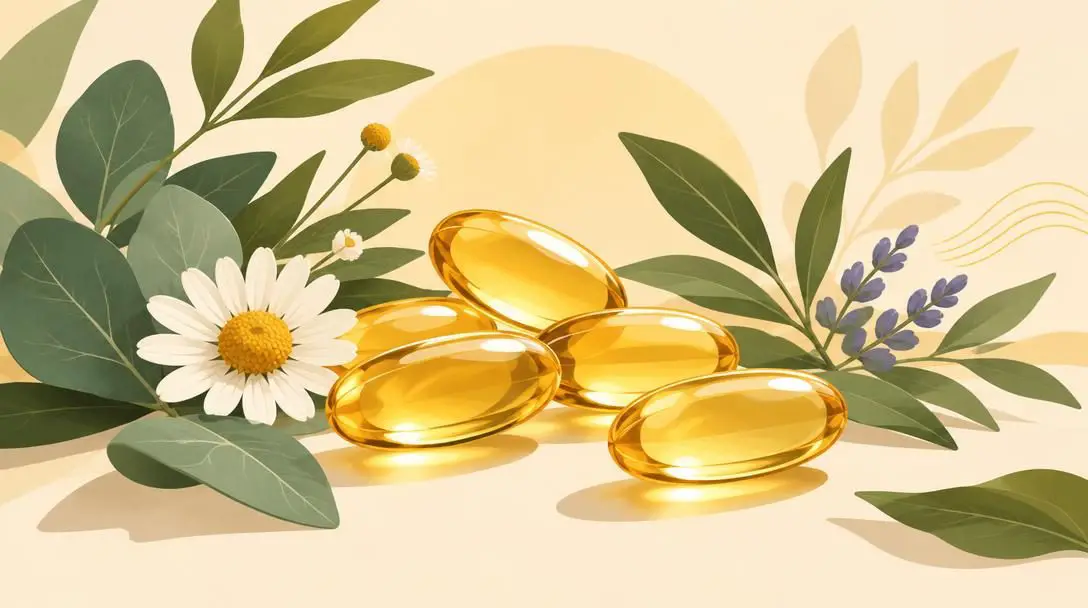
Composed of an interconnected family of fat-soluble antioxidants, Vitamin E is widely available, stable, and relatively inexpensive to formulate, making it an enduring staple across pharmaceutical creams and daily moisturizers. Biologically, Vitamin E serves as an effective anti-inflammatory agent that calms irritated surface tissue, reducing persistent facial redness and noticeable puffiness. However, its lipid-rich nature requires deliberate caution: individuals who struggle with severe breakouts or very oily skin should avoid high concentrations of Vitamin E, as the heavy antioxidant oil can worsen congestion and exacerbate existing acne conditions.
Vitamin C

- Active chemical form: Ascorbic acid
- Key mechanism: Stimulates natural collagen synthesis
- Synergy partner: Vitamin E
Ascorbic acid represents the pure, scientifically validated form of Vitamin C most frequently formulated into medical-grade skincare treatments. It has been extensively proven to stimulate the human body into generating higher levels of natural collagen. Because collagen fibers form the primary structural scaffolding that keeps dermal tissue firm, resilient, and elastic, ascorbic acid serves as an indispensable cornerstone of anti-aging regimens. In addition, Vitamin C exhibits a unique chemical synergy: when combined in a formula with Vitamin E, the two antioxidants stabilize and regenerate one another, making the blend significantly more effective at defending skin cells than either vitamin applied in isolation.
Algae extracts

- Key variants: Red algae, green algae, blue algae, and astaxanthin
- Major benefits: Deep hydration, brightening, and elasticity support
- Hydration impact: Red algae boosts moisture levels by over 100%
Algae extracts have transitioned from luxury indulgence to evidence-backed skincare staples due to their extraordinary antioxidant profiles and survival adaptations. Different marine species provide distinct cellular benefits: red algae extract has been clinically shown to boost the skin's moisture retention levels by more than 100%, offering rapid relief to dehydrated barriers. Meanwhile, green and blue algae varieties work primarily to brighten dull complexions and cleanse away impurities. Furthermore, astaxanthin—a specialized red microalgae extract—functions similarly to Vitamins C and E, neutralizing environmental damage and supporting dermal elasticity.
Ceramides
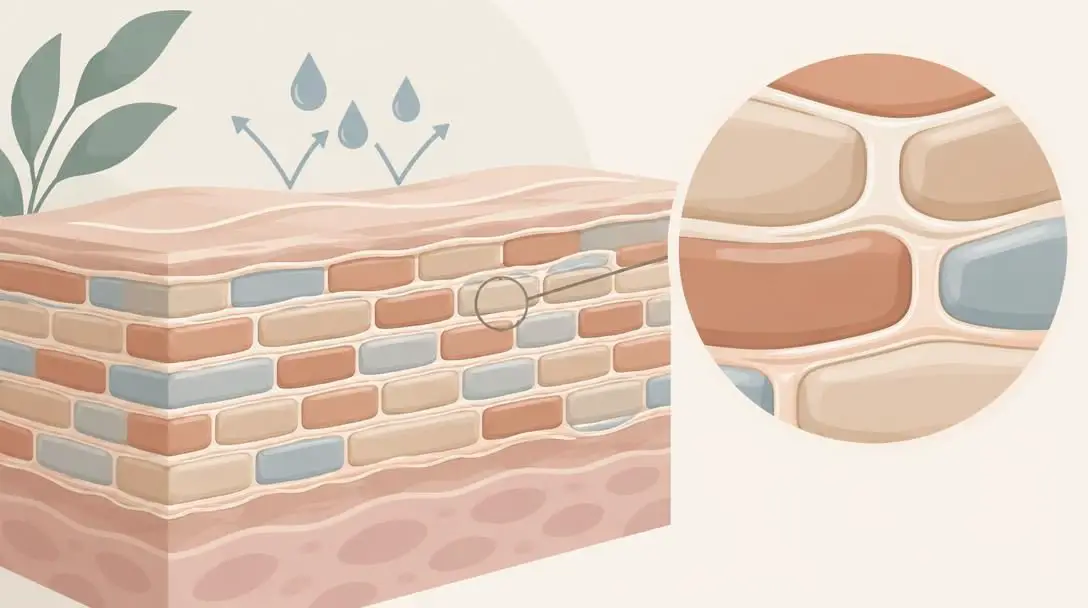
- Compound class: Long-chain structural lipids
- Biological role: Seals gaps between surface cells against external bacteria
- Hydration impact: Delivers a 100% or greater increase in moisture retention
Ceramides are naturally occurring, long-chain lipids that make up the vital intercellular mortar holding your surface skin cells together. In healthy skin, these lipid molecules create an impermeable protective seal that keeps moisture trapped inside while blocking environmental bacteria, toxins, and foreign pollutants from entering through the cell walls. Unfortunately, natural ceramide production drops significantly as a consequence of aging and sustained environmental exposure. Skincare formulas enriched with bio-identical ceramides replenish depleted lipid reserves, sealing the microscopic gaps between vulnerable surface cells and delivering an immediate 100% or greater surge in moisture retention.
Vitamin B3

- Primary mechanism: Anti-inflammatory and proactive blemish inhibition
- Target concerns: Hyperpigmentation, sun spots, and uneven tone
- Clinical timeline: Visible reduction in discoloration within four weeks
Vitamin B3 is a multifaceted dermatological compound that soothes systemic inflammation while smoothing out mottled or uneven complexions. Beyond its general calming and tone-evening qualities, Vitamin B3 functions as a formidable proactive acne fighter by intercepting inflammatory breakouts in their earliest stage of development, neutralizing blemishes before they surface on the skin. Furthermore, clinical testing reveals that regular application of Vitamin B3 visibly diminishes the appearance of sun spots, age spots, and post-inflammatory hyperpigmentation after just four weeks of steady use.
Cutting through exaggerated beauty marketing requires focusing strictly on ingredients that alter cellular dynamics through documented dermatological proof.
Comparing science-backed ingredients at a glance
Every validated skincare ingredient targets specific biological concerns. The table below details how these top eight actives compare across their primary biological functions, optimal skin types, and expected benefits.
| Ingredient | Primary function | Ideal skin profile | Key clinical benefit |
|---|---|---|---|
| Retinol | Accelerates cell turnover & fights free radicals | Mature or dull skin | Replaces surface cells; requires nighttime use |
| Alpha-hydroxy acids | Humectant moisture binding | Dry or dehydrated skin | Draws ambient environmental moisture into the skin |
| Hyaluronic acid | Massive water retention | All skin types (dry to oily) | Holds up to 1,000 times its weight in water |
| Vitamin E | Anti-inflammatory lipid antioxidant | Dry or irritated skin (not oily) | Reduces facial redness, swelling, and puffiness |
| Vitamin C | Collagen synthesis & antioxidant defense | Aging or sun-damaged skin | Boosts structural collagen; pairs with Vitamin E |
| Algae extracts | Moisture replenishment & brightening | Dehydrated or sluggish skin | Red algae boosts skin moisture levels by over 100% |
| Ceramides | Intercellular lipid barrier restoration | Compromised or aging skin | Seals cell gaps; boosts retention by 100%+ |
| Vitamin B3 | Calming, tone-evening, & blemish control | Hyperpigmentation & blemish-prone | Reduces dark spots after four weeks; stops early acne |
A practical guide to building an evidence-based routine
Knowing which ingredients work in a clinical laboratory is meaningless if they are used improperly at your bathroom sink. Layering too many strong actives at once or selecting compounds unsuited to your dermal barrier can easily provoke flare-ups. Follow this methodical, step-by-step process to construct a safe and genuinely effective regimen:
- Identify your primary skin concern: Clarify whether your primary objective is addressing moisture loss, evening out dark marks, calming persistent redness, or restoring structural firmness. If barrier hydration is lacking, prioritize humectants like hyaluronic acid, glycolic acid, lactic acid, or lipid-replenishing ceramides. If dark spots or acne dominate, focus on Vitamin B3.
- Inspect packaging and ingredient declarations: Disregard decorative product titles and bold claims on front-facing labels. Turn the bottle around to confirm the explicit presence of proven compounds such as ascorbic acid, ceramides, or specific alpha-hydroxy acids rather than vague botanical extracts.
- Introduce powerful active ingredients gradually: Never apply concentrated actives at full strength right away. Introduce potent ingredients like retinol strictly once or twice weekly at night to give your skin time to adapt to accelerated cellular turnover without excessive peeling or inflammation.
- Leverage proven synergistic pairings: Maximize your daily defense by pairing ingredients known to amplify one another. Apply Vitamin C (ascorbic acid) alongside Vitamin E to generate enhanced antioxidant protection that surpasses the performance of either vitamin applied alone.
- Tailor formulas to your specific skin type: Adjust your ingredient selections based on your oil levels. If your skin is naturally oily or prone to severe acne, omit heavy lipid treatments like Vitamin E, turning instead to oil-free humectants like hyaluronic acid that hydrate deeply without clogging pores.
- Commit to long-term consistency: Biological changes take time. Structural remodeling, collagen creation, and melanin regulation do not occur overnight. Maintain your routine consistently for at least four full weeks to allow compounds like Vitamin B3 to visibly reduce sun spots and hyperpigmentation.
Common skincare mistakes that undermine your results
Even when using scientifically verified ingredients, simple procedural blunders can negate their positive effects or compromise your skin's defensive barrier. Be sure to avoid these prevalent missteps:
- Overusing potent renewal agents: Applying retinol every evening from the very start can quickly overwhelm your epidermal barrier. Retinol must be limited to once or twice a week at night during initial use to avoid painful flaking and irritation.
- Applying heavy lipid antioxidants to acne-prone skin: While Vitamin E works wonders to diminish redness and puffiness on dry complexions, applying this fat-soluble vitamin to very oily or heavily blemished skin can trigger clogged pores and worsen breakouts.
- Misunderstanding how natural acids behave: Alpha-hydroxy acids like glycolic and lactic acids originate in milk, fruits, and vegetables, but their true therapeutic virtue is acting as moisture-binding humectants, not harsh stripping washes designed to scrub the skin raw.
- Failing to replenish deteriorating structural lipids: Relying exclusively on surface hydrators while ignoring internal lipid depletion is a losing battle. Because natural ceramides break down over time due to age and environmental stressors, failing to replace them leaves gaps between surface cells through which vital moisture escapes.
- Abandoning hyperpigmentation treatments prematurely: Expecting discoloration to vanish within a few days leads to frustration. Cellular pigment regulation from ingredients like Vitamin B3 requires consistent, uninterrupted application for at least four weeks before sun spots and age spots noticeably fade.
- Falling for vague marketing slogans: Purchasing products based solely on catchy promotional phrasing rather than verified, dermatologically tested ingredients wastes money and delays real skin improvement.
Frequently asked questions
Why do so many skincare products fail to show noticeable results?
The vast majority of cosmetic skincare items rely on marketing hype, exotic botanicals, and high-dollar advertising rather than ingredients with clinical backing. Only a very small number of components—such as retinol, ascorbic acid, and ceramides—have proven biological mechanisms that tangibly alter skin structure and health.
How often should I use retinol to avoid irritation?
Retinol is a highly concentrated Vitamin A derivative that speeds up cell turnover, which can irritate skin if applied too frequently. It is best used strictly once or twice a week at night, allowing your skin to adapt to accelerated cellular renewal while minimizing flaking, dryness, and sensitivity.
Can someone with oily or acne-prone skin safely use Vitamin E?
No. While Vitamin E is an effective anti-inflammatory agent for soothing redness and puffiness on normal or dry skin, it is composed of fat-soluble antioxidants that can clog pores and exacerbate breakouts on individuals with very oily or heavily acne-prone skin.
How do ceramides boost skin hydration by over 100%?
Ceramides are long-chain lipids that form the natural protective mortar between surface skin cells. Over time, age and environmental exposure deplete these lipids. Applying topical ceramides fills in those microscopic intercellular gaps, creating an impenetrable seal against bacteria and moisture loss that boosts retention by 100% or more.
How long does it take for Vitamin B3 to fade hyperpigmentation?
Clinical assessments demonstrate that Vitamin B3 must be applied consistently for at least four weeks before a noticeable reduction in sun spots, age spots, and other forms of hyperpigmentation becomes visible.
The bottom line
The modern beauty market is crowded with elaborate formulas, but true dermatological efficacy belongs to a select group of scientifically proven ingredients. Whether you are accelerating cellular renewal with retinol, sealing vulnerable barrier gaps with restorative ceramides, stimulating collagen synthesis with ascorbic acid, or binding water to surface cells using hyaluronic acid and alpha-hydroxy acids, success comes from understanding the biological mechanisms at play.
Take an honest look at the products currently resting on your vanity. Audit their labels, strip away the unverified marketing promises, and align your routine with clinically tested actives matched to your specific skin needs. When applied with patience, appropriate frequency, and consistency, evidence-based skincare delivers dependable, visible improvements that no flashy advertising campaign can replicate.