Is An Electric Car Right For You? 4 Important Questions To Ask
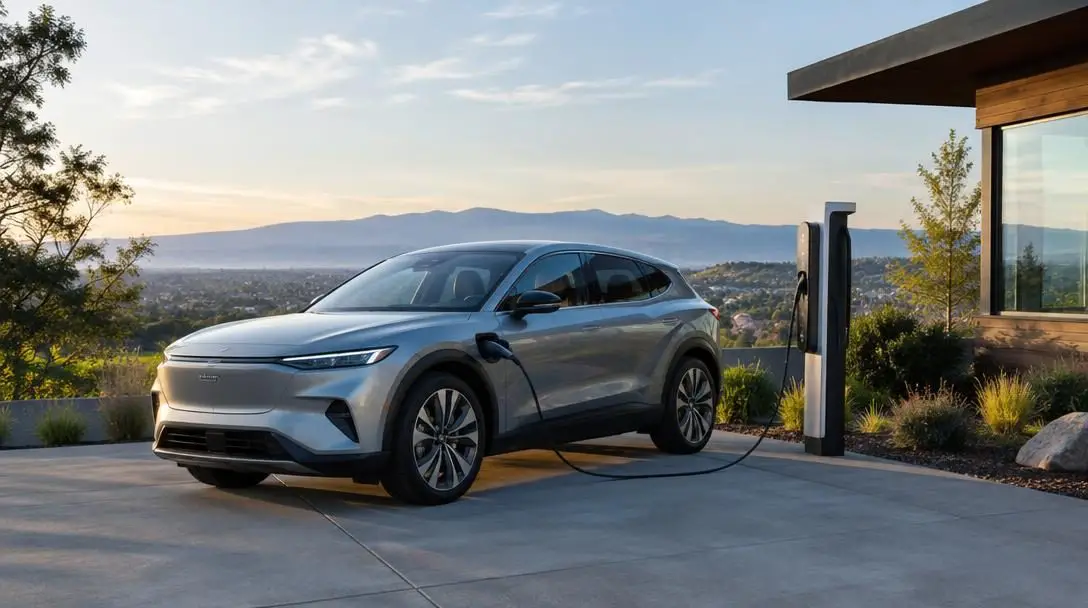
Electric cars and trucks are becoming an increasingly common sight on modern roadways. For generations, the automotive market was dominated by traditional internal combustion engines powered by gasoline or diesel fuel. As societal awareness surrounding environmental health, air quality, tailpipe emissions, and volatile fuel prices has expanded, global automakers have invested billions of dollars into battery-powered alternatives. This transition promises to eliminate regular stops at the gas station and reduce vehicle emissions, directly helping to phase out one of the single largest sources of greenhouse gases on the planet.
Yet despite these undeniable advantages, switching to a battery-powered car is not an automatic, one-size-fits-all upgrade for every household. Moving away from a petroleum-based driving routine alters the fundamental mechanics of vehicle ownership, from how you refuel and how far you can travel between stops to the upfront capital required to drive off the lot. Evaluating whether an electric vehicle seamlessly fits your daily lifestyle requires looking closely at your driving habits, living arrangements, budget, and personal priorities.
Key takeaways
- Electric vehicles produce zero tailpipe emissions and eliminate fuel expenses, but they require a structured routine for battery recharging.
- Short to moderate daily commutes are well suited for electric cars, whereas long-haul travel or demanding work shifts can strain battery range.
- Reliable access to home outlets, workplace stations, or public fast chargers is critical to avoid logistical headaches.
- Steep initial purchase prices and ongoing vehicle depreciation mean fuel savings take time to offset the upfront premium.
Understanding Electric Powertrains and Charging Systems
To evaluate whether an electric car fits into your daily routine, it is essential to understand how the underlying powertrain operates. Traditional automobiles rely on an internal combustion engine that burns liquid gasoline or diesel fuel to turn gears and propel the chassis. In contrast, a fully electric vehicle discards the gas engine entirely, relying on an onboard battery pack that delivers stored electrical energy directly to an electric motor. Because there is no fuel combustion taking place beneath the hood, the vehicle produces zero direct tailpipe emissions while driving.
Replenishing that stored energy is fundamentally different from pumping liquid fuel. Instead of spending five minutes at a neighborhood service station, electric car owners must plug their vehicles into an electrical power source. The speed and convenience of this process vary significantly depending on the type of charging infrastructure used.
| Charging Type | Primary Power Source | Typical Location | Best Use Case |
|---|---|---|---|
| Standard Charging | Standard electrical power | Residential garages, driveways, dedicated home stalls | Slow, continuous recharging overnight or during long idle periods |
| Public Charging Stations | Dedicated commercial alternating current power | Workplace lots, municipal facilities, shared parking garages | Replenishing battery levels throughout the workday or while parked |
| Fast Chargers | High-voltage direct current power | Supermarket plazas, highway rest stops, big-box retail centers | Rapid battery replenishment during brief shopping stops or mid-trip breaks |
Four Essential Questions to Determine Your EV Readiness
Before committing to an electric vehicle, prospective buyers should walk through four fundamental areas of their daily life. Assessing your real-world mileage, your parking access, your financial ledger, and your core motivations will quickly reveal whether battery power, a hybrid model, or a traditional gas vehicle is your best match.
1. How Far Are Your Usual Drives?
The total distance you cover during routine travel is perhaps the single most crucial factor when determining whether an electric car aligns with your life. A vehicle's single-charge range dictates how freely you can drive without constantly planning your route around charging plazas. Because every driver maintains a distinct travel profile, an electric car will fit some schedules effortlessly while introducing major delays into others.
If your daily schedule consists of a short to medium commute, local school drop-offs, and routine neighborhood errands, you represent an ideal candidate for an electric car. Modern battery capacities easily handle standard daily mileage with substantial power to spare. Drivers with predictable, moderate driving patterns can return home each evening without experiencing any nagging anxiety over their remaining battery percentage.
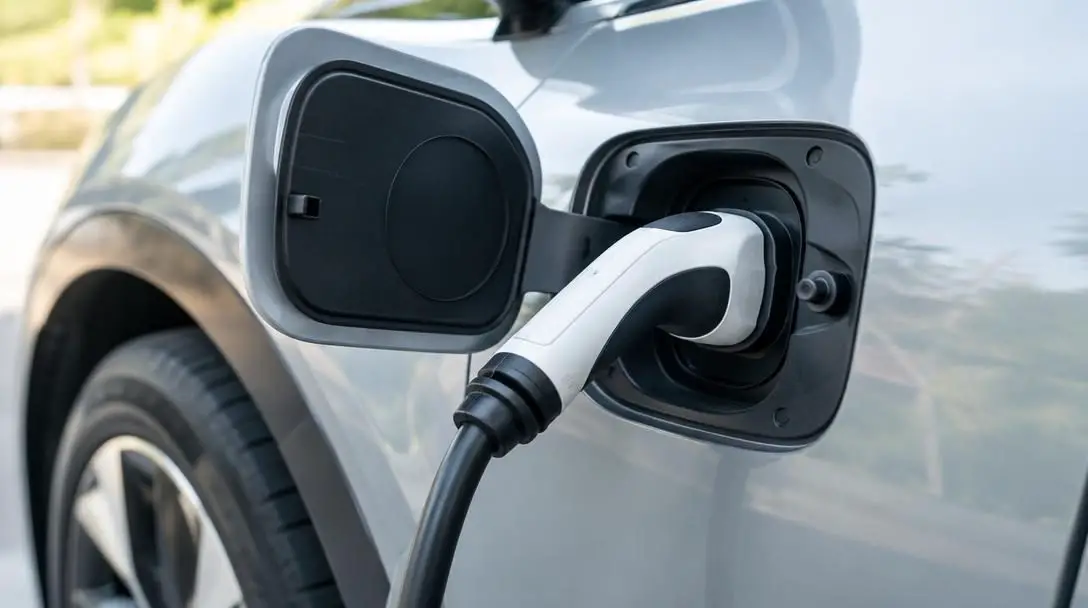
Conversely, drivers who cover extensive distances for regional travel, manage field sales territories, or spend their entire working shift behind the wheel face a different reality. High daily mileage, especially when carrying heavy cargo or fighting highway wind resistance, depletes battery reserves at an accelerated pace. Having to pause for extended charging sessions during a busy workday can create frustrating bottlenecks. In these operating conditions, a traditional gasoline car or a gas-electric hybrid—which pairs an electric motor with the swift refueling capability of an engine—often remains the more dependable tool.
The shift from a petroleum-based driving routine to an electric model fundamentally alters how a vehicle is fueled, how far it can travel between stops, and how much money is required upfront.
2. Where Do You Live (and Work)?
Your geographic region and daily parking environment directly dictate how convenient or inconvenient electric car ownership will feel. The availability of charging infrastructure varies dramatically across states, municipalities, and neighborhoods. While certain metropolitan areas boast dense corridors of high-voltage chargers and dedicated parking stalls, rural districts and older suburban communities may offer minimal public support for electric transportation.
Your residential living situation serves as the anchor for your charging routine. Homeowners with a personal garage or a private driveway featuring an accessible electrical outlet enjoy the greatest convenience, allowing them to recharge overnight just as they would a smartphone. However, renters residing in multi-unit apartment complexes or urban drivers who rely exclusively on unreserved street parking face significant hurdles if their properties lack dedicated charging pedestals.
Workplace infrastructure can offset some residential limitations. An increasing number of commercial employers, corporate campuses, and municipal parking facilities now feature dedicated parking stalls equipped with chargers. If you can plug in while on the clock, you can easily replenish your battery during your standard shift. Similarly, frequent access to commercial centers and supermarkets equipped with fast chargers allows you to top off your vehicle during routine grocery runs. Without access to these charging avenues, keeping an electric vehicle powered requires deliberate route planning and active schedule management.
3. What Is Your Budget?
Evaluating an electric vehicle requires separating initial technological enthusiasm from long-term financial reality. Advanced automotive battery packs, heavy-duty cooling systems, and specialized high-voltage electronics carry significant manufacturing expenses. As a result, new electric vehicles typically arrive with a price tag that is thousands or even tens of thousands of dollars higher than equivalent gasoline or hybrid models.
For budget-conscious buyers who require affordable, basic transportation, this substantial price gap can be difficult to justify. Furthermore, prospective owners must evaluate the reality of automotive depreciation. Like conventional cars, electric models naturally lose a significant portion of their value over time as they accumulate mileage and cosmetic wear. While an electric powertrain eliminates gasoline expenses and reduces certain engine-related maintenance, the steep initial purchase price can take years of driving to offset through fuel savings alone.
4. What Are Your Values?
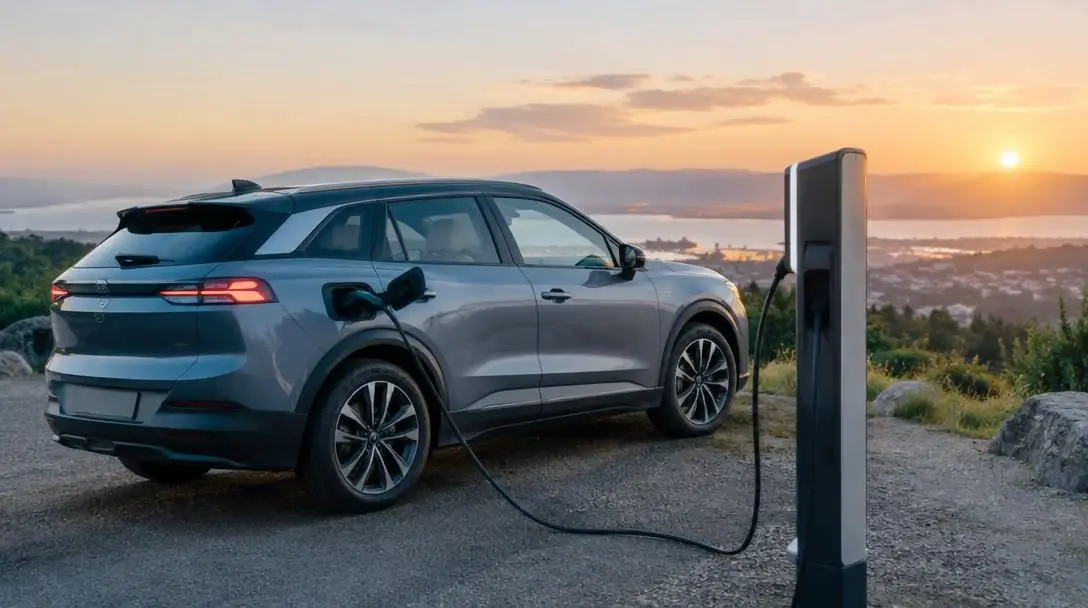
Beyond spreadsheets and commuting distances, the decision to purchase an electric car is frequently shaped by personal ethics and environmental priorities. Internal combustion engines operating across the transportation sector represent one of the primary drivers of urban air pollution and global carbon emissions. For drivers alarmed by climate trends, choosing an electric vehicle offers a direct, tangible way to reduce personal reliance on fossil fuels.
For environmentally motivated owners, the societal benefits of lowering localized emissions often outweigh minor logistical inconveniences. These drivers are typically comfortable planning road trips around charging plazas, adjusting their schedules for battery fill-ups, and absorbing higher upfront costs because their personal values prioritize sustainability over absolute convenience. If your primary objective is to minimize your environmental footprint and promote cleaner air, an electric vehicle aligns closely with your broader worldview.
Practical Steps to Evaluate Your Readiness
If you are actively debating whether to replace your gas-powered vehicle with a battery-electric model, working through a structured evaluation process can prevent an expensive purchasing mistake. Complete these five practical steps before stepping into a dealership showroom:
- Track your daily driving mileage: Maintain a dedicated travel log for one to two weeks, recording the exact mileage of every commute, errand, and weekend excursion. Compare your daily peak mileage against the rated single-charge battery capacity of the vehicles you are considering.
- Map out your local charging options: Survey the public infrastructure along your routine travel corridors. Locate charging stalls at your workplace, local grocery stores, community centers, and municipal transit garages to see where you can conveniently park and plug in.
- Inspect your home charging feasibility: Examine the parking space where your vehicle sits overnight. Determine whether an exterior electrical outlet is readily accessible, or consult a licensed electrician to evaluate whether your home's breaker panel can support dedicated charging equipment.
- Calculate your total transportation budget: Aggregate your average monthly fuel spending and compare it against the purchase price difference between an electric vehicle and comparable gas or hybrid alternatives to establish your long-term payback period.
- Test drive an electric vehicle: Rent an electric car for several days or arrange an extended dealership test drive. Experiencing direct regenerative braking, instant motor torque, and public charging stalls firsthand provides essential real-world context.
Common Mistakes to Avoid
Many drivers jump into the electric vehicle market without fully understanding how the technology impacts their day-to-day habits. Avoiding these frequent missteps will help ensure you select the right vehicle for your situation:
- Overestimating home charging access: Assuming that residential charging will be simple without first checking the distance from your parking spot to the nearest electrical panel or securing landlord approval in rented housing.
- Underestimating range needs: Selecting a vehicle whose battery capacity barely matches your daily round-trip commute, leaving zero buffer for unexpected detours, severe traffic congestion, or cold weather power drains.
- Ignoring public charger availability: Assuming commercial fast chargers exist along your daily routes without verifying their actual operating status and accessibility through charging apps.
- Focusing solely on fuel savings: Looking only at the money saved by skipping the gas station while ignoring higher initial vehicle financing costs and standard automotive depreciation.
- Neglecting hybrid alternatives: Overlooking conventional or plug-in hybrids that offer substantial fuel efficiency improvements without requiring complete reliance on public electrical plugs.
Frequently asked questions
Can I own an electric car if I live in an apartment?
Yes, but it requires careful logistical planning. If your apartment building lacks dedicated charging stations or accessible parking lot outlets, you will have to rely entirely on workplace charging facilities or commercial public fast chargers to keep the battery powered.
How does cold weather affect an electric vehicle?
Cold temperatures temporarily reduce battery efficiency and increase energy consumption because the vehicle must use stored electrical power to heat the cabin and condition the battery pack, resulting in reduced driving range between charges.
Is a hybrid vehicle better for long-distance drivers?
For drivers who frequently travel long distances or operate across regions with sparse charging infrastructure, a gas-electric hybrid is often more practical. Hybrids leverage an efficient electric motor alongside a standard gasoline engine that can be refueled quickly at any service station.
Do electric cars require standard automotive maintenance?
Electric cars eliminate traditional engine maintenance tasks such as oil changes, spark plug replacements, and timing belt servicing. However, they still require regular upkeep for tires, brake pads, cabin air filters, suspension components, and battery cooling systems.
How long does it take to charge an electric car at a fast charger?
Fast chargers utilize high-voltage direct current power to replenish a substantial portion of an electric vehicle's battery pack in a relatively short window, typically ranging from twenty to forty-five minutes depending on the vehicle's charging capacity and current battery level.
The bottom line
The choice between an electric vehicle, a gas-electric hybrid, and a conventional internal combustion automobile comes down to your personal driving demands, geographic surroundings, and financial balance sheet. Electric vehicles deliver quiet performance, eliminate localized tailpipe emissions, and permanently remove the need to purchase gasoline. For suburban or urban drivers who commute moderate distances, have dependable access to home or workplace charging outlets, and place a premium on environmental conservation, making the switch to battery power can be deeply rewarding.
However, an electric vehicle may prove burdensome if you regularly travel hundreds of miles across sparse charging corridors, park along unpowered city curbs, or require a budget-friendly vehicle with minimal upfront acquisition costs. In those operating environments, standard gasoline automobiles and efficient hybrid models continue to offer unmatched flexibility and dependable service. By realistically analyzing your driving routines, mapping your local power access, and evaluating your total transportation budget, you can confidently choose the powertrain that best supports your daily journey.