Pimp Your Ride: The 5 Best Mountain Bike Gadgets
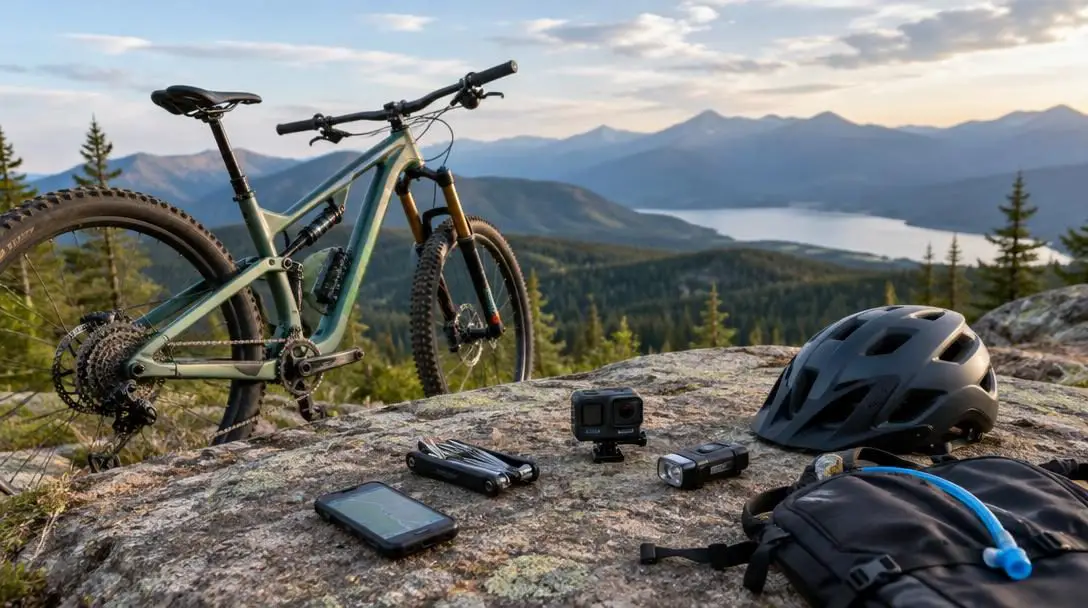
Mountain biking has captured the passion of hundreds of thousands of outdoor enthusiasts each year across multiple generations, evolving from a fringe thrill into a sophisticated backcountry pursuit. In the sport's formative era, pedaling onto remote singletrack carried substantial risk. Primitive bikes subjected to brutal trail forces regularly suffered slipped or snapped chains, loose cockpits, and punishing punctures. Because riders had to rely on heavy, makeshift tools and rudimentary components rarely built for off-road punishment, a minor mechanical mishap could abruptly strand an adventurous cyclist miles from assistance.
Decades of continuous engineering breakthroughs, material refinements, and digital developments have radically altered that dynamic. Today, off-road riding is safer, more accessible, and vastly more enjoyable. Modern mountain bike gear is exceptionally light, resilient, and engineered to resolve trailside emergencies within seconds. With the right selection of purpose-built gadgets secured to your frame or stowed inside your pack, you can confidently ride deeper into the wilderness knowing that you have the tools to stay oriented, well-lit, mechanically intact, and properly hydrated.
Key takeaways
- Equipping a specialized multi-tool with an integrated chain breaker allows riders to resolve unpredictable trailside mechanical failures in minutes.
- Satellite-connected global hotspots ensure uninterrupted emergency communication and GPS tracking even in remote canyons and deep forests lacking cellular reception.
- High-output LED headlamps backed by lithium-ion battery packs illuminate hidden trail hazards and ensure visibility during early dawn or twilight rides.
- Rapid tire inflation systems utilizing compressed carbon dioxide cartridges eliminate the fatigue and time commitment of traditional hand pumping.
- Ergonomic, insulated mountain bike water bottles deliver rapid hydration through glove-friendly valves without spilling across technical terrain.
Essential trail gadgets at a glance
Upgrading your ride setup with dedicated trail equipment ensures that small mechanical errors or unpredictable changes in light and weather do not derail your entire excursion. Selecting gear with dependable mechanisms and proven durability is the foundation of self-sufficient off-road cycling.
| Gadget Category | Primary Function | Key Mechanical Features | Prominent Market Options |
|---|---|---|---|
| Multi-Tools | On-the-fly mechanical repairs | Fold-out Allen wrenches, Torx bits, threaded chain pin drivers | Crank Bros M19, Lezyne V Pro-11, Fabric 16-in-1 |
| Global Hotspots | Wilderness connectivity and tracking | Direct satellite transceiver links, compact pocket-sized form factor | Somewear Satellite Hotspot |
| High-Performance Headlamps | Trail illumination and safety | High-efficiency LEDs, rechargeable lithium-ion battery packs | Magicshine Monteer 8000S Galaxy V2.0, Exposure Six Pack MK12, Gemini Titan 4000 |
| Fast Tire Inflators | Instant puncture recovery | Compressed CO2 cartridges with control regulators, high-volume chambers | Merida Telescope MTB, Birzman Infinite Apogee MTB, Topeak Mountain TT Twin Turbo |
| Dedicated Hydration Systems | Fluid replenishment | Thermal insulation, one-handed squeeze valves, secure cage fitment | CamelBak Bike Water Bottle, 50 Strong Squeeze Bottle, Schwinn Bike Water Bottle |
The top 5 mountain bike gadgets for off-road riders
Modern trails subject bikes and bodies to extreme stress. The relentless vibrations of rock gardens, jarring drop-offs, and unexpected weather shifts can expose any weakness in your setup. These five gadgets represent the core essentials that every mountain biker should consider adding to their regular inventory.
The Multi-Tool
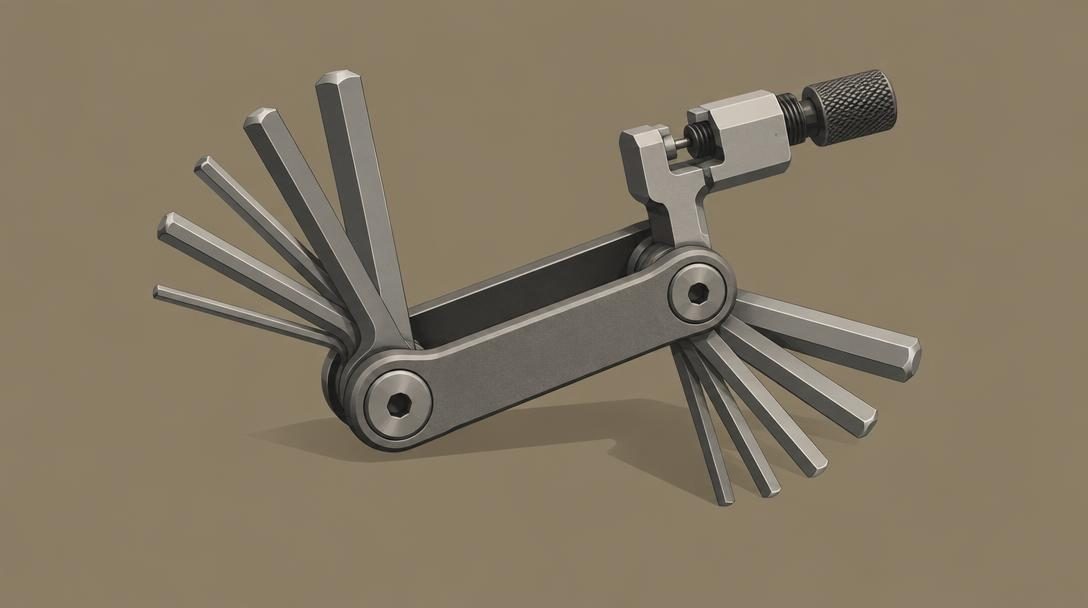
- Primary Function: Trailside mechanical adjustments and emergency chain repairs
- Key Hardware: Assorted Allen keys, Torx bits, and integrated chain tool
- Top Models: Crank Bros M19, Lezyne V Pro-11, Fabric 16-in-1
Trail riding produces relentless impacts and continuous chassis vibrations that loosen fasteners, shift derailleur limits, and twist cockpits out of alignment. A premium multi-tool serves as an entire mobile workshop condensed into an easily pocketable chassis. Rather than carrying heavy, loose wrenches, riders rely on multi-tools featuring hardened steel fold-out Allen keys (hex wrenches) and Torx bits designed precisely around modern bicycle bolts.
Beyond tightening loose seatposts or adjusting brake levers, the most valuable asset on a trail-worthy multi-tool is an integrated chain tool. When a chain snaps under heavy climbing torque, this mechanism uses a threaded pin to push out damaged rivets, allowing you to insert a replacement link and rejoin the drivetrain on the trail. Widely trusted designs like the Crank Bros M19, the Lezyne V Pro-11, and the Fabric 16-in-1 provide comprehensive bit selections in compact, stylish profiles that slip effortlessly into a saddlebag.
The Global Hotspot
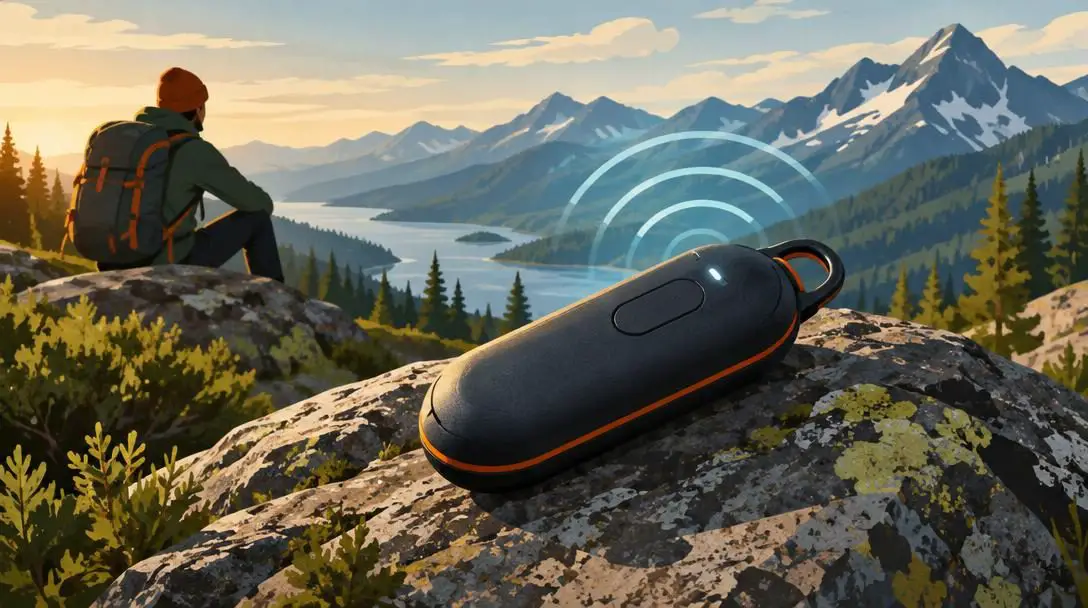
- Primary Function: Wilderness satellite communication and coordinate tracking
- Leading Brand: Somewear
- Form Factor: Compact footprint resembling a water enhancer bottle
Mountain bikers frequently push into rugged backcountry areas, deep river gorges, and remote alpine passes where traditional cellular infrastructure is non-existent. Getting disoriented or experiencing an injury in zero-coverage zones can turn a routine ride into an emergency. A global hotspot resolves this danger by establishing a direct uplink to orbiting satellite networks rather than relying on ground-based cell towers.
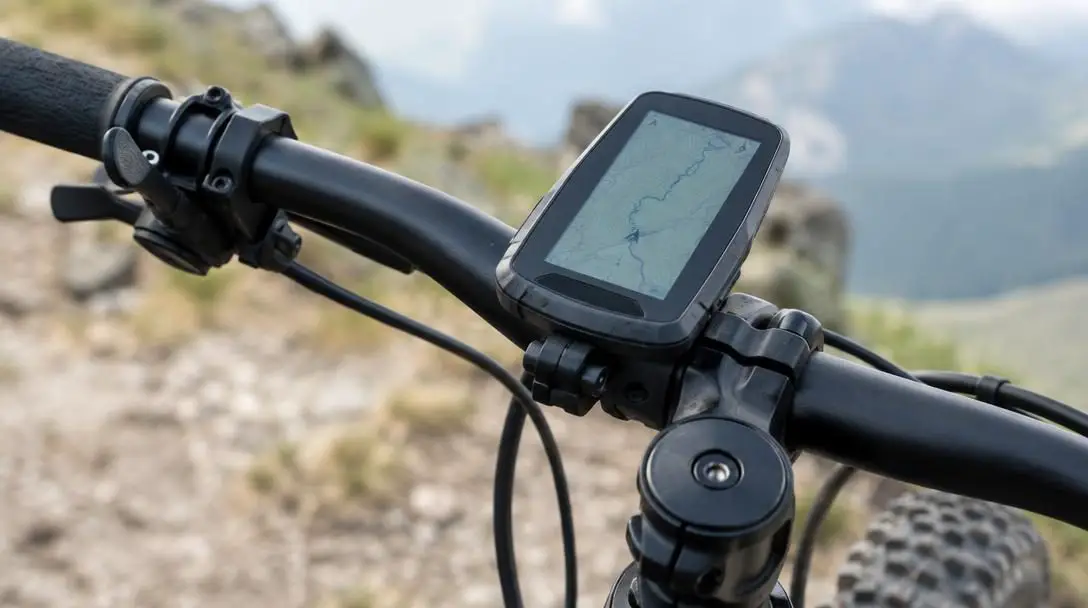
Somewear has established itself as an industry leader in this space, creating devices that mimic the miniature shape of Mio water enhancer bottles. Despite weighing practically nothing, these satellite units transmit your precise coordinates, sync with mapping software, and maintain two-way text communication outside standard network boundaries. While satellite communicators represent a higher initial financial commitment, their ability to guide you safely back to civilization before dark makes them an invaluable trail investment.
While satellite communicators carry an upfront cost, having reliable off-grid connectivity can be a literal lifesaver when navigating wilderness trails before nightfall.
High-Performance Headlamps
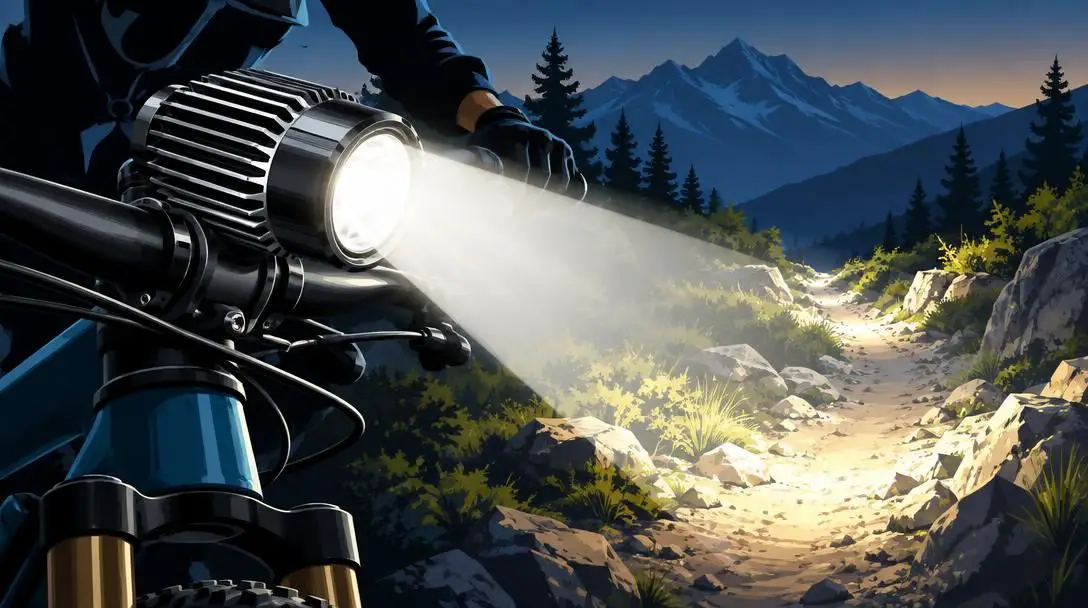
- Primary Function: Trail navigation illumination and rider visibility
- Power Source: High-efficiency LEDs driven by lithium-ion battery packs
- Top Models: Magicshine Monteer 8000S Galaxy V2.0, Exposure Six Pack MK12, Gemini Titan 4000
Dense forest canopies and deep valleys can dramatically reduce ambient light well before the official sunset, turning benign trail obstacles into severe crash hazards. A dedicated high-performance headlamp is indispensable whether you are carving technical descents at twilight or navigating back to the trailhead along suburban access roads. Quality lights fulfill two simultaneous needs: projecting enough forward light to reveal terrain contours and ensuring other trail users or motorists can spot your approach.
Bargain illumination units often suffer from narrow beam patterns and rapid battery depletion. In contrast, purpose-built systems utilize powerful lithium-ion power packs and specialized multi-LED arrays to cast wide, penetrating flood beams. These expansive light fields expose treacherous roots, loose rocks, and sudden ruts long before your front tire encounters them. Category standouts like the Magicshine Monteer 8000S Galaxy V2.0, the Exposure Six Pack MK12, and the Gemini Titan 4000 supply the dependable runtimes and high-lumen output needed for high-speed night riding.
Fast Tire Inflators
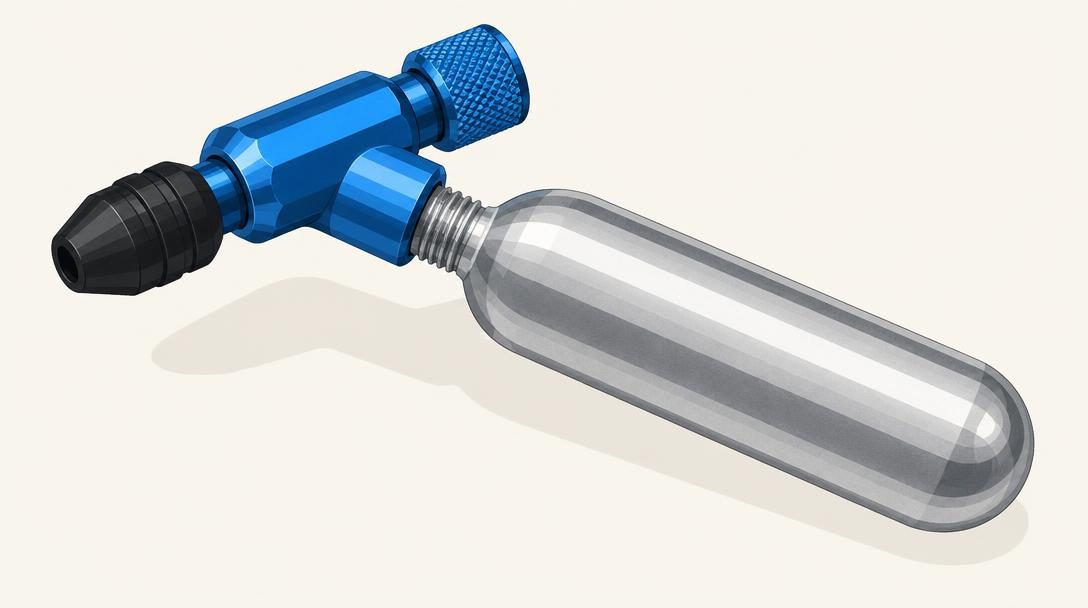
- Primary Function: Rapid trailside flat tire inflation
- Mechanism Types: Regulated CO2 gas cartridges and high-volume hand pumps
- Top Models: Merida Telescope MTB, Birzman Infinite Apogee MTB, Topeak Mountain TT Twin Turbo
A sudden tire flat is among the most frequent interruptions on the trail. In earlier eras, repairing a flat required unstrapping a clumsy manual pump and spending ten minutes vigorously pumping while trying to keep your frame out of the dirt. Today, riders rely on fast tire inflators that restore operating pressure in a matter of seconds. Compressed carbon dioxide (CO2) systems use threaded metal gas canisters paired with precise regulator nozzles that thread or push directly onto your valve stem, discharging compressed gas instantaneously to seat the tire bead and get you rolling again.
For riders who prefer sustainable manual inflation, modern high-volume hand pumps are specifically calibrated for mountain bike tires, moving substantial cubic volume per stroke rather than high road-bike pressures. Whether you prefer the pure speed of CO2 or the unlimited capacity of high-volume manual pumps like the Merida Telescope MTB, the Birzman Infinite Apogee MTB, or the Topeak Mountain TT Twin Turbo, carrying reliable inflation gear keeps your group moving without lengthy delays.
Dedicated Hydration Systems
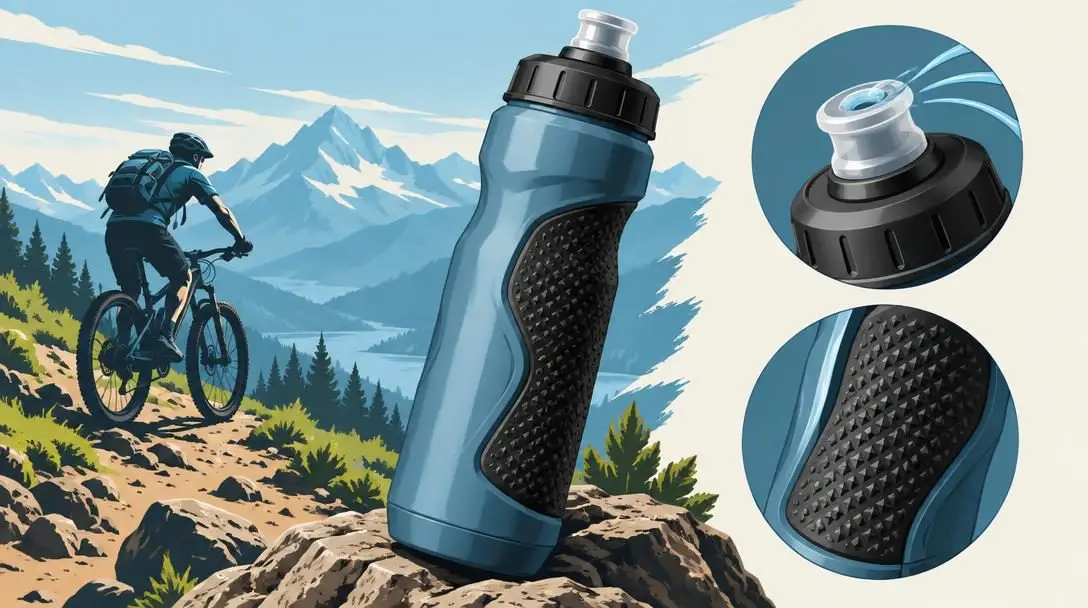
- Primary Function: Rapid fluid replenishment and temperature regulation
- Key Features: Ergonomic glove-friendly grip, insulated walls, leak-proof bite valves
- Top Models: CamelBak Bike Water Bottle, 50 Strong Bicycle Squeeze Bottle, Schwinn Bike Water Bottle
Navigating rough terrain, powering over punchy climbs, and controlling an active mountain bike requires significant cardiovascular and muscular effort. Dehydration impairs cognitive reaction time, degrades balance, and increases cramping risks. Purpose-built dedicated hydration systems are engineered specifically to overcome the physical challenges of off-road cycling. Unlike standard beverage containers, bike-specific bottles are engineered with precise diameters that lock securely into frame cages, resisting ejection over rock drops and washboard trails.
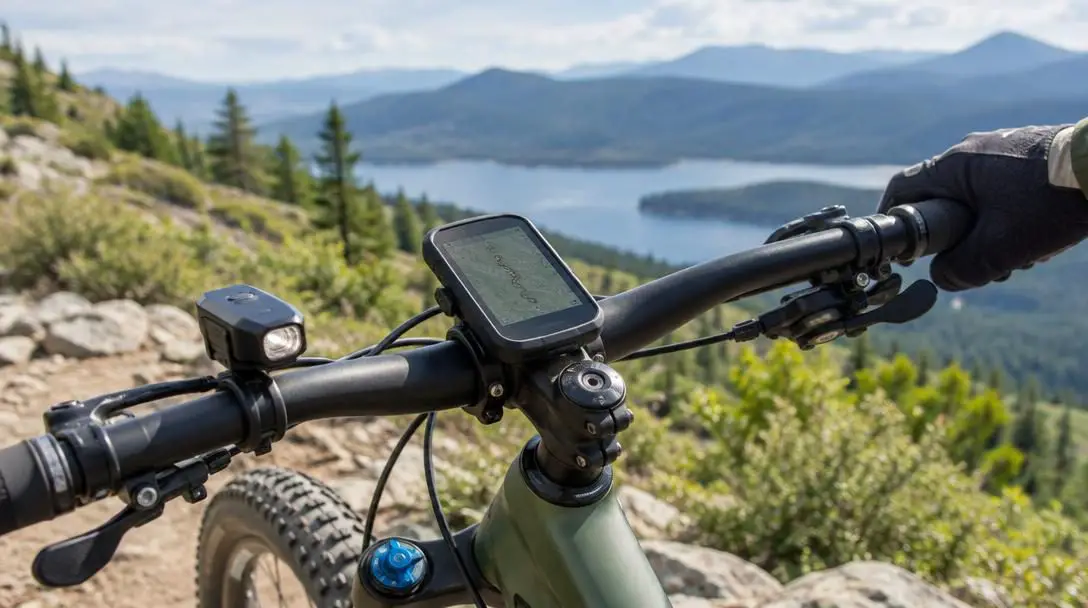
Furthermore, these bottles incorporate ergonomic body shaping that allows riders to maintain a confident grip with wet, muddy, or gloved hands. High-flow squeeze valves permit quick, high-volume drinking on brief flat sections without forcing the rider to look down or fuss with complex threaded caps. Trusted options such as the CamelBak Bike Water Bottle, the 50 Strong Bicycle Squeeze Bottle, and the Schwinn Bike Water Bottle deliver durable construction, efficient insulation to keep fluids cool, and dependable leak-proof closures.
Step-by-step trail gadget preparation routine
Carrying great equipment is meaningless if your batteries are dead or your tools are out of adjustment when a breakdown happens. Establishing a systematic pre-ride routine guarantees that your gear will function reliably every time you drop into a descent.
- Perform a comprehensive pre-ride hardware check using your multi-tool to verify that the stem bolts, handlebar faceplate, and seatpost collar are torqued securely.
- Turn on your global hotspot, confirm that the internal battery shows a complete charge, and verify satellite pairing with your mobile navigation app before leaving cellular service.
- Connect your headlamp to its charger until the indicator confirms maximum capacity, test both low and high-beam output modes, and mount the bracket firmly to your handlebar or helmet.
- Inspect your inflation kit by verifying that manual pump seals are lubricated and clear of trail grit, or check that your CO2 canisters are unpierced and tightly secured in your tool wrap.
- Rinse and fill your hydration bottles with cold water, lock them firmly into your frame-mounted bottle cages, and ensure the squeeze valves are pushed closed to avoid leaks.
Common mistakes to avoid with trail gear
Even seasoned riders can find themselves in difficult situations if they mismanage their emergency equipment. Sidestep these frequent equipment pitfalls to maintain trail safety:
- Carrying a multi-tool without understanding how its tools deploy, particularly failing to practice operating the chain breaker before suffering an actual snapped chain in the woods.
- Trusting standard smartphone mapping applications in remote backcountry zones instead of carrying an active satellite device like a Somewear hotspot.
- Equipping cheap, low-output lights with substandard battery cells that lose charge rapidly in cold evening air, risking total darkness before the ride finishes.
- Packing only one CO2 cartridge with no backup hand pump, leaving no margin for user error if a cartridge misfires or a second flat occurs.
- Misjudging fluid requirements on warm afternoons, resulting in empty hydration bottles miles before the final trailhead climb.
- Leaving wet grit, mud, and dust on inflator chucks, bottle spouts, and steel multi-tool pivots after wet rides, leading to sticky valves and surface rust.
Optimizing your gear setup and maintenance
Selecting the right gear is only half the battle; knowing how to pack and protect it determines how smoothly your rides will run. For short loops on familiar local trails, mounting your water bottles, multi-tool, and inflation kit directly to your bike frame keeps your back completely unencumbered and well-ventilated. When planning all-day wilderness epics, migrating these essentials into a dedicated hydration backpack allows you to pack backup CO2 canisters, a secondary light, and extra fluids without cluttering your frame.
Post-ride maintenance is equally critical to longevity. Once you return from the trail, inspect your multi-tool for surface moisture or mud buildup, wiping the bits down with a light protective lubricant if you rode in the rain. Connect your headlamp battery and satellite hotspot directly to their charging docks immediately so they are completely replenished for your next trip. Finally, wash and air-dry your hydration bottles thoroughly to keep bite valves clean and ready for action.
Frequently asked questions
Why do I need a dedicated bike multi-tool instead of a standard pocket knife?
Standard pocket knives and general utility tools lack the specific hex and Torx bit sizes required to adjust modern bike hardware without stripping bolt heads. Additionally, cycling-specific multi-tools feature an integrated chain breaker designed to repair snapped drivetrain links, a function standard pocket knives cannot perform.
How does a global hotspot work when there is no cell service?
Devices like the Somewear global hotspot communicate by sending signals directly to satellite constellations orbiting the Earth rather than searching for terrestrial cell towers. This allows them to transmit GPS location coordinates and route text messages from anywhere, including deep river canyons and remote backcountry forests.
Are CO2 inflators better than traditional hand pumps for mountain biking?
CO2 inflators are substantially faster, filling a high-volume mountain bike tire in seconds with zero physical effort. However, they rely on single-use compressed gas cartridges. Carrying a high-volume manual pump provides an unlimited air supply, making it an excellent primary tool or backup to a CO2 kit.
Can I just use an ordinary disposable water bottle on the trail?
Ordinary disposable bottles are rarely shaped to fit bike cages securely, making them prone to falling out during rough descents. Purpose-built mountain bike bottles feature durable grip textures for gloved hands, insulated walls to keep water cool, and rapid squeeze valves that allow quick, spill-free drinking while rolling.
How bright should a mountain bike headlamp be for night riding?
For navigating technical, uneven singletrack after dark, riders need powerful systems like the Magicshine Monteer 8000S, Exposure Six Pack MK12, or Gemini Titan 4000. These lights project wide, high-lumen beams driven by lithium-ion battery packs to reveal roots, drops, and rocks far ahead on the trail.
The bottom line
Transforming your mountain bike into a capable, reliable backcountry machine requires smart preparation and the right supporting gadgets. By pairing a versatile multi-tool, a satellite-linked global hotspot, a high-lumen headlamp, an instant tire inflator, and an ergonomic hydration system, you eliminate the vulnerabilities that leave unprepared cyclists stranded. Investing in reliable equipment and maintaining it consistently guarantees that every ride remains smooth, safe, and exhilarating, no matter how wild the trail becomes.