Secrets Behind Successful Olympians: A Look at Olympic Training and Discipline
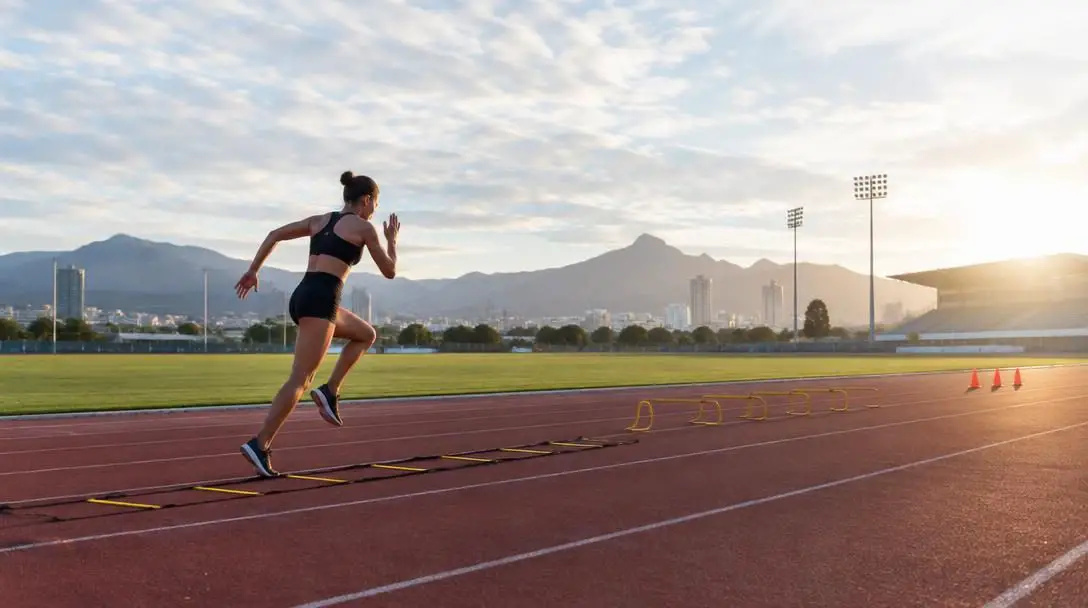
Every four years, the Olympic Games showcase the pinnacle of human capability, uniting premier competitors from across the globe in sports spanning swimming and athletics to gymnastics and wrestling. To spectator audiences, an Olympic final appears as an electrifying burst of speed, power, or grace that lasts only a matter of minutes or seconds. Yet that brief contest represents the culmination of thousands of hours of rigorous conditioning, meticulous lifestyle management, and unwavering mental resolve.
Natural athletic talent is universally present at the international level, which means physical gifts alone cannot secure a spot on the medal podium. The margin between an Olympic champion and an unplaced competitor is extraordinarily narrow, often determined by fractions of a second or single points. True competitive superiority emerges from an integrated lifestyle system where physical conditioning, psychological resilience, functional nutrition, deliberate recovery, and disciplined goal-setting work in absolute synergy.
Key takeaways
- Olympic success depends on a unified lifestyle system that connects physical conditioning, mental resilience, nutritional fuel, and systematic recovery.
- Discipline provides the operational consistency needed to follow demanding routines long after initial motivation fades.
- Mental preparation tools such as visualization, meditation, and positive self-talk condition the nervous system to perform under severe competitive stress.
- Physical adaptations occur during deliberate rest and recovery phases rather than during intense training sessions themselves.
- Structuring multi-year quadrennial ambitions into measurable, daily SMART objectives protects athletes from psychological burnout and maintains clear focus.
The Five Integrated Pillars of Olympic Preparation
Elite performance is not the product of a single workout or isolated discipline. Instead, high-level athletes operate within an interconnected framework where every daily habit supports and reinforces their performance capacity.
Physical Conditioning
Olympic training regimens push the human body toward its physiological outer boundaries through targeted conditioning. Depending on whether an athlete competes in high-power sports like wrestling and gymnastics or endurance-heavy disciplines like swimming and track athletics, training is structured to optimize strength, speed, endurance, and agility. Workouts demand high volumes of repetitions, intense cardiovascular load, and precise technical drills. This relentless conditioning forces neuromuscular adaptations, expands lung capacity, and strengthens bones, tendons, and muscle fibers to handle intense mechanical stress during world-class competition.
Psychological Conditioning
Because physical prowess is standard among international competitors, the psychological game frequently dictates the final outcome. Olympic athletes devote regular hours to mental skill cultivation using structured techniques such as visualization, meditation, and positive self-talk. Through visualization, competitors mentally rehearse their routines down to the smallest motor adjustments, priming neural pathways to execute movements flawlessly under pressure. Daily meditation trains the mind to remain centered amid the deafening noise of stadium crowds, flashing cameras, and international media. Positive internal dialogue preserves confidence when physical exhaustion threatens to derail concentration.

While motivation naturally fluctuates from day to day, structured discipline ensures that critical work continues regardless of mood, comfort, or temporary setbacks.
Functional Nutrition
At the Olympic tier, dietary intake is treated strictly as fuel and systemic protection rather than casual consumption. Athletes follow strict nutrition plans tailored to deliver the precise energy required for brutal training blocks and immediate tissue repair afterward. A comprehensive nutritional foundation combines lean protein, complex carbohydrates, healthy fats, and essential micronutrients. Lean proteins supply the amino acids necessary to rebuild torn muscle fibers; complex carbohydrates maintain glycogen stores for prolonged training sessions; healthy fats support hormone production and cellular health; and vitamins and minerals regulate vital metabolic functions.
Rest, Recovery, and Tissue Repair
A common misconception in sports conditioning is that physical progress occurs during the workout. In reality, demanding training breaks muscle tissue down and depletes systemic resources. The actual physiological adaptation—where the body repairs itself to become stronger, faster, and more efficient—takes place during deep rest and structured recovery. Elite competitors protect their sleep schedules with the same intensity they bring to the gym. They integrate planned rest days, therapeutic massage, gentle yoga, and quiet meditation to lower systemic cortisol, reduce inflammation, and prevent central nervous system fatigue.
Systematic Goal Architecture
Preparing for an event that occurs once every four years requires long-range strategic vision. Olympic competitors rely on the SMART framework to establish goals that are specific, measurable, achievable, relevant, and time-bound. A quadrennial plan is far too vast to tackle all at once; without structure, athletes easily experience cognitive overwhelm. Competitors deconstruct their multi-year vision into progressive checkpoints: quadrennial milestones become annual benchmarks, which are broken into seasonal training phases, weekly targets, and daily performance metrics that keep attention anchored to immediate execution.
Comparing the Core Elements of Olympic Preparation
Every operational pillar serves a precise physiological or psychological purpose. When any single element is neglected, the entire athletic profile suffers diminished efficiency and increased vulnerability.
| Pillar | Primary Mechanism | Core Daily Practices | Consequence of Neglect |
|---|---|---|---|
| Physical Conditioning | Neuromuscular and cardiovascular adaptation | Strength lifts, sport-specific drills, interval cardio, agility sets | Loss of competitive power, technical breakdown, early fatigue |
| Psychological Conditioning | Neural pattern reinforcement and stress mitigation | Mental visualization, breathing exercises, mindfulness, positive self-talk | Choking under pressure, loss of focus, paralyzing competitive anxiety |
| Functional Nutrition | Glycogen replenishment and cellular protein synthesis | Balanced macronutrient meals, strict hydration, timed nutrient intake | Depleted energy reserves, delayed muscle repair, hormonal imbalance |
| Rest and Recovery | Tissue regeneration and central nervous system resetting | Targeted sleep hygiene, active recovery sessions, massage, yoga | Overtraining syndrome, chronic tissue inflammation, elevated injury rates |
| Goal Architecture | Cognitive clarity and progressive milestone tracking | SMART metric tracking, daily review, quadrennial planning | Aimless preparation, loss of direction, motivation collapse |
Seven Steps to Apply Olympic Discipline to Everyday Goals
While only a small fraction of people will ever compete on an Olympic track, court, or mat, the systematic methodologies that build world champions can be applied to fitness, professional careers, and personal development. You can implement these methods by following a structured sequence of daily behaviors.
- Establish clear SMART objectives: Define targets that are specific, measurable, achievable, relevant, and time-bound so that progress can be evaluated through objective data rather than subjective feelings.
- Deconstruct the long-term vision into daily micro-targets: Isolate the exact actions required this morning and afternoon to move closer to the seasonal milestone, removing ambiguity from everyday routines.
- Build a rigid, non-negotiable schedule: Designate fixed time blocks for focused work, physical training, and preparation, committing to show up whether you feel motivated or uninspired.
- Incorporate mental skills training daily: Dedicate five to ten minutes each morning to visualizing flawless performance, practicing controlled meditation, and replacing pessimistic doubts with constructive self-talk.
- Adopt a functional nutritional regimen: Eliminate erratic dietary choices by preparing balanced meals centered around lean proteins, complex carbohydrates, healthy fats, and rich micronutrient profiles.
- Schedule active recovery and protect sleep: Treat rest as an essential appointment on your calendar by guaranteeing eight hours of sleep, taking periodic light recovery days, and practicing stress-relieving mobility work.
- Maintain total personal accountability: Regularly measure your outcomes against established metrics, take complete ownership of mistakes without making excuses, and adjust your strategies immediately when targets are missed.
Habits and Mistakes That Derail Peak Performance
Achieving elite standards requires not only adopting positive systems but also actively avoiding the common behavioral traps that degrade long-term development. Even talented individuals frequently stall their momentum through predictable missteps.
- Overtraining without adequate restoration: Mistaking exhaustion for progress leads to systemic breakdown, elevated injury incidence, and declining physical power.
- Disregarding the mental domain: Focusing entirely on mechanical output while ignoring visualization and stress management leaves performance fragile when unexpected external pressures strike.
- Inconsistent fueling and hydration habits: Permitting poor nutritional choices undermines demanding workouts by depriving working muscles of repair materials and stable energy.
- Chasing vague, undefined benchmarks: Working without concrete numbers, measurable outcomes, or defined deadlines makes real performance assessment impossible.
- Succumbing to environmental distractions: Permitting social media, negative self-criticism, and competitor actions to consume attention disrupts mental clarity during high-stakes tasks.
- Relying on transient motivation: Waiting to feel enthusiastic before executing critical tasks guarantees missed days, broken consistency, and abandoned regimens.
Frequently asked questions
Why is discipline considered more important than motivation in Olympic training?
Motivation is an emotional state that naturally ebbs and flows based on energy levels, stress, weather, and mood. In contrast, discipline functions as an operational commitment to execute scheduled tasks regardless of how an athlete feels. Over a multi-year training cycle, disciplined consistency produces the compounding physiological and psychological adaptations necessary for world-class performance.
How do elite athletes use visualization to improve their physical execution?
During visualization, athletes mentally simulate their routines and competitive events with vivid sensory detail, imagining every movement, sound, and physical sensation. This practice activates the same neuromuscular pathways used during actual physical execution, sharpening muscle memory, refining technical timing, and reducing performance anxiety during live competition.
What role does recovery play in athletic performance adaptation?
Intense physical training creates micro-tears in muscle fibers and taxes the central nervous system. The body adapts, repairs muscle tissue, and increases cardiovascular and cellular capacity only when it is provided with adequate rest, restorative sleep, and nutritional fuel. Without structured recovery, continuous training leads directly to chronic fatigue and performance plateaus.
How does the SMART goal framework benefit quadrennial athletic planning?
An Olympic quadrennium spans four years, making it easy for athletes to lose focus or feel overwhelmed by the distant horizon. The SMART system breaks this expansive timeline down into specific, measurable, achievable, relevant, and time-bound targets across annual, monthly, and daily intervals. This structure ensures that daily efforts directly support long-term competitive objectives.
Can non-athletes apply Olympic training systems to everyday pursuits?
Yes. The foundational systems of Olympic preparation—establishing measurable goals, adhering to disciplined schedules, fueling the body functionally, managing mental stress, and protecting daily recovery—apply directly to career goals, fitness routines, academic studies, and personal skill development.
The bottom line
The remarkable achievements seen on the Olympic stage are neither sudden miracles nor the exclusive domain of raw genetic talent. They represent the visible outcome of a rigorous, integrated lifestyle built around meticulous physical conditioning, disciplined mental resilience, functional nutritional habits, and non-negotiable recovery protocols. By adopting this holistic methodology, breaking long-range visions into measurable daily steps, and relying on steadfast discipline rather than fleeting motivation, anyone can elevate their personal performance and realize their highest ambitions.