
The 5 Best Restaurants In Beirut
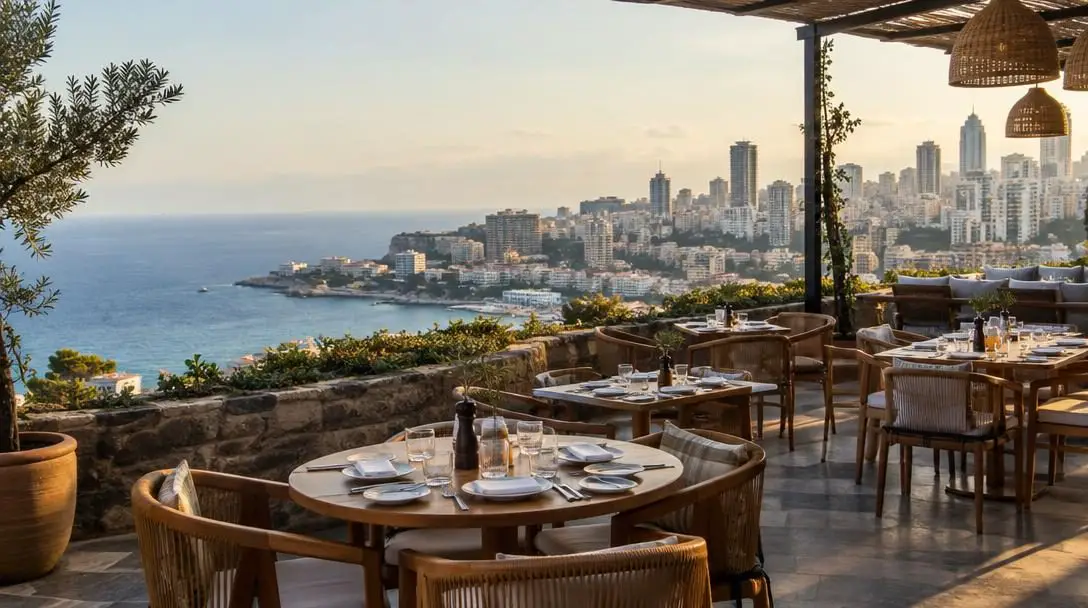
Beirut stands as one of the Mediterranean's most culturally rich and food-focused metropolises, sustained by a culinary tradition that spans centuries of migration, maritime commerce, and regional heritage. Dining in the Lebanese capital is far more than everyday sustenance; it is a foundational social ritual, bringing together families, scholars, artists, and international visitors across iconic quarters such as Hamra, Monot, Gemayzeh, and the coastal promenade of Zaitunay Bay.
Lebanon's gastronomic identity highlights sun-ripened produce, fragrant wild herbs, cold-pressed olive oils, and an extensive repertoire of coastal seafood and flame-grilled meats. Despite facing formidable modern challenges—ranging from severe currency inflation to the lingering impacts of the global pandemic—Beirut's restaurateurs, chefs, and hospitality staff continue to display remarkable resilience. Today, the capital's dining landscape remains vibrant, diverse, and deeply welcoming, spanning lavish multi-course feasts, cozy neighborhood taverns, and comforting diaspora kitchens.
Key takeaways
- Beirut's culinary landscape blends classical Levantine recipes with diaspora traditions, Mediterranean seafood, and global comfort food.
- Hospitality operates as a core cultural value, characterized by generous multi-dish meze spreads and unhurried dining sessions.
- Neighborhoods possess distinct gastronomic identities, from the historic student quarters of Hamra to the refined dining corridors of Ashrafieh.
- Planning ahead with reservations and carrying physical cash in Lebanese Pounds or US Dollars ensures a smooth dining experience.
The Cultural Tapestry of Beirut Dining
To understand the food culture of Beirut, one must recognize how centuries of cross-cultural movement have left an indelible mark on its menus. Ottoman culinary traditions introduced layered pastries and slow-roasted preparations; French mandates refined pastry craft and wine service; and vibrant Armenian communities established rich, aromatic spice blends that continue to perfume the city's historic quarters. This dynamic past ensures that traditional Lebanese dining exists alongside regional diaspora cooking and modern interpretations.
Furthermore, dining environments shift palpably from one street corner to the next. The intellectual legacy of Hamra surrounds diners with bustling cafes and relaxed student taverns, while the upscale architecture of Ashrafieh and Monot frames opulent dining rooms. Along Gemayzeh and Mar Mikhael, bohemian storefronts house intimate bistros, and the waterfront development of Zaitunay Bay reflects modern architectural elegance. Across all these districts, communal dining remains the unifying standard, binding social connections over shared plates.
In Beirut, dining out is never a transactional necessity, but rather a vibrant social ritual where hospitality is treated as a sacred obligation.
At a Glance: Beirut's Top Dining Destinations
| Restaurant | Neighborhood | Culinary Focus | Key Specialty |
|---|---|---|---|
| Em Sherif | Ashrafieh (Monot) | Fine Lebanese Dining | 30-dish meze progression |
| Bedivere Eatery and Tavern | Hamra | Comfort Fare & Cocktails | Craft burgers & themed "potions" |
| Babel Bay | Zaitunay Bay | Coastal Seafood | Fresh daily catch & raw fish mezza |
| Mayrig | Gemayzeh | Traditional Armenian | Havgitov basterma & spiced dumplings |
| Jai | Beirut Central | Pan-Asian & Thai | Aromatic curries, pad thai, & pho |
The 5 Best Restaurants in Beirut
Whether you are looking for an opulent palace feast, an energetic themed tavern, fresh catches by the marina, maternal Armenian cooking, or vibrant pan-Asian noodles, these five establishments represent the very best of Beirut's dining scene.
Em Sherif
- Location: Ashrafieh, Monot
- Opened: 2011
- Founder: Chef Mireille Hayek
- Dining Style: Traditional Lebanese Meze Feast
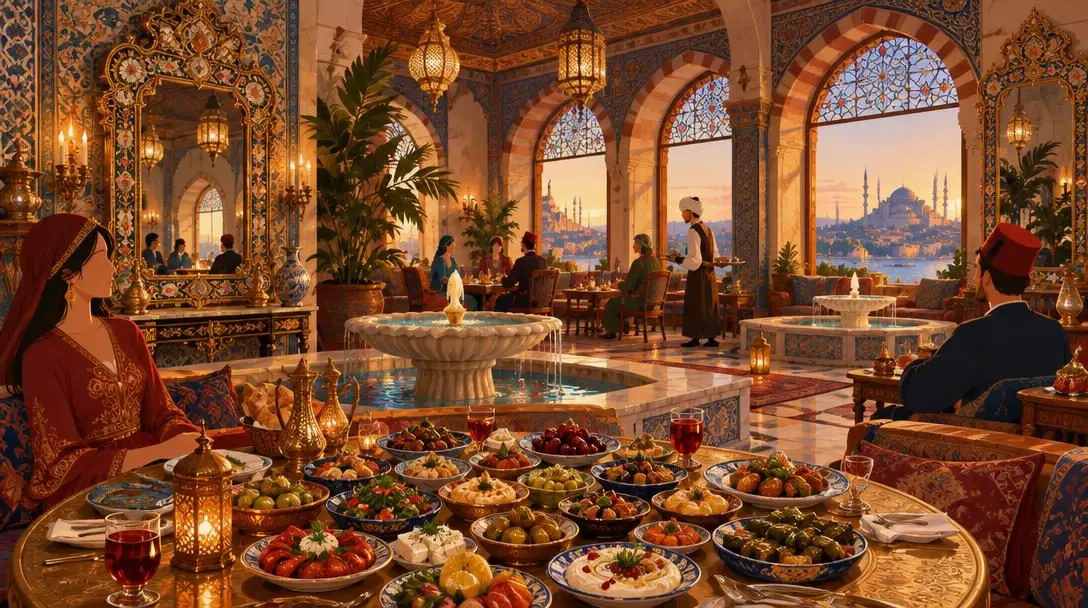
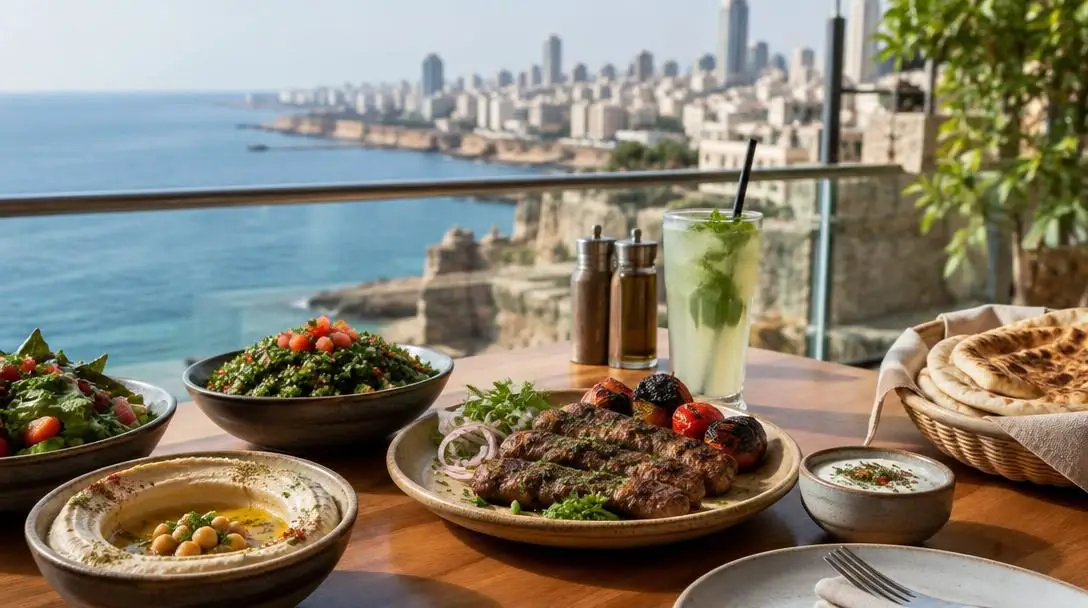
Em Sherif delivers an unmatched Lebanese fine-dining experience from its flagship residence in the historic Monot area of Ashrafieh. Founded in 2011 by Chef Mireille Hayek—who established the venue without formal culinary schooling—the restaurant has grown into an international hospitality brand with locations across the Middle East and in London. The Beirut flagship captures the atmosphere of an aristocratic Middle Eastern mansion, adorned with gleaming Ottoman-style mirrors, soothing indoor water features, and live classical taarab music that evokes an elegant past.
The culinary format at Em Sherif is legendary for its monumental scale. Rather than an à la carte meal, dining here unfolds as an elaborate service of small plates, culminating in an astonishing sequence of roughly 30 meze dishes delivered straight to the table. Bright, hand-chopped tabbouleh and crisp fattoush serve as the centerpiece alongside slow-simmered stews, creamy dips, and grilled skewers. To complement the food, the restaurant maintains a curated cellar highlighting native Lebanese wine varietals alongside French and Italian labels. Private dining salons accommodate intimate gatherings, while an airy terrace caters to patrons who enjoy shisha after their feast.
Bedivere Eatery and Tavern
- Location: Jean d’Arc Street, Hamra
- Opened: August 2012
- Atmosphere: Medieval-Themed Tavern
- Cuisine: American, Italian, and Pub Comfort Food
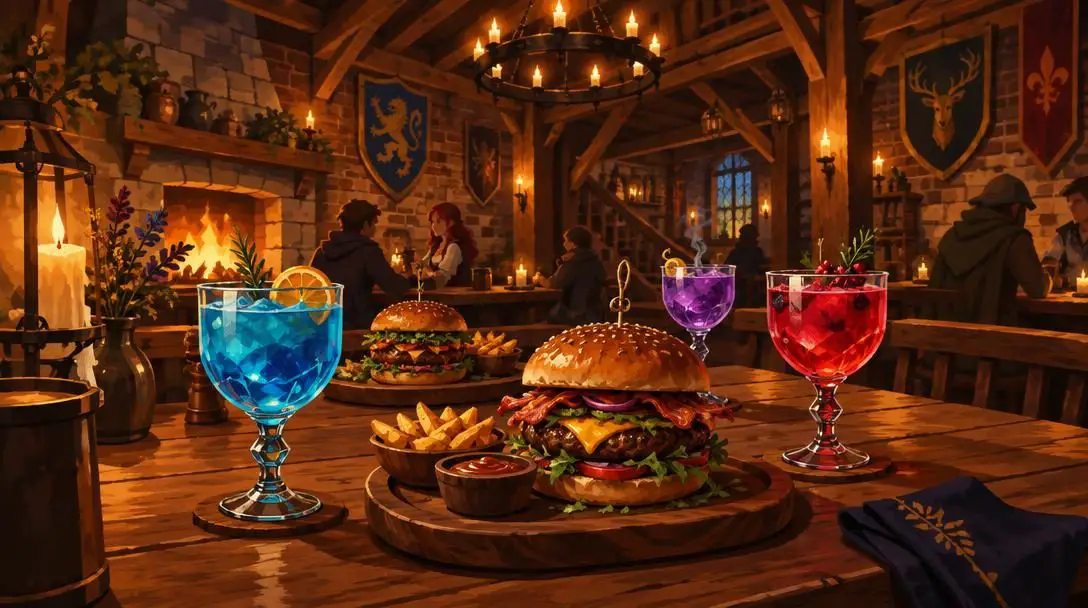
Situated on bustling Jean d’Arc Street in the lively Hamra district, Bedivere Eatery and Tavern opened its doors in August 2012. It quickly cultivated a devoted following among university students from nearby campuses, longtime neighborhood residents, and travelers drawn to Hamra's cosmopolitan pulse. The dining room embraces a distinctive medieval tavern design, featuring rustic furnishings and whimsical elements that bring an unpretentious, convivial spirit to Beirut's dining circuit.
Bedivere operates across the entire day, welcoming diners for hearty breakfasts, lunches, and late-night gatherings. The kitchen focuses on comforting Italian and American staples interspersed with local touches. Diners can select from stacked burgers, handmade pizzas, creamy pasta bowls, and pressed sandwiches. The tavern is equally celebrated for its creative bar program, where cocktails are served as imaginative "potions." Notable concoctions include the King Arthur, crafted from Irish whiskey, fresh lime, honey, and tart grapefruit, and the aromatic Pendragon, which blends bourbon, Southern Comfort, apricot brandy, banana, and strawberry.
Babel Bay
- Location: Zaitunay Bay Marina
- Opened: 2012
- Setting: Coastal Waterfront Promenade
- Specialty: Fresh Mediterranean Seafood
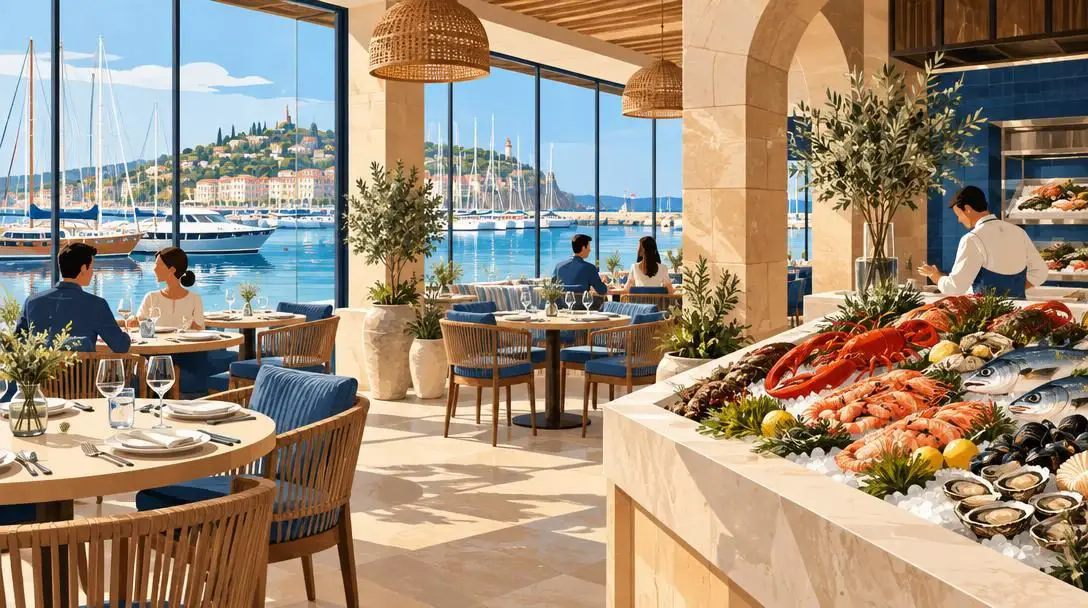
Occupying a coveted position within the Zaitunay Bay marina development, Babel Bay combines modern coastal luxury with deep historic symbolism. Inaugurated in 2012 along a pedestrian promenade framed by yachts and high-end boutiques, the restaurant’s architectural profile mimics the organic curves of the Beirut coastline. Underscoring the ancient roots of the city, the structure sits anchored upon seven immense sandstone pillars.
Babel Bay is widely regarded as the city's premier destination for coastal seafood. Guests are greeted by a glistening market ice display featuring daily marine selections such as sea bass, mackerel, crab, gulf shrimp, and grouper. The kitchen produces exceptional hot mezza plates, including tender octopus, calamari, and shrimp prepared à la Provençale, as well as golden-fried seafood rolls stuffed with lobster and squid. Raw-bar lovers can order delicate plates of marinated salmon, freshly sliced tuna, mackerel, and seasonal raw catches such as Mediterranean sea bream.
Mayrig
- Location: Gemayzeh
- Culinary Style: Heritage Armenian
- Inspiration: Maternal Family Recipes
- Key Dish: Havgitov Basterma
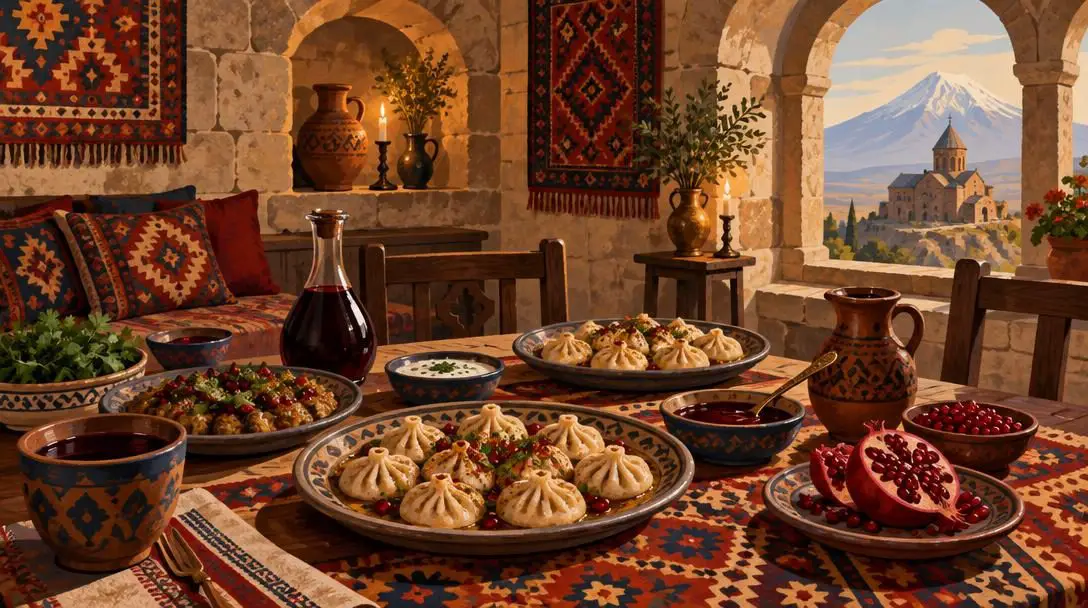
Taking its name from the Armenian term for "mother," Mayrig serves as a loving preservation of maternal home cooking. Situated along the characterful, heritage-lined corridor of Gemayzeh, the restaurant was founded to share the cherished family recipes that Armenian mothers and daughters have passed down through generations. The dining space is warm, welcoming, and relaxed, brought alive by genuine hospitality where attentive floor staff ensure every guest feels at home.
Mayrig's menu showcases a culinary vocabulary distinct from typical Lebanese meze, relying on aromatic seasonings such as tart sumac, warm allspice, and rich pomegranate molasses. Standout offerings include delicate handmade dumplings filled with spiced minced beef, mild cheese, or fresh spinach, as well as succulent marinated veal skewers and flame-roasted kebabs. A signature highlight is havgitov basterma, a traditional flatbread topped with paper-thin slices of intensely seasoned, air-cured beef and crowned with rich quail eggs.
Jai
- Location: Central Beirut
- Culinary Style: Southeast Asian & Thai
- Kitchen Type: Cozy Artisanal Kitchen
- Highlights: Curries, Noodle Soups, and Banh Mi
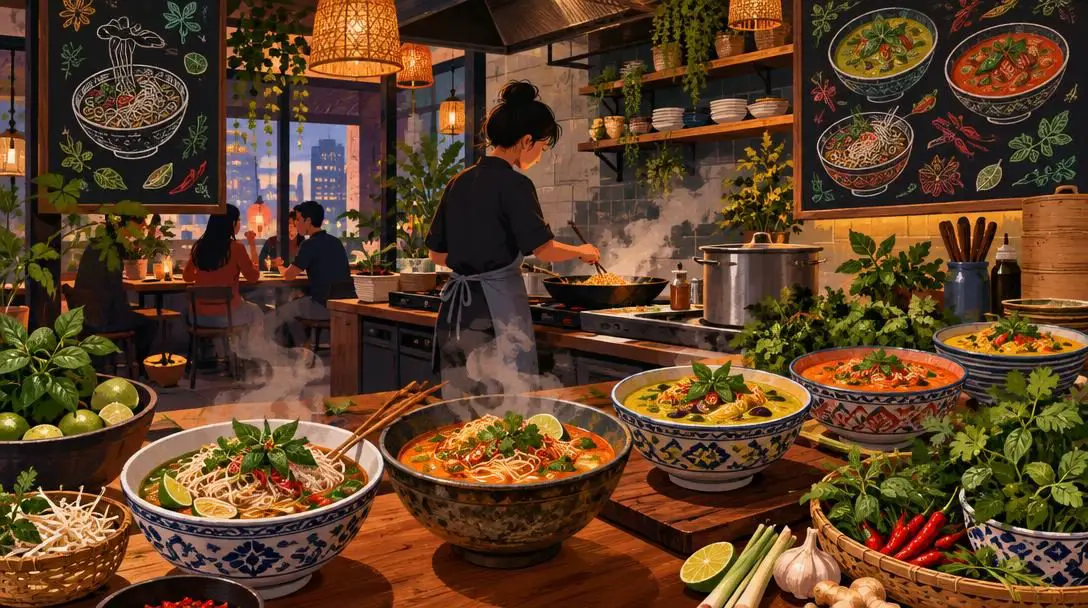
For diners craving the vibrant, sweet-salty-sour balance of classic Southeast Asian cooking, Jai is an indispensable fixture in Beirut. Operating from an intimate, unpretentious kitchen space, Jai has garnered critical acclaim and a fiercely loyal local following by consistently executing fragrant, comforting Asian classics with fresh ingredients and authentic techniques.
A meal at Jai often starts with crispy hand-rolled spring rolls, tender steamed dumplings, and spiced golden samosas. For larger plates, the kitchen delivers rich coconut-based Thai curries, smoky wok-tossed pad thai, hearty dhal makhani, and velvety butter chicken. Alongside these noodle and curry staples, Jai offers a unique lineup of street-style sandwiches, including Vietnamese banh mi, tandoori-spiced chicken baguettes, and charred coriander shrimp rolls. For cooler evenings, the kitchen prepares deeply simmered noodle broths, offering aromatic bowls of beef or chicken pho.
The Rituals and Customs of Lebanese Dining
Enjoying Beirut's restaurant culture involves embracing the rhythm, social conventions, and traditions that govern the Lebanese table. Meals are not designed to be hurried through; they are viewed as expansive communal gatherings that unfold over several hours.
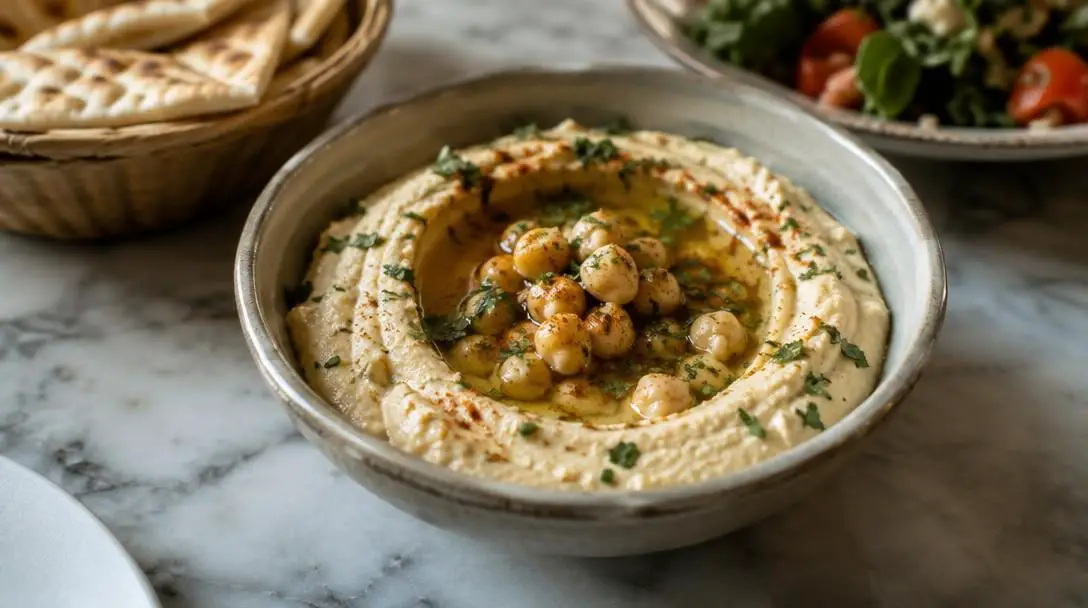
Central to this dynamic is the art of meze dining. A traditional meal bypasses the Western convention of separate appetizers and main entrees. Instead, dozens of hot and cold dishes are positioned simultaneously across the table. Fresh flatbread serves as an eating utensil for scooping up dips like labneh, hummus, and mutabbal. Diners graze continuously, conversing freely between small bites rather than finishing isolated plates.
Another fundamental pillar is hospitality as an ethical obligation. Restaurant proprietors and service staff routinely treat visitors as guests inside their personal residences. This cultural philosophy manifests in generous portion sizes, continuous inquiries regarding your comfort, and the near-universal appearance of complimentary sweets, seasonal fruit, or palate cleansers at the conclusion of the meal.
How to Navigate Dining Out in Beirut
- Reserve your table well in advance: High-profile venues like Em Sherif and Babel Bay often operate at peak capacity, especially on Thursday, Friday, and Saturday nights. Secure reservations several days early to obtain prime indoor or terrace seating.
- Confirm daily operating hours: While all-day taverns like Bedivere serve from morning until late night, artisanal bistros and specialty kitchens may observe a midday pause between lunch and dinner services. Verify schedules before traveling across the city.
- Prepare appropriate cash payment: Ongoing banking and currency changes in Lebanon mean card processing can be inconsistent. Carry sufficient cash in either Lebanese Pounds or US Dollars, and inquire about accepted payment forms prior to being seated.
- Order conservatively to begin: Given the generous portion sizes and the expansive nature of meze services, avoid over-ordering during your opening selection. You can readily add more plates as your meal progresses.
- Ask about daily market arrivals: In seafood houses such as Babel Bay, printed menus rarely tell the entire story. Take time to inspect the ice counter or ask your server about the day's freshest coastal catch.
Common Dining Mistakes to Avoid
- Rushing through your meal: Requesting the bill prematurely disrupts the unhurried flow of Lebanese dining. Expect a proper sit-down lunch or dinner to last two hours or more.
- Overeating bread and cold appetizers: It is easy to fill up on fresh flatbread, raw vegetables, and creamy dips within the first twenty minutes. Reserve room for the hot skewers, grilled seafood, and savory pastries that follow.
- Staying confined to a single district: Each neighborhood possesses its own architectural personality and gastronomic identity. Avoid spending your entire trip within one quarter; explore Hamra, Monot, Gemayzeh, and the marina.
- Skipping diaspora and regional specialties: While staples like tabbouleh and grilled kafta are exceptional, do not overlook hyper-regional creations such as Armenian havgitov basterma or delicately marinated raw fish.
Frequently asked questions
Do I need to make reservations in advance for high-end dining in Beirut?
Yes. Popular establishments like Em Sherif and Babel Bay routinely book out, particularly on weekend evenings from Thursday through Saturday. Reserving your table several days ahead is strongly advised to guarantee seating.
What payment methods are preferred at Beirut restaurants?
While some larger venues accept international credit cards, cash in either Lebanese Pounds (LBP) or US Dollars (USD) remains the most reliable and widely accepted payment method across the city. It is always wise to confirm accepted payment methods before ordering.
What makes Armenian cuisine at Mayrig distinct from traditional Lebanese food?
While sharing a broader Mediterranean foundation, Armenian cuisine incorporates distinctive spices like sumac, allspice, and pomegranate molasses, along with unique specialties such as havgitov basterma (spiced cured beef on bread with quail eggs) and specialty meat or cheese dumplings.
Can solo diners comfortably enjoy meze-style restaurants?
Solo diners are warmly welcomed, though traditional meze spreads like the 30-dish feast at Em Sherif are inherently designed for sharing among groups. Solo visitors at such venues will receive a generous abundance of food, but can also opt for more casual spots like Bedivere or Jai for single-portion meals.
How long should I expect a typical sit-down dinner in Beirut to last?
Dining out in Beirut is an unhurried social ritual. A full dinner, particularly one centered around hot and cold meze or waterfront seafood, generally spans two to three hours.
The Bottom Line
Beirut's restaurant scene remains one of the most compelling gastronomic landscapes in the Mediterranean basin. The city's resilient hospitality professionals continue to uphold centuries-old culinary standards while embracing modern creativity. Whether you are savoring thirty intricate meze plates beneath the Ottoman chandeliers of Em Sherif, sharing a casual burger and craft cocktail in Hamra, or sampling fresh coastal catch on the waters of Zaitunay Bay, dining in Beirut is a deeply rewarding celebration of food, culture, and community.





