The 5 Most Important Dates in American History

Compared to many of its global allies and historical counterparts, the United States is a relatively young nation. Yet across its centuries of existence, an immense sequence of transformative events has reshaped its borders, redefined its core principles, and influenced the broader world. For generations of citizens and international observers alike, understanding American history is anchored in specific calendar dates that carry immense political, social, and moral weight.
These seminal moments are not mere trivia questions; they appear prominently on the official United States citizenship test and serve as the foundation for national holidays, solemn memorial observances, and civic traditions. While distilling centuries of triumphs and conflicts into just five days is an ambitious task, five dates represent undisputed turning points that established American independence, advanced human liberty, mobilized global military defense, reached beyond the earth, and reorganized modern security.
Key takeaways
- July 4, 1776, marked the official adoption of the Declaration of Independence, formalizing the emergence of a new nation.
- January 1, 1863, altered the legal and moral course of the Civil War by freeing more than 3 million enslaved people through the Emancipation Proclamation.
- December 7, 1941, abruptly terminated American isolationism following the surprise attack on Pearl Harbor, propelling the nation into World War II.
- July 20, 1969, achieved the ambitious national goal of landing humans on the moon during the height of the space race.
- September 11, 2001, reshaped international relations, prolonged Middle Eastern military engagements, and fundamentally transformed global civilian aviation security.
At a Glance: The Five Defining Dates
Each of these five milestones represents a sudden, irrevocable shift in domestic policy or international affairs. The table below outlines how these events compare across historical eras, primary figures, and structural outcomes.
| Date | Historical Event | Key Figures Involved | Primary Historical Outcome |
|---|---|---|---|
| July 4, 1776 | Adoption of the Declaration of Independence | John Adams, Founding Fathers | Establishment of an independent United States |
| January 1, 1863 | Signing of the Emancipation Proclamation | Abraham Lincoln | Legal freedom for over 3 million enslaved individuals |
| December 7, 1941 | Attack on Pearl Harbor naval base | Franklin D. Roosevelt | End of American isolationism and entry into World War II |
| July 20, 1969 | Apollo 11 lunar landing | Neil Armstrong, John F. Kennedy | First human moonwalk and climax of the space race |
| September 11, 2001 | Terrorist attacks on New York, Virginia, and Pennsylvania | Al-Qaeda network, civilian passengers | Overhaul of global airline security and Middle East wars |
The Five Turning Points in American History
These five dates stand out because they permanently redefined the nation's legal landscape, civic expectations, and global presence. Reviewing their details provides a comprehensive view of how modern America was formed and tested.
July 4, 1776

- Milestone: Formal adoption of the Declaration of Independence
- Earlier Action: Independence voted and approved on July 2, 1776
- Annual Traditions: Parades, fireworks, and public celebrations
Every summer, Americans mark the Fourth of July as the definitive anniversary of their break from the British Empire. Although the Continental Congress had formally approved the resolution for independence two days earlier on July 2, it was on July 4, 1776, that the delegates officially adopted the text of the Declaration of Independence. This formal adoption served as the public declaration to the world that thirteen distinct colonies were joining together as a sovereign nation.
The discrepancy between the initial vote and the formal adoption created an interesting historical debate among early leaders. Founding father John Adams was convinced that July 2nd would be celebrated by future generations as the great anniversary festival. In an impassioned letter to his wife Abigail, Adams predicted that the day would be commemorated with solemnity, games, sports, bells, bonfires, and illuminations from one end of the continent to the other. Although Adams proved to be off by two days on the calendar, his vision of joyous public celebration accurately anticipated modern Fourth of July festivities.
January 1, 1863
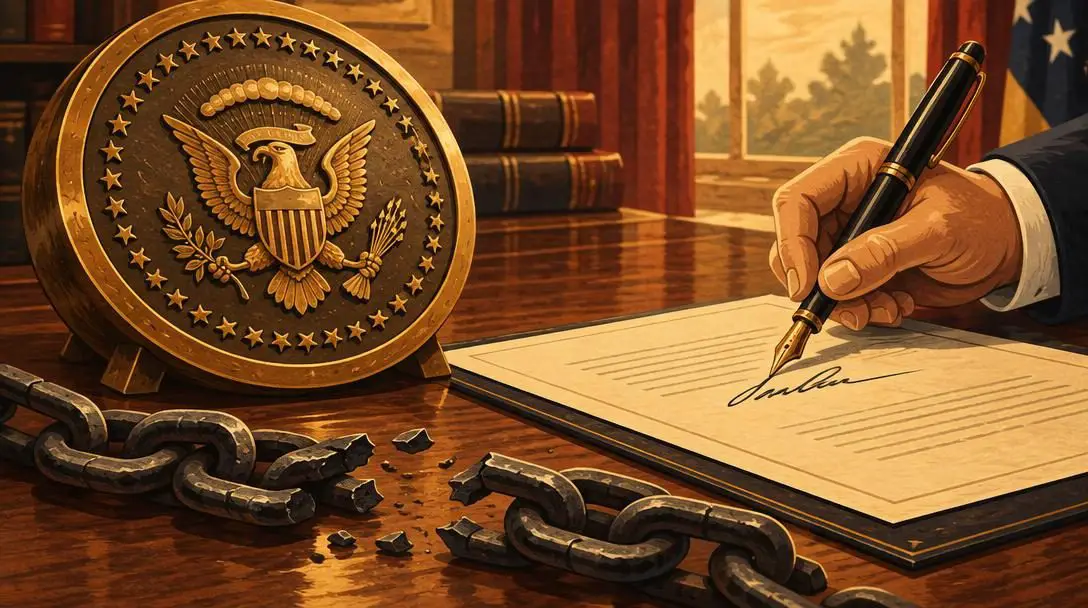
- Executive Action: Emancipation Proclamation signed by Abraham Lincoln
- Immediate Scope: Freed more than 3 million enslaved African Americans
- War Timeline: Issued midway through the Civil War (1861–1865)
On New Year's Day in 1863, President Abraham Lincoln utilized the full constitutional and military authority of the executive branch to reshape the course of American human rights. By signing the Emancipation Proclamation, Lincoln declared that all persons held as slaves within rebellious Confederate territories were legally free. The decree immediately affected more than 3 million enslaved African Americans, fundamentally altering the moral purpose and strategic conduct of the American Civil War.
Under this executive mandate, any person who refused to release enslaved individuals was classified as an enemy of the state and a criminal under the law. Lincoln grounded his sweeping decree in dual justifications of moral righteousness and wartime authority, writing: “And upon this act, sincerely believed to be an act of justice, warranted by the Consitution, upon military necessity, I invoke the considerate judgment of mankind, and the gracious favor of Almighty God.” Signed midway through the bloody conflict—which began on April 12, 1861, and did not conclude until April 9, 1865—the proclamation ensured that the preservation of the Union was inextricably linked to the abolition of slavery.
December 7, 1941
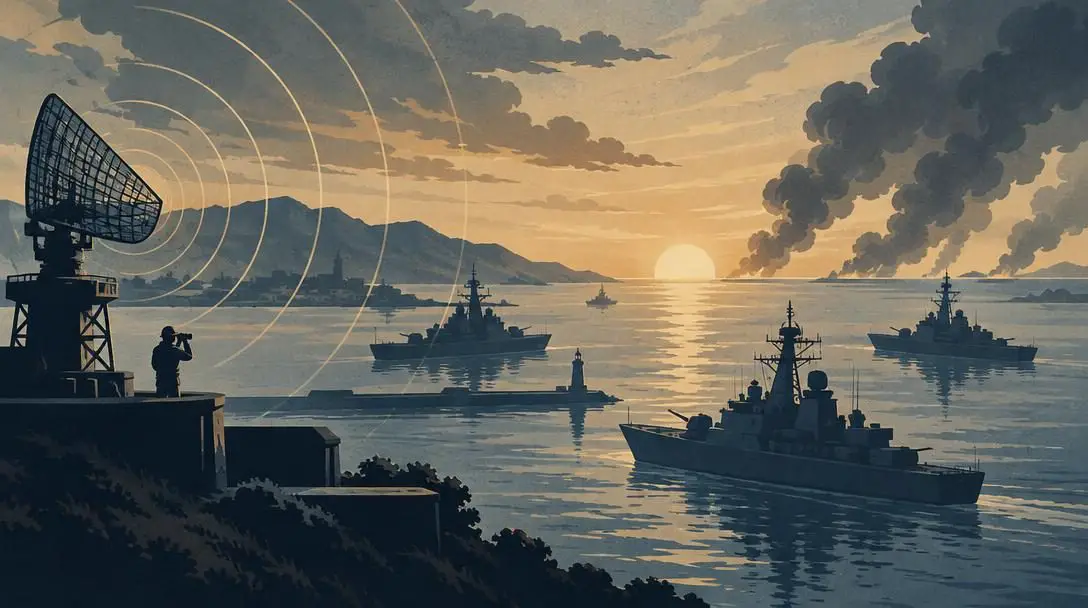
- Military Event: Surprise attack on the Pearl Harbor naval base in Hawaii
- American Casualties: Over 2,300 deaths and 1,110 individuals wounded
- Material Destruction: Multiple battleships sunk and nearly 200 aircraft destroyed
During the opening years of World War II, combat was largely confined to battlegrounds in Europe, North Africa, and mainland Asia. The United States adhered to a firm policy of isolationism, maintaining strict neutrality while the rest of the world engaged in total war. That protective barrier dissolved on the morning of December 7, 1941, when the naval and aerial forces of Japan launched a devastating surprise strike against the American Pacific Fleet anchored at Pearl Harbor, Hawaii.
The aerial assault inflicted immense destruction, sinking multiple American battleships, destroying nearly 200 aircraft, and resulting in more than 2,300 deaths alongside 1,110 wounded personnel. Addressing a joint session of Congress the following day, President Franklin D. Roosevelt declared December 7, 1941, as “a date which will live in infamy.” The United States immediately declared war on Japan, bringing an abrupt conclusion to national isolationism and triggering an unprecedented domestic industrial and military mobilization that ultimately turned the tide of World War II toward an Allied victory.
A single morning transformed decades of strict American isolationism into complete, unyielding mobilization across global theaters of conflict.
July 20, 1969

- Mission: Apollo 11 human lunar landing
- Key Astronaut: Neil Armstrong takes the first human steps on the lunar surface
- Historical Context: Climax of the space race; launches preceded on July 16, 1969
At the height of the Cold War, the space race served as a technological proving ground between global superpowers. Early in the decade, President John F. Kennedy set a seemingly impossible national challenge: to land an American safely on the surface of the moon and return him to Earth before the 1960s concluded. That presidential mandate became reality on July 20, 1969, when the Apollo 11 lunar module touched down on extraterrestrial soil following its launch from Florida on July 16.
As millions of citizens around the world watched the grainy live television broadcast, Commander Neil Armstrong descended the lunar module ladder and placed his foot on the dust of the lunar surface. His historic transmission—“one small step for man, one giant leap for mankind”—captured the profound scope of the achievement. While subsequent Apollo missions touched down on the moon over the following three years, human lunar exploration proved brief; there has not been another human moon landing since Apollo 17 departed the lunar surface in December 1972.
September 11, 2001

- Targeted Locations: New York City, Arlington County, and Shanksville, Pennsylvania
- Responsible Group: Al-Qaeda terrorist network
- National Motto: “Never forget”
On a clear Tuesday morning in late summer, nineteen hijackers coordinated the seizure of four domestic commercial airliners, directing them against major symbols of American financial, military, and governmental power. Two passenger planes struck the Twin Towers of the World Trade Center in lower Manhattan, causing both skyscrapers to collapse. A third airliner crashed directly into the Pentagon outside Washington, D.C., while a fourth plane crashed into an open field in Shanksville, Pennsylvania, after passengers courageously fought back against the hijackers to prevent the aircraft from reaching its intended target in the nation's capital.
The immediate fallout altered modern history across domestic life, intelligence gathering, and international defense. In the wake of confirmed evidence attributing the attack to the Al-Qaeda network, the United States embarked on prolonged military operations in the Middle East. At home and across the globe, everyday civilian life was permanently modified through an overhaul of airport infrastructure and international travel protocols. Across the country, annual memorial ceremonies and physical monuments maintain the solemn phrase “Never forget” to honor the lives lost.
How Historical Milestones Function in Civic Life
Historical dates are not merely fixed points on an archival timeline; they actively shape the legal, political, and cultural mechanisms that sustain a democratic society. Analyzing how turning points are integrated into public institutions illustrates their lasting importance.
- Codification in Naturalization Testing: Pivotal moments such as the adoption of the Declaration of Independence and the issuance of executive war orders are mandatory knowledge on the United States citizenship exam, establishing a unified foundation for new citizens.
- Precedents for Executive Power: Dates like January 1, 1863, set vital legal precedents regarding how presidential directives and commander-in-chief authorities can be utilized to address national emergencies and enforce human rights.
- Abrupt Reversals in Foreign Policy: Catalytic shocks such as Pearl Harbor and September 11 demonstrate how unexpected events instantly sweep away isolationist sentiment, pivoting national priorities toward military readiness and alliance defense.
- Sustaining Cultural Memory: Annual commemorations—whether through neighborhood fireworks displays on the Fourth of July or moments of silence each September—create shared generational rituals that reinforce national values.
Practical Steps for Studying and Commemorating These Dates
Interacting with historic milestones requires moving beyond simple memorization toward primary source evaluation and civic engagement. Readers and students can gain a deeper understanding of these landmark days by following these practical steps.
- Read Original Foundational Texts: Examine the authentic wording of historical decrees. Review the exact legal arguments against monarchical rule inside the Declaration of Independence, or read Abraham Lincoln's original text in the Emancipation Proclamation to observe how he framed liberation as an act of military necessity and constitutional justice.
- Analyze Contemporary Speeches and Letters: Deepen your perspective by reading the personal correspondence and addresses of figures present during these events. Study John Adams's personal letter to his wife Abigail outlining his predictions for holiday celebrations, listen to Franklin D. Roosevelt's “Infamy” address to Congress, or review Neil Armstrong's recorded transmission from the lunar surface.
- Attend Local Civic Commemorations: Experience the active preservation of history by participating in public ceremonies. Attend community parades and civic readings on July 4th, or observe local memorial tributes and moments of silence on September 11th.
- Track Military Timelines and Logistics: Examine the operational details surrounding major wartime dates. Map the progression of the Civil War from April 12, 1861, to April 9, 1865, to understand why the Emancipation Proclamation occurred midway through the conflict, or review the naval inventory destroyed at Pearl Harbor to grasp the scale of the subsequent mobilization.
- Observe Modern Infrastructure Changes: Investigate how historical turning points continue to impact everyday civilian procedures. Compare pre-2001 public transportation and civil aviation protocols with the stringent global security apparatus standard in airports today.
Common Mistakes to Avoid When Interpreting American History
Because major milestones are celebrated so frequently, popular retellings often simplify the facts or introduce misconceptions. Keeping the historical record accurate requires avoiding several frequent errors.
- Confusing Document Approval with Adoption: Many assume the Declaration of Independence was drafted, approved, and celebrated on the exact same day. In truth, the Continental Congress voted in favor of independence on July 2, 1776, but adopted the formal declaration text on July 4.
- Misdating the Civil War Timeline: A common misconception places the Emancipation Proclamation at the beginning or end of the Civil War. In reality, Lincoln issued his executive order on January 1, 1863, right in the middle of the war, which ran from April 12, 1861, to April 9, 1865.
- Assuming Pre-War Military Engagement: Popular retellings sometimes depict the United States as actively preparing for combat throughout the early stages of World War II. In fact, the country observed strict statutory neutrality and isolationism until the attack on Pearl Harbor on December 7, 1941.
- Believing Human Moon Landings Continued Unbroken: Given the massive technological feat of Apollo 11 on July 20, 1969, people frequently assume astronaut landings continued indefinitely. However, following a brief series of subsequent missions, no human has landed on the moon since December 1972.
- Ignoring the Multiple Flight Targets of September 11: Summaries often focus exclusively on the destruction of the World Trade Center towers. A complete historical understanding must include the damage to the Pentagon in Virginia and the crash in Pennsylvania after passengers resisted the hijackers.
Frequently asked questions
Why is July 4th celebrated instead of July 2nd?
Although the Continental Congress officially voted to approve the legal separation from Great Britain on July 2, 1776, the formal text of the Declaration of Independence was not officially adopted until July 4, 1776. The July 4 date was inscribed on the official document distributed to the public, establishing it as the recognized national holiday.
Did the Emancipation Proclamation immediately end the Civil War?
No. President Abraham Lincoln issued the Emancipation Proclamation on January 1, 1863, right in the middle of the conflict. The American Civil War began on April 12, 1861, and continued for more than two years after the proclamation, finally concluding on April 9, 1865.
What were the casualty and damage figures from the Pearl Harbor attack?
The Japanese surprise attack on December 7, 1941, caused extensive military losses, resulting in more than 2,300 American deaths and 1,110 wounded personnel. In addition, the assault sank multiple battleships and destroyed nearly 200 aircraft at the naval base.
When did humans last walk on the surface of the moon?
Following Neil Armstrong's initial moonwalk during the Apollo 11 mission on July 20, 1969, several subsequent Apollo missions conducted lunar landings over the next three years. However, no human has stepped onto the lunar surface since the conclusion of the Apollo 17 mission in December 1972.
How many aircraft were involved in the September 11 terrorist attacks?
Four commercial airliners were hijacked on September 11, 2001. Two struck the Twin Towers of the World Trade Center in New York City, one struck the Pentagon in Arlington, Virginia, and the fourth crashed in a rural field near Shanksville, Pennsylvania, after passengers fought back.
The Bottom Line
The five dates examined here—July 4, 1776; January 1, 1863; December 7, 1941; July 20, 1969; and September 11, 2001—are far more than static entries in an encyclopedia. Each milestone marks a fundamental transformation in how the American republic governs itself, protects human freedom, confronts international threats, and perceives human potential. By understanding the true historical facts, legal texts, and long-term consequences behind these five days, citizens and students can better appreciate the complex journey that continues to define the nation today.