The Art of Shaving: Tips and Techniques for a Perfectly Smooth Look
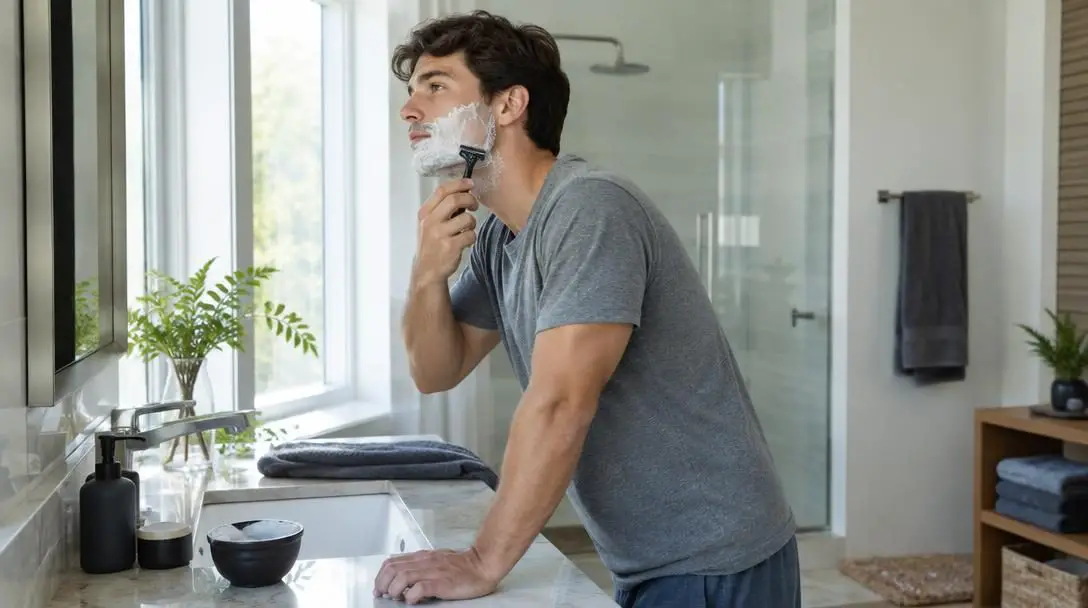
Shaving is often introduced as one of the very first personal grooming habits we learn during our pubescent years. Despite how commonplace the practice is across the globe, achieving a truly flawless, irritation-free finish remains an elusive goal for millions of people who routinely contend with redness, rough patches, unsightly bumps, and painful razor burn.
In reality, hair removal is far more than dragging a sharp piece of metal across the surface of your skin to chop off hair. Shaving is a genuine personal care art form that demands an understanding of skin texture, facial and body contours, hair growth patterns, and blade mechanics. By adopting a disciplined, methodical routine centered on preparation, hydration, and mindful technique, you can elevate a mundane chore into a skin-protecting ritual.
Key takeaways
- Thermal preparation with hot water and steam softens keratin fibers in hair and relaxes the skin to minimize friction.
- Replacing aerated shaving creams with deeply moisturizing alternatives like conditioner or baby oil cushions the blade against irritation.
- Executing an initial pass with the grain followed by short strokes against the grain yields a close cut without blunt trauma to follicles.
- Freshly shaved skin requires immediate barrier protection through hydrating lotions and sun protection of SPF 30 or higher.
The Physical Mechanics of Hair Removal and Skin Dynamics
To understand why skin becomes inflamed after shaving, one must examine the physical interaction between the razor and the epidermis. At the microscopic level, hair strands are tough cylinders composed of fibrous keratin protein. When dry, these strands possess substantial tensile strength. If a razor blade meets dry, stiff hair on an unprepared skin surface, it cannot slice cleanly through the shaft. Instead, the edge catches on the hair, pulling the strand taut within the follicle and dragging across rough, dead skin cells. This mechanical tugging and micro-abrasion of the epidermal barrier triggers immediate redness, razor burn, and localized inflammation.
Thermal preparation radically alters this dynamic. Introducing hot water and ambient steam hydrates the hair shaft, noticeably softening the coarse keratin structure so that a sharpened blade cuts through it with minimal force. Concurrently, the gentle heat relaxes the skin surface and encourages the pores to open. When the dermal surface is supple and thoroughly warmed, the razor encounters substantially less resistance, allowing the edge to sever each hair cleanly at the skin line rather than tearing it away.
Taking a methodical approach transforms shaving from a hurried morning chore into a restorative personal care ritual that protects your dermal barrier.
The direction of each stroke also plays a pivotal role in follicle health. Hair emerges from the follicle at a distinct, oblique angle. Making an initial stroke in the direction of growth—known as shaving with the grain—removes the bulk of the hair length along the path of least resistance. Once that bulk is cleared, executing controlled, shorter strokes against the grain allows the cutting edge to reach the base of the hair close to the epidermis. This two-phase stroke strategy provides a remarkably smooth finish while sparing the delicate follicle from blunt force trauma.
Four Moisturizing Alternatives to Conventional Shaving Cream
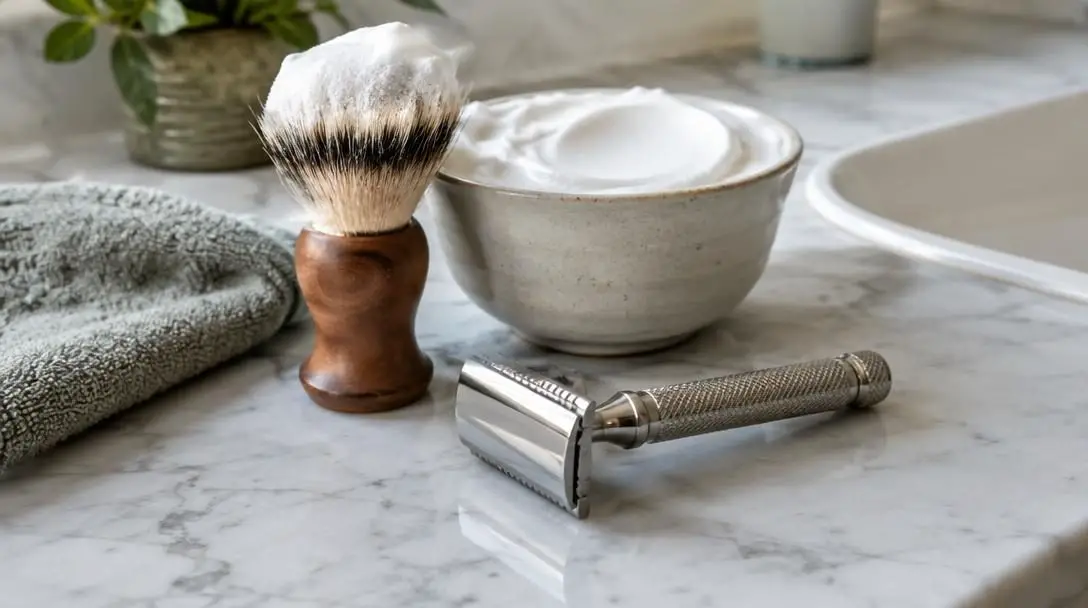
Many traditional aerated shaving foams sold in aerosol cans contain drying agents that strip moisture from the epidermal barrier right when the skin needs maximum protection. Transitioning to richly moisturizing alternatives creates a slick, protective cushion that allows the razor to glide without abrasive drag.
| Lubricant Alternative | Consistency & Barrier Type | Hydration Benefit | Primary Application Advantage |
|---|---|---|---|
| Baby Oil | Lightweight liquid oil | Locks in deep dermal moisture | Provides maximum slip with clear surface visibility |
| Hair Conditioner | Rich conditioning emulsion | Softens coarse hair fibers | Cushions the blade for effortless glide |
| Dedicated Shaving Lotion | Hydrating cosmetic cream | Restores skin barrier elasticity | Formulated specifically for clean blade clearance |
| Moisturizing Bar Soap | Dense, creamy lather | Gentle, non-drying cleanse | Creates a slippery, protective wash across contours |
Baby Oil

Baby oil creates a transparent, highly slick barrier across the skin that lets the razor glide with virtually zero friction. Because it is a clear liquid rather than an opaque foam, it allows you to see the exact direction of hair growth and navigate delicate contours with exceptional accuracy. The oil seals in natural hydration, leaving the skin supple long after hair removal is complete.
Hair Conditioner

Formulated specifically to soften and detangle fibrous hair, hair conditioner works wonders on coarse body and facial hair prior to shaving. Its dense emulsion creates a luxurious cushion between the sharp blade edge and the epidermis. The softening agents in conditioner penetrate the hair cuticle rapidly, reducing the mechanical force needed to sever each strand.
Dedicated Shaving Lotion

Unlike standard aerosol foams that quickly evaporate into thin air, specialized shaving lotions are designed to maintain their rich, creamy texture throughout the entire shave. These formulations emphasize active hydrators and soothing botanicals that calm sensitive skin while preserving the blade's ability to slice hairs flush against the surface.
Moisturizing Bar Soap
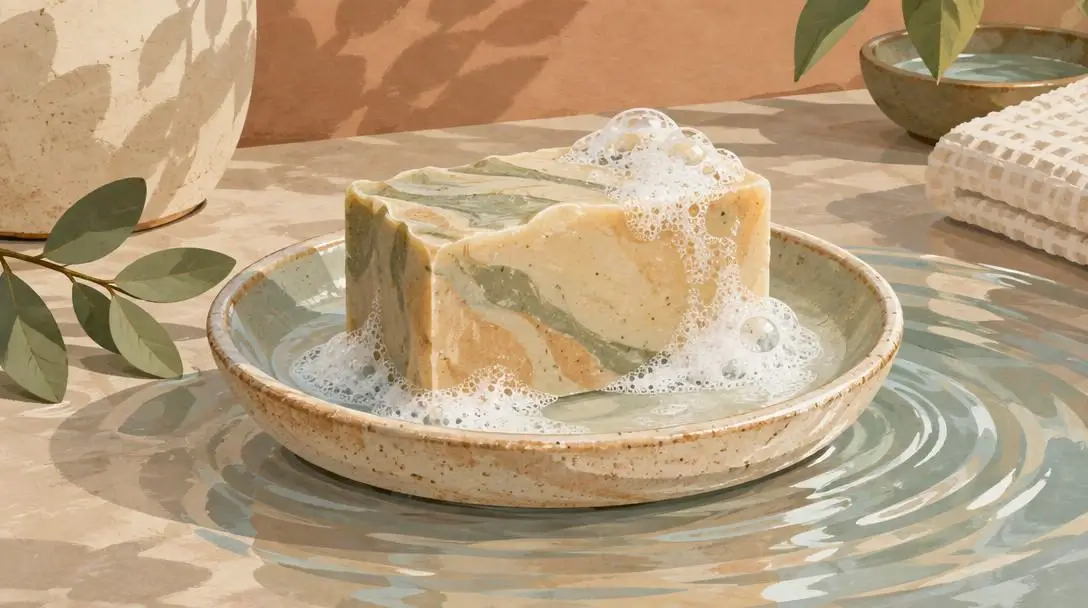
A high-quality moisturizing bar soap generates a dense, low-aeration lather that provides both gentle cleansing and lubrication. By opting for a bar loaded with moisturizing elements rather than harsh detergents, you can wash away loose debris while depositing a slippery layer that prevents the razor from catching on uneven skin texture.
The Step-by-Step Routine for a Flawless Shave
Achieving a reliable, ultra-smooth shave requires an intentional sequence that prepares the skin, removes the hair efficiently, and seals the tissue against environmental stressors. Follow these sequential steps for dependable results:
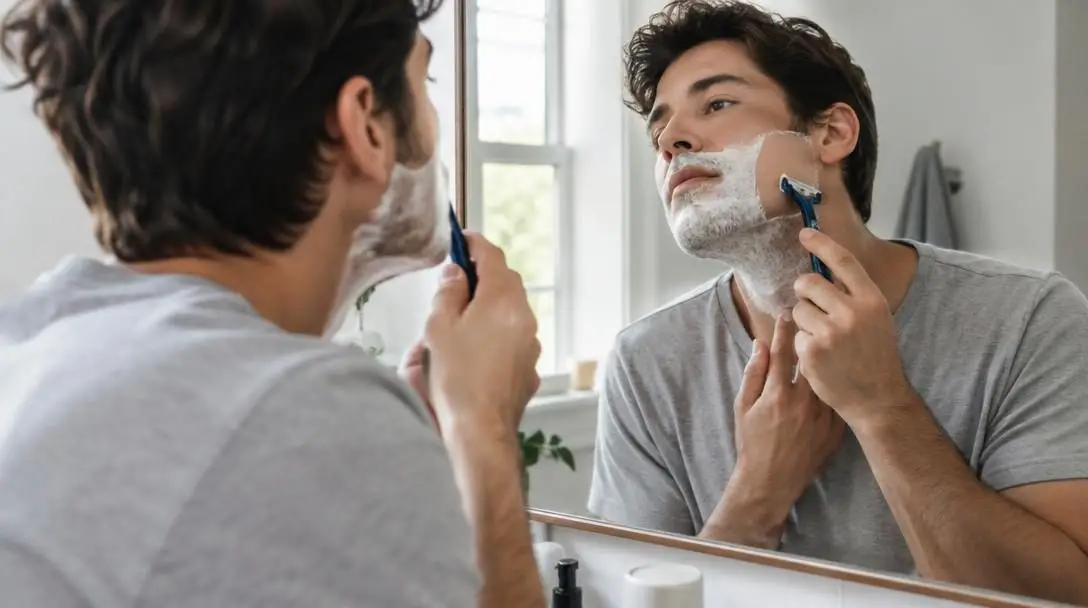
- Warm the skin and open the pores: Begin your session within a hot, steamy shower environment to relax the dermal layer and open the pores. If you are shaving at a sink, immerse a clean hand towel in hot water, wring out the excess liquid, and drape it across the target area for several minutes.
- Exfoliate dead skin cells: Apply a gentle moisturizing face or body scrub to the damp skin. Work the product across the surface in small, circular motions for approximately 30 to 60 seconds to dislodge dead tissue and loose debris, then rinse clean with warm water.
- Apply a rich, moisturizing lubricant: Generously coat the area with baby oil, hair conditioner, dedicated shaving lotion, or a rich lather from a moisturizing bar soap to build a dense protective barrier.
- Tension the skin surface: Use your free hand to apply gentle pressure just above the target area, pulling or pushing upward to pull the skin taut. Smoothing out natural creases prevents the razor from biting into soft folds.
- Perform the primary pass with the grain: Glide your razor downward along the natural orientation of hair growth using steady, light pressure to slice away the primary hair length safely.
- Rinse your blade continuously: Pause and rinse the razor under running water before every single stroke to wash away gathered hairs, dead skin, and residual lubricant that could otherwise clog the cutting edge.
- Make secondary short strokes against the grain: Re-lubricate the area lightly, then take short, deliberate passes against the grain to cut the remaining base of the hair close to the skin line.
- Hydrate and condition: Rinse the freshly shaved skin with cool water to soothe the area, pat dry with a soft towel, and immediately smooth on a generous amount of hydrating lotion to replenish lost moisture.
- Practice dedicated sun safety: Protect the treated skin from harsh ultraviolet exposure by keeping it covered with clothing for roughly 24 hours, or apply a broad-spectrum sunscreen featuring an SPF of 30 or higher before going outside.
Seven Frequent Shaving Errors and How to Prevent Them
Even experienced individuals can fall into detrimental grooming habits that compromise the health of their skin. Steering clear of these common pitfalls will keep your dermal barrier intact and prevent the recurrence of painful bumps.
- Shaving every single day: Daily shaving denies the skin necessary recovery time and frequently causes chronic razor burn. Furthermore, hair needs a small amount of growth length so the razor blade can grip the fiber properly and shear it off cleanly near the follicle.
- Relying on standard shaving creams: Common aerosol foams often contain alcohol and drying propellants that dehydrate the epidermal surface. Replacing them with richer substitutes prevents microscopic tears and post-shave tightness.
- Clinging to dull blades: A dull razor blade drags hair fibers and scrapes unevenly across the skin rather than cutting cleanly. Replace blades as soon as you detect any resistance or tugging.
- Neglecting to rinse between strokes: Allowing hair clippings and dense lubricants to accumulate between blades forces you to exert more pressure, drastically increasing the likelihood of painful nicks.
- Skipping mechanical exfoliation: Bypassing a 30- to 60-second circular scrub leaves a barrier of dead cells that causes the razor to skip and snag along the surface.
- Shaving over loose skin: Failing to stretch the skin taut allows the sharp metal edge to catch on natural skin folds, causing unnecessary cuts.
- Exposing bare skin to direct sun: Exposing newly shaved skin to sunlight without protection accelerates sunburn and dark spots, making high-SPF sunscreen an indispensable final step.
Adapting Your Technique for Sensitive Skin and Diverse Razors
Every person exhibits a distinct balance of skin texture, follicle angle, and dermis thickness. Because no single formula guarantees universal success, personal experimentation is an essential part of refining your grooming routine. If you manage active acne breakouts, raised bumps, or localized sensitivity patches, maneuvering around these blemishes with a gentle hand is vital to prevent scarring and infection.
Do not hesitate to explore different tools to discover what best suits your individual features. Some individuals thrive using multi-blade cartridge systems with flexible pivoting heads, whereas others find that traditional straight razors or classic safety razors deliver a cleaner cut with substantially less friction. Take time to observe how your skin behaves across fluctuating weather conditions, adjust your spacing intervals as needed, and ensure your blades are always pristine and sharp.
Frequently asked questions
Why is shaving every day bad for the skin?
Shaving every day does not provide the skin barrier sufficient time to heal from the mild micro-abrasions caused by the blade. In addition, when hair is too short, the blade cannot grip the strand effectively, which leads to scraping, razor burn, and unsightly bumps rather than a close cut.
How does thermal preparation improve the quality of a shave?
Thermal preparation with hot water or shower steam relaxes the skin surface, opens the pores, and hydrates the tough keratin protein inside hair fibers. This process softens the hair strands, making them far easier for the razor to slice through cleanly without snagging.
What makes traditional canned shaving cream inferior to rich alternatives?
Aerosol shaving creams frequently contain drying ingredients and airy propellants that strip natural moisture from the epidermis. Rich alternatives like hair conditioner, baby oil, and moisturizing lotions provide a denser protective layer that deeply hydrates the skin and cushions the blade's travel.
Why should I shave both with and against the grain?
Shaving with the grain first removes the main length of the hair along the path of least resistance without pulling on the follicle. Following up with short, gentle strokes against the grain cuts the remaining base of the hair close to the skin line for the smoothest possible finish.
Why is sunscreen necessary after shaving?
The shaving process exfoliates and temporarily thins the skin's outer surface, leaving the underlying tissue vulnerable to rapid sun damage. Applying a sunscreen with an SPF of 30 or higher—or keeping the area covered for 24 hours—protects this sensitive layer from ultraviolet harm.
The Bottom Line
Mastering the art of shaving requires shifting away from hurried, abrasive habits in favor of a thoughtful, multi-step regimen. When you respect the physical properties of your skin and hair—softening keratin fibers with heat, clearing debris through deliberate exfoliation, cushioning the blade with rich lubricants, and shielding the newly exposed skin from sunlight—you eliminate the root causes of razor burn, bumps, and rough patches. With patient experimentation and proper technique, a reliably smooth, comfortable shave is always within reach.