The Best Festivals and Events Around the World: Celebrate Culture and Tradition
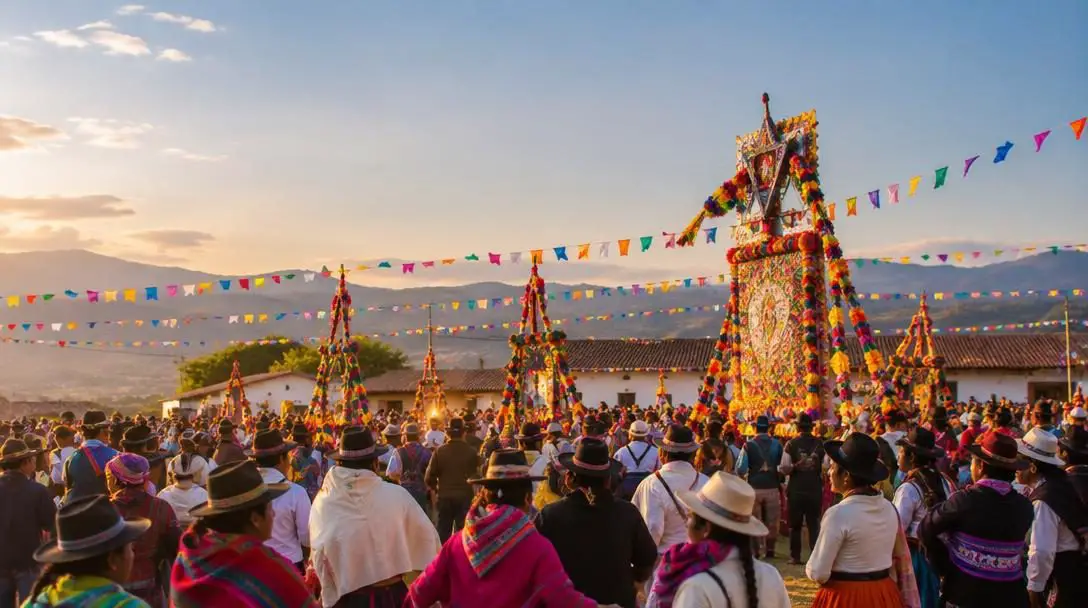
Throughout human history, collective celebration has served as an essential medium for cultural identity, artistic invention, and community bonding. While early gatherings were intrinsically linked to agrarian seasons, celestial solstices, and religious devotions, modern festivals have transformed into expansive, multi-day spectacles celebrating music, visual arts, and international fellowship.
Today, these massive events take over desert valleys, metropolitan river islands, historic raceways, and urban boulevards across every inhabited continent. Whether attending an electronic music wonderland, an open-access municipal carnival, or an iconic rock assembly, understanding the scale, traditions, and operational logistics of these global gatherings allows travelers to experience human culture at its most energetic.
Key takeaways
- Global celebrations have shifted from seasonal and sacred ceremonies into dynamic showcases for modern music, street art, and cross-cultural gathering.
- Iconic festivals vary dramatically in structure, ranging from ticketed, multi-stage enclosures to sprawling, citywide public holidays.
- Mega-events like Donauinselfest and Brazilian Carnival welcome millions of participants, requiring immense civic coordination and personal preparation.
- Smart festival travel demands strict attention to climate, venue geography, local transit, and changing civic calendars.
At a glance: Ten iconic world festivals
| Festival | Location | Primary Focus | Attendance / Scale |
|---|---|---|---|
| Coachella | Indio, California | Multi-genre music and visual art | Expansive desert venue with multi-stage programming |
| Rock in Rio | Brazil (also Spain, Portugal, USA) | Rock, pop, and urban music | Millions across multi-decade international tour history |
| Montreal International Jazz Festival | Montreal, Quebec, Canada | Jazz instrumentalists and global artists | Approximately 2 million visitors annually |
| Donauinselfest | Vienna, Austria | Eclectic music and regional talent | Over 3 million attendees; largest outdoor festival in the world |
| Tomorrowland | Boom, Belgium | Electronic dance music | More than 600,000 international visitors |
| Carnival | Brazil (nationwide) | Street parades and public revelry | Around 5 million participants across five days |
| Mardi Gras | New Orleans, Louisiana | Parades, brass bands, and street culture | Citywide celebration centered on Bourbon Street |
| Summerfest | Milwaukee, Wisconsin | Multi-genre music, food, and beer | Spans 11 days along the lakefront |
| Pol’And’Rock | Czaplinek, Poland | Rock, alternative, and community | Over 700,000 music fans |
| Electric Daisy Carnival | Las Vegas, Nevada | Electronic dance music | Over 200 DJs inside the Las Vegas Motor Speedway |
Ten prominent festivals shaping global culture
Across the globe, signature celebrations showcase diverse artistic disciplines and communal expressions. The following ten events represent the benchmark for modern entertainment and cultural heritage.
Coachella
- Location: Indio, California
- First annual edition: 1999
- Origin catalyst: 1993 Pearl Jam concert
- Notable artists: Eminem, Beyonce, Drake, Paul McCartney
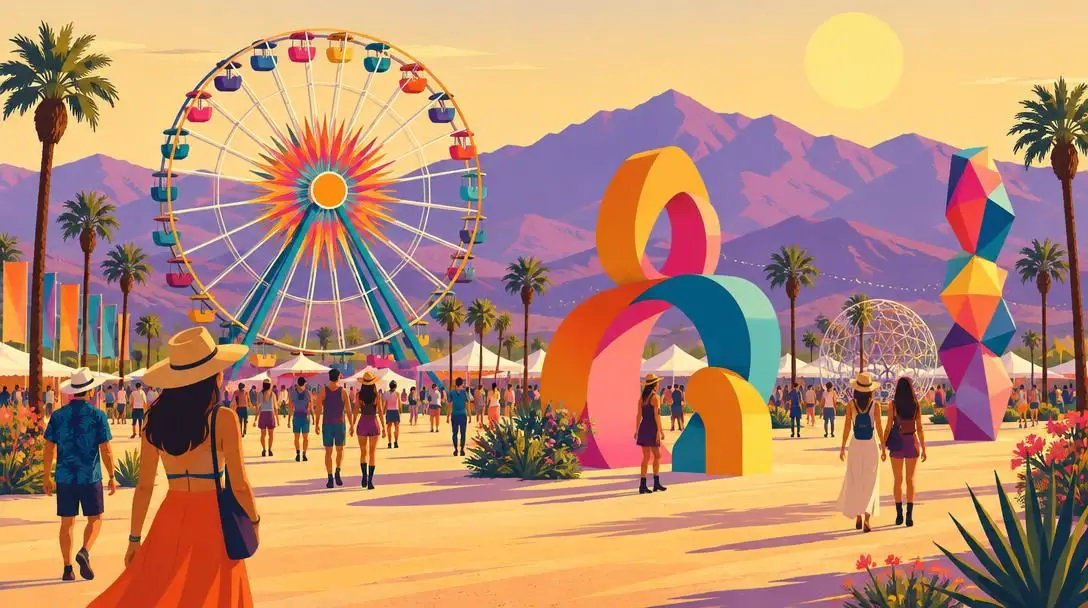
Staged on the open fields of the Coachella Valley, Coachella has established itself as America’s premier music destination and a dominant trendsetter in popular culture. The venue's commercial viability was first proven in 1993 during a solo concert by Pearl Jam, leading to the official launch of the festival in 1999. Although initially rooted in alternative rock, the gathering has grown into an eclectic cultural summit known for pairing multi-genre headliners with massive, interactive visual art installations.
Rock in Rio
- Inaugural year: 1985
- Origin country: Brazil
- Host locations: Brazil, Portugal, Spain, United States
- Notable artists: AC/DC, Katy Perry, Post Malone, Justin Timberlake
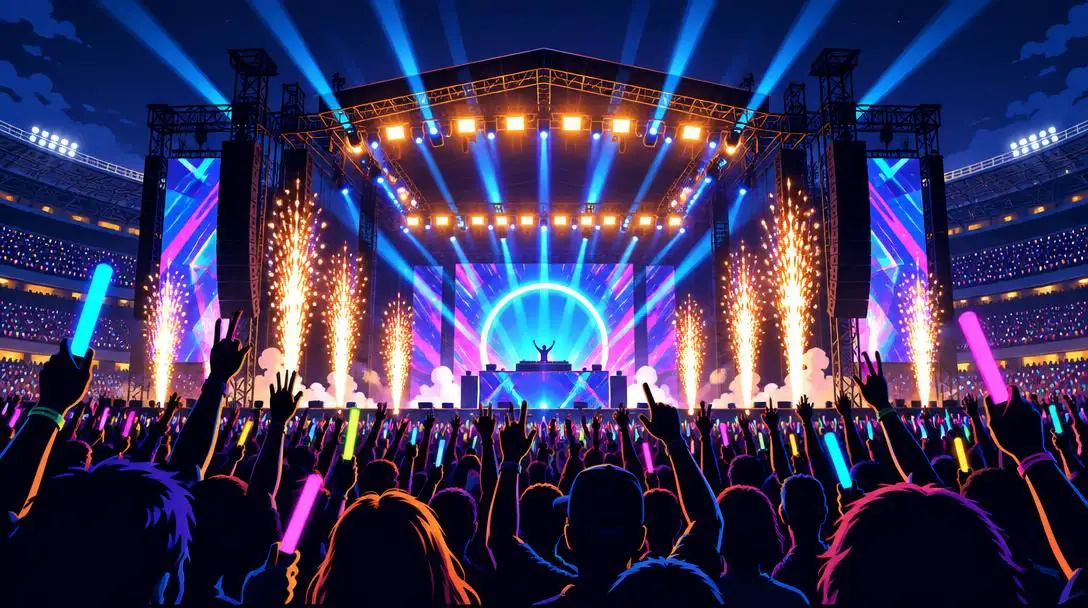
Rock in Rio debuted in 1985 as an ambitious rock extravaganza headlined by legendary acts like AC/DC. In the decades since, it has grown into a traveling phenomenon, establishing temporary homes in Lisbon, Madrid, and Las Vegas alongside its foundational home in Brazil. Beyond its sonic scale, the festival broke a notable operational milestone by securing the single-day world record for the highest number of hamburgers sold at an event, underscoring the massive logistical machinery required to feed its audiences.
Montreal International Jazz Festival
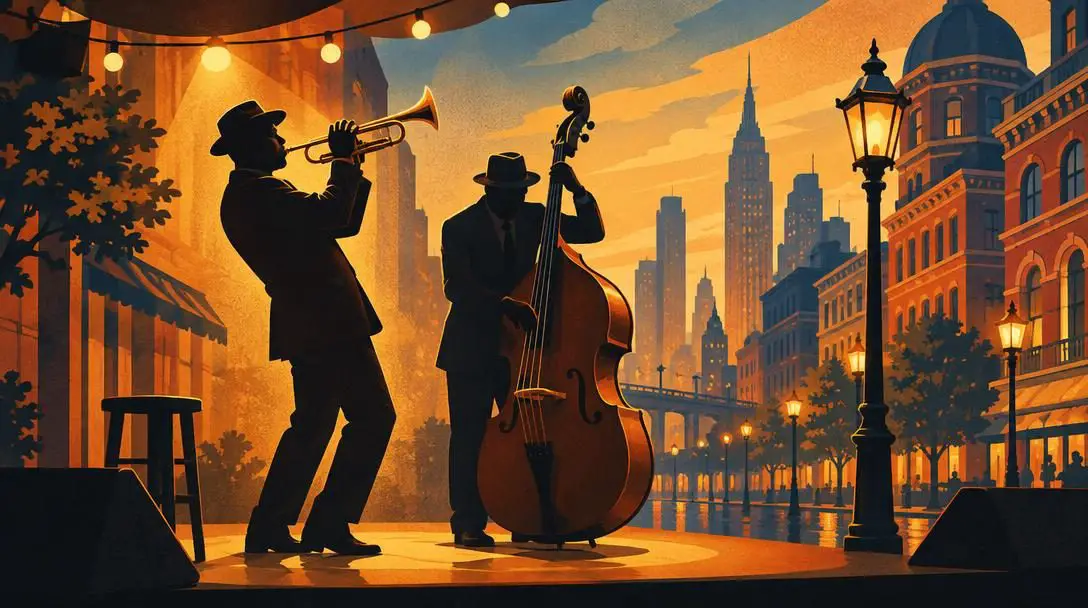
- Location: Montreal, Quebec, Canada
- Founded: 1980
- Annual attendance: Approximately 2 million
- Recent milestone: Revived in 2023 following pandemic hiatus
While mainstream radio is often dominated by commercial pop, jazz maintains an exceptionally devoted international community. Held annually in the heart of Quebec, the Montreal International Jazz Festival draws roughly two million music enthusiasts. Central to its mission is honoring and preserving the heritage of jazz innovators, historically supporting talent via a competitive showcase that pits world-class instrumentalists against one another before global audiences.
Donauinselfest
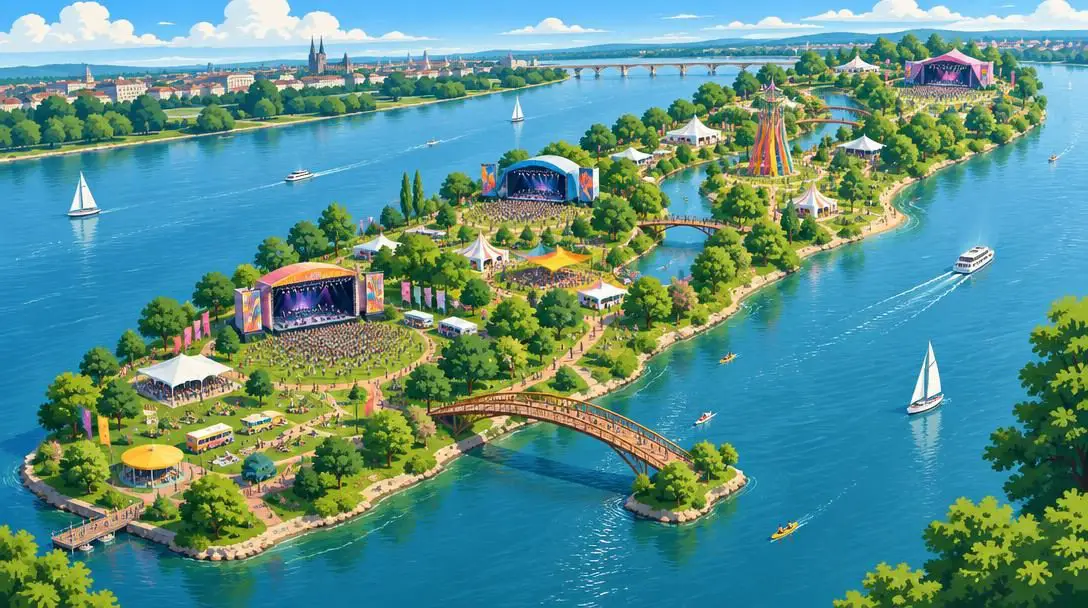
- Location: Danube Island, Vienna, Austria
- Scale: Largest outdoor festival in the world
- Run time: Three consecutive days
- Notable artists: Billy Idol, Sean Paul, Simple Minds
Donauinselfest welcomes over three million attendees across its vibrant three-day weekend. Situated along the expansive banks of Danube Island in Vienna, the physical scale of the site earns it the title of the largest open-air festival anywhere on the planet. Alongside international performers spanning pop, reggae, and rock, the festival fosters local music through its Rock the Island Contest, offering emerging Austrian bands high-profile stage time.
Tomorrowland
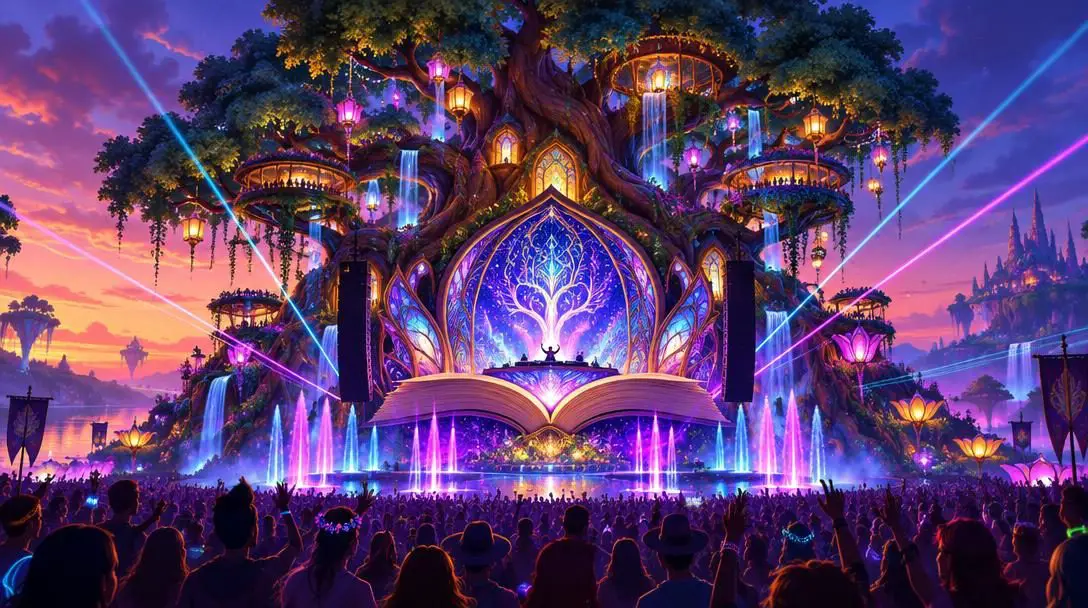
- Location: Boom, Belgium
- Inaugural year: 2005
- Annual attendance: Over 600,000 visitors
- Notable artists: Swedish House Mafia, Tiesto, Afrojack
Taking place in the Belgian municipality of Boom, Tomorrowland represents the pinnacle of modern electronic dance music (EDM) staging. Since its premiere in 2005, it has gained international renown for its elaborate production, fairytale stage architecture, and cutting-edge light shows. Over 600,000 fans travel across the globe each year to witness the world's most prominent DJs and electronic producers perform on its fantastical stages.
Carnival
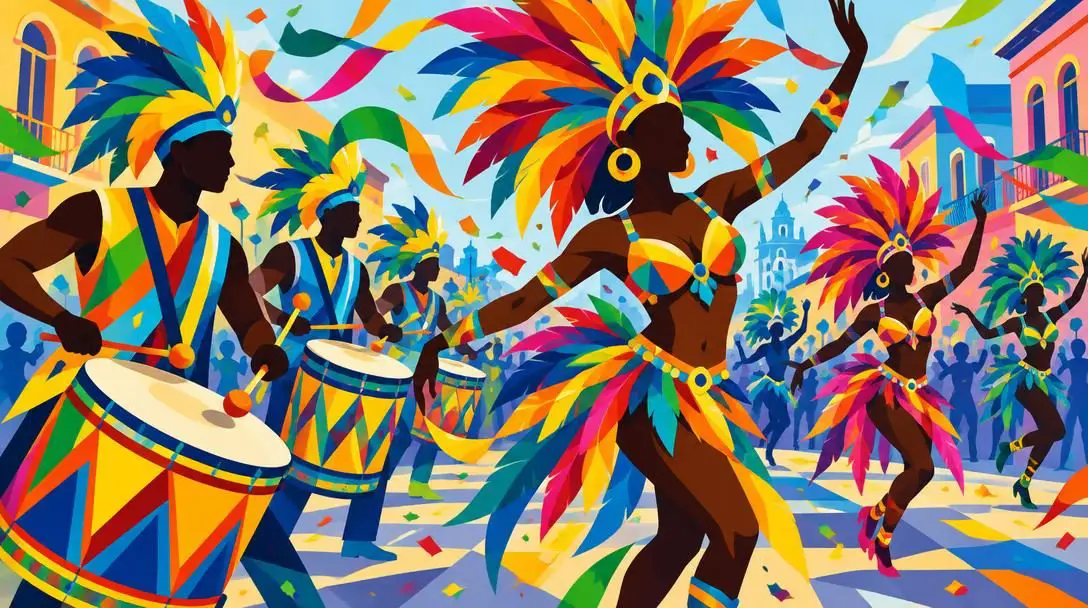
- Location: Brazil (nationwide celebration)
- Duration: Five official days
- Timing: Friday before Ash Wednesday through Ash Wednesday
- Attendance: Approximately 5 million revelers
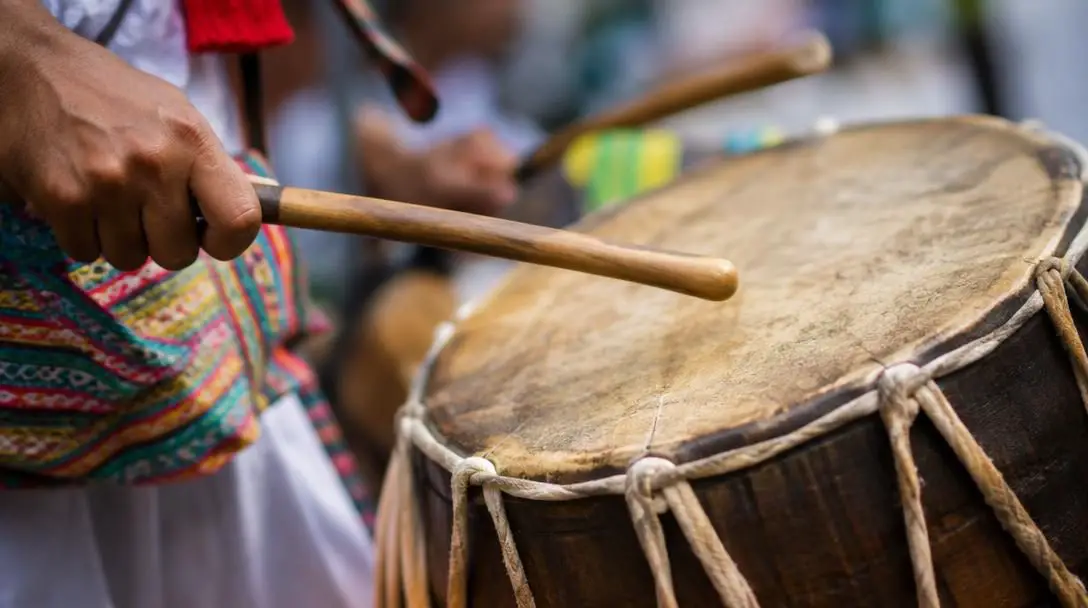
Celebrated throughout Brazil as an official nationwide holiday, Carnival represents one of the largest public gatherings on Earth. Unlike standard festivals anchored around ticketed stadium stages, Carnival converts municipal streets into vast, open-air parades. Millions of people, from local neighborhood blocos to internationally recognized samba schools, participate in a multi-day explosion of rhythm, intricate costumes, and street dancing.
Mardi Gras
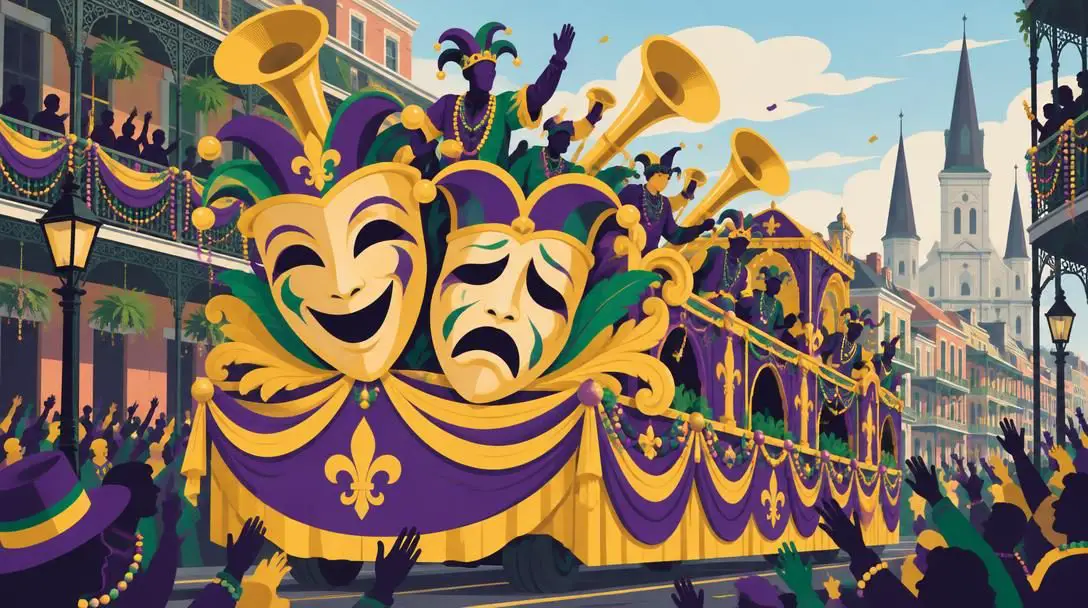
- Location: New Orleans, Louisiana
- Calendar span: Extends from Ash Wednesday to Fat Tuesday
- Signature features: Parading krewes, decorative floats, brass bands
- Key corridors: Bourbon Street and historic municipal avenues
Serving as North America's historic counterpart to European and South American carnival traditions, Mardi Gras saturates New Orleans with brass instruments, vibrant bead tossing, and social satire. Parading organizations known as krewes build massive mechanical floats that wind through city avenues, encouraging active public participation. The celebration emphasizes continuous neighborhood socialization, communal culinary traditions, and street jazz over stationary pop performances.
Summerfest
- Location: Milwaukee, Wisconsin
- Duration: 11 days
- Schedule anchor: Launches on the final Wednesday in June
- Notable artists: Lady Gaga, Whitney Houston, Metallica
Milwaukee is recognized internationally for its rich brewing traditions and public culinary gatherings, but Summerfest serves as its definitive cultural showpiece. Spanning 11 days along the edge of Lake Michigan, this mammoth summer gathering stands as the midwestern United States' equivalent to destination music festivals like Coachella. By pairing extensive regional food offerings with sets from world-renowned headliners, the festival attracts a massive cross-section of music enthusiasts.
Pol’And’Rock
- Location: Czaplinek, Poland
- Inaugural year: 1995
- Annual attendance: 700,000+ attendees
- Notable artists: Judas Priest, Papa Roach, Shaggy
Conceived in 1995 as the European ideological successor to Woodstock, Pol’And’Rock is celebrated for its radical emphasis on peace, mutual respect, and heavy rock sounds. Drawing more than 700,000 people to its sprawling site in Czaplinek, the event is famous for its passionate, unpretentious atmosphere. Participants embrace rugged camping conditions and legendary mud baths, making physical immersion in the elements a celebrated rite of passage.
Electric Daisy Carnival (EDC)
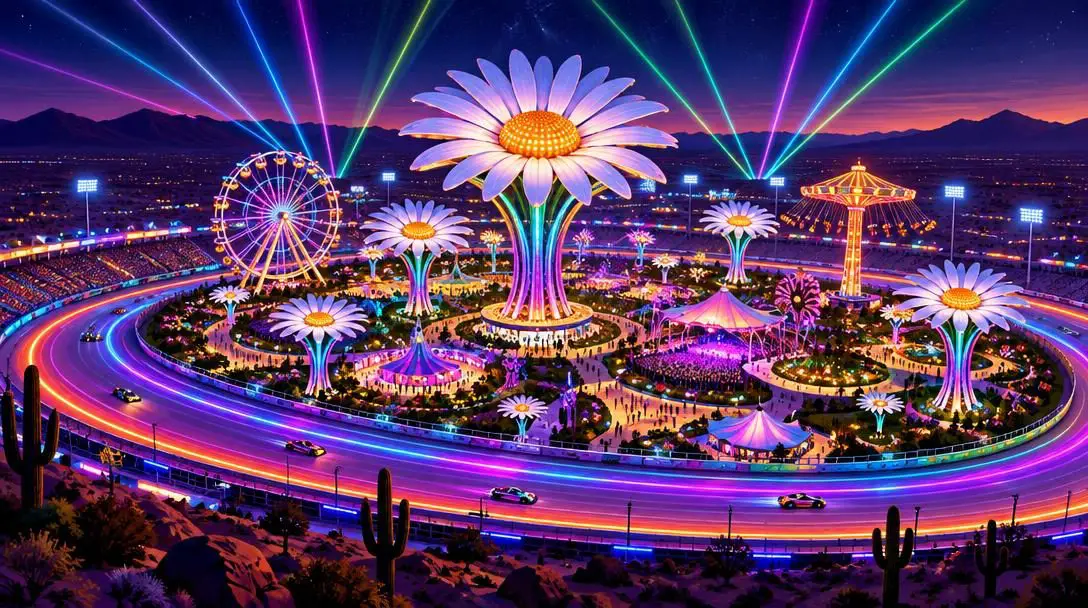
- Location: Las Vegas Motor Speedway, Nevada
- Focus: Electronic dance music
- Talent volume: 200+ performing DJs
- Setting: Paved racing oval in the desert
Transforming the expansive asphalt of the Las Vegas Motor Speedway into an illuminated neon metropolis, Electric Daisy Carnival brings together over 200 top-tier DJs. The venue features towering, interactive stages, art cars, and carnival attractions operating from sunset to dawn. Because the festival takes place in the arid climate of the Nevada desert, personal safety and endurance are fundamental considerations for every attendee.
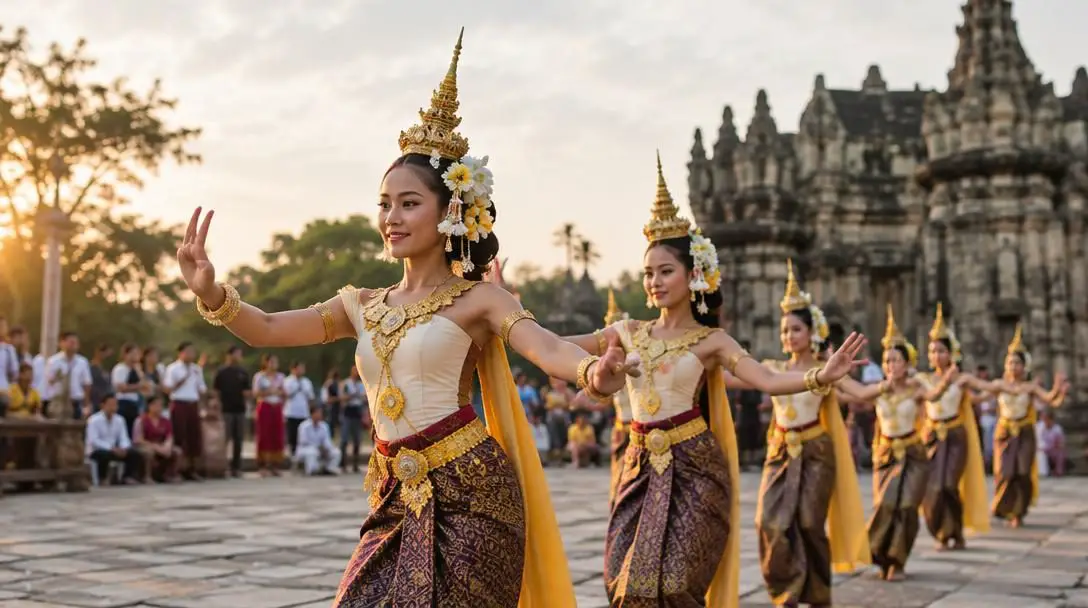
Whether unfolding across sun-scorched desert raceways or century-old cobblestone avenues, global festivals transform physical space into temporary cities united by sound and shared ritual.
Behind the scenes: How mega-festivals operate
Managing an influx of hundreds of thousands—or millions—of guests over consecutive days requires intricate logistical planning. Modern global festivals generally fall into three structural models:
- Enclosed commercial facilities: Events like Coachella and the Electric Daisy Carnival take place within strictly controlled private boundaries, such as country clubs or paved speedways. These venues rely on gated perimeters, airport-style security screenings, digital wristbands, and temporary internal infrastructure like water points, medical tents, and designated camping zones.
- Public municipal takeovers: Gatherings like Brazilian Carnival and New Orleans' Mardi Gras utilize existing civic infrastructure. Municipalities close public avenues, reroute buses, and deploy municipal sanitation teams to accommodate rolling street parades and open-access crowds without traditional ticketing gates.
- Multi-stage programming and talent pipelines: Staging non-stop entertainment across dozens of stages demands precise time management. Major events balance global headliners with developmental initiatives; for instance, Donauinselfest runs its Rock the Island Contest to give emerging Austrian performers national exposure, while the Montreal International Jazz Festival historically structured formal competitions to crown emerging instrumental masters.
How to plan your festival journey
Successfully navigating a massive gathering abroad requires structured preparation well ahead of departure. Follow these practical steps to ensure a smooth, secure itinerary:
- Lock in dates based on official cultural calendars: Many historic events follow rigid, non-standard schedules. Summerfest routinely launches on the final Wednesday in June, while Brazil’s Carnival begins precisely on the Friday before Ash Wednesday and continues through Ash Wednesday. Book flights and lodging based on these exact dates rather than broad weekend assumptions.
- Assess the local terrain and environment: Investigate the physical realities of the festival grounds. Open desert valleys like Indio, paved raceways in Las Vegas, island riverbanks in Vienna, or muddy rural airfields in Czaplinek each require specific gear, footwear, and climate strategies.
- Map out a daily hydration and endurance plan: At intense outdoor summer gatherings, heat exhaustion can derail a trip within hours. Scout water refill points immediately upon entering the grounds, carry a reusable container, and alternate physical exertion with visits to shaded relief areas.
- Pack utility-first clothing: Leave high-value, delicate garments at home. If attending Pol’And’Rock, anticipate deep mud pits and pack washable or disposable attire. If traveling to municipal street festivals, choose sturdy sneakers that can handle miles of walking over city concrete and broken glass.
- Review stage schedules and parade routes in advance: With hundreds of acts performing concurrently, study the published event map early. Mark the stages for must-see headliners, discover regional up-and-comers participating in competitions like the Rock the Island Contest, and know the departure times of key street floats.
- Establish an offline emergency meeting point: Cellular towers are routinely overwhelmed when millions of people converge in one zone, rendering digital messaging unreliable. Designate a clear, permanent physical landmark inside the venue where your group will gather if separated.
Critical mistakes to avoid on the festival circuit
Even seasoned travelers can encounter unexpected challenges at major international events. To ensure a seamless trip, avoid these common missteps:
- Assuming static concert setups at municipal street holidays: Expecting standard stadium stages and seated pop concerts at Brazil's Carnival or New Orleans' Mardi Gras leads to disappointment. These gatherings center on moving parades, brass krewes, and street-level socialization.
- Stereotyping festivals by a single music genre: Major contemporary gatherings have largely diversified their lineups. Rock in Rio, originally dedicated to heavy metal icons like AC/DC, now books modern pop and urban heavyweights such as Katy Perry, Post Malone, and Justin Timberlake. Similarly, Coachella features hip-hop leaders like Eminem and Drake alongside rock veterans like Paul McCartney.
- Underestimating civic disruptions during public holidays: Arriving in Brazil during its five-day nationwide Carnival without preparing for street closures, suspended commercial services, and altered public transit can lead to missed connections and stranded travelers.
- Failing to budget for extreme heat: Underestimating midday temperatures in open desert settings like Las Vegas or Indio is dangerous. Relying on occasional soda or alcohol purchases instead of steady water intake invites acute dehydration.
- Carrying irreplaceable personal valuables: In massive crowds of hundreds of thousands of people, dropped phones, lost wallets, and damaged gear are difficult to recover. Keep valuables secured in zippered inner pockets or leave them in hotel safes.
Frequently asked questions
What is considered the largest outdoor festival in the world?
Donauinselfest, staged along the Danube Island in Vienna, Austria, holds the distinction of being the largest outdoor festival in the world. It welcomes over three million attendees across its three-day schedule.
How do street celebrations like Carnival and Mardi Gras differ from commercial music festivals?
Unlike commercial festivals such as Coachella or Tomorrowland, which feature ticketed perimeters and stationary stages with touring pop or EDM headliners, Carnival and Mardi Gras are public cultural celebrations. They center on moving neighborhood parades, decorative floats, brass bands, and open street revelry integrated into the city fabric.
How did Coachella start?
Coachella's viability as a premier desert venue was proven in 1993, when rock band Pearl Jam hosted a successful solo concert in Indio, California. This achievement inspired organizers to launch the festival's official inaugural edition in 1999.
What should attendees expect when visiting Pol’And’Rock?
Attendees at Pol’And’Rock in Czaplinek, Poland, should anticipate a rugged, community-focused gathering inspired by the original Woodstock. The festival draws over 700,000 rock enthusiasts and is famous for its energetic crowds rolling in mud pits, requiring durable, washable clothing.
When does Summerfest take place?
Summerfest spans 11 days in Milwaukee, Wisconsin, kicking off annually on the final Wednesday in June along the Lake Michigan shoreline.
The bottom line
From the neon stages of the Las Vegas Motor Speedway to the historic avenues of New Orleans, world festivals provide an unmatched window into the communal spirit of humanity. These gatherings illustrate how music, performance, and shared ritual can bridge cultural divides and assemble millions in unified celebration.
Succeeding as a festival traveler comes down to understanding the distinct rhythm of each event. Whether you seek the theatrical production of Tomorrowland, the historic brass melodies of the French Quarter, or the thunderous rock energy of Donauinselfest, thorough planning and an open mind guarantee an unforgettable journey into the heart of global celebration.