The Insider’s Guide: 5 Ways to Get to Know the Real Australia
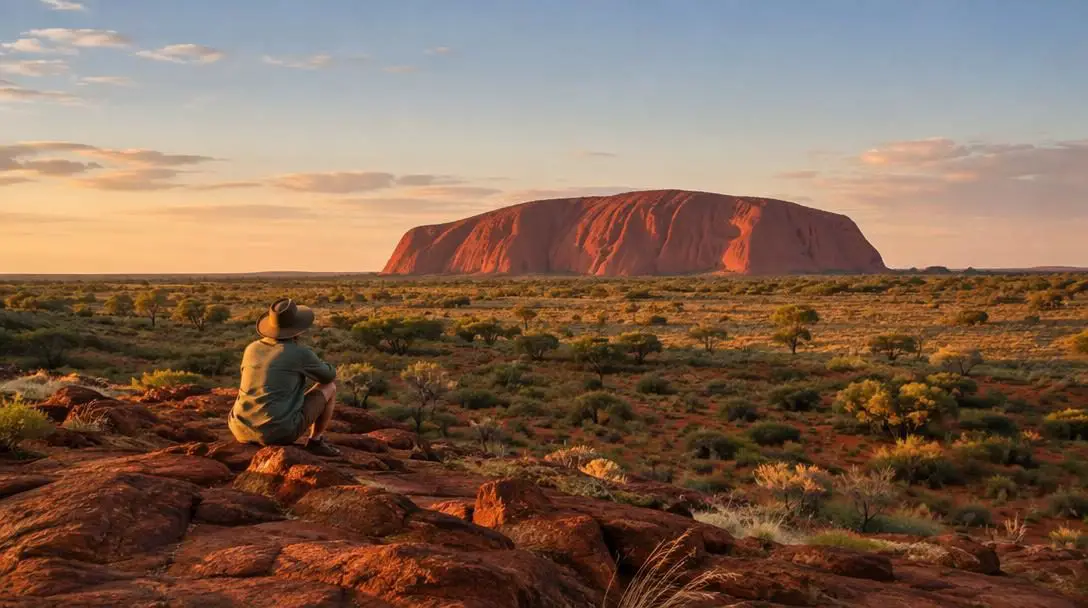
Spanning just under three million square miles, Australia is a continent of staggering proportions. Its sheer geographic scale often leads first-time visitors into a familiar routine, focusing narrowly on marquee attractions such as the Sydney Opera House. While these world-famous landmarks provide memorable postcard moments, sticking exclusively to the standard tourist trail can keep travelers from experiencing the true heart, soul, and environmental complexity of the nation.
Fortunately, taking in the country's full character does not require driving across every single mile of its terrain. By intentionally selecting adventures that highlight contrasting landscapes, diverse regional cultures, ancient ecosystems, and dynamic cities, you can connect directly with the continent's authentic essence. From the ancient red terrain of the southern outback to vibrant marine ecosystems off the western coast, exploring five distinct regional experiences provides an immersive overview of what makes Australia truly extraordinary.
Key takeaways
- Australia spans nearly three million square miles, making regional planning essential rather than trying to see the entire continent in one trip.
- Conservation properties like Arkaba and marine sanctuaries like Ningaloo Reef showcase globally unique native wildlife in their natural habitats.
- Urban heritage experiences in Melbourne and guided regional day tours out of Sydney offer accessible cultural, culinary, and landscape deep-dives.
- Tackling classic driving routes behind the wheel of a V8 Holden provides quintessential freedom, provided you pack crucial emergency gear like personal locator beacons and physical maps.
At a glance: Five ways to discover the continent
| Experience | Primary Location | Key Attraction or Activity | Travel Style |
|---|---|---|---|
| Arkaba Conservancy | Flinders Ranges, South Australia | Native wildlife safaris and outback bush walking | Eco-lodge and guided conservancy tours |
| Ningaloo Reef | Western Australia coastline | Snorkeling with whale sharks, manta rays, and dugongs | Marine wilderness excursion |
| City Circle Tram | Melbourne, Victoria | Historic loop visiting museums and cultural precincts | Self-guided hop-on, hop-off urban transit |
| Sydney Guided Excursions | Sydney and Blue Mountains, New South Wales | Harbor cruises, mountain vistas, wine and food tasting | Curated small-group or private guided tours |
| Classic V8 Road Trip | Transcontinental highway corridors | Driving scenic outback tracks and coastal bypasses | Independent self-drive touring |
Five authentic journeys across Australia
Understanding Australia requires embracing both its rugged natural wilderness and its layered metropolitan hubs. These five distinct experiences provide a balanced journey through ancient mountain ranges, pristine coral reefs, cultural capitals, and legendary driving routes.
Arkaba Conservancy

- Location: Flinders Ranges
- Property Size: 60,000 acres
- Signature Activities: Driving, walking, and air safaris
- Notable Fauna: Emus, kangaroos, wallabies, wedge-tailed eagles, goannas, and fat-tailed dunnarts
Situated within the ancient, rugged geology of the Flinders Ranges, the Arkaba Conservancy represents an inspiring model of environmental stewardship. Covering 60,000 acres, this former pastoral property has been transformed into a dedicated wildlife conservancy where native flora and fauna can flourish free from intensive agricultural pressure. The ancient, weather-beaten mountains and red-dirt river beds provide an immediate window into the prehistoric landscapes of the continent.
Guests at Arkaba can experience the terrain through varied safari options, including guided bush walks, open-top four-wheel-drive excursions, and scenic flights. The vast property is populated by substantial populations of iconic Australian wildlife, such as red and western grey kangaroos, wallabies, and emus stalking across the flats. Looking closer reveals smaller native species and predators, ranging from fat-tailed dunnarts and resting goannas to massive wedge-tailed eagles riding the warm thermals overhead. Travelers looking to truly immerse themselves in outback quietude can book weekend retreats or extended stays at the conservancy's on-site lodge.
Ningaloo Reef
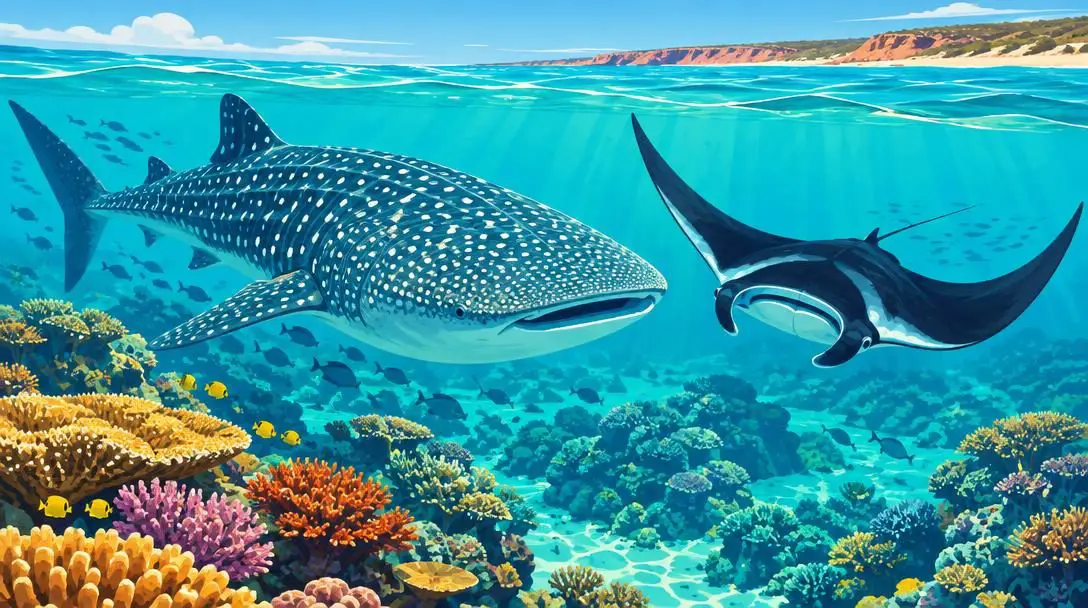
- Location: Western Australia (Indian Ocean coast)
- Reef Length: 160 miles
- Biodiversity: Over 270 varieties of coral
- Key Species: Whale sharks, dugongs, manta rays, and humpback dolphins
While the Great Barrier Reef garners immense global attention, Ningaloo Reef along the remote western edge of the continent offers an extraordinarily pristine, accessible marine ecosystem. Stretching across 160 miles directly facing the open Indian Ocean, Ningaloo is celebrated for its fringing reef structure, which allows snorkelers to wade into deep water and pristine coral formations directly from the shoreline.

The waters here support more than 270 varieties of coral and provide refuge for rare marine species, including the elusive humpback dolphin and gentle grazing dugongs. Ningaloo is internationally renowned as one of the premier locations on earth to swim alongside whale sharks, the ocean's largest fish. Snorkelers also regularly cross paths with gliding manta rays, sea turtles, and vast shoals of tropical fish, experiencing an unhurried, wild ocean landscape far removed from heavy coastal commercialization.
Melbourne’s City Circle Tram
- Location: Melbourne, Victoria
- Rolling Stock: Heritage W-class tram (green and yellow)
- Key Highlights: Melbourne Museum, Federation Square, SEA Life Melbourne Aquarium
- Transit Style: Free-flowing hop-on, hop-off loop with recorded audio
To experience the distinct cultural pulse of Australia’s urban south, boarding Melbourne’s historic City Circle Tram is unmatched. Running along a dedicated perimeter route through the central business district, this transit service utilizes classic green and yellow W-class trams that preserve the mid-twentieth-century character of Melbourne’s iconic public transport network.
The service operates as a hop-on and hop-off system, making it convenient for travelers to explore urban sights at their own pace. Recorded audio commentary plays inside the carriage, pointing out architectural milestones, civic centers, and cultural monuments as they glide past the windows. Key stops directly access major urban attractions, including the comprehensive exhibits of the Melbourne Museum, the architectural gathering point of Federation Square, and the marine habitats within the SEA Life Melbourne Aquarium. It provides an effortless way to understand how Melbourne balances historical streetscapes with a modern cultural lifestyle.
Sydney Guided Tours
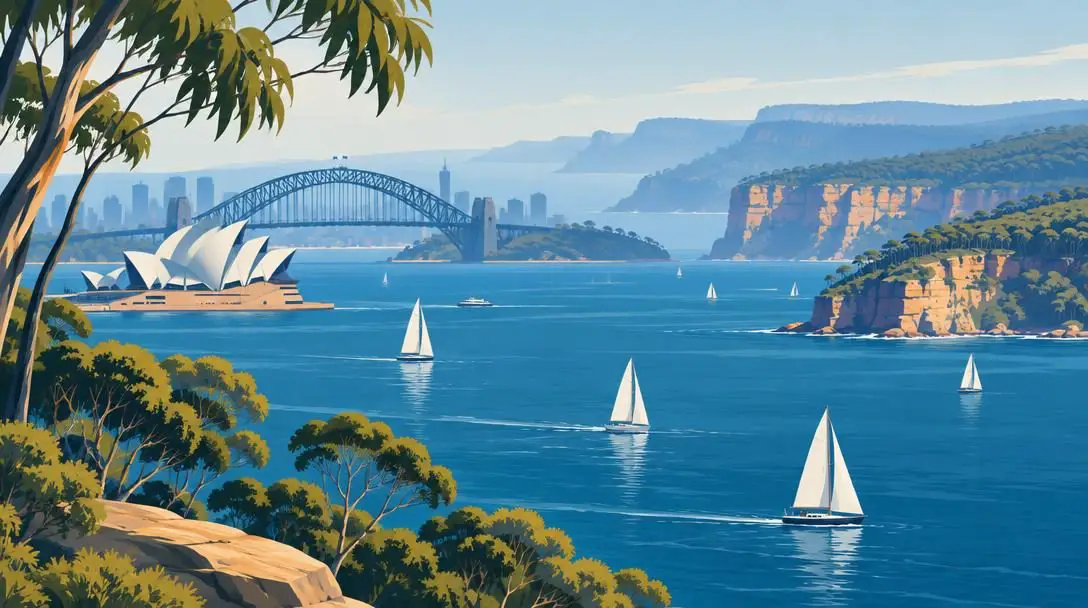
- Base Location: Sydney, New South Wales
- Tour Types: Harbor cruises, mountain excursions, gourmet tastings
- Key Destinations: Sydney Harbour, Blue Mountains
- Culinary Themes: Regional wine, artisanal cheese, and craft chocolate
Sydney is an energetic harbor metropolis with natural geography that demands multiple viewing angles. Engaging in guided day tours around Sydney and its scenic outskirts allows visitors to delve beyond basic sightseeing, uncovering regional history, geography, and local cuisine under the leadership of knowledgeable local guides.
Tour itineraries vary widely depending on personal interests. You can board specialized boats for educational cruises across the bustling waters of Sydney Harbour, or journey inland into the eucalyptus-shrouded canyons and sandstone cliffs of the Blue Mountains. Food-focused excursions take culinary enthusiasts into regional pockets for curated tastings of local wine, artisanal cheeses, and fine chocolate. Because these excursions are organized efficiently, ambitious travelers can easily schedule two distinct tours in a single day—such as a morning harbor exploration followed by an evening culinary tour—maximizing their itinerary without the stress of self-navigation.
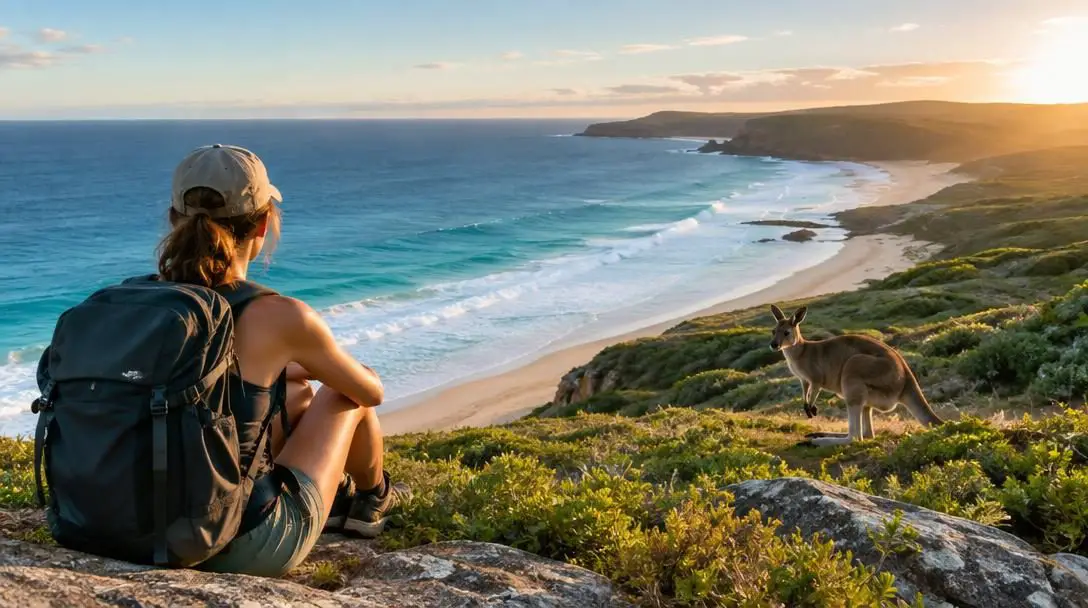
Relying solely on postcard landmarks prevents travelers from catching a genuine glimpse into the true heart and soul of the continent.
Classic V8 Holden Road Trips
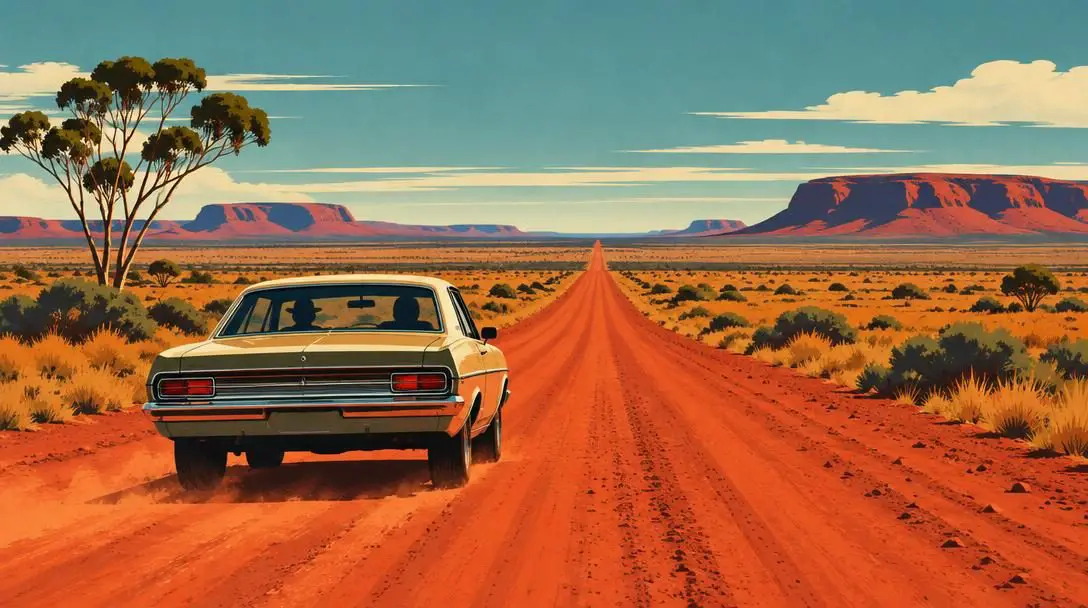
- Vehicle Type: V8 Holden sedan or utility
- Signature Coastal Routes: Gold Coast to Cairns; Sydney to Brisbane; Perth to Esperance
- Signature Outback Tracks: Red Centre Way Loop; Gibb River Road
- Mandatory Safety Gear: Paper map, emergency rations, extra drinking water, personal locator beacon
Few travel experiences embody the expansive nature of the Australian landscape quite like getting behind the wheel of a classic V8 Holden. Driving an iconic Australian-built vehicle across wide-open highways connects motorists to the traditional driving culture that unites isolated towns and coastal corridors across thousands of miles.
The country offers an array of legendary touring itineraries suited to different levels of adventure. Coastal journeys include the drive between Sydney and Brisbane, the tropical passage from the Gold Coast to Cairns, or the wild southern shoreline running from Perth to Esperance. For travelers drawn to untamed wilderness and rugged red terrain, challenging options like the Red Centre Way Loop or the remote, unsealed Gibb River Road deliver unforgettable off-grid adventure. Crossing these vast open spaces requires discipline and thorough self-sufficiency, ensuring the open road remains a safe, invigorating journey.
Step-by-step practical preparation
Translating these diverse adventures into a coherent travel schedule requires thoughtful planning. Because of the vast distances separating each state and territory, following a structured preparation sequence ensures seamless transitions between city streets and remote outback tracks.
- Determine your regional focus: Given that the continent spans nearly three million square miles, pick two or three specific geographic corridors rather than attempting to circumnavigate the entire landmass in a single vacation. Decide whether your priority lies along the western coastline, the southern outback, or the eastern urban spine.
- Reserve wilderness lodges and wildlife safaris early: Places like Arkaba and specialized marine operators on the Ningaloo Reef operate under tight conservation quotas. Secure your lodging and book guided safaris or whale shark snorkeling excursions months in advance.
- Organize urban sightseeing schedules: When visiting Sydney or Melbourne, plan your city transit around key neighborhoods. Schedule day trips like the Blue Mountains or harbor cruises so you can take advantage of multiple guided tours in a single day, and pinpoint City Circle Tram stops nearest to your must-see Melbourne attractions.
- Select an appropriate driving route: Match your route to your experience and seasonal weather patterns. Paved coastal routes between Sydney and Brisbane or the Gold Coast and Cairns offer frequent service stations, while the Gibb River Road or Red Centre Way Loop require heavy-duty vehicles and off-road driving readiness.
- Assemble critical vehicle safety gear: Prior to driving into regional corridors in your V8 Holden, verify the vehicle's mechanical health. Stock up on excess drinking water, non-perishable food supplies, a physical paper map, and a certified personal locator beacon to call for emergency assistance when cellular networks fail.
Common travel mistakes to avoid
Travelers navigating Australia for the first time frequently encounter logistical challenges created by the continent's unique geography. Avoiding these standard missteps will keep your adventure safe, affordable, and rewarding.
- Underestimating intercity transit times: Distances between regional hubs are massive. Driving between major population centers or outback sights can require multiple days on the road; never assume two locations are close simply because they appear adjacent on a continental map.
- Relying exclusively on smartphone navigation: While digital mapping applications function seamlessly in Melbourne and Sydney, cellular signals vanish rapidly outside metropolitan areas. Attempting to traverse regional networks without an updated paper map can lead to serious detours and hazardous delays.
- Neglecting emergency communication tools: In remote regions like the Gibb River Road, an unexpected mechanical failure or medical emergency can become life-threatening without communications. Relying on standard mobile phones instead of carrying a personal locator beacon is a critical safety mistake.
- Overpacking city itineraries: Trying to squeeze dozens of unrelated urban attractions into a single day creates needless transit fatigue. Instead of rushing between far-flung stops, focus on clustered highlights around central hubs like Federation Square in Melbourne or combine organized Sydney day tours that manage transit on your behalf.
- Traveling into arid regions without backup supplies: Service stations and outposts can be separated by hundreds of miles. Traveling down outback corridors without surplus drinking water, emergency food, and suitable tools exposes travelers to severe heat and vulnerability during breakdowns.
Frequently asked questions
What is the best way to get around Melbourne's central attractions?
Melbourne's heritage City Circle Tram is one of the most practical options. The green and yellow W-class tram operates as a hop-on, hop-off loop around the central city, offering informative audio commentary and direct access to major destinations including Federation Square, the Melbourne Museum, and SEA Life Melbourne Aquarium.
How does snorkeling at Ningaloo Reef differ from other marine destinations?
Ningaloo Reef sits directly on the western coastline facing the open Indian Ocean, spanning 160 miles. Its fringing structure lets snorkelers access vibrant coral gardens directly from the beach. It is renowned for reliable encounters with whale sharks, manta rays, dugongs, and over 270 varieties of coral in an uncrowded natural setting.
Can you see multiple regional highlights around Sydney in one day?
Yes. With careful scheduling, travelers can easily combine two organized tours in a single day. For instance, you can take a morning harbor cruise to view the city from the water, followed by an afternoon or evening guided excursion exploring regional wine, cheese, and chocolate tasting.
What wildlife species can you expect to encounter at Arkaba?
Located in the Flinders Ranges, the 60,000-acre Arkaba Conservancy is home to thriving populations of emus, kangaroos, and wallabies. Visitors exploring on foot, by four-wheel drive, or from the air also frequently spot wedge-tailed eagles, goannas, and fat-tailed dunnarts.
What safety supplies are required for a long-distance Australian road trip?
Drivers venturing out on long routes such as the Red Centre Way Loop or Gibb River Road should carry ample extra drinking water, reserve food rations, emergency first aid equipment, a physical paper map, and a functioning personal locator beacon for communication when out of cellular range.
The bottom line
Australia’s true magic lies far beyond its conventional travel posters. By looking past standard itineraries and balancing wilderness immersion with urban culture, you can experience the nation's authentic identity. Whether you are tracking native marsupials across the red ridges of the Arkaba Conservancy, drifting over pristine corals alongside whale sharks at Ningaloo Reef, riding a heritage W-class tram through Melbourne, indulging in Sydney's gourmet day tours, or navigating coastal highways in a rumbling V8 Holden, these focused journeys reveal the enduring character, natural majesty, and adventurous spirit of the continent.