The Insider’s Guide: 5 Ways to Get to Know the Real Ireland
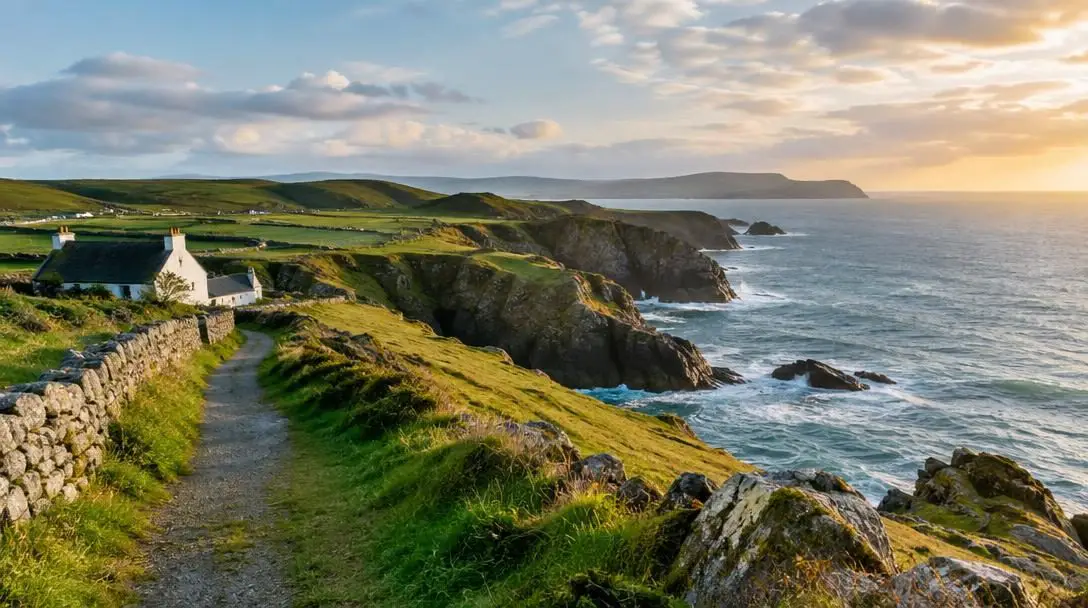
If your understanding of Ireland begins and ends with singing along to popular parlor tunes and queuing up to kiss the Blarney Stone, preparing for a visit will be an eye-opening revelation. While novelty attractions and postcard scenes are famous fixtures of commercial tourism, the true everyday fabric of the island delivers a far more nuanced and rewarding encounter. Moving past surface-level novelties allows travelers to discover an authentic culture where centuries-old heritage thrives alongside contemporary living, dramatic rural terrain, and an ambitious food culture.
Experiencing the real Ireland requires travelers to step away from crowded tourist circuits, leave multi-lane motorways behind, and settle into the natural pace of local communities. By engaging with native music and dance traditions, venturing into remote countryside landscapes, staying in family-run lodgings, exploring restorative wellness therapies, and sampling modern regional fare, a standard vacation transforms into an immersive, grounded cultural journey.
Key takeaways
- Venturing beyond major urban hubs reveals the true heartbeat of the island across quiet back roads, coastal enclaves, and rural market towns.
- Participating in spontaneous music sessions and community gatherings requires enthusiasm rather than formal training or musical perfection.
- Independent bed and breakfasts offer direct access to local knowledge, neighborhood connections, and traditional Irish hospitality.
- Modern Irish food and wellness cultures blend ancient traditions with sustainable farming, native ingredients, and natural coastal elements.
Rethinking the Travel Experience Beyond the Postcard
For generations, popular media and international marketing have reduced Irish culture to a handful of convenient stereotypes: leprechauns, shamrocks, storied castles, and romanticized parlor melodies. While charming, these depictions gloss over the country's multi-layered history and its modern reality. Ireland today is an evolving society sustained by expressive arts, agricultural dedication, and enduring maritime communities.
Major cities such as Dublin, Cork, Kilkenny, Galway, Waterford, and Limerick rightfully attract visitors with their architectural landmarks, museums, and urban energy. However, spending an entire journey enclosed by city boundaries misses the lifestyle that anchors the nation. Traditional Irish culture continues to flourish most vividly in small market settlements, coastal harbors, and agricultural regions where daily life is still closely tied to the soil, the sea, and the communal warmth of the village pub. Experiencing this environment requires approaching the island not as a curated historical museum, but as a living destination to be explored with open ears and an inquisitive mindset.
Moving beyond commercial tourist novelties reveals an authentic Ireland where centuries-old traditions blend seamlessly with contemporary living and breathtaking landscapes.
Five Ways to Experience the Authentic Spirit of Ireland
To truly understand Irish life, travelers should look past generic tourist itineraries and engage directly with the traditions, landscapes, and people that give the island its distinct character. The following five approaches provide a blueprint for experiencing Ireland from the inside out.
| Experience | Primary Focus | Core Activity | Key Cultural Benefit |
|---|---|---|---|
| Music and Dance | Cultural immersion | Attending acoustic pub sessions | Unfiltered communal connection |
| Countryside Exploration | Natural landscapes | Hiking riverbeds and surfing coastal breaks | Direct encounter with wild coastal environments |
| Cozy B&B Stays | Local hospitality | Lodging with neighborhood families | Insider guidance and village integration |
| Wellness Traditions | Personal rejuvenation | Visiting mineral spas and natural hot springs | Engagement with native therapeutic practices |
| Culinary Exploration | Artisanal food and drink | Sampling farm-to-table cuisine and local pubs | Appreciation of modern sustainable agriculture |
1. Jive to the Music and the Dance
Music and dance are completely inseparable from Irish cultural identity. Rather than watching performances from afar as a detached spectator, visitors are encouraged to dive into these art forms whenever an opportunity surfaces. Spontaneous gatherings occur regularly across the island, filling corner taverns, civic halls, and village squares with the energetic sounds of fiddles, tin whistles, accordions, and rich vocal harmonies.
A widespread misconception is that joining in requires polished vocal control or professional dance background. In reality, having a singing voice that falls short of a celebrated Irish tenor is entirely irrelevant. Traditional Irish sessions value communal participation, raw emotional expression, and shared joy over technical perfection. Dublin remains a celebrated center for discovering genuine sessions, where informal circles of musicians gather around small tables to trade jigs and ballads. Travelers frequently find themselves humming these haunting melodies and rhythmic reels long after retiring for the evening.
2. Head for the Country
While urban centers like Cork, Dublin, Kilkenny, Galway, Waterford, and Limerick boast exceptional museums and historic architecture, the country's most enduring magic lies in its less traveled rural expanses. The true character of the island emerges once multi-lane motorways and urban congestion fade away, replaced by open hillsides and landscapes shaped by the elemental forces of nature.
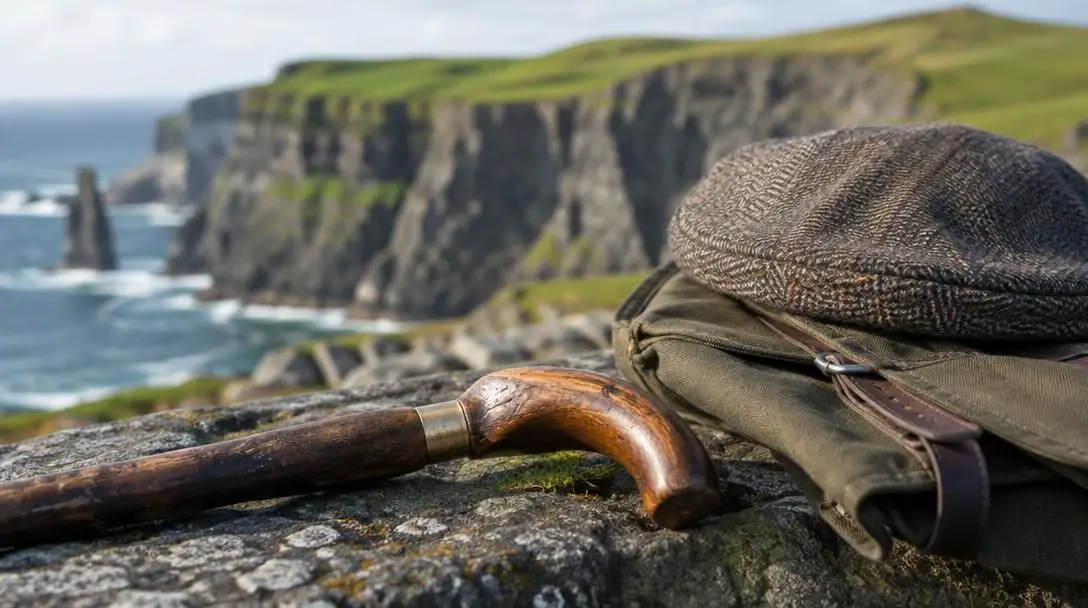
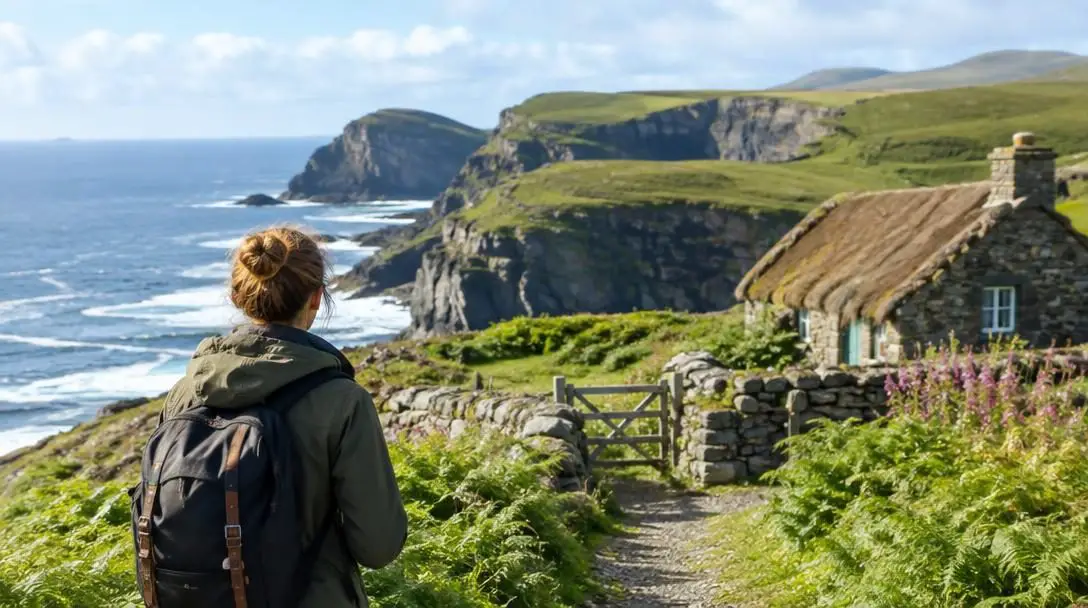
Leaving the highways behind reveals craggy seaside cliffs plunging into turbulent ocean surf, quiet single-track back roads, and empty hillsides. Adventurous travelers can pull on a wetsuit to test their balance surfing the brisk waves of the open Atlantic Ocean. Those drawn to walking can follow dirt footpaths past their marked ends, pull on reliable waterproof boots, and trace muddy riverbeds up to their headwaters. Pausing along a remote stream for a quiet picnic offers a restorative connection to the natural environment that scheduled city bus tours simply cannot deliver.
3. Book a Stay in a Cozy B&B
Bypassing large, anonymous hotel chains in favor of family-owned bed and breakfasts or country pensions is one of the most effective ways to understand local communities. These modest establishments, tucked away in rural parishes and small coastal hamlets, provide genuine hospitality that standard hospitality chains cannot match. Spending several days anchored in a rural guesthouse consistently rates as a highlight on any visitor's itinerary.
A cozy bed and breakfast serves as a natural gateway to community life. Guests can rent a bicycle to tour rural roads, embark on quiet countryside strolls, and engage in genuine conversations with hosts and townspeople. Because proprietors are frequently lifelong area residents, their local insights are invaluable. B&B hosts provide unmatched recommendations regarding unmarked scenic outlooks, quiet back roads with optimal afternoon lighting, and the exact taverns hosting the most compelling local storytellers that evening.
4. Put Aside the "Normal" and Embrace Wellness
Exploring the contemporary wellness renaissance across Ireland provides another distinctive window into local life. Caring for physical and mental health has a deep heritage on the island, where ocean air, natural mineral waters, and restorative outdoor living have long been embraced as essential therapies.
Taking a break from standard tourist sightseeing to visit a local spa offers access to an array of restorative therapies tailored to your travel needs:
- Relaxing inside hot saunas to sweat out travel fatigue accumulated during long transit days.
- Undergoing restorative aromatherapy designed to soothe and reset the nervous system.
- Alternating between cleansing steam rooms and energizing full-body workouts.
- Soaking in natural mineral-rich hot springs framed by lush green vistas.
- Booking deep-tissue massages enhanced with indigenous botanical oils.
Indulging in these natural therapies is far more than a simple luxury. It represents an active immersion into the wholesome, restorative rhythms that have sustained regional communities across generations.
5. Indulge Your Inner Foodie
Anyone harboring the outdated belief that Irish meals are inherently bland, heavy, or uninventive will have their preconceptions dismantled right away. Contemporary Irish culinary talent has revitalized native cooking traditions, creating a celebrated food movement rooted in artisanal craftsmanship, environmental stewardship, and pride in native agriculture.
This culinary transformation relies on sustainable farming and organic methods. Menus across the island feature exceptionally tender, pasture-fed beef, premium poultry, and freshly harvested seasonal produce. Artisanal farmstead cheeses and warm, crusty breads reinvent traditional staples into sophisticated dishes that linger in the memory. Complementing this inventive food movement is Ireland's legendary pub culture. Visiting a neighborhood pub is not merely about ordering a pint of beer or sipping smooth Irish whiskey; it is about immersing yourself in the animated storytelling, warmth, and shared fellowship that make these spaces the social anchors of their communities.
Practical Steps for Crafting an Immersive Itinerary
Structuring a travel schedule that incorporates genuine cultural encounters requires careful balance. You must establish deliberate logistical anchors while leaving sufficient flexibility for unexpected roadside opportunities. Follow this structured approach to organize your journey:
- Select two or three strategic home bases. Rather than changing hotels every evening, select a few regional villages or rural towns to serve as your central hubs throughout the journey.
- Reserve independent accommodations. Secure lodging at family-operated bed and breakfasts or countryside guesthouses, contacting owners ahead of time to learn about scheduled community gatherings.
- Carve out unstructured outdoor time. Dedicate whole mornings or afternoons to wandering along coastal bluffs, exploring riverbeds, and cycling country lanes without rigid schedule constraints.
- Track down live acoustic music sessions. Speak with locals to identify establishments where regular traditional players assemble, making plans to arrive early enough to find seating near the instruments.
- Patronize regional culinary producers. Prioritize meals at farm-to-table bistros, independent seafood kitchens, and establishments that prominently source organic ingredients from native growers.
- Schedule deliberate recovery windows. Plan dedicated afternoons for soaking in hot springs, relaxing in saunas, or booking bodywork between strenuous outdoor adventures.
Common Pitfalls That Detract From the Journey
Even seasoned travelers can slip into common planning mistakes that isolate them from the rich everyday culture of Ireland. Avoid these frequent errors when planning your route:
- Overloading the daily driving schedule: Rushing across the entirety of the island within a single week leaves travelers trapped behind a windshield, missing the beauty found along unhurried country lanes.
- Confining the itinerary to metropolitan centers: Restricting your schedule to major hubs like Dublin, Cork, or Galway means overlooking the dramatic sea cliffs, quiet headwaters, and small-town hospitality of the countryside.
- Treating pubs solely as drinking venues: Focusing strictly on beverages misses the acoustic musical sessions, lively conversations, and historic social traditions that define tavern life.
- Underestimating maritime weather changes: Venturing out onto slippery cliff paths or wet riverbeds without durable waterproof footwear and warm layers risks ruining an outdoor excursion.
- Defaulting to commercial corporate hotels: Choosing generic corporate lodging cuts off direct access to home-cooked morning meals, personalized tips, and the community connections offered by local B&Bs.
Preparing for the Elements and Setting the Right Pace
Transforming your Irish journey into an authentic exploration requires thoughtful preparation regarding both equipment and personal mindset. The island's maritime climate is famously changeable, bringing shifting rain, sunshine, and ocean winds within the span of a single afternoon. Navigating coastal cliffs, tracking muddy riverbeds, or cycling along rural back roads requires high-performance rainwear, breathable moisture-wicking layers, and broken-in waterproof boots with dependable traction.
Equally critical is your approach to daily pacing. Checking famous monuments and historical castles off a rigid checklist often creates exhaustion rather than cultural understanding. Give yourself permission to decline nonessential attractions in favor of spontaneous experiences: an unplanned invitation to a village dance, an extra hour of lively conversation with your guesthouse hosts, or an unhurried dinner celebrating farmstead cheeses and pasture-raised meats. Embracing this relaxed tempo opens the door to the genuine charm that defines the living Ireland.
Frequently asked questions
Do I need musical talent to join in a traditional Irish pub session?
No musical talent or formal training is required. Traditional Irish music sessions are community-driven gatherings built around shared emotion, storytelling, and informal participation rather than technical perfection. Enthusiastic listening, tapping along, and singing along when invited are widely welcomed.
Are bed and breakfasts significantly better than hotels for authentic travel?
Yes. While major hotels in cities provide convenience, family-run bed and breakfasts in villages and small towns offer direct personal contact with lifetime residents. Hosts provide invaluable insider advice on scenic routes, hidden natural areas, and authentic cultural events that commercial hotel concierges rarely know.
What makes contemporary Irish food different from historical stereotypes?
Modern Irish cuisine has experienced a culinary renaissance focused on high-quality native ingredients, organic farming, and artisanal production. Contemporary chefs highlight pasture-fed beef, sustainable seafood, farmstead cheeses, freshly baked breads, and organic produce rather than heavy, plain dishes.
Which outdoor activities best connect travelers to the Irish landscape?
Traversing craggy seaside cliffs, following dirt trails to muddy river headwaters, and surfing the Atlantic Ocean in a wetsuit provide immediate encounters with Ireland's rugged natural environment. Exploring back roads on a rented bicycle is another effective way to appreciate the countryside.
How should travelers prepare for Ireland's changing weather?
Pack versatile, layered clothing alongside high-quality waterproof jackets and sturdy, water-resistant hiking boots with reliable grip. Because maritime weather shifts quickly between damp drizzle, strong winds, and clear skies, proper gear ensures you can explore outdoor trails comfortably in all conditions.
The Bottom Line
Experiencing the real Ireland means leaving commercial tourist expectations behind and opening your senses to the living pulse of the island. By stepping away from congested routes and embracing spontaneous music, wild outdoor trails, welcoming family-run lodgings, restorative wellness treatments, and regional culinary excellence, you will encounter a vibrant culture that far surpasses any standard souvenir or postcard.