The Insider’s Guide: 5 Ways to Get to Know the Real Malaysia
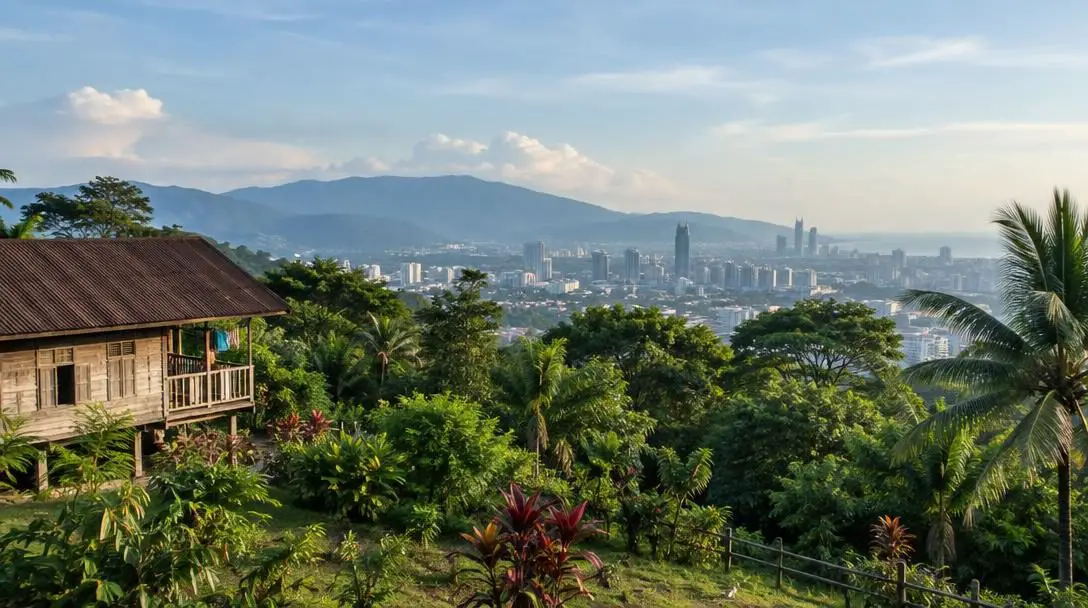
Malaysia is an extraordinary Southeast Asian destination defined by an eclectic convergence of diverse culinary traditions, vibrant festivals, dramatic landscapes, and centuries of layered heritage. While first-time visitors often anticipate either a hyper-modern metropolis or a tranquil string of tropical beaches, the country effortlessly encompasses both, framing its cities and coastlines alongside ancient rainforests and astonishing wildlife sanctuaries. From the dynamic streets of Kuala Lumpur to serene coral bays, the nation's appeal rests in its sheer breadth of variety.
At the center of the Malaysian experience is its multicultural population, which harmoniously weaves together indigenous roots with Malay, Chinese, and Indian cultural threads. This diverse foundation shapes every aspect of daily life, including civic architecture, religious landmarks, neighborhood social gatherings, and a legendary food culture. Moving past generic tour itineraries to understand regional lifestyles, coastal traditions, and historic towns allows travelers to connect with the genuine pulse of the country.
Key takeaways
- Malaysia's rich cultural fabric blends indigenous, Malay, Chinese, and Indian influences across its architecture, festivals, and culinary landscape.
- World-class marine environments like Sipadan, Langkawi, and the Perhentian Islands offer premier diving and snorkeling directly from the shoreline.
- Kuala Lumpur sustains a vibrant 24-hour cycle featuring buzzing night markets, energetic club strips, and upscale rooftop lounges.
- Regional heritage hubs such as Alor Setar and the coastal port of Kuala Kedah deliver rich historical architecture without overwhelming crowds.
- KLCC Park provides 50 acres of free urban green space and iconic skyline views in the shadow of the Petronas Twin Towers.
Five Foundational Ways to Experience the Real Malaysia
Connecting with the heart of Malaysia requires balancing high-energy urban exploration with peaceful natural escapes, regional heritage tours, and dedicated culinary adventures. Rather than viewing the country through a single lens, travelers can unlock its authentic character by exploring its premier coastal havens, diverse foods, energetic nightspots, historic northern architecture, and urban parks.
| Experience | Key Locations or Highlights | Primary Atmosphere | Standout Feature |
|---|---|---|---|
| Coastal & Island Adventures | Sipadan Island, Langkawi Island, Perhentian Island | Tropical relaxation and high-energy watersports | Pristine coral reefs and shoreline snorkeling |
| Culinary Immersion | Street stalls, night markets, and dining rooms nationwide | Social, fast-paced, and food-centric | Complex spice pastes, coconut broths, and fresh flatbreads |
| Kuala Lumpur Nightlife | Changkat Bukit Bintang, rooftop bars, and pasar malam | Bustling, modern, and late-night entertainment | Skyline lounges and sprawling street markets |
| Alor Setar Heritage | Zahir Mosque, Royal Hall, Yellow Palace, Kuala Kedah | Calm, traditional, and community-driven | Grand Islamic architecture and historic coastal fort ruins |
| KLCC Park Recreation | Downtown Kuala Lumpur, Petronas Twin Towers | Tranquil, family-friendly urban green space | Free admission, 1,900+ native trees, and lake symphony |
1. Soak in the Sun and Explore World-Class Waters
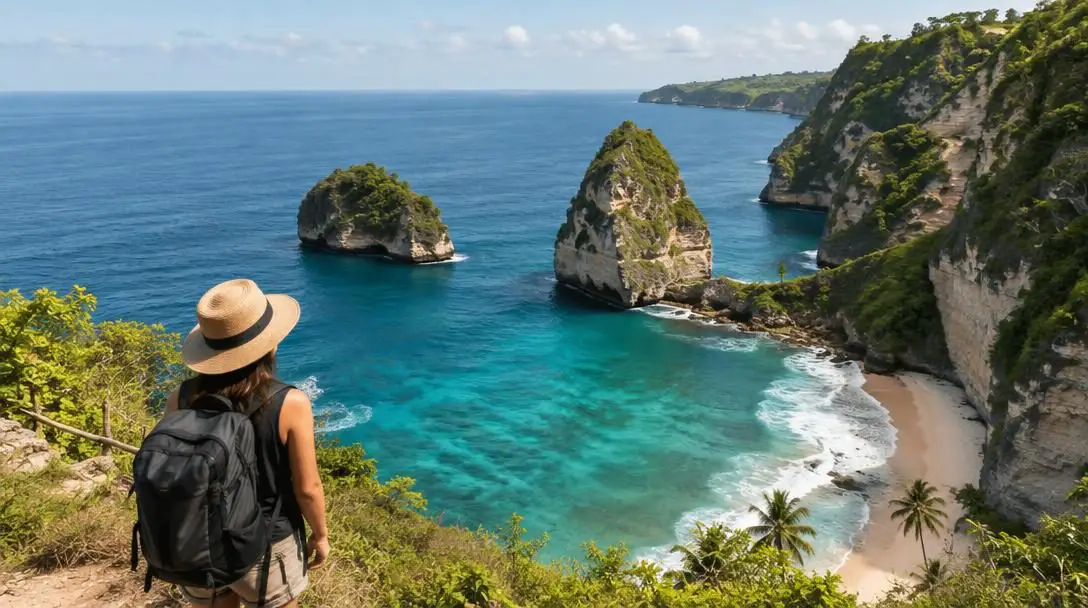
Spending leisurely days along the ocean is an integral component of local life rather than an activity reserved solely for tourists. The country's extensive coastlines and offshore archipelagos boast soft white sands and crystal-clear waters that accommodate both quiet relaxation and high-intensity watersports. Snorkelers and scuba divers will find some of the planet's most biologically diverse aquatic environments just off the coast.
Three premier island destinations showcase the range of Malaysia's marine offerings:
- Sipadan Island: Globally celebrated for its sensational underwater drop-offs, vibrant coral systems, and abundant marine wildlife, making it a bucket-list destination for serious divers.
- Langkawi Island: A renowned retreat that merges dramatic coastal scenery and soft sands with extensive watersports, island-hopping excursions, and leisure boat tours.
- Perhentian Island: Famed for its laid-back island pace, exceptionally clear turquoise bays, and the unique convenience of world-class snorkeling straight off the beach.
2. Indulge in the Legendary Local Cuisine
Malaysians are deeply passionate about their food, making dining the single most direct avenue for cultural appreciation. Influenced by centuries of shared Malay, Chinese, Indian, and indigenous culinary traditions, the nation's recipe book features intricate spice pastes, slow-cooked curries, sour tamarind broths, and fragrant herbal rice dishes. Travelers can experience this heritage across the entire spectrum of dining venues, from bustling curbside hawker carts to refined fine dining establishments.
When navigating the local food landscape, seek out these signature culinary dishes:
- Nasi Lemak: The undisputed national staple, composed of fragrant white rice steeped in coconut milk, complemented by savory sambal, roasted peanuts, crisp anchovies, and boiled egg.
- Nasi Kerabu: A visually striking dish originating from the east coast, presenting naturally blue-hued rice infused with butterfly pea flowers, served alongside fresh herbs, fish crackers, and spiced accompaniments.
- Beef Rendang: A rich, dry-style coconut curry that is slow-simmered for hours until the beef becomes tender and thoroughly infused with toasted coconut and aromatic herbs.
- Assam Laksa: A distinctive, sour noodle soup featuring a complex fish-based broth balanced by tangy tamarind, flaked mackerel, and fresh mint.
- Curry Laksa: A decadent, warming noodle bowl characterized by a rich, velvety coconut curry broth generously topped with tofu puffs, vegetables, and savory proteins.
- Bak Kut Teh: A deeply comforting, herbal pork rib soup simmered with a potent blend of traditional medicinal herbs, garlic, and savory spices.
- Roti Canai: A beloved breakfast and late-night staple consisting of an elastic flatbread that is skillfully tossed thin, griddled to a flaky golden crisp, and paired with flavorful dhal or curry sauces.
3. Experience Vibrant Kuala Lumpur After Dark
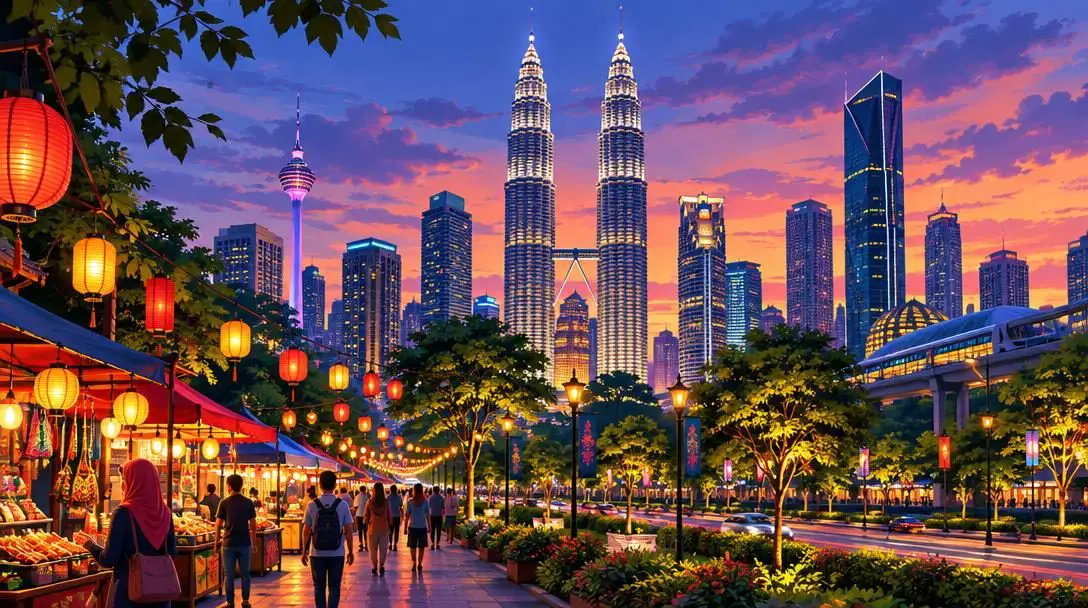
- Primary Nightlife District: Changkat Bukit Bintang
- Key Rooftop Venues: Heli Lounge Bar, The Roof Stratosphere
- Signature Speakeasy: The Locker & Loft
- Notable Night Markets: Taman Connaught, Jalan Tuanku Abdul Rahman, OUG Pasar Malam, Klang Lama
Kuala Lumpur maintains a well-deserved reputation as an energetic city that rarely sleeps. A common misconception among international travelers is that Malaysia's majority Muslim population translates into a quiet evening social scene, but the capital hums well past midnight with entertainment suitable for every travel style. The city's after-dark offerings encompass everything from world-class mixology to open-air neighborhood street markets.
For high-octane evening entertainment, Changkat Bukit Bintang acts as the central nightlife hub, drawing comparisons to New York's Times Square. The district is packed with glittering dance clubs, live music venues, and tucked-away speakeasies. Notable spots throughout the capital include:

- Heli Lounge Bar: A dramatic venue situated on an active daytime helipad that converts at sunset to offer unhindered, 360-degree views across the illuminated city skyline.
- The Locker & Loft: An inventive speakeasy known for its welcoming neighborhood atmosphere, progressive cocktail menus, and craft-infused spirits.
- The Roof Stratosphere: A sophisticated open-air rooftop destination providing music, curated drinks, and sweeping panoramic views from high above the urban sprawl.
For visitors seeking an alternative to nightclubs and bars, the city's pasar malam (night markets) offer exceptional late-night energy. Markets such as Taman Connaught Market, Jalan Tuanku Abdul Rahman, OUG Pasar Malam, and Klang Lama Night Market present endless corridors of affordable fashion, household goods, and sizzling street foods that keep entire neighborhoods buzzing into the early morning.
4. Discover the Architecture and Heritage of Alor Setar
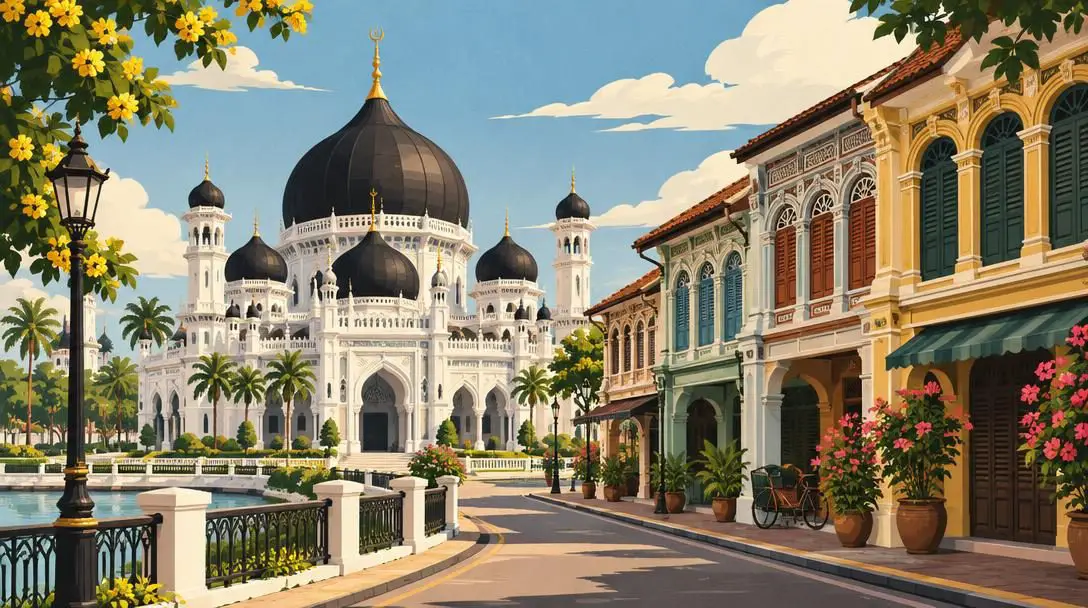
- Location: Kedah State, Northern Peninsular Malaysia
- Prominent Landmarks: Zahir Mosque, The Royal Hall, The Yellow Palace, Big Clock Tower
- Nearby Historic Port: Kuala Kedah
- Regional Appeal: Authentic heritage, traditional shophouses, minimal crowds
While the island of Langkawi captures the bulk of tourist foot traffic in the northern state of Kedah, the state capital of Alor Setar provides a deeply rewarding cultural alternative. Free from heavy resort crowds, this cosmopolitan northern hub preserves the tangible history of the region through orderly rows of traditional shophouses and remarkable monuments of Islamic and royal architecture.
The city's historic district contains several essential civic and regal landmarks:
- Zahir Mosque: Widely regarded as one of Malaysia's grandest and most historically significant mosques, featuring distinctive black domes, intricate archways, and classical Islamic design elements.
- The Royal Hall: An elegant civic structure that has long served as the backdrop for state ceremonies and regal royal events.
- The Yellow Palace: A storied royal residence reflecting regional heritage and traditional architectural motifs.
- Big Clock Tower: An imposing civic timepiece dating back decades that continues to anchor the central square of the city.
Just a short excursion up the coastline lies the active fishing community of Kuala Kedah. In addition to serving as a paradise for fresh seafood lovers, this coastal settlement houses northern Malaysia's oldest fort ruins, offering travelers a rare look into ancient maritime defense networks along the Strait of Malacca.
5. Unwind in KLCC Park

- Footprint: 50 acres of public green space
- Botanical Diversity: More than 1,900 indigenous trees and palms
- Cost: Completely free public admission
- Primary Attractions: Manmade lake symphony display, playground, children's wading pool
Set directly in the commercial core of the federal capital, KLCC Park functions as Kuala Lumpur's own version of Central Park. Encompassing 50 meticulously landscaped acres, the urban sanctuary offers shaded walking paths, rolling green lawns, and peaceful open spaces in the direct shadow of the world-famous Petronas Twin Towers. The park's botanical collection includes over 1,900 indigenous trees and plant species, helping to cool the surrounding metropolitan district.
The park is engineered for both relaxed downtime and active family outings, featuring a series of carefully planned public amenities:
- Lake Symphony: An expansive manmade lake equipped with programmable musical fountains that put on mesmerizing light and water displays throughout the day and evening.
- Family Recreation Facilities: An extensive public playground alongside an outdoor, dedicated children's swimming pool that provides families with an accessible escape from the heat.
- Unobstructed Skyline Sightlines: Strategic viewing lawns designed to frame dramatic architectural photographs of the Petronas Twin Towers rising above lush tropical greenery.
Lounging along scenic coastlines and socializing over late-night meals are not mere tourist pastimes in Malaysia, but genuine pillars of everyday local life.
Navigating Daily Rhythms Across Malaysia’s Regions
Experiencing Malaysia comfortably requires understanding how local lifestyles shift between bustling modern cities, coastal diving reserves, and traditional northern townships. Daily schedules adapt to both tropical weather patterns and community traditions.
In metropolitan Kuala Lumpur, daily living operates on an active 24-hour cycle. During the hottest midday hours, locals typically favor air-conditioned commercial complexes or shaded walking trails in parks like KLCC Park. As sunset approaches, cooler air draws residents outdoors. Sidewalks transform into vibrant communal spaces, commercial night markets open their stalls, and late-night socializing begins across dining hubs and nightlife strips like Changkat Bukit Bintang.
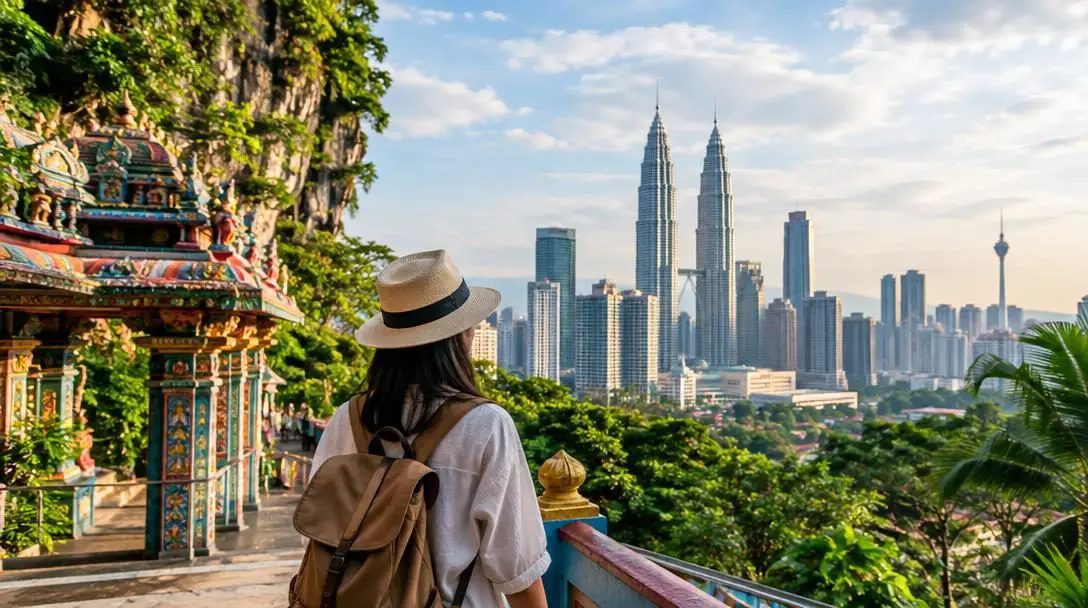
Along coastal waters and island retreats like Sipadan, Langkawi, and the Perhentian Islands, the schedule is governed by marine conditions and tides. Snorkeling excursions, reef dives, and boat charters take place during morning and early afternoon daylight when underwater visibility is at its peak. Once the sun dips below the horizon, island life slows down, with travelers and locals gathering for relaxed beachfront dinners beside the waves.
In regional heritage centers such as Alor Setar and Kuala Kedah, the atmosphere remains calm and traditional. Mornings start early around wet markets, neighborhood coffee shops, and shophouses. The midday rhythm slows down in tandem with daily calls to prayer, picking up again in the late afternoon when fishing fleets return to harbor in Kuala Kedah to unload their daily catches.
How to Plan a Balanced Malaysian Itinerary
To experience the full diversity of peninsular culture, tropical coastlines, and architectural heritage without feeling rushed, follow this structured planning process:
- Organize your journey into regional clusters: Anchor your trip with urban exploration in Kuala Lumpur, then pair the capital with either an eastern marine adventure (such as Perhentian Island or Sipadan) or a northern heritage loop that connects Alor Setar, Kuala Kedah, and Langkawi.
- Map out a culinary schedule: Dedicate specific times of the day to sampling iconic dishes. Reserve mornings for warm roti canai and fragrant nasi lemak, sample tangy assam laksa or curry laksa for lunch, and arrange dinners around hearty servings of beef rendang, nasi kerabu, or bak kut teh.
- Verify weekly night market operating days: Street night markets (pasar malam) rotate across neighborhoods on distinct days of the week. Confirm the exact schedule for markets like Taman Connaught, Jalan Tuanku Abdul Rahman, OUG Pasar Malam, or Klang Lama before finalizing evening routes.
- Pack for diverse environments and dress codes: Include quality swimwear and reef gear for island days in Langkawi or Perhentian, modest clothing with full coverage for cultural and religious sites like Zahir Mosque, and smart-casual attire for rooftop bars and evening lounges in Kuala Lumpur.
- Schedule midday downtime in green spaces: Counter tropical heat and long sightseeing days by building afternoon pauses into your schedule, such as relaxing under the shaded canopy of KLCC Park before heading into the evening nightlife.
Common Mistakes to Avoid When Visiting Malaysia
Navigating a multifaceted destination like Malaysia is simple once you steer clear of a few common travel traps:
- Assuming evening entertainment is nonexistent: Believing that Kuala Lumpur lacks dynamic nightlife leads many travelers to skip world-class rooftop bars like Heli Lounge Bar, speakeasies like The Locker & Loft, and lively entertainment districts like Changkat Bukit Bintang.
- Bypassing mainland heritage centers: Skipping northern cities like Alor Setar leaves visitors with an incomplete picture of Malaysian history. Exploring Alor Setar's Zahir Mosque and the fort ruins of Kuala Kedah offers a peaceful cultural experience away from tourist crowds.
- Confining your meals to hotel dining rooms: Limiting food choices to formal restaurants cuts you off from the core of Malaysian dining culture, which thrives at curbside food stalls, open-air hawker complexes, and neighborhood night markets.
- Underestimating inter-regional transit times: Trying to cover distant islands like Sipadan alongside western peninsular cities within a compressed timeframe can lead to exhausting travel days and rushed sightseeing.
- Paying high fees for city viewpoints: Overpaying for commercial observation decks is unnecessary when KLCC Park offers unhindered, ground-level views of the Petronas Twin Towers, scenic lake fountains, and public swimming amenities at no charge.
Key Considerations for Your Next Journey
As you finalize your travel plans, consider how to balance modern urban attractions with cultural and coastal experiences. If your priorities center on architectural heritage and regional royal history, allocate extra days to Kedah to explore the Yellow Palace, the Royal Hall, the Big Clock Tower, and the fishing docks of Kuala Kedah.
If marine recreation is your primary objective, decide which island environment best suits your travel style. Sipadan stands as the ultimate choice for deep-water diving, while Langkawi caters to travelers wanting a mix of resorts and watersports, and Perhentian serves those seeking easy beach snorkeling and peaceful bays.
Finally, tailor your evenings to match your interests. Whether your ideal night involves sipping craft cocktails high above the skyline at The Roof Stratosphere, exploring the street food aisles of OUG Pasar Malam, or enjoying a tranquil walk around the Lake Symphony fountains at KLCC Park, Malaysia offers a captivating range of activities to fill every hour of your itinerary.
Frequently asked questions
Is nightlife in Kuala Lumpur restricted due to religious demographics?
No. While Malaysia is a majority Muslim country, Kuala Lumpur maintains a thriving, multicultural nightlife scene. Areas like Changkat Bukit Bintang feature bustling nightclubs, open-air rooftop lounges such as Heli Lounge Bar and The Roof Stratosphere, innovative speakeasies like The Locker & Loft, and late-night markets operating well into the early morning.
What are the primary differences between Sipadan, Langkawi, and Perhentian Island?
Sipadan Island is an internationally renowned scuba diving destination celebrated for its vibrant coral reefs and abundant marine wildlife. Langkawi Island is a popular, full-service vacation destination that pairs scenic coastlines with organized water excursions. Perhentian Island is recognized for its relaxed, unhurried atmosphere, crystalline bays, and the ability to snorkel right off the shore.
What historic landmarks can travelers visit in Alor Setar?
Alor Setar features several historic sites, including the Zahir Mosque, which is among the grandest and most historically significant mosques in Malaysia. Visitors can also tour The Royal Hall, The Yellow Palace, the historic Big Clock Tower, and traditional heritage shophouses, as well as the nearby coastal fort ruins in Kuala Kedah.
Does KLCC Park charge an entrance fee?
No, admission to KLCC Park is completely free. The 50-acre public park allows visitors to walk its paths, view the Petronas Twin Towers, enjoy the Lake Symphony water displays, and use the children's playground and wading pool without purchasing a ticket.
Which Malaysian dishes should first-time visitors prioritize?
Key dishes to seek out include Nasi Lemak (coconut rice with sambal and accompaniments), Nasi Kerabu (blue herb rice), Beef Rendang (slow-cooked spiced coconut beef), Assam Laksa (sour tamarind fish noodle soup), Curry Laksa (creamy coconut curry noodles), Bak Kut Teh (fragrant herbal broth with tender meat), and freshly griddled Roti Canai flatbread with curry.
The bottom line
Malaysia is a country of striking contrasts, where cutting-edge cityscapes, centuries-old royal architecture, and pristine marine reserves coexist within easy reach of one another. By moving beyond predictable tourist hubs to embrace local food markets, northern historic landmarks, and community gathering spots, travelers can encounter the diverse cultural tapestry that defines the real Malaysia.