The Magic of Beijing – 5 Unique Attractions in This Amazing City
Beijing has served as China's cultural, political, and imperial center for centuries, drawing millions of travelers each year to renowned landmarks like the Forbidden City and the Great Wall. Yet beyond these monumental attractions lies a rich tapestry of lesser-known destinations that reveal the city's layered historical evolution, from imperial spiritual sanctuaries and ancient scientific lookouts to Cold War subterranean tunnels and revitalized industrial art compounds.
Venturing beyond the conventional tourist circuit allows travelers to witness the unexpected contrasts that define modern Beijing. Whether strolling among Ming dynasty ceremonial grounds, admiring contemporary open-air murals in repurposed military warehouses, or wandering through quiet botanical conservatories, these five unique sites deliver a richer, more nuanced travel experience.
Key takeaways
- Beijing features diverse architectural and cultural landmarks spanning Ming and Qing dynasty history, Cold War defense engineering, and contemporary urban design.
- Repurposed environments like the 798 Art Zone show how decommissioned mid-century military compounds can transform into vibrant centers for modern creative expression.
- Historic green spaces like Ritan Park and the Beijing Botanical Garden offer serene landscapes, specialized floral collections, and a window into local community life.
- Sites such as the Ancient Observatory and the Beijing Underground City illustrate the capital's multifaceted heritage through scientific inquiry and subterranean defense.
Understanding Beijing's Layered Urban Heritage
To fully appreciate Beijing's less conventional attractions, travelers should understand how the metropolis evolved across distinct eras. The city served as the supreme seat of administrative power across the Ming and Qing dynasties, during which emperors constructed elaborate palaces, scientific institutes, and ritual altars designed to preserve cosmic balance and enforce political authority.
During the twentieth century, shifting political priorities, defensive conflicts, and industrialization campaigns reshaped the urban landscape once again. Military factories sprang up during the mid-century to drive national production, while tensions in 1969 spurred the excavation of an immense civil defense grid directly beneath the street network. Today, these functional structures coexist with sacred altars and botanical sanctuaries, offering curious visitors a multidimensional look into how history, art, and daily life converge.
Exploring Beijing beyond the standard sightseeing path reveals an ancient yet modern metropolis built on deep imperial roots and twentieth-century reinvention.
At a Glance: 5 Unique Beijing Attractions
| Attraction | Historical Origin | Primary Focus | Key Features |
|---|---|---|---|
| 798 Art Zone | 20th-century military factories | Contemporary arts and culture | Street art, murals, sculptures, galleries, cafes |
| Beijing Botanical Garden | Modern botanical preservation | Horticulture and nature | Cherry, bamboo, magnolia, and Chinese rose gardens |
| Ancient Observatory | Ming and Qing dynasties | Astronomy and science | Eight expansive historical observation instruments |
| Beijing Underground City | Cold War era (1969 to 1970s) | Military defense and civil refuge | Subterranean tunnels, historic communal shelters |
| Ritan Park | 1530 (Ming dynasty) | Imperial ritual and public recreation | Temple of the Sun site, pavilions, peach blossoms |
Five Distinctive Attractions Across the Capital
798 Art Zone (Dashanzi Area)
- Location: Dashanzi area, northeast Beijing
- Original purpose: 50-year-old military factory compound
- Decommissioned: 1990s
- Primary highlights: Murals, photography galleries, large outdoor sculptures, cafes
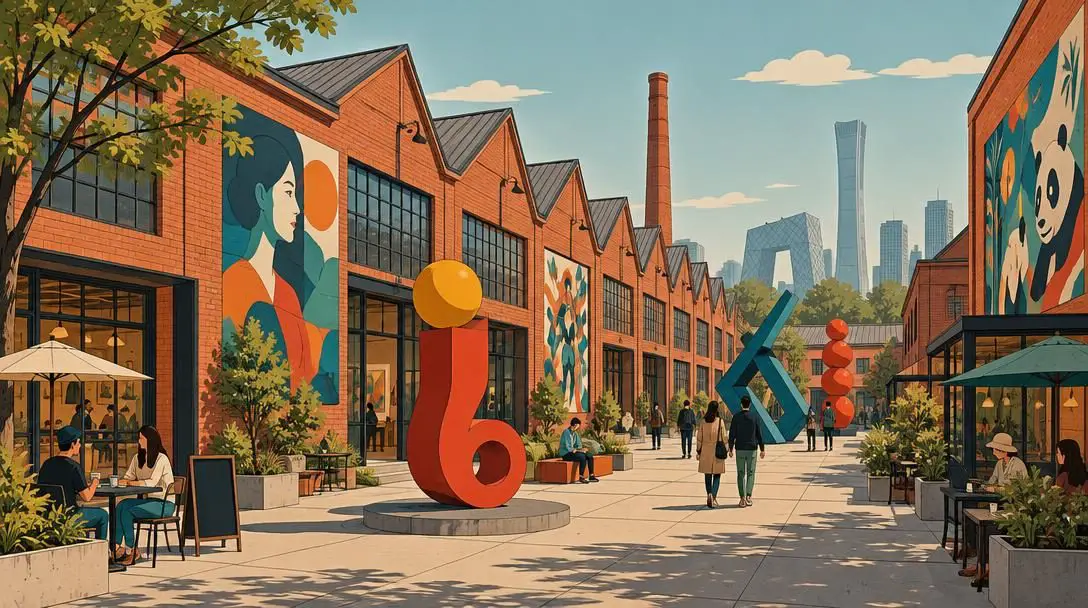
Situated within the Dashanzi district, the 798 Art Zone represents the creative epicenter of Beijing's modern cultural landscape. Originally built as a cluster of military factory buildings, the compound served national production for roughly five decades before being decommissioned in the 1990s. Artists and independent creators quickly recognized the aesthetic potential of the site's cavernous industrial floor plans, soaring saw-tooth roofs, and practical architectural layouts, repurposing the industrial halls into dynamic creative workshops.
Today, the sprawling neighborhood serves as an inspiring gathering ground where both established icons and emerging talents exhibit their works. The streets are alive with vivid murals, dynamic street art, and monumental outdoor sculptures. Visitors can take self-guided walks or participate in structured tours to browse independent photography galleries, design boutiques, and stylish coffee shops while taking in contemporary Chinese urban culture.
Beijing Botanical Garden
- Environment: Quiet natural sanctuary and horticultural reserve
- Themed collections: Cherry, bamboo, Chinese rose, and magnolia gardens
- Primary appeal: Peaceful outdoor walks, plant diversity, and seasonal photography
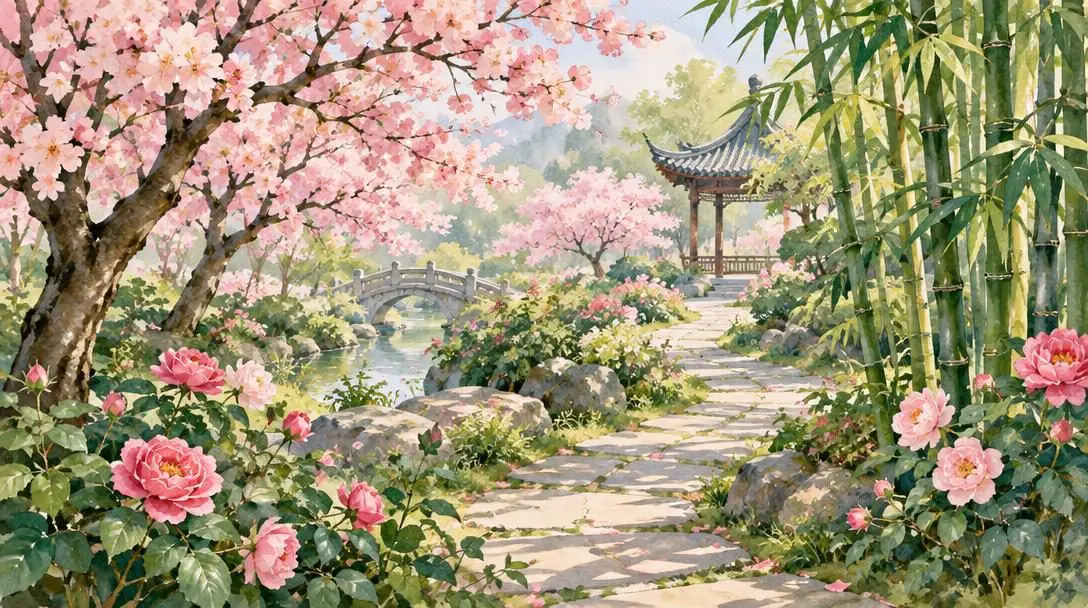
For visitors seeking relief from the urban bustle, the Beijing Botanical Garden provides a lush, carefully cultivated retreat. The expansive property is organized into thoughtful botanical exhibits designed to display China's extraordinary plant biodiversity. Instead of viewing isolated specimens, guests meander through sweeping, dedicated micro-environments designed to mimic the natural growing conditions of native species.
Wanderers can journey through the delicate cherry garden, marvel at the towering stalks of the bamboo garden, admire the vibrant petals in the Chinese rose garden, or take a peaceful path through the magnolia garden. The changing colors of the flora provide an evolving visual show throughout the growing seasons, making the sanctuary a paradise for landscape photographers and travelers who want to recharge among tranquil natural scenery.
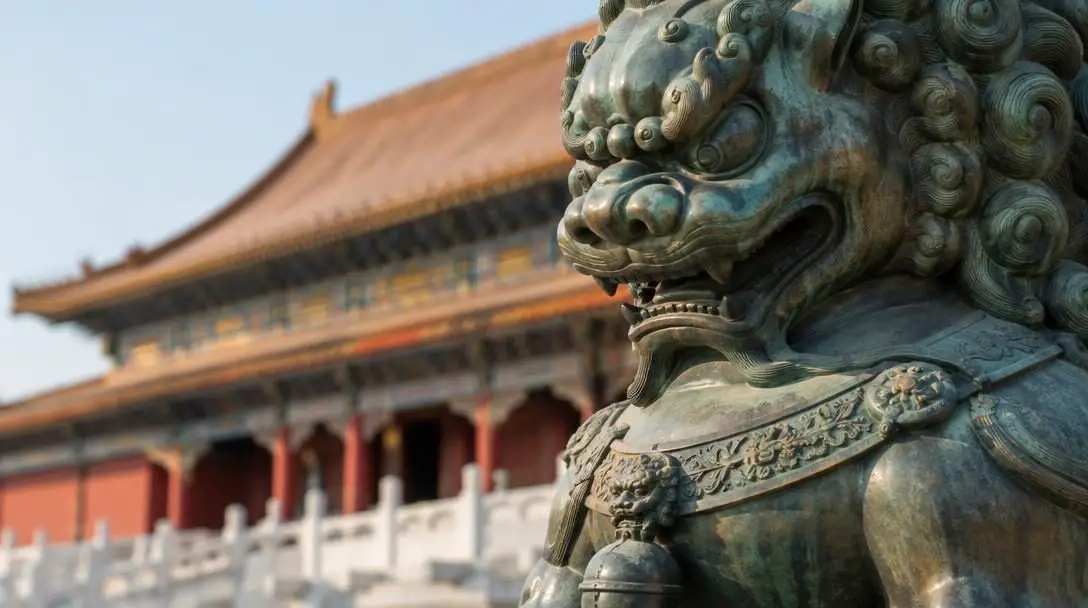
Ancient Observatory (Guguanxiangtai)
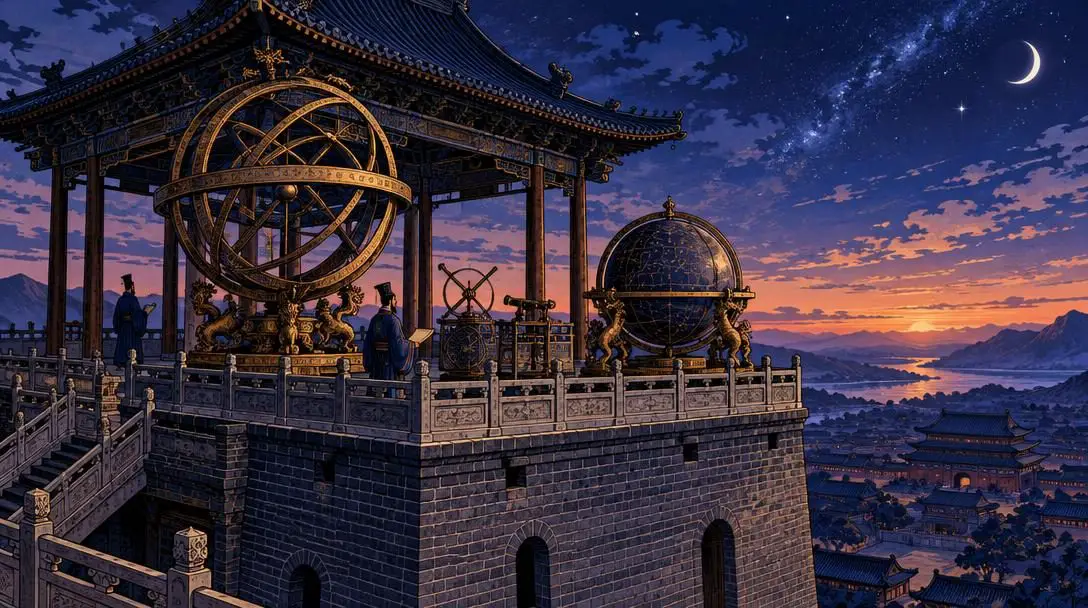
- Historical era: Ming and Qing dynasties
- Key features: Eight expansive historical astronomical instruments
- Operational schedule: Open to the public Sunday through Saturday
- Global significance: One of the world's oldest surviving astronomical observatories
Standing as a monumental testament to imperial scientific achievement, Beijing's Ancient Observatory offers direct insight into the astronomical traditions of the Ming and Qing dynasties. As one of the oldest astronomical observatories on earth, the facility occupied a critical position in imperial governance, where court astronomers tracked celestial bodies to formulate official calendars and interpret cosmic omens on behalf of the reigning emperor.
Perched atop an imposing brick observation platform, visitors will encounter eight expansive astronomical instruments crafted with intricate bronze detail. Walking alongside these centuries-old measuring devices invites quiet contemplation of the scientific questions, mathematical calculations, and celestial inquiries that ancient astronomers pursued. The observatory operates on a regular schedule, opening its doors from Sunday through Saturday to welcome travelers interested in early scientific discovery.
Beijing Underground City
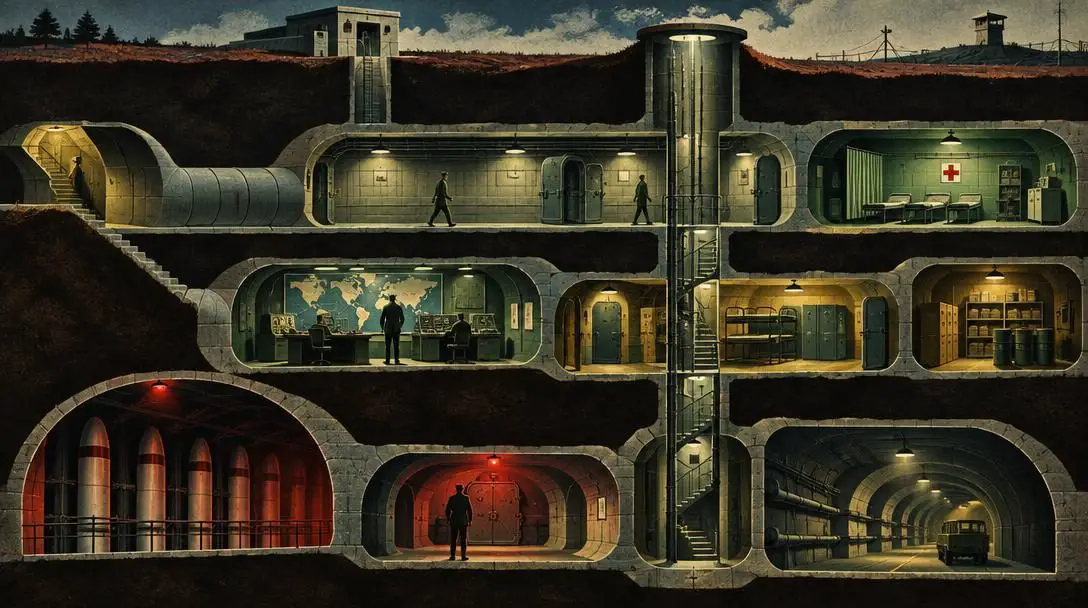
- Commission date: 1969 by Chairman Mao
- Construction completed: 1970s
- Total subterranean area: Approximately 33 square miles
- Internal facilities: Schools, hospitals, factories, shops, and movie theaters
Directly beneath the bustling streets of downtown Beijing lies the Beijing Underground City, a subterranean engineering feat spanning approximately 33 square miles. Chairman Mao ordered the construction of this comprehensive tunnel system in 1969 to serve as a secure underground refuge for the capital's population in the event of foreign military attack. Work on the vast defense network continued through the 1970s with extensive civic participation.
The bunker complex was engineered not merely as a temporary escape shelter, but as a fully functioning underground metropolis. Planners equipped the labyrinth with vital public services, including operational schools, clinics, full-scale hospitals, factories, grocery shops, amusement centers, and movie theaters. While only a small, designated portion of the tunnels is open to the public today, descending into this Cold War shelter provides a compelling perspective on twentieth-century defensive history.
Ritan Park
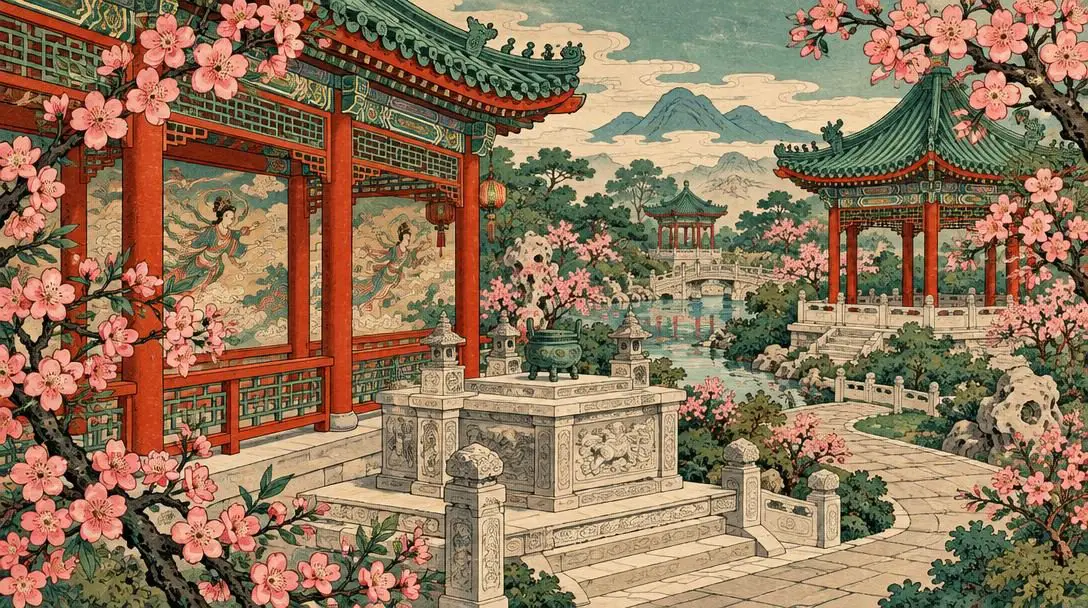
- Established: 1530 during the Ming dynasty
- Original designation: Site of the imperial Temple of the Sun
- Decorative elements: Murals, traditional pavilions, altars, red and green walls
- Botanical highlights: Flowering peach blossoms, ornamental bushes, and mature trees
Established in 1530 during the reign of the Ming dynasty, Ritan Park is one of Beijing's most historic public spaces. The park originally served as the sacred compound for the Temple of the Sun, where the emperor performed solemn sacrifices and ritual ceremonies at designated seasonal transitions to ensure bountiful agricultural harvests and continued national stability.
In modern times, Ritan Park operates as a municipal park that blends imperial architecture with vibrant neighborhood activity. The ornamental landscape is planted with mature trees, shrubbery, flower beds, and graceful peach blossoms that make it a favorite destination for peaceful morning walks. Within the park perimeter, visitors can explore classic ceremonial altars, traditional covered pavilions, historic murals, and striking red and green walls that provide a vibrant setting filled with local charm.
How These Attractions Operate
Unlike standard indoor museums or modern commercial entertainment complexes, each of these five attractions operates under a distinct functional framework based on its historical preservation needs and public use.
Urban creative districts like the 798 Art Zone function as open municipal quarters rather than single enclosed venues. Because individual studios, galleries, and cafes manage their own interior spaces, opening hours and exhibition rotations vary across the site. However, the arterial alleys and central avenues function as an open-air public gallery that remains freely accessible throughout the day.
Traditional heritage and botanical areas—namely Ritan Park and the Beijing Botanical Garden—operate on a public leisure model. Ritan Park serves a dual role as a preserved historic site and a community park where local citizens practice tai chi, play music, and exercise. The Beijing Botanical Garden functions on an expansive scale, maintaining extensive sub-gardens that balance public recreation with active horticultural conservation.
Finally, sites like the Ancient Observatory and the Underground City are managed under strict heritage conservation guidelines. The Ancient Observatory functions as an educational museum open Sunday through Saturday, allowing visitors to view fragile astronomical equipment mounted on historic platforms. The Underground City, given the complexity of maintaining deep civil defense corridors constructed during the 1970s, permits public entry only within carefully designated and reinforced sections of its 33-square-mile footprint.
Step-by-Step Guide to Planning Your Visit
Because these attractions span multiple eras, districts, and walking formats, thoughtful preparation will help you navigate Beijing smoothly. Follow these practical steps when assembling your travel itinerary:
- Group your destinations geographically: Combine central attractions into single excursions. Visit Ritan Park and the Ancient Observatory on the same day, while reserving dedicated half-day or full-day trips for outlying locations like the 798 Art Zone in the Dashanzi district or the sprawling Beijing Botanical Garden.
- Select your touring style for creative districts: Determine whether you prefer an independent, self-paced stroll through the 798 Art Zone or an organized walking tour that provides curated background on the compound's architectural conversion from military factories.
- Align botanical visits with blooming cycles: If your primary goal at the Beijing Botanical Garden or Ritan Park is viewing floral displays—such as the peach blossoms, cherry garden, or Chinese rose garden—check seasonal blooming periods before booking travel dates.
- Verify access requirements and hours: Check operating hours before departure. The Ancient Observatory welcomes visitors from Sunday through Saturday, while subterranean defense sections like the Underground City have selective tour access parameters that should be verified in advance.
- Wear supportive footwear: All five locations require significant foot travel across cobblestone paths, paved industrial avenues, outdoor stone staircases, and dirt trails. Pack comfortable walking shoes to handle the extensive physical footprint of each site.
Mistakes to Avoid When Visiting Alternative Sights
Travelers exploring Beijing's off-the-beaten-path cultural landmarks often make simple planning errors that compromise their experience. Keep these common missteps in mind:
- Underestimating the physical scale of the sites: Assuming that converted industrial zones or parks can be covered in a brief 45-minute stop often leads to rushed visits. The 798 Art Zone occupies a massive factory complex, while the Botanical Garden encompasses multiple large sub-gardens that warrant several hours of exploration.
- Expecting identical imperial architecture everywhere: Assuming every historical destination mirrors the Forbidden City overlooks the architectural diversity of the capital. The Ancient Observatory showcases scientific brick observation decks and bronze instruments rather than red palace halls.
- Anticipating complete access to the subterranean tunnels: Expecting to tour the full 33-square-mile expanse of the Beijing Underground City is unrealistic; public entry is confined to designated, preserved safety corridors.
- Treating public parks as rapid photo checkpoints: Rushing through Ritan Park prevents visitors from absorbing its community atmosphere. The grounds are designed for unhurried walking among pavilions, murals, and flower gardens where locals gather throughout the day.
- Limiting your camera to standard landmarks: Saving your camera exclusively for world-famous monuments means missing out on the street murals of Dashanzi, the peach blossoms of Ritan, and the Ming dynasty astronomical instruments.
Frequently asked questions
What was the 798 Art Zone used for before becoming an arts district?
Before its transformation into a modern arts center, the 798 Art Zone was a 50-year-old compound of military factories. After being decommissioned in the 1990s, the complex was adopted by artists drawn to its large architectural spaces.
How old is Ritan Park, and what was its original function?
Ritan Park was established in 1530 during the Ming dynasty. It originally served as the sacred site for the Temple of the Sun, where imperial ceremonies and civic rituals were held.
Can visitors walk through the entire Beijing Underground City?
No. While the original Cold War defense network ordered by Chairman Mao in 1969 spans roughly 33 square miles, only a specific, designated section is open to the public for safety and preservation reasons.
What can visitors see at the Ancient Observatory?
Visitors to the Ancient Observatory, which dates to the Ming and Qing dynasties, can view eight expansive astronomical instruments mounted atop a historic platform. The site is open to the public from Sunday through Saturday.
What specific themed gardens can be found inside the Beijing Botanical Garden?
The Beijing Botanical Garden features several dedicated plant collections, including a cherry garden, a bamboo garden, a Chinese rose garden, and a magnolia garden.
The Bottom Line
Beijing's true charm lies in the dynamic contrasts between its ancient imperial majesty, twentieth-century civic transformations, and modern creative neighborhoods. While world-renowned monuments like the Forbidden City and the Great Wall will always remain essential stops, weaving unique destinations like the 798 Art Zone, Beijing Botanical Garden, Ancient Observatory, Underground City, and Ritan Park into your plans provides a far richer understanding of the capital's multifaceted soul.