The Most Satisfying Crossword Puzzle Answers You’ll Ever Fill In
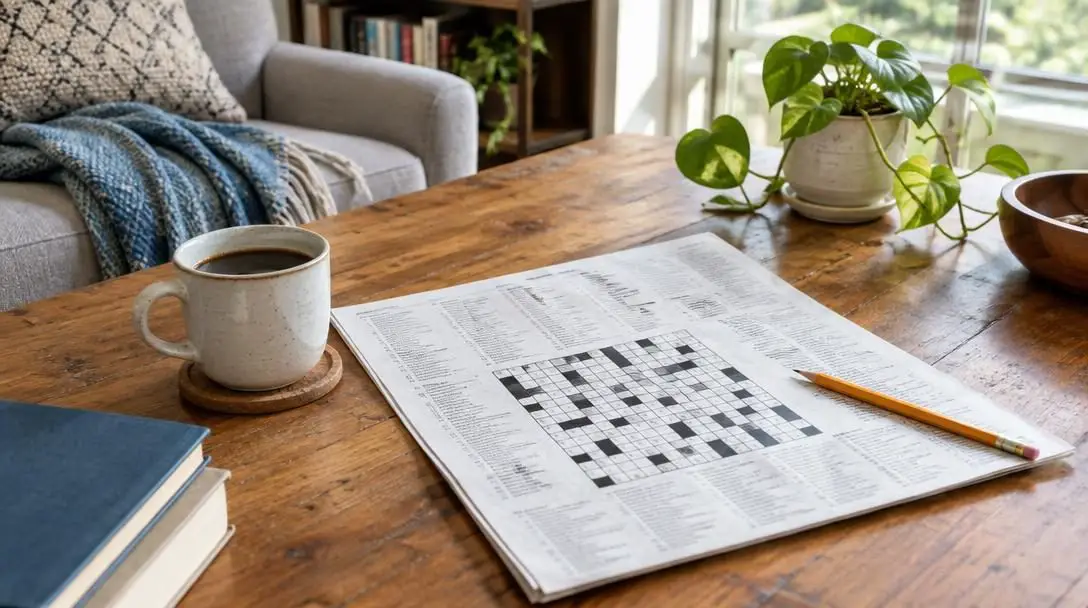
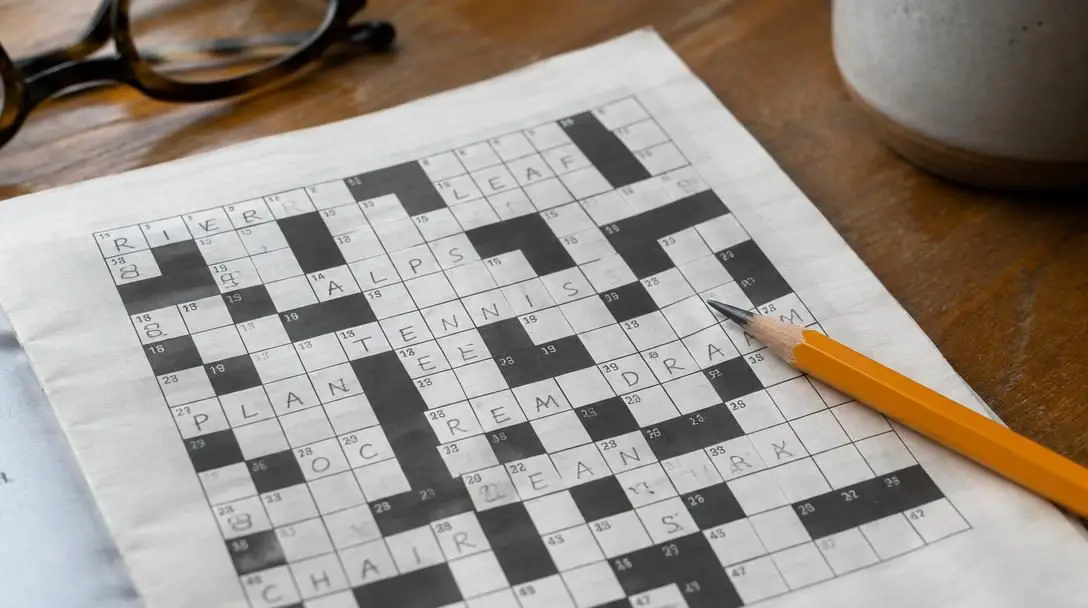
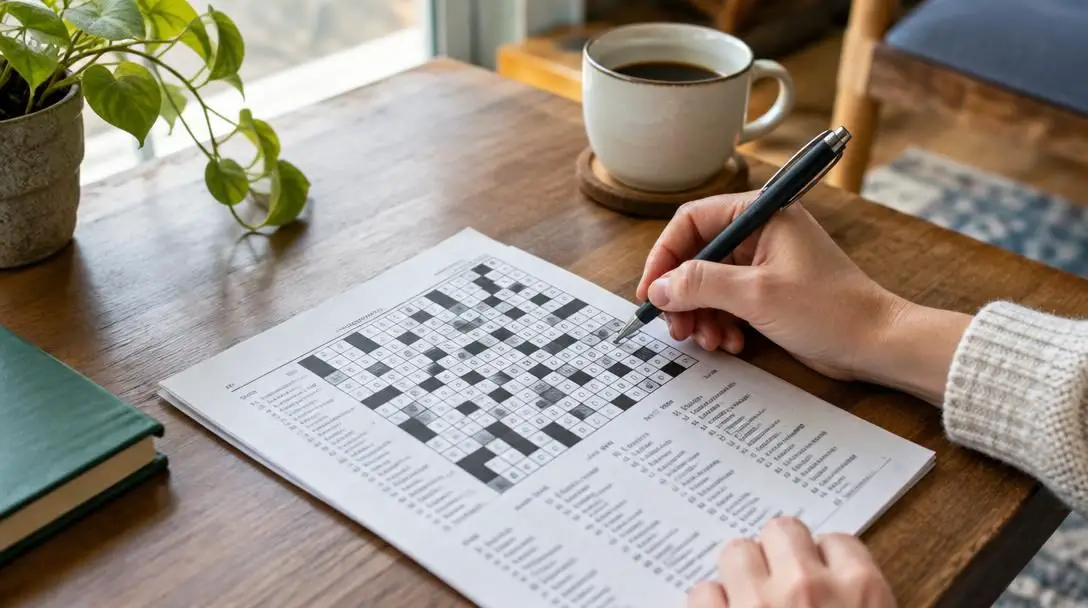
Crossword puzzles occupy a singular place in print and digital recreation, engaging minds across morning newspapers, dedicated puzzle magazines, and mobile apps. The visual thrill of entering letters into empty white cells transforms an intimidating web of black and white borders into an ordered tapestry of language. While completing a full grid provides a definitive sense of accomplishment, the true joy of solving is often found in the micro-victories achieved along the way.
Certain entries evoke an outsized sense of delight compared to standard crossword fill. Whether an answer captures the thrill of a sudden deduction, rolls off the tongue with a pleasing cadence, unravels an intricate piece of constructor wordplay, or delivers crisp simplicity amid complex intersecting paths, these standout moments make the process of solving deeply gratifying.
Key takeaways
- Breakthrough answers mirror the solver's own epiphany when an elusive clue finally clicks into place.
- Words with distinctive letter patterns or lively phonetic cadences bring sensory delight to the grid.
- Deciphering tricky clues and playful puns rewards solvers who look beyond literal dictionary definitions.
- Short, literal answers provide indispensable footholds that verify crossing entries and anchor difficult sections.
At a glance: Twelve exceptionally satisfying grid answers
Every crossword grid balances short structural connectors with sprawling anchor words. The following entries highlight how different types of answers contribute to an enjoyable solving experience.
| Answer | Length | Primary Category | Solving Appeal |
|---|---|---|---|
| EUREKA | 6 letters | Eureka moment | Mirrors the solver's triumph |
| AHA | 3 letters | Eureka moment | Punchy exclamatory breakthrough |
| REVELATION | 10 letters | Eureka moment | Sweeping sense of structural progress |
| BUBBLY | 6 letters | Pleasing sound | Visually appealing double letters |
| QUINTESSENTIAL | 14 letters | Pleasing sound | Polysyllabic linguistic elegance |
| SYNERGY | 7 letters | Pleasing sound | Reflects cooperative grid mechanics |
| PUN | 3 letters | Clever clue | Celebrates lateral linguistic wit |
| TRICKY | 6 letters | Clever clue | Acknowledges solver deduction |
| PATIENCE | 8 letters | Clever clue | Rewards sustained mental effort |
| SUN | 3 letters | Literal clarity | Warm, unambiguous momentum builder |
| EYE | 3 letters | Literal clarity | Symmetrical and clean grid bridge |
| ONE | 3 letters | Literal clarity | Simple foundational victory |
The Eureka breakthroughs: Instant grid revelations
There is nothing quite like the breakthrough that occurs when an answer that has eluded you for an extended period suddenly snaps into focus. These discoveries dissolve persistent confusion into total certainty, triggering an immediate surge of intellectual satisfaction.
EUREKA
- Word length: 6 letters
- Emotional resonance: Ancient shout of discovery
- Grid role: Expressive medium-length anchor
Filling in the ancient cry of discovery mirrors the exact feeling experienced as a solver when an elusive piece of the puzzle finally falls into place. The word itself carries a long legacy of intellectual triumph, making its appearance on the grid feel like an intentional nod from the constructor to the person working through the clues.
AHA
- Word length: 3 letters
- Emotional resonance: Sudden comprehension
- Grid role: High-frequency connecting bridge
Short, punchy, and instantly recognizable, this exclamatory entry fits comfortably into tight corners where brief words are mechanically vital. Constructors frequently deploy it to echo the solver's own reaction upon deciphering an obscure clue, making it one of the most playful short entries in puzzle history.
REVELATION
- Word length: 10 letters
- Emotional resonance: Unveiling of hidden truth
- Grid role: Multi-section spanning anchor
Spanning across numerous white squares, completing a long entry like this delivers a sweeping sense of progress and accomplishment. Longer entries require multiple intersecting letters to confirm, and when the full word resolves, it feels like a genuine linguistic unveiling.
Linguistic texture: Words that sound and look great
The delight of solving is not limited to deductive logic; it also involves the sensory quality of language. Puzzle constructors often select entries featuring vibrant phonetics, varied syllable structures, and eye-catching visual letter patterns.
BUBBLY
- Word length: 6 letters
- Phonetic character: Effervescent and upbeat
- Visual feature: Repeating double B patterns
This term bursts with joy and effervescence on the grid. Writing out consecutive double letters creates a neat geometric pattern within the boxes, while the spoken word evokes an upbeat, lighthearted mood that enlivens surrounding clues.
QUINTESSENTIAL
- Word length: 14 letters
- Phonetic character: Polysyllabic and grand
- Grid role: Core thematic baseline
A grand, multi-syllable word that rolls smoothly off the tongue, this sprawling answer commands an entire row or column. Dropping a sweeping vocabulary word across the puzzle stabilizes adjacent quadrants and represents a pure intellectual victory for the solver.
SYNERGY
- Word length: 7 letters
- Phonetic character: Smooth and balanced
- Conceptual match: Crossword cross-verification
This entry sounds exactly like what it means: a harmonious interaction between distinct components. In a crossword puzzle, it neatly describes the cooperative dynamic that takes place when Across and Down entries intersect to reveal the correct solution.
Wordplay and wit: Answers that reward clever deduction
Some answers are memorable not because of the word itself, but because of the mental duel between the constructor and the solver. Wordplay clues require you to look past surface definitions and interrogate alternate spellings, idioms, and double meanings.
Because crosswords require both Across and Down entries to agree, every confirmed intersecting letter acts as an indisputable proof of correctness.
PUN
- Word length: 3 letters
- Clue style: Lateral wordplay
- Grid role: Compact self-referential answer
When a clue relies on double meanings or linguistic twists, reaching this short answer provides an amusing payoff. It acknowledges the playful nature of puzzle construction and reminds solvers to stay alert for humorous misdirections across the board.
TRICKY
- Word length: 6 letters
- Clue style: Deliberate misdirection
- Grid role: Structural mid-length entry
Constructors occasionally include clues designed to steer you toward incorrect assumptions. Successfully navigating these traps and writing in this descriptive answer validates your deductive effort, confirming that you saw right through the author's misdirection.
PATIENCE
- Word length: 8 letters
- Clue style: Indirect characterization
- Grid role: Multi-cluster transition word
Certain clues demand methodical trial and error rather than immediate flashes of inspiration. Resolving this entry after sustained effort provides an earned sense of pride, reminding you that persistence is an essential solving virtue.
The beauty of plain meaning: Literal answers that restore order
In contrast to complex wordplay, simple and direct entries provide an equally important form of satisfaction. They cut through ambiguity, offering fast toeholds that restore momentum when solving stalls.
SUN
- Word length: 3 letters
- Clue style: Direct definition
- Visual impact: Bright, unambiguous anchor
A short entry that brings immediate warmth and certainty to a congested section of the grid. Its simplicity provides an unpretentious baseline, allowing you to confirm crossing letters without second-guessing your deductions.
EYE
- Word length: 3 letters
- Clue style: Anatomical or metaphorical direct clue
- Visual impact: Symmetrical letter placement
With its palindromic framing, this three-letter entry fits neatly into narrow intersections. Its crisp layout provides an uncluttered visual anchor that helps solvers unlock more complex surrounding words.
ONE
- Word length: 3 letters
- Clue style: Numerical or conceptual baseline
- Visual impact: Compact foundational entry
This fundamental building block proves that basic vocabulary can be deeply gratifying to place. Dropping a clean, definitive entry into the grid restores your solving rhythm and opens up perpendicular pathways across the board.
How crossword mechanics amplify solver satisfaction
Understanding the mechanical structure of a crossword puzzle explains why these specific answers feel so rewarding to complete. Puzzles operate under strict architectural constraints that transform simple letter placement into an interlocking logic puzzle.
In standard crossword design, black and white squares are placed in a balanced, symmetrical pattern. Every single white square belongs to two separate entries: one Across and one Down. This interlocking framework guarantees that no word stands alone; an answer is never truly solved until its intersecting components agree.
Intersecting letters serve as the engine of puzzle-solving. If a long entry appears unsolvable on its own, discovering two or three short crossing letters reveals the vowels and consonants necessary to trigger an epiphany. This dual-entry confirmation system provides absolute certainty, removing ambiguity and ensuring that solving remains an objective challenge.
Strategic steps to uncover elusive grid solutions
When facing a challenging puzzle, relying on unstructured guessing often leads to frustration. Adopting a systematic routine will help you uncover elusive answers with greater efficiency.
- Scan for the literal clues: Read through the clue sheet to identify direct, unambiguous definitions. Filling in straightforward words like SUN, EYE, or ONE establishes immediate footholds across different quadrants.
- Focus on fill-in-the-blank entries: Blank-style clues are typically easier to resolve without checking intersections, quickly handing you starting letters for more complex crossing words.
- Identify plural and tense endings: Inspect clues for grammatical indicators. A plural clue generally produces an answer ending in S, while past-tense clues frequently conclude with ED. Writing these endings into the grid narrows your search parameters.
- Work the crosses: When a long entry like REVELATION or SYNERGY stalls your progress, shift your focus entirely to the perpendicular words intersecting that row or column.
- Re-read puns with a skeptical eye: When tackling clues that hint at wordplay, pause to consider alternate homophones, slang, and figurative meanings rather than default dictionary definitions.
- Take a brief break: Stepping away from the grid allows your subconscious mind to process clues without the pressure of direct focus, often sparking an AHA moment the second you return.
Common pitfalls that derail solving momentum
Even experienced puzzlers occasionally stumble into habits that impede progress. Staying aware of these routine mistakes will keep your solving sessions engaging and productive.
- Refusing to erase early guesses: Solvers often fall in love with an initial hypothesis and hesitate to remove it, even when crossing letters fail to fit. Being willing to wipe the slate clean is essential to solving tricky sections.
- Ignoring clue parts of speech: Crossword clues strictly mirror the tense, plurality, and grammatical form of the target entry. A clue phrased as an exclamation will yield an entry like AHA or EUREKA rather than a standard descriptive adjective.
- Focusing exclusively on Across clues: Working through all Across entries before glancing at the Down list neglects the interlocking power of the grid, making the puzzle far harder than necessary.
- Rushing past tricky wordplay: Misdirection clues require measured consideration. Moving too quickly often leads to missing subtle puns and hidden double meanings.
- Assuming an obscure word is required: When stumped, it is tempting to believe the answer must be an arcane trivia fact, when in reality it is often an everyday word like PATIENCE or BUBBLY concealed behind a clever clue.
Frequently asked questions
Why do crossword solvers experience sudden "Eureka" moments?
Sudden breakthroughs happen because your brain continues processing linguistic patterns and memory associations below the surface. When intersecting letters eliminate competing options, the correct word snaps into focus, creating an immediate sensation of cognitive triumph.
How do short three-letter words help solve longer crossword answers?
Short entries act as functional bridges across the grid. Because they are easier to guess from direct definitions, they supply confirmed starting, middle, or ending letters that make sprawling anchor entries much easier to decipher.
What does a question mark at the end of a clue indicate?
A question mark indicates that the clue relies on wordplay, puns, or intentional misdirection rather than a direct literal definition. Solvers must interpret the clue figuratively to find the correct answer.
Why is working on crossing letters better than staring at a single clue?
Focusing on crossing entries provides concrete structural clues by confirming specific letters. Staring at an isolated clue offers no additional data, whereas solving a perpendicular entry immediately reduces the number of possible words that can fit.
What is the difference between themed and themeless crossword puzzles?
Themed puzzles unite long entries around a common joke, pun, or linguistic pattern, often requiring solvers to decode a overarching gimmick. Themeless puzzles feature open grids with no unifying subject, relying instead on lively vocabulary, wide open letter patterns, and challenging cluing.
The lasting appeal of the filled grid
Every completed crossword puzzle represents a small, self-contained victory of human deduction over artificial chaos. By taking an empty field of black and white squares and organizing it into a coherent web of intersecting language, solvers engage in a satisfying mental exercise that blends logic, vocabulary, and creative lateral thinking.
As your solving skills sharpen, your appreciation for diverse styles of cluing and grid architecture will continue to grow. Whether you are finding joy in the quick clarity of a simple three-letter word like SUN, smiling at the cheekiness of a well-crafted PUN, or enjoying the sweeping grandeur of a multi-syllable answer like QUINTESSENTIAL, each entry brings its own distinct pleasure. The journey across the grid remains a timeless pastime because every square offers another chance to experience that perfect, rewarding click of discovery.