
The Surprising World of Aquatic Plants: How to Start A Home Aquarium
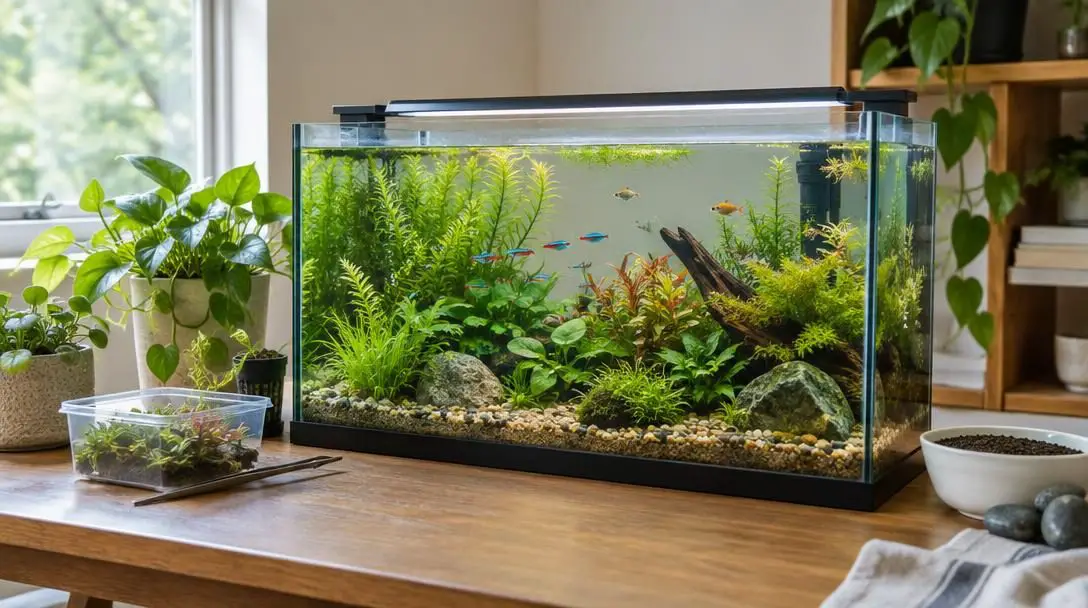
Setting up a home aquarium offers an immersive way to introduce natural beauty, organic movement, and a calming presence into any living space. While a conventional setup might consist of synthetic decorations, brightly colored gravel, and a few fish swimming in a bare glass container, introducing living aquatic greenery completely alters that dynamic. Live vegetation transforms an ordinary fish tank into a vibrant indoor ecosystem, creating an interconnected biological environment where flora and fauna support one another.
Aquatic plants are specialized organisms adapted to thrive in freshwater environments such as lakes, quiet streams, natural ponds, and home aquaria. In the wild, submerged greenery is never merely decorative; it serves as a foundational building block for the entire habitat by generating oxygen, offering nutritious grazing material, and providing secure shelter. When cultivated at home, these plants carry out those same critical biological functions, conditioning the water column, absorbing excess organic nutrients, and reducing the burden placed on mechanical filtration systems.
Key takeaways
- Live aquatic plants convert a static fish tank into a self-regulating, living ecosystem by generating oxygen and consuming waste nutrients.
- Beneficial bacteria and aquatic plants work in tandem through the nitrogen cycle to neutralize toxic ammonia and nitrite into manageable nitrates.
- Beginner-friendly species like Java moss, Anubias, and Java fern adapt well to low or moderate light conditions while offering shelter to aquatic life.
- Completing the biological nitrogen cycle before adding fish is essential for preventing livestock stress and water quality crashes.
The biological engine: How aquatic plants power the ecosystem
An aquarium is far from an inert glass display; it is an active, evolving biological vessel governed by chemical reactions and microbiological life cycles. At the center of this environment is the relationship between light, plants, animal waste, and bacterial colonies. Understanding how these distinct elements cooperate allows hobbyists to establish stable water chemistry and promote long-term vitality for all aquatic residents.
A primary function carried out by submerged vegetation is water oxygenation. Through natural photosynthetic activity, aquatic plants absorb ambient light and dissolve nutrients from the water, releasing pure, dissolved oxygen directly back into the water column. This dissolved oxygen is readily available for fish and beneficial microbes to respire, keeping aquatic animals active, energetic, and resilient. Furthermore, living leaves develop micro-fauna and tender surfaces that supply fish with supplemental foraging opportunities, while the physical foliage forms natural privacy zones where fish can retreat, sleep, and escape stress.
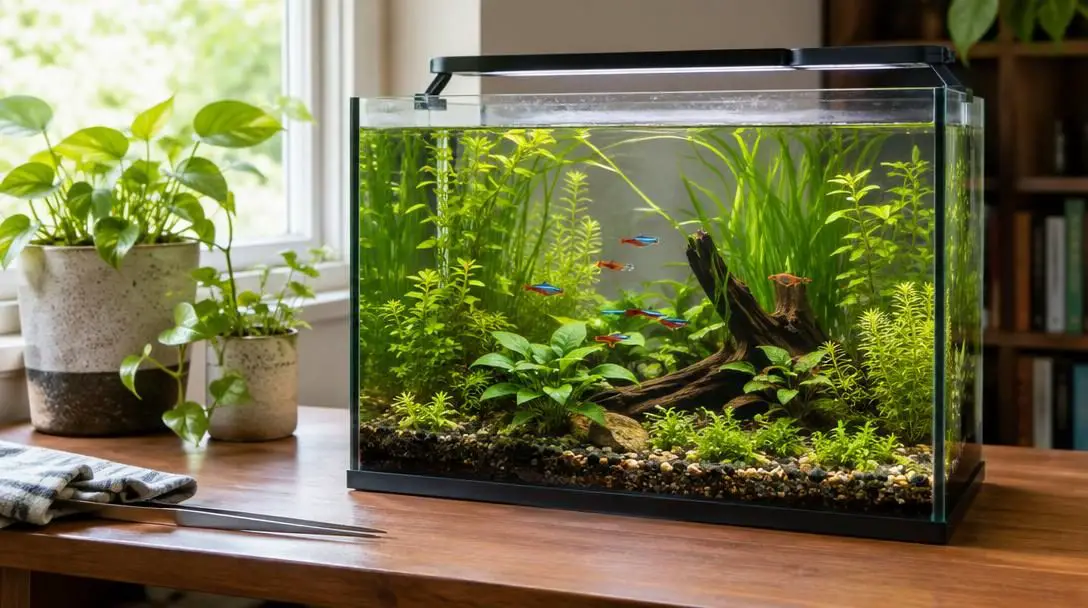
A planted aquarium functions as an active biological system driven by natural chemical and physical processes rather than an inert decorative container.
Working parallel to oxygenation is the aquarium nitrogen cycle, the biochemical progression responsible for breaking down animal waste, uneaten feed, and decaying plant matter. When organic detritus begins to degrade, it releases highly toxic ammonia into the water. In a mature system, colonies of beneficial aerobic bacteria colonize the filter media, gravel bed, and plant surfaces, converting that poisonous ammonia into nitrite, which remains equally toxic to fish. A secondary strain of beneficial bacteria then oxidizes nitrite into nitrate, a much less harmful compound.
This final stage is where living plants become indispensable. Rather than allowing nitrates to accumulate until they reach harmful concentrations, aquatic plants absorb nitrates and other dissolved byproducts as essential fertilizer. By measuring ammonia, nitrite, and nitrate levels using an aquarium testing kit, you can observe the establishment of this cycle and confirm when the water has become balanced and safe.
Essential equipment needed for a planted aquarium
Assembling a successful aquatic habitat requires choosing the right hardware to support both vegetative growth and animal physiology. Because aquatic plants have different environmental requirements than terrestrial houseplants, your equipment must be tailored to underwater conditions.
- Aquarium Tank: The physical vessel that encloses your habitat. Tank dimensions and volume should be chosen according to the growth habits of your selected plant species and the physical space available in your home.
- Filtration System: Essential for continuous water movement, mechanical debris removal, and housing colonies of beneficial nitrifying bacteria. Adequate filtration clears suspended waste before it can decay and foul the water.
- Aquarium Lighting: Specialized lighting calibrated to support photosynthesis. Because natural sunlight through home windows is unpredictable and prone to fueling nuisance blooms, controlled artificial illumination is critical.
- Aquarium Heater: Maintains a stable, regulated water temperature, shielding sensitive tropical plants and fish from household room temperature swings and drafts.
- Water Testing Kit: A diagnostic tool used to measure pH levels, ammonia, nitrite, and nitrate concentrations, giving hobbyists concrete visibility into the tank's biological health.
Top hardy plants for starting your aquarium
Selecting the right plant species is among the most important decisions when planning a new tank. Different varieties exhibit contrasting growth habits, light tolerances, and nutrient demands. For those starting their first planted tank or hobbyists seeking undemanding, resilient options, three classic freshwater species stand out for their adaptability.
Java Moss
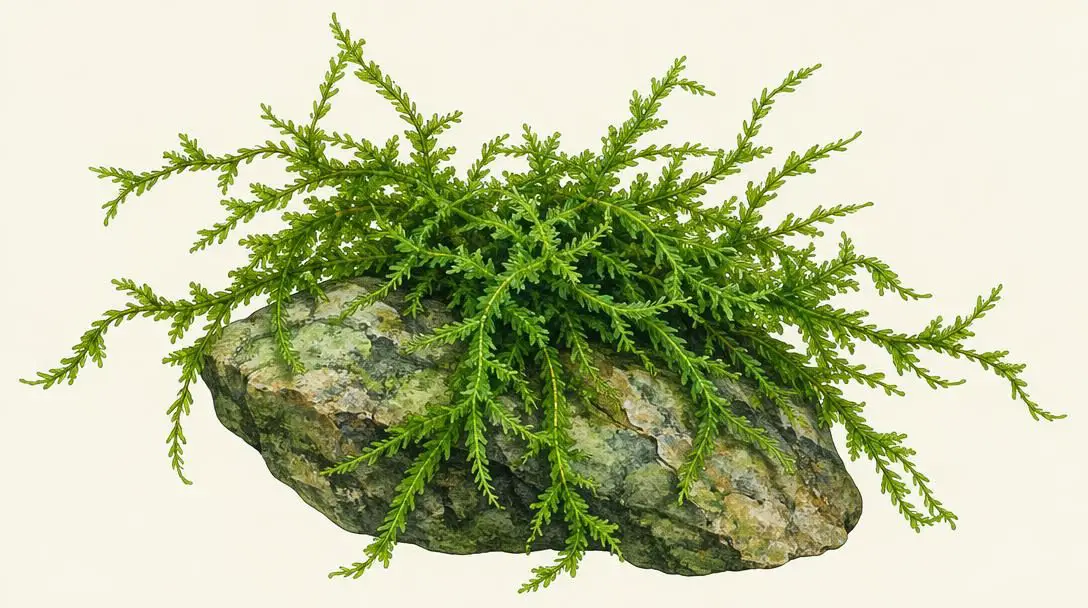
- Lighting requirements: Adapts to almost any lighting condition
- Growth pattern: Fast-spreading over surfaces and decorations
- Tank role: Provides dense cover and shelter for aquatic life
Java moss is widely celebrated as one of the most rugged and versatile plants in the aquatic hobby. This delicate-looking moss produces intricate tangles of tiny green frills that quickly anchor themselves to porous wood, rough rocks, and decorative backgrounds. Because it tolerates low, medium, and high light settings alike, it thrives in almost any home setup without specialized fertilizers.
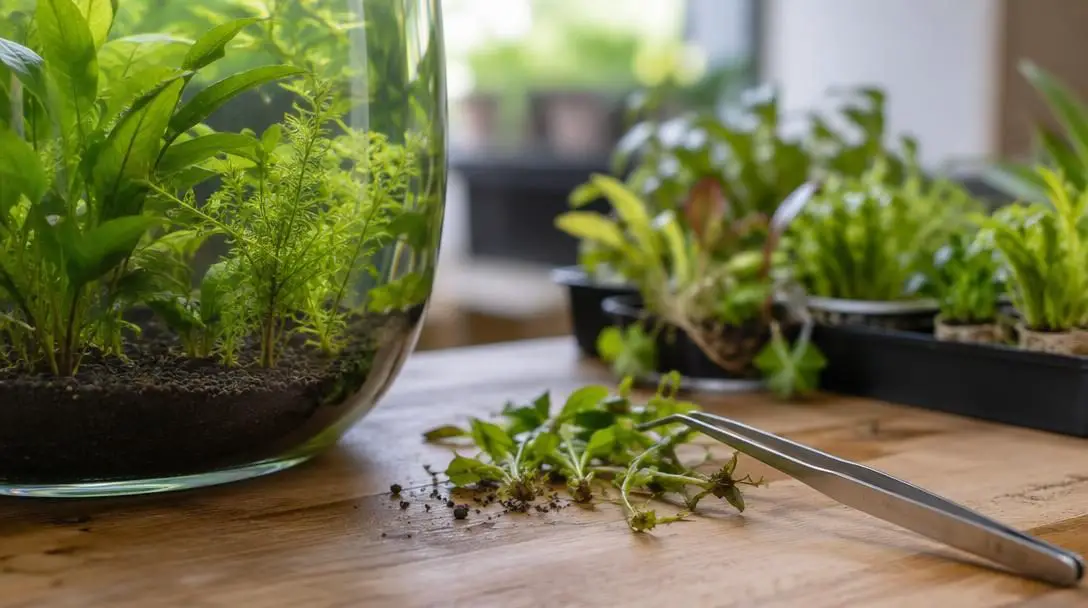
Beyond its low maintenance requirements, Java moss serves as exceptional biological cover. Its dense, fibrous network forms a protective refuge where small fish and invertebrates can safely retreat from larger tankmates. As it spreads across the hardscape, it catches organic debris and micro-organisms, creating natural foraging zones while absorbing excess dissolved nitrates from the water column.
Anubias
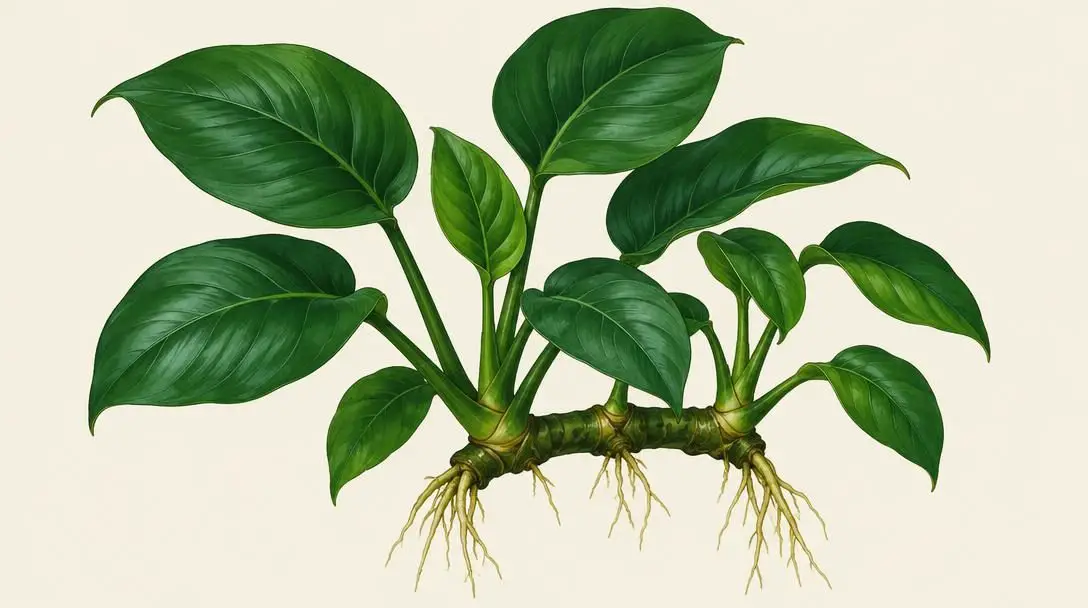
- Lighting requirements: Low-light conditions
- Growth pattern: Slow-growing with thick, durable leaves
- Tank role: Well-suited for shaded, low-intensity setups
Anubias is a slow-growing, highly durable plant native to African river margins, prized for its ability to flourish in modest lighting. Characterized by broad, deep-green, leathery leaves and a thick horizontal stem called a rhizome, Anubias is tough enough to withstand tanks with boisterous or plant-nibbling fish species that would destroy softer vegetation.
Because Anubias demands very little light, it is ideal for basic starter setups lacking high-powered illumination fixtures. Its low metabolic rate means it consumes nutrients at a measured, consistent pace. The broad foliage offers resting ledges for fish near the middle and upper levels of the tank, creating architectural interest without requiring frequent trimming or pruning.
Java Fern
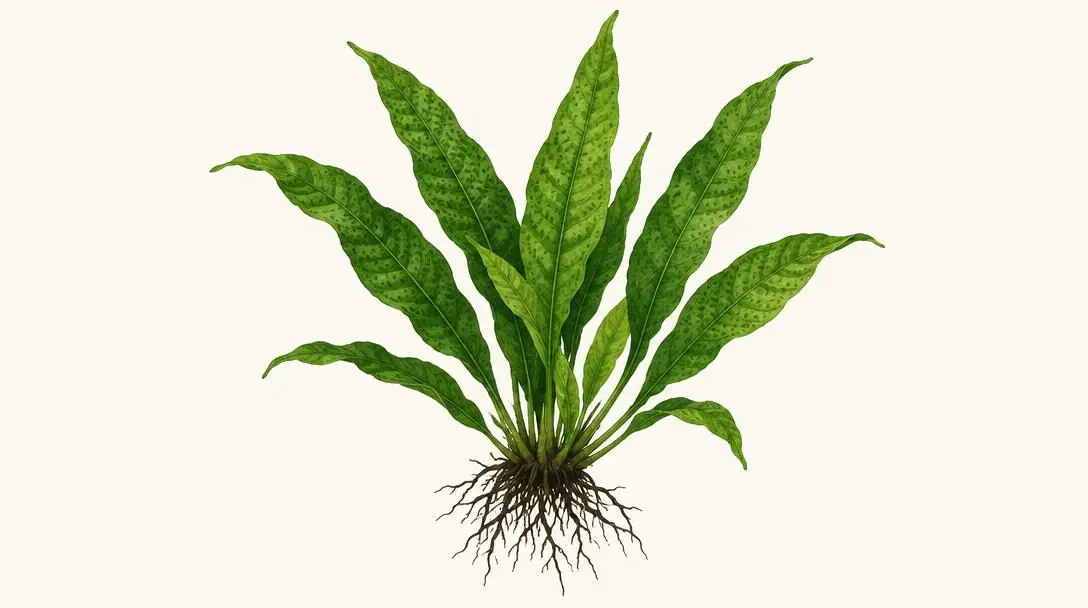
- Lighting requirements: Low to moderate lighting
- Growth pattern: Hardy, upright foliage with resilient leaves
- Tank role: Reliable biological shelter across varied setups
Java fern is another classic, forgiving species that features long, lance-shaped leaves of vibrant green. It handles a wide range of water parameters, making it an exceptional candidate for community tanks. Like Anubias, Java fern possesses a hardy structure that resists mechanical damage and casual grazing by curious livestock.
This species thrives in low to moderate lighting environments, producing tall, upright foliage that creates a lush background screen. By swaying naturally in the filter current, Java fern mimics the natural rhythms of wild riverbeds, giving timid fish secure, shadowed corridors to swim through while pulling nutrients directly through its leaf tissue and roots.
| Plant Species | Light Level | Growth Rate | Key Advantage |
|---|---|---|---|
| Java Moss | Low to High (Flexible) | Fast / Spreading | Exceptional hiding cover for small aquatic animals |
| Anubias | Low | Slow | Tough, leathery foliage that resists plant-nibbling fish |
| Java Fern | Low to Moderate | Moderate | Hardy background foliage that tolerates varied water conditions |
Step-by-step setup: Building your ecosystem
Setting up a planted aquarium demands patience, preparation, and careful sequencing. Rushing the process or introducing animals into an unconditioned tank often leads to water quality spikes and livestock loss. By following a methodical setup order, you can establish an environment that supports plant rooting and biological filtration from day one.
- Position the tank: Select a flat, level, and sturdy surface capable of bearing the full weight of water and gravel. Position the setup away from cold drafts, radiators, and unshaded exterior windows, which can cause temperature fluctuations and encourage out-of-control algae.
- Install equipment: Mount your mechanical filter and immersion heater inside or alongside the tank in their designated positions. Ensure wiring is organized with drip loops, but leave all electrical cords unplugged from wall outlets until the tank is completely filled with water.
- Add water carefully: Fill the tank with clean freshwater. Pour the water gently onto an upturned plate or a piece of clean plastic wrap resting on the bottom to prevent disturbing your substrate layout. Treat tap water with an appropriate conditioner to neutralize chlorine and chloramines before heating.
- Place your aquatic plants: Arrange your chosen species, such as Java moss, Anubias, and Java fern, throughout the tank. Position lower-growing varieties toward the front and taller, broad-leaf species in the middle and background where they have room to expand without blocking sightlines.
- Engage the equipment: Once the water level is secure, plug in and turn on the filtration unit, heater, and lighting system. Verify that the filter is circulating water smoothly and check that the heater thermostat accurately reaches your target temperature range.
- Establish the nitrogen cycle: Allow the aquarium to cycle thoroughly before purchasing any livestock. Use your water testing kit over the course of several days or weeks to monitor the initial ammonia spike, the subsequent rise in nitrite, and the final conversion into nitrate.
- Introduce aquatic animals: Once testing confirms that ammonia and nitrite have dropped to zero parts per million, acclimate your fish slowly to the water temperature and chemistry. Add livestock gradually to avoid overwhelming the newly formed biological filter.
Routine maintenance and water care
A thriving planted tank is an open biological system that requires ongoing stewardship to stay balanced. Without scheduled human intervention, organic matter inevitably accumulates, water hardness shifts, and essential trace elements are consumed by growing flora. Developing a structured maintenance rhythm protects your investment and ensures plant health.
The foundation of long-term tank care is regular water analysis. At least once a week, test your water parameters to confirm that the pH remains within an acceptable range for your chosen plant and animal species. Temperature should be checked daily using a submerged thermometer to catch malfunctioning heaters early. Regular monitoring of ammonia, nitrite, and nitrate reveals whether your biological filter is handling the waste load or if an unobserved problem is developing.
Equally critical are partial water changes. Draining and replacing a portion of the tank water on a consistent schedule physically removes built-up nitrates, detritus, and dissolved organic compounds that filtration alone cannot neutralize. Fresh, conditioned water replenishes vital minerals required by growing plants and clears tea-colored staining, allowing light rays to penetrate down to low-lying leaves.
Troubleshooting common aquarium complications
Even conscientious hobbyists encounter occasional setbacks during the lifespan of an aquarium. Recognizing the root causes of imbalances allows you to resolve issues quickly before they threaten the health of your aquatic community.
Excessive Algae Growth
Algae is an omnipresent organism in freshwater habitats, but uncontrolled proliferations on glass surfaces, gravel, and plant foliage indicate an environmental imbalance. Algae typically flourishes when there is an excess of light, an accumulation of unused organic nutrients, or both. If green or brown film covers your tank walls, reduce the daily duration of artificial lighting and perform partial water changes to flush out excess nutrients.
Aquarium Diseases
Bacterial, fungal, and parasitic infections can spread rapidly through an enclosed body of water. The most effective safeguard against disease outbreaks is high water quality combined with conservative stocking densities. Overcrowding an aquarium causes physical stress and concentrates pathogenic bacteria. Keeping the biological cycle stable and performing routine maintenance ensures that fish maintain their natural mucosal coats and immune resilience.
Fish Stress
Fish display stress through distinct behavioral cues, including lethargy, rapid gill movement, clamped fins, and loss of appetite. When aquatic animals show distress, immediately test the water column for ammonia or nitrite spikes, verify that the heater is maintaining an appropriate temperature, and ensure the filter outflow is not creating excessive turbulence. In addition, inspect the tank to confirm that your aquatic plants provide enough dense foliage for shy species to find cover.
Managing long-term tank growth and expansion
As your planted aquarium matures over several months, the physical dynamic inside the tank will evolve. Fast-spreading species like Java moss will creep across decor and gravel, while plants such as Anubias and Java fern will gradually produce robust new leaves and side rhizomes. Managing this biological growth is a creative and rewarding part of maintaining a planted environment.
To preserve swimming space for your fish and maintain an attractive aesthetic, plan for occasional trimming. Pruning back dense clumps of moss prevents dead zones from forming underneath, where low light and reduced water circulation can cause bottom stems to decay. Snipping away older, damaged leaves on Java fern encourages the plant to direct its energy into fresh, healthy growth while maintaining open sightlines across the tank.
As you build confidence in managing lighting, water parameters, and the nitrogen cycle, you can explore adding new species to your layout. Incorporating plants with different leaf shapes, textures, and growth rates adds depth to your aquascape, creating a diverse underwater habitat that showcases the resilience and quiet elegance of nature in your own home.
Frequently asked questions
Why are live plants better than artificial plastic plants?
Live aquatic plants participate directly in the biological cycle of the tank by absorbing toxic nitrates, generating oxygen, and inhibiting nuisance algae, whereas plastic plants only serve a cosmetic purpose.
Do I need high-intensity lighting to keep aquatic plants alive?
No. Resilient starter species such as Java moss, Anubias, and Java fern adapt well to low or moderate illumination, allowing hobbyists to cultivate lush greenery without purchasing expensive, specialized lighting rigs.
How long does it take to establish the nitrogen cycle?
Cycling a new aquarium typically requires several weeks. During this period, populations of beneficial bacteria multiply until they can convert ammonia and nitrite into nitrate reliably before any fish are introduced.
How do aquatic plants help prevent algae blooms?
Aquatic plants compete directly against algae for dissolved nutrients and light. When healthy plants absorb excess nitrates and trace elements, there is less fuel available for opportunistic algae blooms to develop.
Can I plant Anubias and Java fern in deep gravel substrate?
These species feature a thick rhizome that should not be buried beneath heavy substrate. If their rhizomes are buried completely in gravel, they can rot; instead, attach them to rocks or driftwood where their roots can feed from the water column.
The bottom line
Starting a planted home aquarium transforms a basic fish tank into an authentic living habitat. By combining proper hardware, patient water cycling, and dependable flora like Java moss, Anubias, and Java fern, you create a self-sustaining biological engine where plants and animals actively benefit each other. With regular testing and mindful maintenance, your aquarium will remain a vibrant, healthy, and serene focal point in your home for years to come.





