The Top 5 Must-Have Tools for Miniature Painting
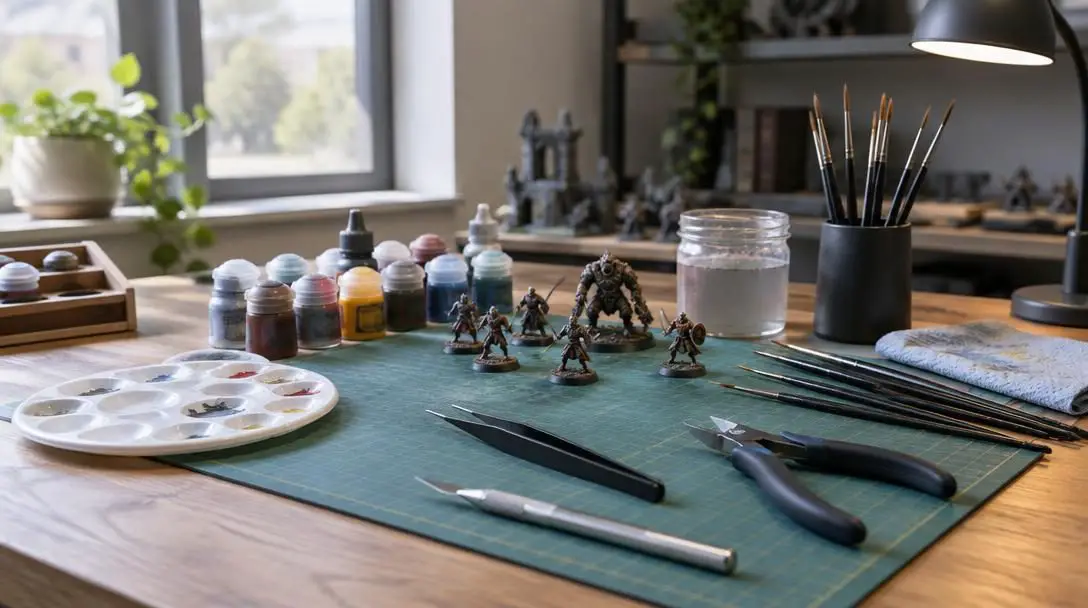
Miniature painting is a specialized artistic craft that involves applying color, shade, and intricate texture to small-scale figures and tabletop scenery. Whether these figures are destined for role-playing campaigns, competitive tabletop wargames, historical dioramas, or dedicated display cases, their diminutive scale magnifies every stroke, highlight, and surface transition. Because every minute physical feature carries significant visual weight, working on small models requires remarkable precision, careful hand control, and exceptional patience.
Attempting to paint small-scale models with standard household utensils or improper gear often yields frustrating results, such as obscured sculpt work, uneven coverage, and accidental smudges. Equipping your hobby workspace with purpose-built instruments eliminates guesswork, allowing you to manipulate fine components, lay down controlled layers of pigment, and cleanly correct minor errors. Establishing a solid foundation with five core implements will elevate your miniature painting skills to the next level.
Key takeaways
- Selecting dedicated tools bridges the gap between artistic intent and miniature scale, preventing obscured sculpted details.
- Having varied brush sizes with soft bristles ensures smooth coverage across broad surfaces, while fine-tipped brushes handle minute facial features and edge highlights.
- Utility tools like palette knives, tweezers, and magnifying equipment protect fragile bristles, prevent paint smudging, and improve precision.
- Masking tape creates sharp color separations and patterns, but it must be removed promptly to avoid tearing dried paint or leaving sticky residue.
At a glance: Essential tools for miniature painting
| Tool | Primary role | Key benefit |
|---|---|---|
| Paintbrushes | Pigment application and detailing | Smooth, even coats and precise line placement |
| Palette knife | Paint blending and surface cleanup | Protects delicate brush bristles from ferrule damage |
| Magnifying glass | Visual clarity and close inspection | Eliminates guesswork on microscopic facial features and trims |
| Tweezers | Component placement and debris cleanup | Handles delicate parts without smudging wet paint |
| Masking tape | Boundary defense and pattern creation | Delivers crisp lines on heraldry, armor, and terrain |
The five core tools every miniature painter needs
When curating an initial hobby setup, an overly complex workstation can feel overwhelming. By focusing on a dedicated array of five functional tools, you can handle every core requirement of the craft: applying smooth paint, mixing mediums, enlarging microscopic details, handling delicate parts, and achieving razor-sharp lines.
Paintbrushes
- Primary function: Applying base coats, washes, and fine edge highlights
- Bristle characteristics: Soft bristles for broad surfaces; fine tips for detailed elements
- Workflow requirement: Maintaining multiples of each size to minimize rinse interruptions
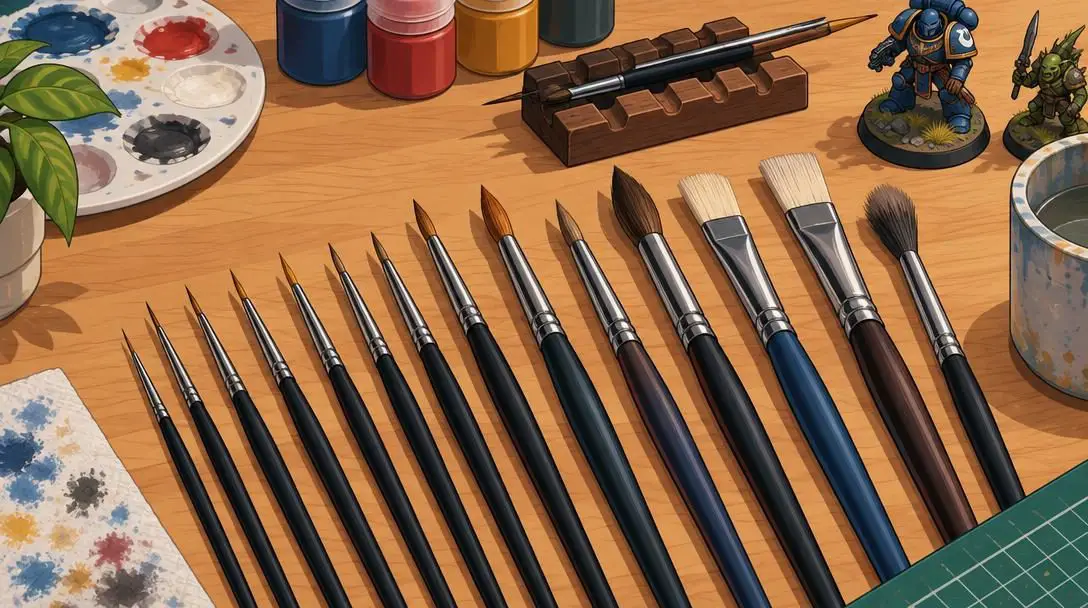
Paintbrushes represent the primary bridge between your imagination and the miniature sculpt. A versatile set of quality brushes makes the difference between muddy transitions and clean, crisp detailing. Because miniature surfaces transition rapidly from sweeping armor plates to tiny buckles, you need a balanced selection of sizes on your desk. Larger brushes with soft bristles allow you to sweep paint across broad cloaks, vehicle hulls, and monster hides without creating brush marks or scratching the underlying primer. Conversely, smaller brushes with fine points let you apply pinpoint highlights to eyes, stitching, and weapon hilts cleanly.
Having redundant brushes in your most commonly used sizes is equally critical. When you have multiple brushes ready to go, you can switch seamlessly between different tones and painting stages without constantly stopping to wash, dry, and reshape a single damp brush tip.
Palette Knife
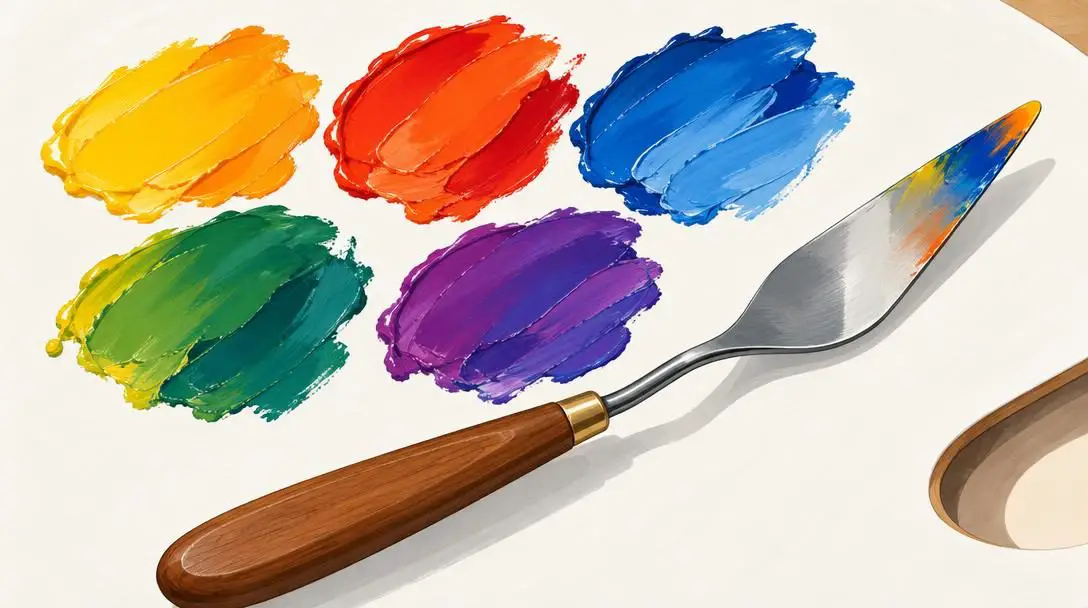
- Primary function: Mixing pigments, thinning glazes, and scraping away paint blobs
- Key surface: Flat, non-porous metal or rigid plastic blade
- Hobby benefit: Protects brush ferrules from paint accumulation
While beginners frequently reach for a paintbrush to blend colors, a palette knife is an essential bench tool that should never be overlooked. Using a paintbrush to stir thick paints or mix in additives forces pigment deep into the brush's ferrule. Once paint settles into the base of the bristles, it splays the hair tip and permanently ruins the brush's fine point. A palette knife offers an easy-to-clean, non-porous edge that blends colors, washes, and glazes thoroughly without wasting expensive paint.
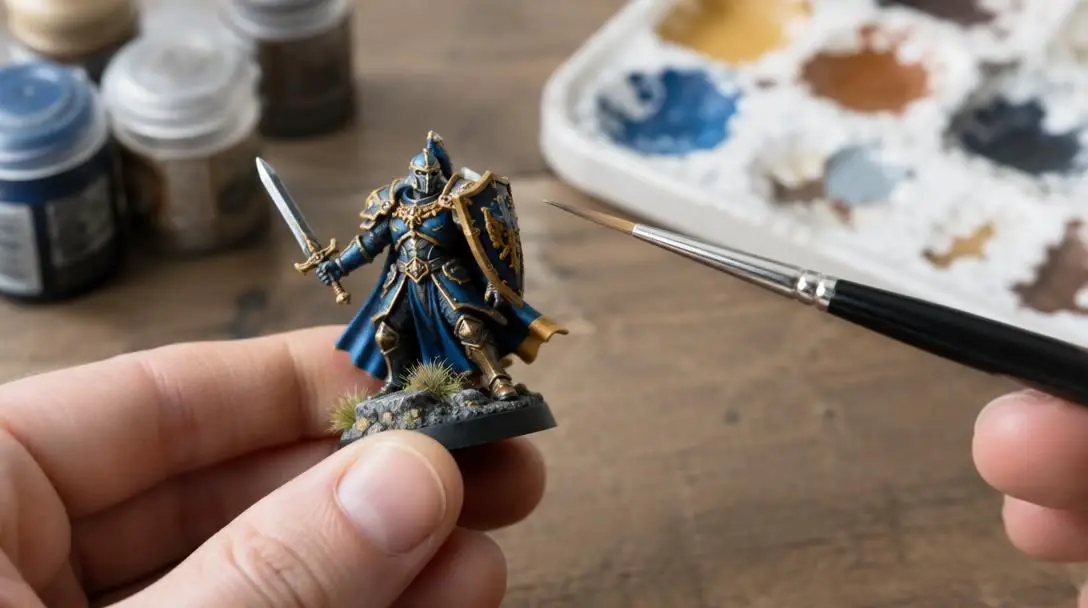
The utility of a palette knife extends beyond pigment preparation. If you accidentally apply an overly thick blob of paint or notice an unsightly brush ridge on a flat panel, the straight edge of the knife can gently scrape away excess paint before it dries, resetting the surface for a clean second pass.
Magnifying Glass
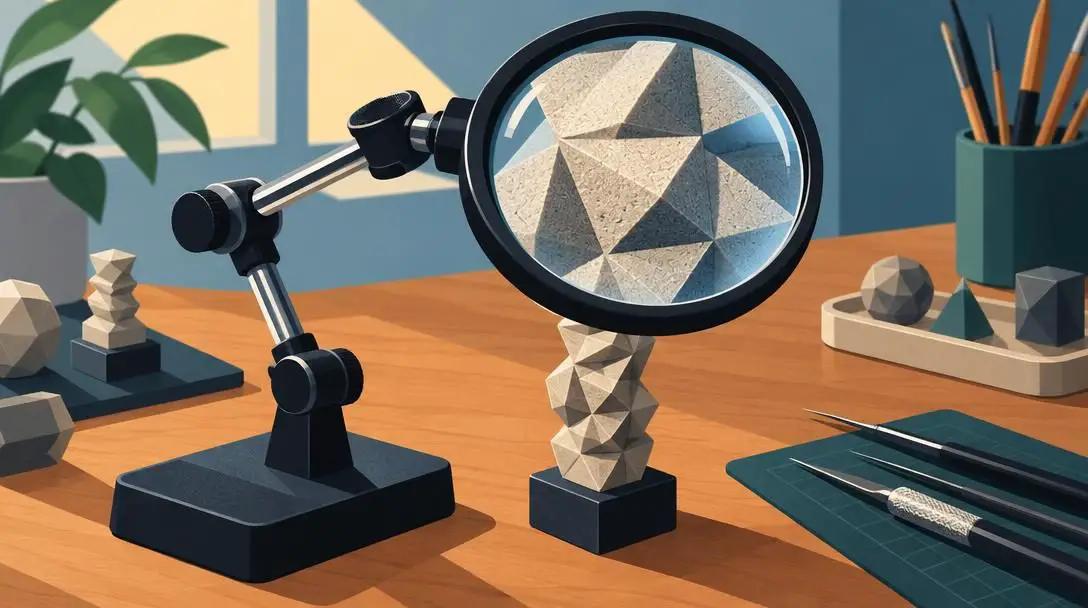
- Primary function: Enlarging small components for close visual scrutiny
- Key benefit: Eliminates guesswork when painting microscopic details
- Ideal usage: Detailing faces, stitching, heraldry, and mechanical joints
Miniature sculpts are packed with tiny features, such as eyes, teeth, belt buckles, and mechanical rivets, that push the limits of unaided human vision. A dependable magnifying glass brings these microscopic features into razor-sharp focus, helping you spot the precise boundaries of sculpted recesses and ridges. Straining to see fine details with the naked eye often leads to fatigue, shaky hand movements, and accidental slips where paint slops onto neighboring components.
Working under magnification ensures your brush tip lands exactly where you intend. By eliminating the visual guesswork, you can paint clean pupil dots, highlight delicate filigree, and correct stray marks with total confidence.
Tweezers
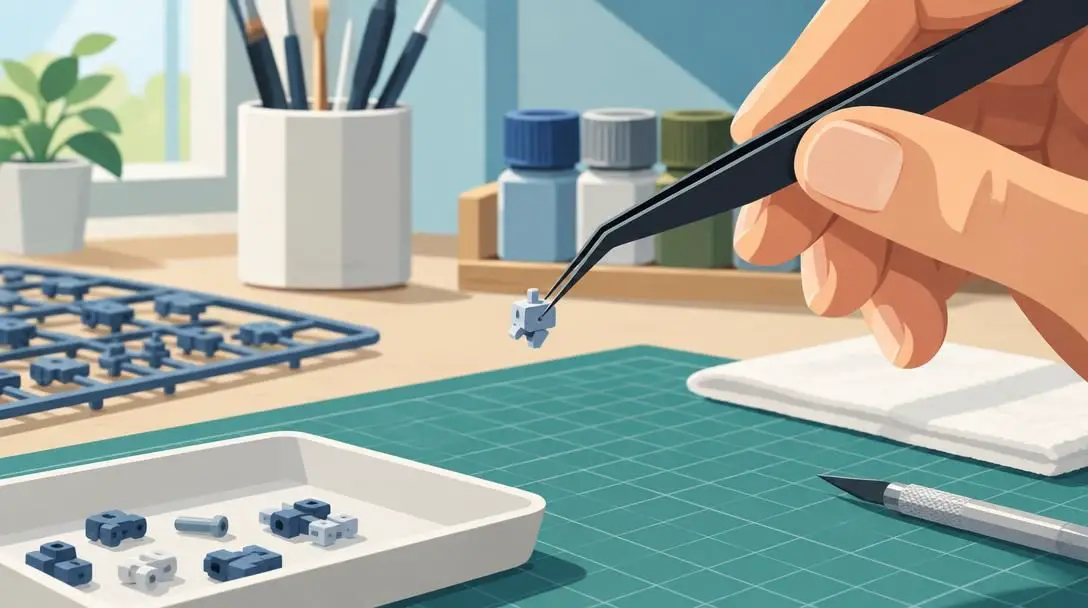
- Primary function: Precision assembly, part manipulation, and glue cleanup
- Key benefit: Prevents paint smudges and oily fingerprints on fresh models
- Best suited for: Handling tiny accessories and reaching tight crevices
Human fingers are simply too bulky to grip tiny bits of resin, plastic, and metal without causing accidental damage. Fine-tipped tweezers grant you mechanical precision during both model assembly and painting phases. When assembling complex kits, tweezers make it easy to position fragile accessories, antenna arrays, and weapons accurately into tiny mounting sockets without slipping.
During the painting stage, tweezers allow you to hold or turn loose components without leaving skin oils on primed plastic or smudging freshly applied paint. Furthermore, tweezers are indispensable for fishing stray dust particles out of wet washes and plucking away dried excess glue from tight spots before applying primer.
Masking Tape
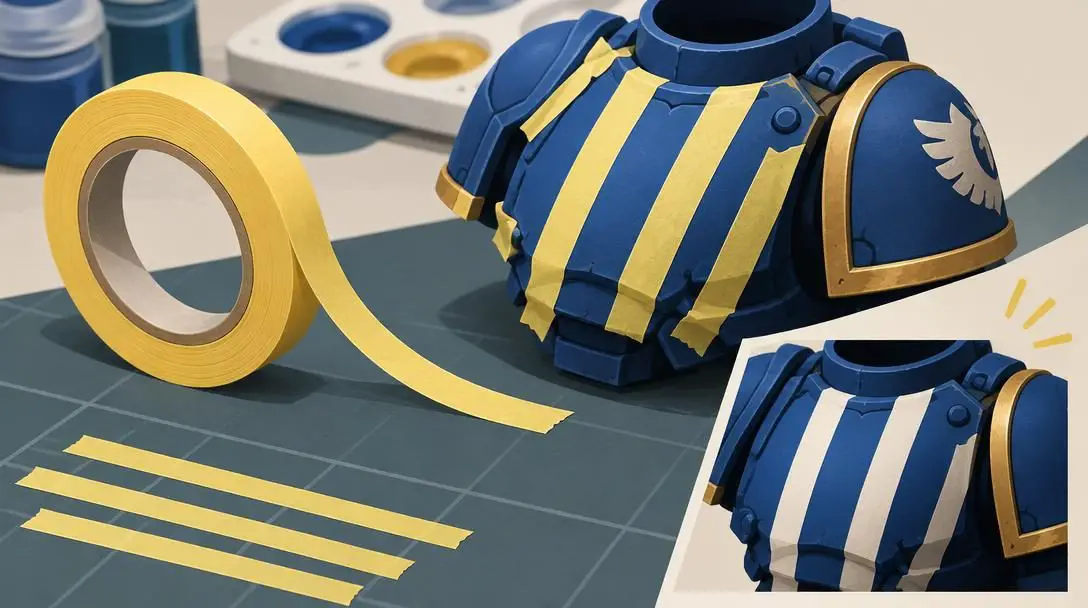
- Primary function: Masking off pre-painted zones for crisp color boundaries
- Best suited for: Heraldic chevrons, camouflage stripes, and vehicle markings
- Handling precaution: Remove promptly to prevent surface damage
Crisp lines and defined geometric patterns are hallmarks of high-level miniature painting, particularly across heraldic banners, shoulder pads, vehicle armor, and scenery panels. Masking tape provides a physical barrier that prevents paint from bleeding into adjacent areas, making it simple to execute hazard stripes, checkerboard motifs, and camouflage boundaries with clean edges.
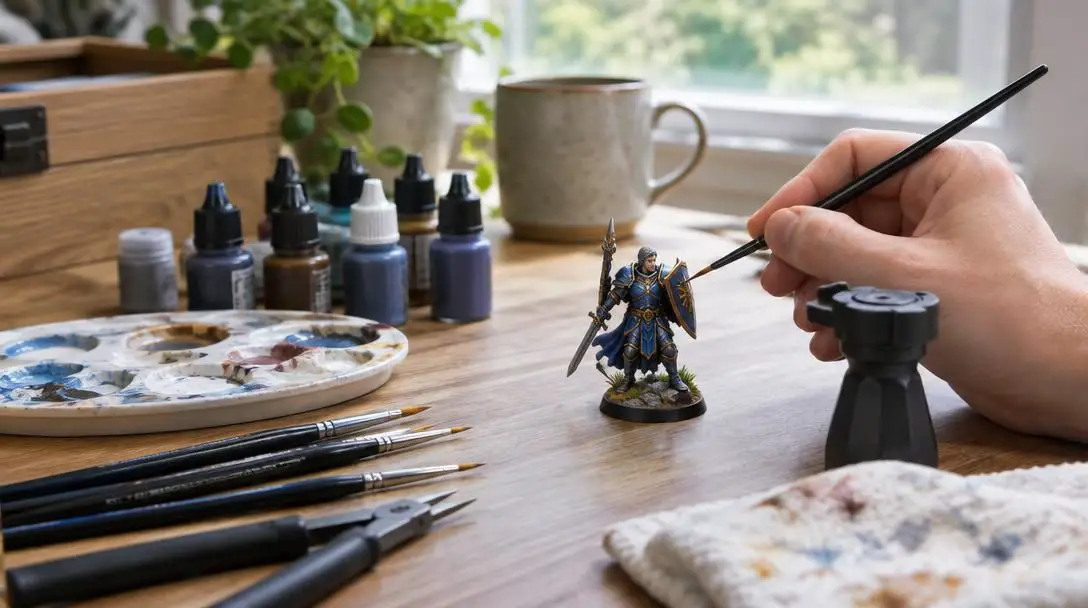
Equipping your workspace with purpose-built instruments allows you to manipulate fine components, lay down controlled layers of pigment, and correct issues cleanly.
How these tools work together across a painting session
Each of these five tools fulfills a distinct operational role, but their real value shines when they work together as a unified system. Miniature painting follows a sequential path: cleaning and building the model, preparing and thinning your colors, laying down base coats, applying crisp patterns, executing micro-details, and rectifying mistakes. When integrated into an orderly routine, these tools ensure that each phase sets up the next for success.
- Inspect and clear the assembly: Examine your model under the magnifying glass to identify surface flaws. Use tweezers to reach into tight recesses and pluck away excess glue strings or loose debris before painting begins.
- Blend your pigments thoroughly: Dispense paint onto your palette and use the flat edge of your palette knife to mix colors, thin glazes, and stir washes to an even consistency without damaging brush hair.
- Lay down broad base coats: Pick up a larger brush with soft bristles to paint large areas like armor panels, robes, or terrain features with smooth, non-streaky coverage.
- Apply tape for geometric patterns: Once the base layer is completely dry, press small strips of masking tape over the model to define stripes, chevrons, or panels. Gently burnish the edges to prevent paint from seeping underneath.
- Peel the tape promptly: After painting the exposed pattern, carefully lift the masking tape away before the adhesive can bond excessively to the paint below.
- Paint micro-details under magnification: Switch to a fine-detail brush, position your magnifying glass, and paint tiny components like eyes, gems, belt buckles, and crisp edge highlights with high precision.
- Correct stray marks with the palette knife: If paint accidentally blobs on an exposed flat surface, use the clean edge of your palette knife to scrape away the excess pigment before it cures.
Common mistakes to avoid at your workstation
Even when working with the correct equipment, improper habits can damage tools or ruin delicate models. Avoiding these widespread errors will save you time, effort, and replacement costs:
- Mixing thick paint with detail brushes: Using a fine-tipped brush as a mixing paddle forces paint inside the metal ferrule, causing the hair to splay outward permanently. Always use a palette knife to blend paint and additives.
- Squinting without magnification: Trying to paint micro-details relying solely on the naked eye leads to heavy eye strain and erratic brush control. Position a magnifying glass over your piece to ensure you hit exact sculpted targets.
- Leaving masking tape on the model too long: Allowing tape to sit on your figure for days can cause the adhesive to bond aggressively with the underlying paint, tearing off layers when peeled. Remove tape as soon as your painted line is stable.
- Handling miniatures directly with bare fingers: Gripping small pieces with your fingertips transfers natural skin oils that resist paint, risks rubbing off wet layers, and can snap fragile bits. Manipulate delicate pieces with precision tweezers instead.
- Relying on a single brush for all tasks: Using one brush size for an entire figure leads to streaky broad coats or bloated fine details. Keep soft, broad brushes for large panels and fine detail brushes for small features.
Next steps for advancing your craft
Once you are comfortable operating your brushes, palette knife, magnifying glass, tweezers, and masking tape, you can expand your painting setup with complementary environmental improvements. Proper workstation lighting works hand in hand with magnification; pairing your magnifying glass with an adjustable, neutral-temperature task light will eliminate harsh shadows and show accurate surface tones.
Developing a consistent tool maintenance routine is another important step. Washing your brushes gently with brush soap, cleaning your palette knife immediately after mixing, and keeping tweezers free of dried cyanoacrylate glue will keep your equipment functioning at peak performance for years. With regular practice and patience, these essential tools will help any dedicated painter create breathtaking figures with confidence.
Frequently asked questions
Why shouldn't I mix paint using my paintbrushes?
Mixing thick paints, glazes, or washes with a paintbrush forces wet pigment deep into the ferrule—the metal collar holding the bristles together. As paint dries inside the ferrule, it pushes the hairs outward, causing the brush to lose its fine point permanently. A palette knife blends pigments smoothly without causing bristle damage.
How does a magnifying glass improve miniature painting?
A magnifying glass enlarges minuscule sculpted details, such as facial features, buckles, and fabric stitching, bringing them into sharp visual focus. This eliminates the guesswork of brush placement, reducing hand strain and preventing paint from spilling into adjacent recesses.
When should I use tweezers instead of my fingers?
Tweezers should be used when handling tiny components during assembly, moving freshly painted parts without smearing wet pigment, and clearing excess glue or debris out of hard-to-reach recesses that bare fingers cannot reach.
How long can I leave masking tape on a miniature?
Masking tape should be removed promptly once your painted pattern has settled. Leaving tape on a model for extended periods can cause the adhesive to bond permanently to the underlying paint layers, leading to surface tearing or stubborn residue when peeled away.
What types of brushes should I have on hand?
You should keep sized brushes with soft bristles to cover broad areas smoothly without leaving brush gouges, alongside smaller brushes designed for fine details like eyes and edge highlights. Having multiples of each size allows for a continuous workflow without frequent washing stops.
The bottom line
Miniature painting is an immensely rewarding hobby where attention to detail pays handsome dividends. Rather than struggling with makeshift implements that cause uneven coverage and accidental smudges, outfitting your bench with the right five tools—paintbrushes, a palette knife, a magnifying glass, tweezers, and masking tape—gives you complete control over every stage of the process. With dedicated practice, proper tool care, and a structured workflow, you will turn miniature sculpts into beautifully finished works of art.