
The Wonderful World of LEGO: Building Fun for All Ages
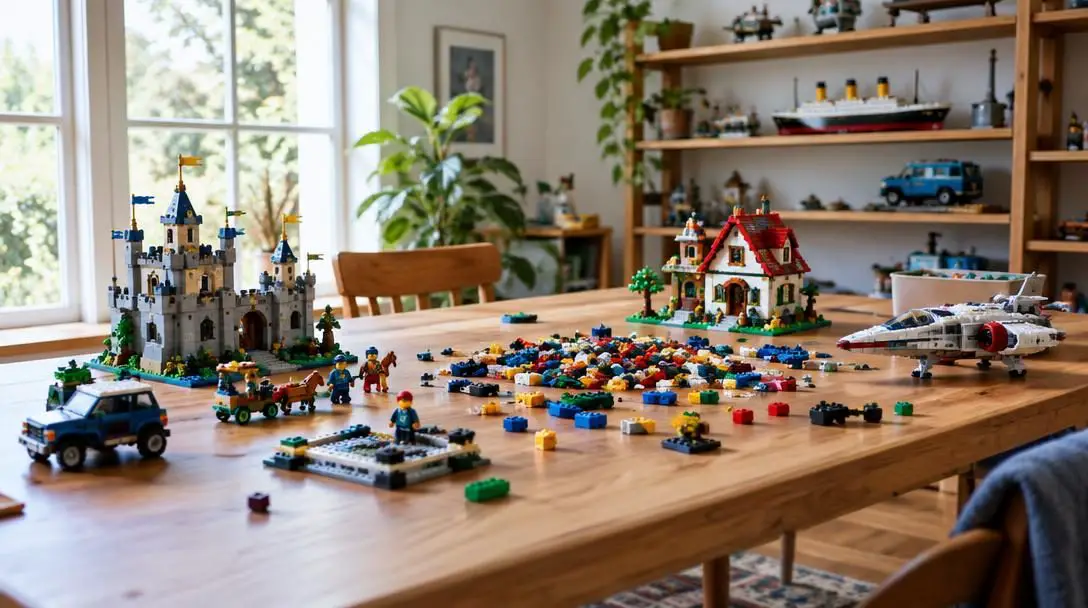
Few play systems in modern history have matched the enduring cultural resonance of LEGO. What began as a modest collection of interlocking plastic blocks has expanded into an internationally recognized creative staple found in classrooms, family living rooms, and design studios across the world. The fundamental appeal of the medium rests in its open-ended versatility: the very same clutch-power mechanism that allows a toddler to stack two oversized blocks also enables an adult to engineer an architecturally accurate skyscraper or a cinematic starship.
Beyond simple entertainment, building with physical bricks bridges generational divides, stimulates cognitive growth, and fosters deep emotional well-being. Whether an individual is methodically following a complex instruction manual or sorting loose elements to design an original creation from scratch, the hobby provides a rare tactile respite in an increasingly screen-dominated world. Understanding how the building system functions across developmental stages, alongside its supportive global community, reveals why this humble toy continues to inspire imaginative minds of every generation.
Key takeaways
- Building with interlocking bricks nurtures spatial reasoning, fine motor precision, and critical problem-solving skills across all age brackets.
- The progressive product catalog scales seamlessly from toddler-friendly DUPLO bricks to hyper-detailed architectural and cinematic sets for adults.
- A thriving international community supports builders through fan conventions, local user groups, and the crowdsourced LEGO Ideas program.
- Structured assembly habits, such as sorting parts into trays and building under neutral lighting, minimize errors and protect elements from wear.
- Transitioning from instruction-led sets to custom builds unlocks limitless avenues for personal creative expression and community collaboration.
The Developmental and Emotional Power of the Brick
Engaging with construction sets delivers profound benefits that extend far beyond ordinary leisure. Research and observational studies consistently demonstrate that hands-on building supports foundational spatial reasoning skills in developing minds. When children manipulate physical elements, they learn to translate two-dimensional instructional diagrams into three-dimensional realities. This translation requires continuous mental rotation, geometric estimation, and structural planning, establishing early cognitive frameworks that benefit mathematical comprehension and engineering instincts.
Equally critical is the refinement of fine motor skills and tactile dexterity. Aligning tiny studs, snapping plates together, and delicately securing miniature accessories train the small muscles in children's fingers and hands. For adults, this repetitive physical engagement provides an entirely different, yet equally valuable, therapeutic benefit: sensory grounding. The rhythmic, deliberate placement of interlocking pieces produces a meditative cadence that relieves cognitive overload and mitigates daily stress.
Focusing on the deliberate placement of one component after another offers a calming, mindful break from daily pressures.
The system also serves as a vibrant catalyst for social development and communication. When young builders assemble a kit collaboratively, they are compelled to share elements, assign assembly roles, negotiate design modifications, and practice patience. Adult builders replicate this collaborative dynamic through organized clubs and public showcases, turning a solitary desk activity into a lifelong foundation for community engagement. Across all demographics, finishing an intricate model instills a tangible sense of accomplishment, bolstering personal confidence and self-efficacy.
A Guide to LEGO Lines Across Every Age Group
The long-standing dominance of the brand is largely due to its intentional, progressive catalog design. Rather than expecting builders of varying skill levels to navigate a single uniform format, the product catalog is categorized into tailored themes that match physiological capabilities and thematic interests.
| Theme | Primary Audience | Core Focus | Key Characteristics |
|---|---|---|---|
| LEGO DUPLO | Toddlers and preschoolers | Early development and motor skills | Oversized bricks, vibrant colors, gentle geometry |
| LEGO City | Elementary school children | Urban life and emergency services | Modular vehicles, realistic civic buildings, minifigures |
| LEGO Friends | Elementary school children | Narrative-driven social roleplay | Character-centered stories, bright palettes, detailed town sets |
| LEGO Ninjago | Elementary and middle school | Fantasy martial arts adventure | Dynamic mechs, dragons, dynamic combat play features |
| LEGO Creator | Older children and hobbyists | Versatile structural engineering | Multi-build designs, varied techniques, piece efficiency |
| LEGO Architecture | Adult collectors and design fans | Historical and modern landmarks | Monochrome bases, skyline panoramas, booklet history |
| LEGO Modular Buildings | Experienced adult builders | Advanced urban architectural design | Multi-story interiors, intricate facades, interconnected sidewalks |
| LEGO Star Wars | Teens and adult franchise fans | Sci-fi cinema vehicle and scene replicas | Scale accuracy, complex interior armatures, display plaques |
LEGO DUPLO

- Target demographic: Toddlers and early learners
- Brick scale: Twice the length, height, and width of standard bricks
- Primary learning goal: Motor coordination and early shape recognition
Engineered expressly for little hands, DUPLO elements remove the physical frustration that toddlers experience when attempting to manipulate miniature parts. The bricks feature generous dimensions and gentle contours, making them virtually impossible to swallow while facilitating effortless stacking. By experimenting with these larger elements, very young creators cultivate initial hand-eye coordination, discover primary color relationships, and practice early spatial sequencing without requiring complex instructions.
LEGO City

- Target demographic: Elementary school children
- Subject matter: Realistic municipal vehicles, services, and infrastructure
- Core appeal: Open-ended civic simulation and storytelling
LEGO City translates familiar, real-world environments into interactive play environments. By constructing emergency stations, transport aircraft, construction zones, and harbor terminals, young builders explore how civil systems interconnect. The sets emphasize actionable play features—such as functional garage doors, tow hooks, and wheeled transport—encouraging children to invent dynamic urban narratives and continually reorganize their expanding metropolitan grids.
LEGO Friends

- Target demographic: Elementary school children
- Subject matter: Character-centric community settings and friendship stories
- Design hallmark: Distinct character mini-dolls and expressive color schemes
Focusing on interpersonal narratives and diverse lifestyle settings, LEGO Friends expands creative play into elaborate social environments. The theme incorporates detailed community centers, wildlife rescue facilities, cafes, and residential houses populated by a consistent cast of relatable characters. It places strong emphasis on interior decorating, emotional storytelling, and collaborative problem-solving within an energetic, richly appointed neighborhood context.
LEGO Ninjago

- Target demographic: School-age adventure enthusiasts
- Subject matter: Martial arts, mythical creatures, and mechanized combat
- Key elements: Articulated dragons, temples, and mobile combat vehicles
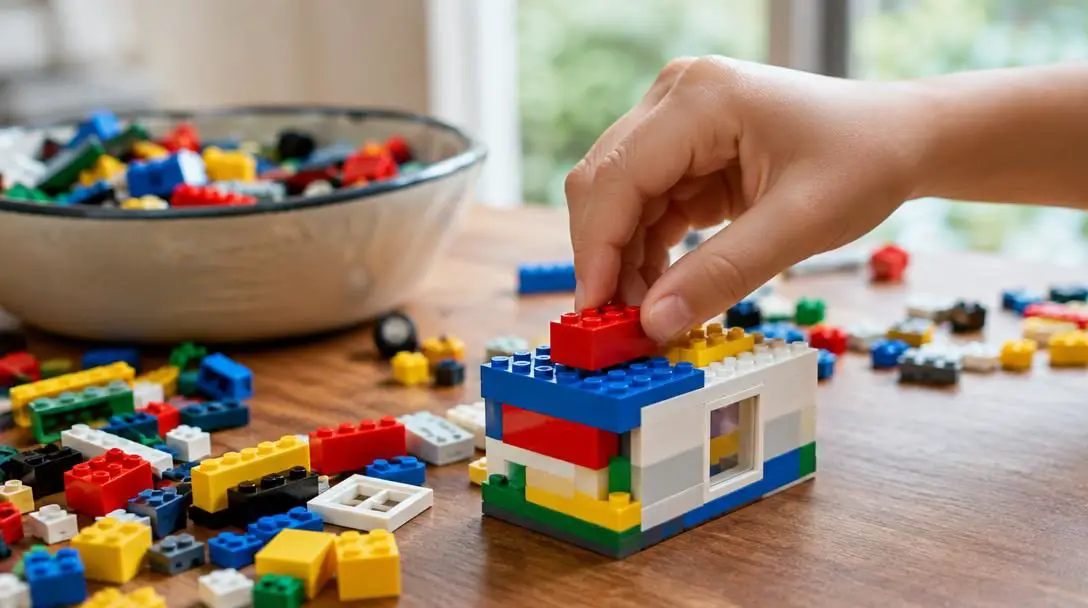
Blending classical folklore with futuristic technology, LEGO Ninjago introduces high-energy action into the building experience. Sets within this line frequently incorporate intricate mechanical linkages, rotating play functions, and articulated ball joints that permit poseable action figures and mechanical walkers. It appeals strongly to builders who enjoy immersive lore, dramatic battles, and visually striking fantasy architecture.
LEGO Creator

- Target demographic: Experienced youth and older builders
- Core philosophy: Multi-model versatility and fundamental rebuilding
- Signature feature: Alternative instructions for multiple distinct builds
LEGO Creator champions the foundational ethos of the interlocking system by demonstrating that a single parcel of parts can yield multiple radically different creations. Many sets in this series provide step-by-step instructions to construct three separate models—such as a vehicle, a creature, and a building—using the identical inventory of bricks. This teaches builders to look past dedicated shapes and recognize the universal utility of individual components.
LEGO Architecture

- Target demographic: Adult builders and design connoisseurs
- Subject matter: Global monuments, iconic skylines, and structural history
- Display format: Sleek black borders with printed nameplates
Designed to integrate effortlessly into sophisticated home or office decors, the LEGO Architecture series celebrates world-renowned landmarks. Rather than focusing on interior play access, these models emphasize exterior proportional fidelity, minimalist beauty, and ingenious micro-scale building techniques. Each instruction manual doubles as an educational monograph, detailing the architectural history and engineering challenges behind the real-world structure.
LEGO Modular Buildings

- Target demographic: Advanced hobbyists and urban collectors
- Scale: Fully enclosed, multi-level minifigure-scale architecture
- Defining mechanic: Removable floor levels and linking sidewalk pins
The Modular Buildings series represents a high watermark for structural complexity and interior detail. Each annual release consists of a multi-story building featuring fully furnished rooms, hidden narrative Easter eggs, and innovative uses of unconventional parts to create ornate masonry facades. Because the baseplates incorporate standardized connection pins, hobbyists can assemble entire contiguous city blocks that stretch across full display tables.
LEGO Star Wars
- Target demographic: Science fiction fans, collectors, and adult builders
- Subject matter: Cinematic starfighters, walkers, and movie scenes
- Range: Compact playsets up to massive Ultimate Collector Series kits
One of the most enduring collaborations in the toy industry, LEGO Star Wars appeals to multiple generations of science fiction enthusiasts. The line spans accessible starfighters intended for dynamic floor battles to massive display centerpieces comprising thousands of intricate pieces. Advanced sets in this line utilize complex internal Technic liftarm frames to support immense structural weight, offering adult builders an authentic aerospace engineering challenge.
Inside the Global Community and Fan Culture
Behind the packaged sets sold in retail stores thrives a passionate, highly organized international community of adult fans and amateur builders. This subculture elevates building from a solitary childhood amusement into a sophisticated creative medium driven by collaboration and knowledge sharing.
Throughout the calendar year, major metropolitan centers host large-scale fan conventions that attract tens of thousands of visitors. At these multi-day gatherings, master builders display massive cooperative layouts—often measuring hundreds of square feet—depicting functional railway networks, sprawling fantasy kingdoms, and meticulously researched historical dioramas. Conventions also provide a forum for specialized technical workshops, parts bazaars, and keynote lectures where builders dissect new geometric techniques.
On a more personal, localized level, enthusiasts maintain connections through LEGO User Groups (LUGs). These regional clubs gather monthly in community centers, libraries, and private workshops. Members use these meetings to organize collaborative community displays, exchange rare elements, test experimental structural configurations, and socialize with fellow builders who share their passion for geometric design.
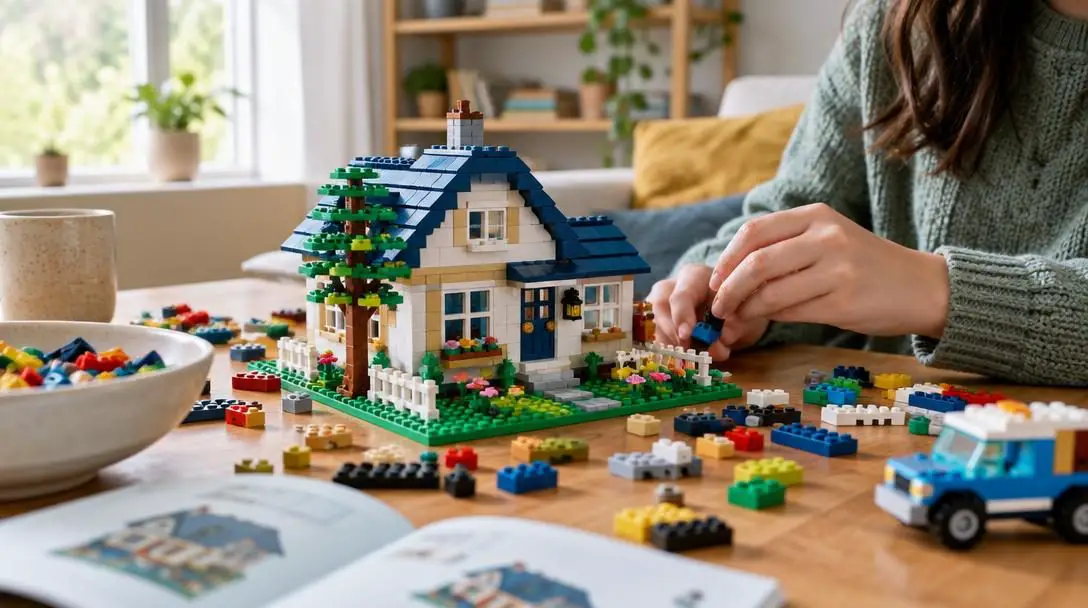
The bridge connecting this grassroots fan community with corporate product development is the innovative LEGO Ideas platform. Through this online crowdsourcing portal, fans can upload digital renders or photographs of original, self-designed models. If a user concept secures 10,000 supportive votes from the global community within a designated timeframe, it advances to an official review board composed of professional designers and marketing specialists. Projects that pass review are adapted into official mass-market retail sets, with the original fan designer receiving royalties and official credit on the packaging.
Step-by-Step Best Practices for Building
Approaching a sizable construction kit with thoughtful preparation transforms assembly from a chaotic scramble into an orderly, immensely satisfying ritual. Following a structured procedure preserves your focus, avoids missing pieces, and prevents geometric warping.
- Select an optimal work environment: Set up your workspace on a broad, level, well-lit surface, such as an unadorned dining table or dedicated craft desk. Ensure the area has minimal ambient foot traffic to prevent accidental bumps, and keep the perimeter clear so dropped pieces cannot easily roll out of reach.
- Sort components systematically: Open only the numbered plastic bag corresponding to the immediate stage indicated in the instruction manual. Rather than dumping all elements into a chaotic central mound, distribute the pieces into shallow bowls or segmented crafting organizers by color, shape, or element size.
- Examine the visual guide carefully: Inspect each instructional step closely, paying rigorous attention to the small bill-of-materials box at the top of the page. Verify the precise lengths of structural beams, count the studs on long plates, and confirm subtle color variations before snapping elements into position.
- Seat every connection firmly: Apply uniform downward pressure with your fingertips on every newly placed element. Ensuring that each brick is seated completely flush against the lower layer prevents cumulative vertical skewing, which can otherwise misalign complex sub-assemblies later in the build.
- Catalog spare and specialty elements: Official kits routinely include duplicate small parts subject to loss, such as extra clips, studs, and decorative tiles. Deposit these surplus elements immediately into a labeled storage box to avoid confusing them with active components needed in later bags.
Common Building Mistakes and How to Avoid Them
Even veteran builders encounter hurdles when tackling dense, multi-thousand-piece assemblies. Keeping these frequent pitfalls in mind safeguards your materials and prevents unnecessary teardowns.
- Confusing subtly different plastic colors: Contemporary color palettes incorporate several closely related shades of grey, tan, brown, and dark blue. Assembling sets under warm or dim household illumination makes it easy to mistake dark bluish-grey for black, leaving you short of crucial parts in later phases. Always assemble models under bright, neutral-temperature lighting.
- Misaligning symmetrical sub-assemblies: Advanced models frequently require builders to construct mirror-image left and right sub-assemblies that clip into the central chassis. Inserting these units backwards or upside down places undue strain on connector pins and blocks subsequent exterior paneling.
- Using teeth or metal cutlery to pry apart bricks: When two thin plates lock tightly together, it can be tempting to separate them with fingernails, pocket knives, or teeth. This permanently mars, gouges, or cracks the soft ABS plastic. Always use an official plastic brick separator tool, which leverages simple mechanical leverage to decouple stubborn pieces harmlessly.
- Displaying finished models in direct sunlight: Ultraviolet radiation damages the chemical composition of molded ABS plastic over time. Prolonged sun exposure through windows causes vibrant colors to yellow or fade and induces plastic brittleness. Position completed display pieces on interior walls away from direct solar exposure.
- Lifting completed models by decorative extremities: Large structural models are remarkably dense and heavy. Attempting to lift or reposition a build by grabbing a tower roof, wing tip, or aesthetic fin will shear the connection points, dropping the heavy underlying chassis to the floor. Always scoop the model from beneath its structural baseplate.
Expanding Your Hobby Beyond the Box
Finishing the official build outlined in the instruction manual is often merely the first chapter of a builder's journey. Once you master the foundational principles of structural balance and piece geometry, the hobby naturally invites you to branch out into independent experimentation.
The primary avenue for creative growth is designing My Own Creations (MOCs). Transitioning to MOC design involves viewing your collection not as static display pieces, but as a dynamic reservoir of raw geometric components. You can harvest architectural plates, hinge mechanisms, and decorative tiles from older sets, catalog them in modular hardware drawers, and repurpose them into entirely original architectural monuments, kinetic sculptures, or sci-fi vehicles. Many builders begin by sketching concepts on graph paper before testing structural prototypes through physical trial and error.
Once you develop an original design that you are proud of, consider sharing it across the digital sphere. Documenting your build with crisp photography, sharing breakdown videos of unique building tricks, or uploading digital CAD files allows you to participate in global design conversations. By joining a regional LUG or submitting an original build to the LEGO Ideas competition, your private living-room hobby becomes an active contribution to a worldwide culture of makers.
Frequently asked questions
Are standard LEGO bricks compatible with toddler-sized DUPLO sets?
Yes, the systems are intentionally engineered to connect with each other. Standard bricks can be snapped securely onto the larger studs of DUPLO elements, allowing children to seamlessly integrate their early childhood collection into more complex, standard-scale builds as they grow older.
How can I safely clean dust and dirt off completed models?
The safest way to remove dust from delicate display models is using a soft, dry makeup brush or high-quality paint brush alongside a can of low-pressure compressed air. For heavily soiled loose bricks, hand-wash them in lukewarm water using mild dish soap, rinse thoroughly, and let them air dry completely away from direct heat.
What is an official brick separator, and how do I use it?
An official brick separator is an ergonomic plastic hand tool included in most medium and large sets. It features upper studs, lower tubes, and a wedge-shaped tail. By snapping the separator onto a stubborn piece and pressing up or down, it utilizes lever action to easily release tightly bound plates without damaging the plastic.
What is the best way to organize loose bricks for creative building?
Experienced builders generally recommend sorting elements by piece type and geometry rather than by color. Hunting for a specific small black tile in a container filled with thousands of varied black parts is notoriously difficult, whereas finding a black tile within a tray filled exclusively with flat tiles is fast and straightforward.
How does a fan design become an official mass-produced set?
Through the official LEGO Ideas program, creators upload photos and descriptions of their original builds. If the project gathers 10,000 community votes within the allocated window, it enters a formal review phase where commercial designers, safety engineers, and licensing experts assess its feasibility for international retail production.
The bottom line
The enduring magic of the interlocking brick lies in its absolute universality. It serves simultaneously as an intuitive developmental tool for toddlers, an exciting theatrical playground for imaginative youths, and an intricate artistic medium for adult hobbyists. By cultivating patience, honing spatial reasoning, and encouraging community dialogue, building with physical bricks remains one of the most rewarding creative outlets available today. Whether your goal is assembling a compact vehicle on a rainy afternoon or designing an ambitious architectural diorama, the simple act of connecting brick to brick unlocks limitless potential.