To Manicure Or Not To Manicure? The Joy Of Healthy Looking Nails And Hands For Men
For generations, standard men's grooming routines stopped at the neck, focusing almost exclusively on tidy haircuts, clean shaves, and basic daily washing while leaving hands and fingernails entirely overlooked. Yet our hands are constantly exposed and hard at work, serving as our primary point of physical contact whether we are shaking hands in a boardroom, gripping tools on a job site, typing on a keyboard, or managing daily errands. When hands are unkempt, cracked, or ragged, they convey neglect; conversely, well-groomed hands signal discipline, self-care, and attention to detail.
Far from being an unnecessary luxury or an indulgence reserved only for women, a regular manicure has become a foundational component of modern male grooming. Because our hands interact with harsh environmental elements, dirt, unsanitary surfaces, and the drying effects of frequent handwashing, they endure tremendous wear and tear. Incorporating deliberate hand maintenance into your routine protects structural nail health, shields delicate skin from premature aging, and maintains a clean, professional appearance in every personal and professional setting.
Key takeaways
- The skin on the hands has fewer oil glands than other body areas, making regular hydration critical to prevent cracking and premature aging.
- Fingernails should always be trimmed with curved fingernail clippers and filed in a single direction to protect keratin layers from splitting.
- Cuticles form an indispensable protective seal over the nail matrix and should only ever be softened and gently pushed back, never cut or sliced away.
- A practical at-home manicure routine requires only a few dedicated tools and takes mere minutes to complete every one to two weeks.
- Adapting hand care to environmental stressors—such as cold winter air, manual labor, or summer sun exposure—maintains resilient skin year-round.
The Anatomy of Hand Protection: Keratin, Cuticles, and Skin
To understand why manicures are necessary, it helps to examine how the hands are built and why daily life takes such a heavy toll on them. Unlike the skin on your face, chest, or back, the skin on your hands naturally lacks a high density of oil glands. Because these sebaceous glands produce the natural sebum that traps moisture inside the skin barrier, the hands are naturally prone to rapid dehydration. Every time you wash your hands with harsh soaps, step out into biting winter winds, or expose your skin to direct sunlight, you strip away the fragile lipid layer, paving the way for roughness, painful fissures, and premature aging.
Fingernails are composed of tightly packed layers of a fibrous protein called keratin. As nails grow outward, they are subjected to constant friction, impacts, and moisture fluctuations. Without consistent maintenance, nail edges become jagged, thin, and brittle, making them susceptible to snagging on clothing, tearing below the quick, or peeling away in painful layers. Systematic clipping and filing smooth away uneven perimeter fibers, preserving the structural integrity of the nail plate and ensuring it remains durable under daily pressure.
Equally critical is the cuticle, the thin band of dead skin that rests along the bottom edge of your nail. The primary biological purpose of the cuticle is to create an impermeable barrier between the external world and the nail matrix—the living pocket of tissue beneath the skin where new nail cells are generated. When cuticles dry out, they crack, fray into hangnails, or separate entirely from the nail plate. This separation creates a micro-fissure where dirt and germs can enter, potentially leading to redness, swelling, and localized infections. Nourishing this border keeps the seal pliable, functional, and intact.
A regular manicure is not an aesthetic indulgence, but a vital defense against premature aging, environmental damage, and painful nail fractures.
Essential Tools for an At-Home Grooming Kit
Achieving polished, healthy hands begins with selecting the proper implements. Attempting to groom your nails with dull, rusty, or improper tools will bend the nail plate, tear the skin, and lead to uneven, messy results. Investing in a dedicated personal set ensures both hygiene and precision.
| Tool | Primary Function | Key Benefit |
|---|---|---|
| Fingernail Clippers | Trimming nail length | Curved jaw mirrors natural fingertip contour |
| Nail File (Emery Board) | Smoothing and shaping edges | Seals keratin layers without splintering |
| Cuticle Pusher | Guiding softened cuticles back | Prevents scratching or gouging the nail plate |
| Cuticle Oil | Deep hydration for nail borders | Protects the nail matrix seal from drying and cracking |
| Hand Moisturizer | Locking moisture into dry skin | Restores the moisture barrier against daily wear |
Dedicated Fingernail Clippers
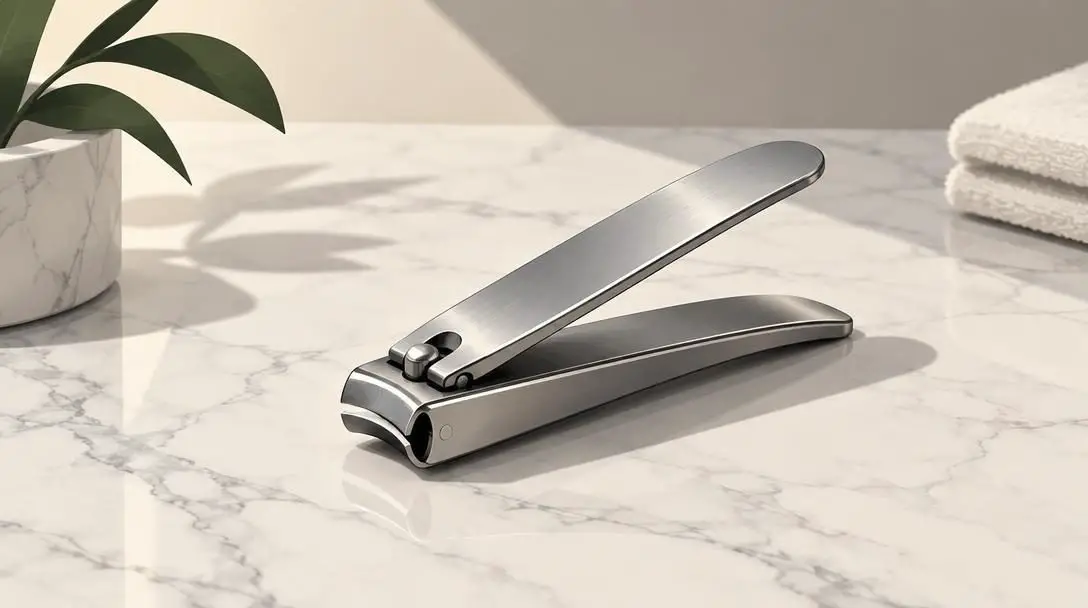
Precision trimming requires clippers built specifically for fingernails rather than toenails. Fingernail clippers feature a curved cutting blade tailored to match the gentle arc of the fingertip, allowing for controlled, incremental cuts. Using clippers that are too large or completely flat can compress the nail plate unevenly, causing internal stress fractures across the keratin layers.
Emery Board or Metal File
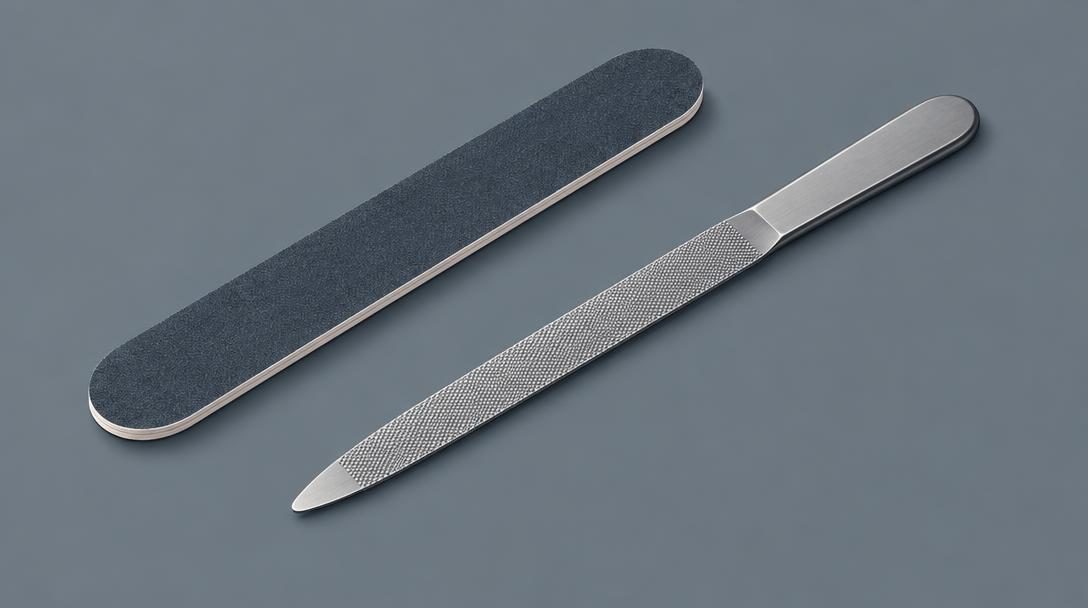
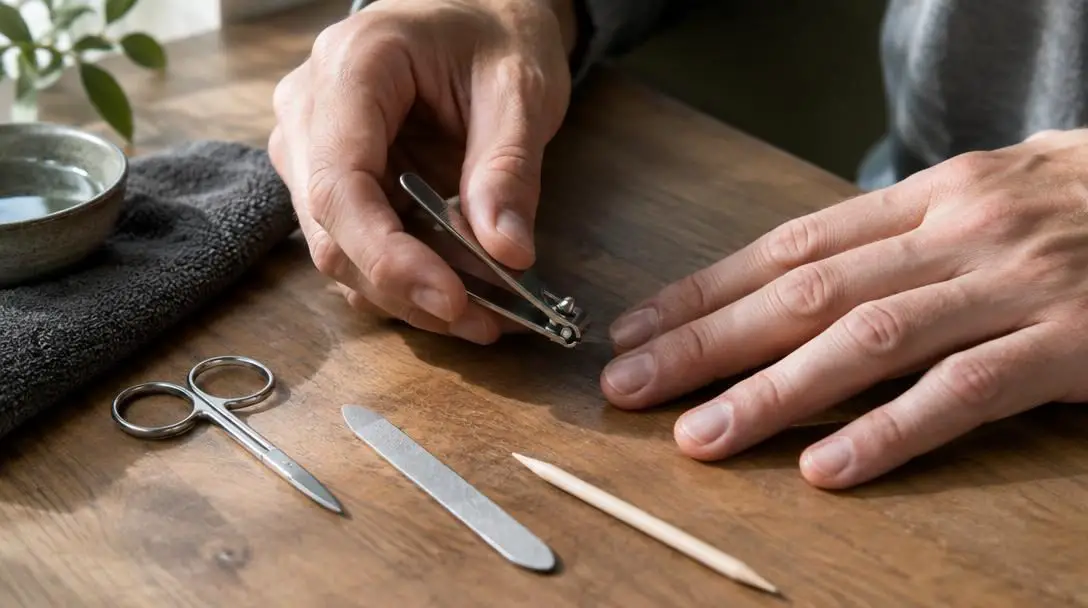
A shaping file eliminates the rough, sharp edges left behind after clipping. An emery board or fine-grit metal file works by gradually refining the shape of the nail tip, smoothing down burrs that would otherwise catch on pockets, work gloves, or fabric. Controlled filing seals the outer edge of the nail, preventing moisture from seeping between the keratin layers and causing peeling.
Cuticle Pusher
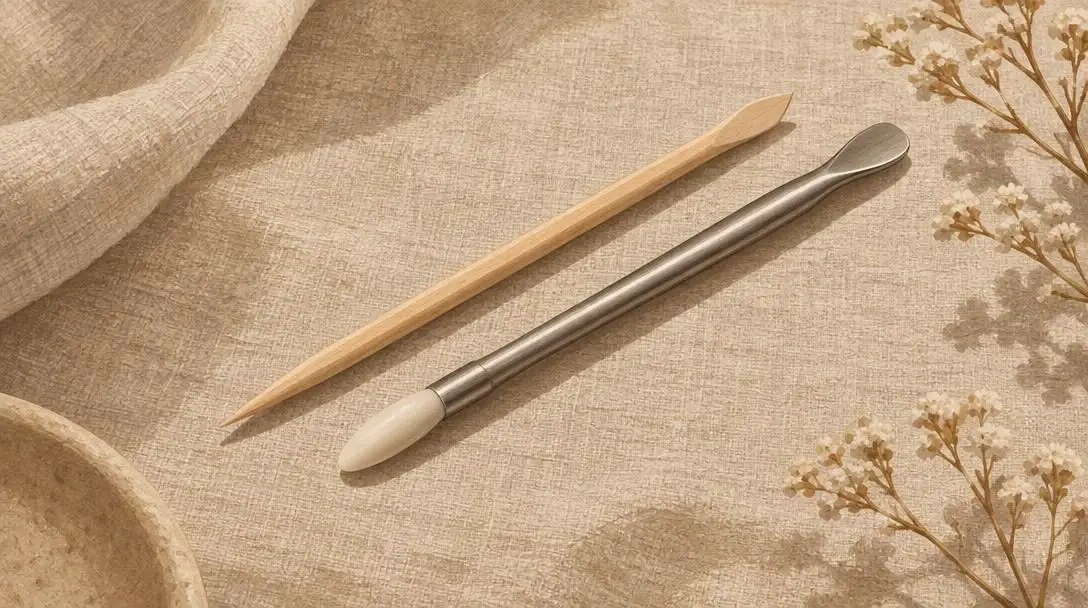
A blunt, non-cutting cuticle pusher—crafted from wood, such as orange wood, or equipped with a gentle rubber tip—is designed to reposition overgrown cuticle skin. It glides across the surface of the nail bed, nudging the softened tissue backward toward the proximal nail fold without scratching, denting, or scraping the delicate new keratin emerging from the matrix.
Nourishing Cuticle Oil

Formulated with lightweight, nutrient-dense oils, cuticle oil penetrates deep into the periungual skin surrounding the nail frame. Unlike thick surface balms, these specialized oils deliver rapid, targeted moisture directly to the cuticle line, keeping the skin supple, elastic, and resistant to painful splitting, hangnails, and tearing.
Targeted Hand Moisturizer
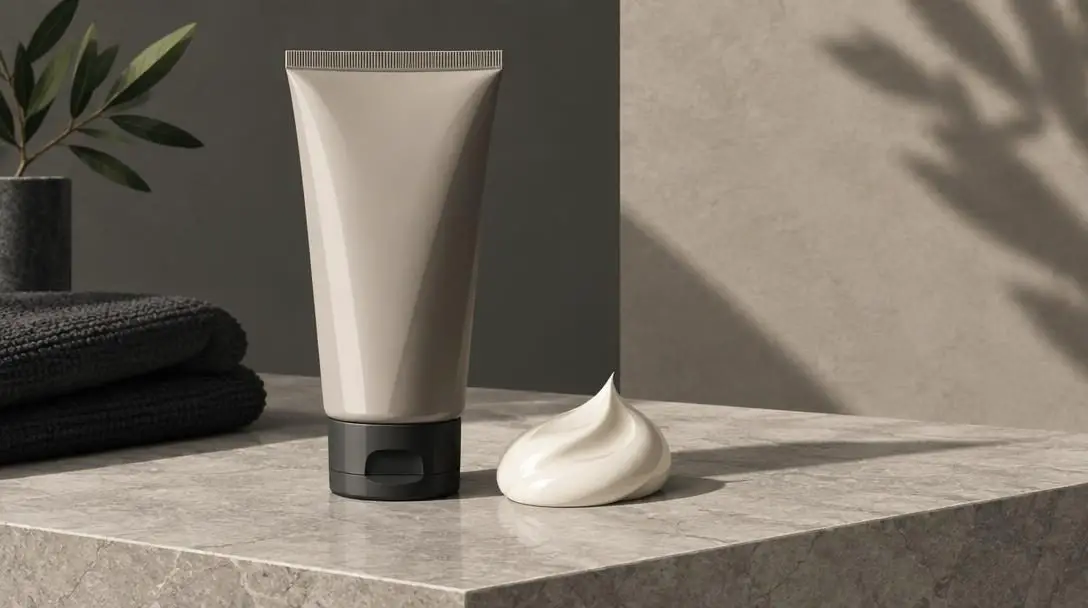
A high-performance hand lotion or restorative cream seals the entire hand against environmental dryness. Many moisturizers designed specifically for men absorb rapidly without leaving an oily or greasy film on the palms, making them ideal for individuals who work with tools, touchscreens, or paperwork. These formulas often contain soothing agents that relieve irritation caused by frequent handwashing, manual labor, or cold weather.
Step-by-Step Guide to the At-Home Manicure
Completing a comprehensive manicure at home requires neither specialized training nor excessive time. By following a logical, step-by-step sequence, you can maintain clean, strong, and respectable hands in roughly fifteen minutes.
- Cleanse the hands thoroughly: Wash your hands with lukewarm water and a gentle, moisturizing soap. Scrub beneath the nail tips and around the nail folds to eliminate accumulated grime, grease, and bacteria before beginning any trimming.
- Trim the fingernails: Using your dedicated fingernail clippers, shorten each nail to your preferred length. Work across each nail in several small, controlled cuts rather than attempting to slice the entire tip off in one clip. Follow the natural arc of your finger, taking care never to trim so close to the nail bed that you pinch or expose the sensitive skin underneath.
- Shape and smooth with a file: Place your file against the trimmed edge at a slight angle. File in one steady, fluid direction—from the outside corner toward the center—rather than sawing aggressively back and forth. Continue until all jagged corners and rough spots are completely rounded and smooth to the touch.
- Soak the fingers in warm water: Fill a small bowl with warm water, optionally adding a couple of drops of essential oil to aid relaxation and skin softness. Submerge your fingertips for three to five minutes. This critical soaking phase hydrates rigid skin cells and softens stubborn cuticles so they can be groomed without discomfort or tearing.
- Gently push back the cuticles: Lift your hands from the bowl and pat them dry with a clean towel. Take your cuticle stick or rubber-tipped pusher and gently guide the softened skin backward toward the base of the nail. Use light, sweeping pressure; never gouge the nail plate or force skin that resists movement.
- Apply targeted cuticle oil: Dispense a single drop of cuticle oil onto the base and side walls of each nail. Use your thumb to massage the oil thoroughly into the cuticle and surrounding skin folds until it absorbs, replenishing the moisture lost during soaking.
- Seal with hand moisturizer: Squeeze a nickel-sized amount of hand cream onto your skin. Rub your palms together, then work the lotion across the backs of your hands, between the webbing of your fingers, and around your wrists. Continue massaging until the formula has completely penetrated the skin.
- Apply an optional protective finish: If you wish to shield your nails from chemical exposure or excessive brittleness, you may apply a matte or clear protective treatment. If taking this step, ensure all residual oils are wiped clean from the nail plate first so the coating adheres cleanly.
Frequent Grooming Errors and How to Prevent Them
While the mechanics of a basic manicure are simple, several common mistakes can compromise your hand health, creating pain, irritation, or persistent nail damage. Keeping these missteps in mind will ensure your routine remains safe and effective.
- Using toenail clippers on fingernails: Toenail clippers are broad, heavy, and have flat blades intended for thick, flat toenails. Forcing a flat blade onto a curved fingernail puts immense pressure on the center of the nail, often causing it to crack down the middle.
- Slicing or trimming living cuticle tissue: Cuticle nippers are intended solely for snipping away dead, detached hangnails. Cutting away the cuticle band leaves the nail matrix exposed to microbial infection, often leading to swelling, chronic inflammation, or permanent ridges in the growing nail.
- Sawing violently with an emery board: Moving a file rapidly back and forth generates frictional heat and tears the keratin edge, resulting in microscopic feathering that splits apart the moment your hands touch water or rough surfaces.
- Pushing cuticles when they are completely dry: Dry cuticles are firmly adhered to the nail plate. Attempting to scrape them back without a warm soak or softening oil will cause tiny, painful tears in the skin that can bleed and become inflamed.
- Using formulas laden with harsh chemicals: Low-grade polishes, quick-dry sprays, or harsh solvent-based cleansers can strip natural oils and trigger contact dermatitis. Always check that any topical treatments are formulated for sensitive skin.
- Relying on grooming sessions while skipping daily hydration: An occasional manicure cannot counteract seven days of constant handwashing and exposure to dry air. Without daily moisturizing, the skin quickly returns to a rough, cracked baseline.
Adapting Hand Care to Your Lifestyle and the Seasons
Every person puts their hands through different stresses depending on their profession, daily hobbies, and climate. Designing a sustainable routine means tuning your maintenance habits to the specific environmental pressures your hands encounter on a daily basis.
For men engaged in manual labor, heavy weightlifting, automotive work, or carpentry, the hands endure constant mechanical abrasion, vibration, and exposure to caustic solvents. In these environments, thin lotions are rarely enough to soothe rough skin. Heavy-duty barrier creams formulated with rich emollients offer an indispensable layer of defense, shielding micro-abrasions from dirt while locking in vital moisture during rigorous physical work.
Seasonal shifts also demand deliberate adjustments. During the cold months of late autumn and winter, the combination of plummeting outdoor humidity and dehydrating indoor heating rapidly pulls moisture out of the skin. This seasonal shift requires increasing the frequency of both hand moisturizer and cuticle oil to prevent painful knuckle cracks and brittle nail splits.
In warmer months, outdoor recreation and increased ultraviolet radiation expose the hands to significant sun damage. The skin on the backs of the hands is thin and particularly vulnerable to collagen degradation, hyperpigmentation, and sunspots. Applying a lightweight, non-greasy lotion with broad-spectrum sun protection safeguards your hands against long-term photoaging while keeping them neat and hydrated.
Frequently asked questions
How often should a man do an at-home manicure?
For most men, performing a basic manicure once every one to two weeks is ideal. This timeframe aligns with the natural growth rate of fingernails, keeping them at a tidy, practical length while preventing rough corners from developing. Daily moisturizing and occasional cuticle oil application should continue between sessions.
Why should I avoid using toenail clippers on my hands?
Toenail clippers feature a wide, straight-edged blade designed to handle the thicker, flatter surface of toenails. Using them on fingernails forces the naturally curved nail plate flat during the cut, which can cause painful stress fractures, splintering, and edge peeling across the keratin layers.
Is it ever safe to cut or trim my cuticles?
No, you should never cut or slice away your cuticles. Cuticles act as an essential biological barrier that seals the nail matrix against bacteria, dirt, and fungi. You should only use clippers to snip off detached, dead hangnails; the cuticle itself should always be soaked and gently pushed back.
What type of hand moisturizer works best for working hands?
Men whose hands endure manual labor, heavy tools, or outdoor elements should choose rich, intensive barrier creams formulated with deep emollient and humectant ingredients. Look for products that absorb without leaving a slick residue, allowing you to grip tools safely while maintaining long-lasting hydration.
Do I need to apply nail polish to have a complete manicure?
Not at all. A complete manicure simply focuses on cleanliness, neat shaping, cuticle maintenance, and skin hydration. While some men opt for clear, matte protective coatings to strengthen brittle nails, leaving the nail plate clean and natural is entirely standard.
The bottom line
Hand care is not a complex, time-consuming chore, nor is it a vanity project. Your hands are your primary interface with the world around you, constantly on display and constantly working on your behalf. By mastering the fundamentals—trimming with the proper tools, smoothing edges with a file, respecting the protective function of your cuticles, and making daily hydration a habit—you can prevent painful breaks and keep your hands healthy, comfortable, and respectable for years to come.