Understanding The Different Types Of Car Insurance Policies
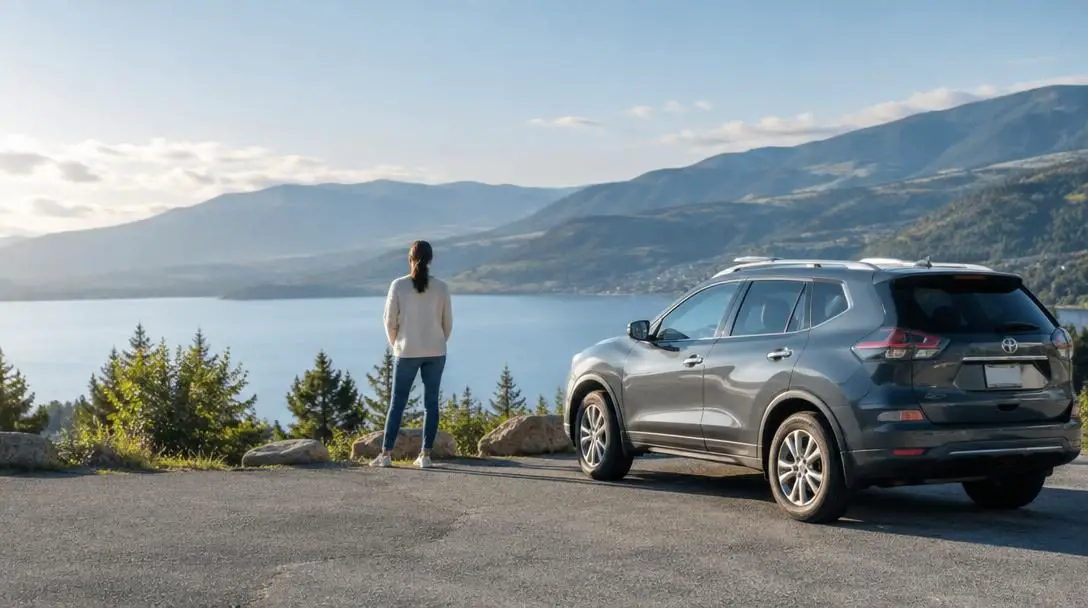
Operating a motor vehicle involves inherent physical and financial risks, ranging from minor fender benders in parking lots to catastrophic multi-vehicle highway collisions, theft, and environmental damage. Without an appropriate auto insurance policy, motorists risk direct personal liability for extensive property repairs, soaring medical bills, and legal defense expenses that can quickly destabilize their long-term financial security.
Because no single policy covers every possible scenario, the insurance industry provides distinct coverage types tailored to specific road hazards, vehicle values, and legal mandates. Understanding the mechanics of these policies empowers drivers to craft a customized insurance portfolio that balances comprehensive financial protection with realistic monthly premiums.
Key takeaways
- Liability insurance is mandatory in most states and pays for damage and injuries you cause to others, but it never covers your own losses.
- Collision and comprehensive coverages protect your own vehicle against crash impacts and non-collision hazards like weather, fire, and theft, respectively.
- Personal injury protection (PIP) addresses medical expenses and lost wages for you and your passengers regardless of who caused the accident.
- Gap insurance covers the shortfall between your car's depreciated actual cash value and the remaining balance on an active lease or loan.
The Core Architecture of Modern Auto Insurance
Car insurance functions as a legally binding contract between a vehicle owner and an insurance carrier. In exchange for recurring payments called premiums, the insurer assumes specified financial risks associated with operating or owning the automobile. Historically, vehicle coverage focused primarily on basic third-party liability to ensure injured pedestrians and motorists had a clear path to financial recovery. As highway infrastructure expanded and vehicles evolved into complex, technologically advanced machines with high replacement costs, insurers introduced specialized policies to shield drivers from first-party property losses, personal injuries, and financing discrepancies.
Modern auto coverage divides responsibility into first-party protections (which reimburse the policyholder) and third-party protections (which pay individuals harmed by the policyholder). In addition, policy structures incorporate deductibles—the out-of-pocket sum a driver pays before insurance disbursements begin—and policy limits, which represent the maximum payout an insurer will issue for a covered event. Navigating these interacting layers requires understanding how each coverage category performs when an accident occurs.
A balanced auto insurance policy protects not just the physical vehicle on the road, but the driver's accumulated savings and future earning potential from crippling liability claims.
Six Essential Types of Car Insurance Policies
Auto insurance is not a one-size-fits-all product; it is an assemblage of specific policy options. Below are the six fundamental policy types available to drivers today, each serving a unique role in total vehicular risk management.
Liability Insurance
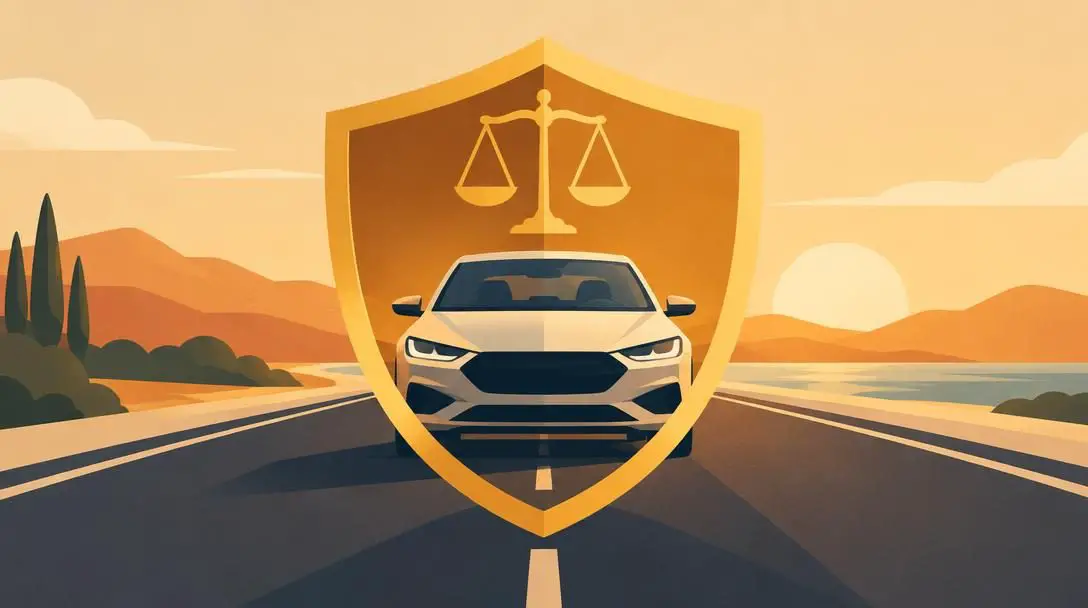
- Coverage focus: Third-party bodily injury and property damage
- Legal status: Mandatory in most states
- Applies to policyholder: No (third-party protection only)
Liability insurance forms the foundation of auto coverage and is legally required by almost every state. It is strictly a third-party policy, meaning it pays for the damages, property repairs, and medical expenses that you inflict on other parties when you are at fault in an accident. For example, if you misjudge your braking distance and rear-end another commuter at a red light, your liability policy compensates that driver for their bumper repair and medical assessments. However, liability insurance provides zero financial assistance for repairs to your own car or your own hospital bills. Despite this restriction, carrying robust liability coverage is critical because it shields your personal assets, savings accounts, and future income from devastating legal judgments in the wake of a catastrophic crash.
Collision Insurance
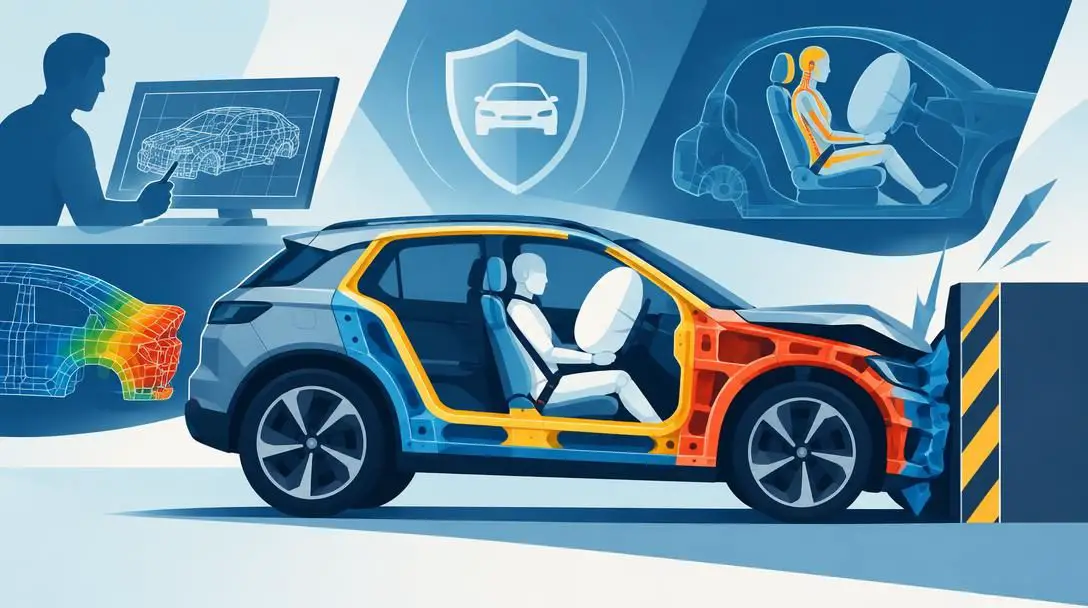
- Coverage focus: First-party physical crash damage
- Legal status: Optional under state law
- Fault requirement: Applies regardless of fault
Collision insurance pays to repair or replace your vehicle if it is damaged in a collision, regardless of who caused the incident. This coverage activates if your car strikes another vehicle, collides with a stationary obstacle such as a guardrail, telephone pole, or tree, or flips over in an accident. It also extends coverage to collisions with animals. While state governments do not legally mandate collision coverage, auto lenders and leasing companies routinely require it to protect their financial collateral. The overall cost of a collision policy varies based on your car's market value, your selected deductible, and your historical driving record.
Comprehensive Insurance

- Coverage focus: Non-collision vehicle damage and environmental hazards
- Legal status: Optional under state law
- Covered perils: Theft, fire, vandalism, hail, flooding, falling trees, animal strikes
Comprehensive insurance covers physical loss or damage to your vehicle resulting from events outside of a traffic collision. If your car is stolen, damaged by vandals, caught in an engine fire, or dented by severe hail, comprehensive insurance covers the repair or payout up to the car's market value. It also covers natural catastrophes such as flooding and impacts from falling tree branches, as well as damage caused when wildlife, such as a deer, collides with your vehicle. Comprehensive coverage is optional under state law, though lenders often require it alongside collision insurance. It is an indispensable option for drivers residing in regions with severe weather risks or elevated rates of property crime.
Personal Injury Protection (PIP) Insurance

- Coverage focus: Medical bills and lost income for occupants
- Legal status: Mandatory in some states, optional in others
- Fault requirement: Paid regardless of fault
Personal injury protection, commonly known as PIP or "no-fault" insurance, covers qualifying medical expenses, rehabilitation costs, and lost wages for you and your passengers if you are injured in a crash. Unlike standard private health insurance, PIP is purpose-built for vehicular accidents and is designed to disburse funds swiftly without requiring an official determination of legal fault. Whether you initiated the collision or were struck by an erratic driver, your PIP policy steps in to handle immediate ambulance fees, hospital stays, and income replacement if your injuries keep you away from work.
Uninsured/Underinsured Motorist Insurance
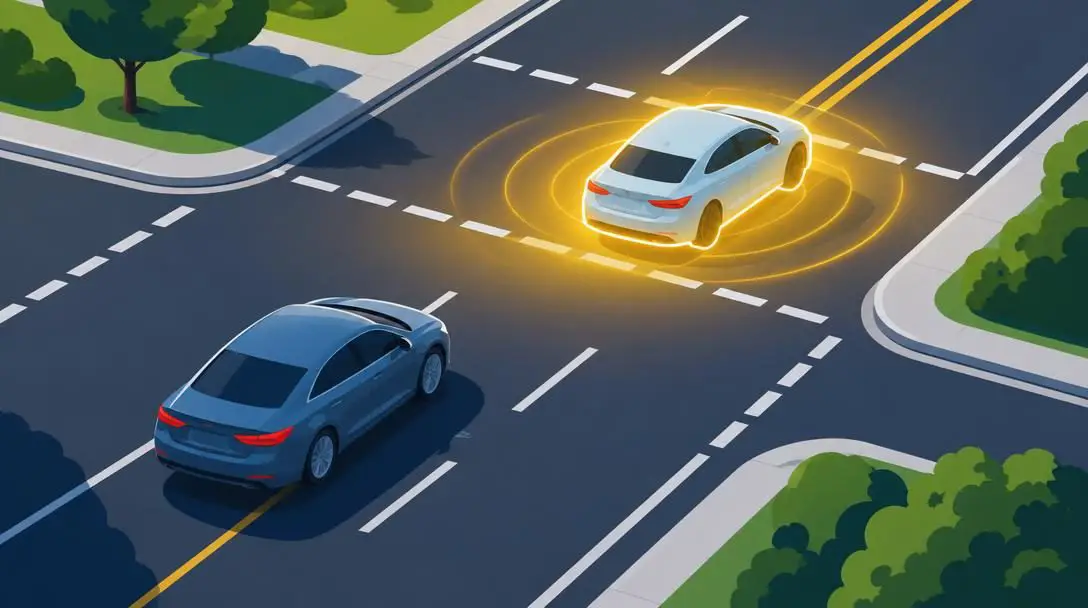
- Coverage focus: Protection against drivers with zero or insufficient insurance
- Legal status: Optional in many jurisdictions, mandatory in some
- Key benefit: Eliminates reliance on at-fault driver's missing funds
Despite statutory requirements across the country, millions of motorists operate vehicles without insurance or purchase only state-minimum liability limits that fail to cover major accidents. Uninsured and underinsured motorist insurance compensates you if you are injured or your vehicle is damaged by a driver who lacks insurance entirely or carries coverage limits lower than your total losses. This policy ensures that you are not left using your personal emergency funds or negotiating protracted civil claims against an at-fault driver who possesses no meaningful assets.
Gap Insurance

- Coverage focus: Loan or lease balance shortfalls after a total loss
- Legal status: Optional under state law
- Ideal for: Financed or leased newer vehicles
Vehicles undergo rapid market depreciation during the initial years of ownership. If your financed vehicle is totaled in a crash or stolen and unrecovered, standard collision or comprehensive policies disburse only the vehicle's actual cash value at the precise moment of the loss. Because that depreciated value is often significantly less than the balance owed to a bank or leasing company, a major financial deficit can emerge. Gap insurance bridges this exact difference, paying off the remaining auto loan or lease balance so you are not forced to make monthly payments on a destroyed vehicle.
Comparing Auto Insurance Policy Coverages
Understanding how these six coverages differ across target protections, legal statuses, and fault criteria helps drivers identify gaps in their current coverage profiles.
| Policy Type | Primary Beneficiary | State Mandate Status | Fault Dependency | Primary Incident Scenarios |
|---|---|---|---|---|
| Liability | Third parties (other motorists, pedestrians) | Mandatory in most states | Policyholder must be at fault | Rear-ending another vehicle; damaging private property |
| Collision | Policyholder's vehicle | Optional by law; required by lenders | Applies regardless of fault | Striking another car, hitting a guardrail, vehicle rollovers |
| Comprehensive | Policyholder's vehicle | Optional by law; required by lenders | Non-collision events | Hail, auto theft, falling branches, animal strikes, fire |
| Personal Injury Protection (PIP) | Policyholder and vehicle passengers | Mandatory in some states, optional in others | Applies regardless of fault | Hospitalization, surgery, and lost wages from a collision |
| Uninsured/Underinsured Motorist | Policyholder and vehicle passengers | Optional in many states, mandatory in some | Other driver must be at fault | Accidents caused by hit-and-runs or drivers without adequate coverage |
| Gap Insurance | Policyholder's loan/lease balance | Optional by law; recommended by lenders | Triggered by vehicle total loss | Car is totaled while loan balance exceeds actual cash value |
How Premiums, Deductibles, and Claims Function
Automobile insurance operates through a coordinated process involving premiums, policy deductibles, and claim adjustments. Maintaining an active policy requires the ongoing payment of a premium, scheduled on a monthly, semi-annual, or annual cycle. Allowing a premium payment to lapse invalidates coverage, leaving the owner directly exposed to civil liability and statutory fines for driving uninsured.

When an incident occurs, the policyholder files a formal claim detailing the sequence of events. An insurance adjuster reviews relevant police reports, inspects physical damage, checks witness statements, and determines policy applicability. For physical damage claims under collision or comprehensive protections, the policyholder is responsible for the out-of-pocket deductible chosen at the policy's inception. For example, if a vehicle incurs four thousand dollars in hail damage and the policyholder holds a five-hundred-dollar comprehensive deductible, the owner pays five hundred dollars and the carrier pays the remaining thirty-five hundred dollars up to the stated policy limit.
Step-by-Step Guide to Structuring Your Policy
Assembling an appropriate insurance package requires assessing local legal parameters, vehicle equity, and personal financial risk tolerance. Follow this structured roadmap to evaluate your needs:
- Review local legal mandates: Research your state's statutory minimum requirements for bodily injury liability, property damage liability, and PIP to establish your baseline legal compliance.
- Assess your vehicle's market value: Check the current resale value of your automobile. If the vehicle is relatively new or valuable, collision and comprehensive coverages are essential; for older vehicles with minimal market value, the cost of physical damage coverage may outweigh potential claims.
- Evaluate personal asset exposure: Calculate your total net worth, including personal savings, home equity, and anticipated earnings. Choose liability limits substantial enough to prevent an injured party from pursuing your personal assets in a civil lawsuit.
- Select appropriate deductible levels: Set comprehensive and collision deductibles to amounts you can comfortably pay from liquid emergency funds on short notice, keeping in mind that higher deductibles lower regular premium bills.
- Inspect financing and lease obligations: Examine the fine print of your auto loan or lease contract. Confirm whether the lienholder mandates specific coverage maximums, collision deductibles, or dedicated gap insurance.
- Reassess coverage parameters periodically: Schedule an annual review of your insurance declarations page or update your terms immediately after life events such as paying off a loan, relocating to a new zip code, or changing your commuting routine.
Costly Coverage Mistakes to Avoid
Misunderstandings surrounding insurance terminology often cause drivers to make costly choices when purchasing coverage. Steering clear of these pitfalls ensures seamless protection when accidents occur:
- Purchasing only state minimum liability: State statutory limits are frequently modest and can be completely exhausted by minor multi-car crashes or hospital visits, leaving you personally accountable for remaining balances.
- Confusing collision with comprehensive coverage: Relying solely on collision insurance leaves your car entirely unprotected against environmental incidents, vandalism, vehicle theft, and falling debris.
- Forgetting gap insurance on financed vehicles: Assuming standard collision payouts will satisfy your auto lender after an accident can leave you paying thousands of dollars for a vehicle you can no longer drive.
- Waiving uninsured motorist coverage: Dropping this coverage to achieve modest monthly savings leaves you unprotected if a hit-and-run driver or an uninsured motorist causes significant bodily harm or vehicle damage.
- Misrepresenting vehicle details or garaging locations: Providing inaccurate commuting mileage, omitting household drivers, or misreporting parking locations to secure lower quotes can result in retroactive policy cancellations and denied claims.
Frequently asked questions
Does standard liability insurance pay for repairs to my own car?
No. Liability insurance is strictly a third-party coverage designed to pay for the vehicular damage and bodily injuries you inflict on other drivers, pedestrians, or property owners. To cover damage to your own vehicle, you must carry collision or comprehensive insurance.
What is the difference between collision and comprehensive insurance?
Collision insurance pays for damages caused when your car impacts another vehicle, a stationary object like a tree or guardrail, or experiences a rollover. Comprehensive insurance covers non-collision losses, including theft, vandalism, fire, hail, flooding, and collisions with animals.
When should a driver purchase gap insurance?
Gap insurance is strongly recommended whenever you finance or lease a vehicle and owe more on the contract than the automobile's current market value. It protects you from having to pay the shortfall if the car is totaled or stolen and standard insurance payouts fall short of your balance.
Is personal injury protection (PIP) mandatory for all motorists?
PIP is mandatory in certain "no-fault" states, while other states offer it as an optional add-on or provide alternative medical payment protections. It pays for your medical costs and lost wages regardless of which driver caused the crash.
How does a policy deductible affect monthly insurance premiums?
A deductible is the out-of-pocket amount you agree to pay per claim before insurance coverage takes over. Selecting a higher deductible lowers your regular premium payments, while choosing a lower deductible increases your recurring premium costs.
The Bottom Line
Car insurance is far more than a routine regulatory hurdle; it is a critical safeguard for your financial well-being. Because roadway accidents, adverse weather events, and legal liabilities carry massive potential costs, carrying the right blend of liability, physical damage, medical, and gap coverages ensures you are never forced to shoulder catastrophic expenses on your own.
Take the time to examine your current insurance declarations page. Check your existing coverage limits, review your deductibles, and confirm whether your driving patterns, financing status, and local environmental conditions match the protections you have in place. By making informed adjustments today, you can navigate the open road with complete financial confidence.