Why We Should Honor Our Public Safety Personnel
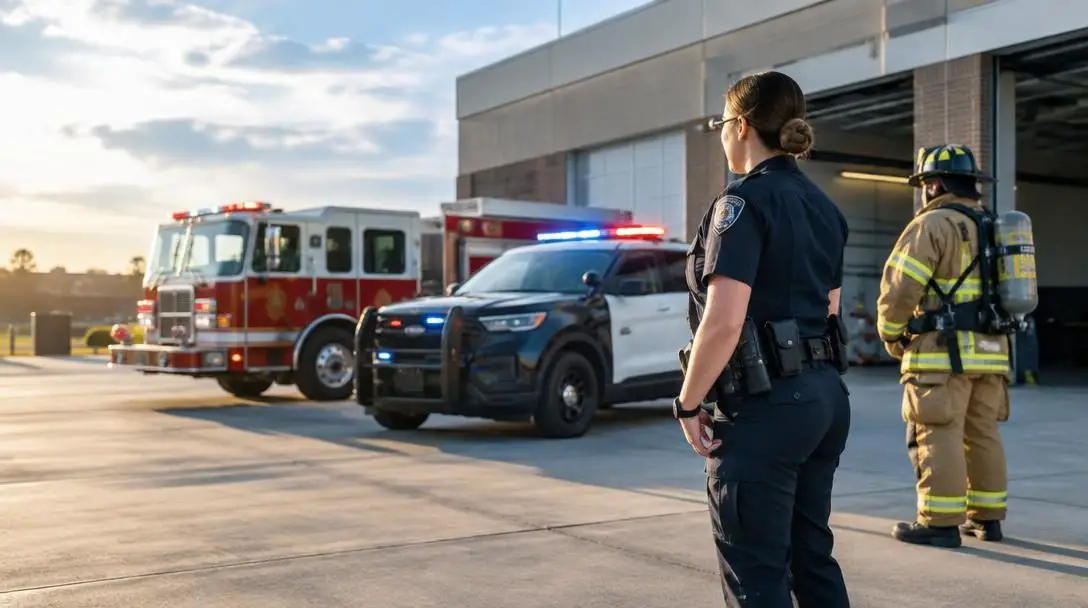
Every day across cities, towns, and rural counties, public safety personnel step into unpredictable and hazardous environments to protect human life and property. Comprising police officers, firefighters, and emergency medical technicians (EMTs), these professionals form an indispensable social safety net, operating around the clock under extreme physical and emotional pressure.
Despite the vital nature of their mission, first responders frequently encounter public scrutiny, structural underfunding, and widespread misunderstanding regarding the complexity of their duties. Recognizing the immense personal sacrifices made by public safety workers is the essential first step toward fostering mutual respect, improving community relations, and securing the institutional resources necessary to keep society safe.
Key takeaways
- Public safety personnel maintain round-the-clock readiness across law enforcement, fire suppression, and emergency medical response.
- Coordinated emergency responses rely on structured phases ranging from initial 911 dispatch to multi-agency scene stabilization and post-incident restock.
- EMTs and firefighters face significant wage and resource disparities despite handling life-threatening medical calls and physical rescues.
- Community members can actively support first responders through civic budget advocacy, roadside awareness, and mental health initiatives.
- Constructive support requires avoiding sweeping generalizations while remaining committed to transparency, fair compensation, and systemic improvement.
The Three Essential Pillars of Public Safety
Modern community protection rests on three core operational branches. While their tools and tactical priorities differ, law enforcement, fire rescue, and emergency medical services function as interdependent disciplines that must integrate seamlessly whenever a crisis unfolds.
Police Officers

- Primary Function: Crime prevention, traffic accident management, and criminal investigations
- Core Capabilities: Rapid critical thinking, clear verbal communication, and physical stamina
- Operational Exposure: Unpredictable confrontations, emergency dispatch response, and scene security
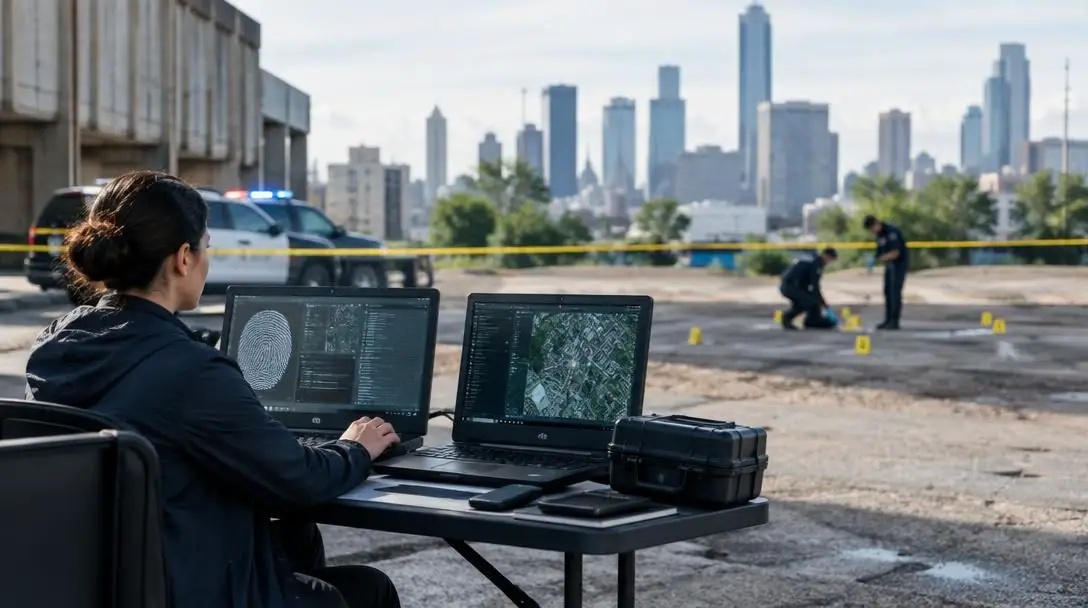
Police officers operate on the frontline of community defense, serving as the immediate barrier against crime, disorder, and violence. Their daily shifts demand heightened situational awareness, as officers regularly transition from routine tasks—such as directing traffic or writing reports—to volatile, high-stakes incidents where life-and-death decisions must be made in fractions of a second.
In recent years, law enforcement agencies have faced intense public scrutiny, particularly regarding instances of excessive force. While holding individual officers accountable for misconduct is necessary, condemning the profession as a whole overlooks the vast majority of honest, hardworking officers who carry out their duties with distinction. Building strong, collaborative community partnerships requires recognizing this commitment and supporting initiatives that cultivate mutual trust.
Firefighters
- Primary Function: Fire suppression, structural rescue, and natural disaster relief
- Specialized Capabilities: Operation of heavy mechanical gear, technical extraction, and physical conditioning
- Incident Types: Residential and industrial blazes, vehicle collisions, floods, and earthquakes
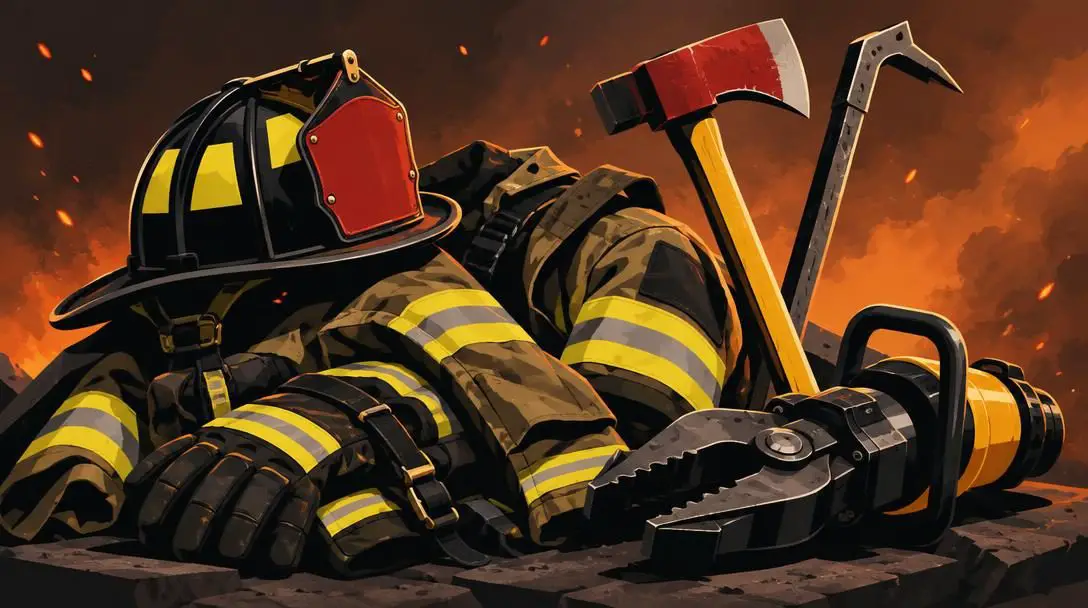
Firefighters perform some of the most physically punishing work in emergency services. Beyond entering burning structures to extinguish flames and locate trapped civilians, modern fire crews routinely respond to medical calls, hazardous material spills, and catastrophic regional emergencies such as floods and earthquakes.
The job requires continuous physical conditioning and an advanced understanding of structural engineering, fluid dynamics, and modern extraction apparatus. Despite facing extreme occupational hazards—from thermal trauma to toxic smoke inhalation—firefighters remain widely underpaid and under-resourced in many municipalities, highlighting an urgent need for greater civic appreciation and dedicated funding.
Emergency Medical Technicians
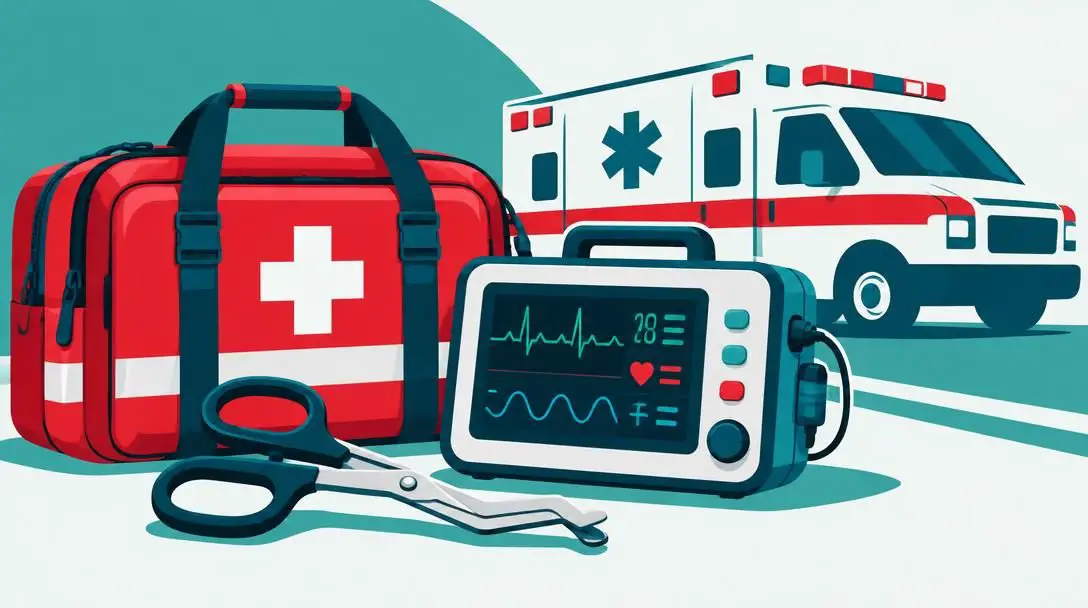
- Primary Function: Pre-hospital triage, trauma management, and rapid medical transport
- Core Capabilities: Basic and advanced life support, diagnostic assessment, and high-stress clinical care
- Workplace Challenges: Grueling shifts, emotional trauma, and structural compensation deficits
Emergency medical technicians, along with paramedics, bring critical hospital-level care directly to curbsides, highways, and private residences. Operating inside mobile care units, EMTs evaluate trauma victims, administer vital medications, manage airway obstructions, and stabilize cardiac patients under chaotic and cramped field conditions.
Despite delivering life-saving interventions when minutes matter most, EMTs are historically the most overlooked and poorly compensated segment of public safety personnel. Confronting traumatic injuries, severe illnesses, and human loss on a daily basis produces an immense emotional toll, making community support, wage equity, and mental health advocacy essential to preserving this critical workforce.
| Public Safety Branch | Primary Responsibilities | Critical Challenges | Key Equipment & Resources |
|---|---|---|---|
| Police Officers | Crime suppression, emergency call response, accident investigation, and neighborhood patrols | Navigating volatile public encounters, scene stabilization, and negative public perception | Patrol cruisers, communications radios, protective vests, and forensic tools |
| Firefighters | Structural fire suppression, technical extrication, and disaster rescue management | Extreme physical strain, exposure to hazardous toxins, and unpredictable structural collapses | Pumper engines, specialized extraction cutters, breathing apparatus, and thermal gear |
| Emergency Medical Technicians | Pre-hospital emergency medicine, patient stabilization, and rapid transport to trauma centers | High-stress clinical decision-making, severe emotional fatigue, and industry-wide low wages | Mobile ambulances, diagnostic monitors, defibrillators, and basic/advanced medical kits |
The Five Stages of an Integrated Emergency Response
When an unexpected catastrophe strikes, community survival depends upon a systematic chain of actions. Rather than operating in isolated silos, public safety agencies follow a coordinated response framework designed to maintain operational command and minimize loss of life.
- Emergency Call Intake and Dispatch: The process begins the moment a civilian dials emergency services. Trained dispatchers gather actionable details, assess the immediate threat level, and simultaneously dispatch the appropriate police, fire, or EMS units with critical situational briefings.
- Initial Field Response: The first arriving unit establishes command, conducts a rapid visual assessment of scene safety, identifies potential hazards, and communicates back to central dispatch whether specialized backup units are required.
- Joint Scene Management: Multiple agencies converge to execute complex, coordinated operations. Law enforcement secures the outer perimeter and diverts civilian traffic; firefighters contain structural threats and extricate pinned victims; EMTs establish triage areas to provide stabilization and life support.
- Resolution and Transition: Once immediate hazards are neutralized, responders transition the scene. Paramedics transport vulnerable patients to hospital emergency rooms, police officers collect evidence and record statements, and firefighters check for concealed hot spots to prevent structural reignition.
- Post-Incident Restocking and De-escalation: Responders return to their stations to decontaminate hazardous exposures, clean and restock medical supplies, inspect rescue gear, and conduct clinical debriefs to evaluate team performance and process traumatic events.
Public safety succeeds best when proactive community members collaborate directly with emergency personnel rather than treating crisis management as an isolated government service.
Practical Steps Communities Can Take to Support First Responders
Honoring public safety personnel must involve tangible actions that alleviate the physical, logistical, and financial pressures these professionals carry every day. Citizens, civic organizations, and neighborhood leaders can enact meaningful support through several key initiatives.
- Express Direct Appreciation: Simple gestures of daily gratitude, such as offering verbal thanks or delivering written notes of appreciation to local police precincts and fire stations, provide an immense boost to frontline morale.
- Advocate for Municipal Budget Allocations: Residents can attend city council sessions, town halls, and county board hearings to champion sustained funding for updated communication technologies, reliable emergency vehicles, and modern protective body gear.
- Demand Fair Wages and Comprehensive Benefits: Mobilizing community support for improved wage structures, robust pension programs, and comprehensive health insurance helps municipalities recruit and retain elite first responders, especially across underfunded EMS divisions.
- Engage in Community-Police Partnerships: Building strong mutual trust requires civil participation. Citizens can attend neighborhood watch groups, take part in citizen police academies, and contribute to community safety forums to foster open lines of communication.
- Adhere to Roadway Emergency Protocols: Motorists play a direct role in first responder safety. Drivers should immediately yield the right of way to emergency vehicles operating lights and sirens, and slow down or move over when passing roadside emergency operations.
- Support First Responder Mental Health Resources: Because emergency workers frequently witness traumatic events, communities must fund confidential counseling programs, peer support networks, and post-traumatic stress resources tailored specifically to frontline personnel.
Common Mistakes to Avoid in Public Safety Discourse
Productive dialogue surrounding emergency services requires nuance, objectivity, and empathy. Misconceptions about how first responders function can undermine community morale and stall critical public safety reforms.
- Broad-Brush Generalizations: Assuming that every law enforcement officer engages in misconduct based on high-profile incidents ignores the everyday reality of ethical officers who serve with integrity and endanger their lives for public safety.
- Neglecting Emergency Medical Technicians: Public safety conversations frequently focus exclusively on police and fire departments, leaving EMTs and paramedics out of critical discussions regarding benefits, wages, and municipal grants.
- Treating First Responders as Emotionally Invulnerable: Viewing emergency personnel as hardened heroes who are impervious to trauma leads to widespread burnout, acute depression, and elevated suicide rates across emergency services.
- Adopting a Passive Civilian Mindset: Leaving total responsibility for community safety to first responders creates vulnerabilities. Citizens should actively contribute by taking basic CPR and first aid classes, practicing home fire safety, and reporting neighborhood hazards.
- Ignoring Systemic Deficiencies: Supporting personnel does not require defending outdated administrative processes or avoiding accountability; genuine advocacy works to modernize judicial frameworks, improve operational guidelines, and maintain absolute public transparency.
Long-Term Strategies for Sustainable Public Safety
Sustaining a resilient public safety network requires proactive investment rather than reactive crisis management. Municipalities and regional leadership must address structural challenges through long-term capital and operational planning.
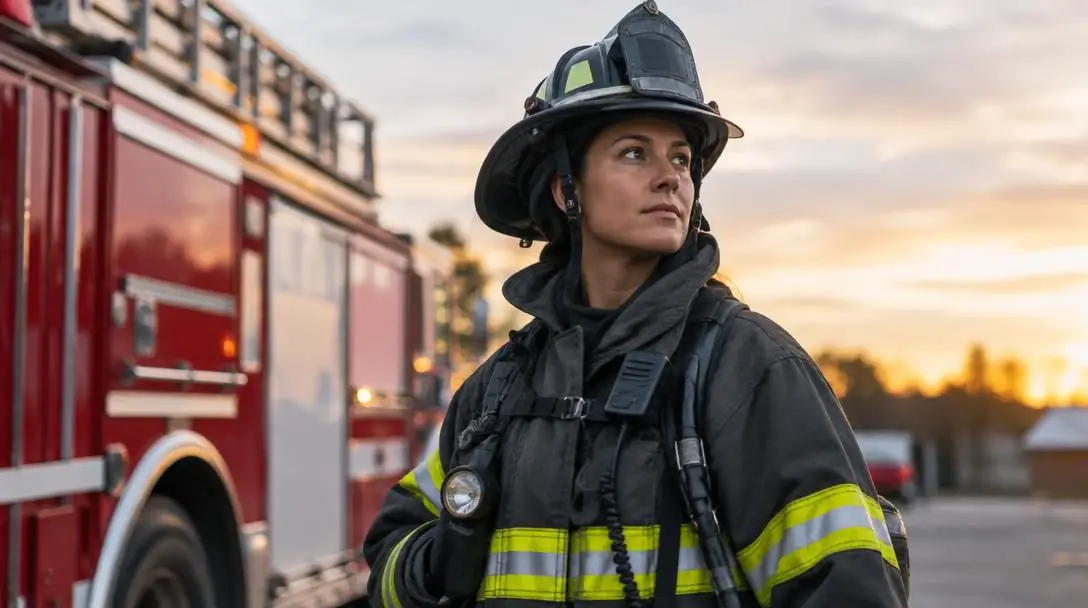
First, local governments must systematically eliminate the compensation gap that burdens emergency medical personnel and volunteer fire departments. Providing competitive base salaries alongside longevity incentives and hazardous duty compensation ensures that communities retain experienced, highly skilled responders who would otherwise leave the profession due to financial strain.
Second, continuous infrastructure modernization must remain a top civic priority. Capital improvement funds must account for the rapid wear and tear sustained by emergency vehicles, specialized personal protective equipment, and diagnostic medical gear. Modernizing public safety communication networks ensures interoperability, allowing police, fire, and medical teams to share encrypted data instantly during multi-jurisdictional incidents.
Finally, community leaders must normalize mental healthcare throughout the responder lifecycle. Providing regular, destigmatized psychological evaluations, ongoing trauma debriefs, and robust post-incident recovery intervals ensures that public safety personnel can sustain long, healthy careers while continuing to protect society with clarity and compassion.
Frequently asked questions
Why are EMTs often paid less than other first responders?
Many emergency medical services operate under fragmented funding models, including private contracted ambulance services, hospital networks, or municipal third-service agencies, which often lack the robust municipal tax allocations and bargaining power enjoyed by municipal fire and police departments.
How can community members help improve relations with local police?
Citizens can participate in local civilian academies, attend neighborhood watch meetings, engage constructively in town hall discussions, and support community policing programs that encourage direct, informal communication between residents and patrol officers.
What should drivers do when approached by an emergency vehicle?
Motorists should remain calm, check their mirrors, use turn signals, and safely pull over to the right edge of the roadway, bringing their vehicle to a complete stop until all emergency vehicles with active sirens and flashing lights have passed.
Why do firefighters respond to routine medical emergencies?
Fire stations are strategically distributed across communities to guarantee rapid travel times, meaning cross-trained firefighter-EMTs can often reach a medical emergency minutes ahead of an ambulance to initiate CPR, oxygen administration, or defibrillation.
What are the primary signs of psychological burnout in first responders?
Burnout and post-traumatic stress frequently manifest as persistent emotional exhaustion, sleep disturbances, irritability, cynicism toward the community, and withdrawal from peer interactions or personal relationships.
The bottom line
Public safety personnel represent the foundational bedrock of community resilience, stepping forward into danger when citizens experience their most terrifying moments. Whether extinguishing hazardous fires, stabilizing critically injured patients, or maintaining order during civil emergencies, these dedicated professionals perform essential, life-saving labor under demanding conditions.
Honoring our first responders requires more than passive praise. By actively participating in civic governance, championing fair wages, respecting roadway safety laws, and funding comprehensive physical and psychological wellness resources, we ensure that those who risk everything to protect our neighborhoods receive the respect, tools, and support they rightfully deserve.