10 Arabic Girls Names That Are Popular In The United States
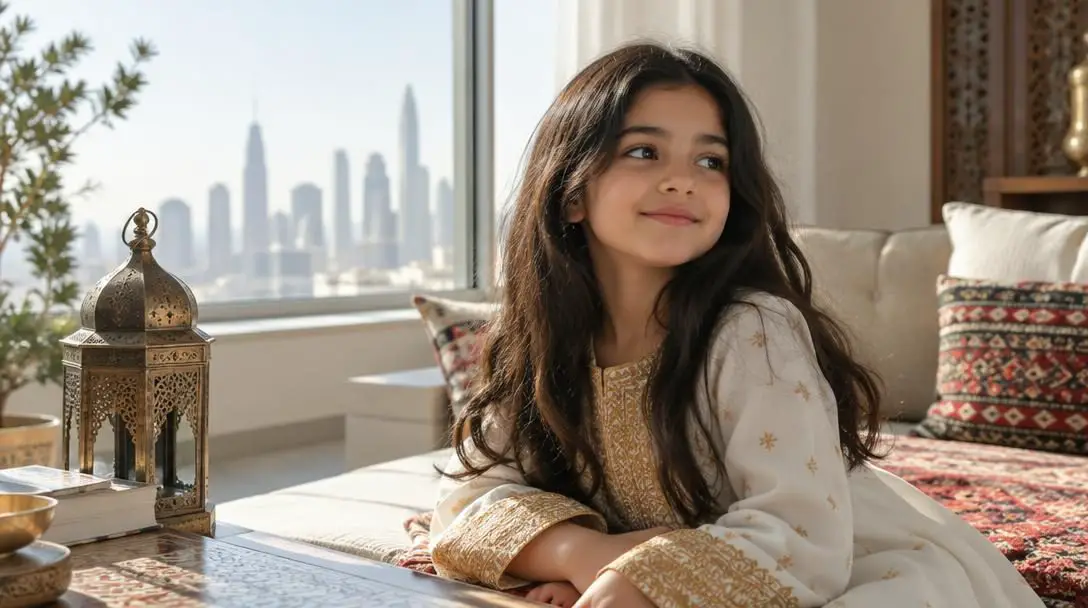
Arabic names have long maintained a significant presence worldwide, celebrated for their melodic cadence and profound traditional depth. In recent decades, their appeal has expanded well beyond households with direct Middle Eastern roots, finding an enthusiastic audience among American parents seeking meaningful, lyrical names for their daughters. Across the United States, Arabic girls names have become familiar fixtures in classrooms, communities, and popular culture.
This widespread recognition is propelled by a combination of cross-cultural resonance, ancient linguistic ties connecting Semitic languages with Hebrew, Yiddish, and Hindi, and the visibility of prominent figures in music, athletics, and social media. In addition to their multicultural bridges, many of these enduring choices hold deep spiritual meaning within the Muslim faith, offering families names that embody dignity, grace, and timeless character.
Key takeaways
- Arabic girls names have gained significant popularity across the United States due to their melodic phonetics, deep spiritual meanings, and universal themes.
- Many popular choices share historical and linguistic roots with Hebrew, Yiddish, and Hindi traditions, creating natural cross-cultural bridges.
- Prominent artists, athletes, and media personalities have introduced these ancient names into modern American households.
- Thoughtful name selection involves reviewing exact root meanings, understanding faith-based contexts, and evaluating alternative transliterations.
At a glance: Popular Arabic girls names in America
The following comparison highlights the origins, classical definitions, and primary cultural connections for ten prominent Arabic names for girls chosen by parents across the United States.
| Name | Linguistic Origins | Core Meaning | Prominent Association |
|---|---|---|---|
| Aaliyah | Arabic | Ascending, highborn, sublime | R&B singer Aaliyah |
| Fatima | Arabic | Motherly, abstaining, captivating | Daughter of Muhammad |
| Layla | Arabic, Hebrew | Night, dark beauty | Derek and the Dominos rock classic |
| Kayla | Arabic, Hebrew, Yiddish | Crown of laurels; slim and fair | Classical emblem of triumph |
| Aisha | Arabic | Life, alive, she who lives, womanly | Wife of Muhammad |
| Imani | Arabic | Belief, faith | Unisex traditional name |
| Zara | Arabic (from Zahrah) | Radiance, blooming flower | Royal and musical namesakes |
| Mariam | Arabic, Hebrew | Drop of the sea, beloved, bitterness | Shared Islamic and Semitic heritage |
| Amira | Arabic, Hebrew, Hindi | Princess | Contemporary newborn favorite |
| Inaya | Arabic | Care, solicitude, gift from god | Quranic word derived from Inayat |
Ten leading Arabic names for girls in the United States
Each of the following ten names combines ancient heritage, linguistic elegance, and contemporary American popularity, representing both religious significance and modern artistic appeal.
Aaliyah

- Meaning: Ascending, highborn, sublime
- Linguistic Origin: Arabic (feminine form of Aali)
- Notable Namesakes: Singer Aaliyah, model Aaliyah Ei
Aaliyah stands as one of the most widely embraced Arabic names for girls throughout the United States. Serving as the feminine counterpart to the masculine name Aali, it communicates a sense of elevated stature and spiritual elevation. The name experienced a dramatic surge in national familiarity following the rise of the iconic contemporary R&B singer of the same name. Beyond its artistic visibility, Aaliyah retains a revered place in spirituality and the Muslim faith due to its connotations of sublimity and nobility.
Fatima

- Meaning: Motherly, one who abstains, captivating
- Linguistic Origin: Arabic
- Notable Namesakes: Voice actress Fatima Placek, TikTok star Fatima de Tetuan
Often accented as Fátima, this revered traditional name describes a woman who embodies maternal devotion, self-restraint, and captivating charm. Fatima holds an exceptionally sacred position in the Muslim faith, as it was borne by one of the daughters of Muhammad. In contemporary American life, the name maintains steady visibility through international cultural ties and modern creators across digital platforms and voice performance.
Layla

- Meaning: Night, dark beauty
- Linguistic Origin: Arabic and Hebrew (from the Semitic root layl)
- Notable Namesakes: Boxer Layla Ali, wrestler Layla El
Rooted in the ancient Semitic word for night, Layla was traditionally bestowed upon daughters born after sunset or those characterized by striking, dark beauty. Its literary history extends back centuries to the famed classical Arabian romance of Quays and Layla. In the United States, the name achieved massive crossover appeal through rock history when Eric Clapton's band, Derek and the Dominos, recorded the acclaimed hit single "Layla," cementing its place in the American popular lexicon across multiple spellings.
Cross-cultural bridges, rhythmic cadence, and timeless storytelling allow classical Arabic names to transition seamlessly into contemporary American households.
Kayla

- Meaning: Crown of laurels; slim and fair (Yiddish)
- Linguistic Origin: Arabic, Hebrew, and Yiddish
- Notable Namesakes: Actress Kayla Blake, musician Kayla Reeves
Parents seeking a multicultural name frequently turn to Kayla, which bridges Semitic roots with Yiddish heritage. Through its classical Mediterranean and Semitic associations, the name represents the crown of laurels, an ancient ornament composed of bay laurel leaves that signifies victory, status, and achievement. In its Yiddish lineage, Kayla provides an alternate translation denoting someone who is slim and fair, offering parents dual cultural traditions in a single melodic name.
Aisha

- Meaning: Life, alive, she who lives, womanly
- Linguistic Origin: Arabic
- Notable Namesakes: Actress Aisha Tyler, actress Aisha Dee
Carrying a vibrant translation centered on life and vitality, Aisha is a pillar of traditional Islamic naming conventions. Historically and spiritually revered as the wife of Muhammad, the name conveys enduring dignity and theological significance. Its phonetic softness has made it a familiar staple in the American entertainment landscape, highlighted by notable public figures such as television host and actress Aisha Tyler.
Imani
- Meaning: Belief, faith
- Linguistic Origin: Arabic
- Notable Namesakes: Rapper Imani, actress Imani Hakim
Directly translating to "belief" or "faith," Imani represents a focused statement of conviction and inner strength. While formally categorized as a unisex option in classical traditions, it is chosen predominantly for baby girls in the United States. Families occasionally utilize the streamlined variation Iman, while prominent figures in film, television, and hip-hop have reinforced its presence in modern popular culture.
Zara

- Meaning: Radiance, blooming flower
- Linguistic Origin: Arabic (variation of Zahrah)
- Notable Namesakes: Singer Zara Larsson, equestrian Zara Phillips
Derived as an international adaptation of the traditional Arabic name Zahrah, Zara expresses radiant light and the blossoming beauty of a flower. Its crisp two-syllable structure has fueled its international reach, crossing into European royalty through British equestrian Zara Phillips and international pop charts via Swedish recording artist Zara Larsson.
Mariam

- Meaning: Drop of the sea, star of the sea, bitterness, beloved
- Linguistic Origin: Arabic and Hebrew
- Notable Namesakes: Reality personality Mariam Musa, Instagram star Mariam Olivera
With deep linguistic footprints in both Arabic and Hebrew scripture, Mariam carries profound historical and theological resonance. Celebrated by followers of the Muslim religion and shared across Abrahamic heritage, the name possesses diverse ancient interpretations ranging from the poetic "star of the sea" to "beloved." Modern social media personalities have helped maintain its widespread recognition among newer generations.
Amira

- Meaning: Princess
- Linguistic Origin: Arabic, Hebrew, and Hindi
- Notable Namesakes: Actress Amira Harvey, digital creator Amira Shiwraj
Translating cleanly to "Princess" in its Arabic derivation, Amira has rapidly risen in popularity among parents welcoming newborn daughters in the United States. Spelled variously as Amirah, Ameera, or Emira, the name combines regal significance with cross-cultural roots that also touch Hebrew and Hindi linguistic traditions.
Inaya
- Meaning: Care, solicitude, concern, gift from god
- Linguistic Origin: Arabic (feminine derivative of Inayat)
- Notable Namesakes: Singer Inaya Day, content creator Inaya Ashanti
Formed as the feminine equivalent of the classical term Inayat, Inaya is a Quranic name imbued with connotations of protective care, concern, and divine grace. Frequently interpreted as a treasured "gift from god," the name is sometimes transliterated as Anaya, maintaining strong appeal among parents who value compassionate spiritual definitions.
Dynamics behind cross-cultural name adoption
The transition of Arabic names into the American mainstream reflects distinct social, linguistic, and media dynamics that bridge different communities:
- Phonetic Flow: The soft vowel endings (-a and -ah) characteristic of names like Zara, Layla, and Kayla align seamlessly with broader American naming preferences, making them effortless to pronounce and remember.
- Media and Celebrity Influence: Music legends like Eric Clapton and R&B star Aaliyah, alongside modern creators on Instagram and TikTok, have introduced these names directly into the homes of millions.
- Shared Religious Heritage: Names like Mariam, Layla, and Kayla share Abrahamic and Semitic linkages, allowing them to feel familiar and comfortable to families from diverse spiritual traditions.
- Universal Aspirations: Foundational meanings such as faith (Imani), life (Aisha), radiance (Zara), and nobility (Amira) articulate universal virtues that resonate with parents regardless of their personal ancestry.
How to select the right Arabic name for your daughter
Choosing an enduring name requires balancing cultural context, sound, and practical logistics. Follow these guided steps when evaluating Arabic names for your household:
- Investigate the Classical Root: Research the linguistic foundation of the name to confirm its historical definition, whether it originates from a poetic concept like Layla's "night" or a spiritual term like Inaya's "care."
- Establish Your Preferred Transliteration: Review various English spelling formats (such as Amira versus Ameera, or Inaya versus Anaya) to determine which version best fits your personal aesthetic.
- Test Pronunciation and Cadence: Speak the full name aloud alongside your family surname to ensure smooth rhythmic cadence and prevent awkward phonetic transitions.
- Identify Multi-Tradition Links: If you are navigating a multicultural family heritage, examine how the name operates across other languages, noting dual links in names like Kayla and Mariam.
- Assess Shortened Variations: Determine whether the name produces intuitive nicknames, such as shortening Imani to Iman, and confirm that you are comfortable with those everyday alternatives.
Mistakes to avoid when choosing an Arabic name
When selecting a name from a cultural or linguistic heritage outside your primary environment, avoiding a few common pitfalls ensures a smooth, respectful choice:
- Assuming Transliterations Never Alter Meaning: While minor vowels often represent identical words, radical spelling changes can accidentally shift the name toward an entirely separate Arabic root word.
- Ignoring Spiritual Weight: Names such as Aisha and Fatima hold foundational reverence in the Muslim faith; adopting them without recognizing their historical weight can lead to overlooked cultural context.
- Accepting Simplified Definitions: Many commercial baby name directories print incomplete meanings, such as omitting Kayla's Yiddish definition of "slim and fair" or Mariam's maritime roots.
- Neglecting Surname Compatibility: Multi-syllabic, vowel-rich first names like Aaliyah or Mariam can feel cumbersome when paired with long or complex last names without prior spoken testing.
Frequently asked questions
Why are Arabic girls names becoming more popular in the United States?
Their rising popularity is driven by their lyrical phonetics, universal meanings such as life and radiance, increased exposure through music and social media figures, and shared linguistic connections between Arabic and Hebrew traditions.
Can an Arabic name have multiple spellings in English?
Yes. Because Arabic uses a non-Latin writing system, names are transliterated phonetically into the Latin alphabet. This leads to common variations such as Amira, Ameera, and Amirah, or Inaya and Anaya.
Which Arabic girls names have strong religious significance in Islam?
Names like Fatima, Aisha, Mariam, and Inaya carry deep spiritual significance. Fatima and Aisha are tied directly to the daughter and wife of Muhammad, while Mariam holds revered status across Abrahamic faiths, and Inaya is a Quranic term signifying divine care.
Are any popular Arabic girls names considered unisex?
Yes. Imani, which translates directly to "belief" or "faith," is traditionally classified as a unisex name, although it is chosen far more frequently for girls in the United States. It is also sometimes used in the shortened form Iman.
What does the name Layla mean, and how did it enter American pop culture?
Layla comes from the ancient Semitic word "layl," meaning night, historically given to girls born at night or possessing dark beauty. It surged in American awareness after Eric Clapton's band, Derek and the Dominos, recorded their famous rock song titled "Layla."
The bottom line
The enduring popularity of Arabic girls names across the United States demonstrates how music, storytelling, and shared values bring diverse linguistic traditions together. Whether chosen for the noble grace of Aaliyah, the historical reverence of Fatima and Aisha, or the radiant simplicity of Zara, these names provide daughters with a rich sense of identity that honors ancient history while fitting effortlessly into modern American society.