10 Fad Toys That Caused Black Friday Riots

Every holiday season, retail stores brace for an overwhelming influx of eager shoppers, but certain years stand out for the sheer intensity of consumer demand. While modern shopping habits increasingly center around digital marketplaces and doorbuster promotions for big-screen televisions, fad toys have historically ignited the most chaotic retail rushes in brick-and-mortar stores. The day after Thanksgiving traditionally marked the kickoff of the holiday shopping rush, funneling huge crowds into stores within a narrow window where unexpected demand rapidly outpaced limited inventory.
When an innovative gadget or plush toy captures the cultural zeitgeist just before winter, high-pressure environments form overnight in suburban retail corridors. Over the decades, desperate parents and passionate collectors have camped outside storefronts, emptied display shelves within seconds, and occasionally engaged in aisle-clearing scrambles to secure the year's must-have item. Examining these historic retail panics illustrates how novelty, timing, and sudden scarcity combine to transform everyday playthings into national obsessions.
Key takeaways
- The compressed holiday shopping window following Thanksgiving historically turned unexpected toy hits into high-friction retail competitions.
- Breakthrough technology, such as the motion controls of the Nintendo Wii or the integrated DVD playback of the PlayStation 2, generated massive multi-generational demand.
- Low-cost novelties like ZhuZhu Pets and Tamagotchi proved that affordability combined with inventory shortages could trigger explosive secondary-market markups.
- Speculative bubbles, exemplified by the rapid rise and crash of Beanie Babies, demonstrate that extreme holiday demand does not guarantee long-term financial value.
At a Glance: 10 Historic Holiday Retail Frenzies
From animatronic plush companions to revolutionary home video game consoles, certain products defined their respective holiday shopping seasons through extraordinary public demand and rapid inventory depletion.
| Toy or Device | Era / Debut | Standout Feature | Market Impact |
|---|---|---|---|
| Teddy Ruxpin | Mid-1980s | Cassette-driven storytelling animatronics | Ranked as the top-selling toy for two consecutive years |
| Beanie Babies | 1990s | Collectible designs perceived as investments | Triggered widespread speculative buying before values collapsed |
| Tickle Me Elmo | 1996 | Vibrating, giggling plush mechanism | Commanded over $1,000 from third-party resellers |
| Tamagotchi | 1997 | Handheld virtual pet on a keychain | Severe national inventory shortages despite low retail price |
| Furby | 1998 | Interactive speech and internal language | Sold hand over fist, spawning multi-year production runs |
| PlayStation 2 | 2000 | Built-in DVD player and advanced graphics | Unparalleled console buildup and remarkable product longevity |
| Razor Scooter | 2000 | Foldable design popularized via television ads | Ubiquitous neighborhood staple that bruised countless ankles |
| Apple iPod | 2001 | Top-of-the-line portable MP3 playback | Millions sold during its inaugural holiday shopping window |
| Nintendo Wii | 2006 | Family-friendly motion controls | Priced at $249.99, sparking nationwide store shortages |
| ZhuZhu Pets | 2009 | Inexpensive motorized artificial hamsters | Sub-$10 toys resold for $100 on secondary markets |
The 10 Fad Toys That Drove Black Friday Frenzies
To grasp the scale of holiday retail panics, one must look closely at the specific items that captured public imagination and caused pandemonium across store aisles over the past several decades.
Tickle Me Elmo
- Debut Year: 1996
- Key Feature: Giggling and vibrating plush doll
- Secondary Price: Exceeded $1,000 online
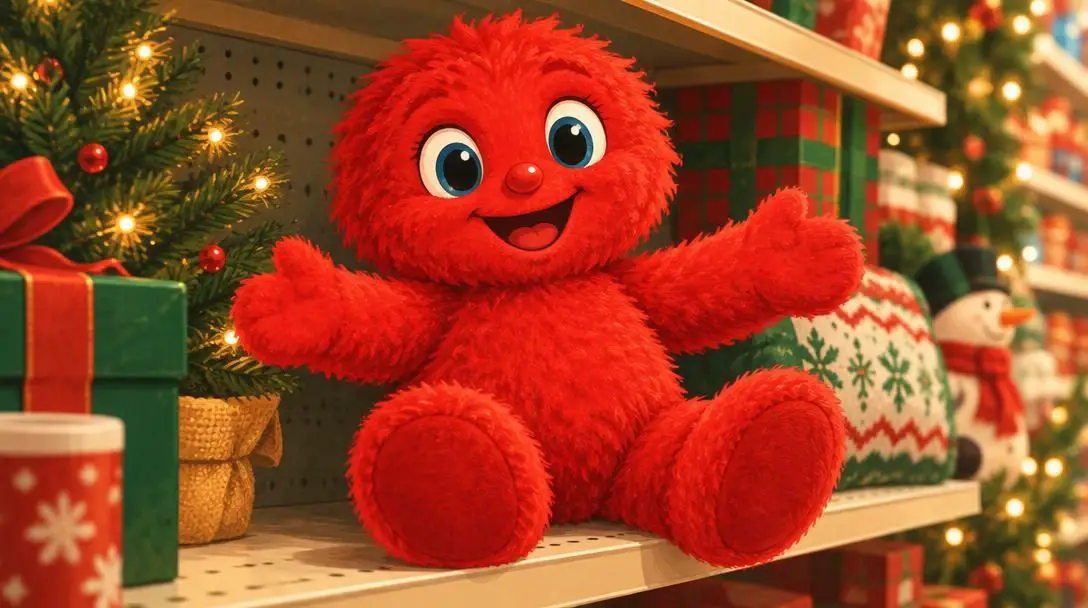
Few holiday panics rival the chaos surrounding Tickle Me Elmo in 1996. Based on the beloved Sesame Street character, this plush toy was engineered to chuckle, shake, and laugh hysterically when pressed. The charming mechanical response turned the red doll into an immediate cultural obsession. As retail shipments vanished within minutes of store openings, scenes of frantic shoppers piling on top of each other in department store aisles made national news. The scarcity established an early precedent for the internet age: opportunists who secured inventory began listing the dolls online for figures topping $1,000, illustrating how early web marketplaces could magnify secondary-market inflation.
Furby
- Debut Year: 1998
- Key Feature: Interactive chatter and native language
- Market Reception: Sold hand over fist immediately
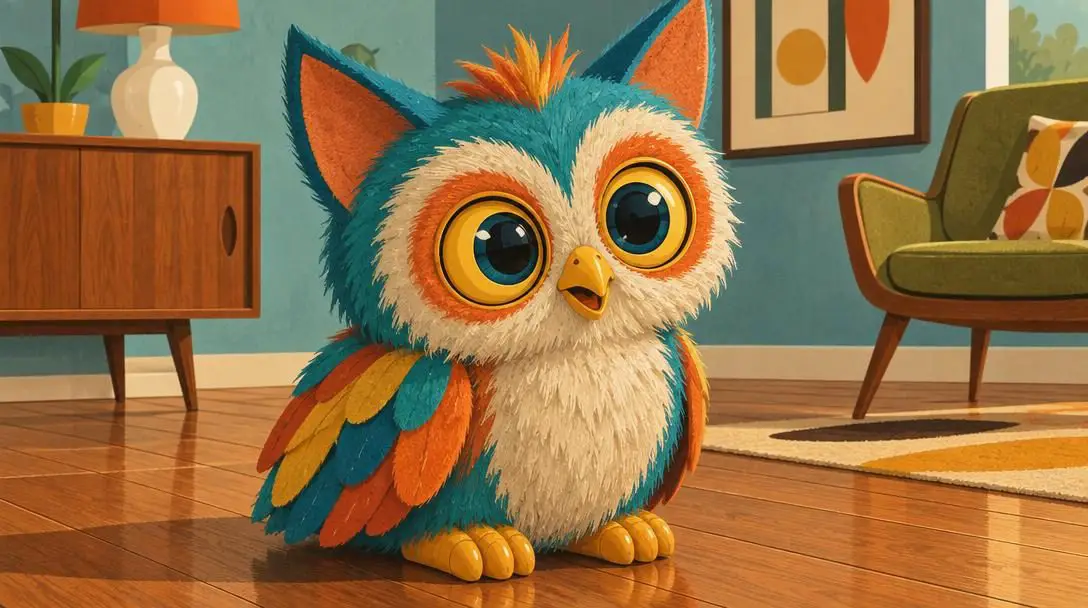
Just two years after Elmo shook retail aisles, an odd animatronic creature named Furby arrived on store shelves. Unlike previous talking dolls that merely repeated fixed recorded phrases when triggered, Furby was marketed as an intuitive electronic pet. It possessed the ability to converse, respond to user inputs, and speak its own unique language called "Furbish" before gradually adopting English words. Consumers found the wide-eyed animatronics irresistible. Furby sold hand over fist throughout the 1998 holiday season, prompting retail riots and leading the manufacturer to develop expanded editions over subsequent years to satisfy continued demand.
Nintendo Wii

- Debut Year: 2006
- Key Feature: Intuitive motion controls
- Retail Price: $249.99 at launch
While video game consoles regularly generate holiday interest, the Nintendo Wii reached an entirely different demographic tier when it arrived in late 2006. As the first major home system to introduce intuitive motion controls, the Wii allowed players of all ages to swing a virtual tennis racket or roll a bowling ball simply by gesturing with the controller. Coupled with an accessible launch price of $249.99, the console bypassed typical gamer demographics and appealed directly to entire families, including parents and grandparents. Lines snaked around electronics stores throughout the winter, and retail shortages persisted for months as production struggled to keep pace.
Beanie Babies
- Peak Era: 1990s
- Key Feature: Understuffed plush animal collectibles
- Outcome: Severe secondary-market value collapse
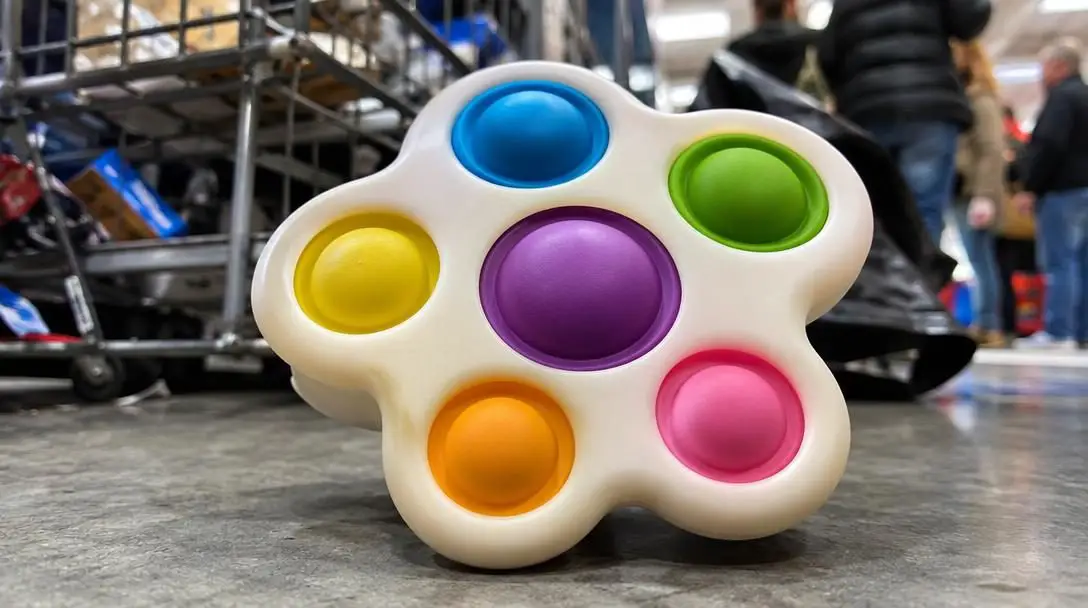
During the mid-to-late 1990s, small fabric animals filled with plastic pellets sparked an unprecedented speculative bubble. Beanie Babies were initially sold as affordable pocket-money items, but limited production runs and strategic retirements by the manufacturer persuaded millions of consumers that these plush figures would appreciate like fine art or stock portfolios. Shoppers stormed specialty card shops and department stores, frantic to secure rare releases before inventory vanished. However, the secondary market proved fleeting; within a few short years, the speculative fervor evaporated entirely, leaving vast collections practically worthless.
Tamagotchi
- Peak Year: 1997
- Key Feature: Keychain digital pet simulation
- Availability: Exceptionally scarce during peak holidays
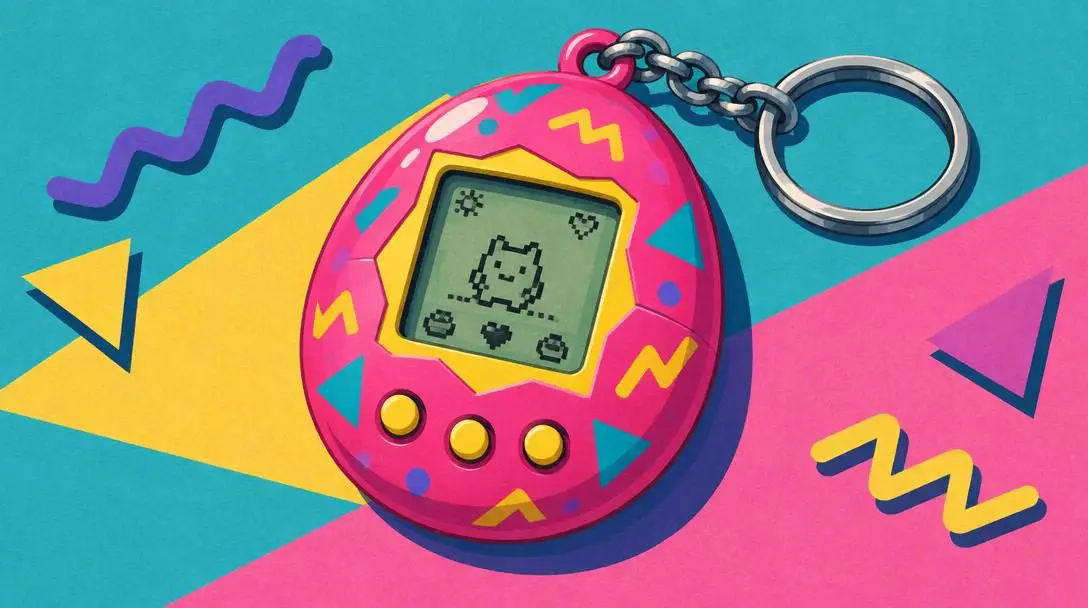
In 1997, handheld digital interaction reached schoolyards worldwide in the form of Tamagotchi. Housed in a small, egg-shaped keychain unit with an LCD screen, this virtual pet required constant care from its owner. Users had to feed, clean up after, and play with their digital companion around the clock to prevent it from expiring. The affordable retail price made it an attractive purchase for parents looking for stocking stuffers, but supply fell drastically short of demand. Retailers operated waiting lists, and shipments vanished the moment deliveries arrived at loading docks.
Razor Scooters
- Debut Year: 2000
- Key Origin: Founded in California
- Target Demographic: Children and teens aged 8 to 15
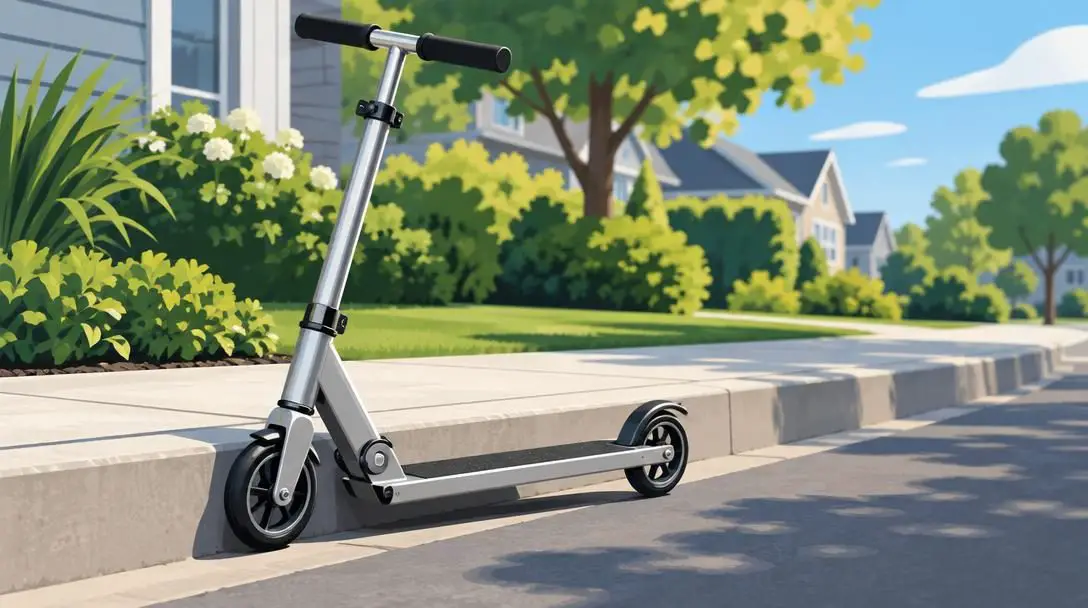
At the turn of the millennium, personal neighborhood transport was revolutionized by an aluminum folding vehicle. A company started in California in 2000 introduced the Razor scooter, capturing the attention of kids and teenagers aged 8 to 15 through high-energy television commercials. Sleek, fast, and easily collapsible, the scooters quickly appeared in almost every suburban garage in the country. The explosive popularity sparked intense holiday retail competition, while also earning a humorous reputation among a generation of riders for bruising countless ankles on neighborhood sidewalks.
PlayStation 2
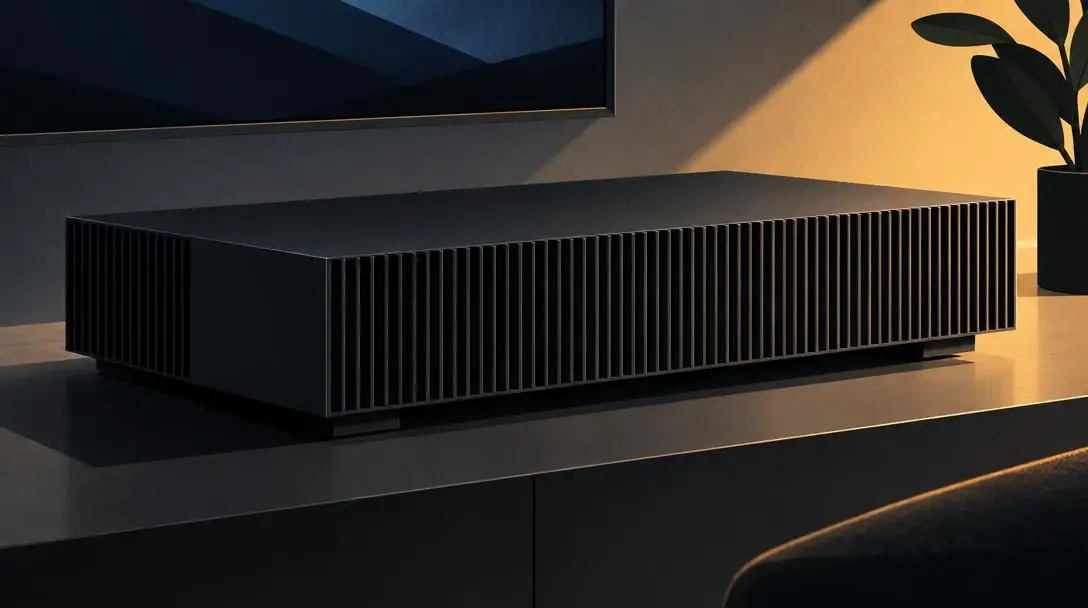
- Debut Year: 2000
- Key Feature: Integrated home DVD player
- Legacy: Longest-lasting home console lifespan
Sony followed up its groundbreaking original video game system with the PlayStation 2 in the holiday season of 2000, creating one of the most intense consumer hardware rollouts in history. Buildup for the device was unprecedented, bolstered by impressive technical specifications and an affordable price tag. Crucially, the system served double duty as a home DVD player at a time when standalone players were still relatively expensive luxuries. Families viewed the machine as an all-in-one entertainment hub, creating sprawling overnight encampments outside electronics retailers and frantic scrambles when morning doors opened.
Teddy Ruxpin
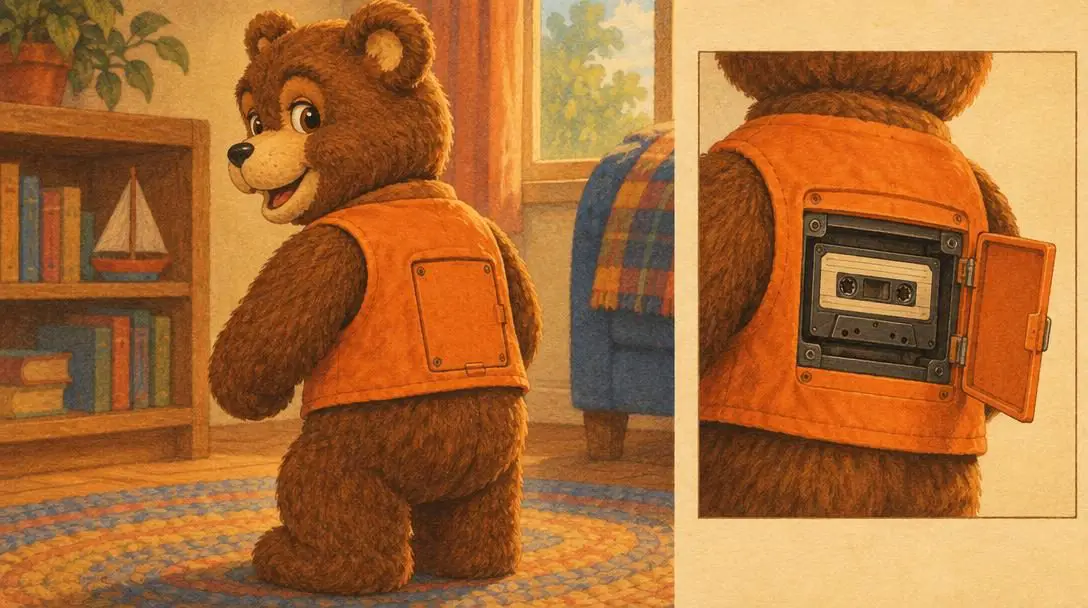
- Peak Era: Mid-1980s
- Key Feature: Internal cassette deck and synchronized speech
- Achievement: Best-selling toy for two consecutive years
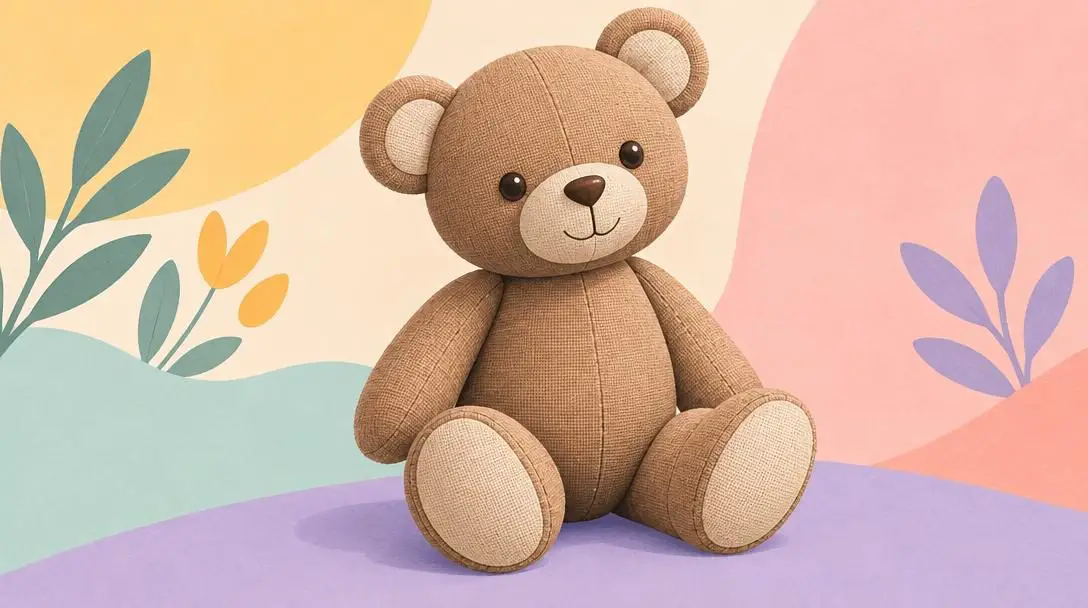
Long before electronic microchips powered modern animatronics, Teddy Ruxpin set the template for interactive holiday crazes. Arriving in the mid-1980s, the plush bear featured an internal cassette player built into its back. When a compatible tape was inserted, the motorized eyes and mouth synchronized with the recorded audio, allowing the bear to read bedtime stories directly to children. The novel mechanical storytelling captured the imagination of families across the country, propelling Teddy Ruxpin to the position of best-selling toy for two consecutive years and leading to frantic showroom searches.
ZhuZhu Pets
- Debut Year: 2009
- Retail Price: Under $10
- Secondary Price: Scalped up to $100
The year 2009 proved that a toy does not need advanced computing power to create a full-scale shopping frenzy. ZhuZhu Pets were simple, battery-operated artificial hamsters that squeaked and darted unpredictably across flat floors. Retailing at under $10, their accessible price tag triggered a massive buying wave among budget-conscious families during the winter shopping season. Because physical inventories were instantly wiped out, an aggressive secondary resale market emerged, pushing prices for the inexpensive plastic rodents up to $100 per unit.

Apple iPod
- Debut Year: 2001
- Key Feature: Top-of-the-line portable MP3 storage
- Sales Volume: Millions sold in inaugural holiday season
Debuting just before Black Friday in 2001, the original iPod changed personal audio and set the stage for modern consumer electronics rushes. While dedicated MP3 players already existed in limited capacities, Apple created a polished, pocket-sized device capable of holding massive music libraries behind an intuitive scroll wheel interface. Despite entering the market alongside traditional holiday toys, the premium music player became the standout gift of the season, selling millions of units and laying the cultural foundation for the smartphone era that followed years later.
Inside the Holiday Toy Hype Cycle
The intense retail frenzy that turns an everyday product into an unattainable holy grail is rarely accidental. A distinct sequence of consumer behavior, marketing dynamics, and logistical realities drives these seasonal rushes.
When supply fails to meet sudden holiday demand, scarcity itself becomes the primary marketing engine.
The progression generally develops across three separate stages:
- The Novelty Introduction: A toy introduces an unmistakable innovation or accessible price hook. Whether through the physical mechanics of Teddy Ruxpin, the digital connectivity of Tamagotchi, or the motion sensing of the Nintendo Wii, the product offers a distinct break from traditional store offerings.
- The Scarcity Cascade: When initial retail shipments sell out quickly, news reports and word-of-mouth amplify the perception that the product cannot be found anywhere. Shoppers who had little initial interest suddenly enter the market, driven by the social pressure to secure an item precisely because it is elusive.
- The Secondary Resale Surge: As store shelves sit bare, third-party sellers exploit the imbalance. As seen when sub-$10 ZhuZhu Pets commanded $100 or Tickle Me Elmo listings approached $1,000, high markup values encourage resellers to camp outside retail locations, further depriving everyday shoppers of regular inventory.
How to Navigate High-Demand Holiday Shopping Safely
When seasonal merchandise begins disappearing from store shelves, consumers need an organized strategy to avoid overspending or finding themselves in hazardous situations.
- Establish a Firm Spending Limit: Decide on an absolute budget before stepping into a store or checking secondary listings. Defining a strict limit protects you from emotional decisions driven by inflated markups.
- Evaluate Genuine Utility Against Hype: Determine whether the recipient actually desires the core product or is merely reacting to peer momentum. Distinguishing genuine interest from temporary viral hype prevents costly future regrets.
- Plan In-Store Visits with Caution: If acquiring an item requires visiting a brick-and-mortar storefront during peak early-morning hours, study the retail floor layout ahead of time, keep personal items secure, and refuse to participate in physical scrambles in crowded aisles.
- Track Official Replenishment Channels: Department stores and big-box electronics retailers receive regular replenishment shipments throughout December. Monitoring scheduled store deliveries directly allows you to bypass secondary resellers entirely.
- Communicate Realistic Timelines Early: When a national product shortage makes acquisition practically impossible, speak openly with family members. Setting expectations early reduces seasonal tension if a gadget must wait until post-holiday restocks.
Frequent Pitfalls to Avoid in the Aisle Rush
Consumer panics frequently cause shoppers to make poor financial and personal decisions. Being aware of common shopping traps makes it easier to navigate seasonal rushes successfully:
- Confusing Rarity with Future Value: Assuming that an item currently out of stock will maintain high financial worth over time is a persistent error. Speculative rushes like the 1990s Beanie Baby craze show how quickly resale markets can completely collapse once novelty fades.
- Capitulating to Reseller Markups: Paying four-figure sums or multi-fold markups for inexpensive toys rarely pays off. In almost every retail fad, production eventually catches up to demand in the months following Christmas, refilling shelves at standard retail prices.
- Endangering Personal Safety: Engaging in physical confrontations or aisle scuffles over a consumer gadget creates real legal and physical risks. No plastic toy or video game console justifies physical injury.
- Purchasing Inferior Knock-Offs: Desperate shoppers frequently settle for off-brand alternatives that do not perform the functions the recipient requested. This impulsive compromise often leads to disappointment and wasted funds.
Frequently asked questions
Why did Tickle Me Elmo command such high prices in 1996?
Tickle Me Elmo combined a beloved Sesame Street character with an innovative vibrating and giggling mechanism. When initial retail shipments completely sold out across the country, extreme scarcity drove parents to turn to early online marketplaces, where scalpers successfully sold the plush dolls for upwards of $1,000.
What made the Nintendo Wii so widely sought after compared to other consoles?
Released in 2006, the Nintendo Wii was the first gaming console to offer intuitive motion controls, making sports and interactive games immediately understandable for children, parents, and seniors alike. Its affordable launch price of $249.99 made cutting-edge hardware accessible to a broad family audience, creating unprecedented demand.
Did Beanie Babies retain their high values after the 1990s craze?
No. While collectors in the 1990s passionately believed that retired Beanie Babies would serve as appreciating financial investments, the speculative bubble burst just a few years later. The vast majority of Beanie Babies ended up being worth next to nothing as collector demand evaporated.
How did ZhuZhu Pets become so expensive on the secondary market in 2009?
ZhuZhu Pets were simple motorized artificial hamsters that originally retailed for under $10. Because they were so inexpensive, initial store inventories vanished immediately. This total lack of supply allowed third-party sellers on secondary auction sites to inflate prices to as much as $100 per unit during peak holiday weeks.
Why did the PlayStation 2 appeal to non-gamers during the 2000 holidays?
In addition to launching as an advanced gaming system, the PlayStation 2 was the first home console to include a built-in DVD player. Because standalone DVD players were still costly at the time, families purchased the affordable console as a dual-purpose home theater machine, dramatically widening its market appeal.
The Bottom Line on Seasonal Shopping Mania
The recurring phenomenon of the holiday doorbuster craze reflects a fascinating intersection of novelty, consumer psychology, and supply chain friction. From the motorized cassette storytelling of Teddy Ruxpin in the mid-1980s to the pocket-sized digital companionship of the Tamagotchi and the sweeping cultural impact of the original iPod, distinct products will always capture the public imagination. Recognizing the difference between a lasting technological evolution—such as the motion mechanics of the Wii or the entertainment utility of the PlayStation 2—and a transient, low-cost viral fad like ZhuZhu Pets helps shoppers maintain perspective, budget sensibly, and approach the holiday season with a clear head.