5 Most Important Things Home Appraisers Look For
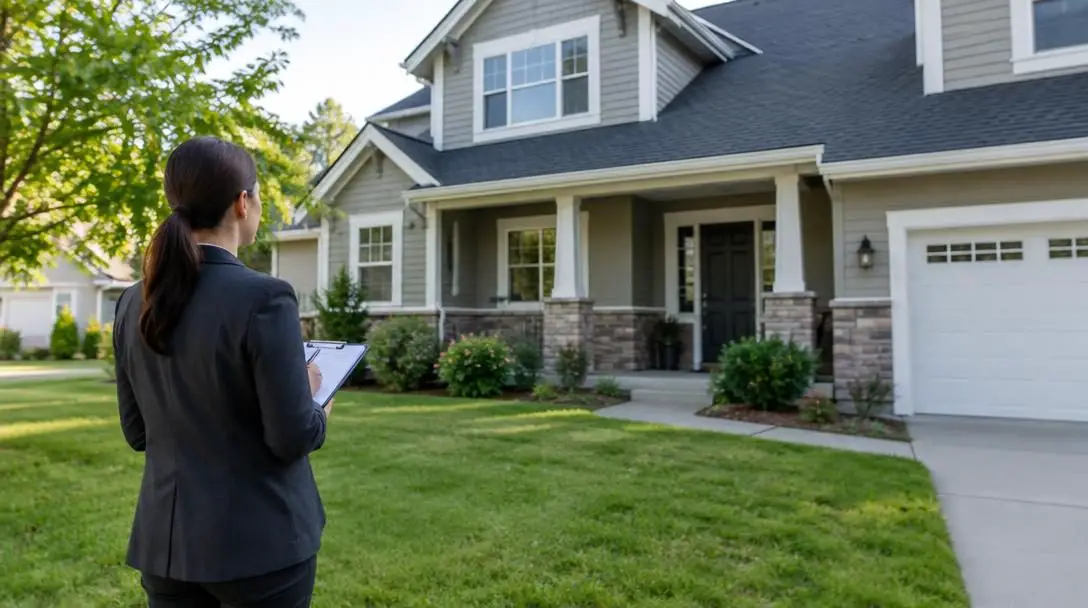
A home appraisal provides an objective, professional estimate of the fair market value of a residential property. Conducted by a certified or licensed real estate appraiser, this valuation establishes what a property is worth based on its physical condition, functional layout, overall size, and broader market environment. Whether an owner is preparing to purchase or sell a house, securing a mortgage from a bank, refinancing existing loan obligations, or finalizing legal matters like a divorce or bankruptcy filing, a precise appraisal protects both property owners and mortgage lenders from overpaying, underpricing, or carrying disproportionate financial risk.
While homeowners often confuse an appraisal with a standard home inspection, the two evaluations serve entirely different purposes. A home inspector scrutinizes individual plumbing fixtures, electrical outlets, and household appliances to uncover safety hazards and functional defects. In contrast, an appraiser examines broad structural integrity, functional floor plans, and overall marketability. Surface-level imperfections such as minor clutter or outdated wallpaper rarely impact an appraiser's calculations. Instead, their assessment focuses on core physical and geographic criteria that dictate long-term market demand and property valuation.
Key takeaways
- A professional appraisal establishes fair market value based on structural soundness, livable space, and regional market trends rather than surface cosmetics.
- Unresolved water intrusion and foundation or roof issues represent severe red flags that can depress an appraisal far more than minor decorative flaws.
- Modern mechanical systems and structural updates lower the effective age of older homes and protect valuation.
- Higher room counts, especially multiple full bathrooms and dedicated usable spaces, yield stronger appraised values than raw, unfinished square footage.
- Preparing detailed records of recent capital improvements and ensuring unobstructed access to utility areas can help ensure a smooth, accurate evaluation.
Core factors evaluated in a residential appraisal
When an appraiser conducts an on-site property evaluation, they analyze dozens of data points across the interior, exterior, and surrounding neighborhood. However, five major elements carry the heaviest weight in establishing the final valuation figure. While some of these characteristics can be altered with targeted renovations, others represent permanent physical and geographical realities of the real estate.
| Factor | Primary Focus | Value Drivers | Value Detractors |
|---|---|---|---|
| Location | Surrounding neighborhood and geographic setting | Spaced lots, low crime, strong schools, natural water views | Heavy traffic corridors, industrial pollution, dense high-rises |
| Water Damage | Signs of active leaks and historical moisture intrusion | Dry foundation walls, sealed rooflines, sound plumbing | Sagging ceilings, rotted window sills, damp basements |
| Age and Structure | Effective age of primary structural and mechanical assets | New roof, updated foundation, modern HVAC systems | Failing heating, deteriorating masonry, outdated utility units |
| Usable Size | Functional living space and lot utility | Finished square footage, functional workshops, spacious garages | Damp or unfinished basements, inaccessible volume |
| Room Count | Internal partition and layout balance | Multiple full bathrooms, ample bedrooms, secondary kitchens | Lacking functional baths, isolated or poorly configured rooms |
Location
The familiar real estate maxim emphasizing location remains foundational because an appraiser anchors a home's baseline worth to its immediate environment. Neighborhood stability, safety, and general desirability set the price ceiling before an appraiser even steps through the front door. Properties situated in quiet subdivisions with generous lot sizes typically earn higher appraisals, as wide spacing provides an open atmosphere and privacy that market buyers prioritize. Furthermore, strong local school districts and low community crime statistics drive strong neighborhood appeal for long-term households.
Conversely, proximity to negative external influences routinely suppresses property valuations. If a single-family house is hemmed in by commercial real estate developments, high-density apartment buildings, or loud highways, its fair market worth drops. Sustained roadway noise and industrial pollution disrupt the calm environment that residential appraisers reward. On the other hand, natural geography provides a significant boost: proximity to scenic bodies of water, including lakes and oceans, can dramatically elevate an appraisal.
Water Damage
Cosmetic flaws like scuffed baseboards, peeling paint, or stained rugs seldom degrade an appraisal. Such blemishes represent minor maintenance issues that a homeowner can rectify quickly with modest expense. Water damage represents an immediate red flag, signaling the potential for deep structural decay, rot, and concealed hazards that demand expensive remediation.

During the walk-through, appraisers actively look for moisture stains along interior drywall, sagging ceilings, rotted exterior window frames, plumbing leaks under kitchen and bathroom cabinetry, and signs of efflorescence or dampness across foundation slabs. Even historical water marks can indicate chronic grading or roofing failures. An unaddressed moisture problem suggests costly structural overhauls, directly reducing the home's evaluated market worth.
Age and Key Structural Components
While newer construction generally commands higher appraisal numbers due to contemporary building standards and pristine components, calendar age alone does not dictate property value. Instead, appraisers evaluate the effective age of primary mechanical and structural systems that keep the house safe and operational.
A home built more than a century ago can secure a stellar valuation if it features an updated foundation, a newly installed roof, and modern heating, ventilation, and air conditioning (HVAC) systems. Replacing these big-ticket mechanical assemblies costs tens of thousands of dollars. When an appraiser notes that an older residence retains aging mechanical equipment or a deteriorating roof nearing the end of its life expectancy, they lower the valuation to account for looming capital expenditures. A modern home with fresh installations eliminates these deferred costs, bolstering the appraisal from day one.
An older house with modernized structural components often appraises far higher than a neglected property built decades later.
Total and Usable Size
Residential buyers consistently seek larger living areas, making interior square footage and total outdoor acreage central components of the appraisal calculus. Appraisers assign substantial value to ample square footage and generous exterior parcel sizes, both of which expand the property's potential utility.
However, appraisers maintain a rigorous distinction between gross square footage and finished, usable living space. An expansive basement that remains unfinished, unconditioned, or damp adds negligible value compared to an equivalent above-grade living area. In contrast, practical outbuildings deliver a distinct appraisal boost. A large detached garage configured with practical workshop space or barn-style utility offers genuine utility, driving up the total estimate.
Number of Rooms
Total square footage must be complemented by a functional interior partition of rooms. A cavernous house featuring an irregular or open layout without adequate private spaces will often appraise lower than a smaller, well-balanced home. Appraisers place exceptional importance on the count of designated bedrooms and full bathrooms.

While adding bedrooms offers solid gains, increasing the number of full bathrooms provides the greatest boost to daily functionality and appraisal figures. Multiple full bathrooms streamline family routines and eliminate morning bottlenecks, making the property significantly more competitive on the open market. Additionally, houses configured with a secondary full kitchen gain a distinct edge, as appraisers recognize an extra kitchen as a premium feature suitable for hosting large gatherings or accommodating multigenerational living arrangements.
How the appraisal process works
The residential appraisal process follows a standardized methodology combining on-site physical analysis with off-site comparative market research. Understanding the sequence of steps helps property owners anticipate each phase of the evaluation.
- Order intake and research: The appraisal is initiated by a lending institution or homeowner, prompting the appraiser to gather municipal tax records, historical deeds, and active purchase agreements.
- On-site inspection: The appraiser conducts a comprehensive walk-through, measuring the exterior perimeter, confirming the room count, checking mechanical assets, and noting neighborhood factors.
- Comparable market selection: The appraiser pulls transaction data on recently sold homes (comps) located nearby that match the subject home's size, age, and condition.
- Numerical value adjustments: The appraiser adjusts the sale prices of comparable homes upward or downward based on specific differences, such as bathroom count or roof age.
- Final report delivery: The appraiser compiles the physical observations, photo records, and market adjustments into a formal valuation report for the client.
Practical steps to prepare your home
While fixed attributes such as parcel boundaries, school district zoning, and highway adjacency cannot be altered, owners can implement specific measures to present their property optimally before an appraiser arrives.
- Eliminate all moisture intrusion: Inspect the perimeter, crawl spaces, attic insulation, and under-sink plumbing for leaks or drips. Repair damaged pipework, address flashing faults on the roof, and eliminate visible staining.
- Assemble a capital improvements dossier: Draft a comprehensive log detailing dates, permits, and costs for major upgrades, including HVAC replacements, new roofing, foundation reinforcement, and window installations.
- Declutter functional spaces: Clear storage boxes out of basements, utility rooms, and workshops to ensure the appraiser can clearly view all functional, finished square footage.
- Verify room classifications: Confirm that designated bedrooms feature appropriate doors, operable egress windows, and required closet space to ensure they are formally counted in the report.
- Provide direct utility access: Ensure unobstructed pathways leading to the main electrical panel, water heater, furnace, attic access hatch, and crawl space openings.
Common mistakes homeowners make
Homeowners often misallocate their preparation budgets and time prior to an appraisal by prioritizing visual decor over functional structure. Avoiding these missteps preserves capital and prevents disappointing valuation outcomes.
- Investing in cosmetic finishes over structural integrity: Spending money on expensive decorative wallpapers or carpets while ignoring a leaking roof or plumbing failure damages the bottom line. Appraisers prioritize structural soundess over trend-driven decor.
- Overlooking deferred mechanical maintenance: Neglecting an antiquated furnace or failing water heater in favor of visual updates leaves an appraisal vulnerable to heavy depreciation adjustments.
- Attempting to conceal defects: Placing furniture over damaged drywall or painting over unaddressed water damage will not fool a trained appraiser and may trigger mandatory follow-up inspections that delay transactions.
- Assuming raw space guarantees high value: Leaving wide expanses of square footage unfinished or poorly partitioned produces lower values than dedicating space to practical rooms and full bathrooms.
- Ignoring localized market context: Expecting an appraisal to mirror sale prices from an upscale adjacent township while ignoring immediate neighborhood commercial density or traffic corridors leads to unrealistic expectations.
Frequently asked questions
How does a home appraisal differ from a home inspection?
A home inspection focuses entirely on identifying mechanical, electrical, and structural defects to evaluate property safety and functionality for prospective buyers. A home appraisal determines the fair market value of the residence by assessing overall condition, structural durability, usable size, room count, and neighborhood sales trends for lending and transactional purposes.
Will an untidy room or messy living space lower the appraisal?
No, standard clutter, children's toys, and dirty laundry do not lower an appraisal. Appraisers evaluate the permanent physical structure, layout, and mechanical health of the home. However, heavy clutter that blocks access to attics, furnaces, or electrical panels can hinder the appraiser's ability to verify core structural elements.
Does adding a half bathroom increase value as much as a full bathroom?
While any added bathroom provides convenience, adding full bathrooms provides the greatest appraisal boost. Full bathrooms resolve household morning bottlenecks and offer complete functionality, which aligns directly with standard buyer demand and appraiser valuation models.
Why does the effective age of a home matter more than its construction year?
Effective age reflects the condition and operational lifespan of primary components such as the roof, foundation, and HVAC units. An older home that has been upgraded with brand new mechanical systems operates like a younger property, saving future owners thousands in near-term replacement costs and supporting a higher valuation.
Can an appraiser consider proximity to schools and commercial zones?
Yes, location analysis is fundamental to the appraisal process. Properties located in neighborhoods with strong school districts and low crime rates benefit from higher valuations, whereas residences bordering loud roadways, industrial zones, or dense commercial developments receive negative market adjustments.
The bottom line
An accurate home appraisal serves as an indispensable anchor for real estate transactions, mortgage underwriting, and major financial milestones. Rather than focusing on superficial staging or cosmetic enhancements, owners who want to maximize their property's fair market value should focus on fundamental structural health. Addressing moisture issues immediately, maintaining vital heating and cooling infrastructure, maximizing usable living space, and maintaining a balanced room count with ample full bathrooms will ensure a property performs at its absolute peak during a professional evaluation.