5 Anime Series That Received a Live Action Adaptation
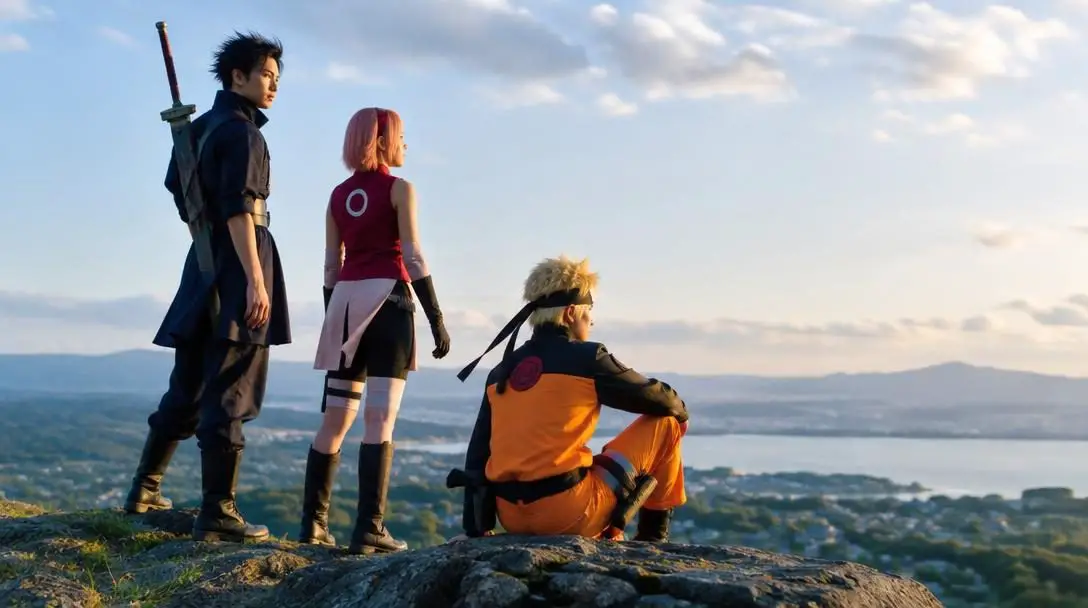
When an entertainment property captures worldwide attention, a live-action film or television adaptation almost inevitably follows. From celebrated literary works and best-selling video game series to nostalgic toy franchises, media companies regularly look for proven stories that can be translated into real-world cinema. The vibrant realm of anime and manga has firmly entered this production pipeline, evolving from hand-drawn frames and digital animation into projects featuring flesh-and-blood actors, physical sets, and complex visual effects.
The journey from the illustrative page to live action is notoriously challenging. Some productions benefit from generous financial backing and widespread critical praise, while others suffer from shoestring production budgets or creative compromises that alienate long-term fans. Examining how various franchises navigate this transformation reveals the artistic and commercial hurdles studios face when bringing stylized animation into reality.
Key takeaways
- Live-action adaptations span a broad spectrum of critical success, from well-received films like Bleach to poorly reviewed releases like Fullmetal Alchemist.
- Condensing multi-volume manga storylines into single feature films remains a frequent pitfall, often resulting in rushed pacing and flattened narrative depth.
- Western studio adaptations frequently encounter casting and creative backlash when departing from the cultural identity or foundational dynamics of the source material.
- The entertainment industry is increasingly turning toward episodic streaming platforms to provide the structural breathing room required for long-form anime plots.
At a glance: Five notable live-action adaptations
While each project faced distinct creative circumstances, comparing their origins, release years, formats, and eventual critical reception highlights the varied paths adaptations take in modern cinema.
| Title | Original medium debut | Live-action release | Production format | Critical reception |
|---|---|---|---|---|
| Cowboy Bebop | Late 1990s (Anime) | 2021 | Streaming series | Mixed reviews |
| Death Note | 2003 (Manga) | 2017 | Streaming feature film | Mixed reviews |
| Bleach | 2001 (Manga) | 2018 | Theatrical / streaming film | Positive rating |
| Fullmetal Alchemist | 2001 (Manga) | 2017 | Film trilogy (first entry) | Negative reception |
| Ghost in the Shell | 1989 (Manga) | 2017 | Theatrical feature film | Lukewarm reviews / $170M box office |
Five anime series that transitioned to live action
Each of the following five properties represents a significant cultural footprint within the anime and manga landscape. Their subsequent adaptations illustrate the creative experiments, budget realities, and storytelling choices made by domestic and international studios alike.
Cowboy Bebop

- Original debut: Late 1990s anime series
- Live-action release: 2021
- Platform: Netflix
- Primary setting: Spacecraft Bebop, over 100 years in the future
Cowboy Bebop stands as one of the most celebrated titles in animation history. Originally broadcast for a brief run in the late 1990s, the series quickly amassed an enduring international legacy thanks to its atmospheric storytelling, genre-bending music, and memorable ensemble cast. Set over a century in the future, the narrative tracks an eccentric crew of space bounty hunters aboard their vessel, the Bebop, as they drift across the cosmos tracking down elusive criminals.
In 2021, Netflix debuted a live-action episodic series based on the beloved anime. While the production attempted to capture the retro-futuristic aesthetic and kinetic action of the source material, it was met with mixed reviews from audiences and critics. A major point of criticism was that the adaptation struggled to match the emotional depth, subtle philosophy, and effortless cool that made the original anime an international classic.
Death Note
- Original creators: Tsugumi Ohba (writer) and Takeshi Obata (artist)
- Manga debut: 2003
- Anime debut: 2006
- Live-action release: 2017
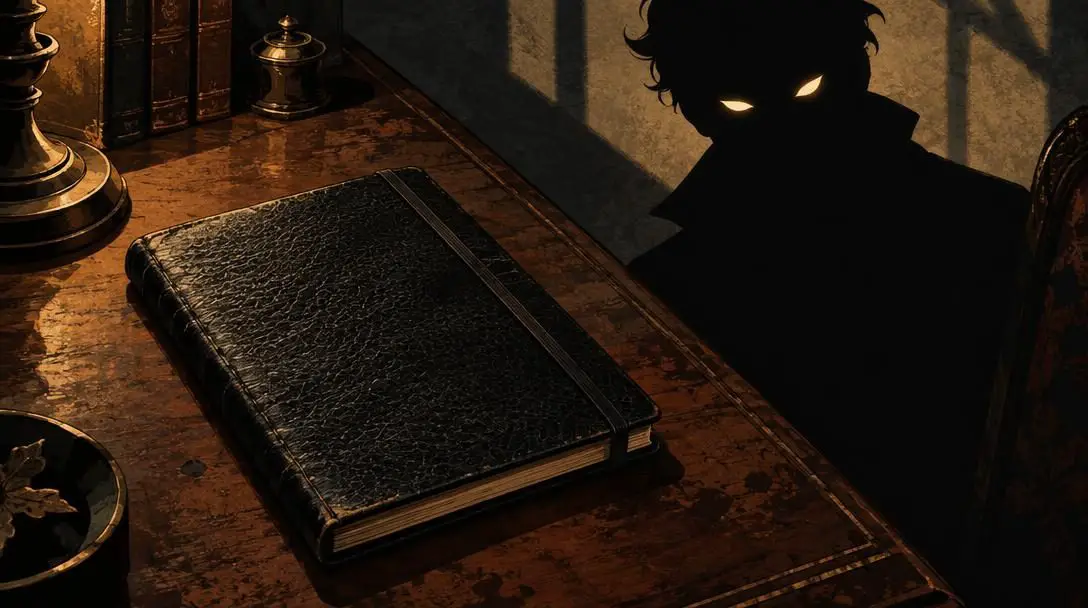
Originally conceptualized as a supernatural psychological thriller, Death Note made an immediate splash when the manga was published in 2003. After receiving an anime adaptation in 2006, the franchise solidified its status as an international sensation. The premise centers on Light Turner, a high school student who comes into possession of a mystical notebook granting the ability to end the life of any person whose name is inscribed on its pages.
The original guardian of this grim artifact is Ryuk, a towering, otherworldly death god whose striking visual appearance remains the most recognizable trademark of the franchise. In 2017, a live-action film adaptation was released to wide viewership. However, critics gave the movie mixed reviews, arguing that attempting to compress a cerebral, multi-volume cat-and-mouse game into a single feature film left the pacing feeling rushed and stripped away the psychological nuance of the premise.
Bleach
- Original creator: Tite Kubo
- Manga debut: 2001
- Live-action release: 2018
- Protagonist: Ichigo Kurosaki
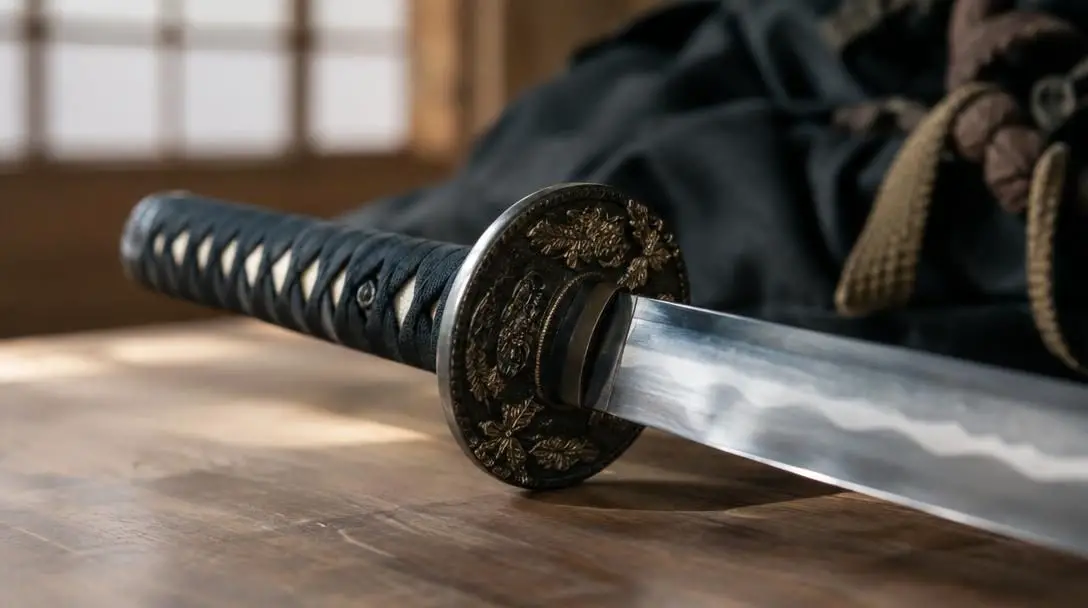
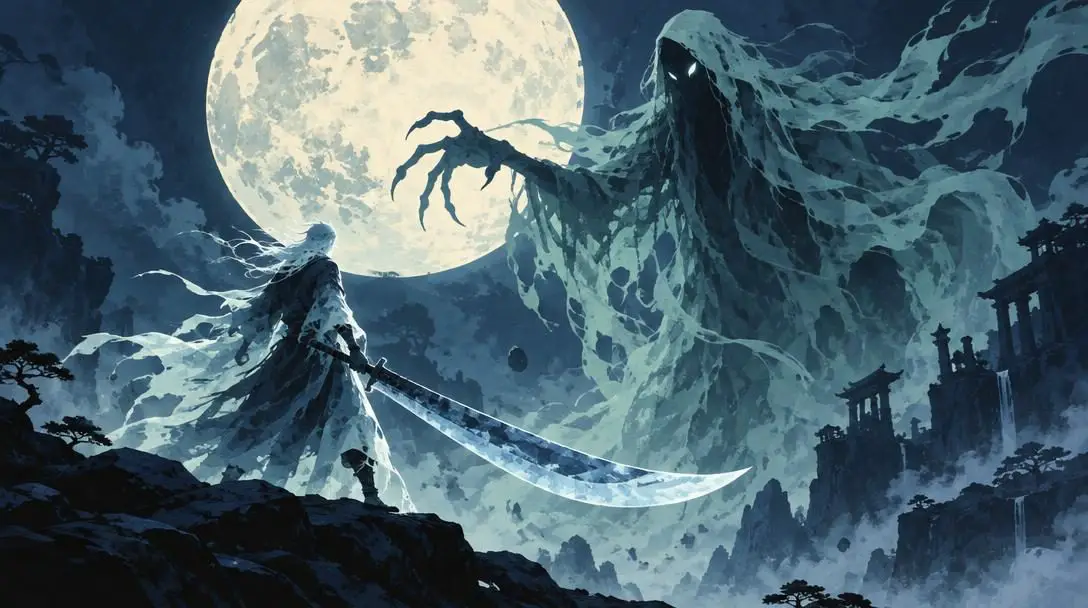
Created by Tite Kubo in 2001, Bleach grew into one of the foundational pillars of modern shonen manga and anime culture. The story takes place in the town of Karakura and introduces Ichigo Kurosaki, an ordinary high school student endowed with the rare gift of seeing wandering spirits and otherworldly apparitions. His routine existence is permanently upended when he crosses paths with Rukia Kuchiki, an ethereal Soul Reaper tracking malicious spectral predators known as Hollows.
When a Hollow targets Kurosaki's family, Kuchiki is injured during the skirmish and makes the critical choice to transfer her supernatural capabilities directly to him. This sudden sacrifice forces Kurosaki to shoulder the hazardous responsibilities of a Soul Reaper overnight. The 2018 live-action adaptation earned a positive overall rating, winning over fans and reviewers by focusing on a disciplined, faithful retelling of the story's introductory arc rather than overextending its narrative reach.
Fullmetal Alchemist
- Original publisher: Enix
- Manga debut: 2001
- Most recent animated series: Fullmetal Alchemist: Brotherhood (2009–2010)
- Live-action release: 2017
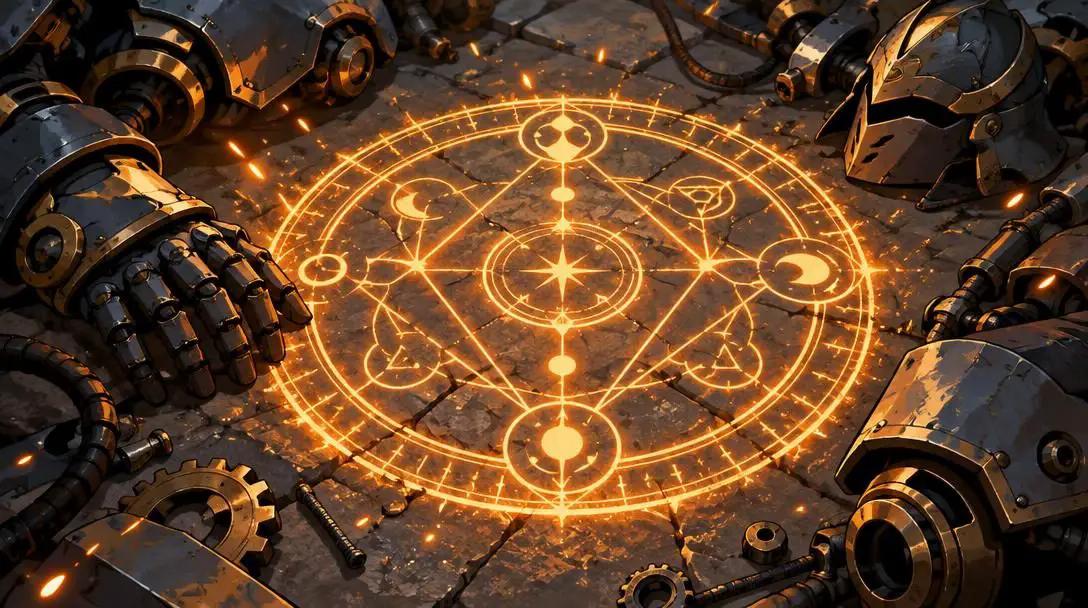
Launching in 2001 under the banner of the publishing firm Enix—a company widely celebrated across North America for its iconic role-playing games and historic corporate merger with Square—Fullmetal Alchemist enjoyed an acclaimed decade-long publication run. The manga yielded multiple animated series, including the globally praised Fullmetal Alchemist: Brotherhood between 2009 and 2010. The property eventually made its live-action foray through a planned trilogy of cinematic films.
The first chapter of the trilogy debuted in 2017, screening in Japanese theaters before expanding worldwide on Netflix. Despite the immense devotion and scale of the global fanbase, critical reception was markedly unfavorable. Many viewers expressed disappointment with the film's noticeably low budget, pointing out that the modest production values could not deliver the convincing alchemical battles and detailed world-building that fans expected.
Ghost in the Shell
- Manga debut: 1989
- Live-action release: 2017
- Lead star: Scarlett Johansson
- Worldwide box office: $170 million
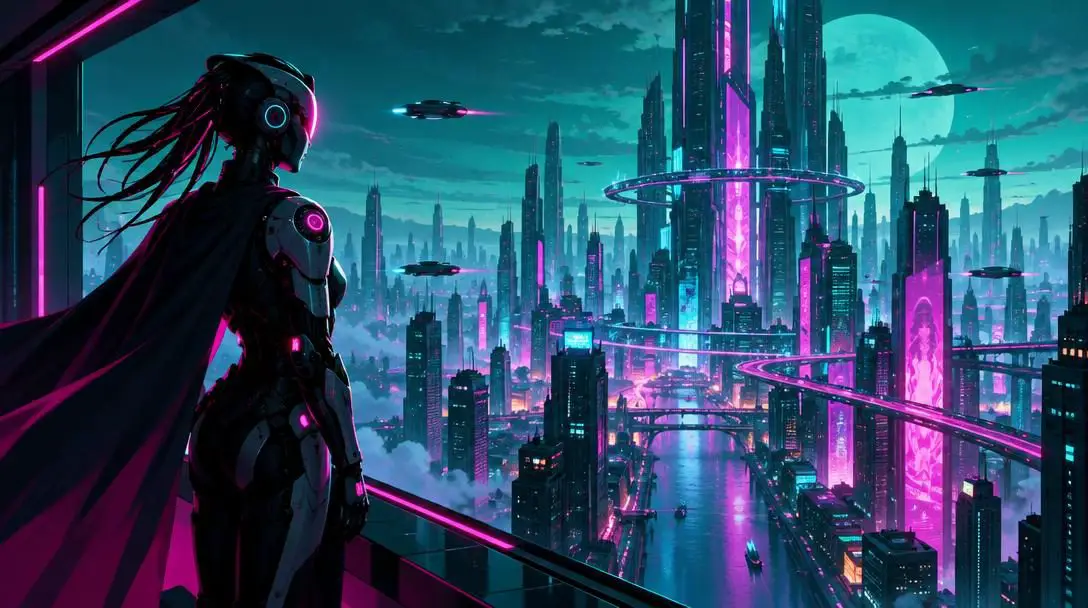
Starting its journey in 1989 as a groundbreaking manga, Ghost in the Shell evolved over several decades through celebrated animated films and television series in the 1990s and 2000s, helping define the modern cyberpunk aesthetic. In 2017, a major Hollywood live-action film brought the story of Major Motoko Kusanagi to global theaters, starring Scarlett Johansson in the central role.
The project attracted widespread public debate and criticism prior to release due to casting decisions, with commentators highlighting ethnic mismatches between the character's Japanese origins and the lead actor. Despite the controversy, the film earned $170 million at the worldwide box office. The ambitious production was guided by seasoned producer Avi Arad, recognized for producing every cinematic Spider-Man entry since the original 2001 release. While the movie earned lukewarm reviews, it established itself as an essential visual watch for followers of the cyberpunk classic.
Translating illustrative storytelling into human performance requires a delicate balance between honoring original artistic conventions and grounding the material in physical reality.
The multi-stage process of adapting anime for the screen
Bringing a drawn narrative into the realm of live-action filmmaking requires a comprehensive, multi-step production pipeline designed to bridge two radically different artistic mediums.
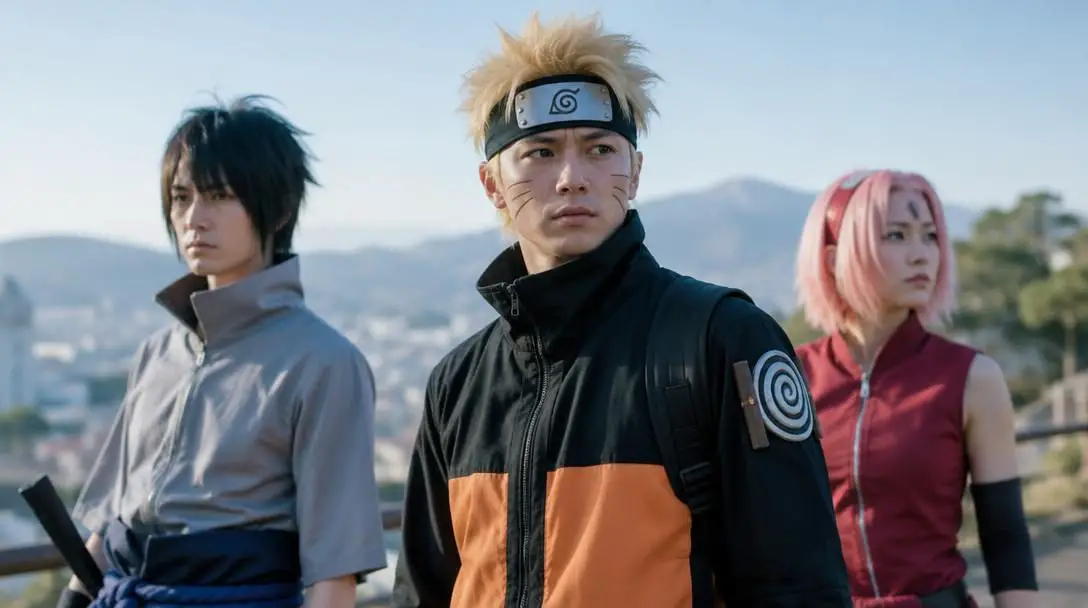
The process begins with acquiring intellectual property rights. Production companies and streaming networks purchase adaptation licenses from the original authors, publishing houses, or production committees that oversee the manga or anime franchise. Once rights are secured, creative teams determine the format, deciding whether the scope of the fictional world is best served by a compressed two-hour theatrical film or an expansive, multi-episode streaming series.
Next, screenwriters take on the challenge of condensation. Because manga series often encompass dozens of published volumes and hundreds of animated episodes, writing teams must cut secondary subplots, merge background characters, and construct a cohesive three-act structure. Casting directors must then find actors who can convincingly portray beloved characters while satisfying studio demands for recognizable stars capable of driving ticket sales.
Finally, visual effects, costume design, and post-production crews integrate the anime's stylized signatures into practical environments. Oversized weapons, distinctive costumes, and supernatural powers must be translated through computer-generated imagery, prosthetic makeup, and dynamic stunts so they function naturally under physical studio lighting and camera setups.
Recommended steps for exploring anime adaptations
Navigating the expanding catalog of live-action adaptations can be challenging for both seasoned anime enthusiasts and curious newcomers. Following a structured viewing approach ensures a more rewarding experience.
- Decide on your starting point: Choose whether to experience the original manga and anime before watching the live-action project. Viewing the source material first clarifies the original artistic intent, whereas watching the adaptation blind allows you to judge the film entirely on its own cinematic merits.
- Identify the producing region: Distinguish between domestic Japanese productions and Western Hollywood releases. Japanese studios often prioritize literal aesthetic fidelity to costume designs, while Western studios frequently restructure character names, settings, and lore to appeal to mainstream global demographics.
- Research the narrative scope: Investigate which story arcs the adaptation covers. Knowing whether a movie attempts to summarize an entire franchise or focuses purely on an introductory arc helps set realistic expectations for pacing and character development.
- Calibrate visual expectations: Acknowledge that high-concept powers, fantastical creatures, and dynamic choreography naturally look different when performed by real actors on physical sets compared to hand-drawn animation.
Frequent pitfalls in live-action adaptations
When live-action adaptations fail to resonate with audiences, the missteps often trace back to recurring structural and creative mistakes during development:
- Rushing the narrative pace: Forcing decades of serialized character growth and intricate world-building into a short runtime often leaves newcomers confused and long-time fans unsatisfied.
- Altering core character motivations: Modifying the foundational principles, backstories, or moral compasses of iconic figures alienates the core fanbase that made the original work successful.
- Underfunding visual effects: High-concept science fiction and fantasy properties require substantial financial backing; inadequate budgets lead to unconvincing digital effects that undermine audience immersion.
- Misaligning tone: Neglecting the unique emotional balance of the original property—such as stripping away subtle comedic beats or over-simplifying philosophical questions—yields a sterile and generic film.
- Ignoring cultural identity: Making tone-deaf casting choices or completely disregarding the cultural roots of the narrative can generate public controversy that detracts from the project's artistic merits.
Frequently asked questions
Why do live-action anime adaptations often receive mixed or negative reviews?
Many adaptations struggle because translating highly stylized animation into real-world filmmaking presents major narrative and visual hurdles. Compressing lengthy manga storylines into two-hour films frequently results in rushed pacing, while modest production budgets can make fantastical powers and creatures look unconvincing in real life.
Which anime adaptation on this list received the most positive critical rating?
The 2018 live-action film Bleach achieved a generally positive overall rating. Viewers and critics appreciated its focused approach, which centered on carefully adapting the opening arc of the story rather than trying to fit the entire manga into a single movie.
What controversy surrounded the 2017 Ghost in the Shell movie?
The 2017 Hollywood adaptation of Ghost in the Shell faced significant criticism regarding the casting of Scarlett Johansson as Major Motoko Kusanagi, sparking debate over ethnicity mismatches between the iconic Japanese character and the lead performer.
Is Fullmetal Alchemist a standalone live-action film or part of a series?
The 2017 Fullmetal Alchemist film was developed as the first entry in a trilogy of live-action movies, premiering in Japanese theaters before receiving an international digital release on Netflix.
How does Cowboy Bebop differ in format from films like Death Note or Bleach?
Unlike Death Note and Bleach, which were adapted as standalone feature films, Cowboy Bebop was produced as an episodic streaming series on Netflix, allowing the production more screen time across multiple episodes to explore its world.
The bottom line
Live-action anime adaptations represent an ambitious creative bridge connecting hand-drawn illustrative art with practical human cinema. While translating stylized worlds into physical reality presents formidable narrative, financial, and casting hurdles, the appetite for these projects continues to expand worldwide. With advancements in visual effects technology and an industry shift toward multi-episode streaming seasons, future adaptations have an unprecedented opportunity to honor their source material while succeeding as compelling standalone entertainment.