5 Australian NGOs Making The World A Better Place

Australia has established a enduring history of standing on the front lines when addressing urgent global challenges. From supporting international climate accords like the Paris Climate Agreement to coordinating vital aid missions across continents, non-governmental organizations (NGOs) based in Australia consistently translate humanitarian intent into structured, measurable action. These independent groups tackle systemic problems across specialized domains, including climate research, legal aid, primary healthcare, and economic development.
Operating beyond the scope of private profit and government administration, Australian NGOs bridge critical service gaps while holding public and corporate institutions accountable. Five organizations in particular—Beyond Zero Emissions, Refugee Council Australia, UNICEF Australia, The Fred Hollows Foundation, and FinGAP International—stand out for their dedicated fieldwork, evidence-based advocacy, and long-term community empowerment across borders.
Key takeaways
- Australian non-governmental organizations address complex global issues spanning climate policy, refugee support, pediatric healthcare, preventable blindness, and economic independence.
- Impactful organizations prioritize local capacity building, giving regional healthcare workers, community organizers, and entrepreneurs the tools to sustain initiatives independently.
- Corporate advocacy and policy research conducted by non-profits have successfully influenced multinational corporations to adopt zero-emission targets.
- Direct financial support and enterprise education provide vulnerable communities, particularly women in developing areas, with sustainable pathways out of poverty.
At a glance: Five leading Australian non-governmental organizations
While sharing a commitment to global humanitarian progress, each of these five organizations specializes in distinct operational sectors and geographic regions. The table below outlines their primary focuses, operational footprints, and core interventions.
| Organization | Primary Sector | Key Focus Areas | Geographic Reach |
|---|---|---|---|
| Beyond Zero Emissions | Climate & Energy | Renewable grid transitions, corporate commitments, fossil fuel phaseouts | Australia and international corporations |
| Refugee Council Australia | Human Rights & Legal Aid | Asylum seeker assistance, legal guidance, community settlement, policy advocacy | Australia |
| UNICEF Australia | Child Welfare & Protection | Ending child labor, pediatric healthcare, clean water access, hunger alleviation | Africa, Asia, and global communities |
| The Fred Hollows Foundation | Specialized Healthcare | Restoring sight, cataract surgeries, clinical training, public health education | 28 developing countries |
| FinGAP International | Economic Development | Financial literacy, enterprise development, direct business grants | Africa and India |
Profiles of five prominent Australian NGOs
Each of the following organizations represents an essential pillar of civil society, demonstrating how focused non-profit programs can resolve immediate humanitarian crises while laying foundations for long-term self-reliance.
Beyond Zero Emissions

- Founded: 2009
- Focus area: Climate change research and corporate energy advocacy
- Key achievement: Persuaded Microsoft and Dell to commit to 100% renewable power by 2020
Founded in 2009, Beyond Zero Emissions (BZE) is an independent research and advocacy group dedicated to showing that a zero-emissions economy is both technologically feasible and economically practical. Rather than relying solely on philosophical appeals, BZE produces comprehensive technical models and data-driven transition plans that guide governments, industries, and households toward clean energy solutions.
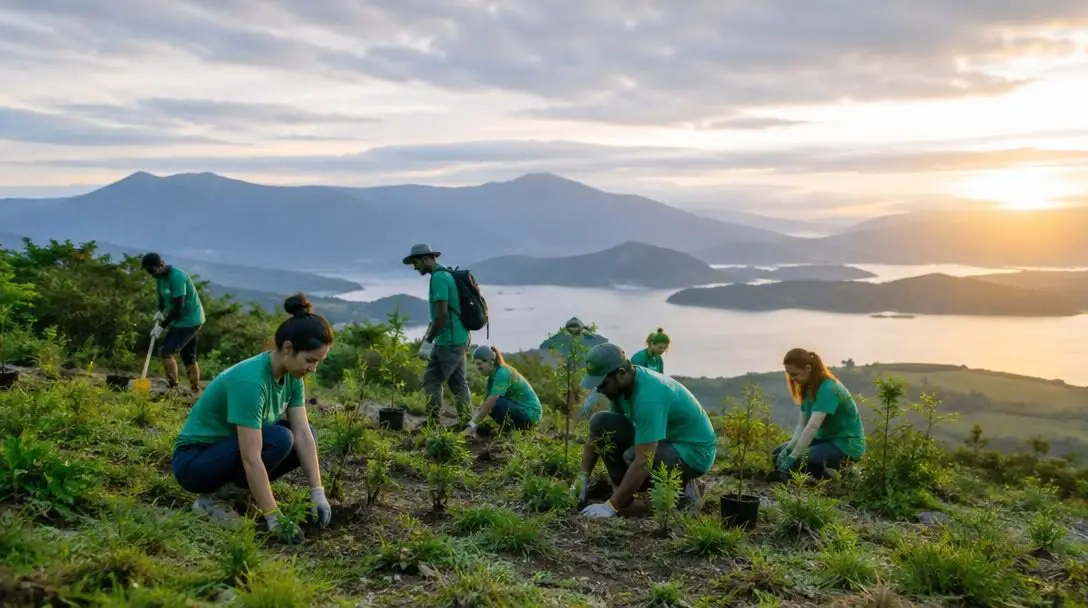
A benchmark of BZE's corporate engagement came through targeted campaigns that successfully persuaded technology giants Dell and Microsoft to commit to operating entirely on renewable energy sources by 2020. The organization also creates initiatives that assist everyday citizens in replacing fossil fuels with zero-emission energy alternatives across home heating, cooling, and transportation.
Refugee Council Australia

- Founded: 1945
- Volunteer network: Over 2,000 active volunteers
- Core services: Food distribution, emergency shelter, and legal guidance
Operating continuously since 1945, Refugee Council Australia (RCA) was established during the humanitarian fallout of World War II to coordinate relief for displaced people. Over the decades, RCA has evolved into the peak national advocacy and support body for refugees and individuals seeking asylum within Australian borders.
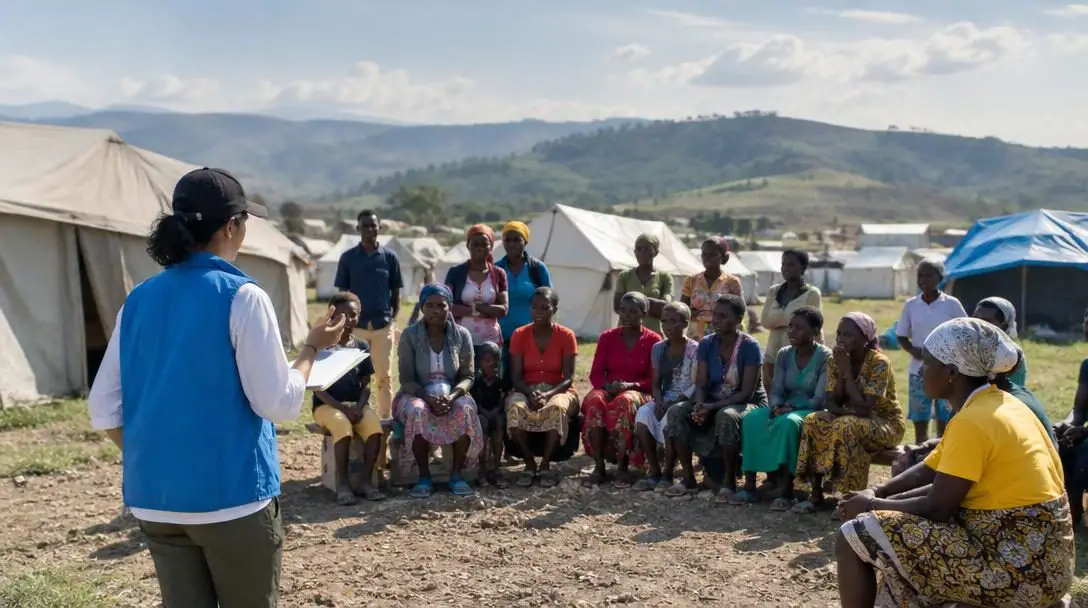
Supported by a vast network of more than 2,000 volunteers, RCA manages essential direct-relief operations, securing emergency shelter, providing nutritious food, and helping individuals navigate complex legal immigration processes. Beyond immediate casework, RCA conducts extensive policy research to lobby governments for legislative protections that respect human rights and ensure dignified treatment for vulnerable migrants.

UNICEF Australia
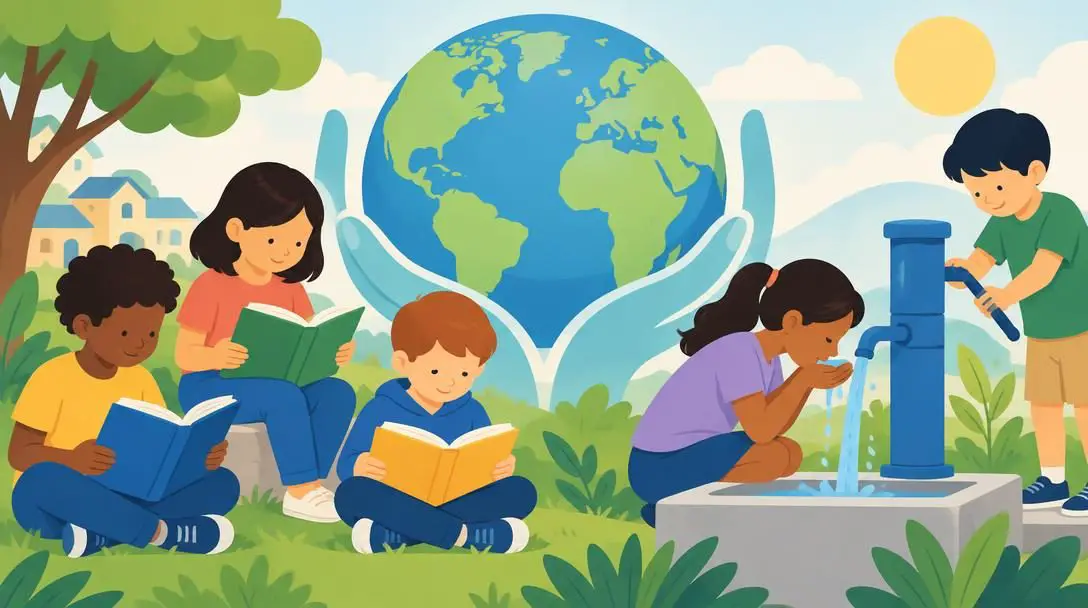
- Mission: Protecting children's rights and ending discrimination
- Current priorities: Eradicating child labor in Africa and ending hunger in Asia
- Core activities: Primary healthcare, social protection, education, and sanitation
Working as part of a global humanitarian framework, UNICEF Australia concentrates on defending children's rights and dismantling the systemic discrimination that marginalizes young populations. The organization addresses child welfare through a holistic lens, recognizing that safety, nutrition, and schooling are tightly intertwined.
UNICEF Australia prioritizes the delivery of clean drinking water, accessible primary healthcare, formal educational spaces, and social protections. In recent years, its strategic operations have concentrated heavily on eradicating exploitative child labor practices throughout Africa while running targeted emergency feeding and nutrition initiatives to assist food-insecure children across Asia.
The Fred Hollows Foundation

- Global reach: Eye care operations across 28 developing nations
- Primary procedure: Sight-restoring cataract surgeries
- Model: Clinical workforce training, equipment provision, and community workshops
The Fred Hollows Foundation (FHF) is internationally celebrated for eliminating avoidable blindness and improving visual health standards across lower-income regions. The foundation operates under the principle that access to high-quality healthcare is a fundamental human right, regardless of a patient's economic standing.
Rather than providing temporary medical missions, FHF works across 28 developing countries to train local doctors, nurses, and technicians, while supplying community clinics with modern surgical equipment. This local-first structure allows partner clinics to perform thousands of sight-restoring cataract procedures annually at low cost or entirely free of charge. The organization also hosts educational workshops to build lasting public awareness regarding preventable eye conditions.
True humanitarian impact depends on strengthening local infrastructure and self-sufficiency rather than relying purely on short-term external interventions.
FinGAP International
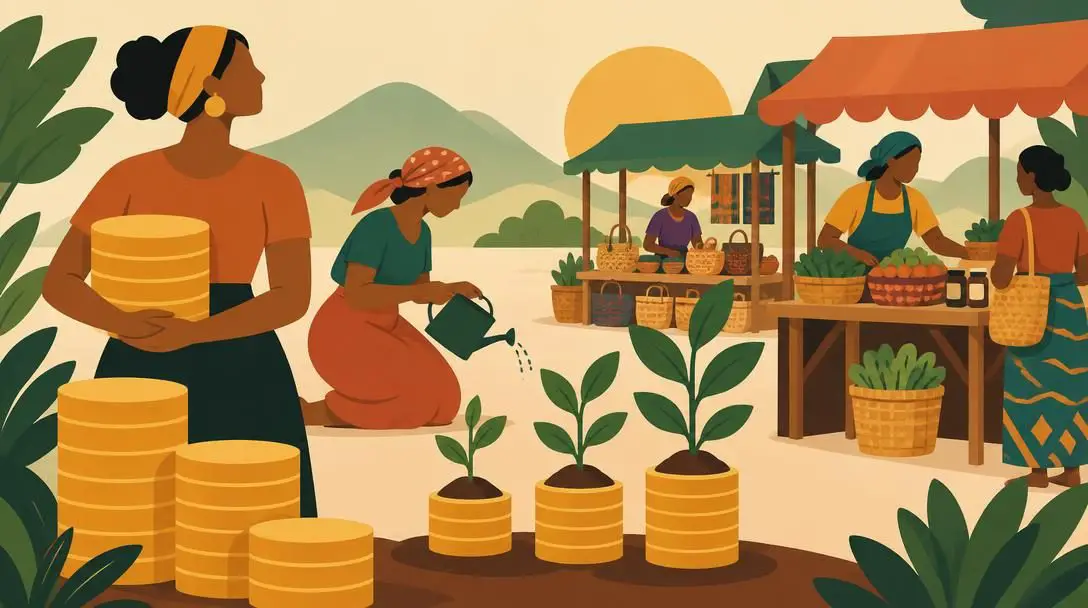
- Program history: Over 15 years and 300+ capacity-building initiatives
- Capital distributed: Over $10 million USD in direct cash grants
- Target demographic: Women and girls in low-income regions of Africa and India
Recognizing that financial independence provides a durable shield against systemic poverty, FinGAP International works to foster women's economic empowerment through specialized education and direct capital investment. For more than 15 years, the organization has designed and executed community-specific literacy and business courses in marginalized areas of Africa and India.
Through more than 300 capacity-building programs, FinGAP teaches women practical enterprise development strategies, debt management, and sustainable wealth-generation models. To turn theoretical knowledge into functioning businesses, FinGAP has disbursed more than $10 million USD in direct micro-grants, empowering thousands of female entrepreneurs to launch, sustain, and expand local enterprises.
How Australian non-governmental organizations deliver impact
While the focus areas of these five non-profits vary significantly, their operational frameworks share fundamental methodologies that ensure donor resources translate into measurable social change.

- Evidence-driven corporate engagement: By backing policy goals with rigorous technical data, groups like Beyond Zero Emissions present undeniable economic cases that compel multinational corporations to adjust their operational supply chains.
- Grassroots volunteer coordination: The reliance on localized networks, such as the thousands of volunteers deployed by Refugee Council Australia, keeps administrative overhead low while maintaining rapid response times for families in distress.
- Strengthening local systems: Sustainable progress requires that external groups avoid creating dependencies. The Fred Hollows Foundation equips local surgeons and clinics, ensuring clinical capacity remains permanently inside the host country.
- Direct capital injection: Combining foundational business training with direct funding, as practiced by FinGAP International, removes the capital bottlenecks that frequently prevent marginalized individuals from transforming skills into viable enterprises.
Practical steps for engaging with humanitarian non-profits
Supporting non-profit initiatives effectively requires strategic consideration. Donors, volunteers, and advocates can use the following steps to maximize their contributions to global and domestic missions.
- Select an aligned philanthropic priority: Clarify whether your values and personal expertise align best with climate solutions, human rights advocacy, public health infrastructure, or enterprise education.
- Commit to structured, skilled volunteering: Look beyond general labor by offering professional capabilities—such as legal assistance, accounting, translation, or graphic design—that directly alleviate operational bottlenecks for NGOs.
- Establish recurring financial contributions: Recurring monthly donations, even in modest amounts, provide organizations with predictable revenue streams. This financial stability enables multi-year planning for school construction, medical training, and ongoing research.
- Advocate within personal and corporate networks: Amplify the policy positions of vetted NGOs by contacting legislative representatives, signing community petitions, or encouraging your employer to adopt sustainable procurement practices.
- Audit consumer and institutional energy use: Translate organizational research, such as the climate findings published by Beyond Zero Emissions, into daily practice by opting for renewable utility plans and eliminating fossil fuel dependence.
Common mistakes when supporting non-profit organizations
Good intentions can sometimes lead to counterproductive outcomes if supporters do not consider the logistical and economic realities of humanitarian fieldwork.
- Shipping unrequested physical goods: Sending used clothing, canned foods, or household goods overseas often burdens relief teams with massive sorting and storage fees, while undermining local merchants selling the same supplies nearby.
- Demanding zero overhead costs: Expecting every contributed dollar to fund programmatic delivery ignores the essential costs of governance, financial audits, digital security, and staff training necessary for responsible operation.
- Imposing external solutions without local consultation: Interventions that bypass native community leadership frequently fail. Sustainable NGOs work collaboratively with local residents, ensuring programs respect existing cultural and economic dynamics.
- Focusing exclusively on disaster response: While immediate disaster relief saves lives, neglecting ongoing capacity building and long-term advocacy leaves communities vulnerable to future systemic shocks.
- Failing to review operational transparency: Neglecting to evaluate an NGO's public reporting, program accountability, and independent audit history can result in supporting initiatives with poor financial oversight.
Future outlook: Interconnected global challenges
As the international landscape shifts, civil society organizations must navigate an increasingly complex array of environmental, financial, and geopolitical pressures. Achieving durable outcomes will require NGOs to look across traditional industry boundaries.
Global problems do not exist in isolation. Climate degradation studied by Beyond Zero Emissions directly accelerates displacement and migration patterns managed by organizations like Refugee Council Australia. Similarly, childhood healthcare and nutrition supplied by UNICEF Australia determine whether young girls can stay in school and later benefit from the enterprise grants distributed by FinGAP International.
By fostering inter-organizational partnerships and sharing operational insights, Australian NGOs will remain well-positioned to maximize their resources, influence international policy, and support vulnerable communities over the coming decades.
Frequently asked questions
What makes non-governmental organizations different from standard charities?
While all charities operate on a non-profit basis, NGOs are distinct structured bodies that often combine direct charitable service with high-level policy advocacy, systemic research, and active monitoring of governmental human rights or environmental commitments.
How did Beyond Zero Emissions influence companies like Dell and Microsoft?
Beyond Zero Emissions developed research-driven advocacy campaigns highlighting the viability and economic practicality of switching away from fossil fuels, which persuaded both companies to commit to 100% renewable power for their operations by 2020.
Why does The Fred Hollows Foundation focus on training local doctors?
Training regional healthcare personnel creates permanent, self-sufficient medical infrastructure within developing countries, ensuring communities can access sight-restoring procedures without permanently relying on visiting foreign specialists.
How does FinGAP International distribute its financial grants?
FinGAP pairs direct cash grants—totaling over $10 million USD across its operating history—with comprehensive enterprise training programs, allowing women in Africa and India to start and sustain viable micro-enterprises.
Why is recurring financial giving preferred over one-time disaster donations?
Recurring giving supplies predictable, sustained revenue that lets organizations plan long-term development initiatives, retain trained personnel, and stock medical clinics rather than reacting solely to short-term emergency appeals.
The bottom line
The global reach of Australian non-governmental organizations reflects a deep commitment to systemic equity, public health, and environmental stewardship. Through specialized approaches ranging from clinical training to enterprise development, groups like Beyond Zero Emissions, Refugee Council Australia, UNICEF Australia, The Fred Hollows Foundation, and FinGAP International prove that targeted civil action can overcome complex global challenges. By prioritizing sustainable, locally driven solutions over temporary fixes, these organizations continue to deliver lasting improvements for communities worldwide.