5 Human Rights NGOs Making The World A Better Place
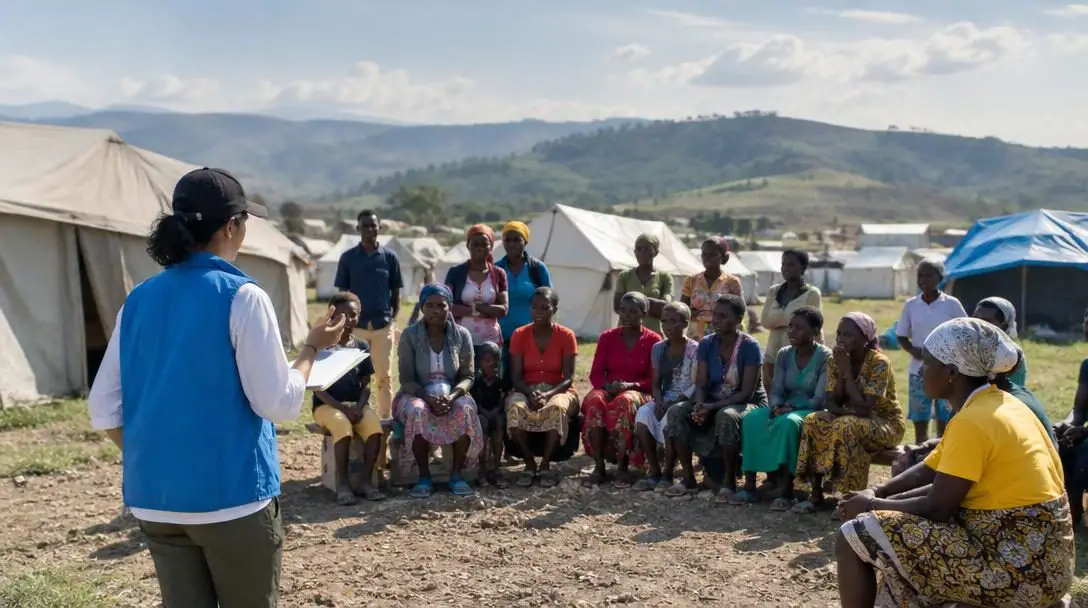
Defending universal human rights requires continuous effort, specialized knowledge, and deep operational resources. When public systems break down, domestic laws fail to protect the innocent, or violent conflict fractures communities, independent civil institutions are vital in stepping forward to demand accountability and assist vulnerable populations across the globe.
Operating outside of state apparatuses and government administrations, non-governmental organizations (NGOs) possess the agility required to serve as public watchdogs, emergency healthcare providers, and legal advocates. They bring visibility to silent crises, provide life-saving relief where public infrastructure has collapsed, and ensure that individuals who cannot defend themselves are not forgotten by the international community.
Key takeaways
- Non-governmental organizations operate independently of state systems to document human rights violations, supply frontline medical aid, and protect displaced populations.
- Major humanitarian entities range from grassroots advocacy networks like Amnesty International to specialized emergency medical teams like Médecins Sans Frontières.
- Restoring civil identity through documentation, such as birth certificates and identity papers, is just as critical to long-term survival as emergency food and shelter.
- Effective human rights advocacy demands sustainable support, verified research, and a combined focus on immediate relief and systemic policy reform.
At a glance: Five leading human rights organizations
While many humanitarian organizations share the broad goal of a more just world, their specific operational structures, founding roots, and primary methods vary widely. The table below outlines the core characteristics of five prominent international institutions working on the frontlines of human rights advocacy and humanitarian relief.
| Organization | Founded | Headquarters / Origins | Primary Operational Focus |
|---|---|---|---|
| Amnesty International | 1961 | London, United Kingdom | Grassroots advocacy, abuse investigations, and global pressure campaigns |
| Médecins Sans Frontières | 1971 | Founded by doctors and journalists | Frontline emergency medicine, epidemic response, and witness testimony |
| Human Rights Watch | 20th Century | New York City, United States | Fact-finding investigations, legal analysis, and policy reform |
| UNHCR | Post-WWII | Established via UN Resolution 319(IV) | Refugee sheltering, legal protection, and civil document restoration |
| International Rescue Committee | 1933 | Initiated at Albert Einstein's request | Emergency relief, displacement recovery, and long-term community reintegration |
Five human rights organizations shaping global justice
Each of the following institutions plays a distinct role in safeguarding vulnerable communities, combining investigative research, legal action, and frontline relief to protect basic dignities across international borders.
Amnesty International
- Founded: 1961
- Headquarters: London, United Kingdom
- Global Reach: Over 7 million members and supporters across 150 countries
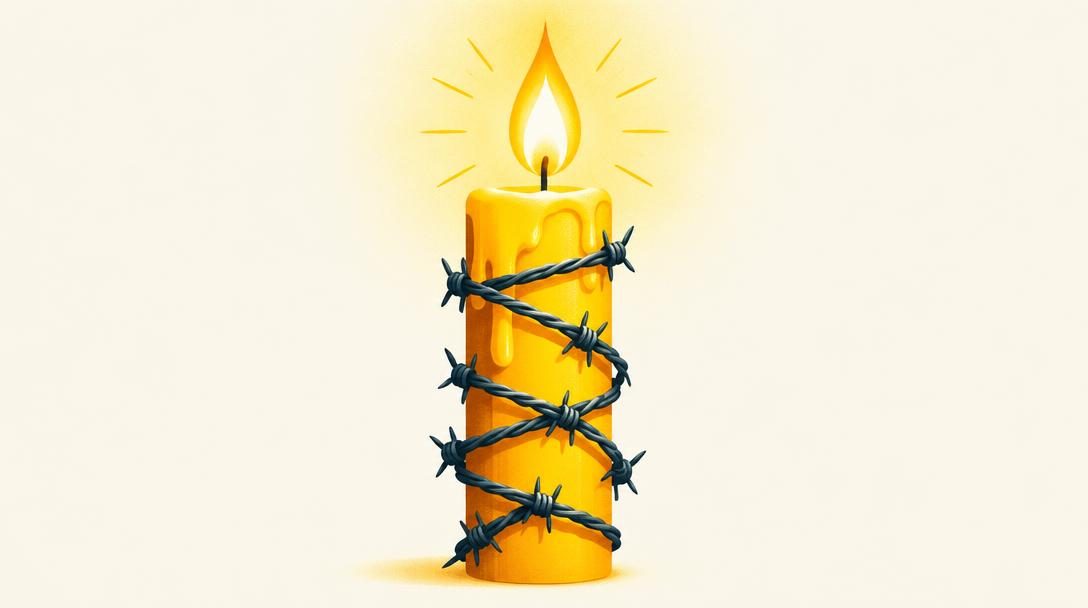
Established in 1961, Amnesty International has grown into one of the largest and most recognizable civil society organizations in the world. Its primary operational model relies on mobilizing its massive grassroots network to challenge systemic state violence, arbitrary detention, and discriminatory policies. By sending specialized teams to research and document human rights abuses across the globe, the organization generates comprehensive findings that serve as the foundation for targeted international campaigns.
Amnesty International has built a reputation for tackling some of the world's most entrenched legal and social issues. Its campaigns address homophobic discrimination, oppressive military regimes, unjust incarceration without trial, inadequate access to healthcare, and corporate economic exploitation. Through direct letter-writing appeals, organized protests, and direct representation before international governing bodies, Amnesty ensures that world leaders cannot easily hide domestic abuses from the global public.
Médecins Sans Frontières
- Founded: 1971
- Founders: Doctors and journalists
- Field Presence: Projects active across 60 countries (2020)
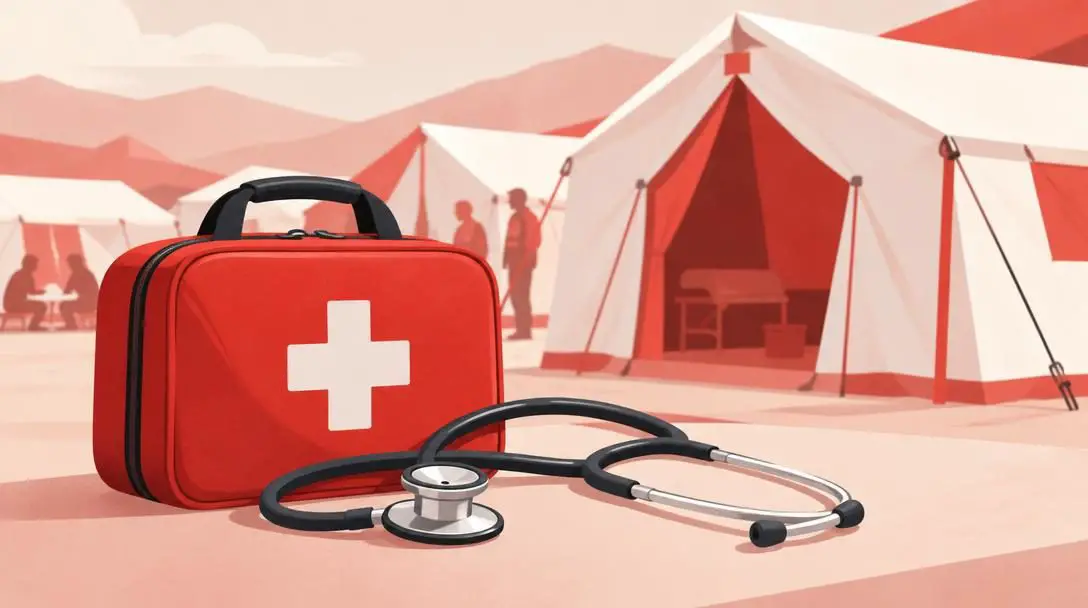
Known across the globe as Doctors Without Borders, Médecins Sans Frontières (MSF) was established in 1971 with a radical premise: that life-saving medical care should be provided strictly on the basis of clinical need, completely independent of national boundaries, political allegiances, or military conflicts. By bringing together medical professionals and investigative journalists, MSF established a dual mission of treating physical suffering while speaking out publicly about the abuses and neglected crises witnessed by its frontline clinical staff.
The organization's medical teams deploy directly into active combat theaters, areas struck by natural disasters, and communities overwhelmed by infectious disease outbreaks. In 2020 alone, MSF delivered emergency humanitarian aid across 60 nations. Its clinical programs focus on treating major diseases including HIV/AIDS, malaria, and tuberculosis, providing specialized reproductive and maternal health care, combating acute malnutrition, and containing deadly epidemics such as Ebola. MSF also provides critical emergency care to displaced populations fleeing war and regional violence.
Human Rights Watch
- Headquarters: New York City, United States
- Primary Method: Fact-finding research, litigation, and policy advocacy
- Focus Areas: International humanitarian law, detention reform, and civil rights
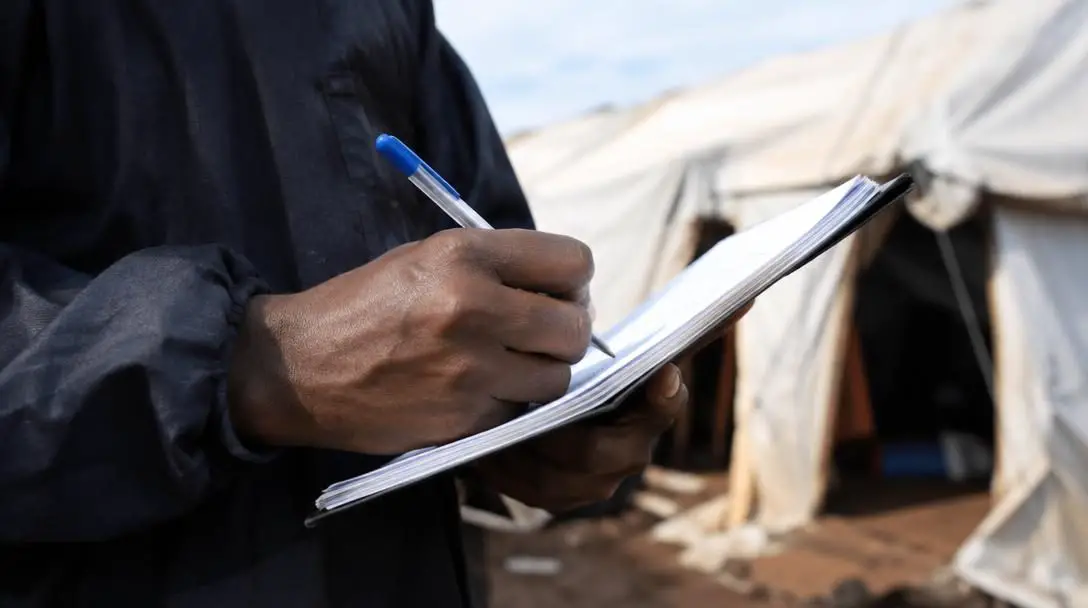
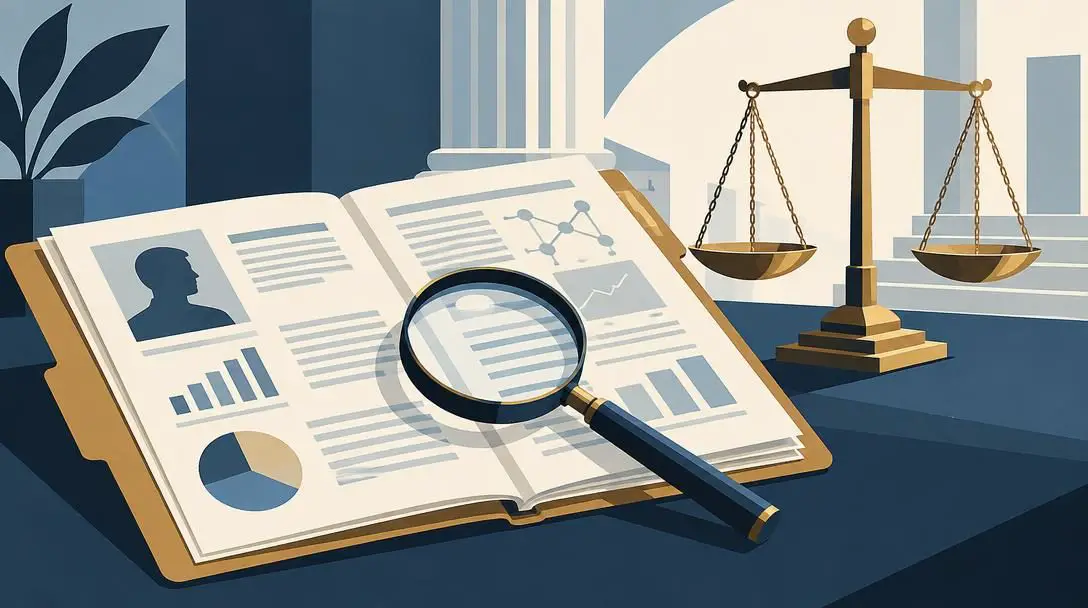
Headquartered in New York City, Human Rights Watch (HRW) functions as an investigative and analytical powerhouse within the international human rights ecosystem. Rather than functioning primarily as emergency medical responders or logistical coordinators, HRW focuses on deep fact-finding missions to gather empirical evidence of rights violations. Its researchers interview victims, review judicial records, examine satellite imagery, and track military movements to construct unassailable records of abuse.
The organization translates this evidence into strategic litigation, public advocacy campaigns, and policy recommendations presented directly to domestic lawmakers, regional coalitions, and international judicial tribunals. Human Rights Watch directs its investigations toward protecting LGBTIQA+ populations, advancing women's empowerment, seeking justice for victims of genocide, reforming inhumane conditions within detention centers, safeguarding children from violence, and ensuring armed forces comply with international humanitarian law while strengthening global freedom of expression.
United Nations High Commissioner for Refugees
- Established: Post-World War II
- Governing Mandate: UN General Assembly Resolution 319(IV)
- Core Responsibility: International protection and assistance for displaced persons
Created by the international community in the wake of the Second World War through UN General Assembly Resolution 319(IV), the United Nations High Commissioner for Refugees (UNHCR) serves as the primary international agency dedicated to resolving displacement crises. The organization protects millions of people forced to flee their homes due to war, persecution, and state-sanctioned violence, while also supporting communities displaced by catastrophic natural disasters.
The agency coordinates immediate survival solutions, including the management of formal refugee camps and the integration of displaced families into host communities. Beyond physical shelter, UNHCR performs the indispensable legal function of securing vital identification papers, including birth certificates and identity documentation. Because displaced individuals often lose their legal standing when crossing borders, UNHCR secures their legal protection, coordinates ongoing emergency relief, and facilitates safe, voluntary repatriation whenever political and security conditions allow.
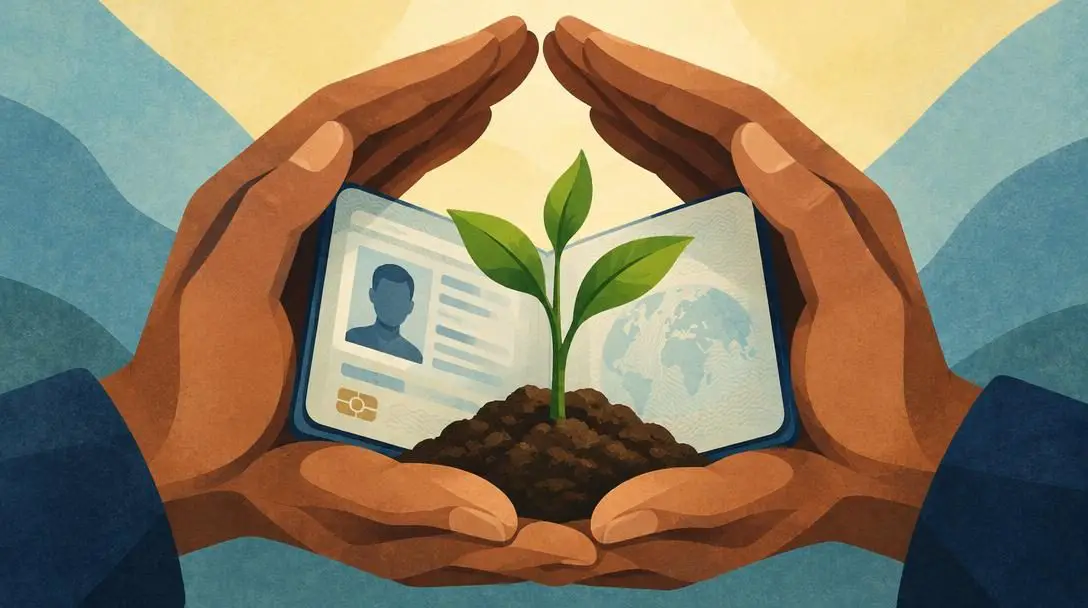
Displacement strips individuals of more than just their homes; without vital legal documentation, families lose their basic standing in the eyes of international law.
International Rescue Committee

- Founded: 1933
- Origin: Established at the personal request of Albert Einstein
- Global Footprint: Operational programs across 40 countries
The International Rescue Committee (IRC) traces its roots to 1933, when theoretical physicist Albert Einstein urged the creation of an organization to rescue individuals facing severe political persecution in Europe. Today, the IRC assists individuals and families whose lives and livelihoods have been shattered by conflict, famine, and state failure, providing both acute emergency intervention and sustainable long-term assistance.
Operating in 40 nations, including frontline transit and resettlement countries like Greece and Serbia, the IRC takes a holistic approach to forced migration. The organization supplies emergency food, clean water, sanitation infrastructure, and medical provisions during the earliest stages of an emergency. As families stabilize, the IRC transitions to long-term recovery support, offering mental health programs, job skills training, and economic initiatives designed specifically for refugees, while assisting them in securing the legal documentation necessary to build secure lives in their new host communities.
The historical evolution of global human rights work
The modern human rights movement emerged as a necessary defense against the systemic state failures and catastrophic atrocities of the twentieth century. Prior to this era, the treatment of individuals within a nation's borders was viewed almost universally as an exclusive domestic concern. If a sovereign government chose to oppress, disenfranchise, or persecute its own citizens, the international community had few legal frameworks or mechanisms to intervene.
This dynamic shifted dramatically as cross-border humanitarian crises demonstrated that civilian survival could not remain dependent on the goodwill of sovereign states. The founding of early rescue initiatives in 1933 showed that civil society could mobilize across borders to assist targeted dissidents. Following the Second World War, the institutionalization of refugee protections through UN Resolution 319(IV) formally recognized that displaced populations required specialized international safeguards.
As the twentieth century advanced, civil society recognized that governmental agreements and interstate treaties were insufficient without independent oversight. The birth of Amnesty International in 1961 proved that ordinary citizens could coordinate internationally to expose wrongful imprisonment. A decade later, the launch of Médecins Sans Frontières broke traditional diplomatic conventions by prioritizing emergency medical intervention and public testimony over sovereign borders, paving the way for investigative groups like Human Rights Watch to establish rigorous empirical methodologies for documenting wartime abuses.
How international human rights organizations drive real impact
The tangible victories achieved by human rights groups are rarely accidental. They are the result of structured, multidimensional strategies that address both immediate humanitarian suffering and the underlying legal failures that produce it.
- On-the-ground fact-finding: Investigators conduct exhaustive field interviews with victims and witnesses, cross-referencing testimonies with forensic evidence, official archives, and satellite data to establish an indisputable record of abuse.
- Strategic policy advocacy and litigation: Legal specialists draft policy alternatives and pursue precedent-setting cases before regional and international tribunals to dismantle discriminatory laws and hold perpetrators of atrocities accountable.
- Coordinated public pressure: Grassroots campaigns, open petitions, and detailed investigative releases raise the political and reputational costs for governments and corporations that commit or overlook abuses.
- Direct clinical intervention: Frontline medical teams set up clinics in remote or active conflict zones, managing widespread outbreaks of tuberculosis, malaria, and Ebola while providing emergency surgical and maternal healthcare.
- Displacement logistics and infrastructure: Field operatives manage clean water systems, food supply chains, and secure sheltering networks across refugee camps and vulnerable host communities.
- Civil identity restoration: Teams assist displaced persons in obtaining legitimate birth certificates, identity cards, and legal travel documents, protecting them from arbitrary arrest and human trafficking.
Practical steps for supporting human rights organizations
Meaningful engagement with international human rights work extends beyond passive awareness. Individuals looking to support these organizations effectively can follow a clear, actionable approach to make a lasting difference.
- Join coordinated grassroots campaigns: Sign up directly with advocacy groups like Amnesty International to participate in letter-writing appeals and digital campaigns that demand the release of political prisoners and the protection of civil liberties.
- Establish consistent, unrestricted donations: Provide reliable financial contributions to non-profit organizations. Unrestricted funding allows emergency teams like MSF to deploy medical personnel instantly during unexpected crises without waiting for dedicated institutional grants.
- Rely on verified primary documentation: Read and circulate field research and investigative reports directly from established organizations, helping to elevate accurate information and counter unverified narratives.
- Contribute professional skills: Volunteer specialized expertise—such as legal counsel, medical training, translation services, or educational tutoring—to regional civil society groups and local refugee assistance programs.
- Assist local refugee resettlement initiatives: Partner with domestic organizations, such as local affiliates of the IRC, to help newly arrived families navigate municipal services, locate employment, and integrate into their host communities.
Common pitfalls to avoid in human rights advocacy
Advocating for vulnerable populations requires careful attention to detail and a clear understanding of the complex realities on the ground. Well-meaning supporters often make critical mistakes that can compromise their impact:
- Assuming a crisis ends when media coverage drops: Television crews frequently leave long before humanitarian crises are resolved. True recovery requires years of legal, logistical, and mental health support.
- Neglecting legal and administrative needs: Delivering food and physical shelter is vital, but ignoring the need for legal documentation leaves displaced people permanently vulnerable to exploitation and deportation.
- Sharing unverified claims during fast-moving events: Distributing unconfirmed reports or decontextualized footage during active conflicts spreads misinformation and undermines legitimate human rights monitoring.
- Treating displaced communities as passive recipients: Uprooted families possess valuable skills, resilience, and personal agency. Effective humanitarian assistance treats them as active participants in building their own futures.
- Ignoring systemic legal and political causes: Providing material aid without challenging oppressive legislation, government corruption, or military abuses ensures that cycles of vulnerability will continue indefinitely.
Frequently asked questions
What makes non-governmental organizations different from state agencies?
Non-governmental organizations operate independently of government administrations and political bodies. This institutional independence allows them to criticize state policies, investigate abuses committed by governing authorities, and provide emergency aid based entirely on human need rather than political strategy.
Why is legal documentation so important for displaced people?
When individuals flee conflict or persecution, losing identity papers and birth certificates leaves them without legal status in host countries. Without proper documentation, displaced people cannot access public healthcare, enroll children in school, gain legal employment, or avoid arbitrary arrest and deportation.
How do advocacy groups ensure their abuse investigations are credible?
Groups like Human Rights Watch and Amnesty International rely on meticulous fact-finding methodologies. Their teams conduct direct interviews with victims and eyewitnesses, verify digital evidence, review medical and legal records, and analyze satellite imagery to build cases that withstand international judicial scrutiny.
How does Médecins Sans Frontières choose where to deploy its medical teams?
MSF evaluates its deployments strictly based on independent assessments of clinical need. The organization prioritizes regions facing acute armed conflict, major epidemic outbreaks, severe malnutrition, or natural disasters where local public healthcare infrastructure has completely collapsed.
What role did Albert Einstein play in modern humanitarian aid?
In 1933, Albert Einstein personally requested the establishment of the organization that became the International Rescue Committee. His initiative was designed to assist individuals facing intense political persecution in Europe, laying the foundation for modern refugee resettlement efforts.
The bottom line
The international human rights ecosystem relies on a diverse network of specialized non-governmental institutions. From the independent medical teams of Médecins Sans Frontières and the rigorous investigations of Human Rights Watch to the grassroots mobilization of Amnesty International and the displacement frameworks of UNHCR and the International Rescue Committee, these organizations protect universal human dignities where governments fail. Supporting their work requires sustained commitment, informed advocacy, and an enduring focus on both immediate relief and systemic justice.