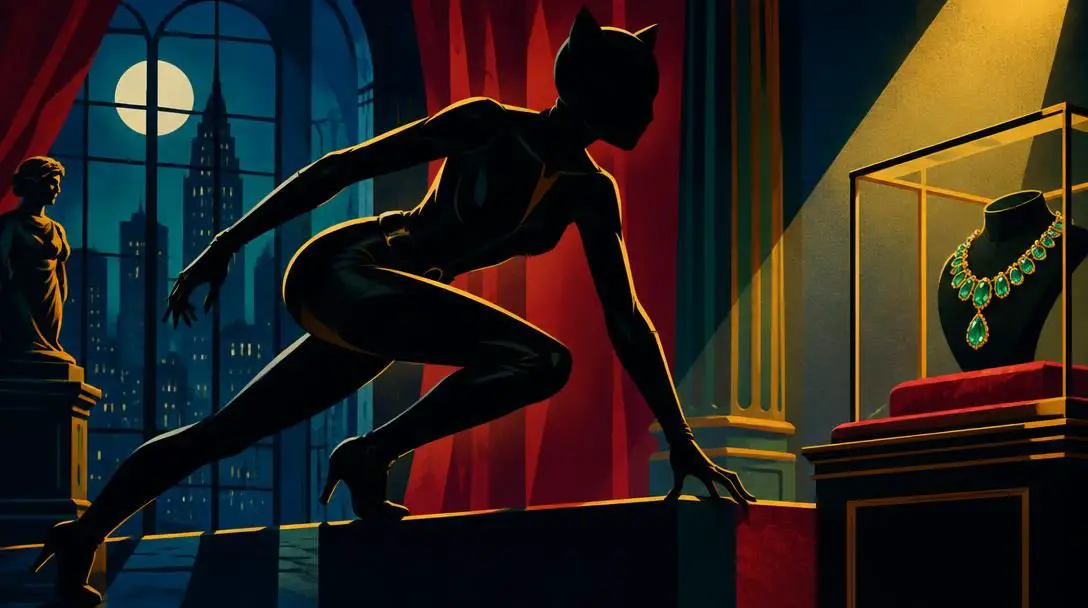
5 Best Crime Movies
Crime movies occupy a uniquely compelling space in narrative cinema, frequently inviting audiences to sit in the passenger seat alongside individuals operating outside the boundaries of the law. Rather than reducing complex human experiences to rigid battles between absolute righteousness and absolute depravity, the most enduring crime films examine the underlying forces that propel individuals toward illicit actions. By delving into the internal rules that govern the underworld, the intense friction of social pressures, and the profound cost of moral compromise, these narratives turn illicit lifestyles into rich studies of human nature.
At their foundation, masterworks within the crime genre do not exploit unlawful behavior merely for sensational visual thrills. Instead, they scrutinize the delicate architecture of personal loyalty, strict professional boundaries, and family obligations that persist even within lawless environments. Through nuanced portraits of flawed protagonists and antiheroes, these cinematic works uncover the vulnerabilities, private ambitions, and psychological stakes that define life beyond conventional society.
Key takeaways
- The most powerful crime films discard simplistic moral absolutes to explore the internal codes, domestic ties, and social realities guiding unlawful lives.
- Storytellers humanize criminals by highlighting their ordinary domestic routines, interpersonal loyalties, and conversational humor amid dangerous circumstances.
- Subgenres range widely across cinematic traditions, from multi-generational mafia dynasties and gritty street-level syndicates to psychological procedurals and revisionist frontier conflicts.
- Appreciating crime cinema requires looking past traditional heroic perfection to analyze how dialogue, ethical compromises, and complex institutional pressures drive the narrative forward.
At a glance: Five landmark crime cinema masterworks
To understand the breadth of criminal cinema, it is helpful to look at how different landmark titles approach structure, moral conflict, and interpersonal dynamics across different subgenres.
| Film Title | Primary Subgenre | Central Conflict | Key Narrative Dynamic |
|---|---|---|---|
| The Godfather | Mafia family drama | Balancing generational familial loyalty with organized syndicate survival | Rigid traditions and shifting allegiances within a parallel society |
| Goodfellas | Organized mob rise-and-fall | Escalating from petty offenses to severe extortion and dangerous violence | Camaraderie and personal friendship set against sudden volatility |
| The Silence of the Lambs | Psychological investigative procedural | Capturing an active serial killer through criminal profiling | Intellectual mind games between an FBI trainee and an incarcerated psychiatrist |
| Pulp Fiction | Modern hitman anthology | Surviving volatile confrontations and unexpected criminal entanglements | Philosophical dialogue interwoven with overlapping, nonlinear storylines |
| Unforgiven | Revisionist frontier crime | Pursuing a bounty created by local prostitutes in defiance of legal order | Vigilantism and historical vengeance clashing with ruthless frontier law |
Five defining titles in criminal storytelling
Selecting an entry point into the crime genre reveals how differently storytellers approach the concept of lawlessness. The following five titles showcase how varied themes—ranging from domestic legacy and psychological warfare to dark comedy and frontier justice—shape cinematic explorations of crime.
The Godfather

- Core subgenre: Organized crime family saga
- Central dynamic: Kinship bonds versus mafia operations
- Ethical focus: Internal traditions and generational loyalty
Recognized as an enduring classic in cinematic history, this sweeping picture immerses viewers in an elaborate underworld governed by solemn traditions, generational tensions, and fragile treaties. The story centers on morally gray characters who orchestrate extensive mafia-related offenses while remaining fiercely protective of their immediate household. Rather than portraying syndicate leaders as disconnected monsters, the narrative frames organized crime as a fully realized parallel society that mirrors legitimate corporate and political institutions.
What makes the narrative profoundly compelling is its patient exploration of how noble instincts—such as shielding one's relatives and honoring ancestral legacies—can become hopelessly entangled with violence and corruption. Characters defined by human flaws and deeply held beliefs must repeatedly weigh their domestic duties against brutal professional mandates. As internal hierarchies shift and old allegiances decay, the audience observes how power inexorably transforms personal morality, rendering the work an indispensable study of structural power and personal tragedy.
Goodfellas
- Core subgenre: Street-level mob narrative
- Central dynamic: Deep syndicate camaraderie amid rising peril
- Tonal approach: Dramatic intensity balanced with dark comedic relief
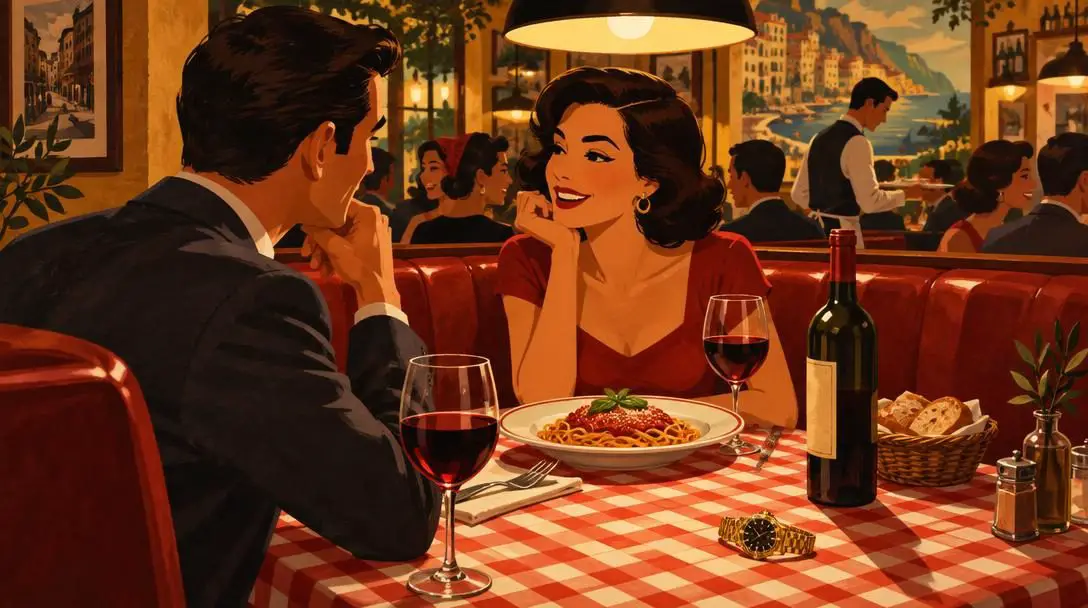
Tracking the trajectory of a charismatic figure through the ranks of organized crime, this film offers an intimate, energetic view of syndicate life. The plot traces an upward climb that begins with minor street-level hustles and petty offenses before gradually accelerating into severe extortion and mob violence. The film distinguishes itself by closely detailing the intoxicating allure of underworld belonging, capturing the seductive appeal of respect, financial excess, and unbridled freedom that draws recruits into the fold.
Crucially, the storytelling humanizes its subjects by focusing on the deep bonds of personal friendship that unite these criminal operators. Viewers observe how associates cook together, celebrate family milestones, and exchange inside jokes, establishing authentic camaraderie before violence erupts. By balancing harrowing tension with spontaneous comedic relief, the screenplay prevents the grim realities of the underworld from flattening the characters, presenting a vivid, rhythmically dynamic account of mob subculture.
The Silence of the Lambs

- Core subgenre: Psychological procedural thriller
- Central dynamic: Unorthodox alliance between law enforcement and an incarcerated killer
- Narrative focus: Criminal profiling and psychological endurance
This gripping masterwork diverges from syndicate street crime by exploring the darkest corners of the human psyche. Structured around an urgent investigative manhunt, the narrative pairs a young, determined FBI student with Hannibal Lecter, an incarcerated, intensely violent psychopath who also happens to be a brilliant, trained psychiatrist. In her pursuit of an active serial killer, the investigator must submit to intense psychological interrogation from Lecter to glean crucial profiling insights.

The resulting dialogue sequences serve as masterclasses in narrative suspense, transforming verbal exchanges into perilous psychological duels. Rather than relying solely on procedural evidence gathering, the film focuses on mental strategy and profiling, testing the emotional resilience of its protagonist at every turn. By exploring how dangerous minds operate from an intellectual standpoint, the film elevates standard detective conventions into a deeply disturbing, critically celebrated psychological study.
Masterful crime films do not treat illicit activity merely as spectacle, but as a lens to examine internal ethical codes, human loyalty, and moral compromise.
Pulp Fiction

- Core subgenre: Stylized modern hitman drama
- Central dynamic: Intersecting narratives of disparate underworld figures
- Distinguishing feature: Sharp, philosophical banter in volatile situations
Renowned for its vibrant ensemble cast and unconventional narrative architecture, this production follows two professional hitmen whose assignments intersect with an eclectic cast of underworld figures. Over the course of the story, their path crosses with their powerful crime boss, the boss's enigmatic wife, an embattled prizefighter attempting to escape a fixed bout, and an ambitious pair of armed robbers holding up an eatery. The film weaves these disparate narrative strands into a cohesive, multifaceted tapestry of crime.
What elevates the film is its willingness to anchor high-stakes confrontations in mundane, everyday human dialogue. Rather than speaking exclusively in menacing threats, the hitmen engage in witty philosophical debates about popular culture, daily routines, and personal ethics while traveling between lethal assignments. This sharp juxtaposition between casual conversation and sudden criminal volatility crafts a stylized, unpredictable universe that revitalized modern crime storytelling.
Unforgiven

- Core subgenre: Revisionist frontier crime Western
- Central dynamic: Hired guns versus an uncompromising local lawman
- Thematic core: The moral ambiguity of frontier justice and retribution
Set against the unforgiving backdrop of a remote settlement, this film blends the conventions of the traditional Western with the grim ethical tensions of a crime thriller. The plot initiates when a group of marginalized local prostitutes, outraged by the brutal disfigurement of one of their peers and the inadequate legal punishment handed down, pool their money to establish a cash bounty for the perpetrators' deaths. This financial reward lures aged criminals seeking salvation and profit into direct collision with each other and the town's iron-fisted sheriff.
The film deliberately interrogates the notion of frontier justice by dismantling the romanticized myth of the heroic outlaw and the noble law officer. Viewers are challenged to navigate an uncomfortable moral landscape: does one support a ruthless town sheriff seeking to preserve civic order by crushing vigilantism through extreme force, or side with desperate, remorseful killers seeking a bounty? By refusing to provide simple answers, the story delivers a solemn critique of human violence, retribution, and legal authority.
The evolution of criminal storytelling in cinema
To fully grasp the narrative power of modern crime pictures, it is essential to consider the historical shift in how storytellers portray the criminal perspective. Early cinematic approaches frequently adhered to rigid, moralistic formulas. Law enforcement officers were presented as unimpeachable guardians of social order, while wrongdoers were framed as purely malevolent entities rightfully destined for swift institutional punishment. These early portrayals offered neat, comforting resolutions, but they largely failed to mirror the complex, messy realities of human conduct.
As cinematic storytelling matured, writers and directors recognized that audiences yearned for deeper psychological insight. The focus turned toward uncovering the personal histories, economic limitations, and social pressures that lead individuals to step across legal lines. Crime came to be depicted not as an isolated moral failure, but as a symptom of broader societal mechanics.
Mafia cinema proved instrumental in driving this creative transformation. By detailing the rigid hierarchical ladders, ancestral customs, and domestic challenges of crime families, these films mirrored legitimate social structures. Audiences watched characters struggle with familiar domestic dilemmas—such as meeting parental expectations, settling sibling rivalries, and protecting their community—within an unlawful environment. Concurrently, the rise of psychological thrillers shifted attention from external physical clues to the internal architecture of criminal minds, while revisionist Westerns demonstrated that frontier lawmen and outlaws historically operated with comparable levels of moral ambiguity.

Mechanisms filmmakers use to humanize lawbreakers
Placing an audience in emotional alignment with an antihero requires deliberate storytelling craft. Because unlawful actions inherently risk alienating the viewer, filmmakers employ specific narrative mechanisms to cultivate empathy and fascination without necessarily endorsing criminal acts.
- Highlighting domestic routines: Grounding characters in ordinary habits—such as cooking elaborate family dinners, running errands, or managing domestic quarrels—reminds viewers that these individuals have recognizable private lives beyond their unlawful enterprises.
- Establishing internal codes of honor: Even when characters demonstrate questionable morals, they often adhere to an internal code, such as refusing to betray a partner, honoring a verbal agreement, or defending the vulnerable, which provides a standard viewers can track.
- Employing strategic tonal shifts: Inserting comedic relief or mundane observations immediately before or after perilous events humanizes the participants, emphasizing that tension and everyday reality coexist even in high-stakes environments.
- Staging intellectual counterplay: Structuring confrontations around psychological strategy and verbal maneuvering—such as battles of wits between investigators and incarcerated figures—draws the viewer into the mental complexity of the conflict rather than relying solely on raw physical violence.
How to curate a compelling crime movie marathon
Planning an evening dedicated to crime cinema requires thoughtful curation to ensure that tone, pacing, and subject matter complement one another. Following a structured planning process helps establish an immersive, engaging viewing experience.
- Determine your thematic focus: Decide whether your session will explore historical syndicate systems, stylized hitman narratives, psychological profiling, or frontier justice conflicts. Establishing a cohesive theme prevents jarring stylistic dissonance between selections.
- Assess narrative length and pacing: Balance your screening schedule by considering how running times affect viewer energy. Pair extensive, slow-burning family sagas with shorter, faster-paced ensemble films that incorporate dialogue-driven humor to sustain momentum.
- Tailor the viewing environment: Match your setting to the tone of the selected titles. Atmospheric weather, such as a stormy evening, naturally enhances the tension of dark psychological thrillers, whereas casual weekend social gatherings work best with lively, dialogue-heavy pictures.
- Calibrate sound and display settings: Check audio balances beforehand to ensure that rapid-fire banter and quiet, whispered profiling sessions remain fully audible without requiring constant volume adjustments during sudden action scenes.
- Facilitate post-screening analysis: Set aside time after the credits roll to discuss the ethical complexities raised on screen, debating whether institutional authority was justified, analyzing character motivations, and comparing the consequences faced by each figure.
Common mistakes when viewing crime dramas
Because the crime genre intentionally subverts traditional notions of heroism, viewers can miss deeper narrative layers if they approach these films with conventional expectations. Avoiding common viewing traps ensures a far richer cinematic experience.
- Demanding moral purity from protagonists: Expecting central figures to operate with unblemished integrity leads to frustration. The power of crime narratives stems directly from protagonists who possess pronounced character flaws, selfish impulses, and compromised principles.
- Disregarding subtle dialogue cues: Lengthy conversational exchanges are rarely mere filler. In character-focused crime writing, casual conversations about personal habits, philosophy, or family folklore frequently establish hidden motivations or foreshadow pivotal plot developments.
- Overlooking intentional comedic relief: Dismissing humorous exchanges as inappropriate interruptions in a serious drama blinds viewers to how comedy is intentionally used to highlight absurdity, humanize figures, and relieve suffocating narrative pressure.
- Defaulting to automatic institutional bias: Assuming that the badge automatically denotes virtue or that an outlaw is entirely without merit limits critical engagement. Complex crime stories deliberately reveal corruption within law enforcement and unexpected dignity among criminals.
Deepening your appreciation of criminal narratives
Once you have absorbed these landmark works, several analytical pathways can deepen your understanding of how criminal cinema operates as an evolving art form. A valuable first step involves comparing how authority figures are portrayed across different cinematic movements. Early works often placed law enforcement at the moral center of the universe, whereas mid-century and modern masterpieces portray legal authorities as compromised bureaucrats, ruthless enforcers, or intellectual peers to the outlaws they hunt. Noting these differences illuminates how societal trust in institutions has shifted over time.
Additionally, take time to dissect the true nature of the antagonist in these stories. In standard action cinema, the antagonist is simply an external villain causing trouble. In sophisticated crime drama, however, the real antagonist is frequently the protagonist's own hubris, an unyielding tradition, or the crushing weight of institutional inevitability. Recognizing who—or what—actually drives the central conflict reveals how storytellers build lasting narrative tension.
Finally, examine how subgenres borrow and cross-pollinate narrative conventions. When a film blends the vast landscapes and moral isolation of a frontier Western with the desperate opportunism of an underworld contract hit, it demonstrates that criminal cinema is not a static category. The genre remains vibrant precisely because it constantly reframes timeless questions of justice, loyalty, and retribution through fresh, unexpected cultural settings.
Frequently asked questions
Why do audiences find morally compromised crime protagonists so appealing?
Viewers are drawn to antiheroes because morally gray characters reflect the complexities, domestic pressures, and ethical negotiations of real life far more accurately than flawless, traditional heroes. Exploring characters who operate outside conventional social boundaries allows audiences to examine human ambition, personal vulnerability, and internal codes of honor under extreme circumstances.
How does comedic relief function in tense, violent crime films?
Comedic dialogue and casual banter serve multiple functions: they humanize characters by emphasizing their mundane, everyday personalities, prevent severe drama from becoming monotonous, and provide contrast that makes sudden eruptions of criminal violence even more shocking and impactful.
What differentiates a psychological crime thriller from a standard mafia film?
While mafia films generally focus on external social structures, domestic hierarchies, generational allegiance, and syndicate control, psychological crime thrillers prioritize the internal workings of the human mind, procedural deduction, and intellectual battles between criminal profilers and dangerous offenders.
How do revisionist Westerns connect to the broader crime genre?
Revisionist Westerns deconstruct the historical myth of clear-cut frontier morality by treating bounty hunting, vigilantism, and frontier law enforcement as competing criminal or morally ambiguous enterprises, directly paralleling modern crime stories that examine the tension between lawful authority and personal vengeance.
What is the most effective way to analyze conversational dialogue in crime cinema?
Listen closely to casual conversations regarding personal philosophies, ethical boundaries, or past experiences. In top-tier screenplays, these seemingly mundane interactions function as thematic blueprints that foreshadow future conflicts and explain why characters make fatal moral compromises later in the story.
The bottom line
The enduring power of crime cinema lies in its refusal to offer simple, sanitized answers to profound moral questions. By guiding viewers through the complex, often contradictory corridors of organized crime syndicates, intense psychological interrogations, and morally compromised frontier standoffs, these five benchmark films transcend simple thrills. They challenge audiences to reflect on the nature of personal loyalty, the fallibility of legal systems, and the heavy price of survival. Whether through the familial traditions of The Godfather, the street-level fraternity of Goodfellas, the clinical dueling of The Silence of the Lambs, the stylized banter of Pulp Fiction, or the austere retribution of Unforgiven, crime cinema remains an unmatched vehicle for dissecting the human condition.