
How to Take Your First Steps in Homesteading
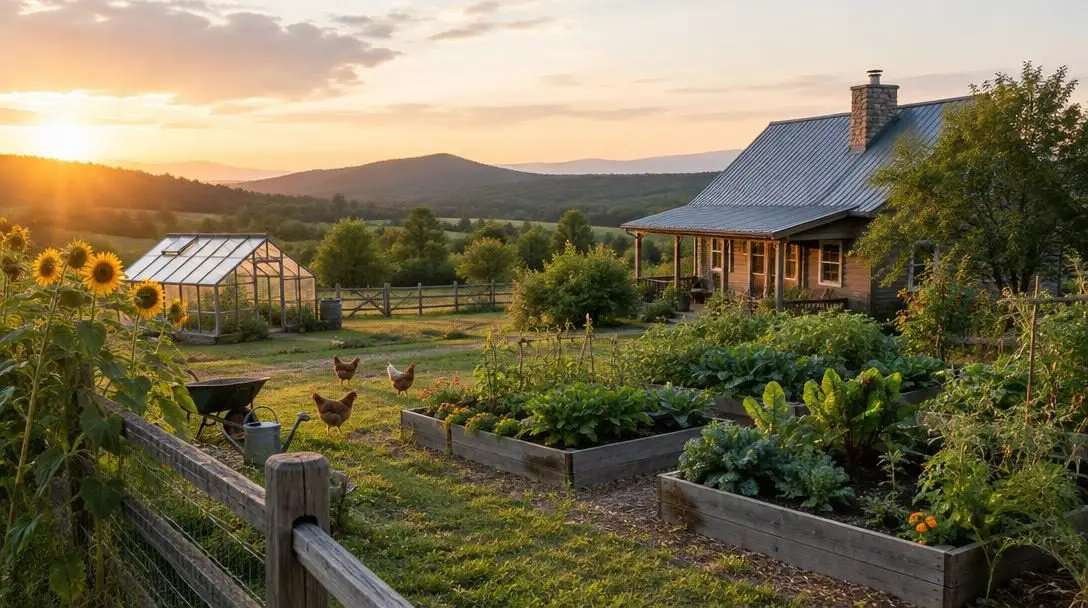
Modern homesteading has emerged as a compelling alternative to conventional consumer culture, drawing individuals and families toward a lifestyle grounded in self-reliance, environmental stewardship, and physical labor. Rather than depending entirely on industrial supply chains, homesteaders take active roles in cultivating their own food, conserving domestic energy, minimizing waste, and aligning daily routines with the cycles of the natural world.
This growing movement bridges generational divides, attracting both retiring baby boomers searching for purposeful outdoor living and younger generations eager to establish resilient, sustainable households. However, establishing a functional homestead is a profound lifestyle transition rather than an impulsive weekend project. Success requires months or even years of deliberate skill development, realistic mental preparation, and practical testing long before acquiring a deed to rural land.
Key takeaways
- Homesteading represents a fundamental lifestyle shift toward self-reliance, sustainable food production, and direct stewardship of natural resources.
- Prospective homesteaders should build core competencies such as gardening, food preservation, and tool maintenance within their current living environments before seeking land.
- Digital media, specialized coursework, working vacations, and farm volunteering provide low-risk avenues to test physical stamina and acquire practical skills.
- Purchasing property prematurely is a frequent and costly mistake that can stall a homestead project before agricultural production even begins.
- Securing land through leases, profit-sharing agreements, or shared property arrangements offers viable, capital-preserving alternatives to outright purchase.
The Appeal and Demographics of Modern Self-Reliance
The contemporary shift toward homesteading is driven by a desire for greater autonomy and a deeper connection to nature. For many households, standard urban and suburban lifestyles feel increasingly precarious and disconnected from essential survival mechanics. Homesteading counteracts this detachment by prioritizing hands-on self-sufficiency, wherein participants produce what they consume and repair what they own.
The demographic makeup of aspiring homesteaders is notably diverse, uniting two primary cohorts at contrasting life stages:
- Retiring baby boomers: Millions of older adults approaching retirement seek active, health-sustaining outdoor lifestyles. For this group, homesteading offers physical purpose, productive engagement, and insulation from escalating living costs.
- Younger starters: Younger generations are entering the movement seeking ecological sustainability, ethical food production, and economic independence from standard corporate career paths.
Regardless of an individual's background, transforming everyday domestic habits is a gradual process. Successful practitioners rarely make sudden, unprepared exits from conventional living. Instead, they devote sustained periods to reading agricultural literature, observing operational systems, honing manual crafts, and conditioning themselves for the demands of rural existence.
Homesteading requires persistence and patience, meaning that the foundational groundwork laid before moving to a piece of property is often what determines whether a new homesteader thrives or becomes overwhelmed.
Five Essential Pathways for Exploring the Homestead Lifestyle
Beginning the transition toward self-reliance does not mandate immediate possession of extensive acreage. In fact, rushing into property ownership without foundational knowledge often leads to wasted capital and severe burnout. Aspiring homesteaders can build expertise through five primary preparatory avenues.
Internet Resources
Modern online platforms provide unprecedented access to technical agricultural and mechanical instruction. Digital resources allow beginners to explore foundational topics ranging from small-scale soil conditioning to intricate off-grid power installations. A notable educational resource in this space is Homesteading.com, an online repository offering practical recipes, instructions for do-it-yourself infrastructure, animal care guidance, home gardening methods, emergency prepping strategies, and general self-reliance techniques. The platform also offers a free newsletter that delivers educational updates directly to aspiring growers.
Complementing text-based platforms, digital video channels such as YouTube offer a transparent window into day-to-day homestead chores. Video logs demonstrate the unvarnished realities of livestock management and bad-weather maintenance, provide comparative analyses of the best homesteading states in America, and present field-tested tips for establishing resilient domestic systems.
Educational Courses
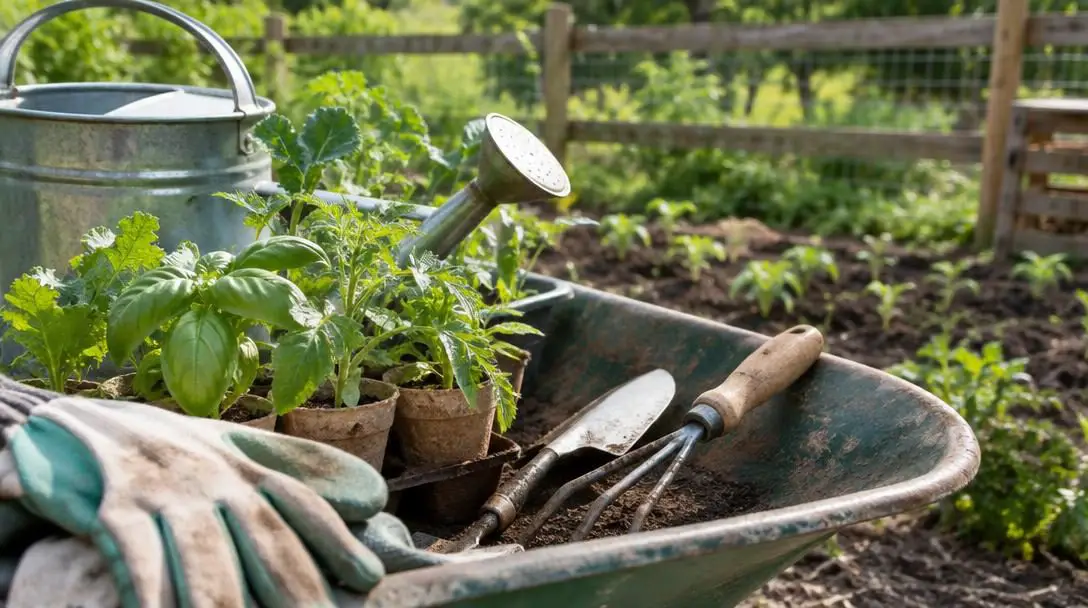
While open-source online content provides a helpful overview, structured instructional programs help synthesize fragmented knowledge into actionable skills. Educational offerings range from self-paced home study modules to immersive, tactile workshops. Distance programs allow learners to grasp biological principles, permaculture design, and financial planning from their current residences, while in-person sessions provide practical, tactile training that cannot be replicated through digital screens.
Prominent educational organizations specializing in land stewardship include WildAbundance and Insteading, both of which offer focused coursework designed to guide beginners through sustainable living systems. For those seeking formal academic structures, the Centre of Excellence, an educational institution based in the United Kingdom, provides a dedicated homesteading diploma course covering broad principles of smallholding management.
Working Vacations
Reading manuals and watching demonstrations cannot substitute for the physical demands of rural agricultural labor. One of the most pragmatic methods for evaluating personal suitability for the homestead lifestyle is reallocating leisure time toward working vacations. Rather than scheduling conventional recreational travel, aspiring homesteaders can travel directly to prospective regions or microclimates they are considering for future settlement.
By arranging to serve as temporary workers on functional farms or operational homesteads, travelers can test their physical endurance, experience seasonal weather variations, and inspect regional soil profiles. This experiential testing provides an unfiltered view of the daily workload before any financial investment in property is finalized.
Volunteer Programs
Volunteering offers an immersive, low-risk bridge into smallholding life. Dedicated placement platforms, such as HelpStay, connect eager volunteers with working farmsteads and agricultural initiatives globally. The financial terms of these arrangements depend on the individual host: while some organizations charge a small fee to offset visitor overhead, numerous hosts offer accommodations entirely free of charge. Meal arrangements operate similarly, with hosts providing daily food either without cost or for a nominal fee.
In exchange for room and board, volunteers provide essential physical labor for gardens, animal enclosures, and building maintenance. This pathway provides unique educational value because many hosts operate smallholdings with tight financial margins and minimal machinery. Learning to manage daily chores under resource constraints delivers realistic preparation for launching an independent homestead on a budget.
Thoughtful Land Acquisition
Securing appropriate acreage is an eventual milestone for a productive smallholding, but acquiring property should never be the initial step of the journey. Beginners frequently make the critical error of purchasing rural parcels before determining their operational objectives. When real estate acquisition depletes available savings, homestead projects often stall completely due to lack of capital for water systems, fencing, and soil amendments.
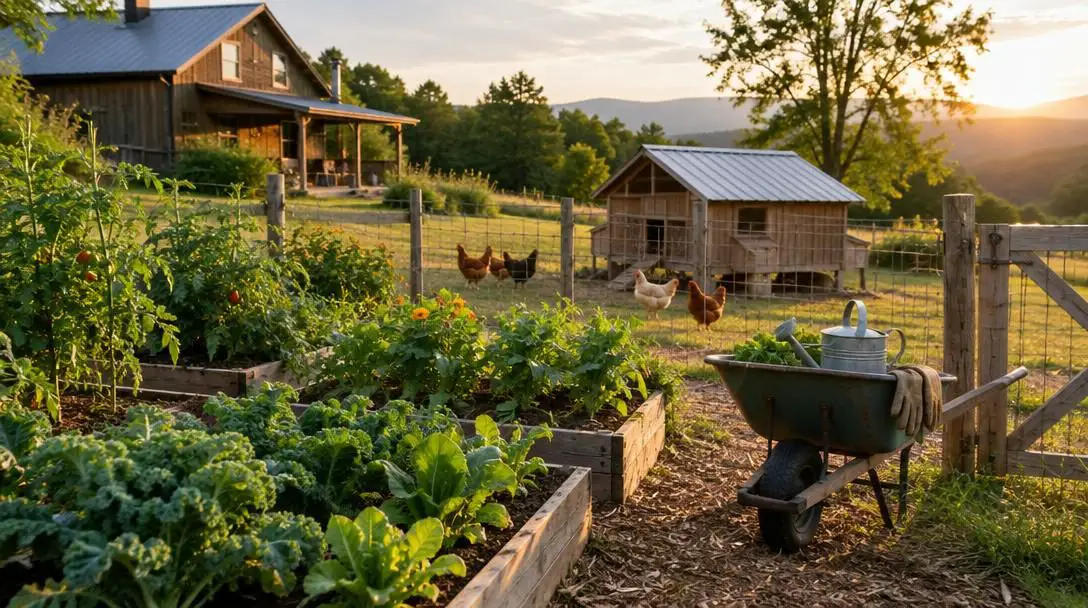
Before purchasing, prospective owners must evaluate property attributes against their intended production model, checking for adequate solar exposure, reliable groundwater or municipal water access, appropriate agricultural zoning classifications, and seasonal accessibility. Furthermore, purchasing outright is not the only viable pathway to land stewardship. Beginners can frequently obtain working ground through creative arrangements, such as long-term agricultural leases, profit-sharing collaborations with established farmers, or cooperative land-use partnerships.
Comparative Overview of Preparatory Pathways
Selecting the right sequence of learning experiences depends on your available time, current budget, and immediate knowledge gaps. The table below illustrates how different preparatory avenues support the learning curve of an aspiring homesteader.
| Learning Pathway | Primary Focus | Key Advantage | Key Providers / Examples | Resource Investment |
|---|---|---|---|---|
| Internet Resources | Broad introductory knowledge and DIY plans | Free or low-cost self-paced research | Homesteading.com, YouTube | Minimal monetary cost; requires self-direction |
| Educational Courses | Systematic theory and guided tactile training | Structured frameworks and expert instruction | WildAbundance, Insteading, Centre of Excellence | Moderate course fees; scheduled study hours |
| Working Vacations | Regional immersion and climate testing | Direct exposure to regional weather and soils | Independent farm-stay arrangements | Travel expenses; personal vacation time |
| Volunteer Programs | Hands-on labor exchange on operational farms | Experience navigating resource-scarce setups | HelpStay host network | Travel costs; physical labor in exchange for board |
| Alternative Land Models | Accessing ground without mortgage debt | Preserves startup capital for tools and stock | Agricultural leases, profit-sharing models | Negotiation time; clear legal agreements |
A Step-by-Step Roadmap to Homestead Preparation
Developing self-reliance is an iterative process. Approaching the transition in logical stages prevents prospective homesteaders from exhausting their finances or burning out under an overwhelming workload.
- Clarify motivations and lifestyle boundaries: Define the primary goals of your homestead, whether aimed at complete off-grid autonomy, supplemental domestic food production, or simplified rural living. Evaluate personal physical endurance, comfort working outdoors across all weather conditions, and tolerance for rural isolation.
- Cultivate domestic homesteading skills in place: Practice food preservation methods including pressure canning, water-bath canning, lacto-fermentation, and dehydration within your current kitchen. Prepare daily meals using whole, raw ingredients sourced from local producers or guides on Homesteading.com. Practice routine mechanical repairs, hand sewing, basic joinery, and tool care.
- Establish micro-gardens on available ground: Grow herbs, vegetables, or fruiting plants on windowsills, apartment balconies, or small suburban plots. Managing a compact planting bed builds familiarity with composting, irrigation schedules, seasonal cycles, soil fertility, and integrated pest management before scaling up to broad acreage.
- Complete structured educational modules: Enroll in targeted courses that resolve clear knowledge deficiencies. Utilize distance modules from providers like the Centre of Excellence for broad theoretical knowledge, or attend regional, hands-on workshops through Insteading or WildAbundance to practice physical building, processing, and growing techniques.
- Participate in field immersion and labor exchanges: Dedicate personal leave to practical farm labor. Arrange volunteer opportunities through platforms such as HelpStay to clean stalls, build enclosures, manage weeding cycles, and observe how seasoned operators balance constrained time and money.
- Draft specific land criteria: Identify the physical characteristics required for your intended smallholding enterprise. Specify legal zoning criteria, potable water sources, year-round road access, soil drainage, annual sunlight hours, and proximity to health services or distribution markets.
- Investigate non-traditional land access: Research regional opportunities for agricultural leasing, formal land-use partnerships, or profit-sharing agreements with established farm holders to begin operational homesteading without the heavy debt load of an upfront real estate mortgage.
Common Pitfalls That Derail Aspiring Homesteaders
Navigating the shift to rural self-reliance involves a steep learning curve. Anticipating common operational mistakes helps protect financial reserves, personal health, and enthusiasm for the craft.
- Purchasing real estate too early: Acquiring land prior to defining enterprise objectives often drains liquid capital. Without sufficient reserves, owners struggle to afford water filtration, solar components, livestock housing, and planting stock, stranding the property in an unproductive state.
- Relying exclusively on passive media: Consuming books, instructional articles, and video essays provides essential theoretical concepts, but digital consumption cannot replicate physical instincts. Theoretical familiarity with livestock or carpentry feels markedly different from managing sick animals or mending fence lines in freezing rain.
- Overextending initial projects: Beginners frequently attempt to introduce massive gardens, multiple livestock types, alternative energy systems, and complex timber projects in their opening season. Overextension leads to neglected crops, sick or stressed animals, depleted energy, and personal discouragement.
- Underestimating off-grid resource limits: Modern municipal infrastructure masks how much domestic water, heating fuel, and electricity a single household consumes daily. Homesteaders who fail to practice conservation before moving often face critical shortages during severe weather events. Participating in volunteer placements that operate under tight resources provides invaluable training in lean logistics.
- Operating in social isolation: Attempting to master homesteading through private trial and error creates unnecessary friction. Failing to build ties with neighboring growers, agricultural extension offices, and local craftspeople cuts beginners off from proven regional knowledge and vital mutual assistance.
Frequently asked questions
Can I practice homesteading while living in an urban apartment?
Yes. Foundational homesteading begins with manual skills rather than broad acreage. Apartment dwellers can practice food preservation techniques like canning, fermenting, and dehydrating, maintain indoor or balcony container gardens, cook complete meals from raw ingredients, and learn basic woodworking, mending, and machine maintenance.
What organizations offer formal educational courses in homesteading?
Specialized institutions such as WildAbundance and Insteading provide dedicated coursework centered on sustainable land management and practical country living skills. For individuals seeking structured academic learning, the UK-based Centre of Excellence offers a dedicated homesteading diploma course covering smallholding fundamentals.
How can I gain hands-on farm experience without buying real estate?
You can use platforms like HelpStay to find volunteer placements on operational farms and homesteads worldwide, trading daily labor for room and board. Alternatively, you can book working vacations in targeted agricultural regions or arrange temporary employment on nearby operating farms.
Why is buying land early considered a major mistake for beginners?
Purchasing land before clarifying your operational model often locks you into a parcel with incompatible zoning, inadequate water, poor soil, or severe climate constraints. Furthermore, the high upfront transaction costs frequently deplete the liquid capital required to build basic infrastructure, fences, and planting beds.
Are there viable ways to start homesteading without purchasing property?
Yes. Aspiring homesteaders can secure agricultural acreage through long-term ground leases, profit-sharing arrangements with established farmers who have unused land, or cooperative land-use partnerships that grant formal permission to cultivate property without mortgage debt.
The Bottom Line
Homesteading is not a sudden retreat from the modern world, but a progressive journey toward personal capability, resilience, and mindful consumption. Achieving lasting independence on the land demands sustained physical energy, disciplined financial planning, and a humble willingness to learn through direct trial and adjustment.
By taking advantage of digital instructional platforms like Homesteading.com, completing structured training through organizations such as WildAbundance or the Centre of Excellence, and acquiring practical experience through farm volunteering, you can build vital proficiencies before committing your savings. Ground your ambitions in thorough research, pace your initial projects methodically, and transition onto the land with confidence and capability.





