The Magic of Tokyo – 5 Unique Attractions in This Amazing City
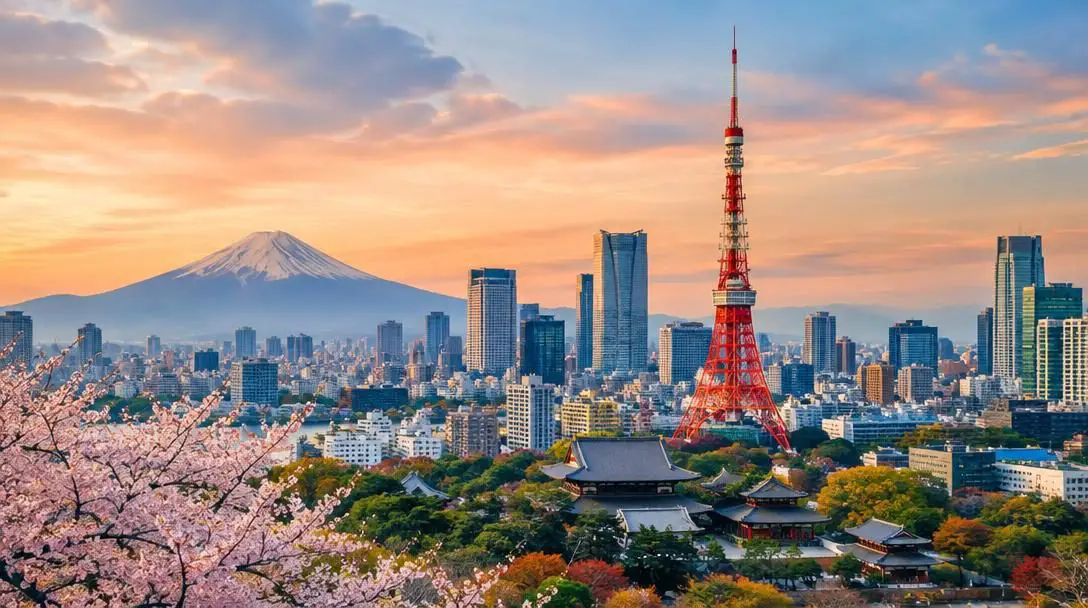
Tokyo stands as a global crossroads where centuries of spiritual heritage live in effortless harmony alongside futuristic civil engineering. As the cultural and civic heart of Japan, this sprawling capital encompasses far more than flashing neon billboards and crowded subway concourses. Tucked between hyper-dense commercial avenues and surrounding regional peaks are quiet garden sanctuaries, ancient shrines, and vantage points that reshape how travelers view the metropolis.
Exploring the capital effectively means understanding its layered geography. By balancing high-altitude viewing decks with historic worship grounds, landscaped retreats, and regional nature reserves, visitors can experience the city's rich duality. Whether your interests center on panoramic skylines, feline folklore, or centuries-old botanical arrangements, Tokyo offers distinct destinations that reward thoughtful exploration.
Key takeaways
- Tokyo combines cutting-edge observation platforms with historic shrines and sprawling natural reserves.
- Shibuya Sky offers Japan's largest rooftop observation platform, complete with open-air hammocks and long-distance views of Mount Fuji.
- Gotoku-ji and Asakusa-jinja highlight sacred folklore and historical architecture right beside major transit hubs.
- Hamarikyu Gardens preserves a centuries-old retreat featuring a sentinel pine tree and a teahouse floating on calm waters.
- Fuji-Hakone-Izu National Park delivers walking trails with sweeping perspectives of the 12,389-foot summit of Mount Fuji, framed seasonally by spring cherry blossoms.
At a glance: Five landmark Tokyo experiences
Each of Tokyo's premier destinations serves a unique role in introducing travelers to the region's cultural breadth. From the open skies above Shibuya to the historic pathways bordering regional volcanic peaks, the following table compares the distinct characteristics of each site.
| Attraction | Primary Type | Signature Feature | Key Highlight |
|---|---|---|---|
| Shibuya Sky Observatory | Modern observation deck | Rooftop hammocks on the 47th floor | Uninterrupted panoramic skyline and Mount Fuji views |
| Gotoku-ji Temple | Buddhist sacred ground | Beckoning cat statues and trinkets | Historic birthplace of the lucky cat legend |
| Asakusa-jinja | Shinto shrine | Dog-lion statues beneath a red parasol | 17th-century tribute beside the five-story Senso-ji |
| Hamarikyu Gardens | Traditional landscape garden | Nakajima no Ochaya floating teahouse | 300-year-old pine tree and serene water channels |
| Fuji-Hakone-Izu National Park | Regional natural reserve | Mount Fuji (12,389 feet) | Extensive walking trails and spring cherry blossoms |
Five unique attractions to visit in and around Tokyo
Each neighborhood in Tokyo presents its own rhythm. Visiting these five iconic attractions provides an expansive introduction to the city's vertical architecture, historic preservation, and outdoor natural wonders.
Shibuya Sky Observatory

- Height: 47 stories atop the district's largest skyscraper
- Key Feature: Japan's largest rooftop observation deck
- Indoor Area: 46th-floor Sky Gallery
Rising high above the bustling streets of Shibuya, the Shibuya Sky Observatory provides an expansive, uninterrupted vantage point over the Tokyo skyline. The 47-story structure crowns the largest skyscraper in the area, offering visitors a 360-degree look at the metropolitan expanse. The open-air rooftop platform is the largest viewing area of its kind in Japan, engineered with open sightlines and glass borders that make the city feel directly beneath your feet.
One of the observatory's standout amenities is an array of built-in hammocks, allowing visitors to lie back beneath the open sky and watch the stars above the urban landscape at night. For guests who experience vertigo or prefer a sheltered setting, the 46th floor houses the climate-controlled Sky Gallery. This enclosed indoor promenade features floor-to-ceiling windows, ensuring an equally striking view without direct exposure to the elements. On clear days, the horizon stretches far enough to view legendary regional landmarks, including the distant peak of Mount Fuji.
Gotoku-ji Temple
- Site Nature: Temple dedicated to felines
- Key Legend: Cat saving a feudal lord from a lightning strike
- Accessibility: Open to the public
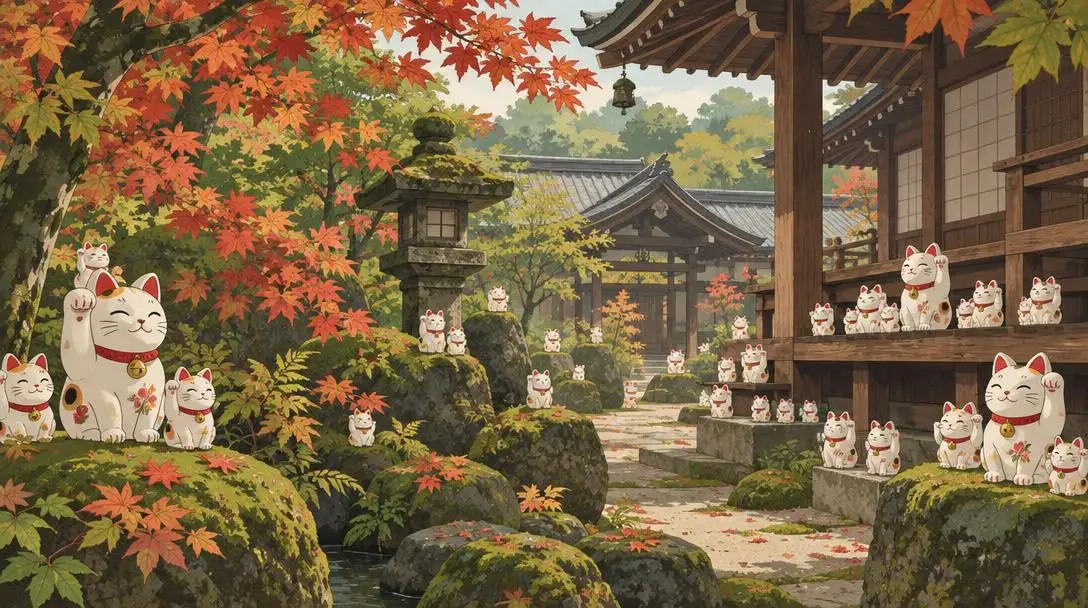
Tucked away from the capital's high-rise corridors lies Gotoku-ji Temple, an extraordinary spiritual site celebrated worldwide for its deep connection to felines. According to long-standing legend, a cat gestured with a raised right paw toward a feudal lord, beckoning him into a shelter during a fierce rainstorm. Moments after the lord moved toward the cat, lightning struck the exact spot where he had previously been resting beneath a tree. In gratitude for the life-saving gesture, the cat was revered, giving rise to the cultural phenomenon of the beckoning fortune cat.
Today, Gotoku-ji is widely acknowledged as the historic birthplace of these lucky felines. Visitors walking through the public temple grounds will encounter hundreds of white cat figurines of varying sizes clustered together around dedicated altars and stone monuments. The imagery of the raised paw extends across the property on wooden prayer plaques, paintings, and commemorative trinkets, serving as a peaceful tribute to feline devotion and good fortune.
Asakusa-jinja
- Historical Era: 17th-century construction
- Location: Adjacent to the five-story Senso-ji temple
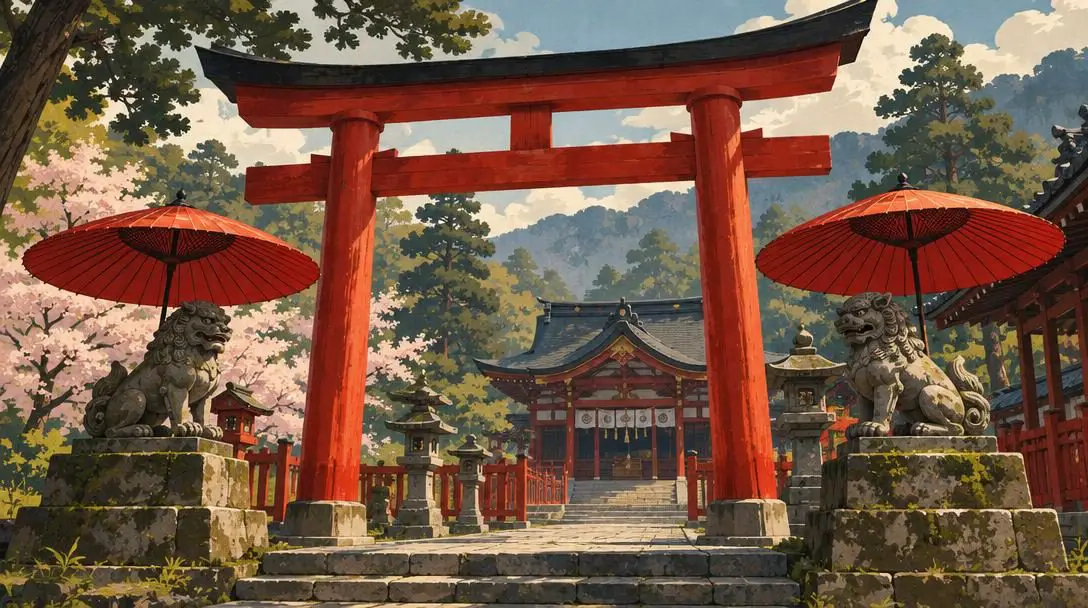
- Notable Landmark: Dog-lion statues under a red parasol
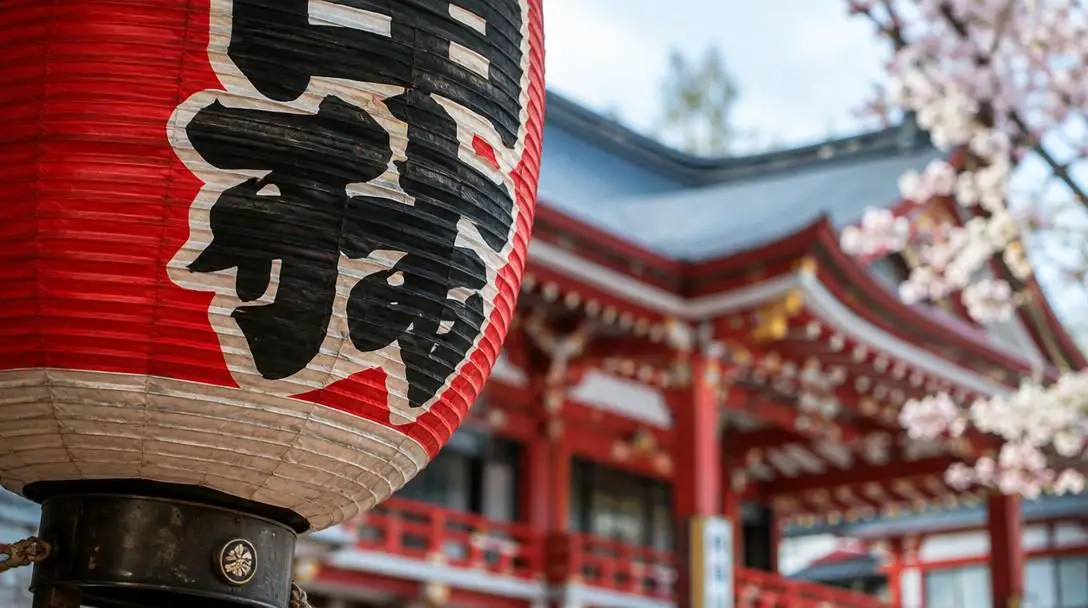
While millions of travelers flock to Asakusa to tour Senso-ji—the oldest five-story Buddhist temple in Tokyo—many walk right past the historic treasure sitting immediately beside it. Asakusa-jinja is a serene Shinto shrine that has anchored the district since the 17th century. The shrine was originally erected to honor the individuals responsible for founding Senso-ji, intertwining the spiritual histories of both sites.
Guests enter the grounds through a towering traditional Japanese torii gate that delineates the boundary between urban street life and sacred space. Within the courtyard stand two distinctive dog-lion statues sheltered beneath an ornate red parasol. In local lore, this carved pair represents lasting devotion and happy marriages. The relative calm of Asakusa-jinja makes it an ideal setting for quiet reflection, away from the heavy foot traffic of the neighboring temple complex.
"Standing beside Tokyo's oldest temple, Asakusa-jinja preserves a peaceful 17th-century tribute sheltered beneath historic gates and sacred parasols."
Hamarikyu Gardens
- Landscape Age: Preserves a 300-year-old pine tree
- Teahouse: Nakajima no Ochaya
- Setting: Floating architectural platform over serene water
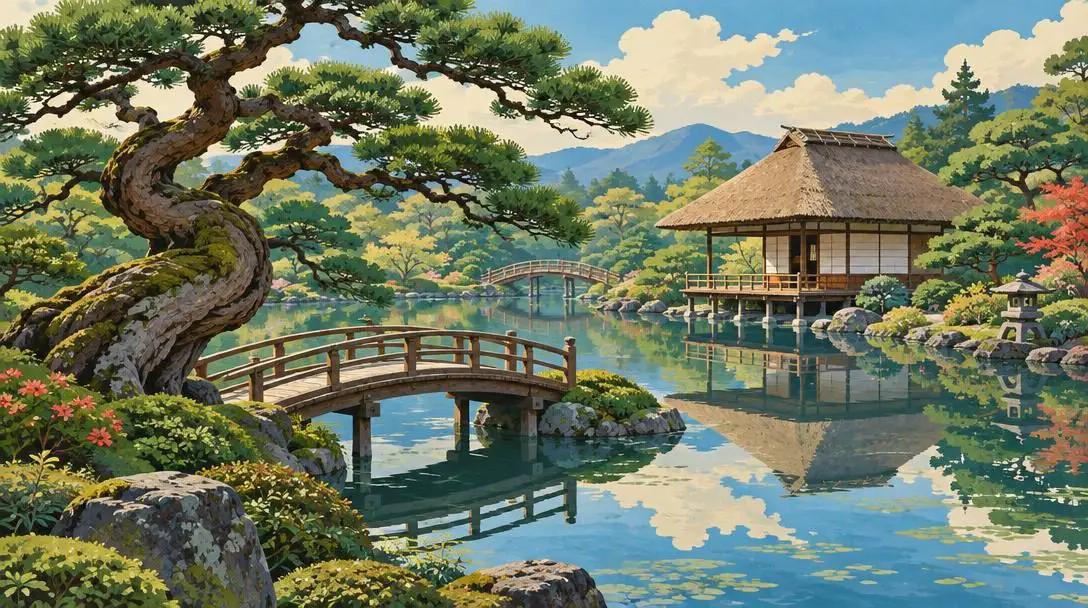
Positioned along the edge of Tokyo Bay, Hamarikyu Gardens provides a scenic escape from the paved streets and glass high-rises that dominate central Tokyo. The garden is crisscrossed with tidal ponds, wooden bridges, and manicured green pathways that follow the natural movement of the water. Near the entrance stands a historic 300-year-old pine tree, carefully preserved as a living sentinel honoring the botanical traditions of the past centuries.
At the center of the garden's primary pond sits Nakajima no Ochaya, an authentic thatched-roof teahouse resting on an unusual floating platform. Visitors can pause their walk to sit inside the teahouse, savoring warm tea while gazing over the ripples of the surrounding water. The contrast of historical thatched architecture set against the backdrop of distant modern towers highlights Tokyo's ability to maintain calm natural enclaves in the middle of development.
Fuji-Hakone-Izu National Park

- Primary Landmark: Mount Fuji (12,389 feet)
- Recreational Focus: Scenic walking trails
- Seasonal Highlight: Spring cherry blossoms
Extending beyond the immediate metropolitan borders, Fuji-Hakone-Izu National Park represents the natural crown of the surrounding region. The park centers around Mount Fuji, Japan's most recognizable natural landmark, which towers over the landscape at an elevation of 12,389 feet. The national park provides an extensive network of walking trails designed to offer changing angles of the mountain across varying topographies.
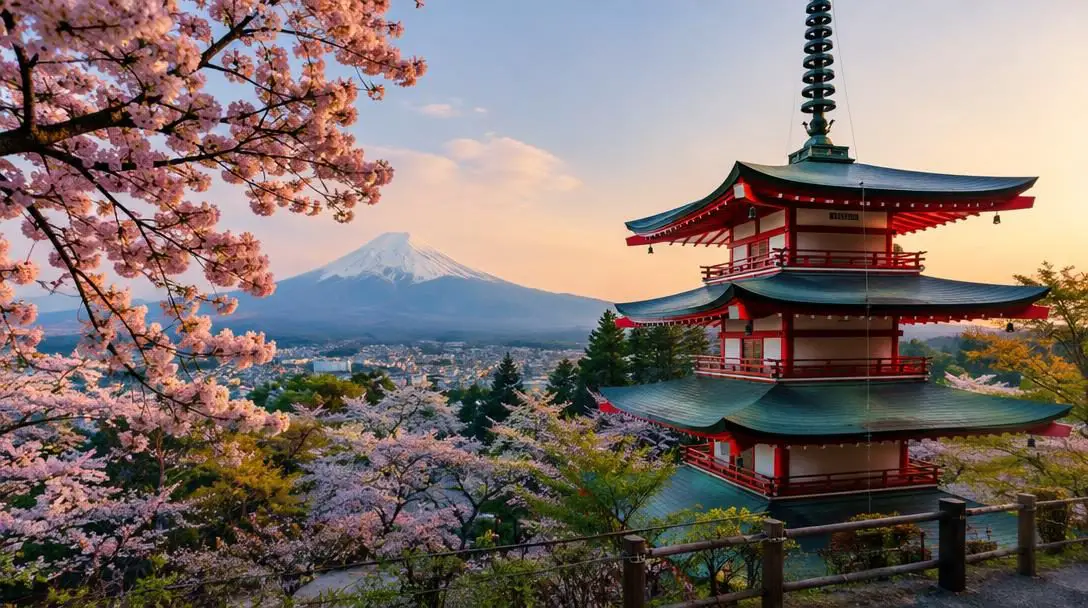
While the commanding presence of Mount Fuji remains the primary draw year-round, visiting during the spring introduces another spectacular layer to the scenery: cherry blossoms in full bloom. The soft pink blossoms frame the hiking trails and shoreline outlooks, creating an unforgettable composition of seasonal flora set against the snow-capped volcanic summit. The walking paths accommodate various fitness levels, giving outdoor enthusiasts a direct encounter with Japan's natural environment.
How to plan your Tokyo sightseeing itinerary
Connecting modern observation platforms with quiet spiritual grounds requires a thoughtful schedule. Moving between these distinct environments is smoothest when you account for site rules, seasonal elements, and physical geography.
- Check visibility forecasts before elevated visits: Review morning weather projections before heading to the 47-story Shibuya Sky Observatory to ensure clear horizon lines for viewing Mount Fuji.
- Pair historic landmarks by location: Combine your visit to the five-story Senso-ji temple with Asakusa-jinja next door, allocating time to admire the 17th-century torii gate and dog-lion statues.
- Schedule a calming midday pause: Use Hamarikyu Gardens as an afternoon break to walk among the bridges, examine the 300-year-old pine tree, and enjoy refreshments at the floating Nakajima no Ochaya teahouse.
- Dedicate unhurried time to sacred grounds: Explore Gotoku-ji during regular daytime hours to observe the historical cat displays and reflect on the ancient legend of the sheltering feline.
- Match national park travel to seasonal blooms: If your priority at Fuji-Hakone-Izu National Park is seeing cherry blossoms framing the 12,389-foot summit, target spring blooming windows and pack suitable walking shoes.
Common mistakes to avoid when visiting Tokyo landmarks
Even seasoned travelers can run into logistical hurdles when exploring a city as vast as Tokyo. Avoiding these frequent missteps ensures a seamless journey across all five destinations:
- Bypassing Asakusa-jinja: Rushing solely through the five-story Senso-ji often leads travelers to overlook the quieter 17th-century shrine sitting immediately beside it.
- Ignoring personal elevation limits: Forcing yourself onto the 47th-floor open rooftop at Shibuya Sky when dealing with vertigo can ruin the experience; make use of the sheltered 46th-floor Sky Gallery instead.
- Assuming Mount Fuji is always visible: Hazy or overcast conditions frequently obscure long-range views from both Shibuya Sky and regional trails, making flexible scheduling crucial.
- Rushing through Hamarikyu Gardens: Treating this scenic expanse as a simple shortcut prevents you from experiencing the quiet contemplation offered by the floating teahouse and historic trees.
- Neglecting site etiquette: Forgetting that Gotoku-ji and Asakusa-jinja are active places of worship can disrupt locals; maintain low speaking volumes and respect marked barriers.
- Wearing inadequate footwear for nature trails: Visiting Fuji-Hakone-Izu National Park in casual street shoes makes traversing variable walking paths uncomfortable and tiring.
Balancing seasonal shifts and daily pacing
Designing a memorable visit to Tokyo requires balancing energetic metropolitan districts with slower, peaceful destinations. Spending several consecutive hours navigating dense crowds can quickly lead to sensory fatigue. Alternating an exhilarating morning at Shibuya Sky with a quiet afternoon strolling through the greenery of Hamarikyu Gardens restores equilibrium to your travel days.
Seasonal shifts also transform how each of these landmarks looks and feels. Spring introduces cherry blossoms across Fuji-Hakone-Izu National Park, drawing admirers from around the world. In contrast, the crisp, dry air of late autumn and winter frequently delivers the clearest viewing days, offering the best odds of spotting Mount Fuji from Shibuya Sky's 47th floor. Summer and autumn highlight the vibrant botanical changes across Hamarikyu Gardens, where changing foliage reflects gracefully across the ponds. Aligning your daily activities with these environmental patterns deepens your connection to the capital.
Frequently asked questions
Where can I see Mount Fuji from within Tokyo?
On clear days, Mount Fuji is visible from the upper observation levels of Shibuya Sky Observatory, located atop the 47-story skyscraper in Shibuya.
What makes the teahouse at Hamarikyu Gardens unique?
The Nakajima no Ochaya teahouse features traditional thatched-roof construction and is positioned on an unusual floating platform directly over the garden's tidal pond.
Why is Gotoku-ji Temple associated with cats?
According to legend, a cat at Gotoku-ji saved a feudal lord from a lightning strike by beckoning him with its right paw toward shelter, establishing the site as the birthplace of the beckoning fortune cat.
How close is Asakusa-jinja to Senso-ji?
Asakusa-jinja sits immediately next door to the five-story Senso-ji Buddhist temple, having been built in the 17th century to honor the founders of Senso-ji.
How tall is Mount Fuji in Fuji-Hakone-Izu National Park?
Mount Fuji reaches an elevation of 12,389 feet and serves as the primary visual centerpiece for the walking trails throughout the park.
The bottom line
Tokyo's true charm lies in its harmonious variety. In a single day, you can relax in a rooftop hammock 47 stories above the street, trace centuries of spiritual folklore through the cat sculptures of Gotoku-ji, and sip tea on a floating pavilion surrounded by 300-year-old pines. By taking the time to explore both iconic skyline lookouts and tranquil historic shrines, you uncover the rich cultural layers that make Tokyo an extraordinary destination.