5 Best Nike Air Jordans Of All Time
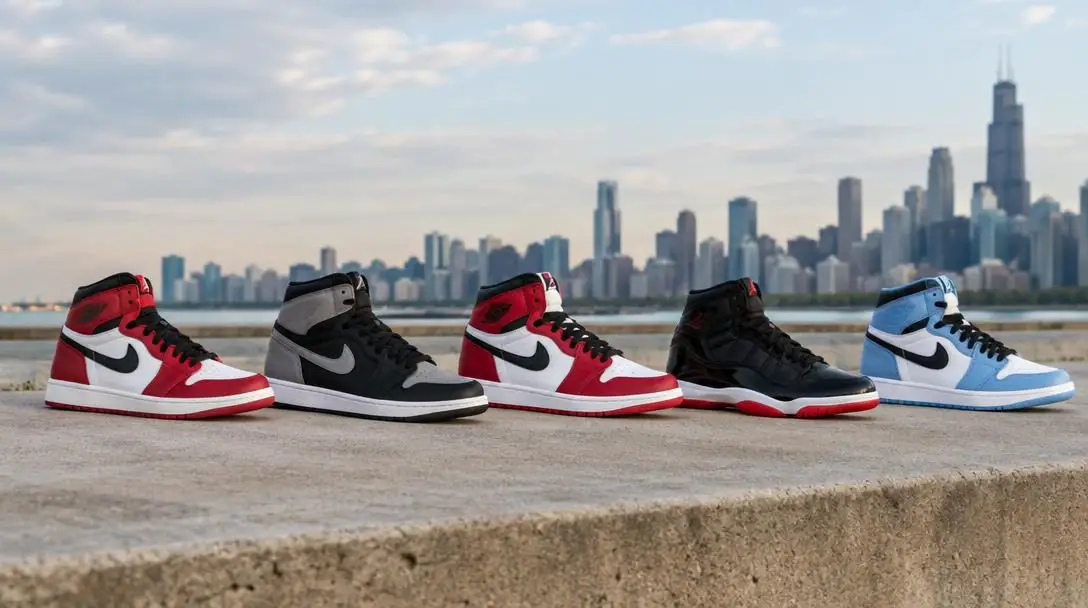
Basketball footwear was once treated strictly as functional sports equipment, designed solely to provide traction and ankle support on hardwood floors. That perspective changed completely when Nike took a historic gamble during Michael Jordan's rookie season, establishing a dedicated signature line that transformed athletic sneakers into coveted cultural artifacts. While numerous NBA icons ranging from Shaquille O'Neal to Stephon Marbury have launched signature shoes over the years, none have matched the sustained cultural resonance, commercial success, and collector fanaticism generated by the Air Jordan brand.
Spanning multiple decades, dozens of annual model rollouts, and an endless cycle of high-profile reissues, the Air Jordan catalog stands as the undisputed peak of athletic footwear. By bridging the gap between world-class on-court performance and everyday street fashion, the franchise established the blueprint for modern sneaker culture. Out of all the generations released since the mid-1980s, five specific models stand above the rest due to their groundbreaking aesthetic design, technical innovation, and unforgettable connections to basketball history.
Key takeaways
- The Air Jordan line revolutionized athletic footwear by transforming performance basketball sneakers into international street fashion staples.
- Iconic on-court achievements, such as Michael Jordan's series-winning buzzer-beater over Craig Ehlo in 1989, cemented the cultural legacy of models like the Air Jordan IV.
- Landmark design transitions, including Tinker Hatfield introducing the Jumpman logo on the tongue of the Air Jordan III and utilizing lightweight, durable materials on the Air Jordan XI, redefined sneaker aesthetics.
- Collectors and everyday wearers must balance the appeal of rare, fragile vintage originals sold at auctions against durable, practical modern reissues.
The top five Nike Air Jordans ranked
Every Air Jordan model carries its own chapter in basketball lore, but the top five entries in the franchise history set the standards for design excellence, consumer demand, and cultural storytelling. Below is how the elite releases compare across their release years, key designers, debut pricing, and standout characteristics.
| Model | Release Year | Original Price | Notable Features |
|---|---|---|---|
| Air Jordan VI | 1991 | $125 | Sleek silhouette, black tongue, white laces, contrasting sole variations |
| Air Jordan XI | 1995 | N/A | Lighter, durable build, Jumpman on outer back heel, mid-1990s fashion icon |
| Air Jordan IV | 1989 | N/A | Black finish with red soles, immortalized by the 1989 playoff shot over Craig Ehlo |
| Air Jordan I | 1985 | N/A | Peter Moore design, classic red and white upper, prominent black Nike swoosh |
| Air Jordan III | 1988 | $100 | Debut of the Jumpman logo on tongue, removed swoosh, ignited global craze |
Air Jordan VI
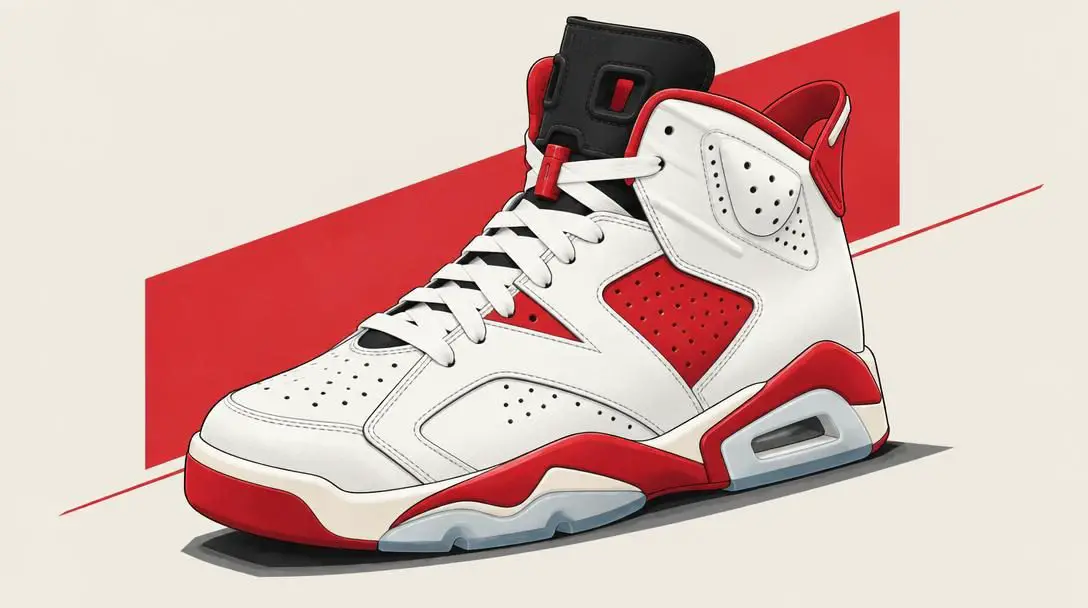
- Release Year: 1991
- Original Retail Price: $125
- Signature Features: Black tongues, white laces, red trim
When discussions turn to exceptionally sleek basketball footwear, the Air Jordan VI immediately comes to mind. Debuting in 1991 at a retail price of $125, the version Jordan famously laced up on the court boasted an eye-catching visual balance, highlighted by an upper finished mostly in clean white with vibrant red trim, contrasting black tongues, and white laces. This clean contrast offered viewers an unmistakable look from the stands and television broadcasts alike.
Nike also engineered alternative color combinations to match Jordan's fierce competitiveness, most notably an edition dominated by black with sharp red and white soles that visually underscored his aggressive playstyle. Beyond its immediate impact during the 1991 season, the Air Jordan VI provided an adaptable aesthetic foundation. In the decades following its debut, the sneaker has seen multiple reissues and has served as the foundational baseline for a diverse array of subsequent styles across lifestyle and athletic categories.
Air Jordan XI
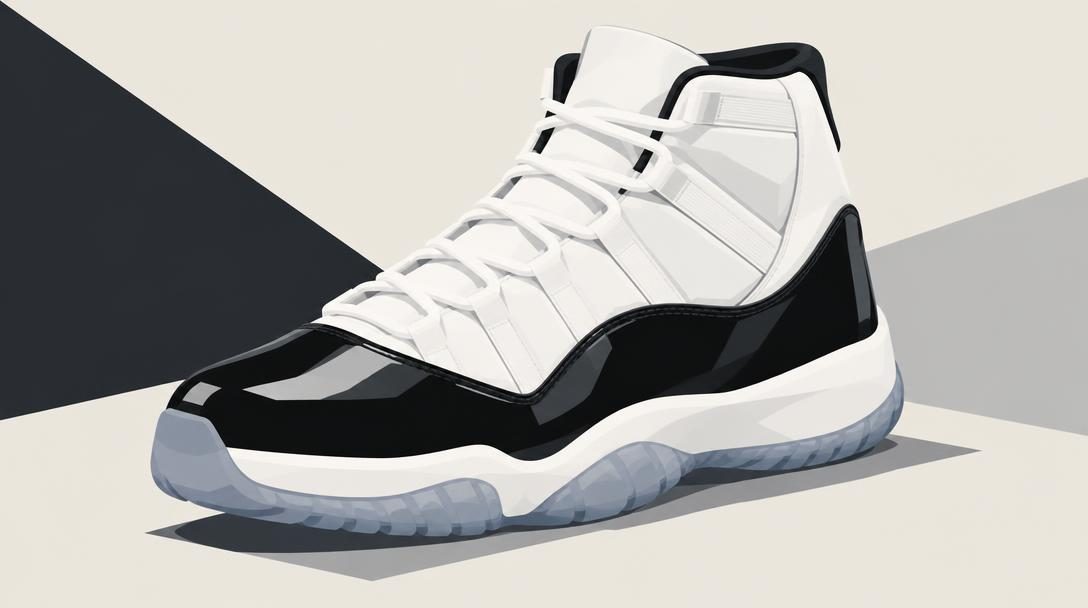
- Release Year: 1995
- Designer: Tinker Hatfield
- Defining Details: Jumpman on outer back heel, lighter and durable build
While the earliest iterations of the Jordan line dominate many vintage rankings, the later-generation Air Jordan XI remains one of the finest basketball shoes ever constructed. Arriving in 1995, the shoe coincided with one of the most electric moments in sports history: Michael Jordan's dramatic return to the NBA hardwood following his initial retirement from professional basketball. The sneaker introduced a striking, clean white profile accented with refined black trim, placing the Jumpman logo prominently on the outer back heel.
Visionary designer Tinker Hatfield created the Air Jordan XI and later noted that it was the absolute best design he had ever accomplished for Nike. Hatfield engineered the model to be noticeably lighter while increasing its structural durability, blending high-end athletic utility with sophisticated design elements. The silhouette quickly transitioned from hardwood dominance into a definitive symbol of mid-1990s fashion, maintaining an almost mythical status among both basketball fans and style connoisseurs.
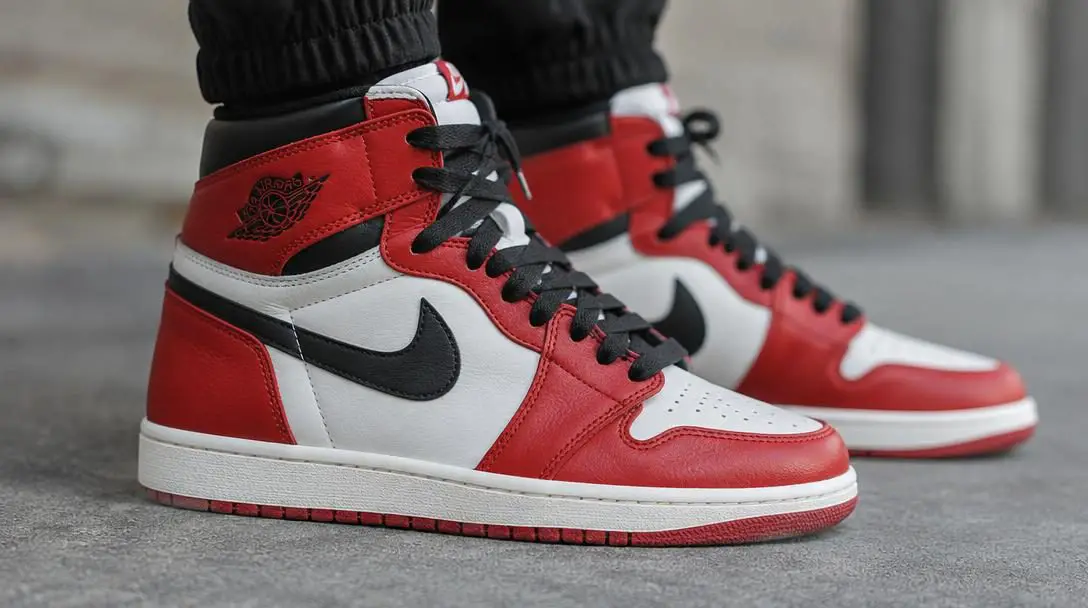
The Air Jordan series fundamentally transformed athletic footwear from practical gym gear into high-stakes global fashion.
Air Jordan IV
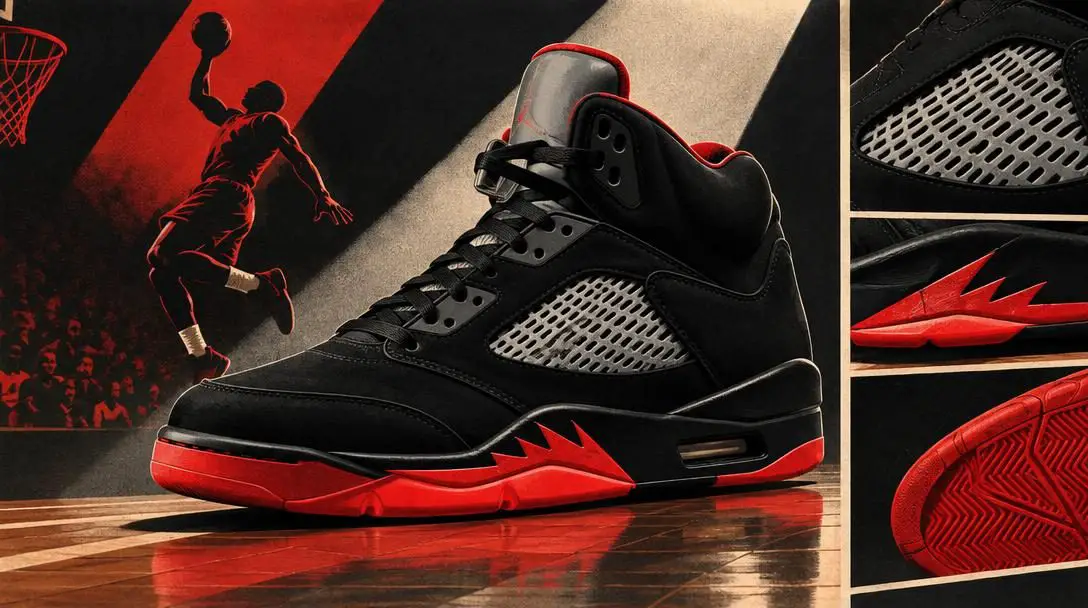
- Release Year: 1989
- Key On-Court Moment: 1989 first-round playoff shot over Craig Ehlo
- Colorway: Black upper with red soles
Hitting shelves in 1989, the Air Jordan IV did not represent an extreme structural overhaul compared to the groundbreaking model that immediately preceded it. Instead, it secured its place in pop-culture immortality through its direct association with one of the most legendary photographs ever taken in professional sports. During the decisive, winner-take-all game of the 1989 Eastern Conference playoffs between the Chicago Bulls and the Cleveland Cavaliers, the Bulls found themselves trailing in the closing seconds.
Jordan rose to the occasion by sinking a buzzer-beating jump shot directly over defender Craig Ehlo to propel Chicago into the next round. As Jordan leaped high into the air, pumping his fist in triumphant celebration, cameras captured every angle of his black Air Jordan IVs featuring bold red soles. That singular image was permanently seared into the memories of sports fans around the world, sending consumer interest into overdrive and cementing the IV as a timeless classic.
Air Jordan I
- Release Year: 1985
- Designer: Peter Moore
- Primary Palette: Red and white upper with black Nike swoosh
Any definitive hierarchy of basketball footwear is incomplete without paying homage to the sneaker that launched the entire modern footwear economy: the Air Jordan I. Sketched and constructed by designer Peter Moore, the original Air Jordan arrived in 1985 during Jordan's sensational rookie campaign. Nike management recognized Jordan's generational athletic prowess early, taking the bold risk of crafting an entire signature line for an unproven rookie player.
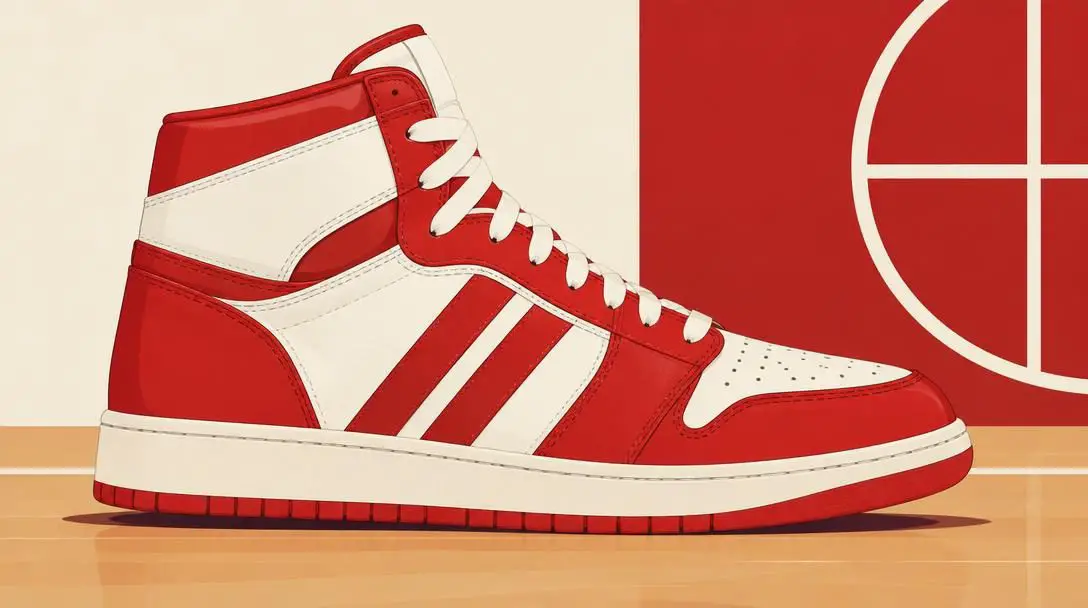
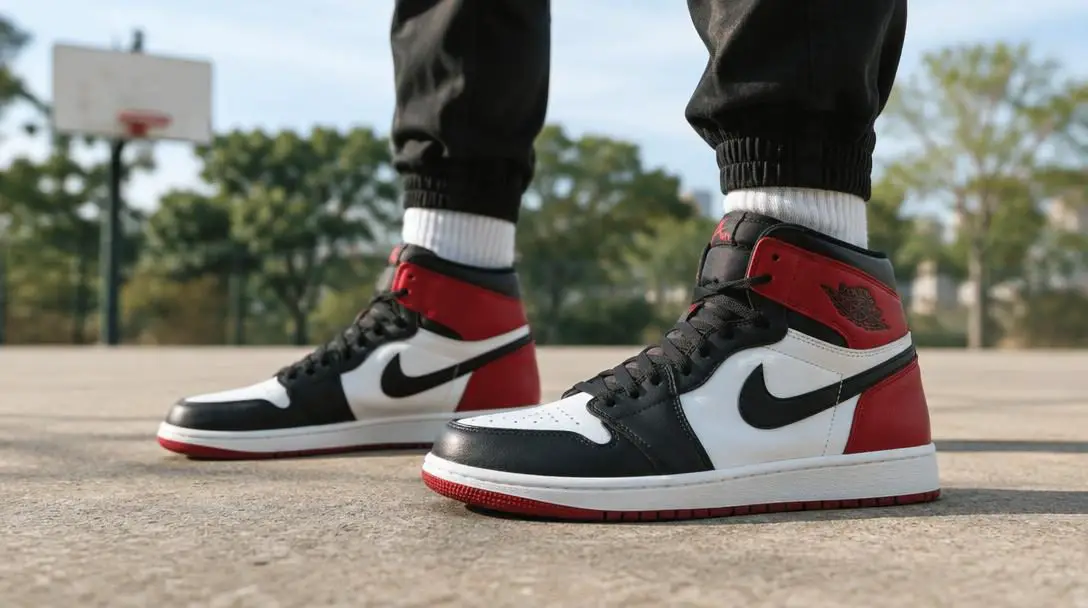
The sneaker featured a brilliant red and white color scheme punctuated by a bold black Nike swoosh along the side panels. Although the Air Jordan I has been subjected to countless retro editions, low-top variations, and collaborative redesigns over the ensuing decades, the original high-top silhouette remains an absolute masterpiece of industrial simplicity. Very few industry observers in 1985 could have anticipated that Moore's clean design would catalyze a multi-billion-dollar global collector market.
Air Jordan III
- Release Year: 1988
- Original Retail Price: $100
- Branding Milestone: First appearance of the Jumpman logo
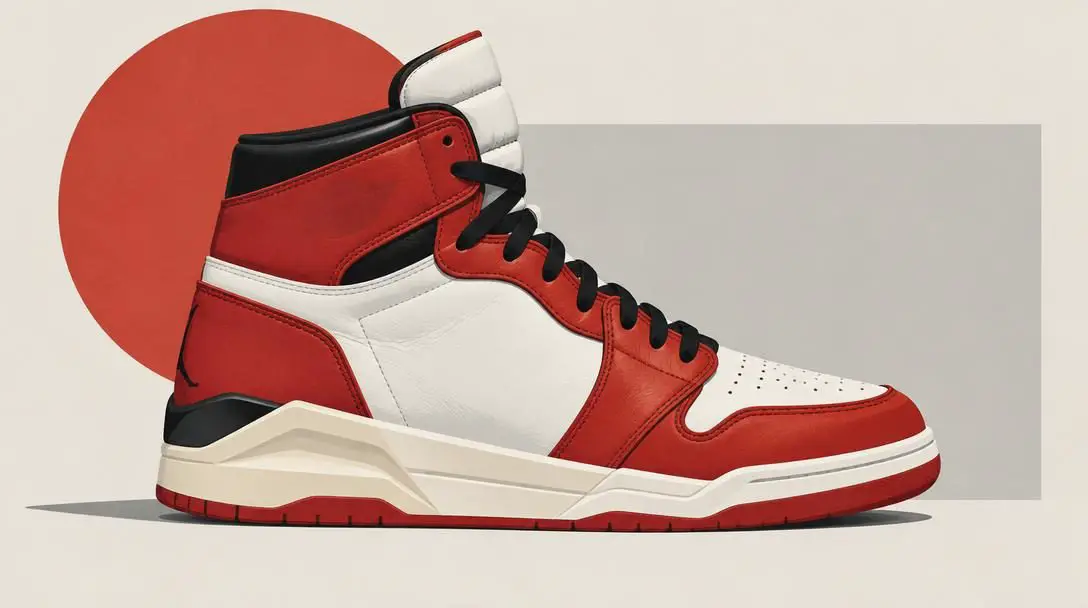
Taking the top spot on the list is the Air Jordan III, the definitive model that elevated the Jordan signature line from a successful product launch into a worldwide cultural movement. Released in 1988 with an original retail price of $100, the Air Jordan III introduced several crucial departures from the first two generations. Most crucially, Nike eliminated the traditional side swoosh and debuted the iconic Jumpman logo directly on the padded tongue, instantly establishing a unique identity separate from standard running and basketball footwear.
The Air Jordan III generated unprecedented consumer frenzy, prompting dedicated fans to wait in massive lines outside retail stores simply for the opportunity to purchase a pair. That intense demand never truly faded. Decades after its introduction, the III continues to receive highly anticipated remakes and modern reissues, while well-preserved original 1988 pairs regularly command huge sums at both public and online auctions. It remains the gold standard of sneaker design and cultural branding.
The design and cultural formula behind Jordan's success
The runaway popularity of the Air Jordan franchise is not a stroke of random luck. Instead, it relies on a proven formula that weaves together peak athletic drama, industrial design innovation, and everyday lifestyle appeal. Breaking down these intersecting pillars reveals why models from the 1980s and 1990s retain such immense cultural value today.
- Unforgettable On-Court Highlights: Unlike generic athletic trainers, Jordans are directly tied to historical athletic achievements. When Michael Jordan nailed his iconic game-winner over Craig Ehlo in 1989 while wearing the black and red Jordan IV, the shoe inherited genuine sports mythology that paid advertising cannot manufacture.
- Boundary-Pushing Industrial Engineering: Nike leveraged elite design talent to reinvent shoe construction. Peter Moore laid down the foundational high-top silhouette with the 1985 Air Jordan I, while Tinker Hatfield later re-engineered the Air Jordan XI to produce a lighter, more durable basketball shoe that met the physical demands of high-intensity play.
- Calculated Shifts in Visual Identity: The strategic evolution of Nike's branding helped establish Jordan as an autonomous luxury tier. While the 1985 Air Jordan I showcased the traditional black swoosh, the 1988 Air Jordan III relocated brand focus entirely by moving the newly minted Jumpman logo to the tongue, signaling a distinct luxury aesthetic.
- Effortless Crossover Appeal: Air Jordans were never trapped within the confines of basketball gymnasiums. The clean black-and-white aesthetic of the 1995 Air Jordan XI quickly meshed with mid-1990s streetwear, demonstrating that high-caliber athletic footwear could easily double as everyday fashion centerpieces.
A collector's guide to acquiring classic Jordans
Whether your goal is to assemble a museum-quality display of vintage artifacts or find a stylish pair for regular streetwear use, navigating the classic sneaker market requires deliberate research. Given the intense demand surrounding vintage silhouettes and high-profile reissues, potential buyers should follow a structured purchasing framework.
- Determine your preference between vintage originals and modern reissues: Decide whether your collection prioritizes true historical originals from milestone years such as 1985, 1988, 1989, 1991, or 1995, or if you prefer contemporary reissues. Vintage originals command high prices at auction and are delicate, while modern retro editions are built with fresh materials suitable for regular wear.
- Scrutinize construction and branding details for authenticity: Due to enormous secondary-market demand, counterfeit models of historic releases circulate widely. Inspect high-wear areas closely, checking the precise placement of the Jumpman on the tongue of the Air Jordan III or the heel of the Air Jordan XI, the structural stitching, and the coloration of the soles.
- Monitor specialized auction platforms and verified sales: Rare original issues from 1985 or 1988 frequently appear through dedicated auction houses, enthusiast conventions, and verified online secondary platforms. Tracking closed sales helps you gauge realistic pricing before submitting bids.
- Establish a climate-controlled storage environment: Shoes produced during the late 1980s and 1990s deteriorate rapidly when exposed to humidity, heat, and direct sunlight. Store valuable vintage pairs in temperate, low-humidity spaces to preserve delicate midsoles, vintage leathers, and vibrant trim colors.
Frequent mistakes when buying and preserving Air Jordans
Both novice buyers and seasoned footwear enthusiasts can stumble into costly pitfalls when purchasing or maintaining classic Air Jordans. Steering clear of these widespread mistakes will protect both your financial investment and the physical condition of your collection.
- Assuming all releases share identical specifications: A common oversight is failing to recognize distinct color and material variations within a single model line. The Air Jordan VI, for example, features both an on-court white iteration with red trim, black tongues, and white laces, as well as a more aggressive black build with red and white soles. Verifying exact specifications prevents purchasing the wrong variation.
- Overpaying without reviewing auction sales history: Bidding impulsively on vintage 1988 Air Jordan IIIs or 1985 Air Jordan Is without analyzing historical auction sales often results in substantial overpayment. Always consult verified past sale records across online and in-person auction venues to identify fair market value.
- Cleaning vintage materials with harsh household solvents: Using generic chemical cleaners, abrasive brushes, or washing machines on vintage footwear can permanently strip delicate paints, dissolve vintage glues, and dry out natural leather uppers. Stick strictly to gentle, pH-balanced sneaker cleaners and microfiber cloths.
- Wearing fragile vintage shoes: Original sneakers from 1988 or 1989 belong in collector displays rather than on pavement. The aging polyurethane soles on decades-old shoes naturally break down over time, meaning walking in original pairs often results in irreversible structural damage.
How to expand your collection moving forward
For enthusiasts eager to deepen their involvement with the Jordan franchise, several practical avenues offer an engaging path forward:
- Analyze the engineering timeline: Explore the technological progression from Peter Moore's leather-paneled 1985 Air Jordan I to Tinker Hatfield's lighter, more durable 1995 Air Jordan XI. Tracking how materials, cushioning, and structural supports evolved offers a deeper appreciation of athletic innovation.
- Match classic silhouettes to your wardrobe: Consider how individual models complement your everyday wardrobe. The bold red and white contrasts of the Air Jordan I provide high-contrast retro styling, whereas the monochromatic white-and-black styling of the Air Jordan XI delivers a sleek, minimalist mid-1990s look.
- Track upcoming Nike reissue schedules: Nike regularly brings back its most beloved silhouettes through scheduled retail drops. By following release calendars, you can acquire iconic designs like the Air Jordan III or Air Jordan VI at standard retail prices rather than competing for high-priced vintage editions on the auction circuit.
Frequently asked questions
Which Air Jordan model introduced the famous Jumpman logo?
The Jumpman logo made its official debut on the Air Jordan III in 1988. Nike designer Tinker Hatfield removed the traditional side swoosh seen on earlier models and placed the Jumpman prominently on the tongue, creating a distinct visual trademark for the Jordan line.
What shoe was Michael Jordan wearing during the 1989 playoff shot over Craig Ehlo?
Jordan was wearing the black Air Jordan IV with red soles when he made his iconic buzzer-beater over Craig Ehlo to defeat the Cleveland Cavaliers in the 1989 playoffs. Photographs of his mid-air celebration cemented the sneaker's place in sports history.
Who designed the original 1985 Air Jordan I?
The Air Jordan I was designed by Peter Moore. Released during Michael Jordan's 1985 rookie campaign with the Chicago Bulls, the shoe featured a vibrant red and white leather upper accented by a bold black Nike swoosh.
Why is the Air Jordan XI considered such a significant design milestone?
Designed by Tinker Hatfield, who described it as the best design he had ever done for Nike, the 1995 Air Jordan XI was engineered to be lighter and more durable than previous basketball shoes. Its release coincided with Jordan's return to the NBA and quickly became a defining fashion staple of the mid-1990s.
Can you safely wear original Air Jordans from the 1980s today?
Wearing original releases from 1985, 1988, or 1989 is generally not recommended. Decades of age cause the internal cushioning, adhesives, and sole materials to degrade and crumble under pressure. Original pairs are best preserved as collector display pieces, while modern reissues are ideal for daily wear.
The bottom line
The Air Jordan brand stands as an unmatched phenomenon in modern sports and fashion history. By pairing the extraordinary athletic legacy of Michael Jordan with the innovative industrial designs of Peter Moore and Tinker Hatfield, Nike crafted a footwear lineup that transcended the basketball court. While generations of sneakers have entered the market since 1985, the Air Jordan I, III, IV, VI, and XI remain the definitive models that shaped global street culture, transformed retail fandom, and established athletic sneakers as enduring works of art.