5 Books That Will Get You Back Into Reading

Losing the momentum to read is an experience familiar to almost every passionate book lover. A reader might spend years eagerly devouring dozens of novels annually, only to encounter a sudden, mystifying period where cracking open any volume feels like an insurmountable chore. This abrupt stall—commonly known as a reading slump—rarely reflects a permanent loss of curiosity or intellect. Instead, it is typically the natural byproduct of shifting life rhythms, heightened stress, and the friction that builds when reading begins to feel more like an obligation than an escape.
When daily responsibilities mount and digital distractions are merely a swipe away, passive entertainment often wins the battle for your evening attention. However, returning to literature does not require immense willpower or hours of forced discipline. The secret lies in choosing dynamic, narrative-rich titles that pull you forward effortlessly. By identifying accessible, page-turning books across diverse genres, you can reignite your literary curiosity, rebuild a sustainable daily routine, and fall back in love with the printed page.
Key takeaways
- Reading slumps are common, natural phases caused by everyday mental fatigue, life transitions, and encounters with dense or mismatched material.
- Overcoming a slump requires books with strong narrative momentum that reward reader attention and minimize cognitive friction.
- Matching your return to reading with your preferred genre—ranging from atmospheric mysteries to grand historical narratives—ensures a faster recovery.
- Establishing short, predictable reading intervals each day removes pressure and steadily cements a renewed habit.
- Abandoning titles that fail to engage you is an essential strategy for keeping your reading energy intact.
The anatomy of a reading lapse and why it happens
To fix a reading slump, it is helpful to first understand what creates one. Readers often assume that their inability to finish a chapter signifies a broken attention span or a vanished interest in books. In reality, a reading lapse is almost always triggered by competing cognitive demands. Shifts in workplace workloads, major life transitions, caring for family members, and the persistent presence of digital alerts drain mental reserves. By the end of an exhausting day, processing text on a printed page demands active neurological participation, whereas streaming video or scrolling social feeds offers immediate, effortless sensory stimulation.
Another frequent catalyst for a reading lapse is simply encountering the wrong material at the wrong time. Even seasoned bibliophiles can be derailed by a dense, uninteresting, or sluggishly paced volume. If you force yourself to push through an unrewarding book out of sheer stubbornness, reading gradually transforms from an invigorating leisure pursuit into an arduous chore. Days turn into weeks without turning a page, until opening a book feels heavy with guilt and friction.
Recognizing that a reading drought is merely a situational pause—not a character flaw—frees you from unnecessary frustration. The habit is never truly gone; it is simply dormant, waiting for a compelling narrative spark to bring it back to the surface.
How momentum-driven books rebuild your focus
When you are attempting to break free from a prolonged break, not every well-written book is appropriate. Highly academic treatises, slow-paced epics, and experimental prose structures might hold immense artistic value, but they demand high cognitive investment. To restore momentum, you need a story that does the heavy lifting for you.
Books suited for breaking slumps possess unmistakable narrative drive. Whether driven by an intriguing mystery, rich emotional stakes, or eye-opening thematic concepts, these titles present clear, satisfying revelations at regular intervals. When a narrative offers consistent payoffs, the human brain rapidly re-associates reading with excitement and dopamine rather than fatigue.
When a plot offers steady revelations and relatable stakes, the material does the heavy lifting to pull you forward.
Once you experience the sensation of actively wanting to read just one more chapter before turning off the lights, the psychological barrier dissolves. Your daily reading windows expand naturally, concentration returns without forced effort, and your literary routine seamlessly reasserts itself.
At a glance: Five books that reignite the reading habit
| Book Title | Author | Genre | Core Appeal |
|---|---|---|---|
| Where the Crawdads Sing | Delia Owens | Mystery / Romance | Atmospheric wild setting paired with a gripping central puzzle |
| Sapiens | Yuval Noah Harari | Non-Fiction / History | Accessible, metaphor-rich exploration of humanity's development |
| A Court of Thorns and Roses | Sarah J. Maas | Fantasy / Thriller | Inventive fairytale reimagining packed with high stakes and intrigue |
| Frankenstein | Mary Shelley | Classic Horror / Sci-Fi | Timeless, emotionally intense foundational speculative masterpiece |
| The Guest List | Lucy Foley | Mystery / Thriller | Fast-paced, suspenseful whodunit set within a glamorous gathering |
Five standout titles to restart your reading journey
Selecting the right gateway book depends entirely on what kind of storytelling stirs your curiosity right now. The five works below span fiction, history, fantasy, Gothic literature, and suspense, each providing a frictionless entry point into consistent reading.

Where the Crawdads Sing by Delia Owens

- Author: Delia Owens
- Primary genre: Mystery and romance
- Core setting: Marshland
If you appreciate evocative natural settings, heartfelt emotion, and an underlying criminal puzzle, Where the Crawdads Sing by Delia Owens serves as a welcoming portal back into regular reading. The narrative centers on a young girl who is abandoned by her family deep in the marshlands. Isolated from traditional society, she displays remarkable resilience, learning to raise herself in the wild environment and survive on her own terms.
As she matures, her relationship with the nearby town becomes fraught with tension, as the local community regards her with persistent suspicion and prejudice. When an unexpected tragedy strikes the settlement, fingers point in her direction, entangling her solitary existence in an escalating investigation. Owens balances poignant coming-of-age drama with an urgent, page-turning mystery, ensuring that readers remain deeply invested in the outcome until the final pages.
Sapiens by Yuval Noah Harari

- Author: Yuval Noah Harari
- Primary genre: Non-fiction history
- Subject matter: Story of humanity from the beginning
For readers who find pure fiction unappealing when trying to break out of a slump, Sapiens by Yuval Noah Harari offers a gripping non-fiction alternative. Rather than presenting world history as an uninspired catalogue of names and chronologies, Harari charts the journey of our species from its earliest beginnings up to modern society through an overarching, narrative-driven lens.
The work explains how modern human behaviors, social systems, and cultural constructs developed over thousands of years. Harari employs vivid metaphors, pertinent facts, and accessible framing to unpack complex anthropological and historical milestones. It is an intellectually invigorating choice for anyone eager to regain reading momentum by gaining a fresh perspective on the shared history of human civilization.
A Court of Thorns and Roses by Sarah J. Maas
- Author: Sarah J. Maas
- Primary genre: Fantasy and thriller
- Inspiration: Beauty and the Beast
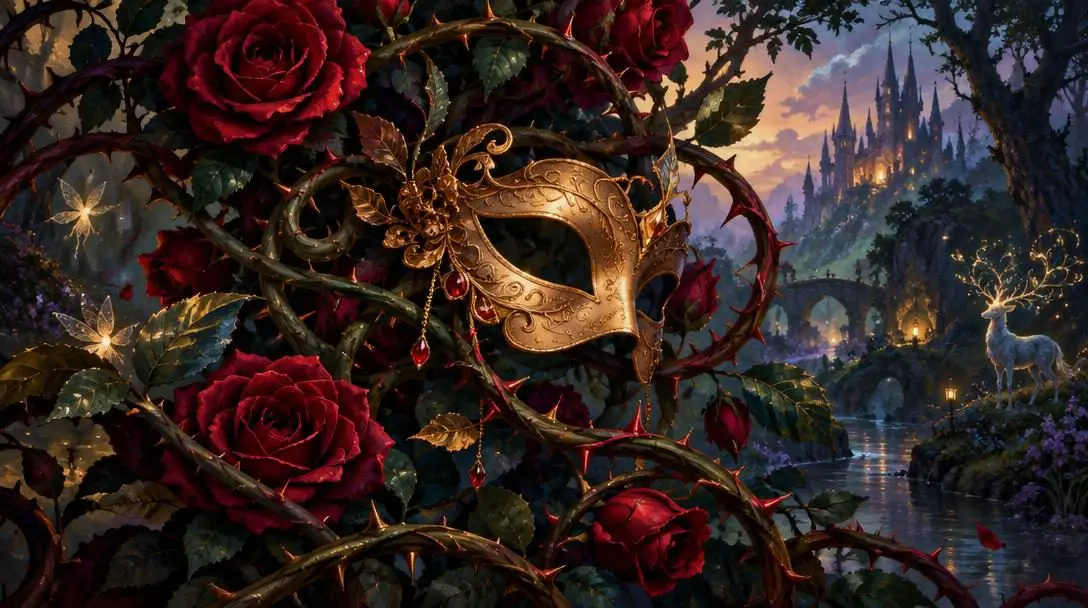
Readers who thrive on immersive world-building, romantic tension, and high stakes will find an intoxicating catalyst in A Court of Thorns and Roses by Sarah J. Maas. The novel takes the recognizable framework of the classic Beauty and the Beast tale and twists it into a distinct fantasy setting charged with danger, magical conflict, and political intrigue.
Maas infuses the narrative with the propulsive pacing of a modern thriller. The protagonist is swept from her harsh human reality into a lavish yet treacherous realm where survival depends on navigating shifting loyalties and ancient curses. The escalating stakes and dynamic character interactions create an urgent reading pace that makes putting the volume down exceptionally difficult.
Frankenstein by Mary Shelley
- Author: Mary Shelley
- Primary genre: Classic horror and science fiction
- Age: Written over two hundred years ago
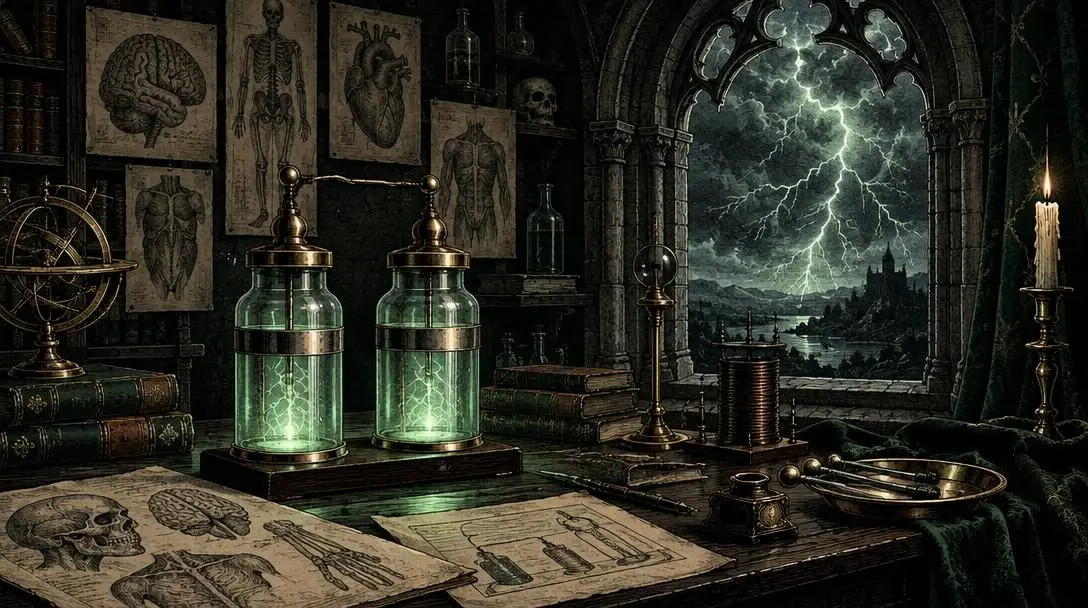
Readers who assume classic literature is inherently dry or difficult often change their minds upon opening Frankenstein by Mary Shelley. Written more than two centuries ago, this foundational masterpiece remains one of the most haunting, intellectually engaging, and deeply moving explorations of human emotion ever committed to paper.
Shelley synthesizes elements of gothic horror, early science fiction, historical drama, and poetic introspection to chronicle a creator's hubris and the agonizing loneliness of his abandoned creature. The text moves briskly, driven by tragic psychological conflict and profound philosophical queries regarding responsibility, empathy, and scientific ambition. Its emotional intensity makes it just as gripping today as it was upon its original debut.

The Guest List by Lucy Foley

- Author: Lucy Foley
- Primary genre: Mystery and thriller
- Setting: Wedding celebration
If your primary goal is pure, unadulterated suspense that keeps you guessing late into the evening, The Guest List by Lucy Foley provides an ideal reading reset. The story takes place during a picturesque, glamorous wedding celebration organized on an isolated island off the coast. While the event initially seems like an idyllic gathering of attractive, successful friends and family, the veneer quickly fractures as hidden animosities and dark secrets come to light.
Foley skillfully utilizes shifting perspectives and escalating paranoia to draw out tension. As weather turns treacherous and resentments boil over, the celebration turns deadly. The constant drip of fresh clues and unresolved grievances makes this novel exceptionally difficult to pause, delivering the exact kind of momentum needed to banish a stubborn reading slump.
Practical steps to restart your reading routine
Choosing an enticing book is half the battle; pairing that choice with a structured, low-stress daily routine ensures that your progress sticks. Rushing into ambitious reading goals right after an extended break often backfires. By adopting simple, deliberate practices, you can build a sustainable habit that feels natural and enjoyable.
- Select a single compelling title to begin. Resist the urge to purchase or gather a towering stack of options. Choose just one book from the list that aligns with your current mood today—whether that is a suspenseful thriller, an epic history, or an eerie classic. Focusing on one narrative prevents choice paralysis and lets you fully engage.
- Designate a small, consistent reading window. Instead of attempting to sit down for multi-hour sessions, commit to a modest block of ten to twenty minutes per day. Reading during your morning commute, midway through a lunch break, or directly before sleeping establishes regularity without imposing a heavy time burden.
- Create a distraction-free physical environment. Keep your book prominently visible on your nightstand, coffee table, or work desk. When your designated reading window begins, set mobile phones, tablets, and laptops out of arm's reach to eliminate digital temptations that fragment concentration.
- Track your progress using simple physical markers. Mark your pages with an attractive bookmark or jot down chapter milestones on a notepad. Witnessing physical, visible progress through the volume offers a tangible sense of accomplishment that encourages you to return to the story tomorrow.
Common mistakes to avoid when ending a reading slump
Well-meaning readers often sabotage their own recovery by applying too much pressure. Rebuilding a hobby requires gentle consistency rather than rigid performance metrics. Keep these frequent missteps in mind as you embark on your reading reset:
- Tackling overly difficult or tedious books right away: Selecting a dense, slow-moving classic simply because you feel you "ought" to read something prestigious creates immediate friction. Choose high-engagement, accessible titles first to rebuild your stamina.
- Forcing yourself to finish books you actively dislike: Life is too short to endure unrewarding reading. If you give a title an honest chance and find yourself dreading picking it up, grant yourself permission to set it aside and try something else. Pushing through an uninteresting book is the fastest route back into a slump.
- Setting unrealistic volume quotas: Declaring that you will finish three full novels in a week after not reading for months sets you up for discouragement. Focus on enjoying the process and reading daily rather than meeting an arbitrary page count.
- Letting lingering guilt dictate your habits: Berating yourself over the weeks or months you spent away from books transforms reading into an overdue chore. Treat every new chapter as an enjoyable luxury rather than an obligation you must fulfill.
Keeping the momentum alive over the long haul
Once you close the back cover on your first completed book, you will feel a refreshing surge of confidence. However, maintaining that renewed energy over the coming months requires a small amount of intentional curation. The transition between finishing one volume and starting another is the most vulnerable point for a reading lapse to re-emerge.
Take a few moments after finishing to reflect on what specific elements kept you turning pages. Did you respond most to the atmospheric wilderness setting of a mystery, the fascinating societal revelations of historical non-fiction, or the rapid twists of a modern psychological thriller? Understanding what truly commands your attention allows you to choose your next title strategically.
Consider looking into other books by the author who helped break your slump, or search for titles within the same thematic neighborhood. Maintaining a short, carefully curated list of two or three books you are genuinely eager to explore next ensures you never face a vacuum of indecision when one story concludes. By honoring your personal tastes and protecting small pockets of quiet time throughout your week, you ensure that reading remains a steady, joyful anchor in your everyday life.
Frequently asked questions
How long does a typical reading slump last?
A reading slump can last anywhere from a few days to several months or even years. Its duration largely depends on what caused it and how quickly you eliminate friction by picking up an engaging, accessible book instead of forcing your way through dense or unappealing material.
Should I finish a book I do not enjoy just to break a slump?
No. Forcing yourself to finish an uninteresting book is often the direct cause of a reading slump. Abandoning titles that fail to engage you frees up your mental energy for stories that genuinely excite you and restore your reading habit.
How many minutes a day should I read to rebuild my momentum?
A dedicated block of ten to twenty minutes per day is more than enough to establish consistency. Short daily reading windows prevent burnout, eliminate the intimidation of a large time commitment, and make it easy to sustain progress over the long run.
Can non-fiction books effectively cure a reading lapse?
Yes. Non-fiction works that are rich in narrative pacing, compelling facts, and vivid metaphors—such as Yuval Noah Harari's Sapiens—can be just as effective as fiction in breaking a slump for readers who prefer real-world history and ideas over fictional plots.
What should I do as soon as I finish my reset book?
Reflect on what kept you engaged, whether it was the pacing, the genre, or the characters, and immediately select your next read based on those preferences. Having one or two appealing titles lined up prevents decision fatigue and stops a new slump from taking hold.
The bottom line
Falling out of a reading routine is a normal phase that almost every reader experiences at some point. The path back to a vibrant literary life does not require rigid study regimens or agonizing self-discipline. By forgiving past absences, recognizing the mental fatigue that causes lapses, and reaching for exceptionally gripping titles, you can reignite your passion for literature effortlessly. Choose a single book that sparks your curiosity, give yourself ten quiet minutes today, and let the narrative do the rest.