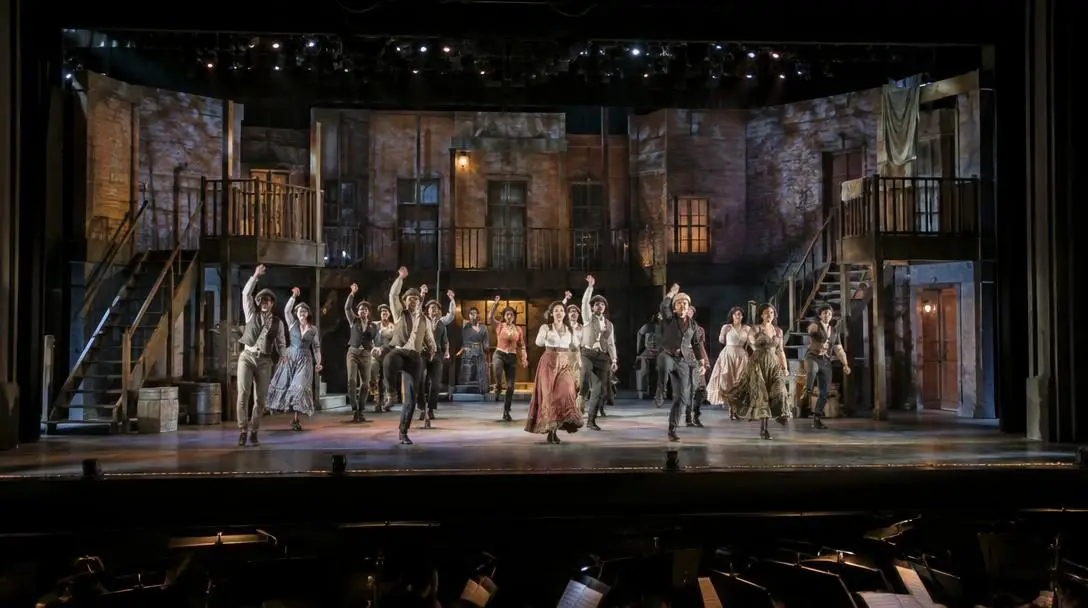
5 Celebrities Who Flopped On Broadway And The West End
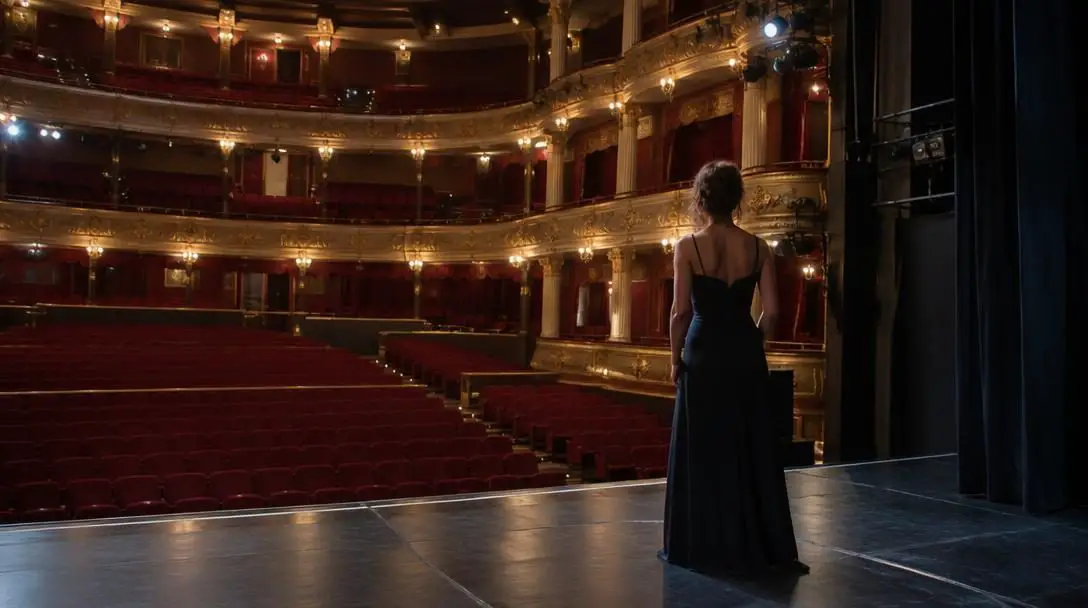
For decades, commercial theatre producers have looked toward Hollywood to boost box-office momentum, sell high-priced tickets, and draw wider crowds to Broadway and the West End. Casting an internationally recognized movie star can generate instant buzz, yet immense fame and screen acclaim do not guarantee success under the stage lights. Live theatre demands a fundamentally different skill set than filmmaking, stripping away the safety nets that many screen performers take for granted.
In front of a camera, a subtle glance or a low murmur can carry a scene, backed by the assurance that any mistake can be corrected with another take. On a theatrical stage, performers must project every emotion and line to the rear of the auditorium in real time, eight shows a week, with no second chances. While some cinematic luminaries flourish under these unforgiving conditions, others struggle to connect with live audiences, earning scathing reviews and demonstrating just how vast the divide between screen and stage acting can be.
Key takeaways
- Screen fame does not inherently translate into theatrical skill because live performance requires sustained projection, physical presence, and vocal control without the aid of retakes.
- Major Hollywood stars including Bruce Willis, Julia Roberts, and Katie Holmes received sharp critical backlash after struggling with stage presence and emotional range.
- Even seasoned stage veterans like Al Pacino have faced severe Broadway missteps late in their careers due to memory lapses and pacing issues.
- Backstage conflicts and a lack of ensemble collaboration can sink a high-profile theatrical debut before opening night, as demonstrated by Shia LaBeouf.
- Successful transitions from screen to stage require intensive vocal coaching, deep script memorization, and dedicated movement training rather than relying on cinematic naturalism.
At a glance: Notable celebrity theatrical stumbles
| Actor | Production | Year | Key Co-Star or Playwright | Primary Critical Critique |
|---|---|---|---|---|
| Bruce Willis | Misery | 2015 | Laurie Metcalf | Flat, passive performance lacking dramatic engagement |
| Al Pacino | China Doll | 2015 | David Mamet | Lurching delivery, missed lines, and suspected teleprompter use |
| Julia Roberts | Three Days of Rain | 2006 | Paul Rudd, Bradley Cooper | Stiff, self-conscious stage demeanor and emotional disconnect |
| Shia LaBeouf | Orphans | 2013 | Alec Baldwin / Lyle Kessler | Departed before opening night due to intense cast conflict |
| Katie Holmes | Dead Accounts | 2012 | Theresa Rebeck | Shrill, one-note delivery despite slight comfort gains |
Five high-profile screen stars whose stage runs fell short
When marquee names accept roles in prestigious stage plays, expectations soar among both casual fans and hardened theatre critics. However, when these stars fail to adapt to the unique technical demands of the theatre, the results can be glaringly obvious under the spotlight. Here are five prominent actors whose ventures onto the stage resulted in critical missteps or dramatic departures.
Bruce Willis

- Broadway Debut: 2015
- Production: Misery
- Role: Paul Sheldon
- Notable Co-Star: Laurie Metcalf
In 2015, action icon Bruce Willis took to the Broadway stage in a dramatic adaptation of Stephen King's renowned thriller Misery. Playing opposite the formidable stage veteran Laurie Metcalf, Willis stepped into the role of Paul Sheldon, a bedridden novelist held captive by his psychotic number-one fan. While Metcalf earned widespread acclaim for her electric, terrifying performance, Willis struggled to generate the requisite dramatic tension.
Throughout his extensive Hollywood career, Willis made his mark using an effortless, smirking charisma that translated brilliantly through the camera lens. However, on stage at the Broadhurst Theatre, that subdued energy failed to register beyond the front rows. Rather than conveying the desperate terror of a captive fighting for survival, his performance felt flat and passive. With the actor confined to a bed for much of the play, he lacked the physical vocabulary and vocal variation necessary to make his character's plight compelling, leaving his co-star to carry the production's emotional weight alone.
Al Pacino

- Production: China Doll (2015)
- Playwright: David Mamet
- Past Tony Wins: 1969, 1977
- Other Accolades: Academy Award, Emmy Award
Unlike many movie stars who enter the theatre as newcomers, Al Pacino built his early reputation on the boards, earning Tony Awards in 1969 and 1977 before cementing his Hollywood status as an Academy Award winner for Scent of a Woman and Michael Corleone in The Godfather. As one of the rare actors to achieve the Triple Crown of Acting, Pacino possessed undeniable theatrical credentials. Yet when he returned to Broadway in 2015 to star in David Mamet's two-character drama China Doll, the production became a critical disaster.
Pacino took on the role of Mickey Ross, an influential billionaire conducting frantic phone calls on the eve of his semi-retirement. The text was classic Mamet—dense, rapid-fire, and unforgiving. From early previews, it was clear that Pacino had not fully mastered the dialogue. He frequently hesitated, stumbled over lines, and appeared to rely on subtle teleprompter monitors positioned around the set. Critics described his work as lurching, stammering, and deeply difficult to follow. While Pacino subsequently performed on stage in Pasadena, California, his difficult outing in China Doll marked an unceremonious departure from the Great White Way.
Julia Roberts
- Broadway Debut: 2006
- Production: Three Days of Rain
- Playwright: Richard Greenberg
- Notable Co-Stars: Paul Rudd, Bradley Cooper
Julia Roberts stands as one of the most bankable and beloved movie stars in cinema history, famous for an incandescent smile and natural warmth that instantly captivates moviegoers. In 2006, she made her eagerly anticipated Broadway debut in a revival of Richard Greenberg's generational drama Three Days of Rain. Backed by a stellar supporting cast featuring Paul Rudd and Bradley Cooper, the production generated monumental box-office advances based purely on her star power.
Once previews commenced, however, the gap between Roberts's filmic charm and stage technique became apparent. Playing dual roles across two different eras, she appeared visibly stiff, guarded, and self-conscious. Rather than inhabiting the complex emotional layers of her characters, she seemed barely acquainted with the women she was portraying. Flanked by co-stars who demonstrated far more comfort with Greenberg's intricate dialogue, Roberts could not project her famous radiance into the vast auditorium of the Bernard B. Jacobs Theatre, leading to a critical reception that was lukewarm at best and dismissive at worst.
Shia LaBeouf

- Scheduled Debut: 2013
- Production: Orphans
- Playwright: Lyle Kessler
- Intended Co-Star: Alec Baldwin
Having transitioned from a charismatic child actor on the Disney Channel into a major Hollywood leading man and avant-garde performance artist, Shia LaBeouf is no stranger to intense physical performance. In Los Angeles, he conducted an installation where he sat silently in a gallery for six days wearing a paper bag inscribed with the words "I am not famous anymore." In 2013, he was slated to make his formal Broadway debut starring opposite Alec Baldwin in Lyle Kessler's gritty, emotionally combative drama Orphans.
Unlike other screen stars whose failures occurred under the opening-night lights, LaBeouf's Broadway tenure imploded before he ever stepped in front of an audience. Known for an abrasive, all-consuming approach to acting, LaBeouf clashed severely during rehearsals with Baldwin, a seasoned veteran of stage, television, and film. The friction between the two performers reached a breaking point, prompting LaBeouf to abruptly exit the production weeks before previews. The backstage drama spilled into the press, and LaBeouf made headlines a year later after being arrested for disrupting a performance of the musical Cabaret at Studio 54.
Katie Holmes

- Notable Productions: Dead Accounts (2012), All My Sons (2008)
- Playwrights: Theresa Rebeck (2012), Arthur Miller (2008)
- 2012 Character: Lorna, sister to a wayward brother
- Theatrical Focus: Family drama and ensemble dialogue
Katie Holmes achieved household fame through her endearing television and film work, where her understated naturalism and approachable warmth won over millions of viewers. Looking to expand her artistic boundaries, Holmes made her Broadway debut in a 2008 revival of Arthur Miller's All My Sons, facing intense media scrutiny and mixed reviews. Four years later, she returned to Broadway to star in Theresa Rebeck's domestic comedy-drama Dead Accounts at the Music Box Theatre.
In Rebeck's play, Holmes played Lorna, a grounded Midwestern woman dealing with the unexpected return of her prodigal brother alongside their ailing father. While reviewers acknowledged that she appeared considerably more relaxed and at ease on stage than she had during her 2008 outing, her acting still lacked depth and range. Critics characterized her portrayal as shrill, pushed, and stubbornly one-note. Struggling to calibrate her vocal projection without sounding strained, Holmes was unable to provide the layered nuance the role required, and the production closed earlier than scheduled amid sluggish ticket sales.
A movie camera captures the most microscopic flicker of emotion, but the stage demands an expansive physical and vocal presence that can reach the highest balcony without losing authenticity.
Why transitioning from film to live theatre is so challenging
The structural realities of filmmaking and stagecraft are fundamentally opposed. When an actor works on a movie set, their performance is assembled piecemeal over weeks or months. Directors shoot scenes in fragmented, out-of-order segments, utilizing multiple cameras, specialized lighting rigs, and boom microphones positioned inches above the actors' heads. If a performer drops a line, flubs an inflection, or misjudges their blocking, the director simply calls for another take. Furthermore, the editor, sound designer, and composer work in post-production to sculpt the pacing, augment emotional moments, and mask shortcomings.
None of those technical buffers exist on Broadway or the West End. Once the stage manager calls "places" and the house lights dim, the actors assume total responsibility for the storytelling. There are no edits, no retakes, and no digital fixes. A live theatre performance is an athletic and psychological marathon where performers must sustain dramatic focus for two to three hours without pause. When screen actors enter this realm without rigorous technical stage craft, the absence of cinematic safety nets can quickly lead to disastrous results.
Core differences between stage acting and screen performance
Understanding why accomplished Hollywood veterans stumble in live theatre requires examining the specific mechanics of stage acting. The skills that make someone exceptional on film can actively hinder them on stage if they do not know how to adjust their performance parameters.
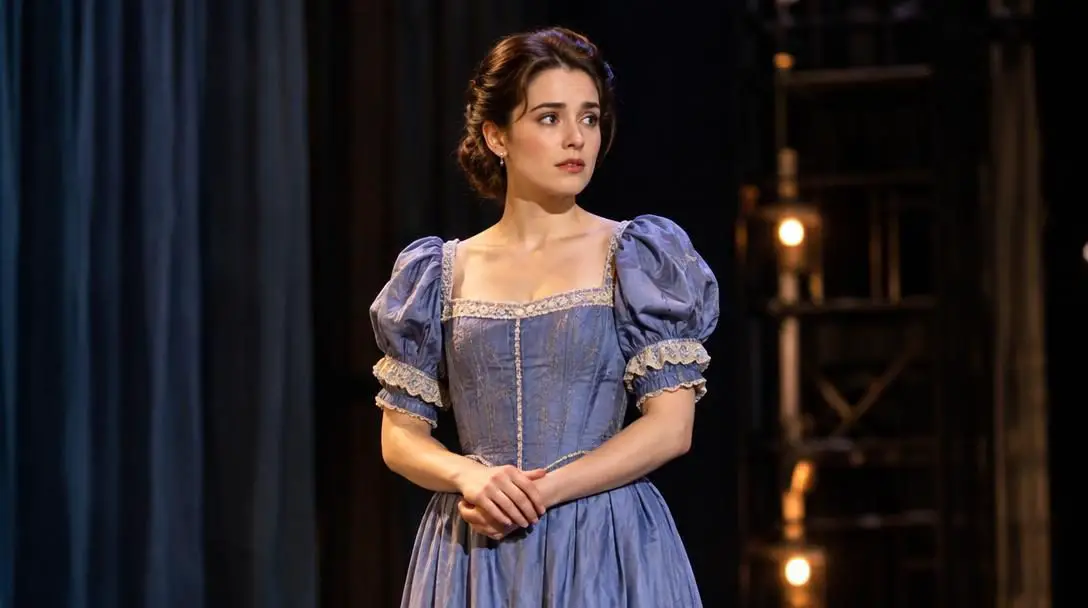
- Vocal projection without strain: Film performers speak at intimate, conversational volumes, trusting microphones to amplify their whispers. On stage, an actor must fill a 1,500-seat auditorium through diaphragmatic breath support, projecting clearly while maintaining emotional honesty.
- Full-body storytelling: Because film framing relies heavily on medium shots and extreme close-ups, screen actors focus heavily on facial micro-expressions. On stage, the entire body is constantly visible from every angle, requiring expansive, readable physical choices.
- Uninterrupted continuity: Live performance demands unrelenting concentration. If an actor forgets dialogue, drops a prop, or misjudges an entrance, they must improvise and recover in full view of paying ticket holders without breaking character.
- Repetitive physical stamina: A commercial stage run typically demands eight grueling performances a week. Actors must reproduce the exact same emotional peaks, comedic timing, and vocal power night after night without succumbing to fatigue.
- Dynamic audience calibration: In a cinema, the audience watches a finished, static product. In a theatre, the audience acts as a living scene partner. Performers must learn to hold for laughs, adapt to quiet houses, and adjust their internal rhythms based on live energy.
Common mistakes screen performers make in theatrical productions
When reviewing the Broadway and West End runs of Hollywood celebrities who struggled, critics consistently point to a recurring set of technical errors. These missteps stem almost exclusively from relying on cinematic habits in an acoustic, three-dimensional space.
- Under-projecting dialogue: Believing that naturalism requires quiet murmuring, screen stars often speak too softly, leaving theatregoers in the mezzanine and balcony unable to decipher critical plot points.
- Adopting flat or immobile physicality: Film actors are trained to hold perfectly still so they do not drift outside the camera's depth of field. On stage, static actors disappear into the set decoration, looking lifeless next to dynamic theatre veterans.
- Incomplete text mastery: Hesitating or hunting for dialogue instantly breaks the dramatic illusion. When a star is uncertain of their script, the rhythm of the entire ensemble collapses, dragging down the pace of the production.
- Revealing visible anxiety: The acute realization that thousands of eyes are watching every move without an edit button can cause screen actors to freeze, resulting in rigid shoulders, unblinking stares, and mechanical delivery.
- Ignoring ensemble chemistry: In film, actors often shoot coverage separately and leave chemistry to the editing suite. On stage, failure to genuinely listen, make eye contact, and respond organically to co-stars renders the performance hollow.
Practical steps for transitioning successfully from screen to stage
When high-profile screen actors achieve critical triumphs on stage, it is rarely by accident. Successful crossovers require deliberate, humble preparation designed to replace cinematic habits with classical theatrical technique.
- Complete intensive vocal and speech training: Long before rehearsals begin, actors should work with vocal coaches to build diaphragmatic power, improve diction, and master resonance to avoid vocal fatigue during eight-show weeks.
- Undertake specialized physical movement work: Performers must learn how their posture, gait, and spatial positioning communicate character to patrons sitting hundreds of feet away, replacing small ticks with readable stage presence.
- Achieve complete script memorization early: Memorizing dialogue backward and forward before rehearsal allows an actor to focus entirely on listening, reacting, and establishing spatial blocking rather than worrying about their lines.
- Embrace collaborative ensemble dynamics: Theatre is built on reciprocal trust. Movie stars must set aside hierarchy, participate fully in ensemble exercises, and build genuine rapport with their castmates.
- Use preview performances as an acoustic laboratory: The preview period is vital for learning how the auditorium sounds, understanding how live crowds react, and calibrating comedic and dramatic beats before critics arrive.
Key factors when evaluating celebrity stage casting
The practice of casting Hollywood luminaries in Broadway and West End shows is not going away. For theatre producers facing astronomical operating costs, marquee names remain one of the most reliable methods to finance ambitious plays. However, determining whether a casting choice will yield artistic success or critical disaster hinges on three critical elements.
First, material suitability is paramount. Certain theatrical texts demand extraordinary technical prowess, classical diction, or rapid-fire comedic timing that cannot be masked by star charisma alone. Casting a film star purely as a box-office vehicle in a textually demanding play like a David Mamet drama or an Arthur Miller classic frequently exposes technical deficiencies. Plays that lean into an actor's specific natural range and allow room for ensemble support offer a much higher probability of success.
Second, rehearsal dedication dictates the final quality of the run. Live theatre requires weeks of repetitive, table-bound textual analysis and physical exploration. If a celebrity approaches the production with entitlement, resists constructive notes from the director, or clashes with experienced stage co-stars, the entire production fractures from within.
Finally, producers and audiences must manage their expectations. Ticket buyers paying premium Broadway prices expect a fully realized, world-class theatrical performance. When an actor demonstrates true humility, respects the medium, and puts in the arduous technical preparation required, the stage can become a platform for profound artistic growth rather than an embarrassing misstep.
Frequently asked questions
Why do famous movie stars choose to do Broadway if the risk of failure is high?
Many Hollywood actors seek out theatrical roles to earn artistic credibility, challenge themselves outside their comfort zone, and escape the repetitive nature of film sets. The theatre offers actors complete ownership of their performance in real time, which many find creatively fulfilling.
Can a screen actor use a microphone to avoid vocal strain on stage?
While modern theatrical venues utilize sophisticated sound reinforcement and hidden body microphones, these systems are designed to balance acoustic sound rather than replace natural vocal projection. An actor who speaks too quietly will still sound flat, unnatural, and disconnected through a theatre sound system.
How many performances a week do Broadway and West End actors typically perform?
Standard professional theatrical contracts require eight performances per week, often consisting of evening shows from Tuesday through Sunday with matinee performances on Wednesdays, Saturdays, or Sundays. This intense schedule requires immense vocal and physical stamina.
Did Bruce Willis ever return to Broadway after Misery?
No, Bruce Willis did not return to Broadway following his 2015 run in Misery. The critical response to his portrayal of Paul Sheldon was largely unenthusiastic, and he subsequently focused his career on screen projects.
What happened to the play Orphans after Shia LaBeouf departed?
Following Shia LaBeouf's contentious exit during the rehearsal period, the production quickly recast his role with actor Ben Foster, allowing the play to proceed to its scheduled previews and official opening on Broadway alongside Alec Baldwin.
The bottom line
Immense Hollywood fame and box-office dominance are no substitute for rigorous stage technique. Live theatre is an unforgiving medium that immediately reveals whether an actor possesses the vocal projection, physical awareness, and continuous focus required to hold an auditorium captive. While film stars will continue to draw audiences to Broadway and the West End, true theatrical success belongs only to those willing to embrace the intense discipline, vulnerability, and craft of live stage performance.