The Real Life ‘Producers’? The 5 Worst Major Musicals Of All Time
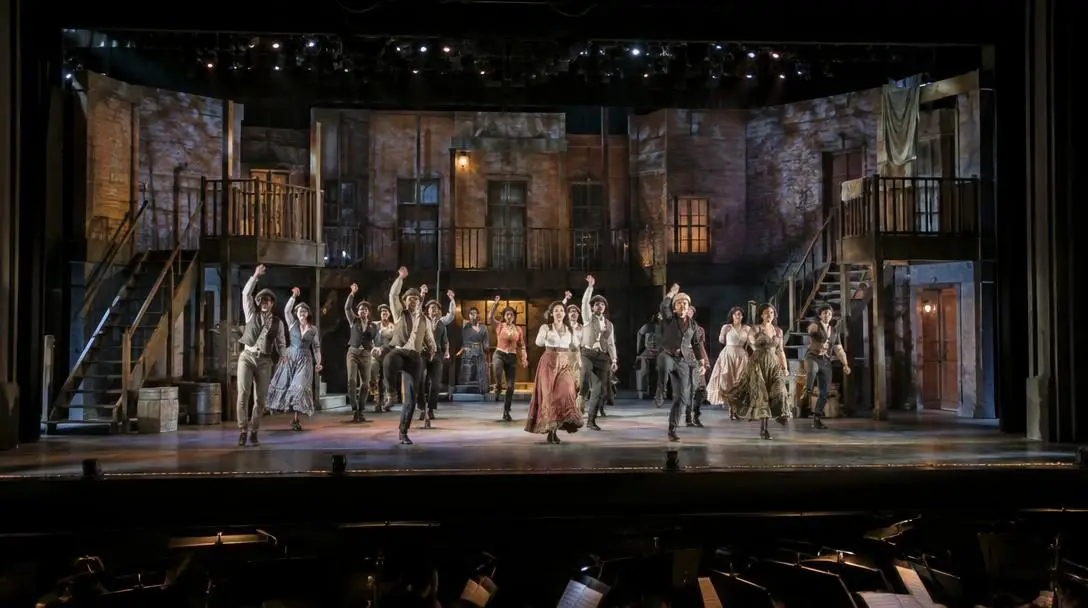
In the classic musical comedy The Producers, down-and-out theatrical producer Max Bialystock and mild-mannered accountant Leo Bloom hatch an audacious scheme to profit from failure. By raising far more cash from investors than needed, mounting an offensive disaster titled Springtime for Hitler, and counting on it closing after opening night, the duo planned to pocket the remaining capitalization. In the movie and musical, their foolproof catastrophe backfires when theatergoers celebrate the show as inspired satire.
Real-world Broadway producers rarely set out to lose their investors' fortunes, but the artistic and financial wreckage of actual stage catastrophes often rivals the absurdity dreamed up by Bialystock and Bloom. When staggering budgets, renowned creative figures, and misguided concepts collide under the blinding lights of Times Square, the resulting commercial trainwrecks become permanent legends in theatrical lore.
Key takeaways
- Major commercial musicals frequently fail when high-concept stories suffer from tonal confusion or underdeveloped scripts.
- Celebrated creative names and legendary pop composers cannot guarantee commercial survival on the Broadway stage.
- Astronomical weekly operating expenses make it nearly impossible for poorly reviewed productions to survive without immediate advance ticket sales.
- Relying strictly on famous source material or recognizable song catalogs often backfires without compelling theatrical adaptation.
The High-Stakes Economics of Commercial Theater
Broadway stands apart as one of the most volatile commercial art forms in the entertainment world. Bringing a full-scale musical to the stage requires years of preliminary workshops, dramaturgical rewrites, orchestrations, and regional tryouts before arriving in New York. Investors commit millions of dollars upfront to build intricate physical sets, stitch elaborate period costumes, secure prime Broadway real estate, and cover prominent star salaries, all in pursuit of a long-running cultural hit that will eventually recoup its capitalization.
Yet even with seasoned talent and deep pockets, the theater remains completely unpredictable. Having prominent creative minds, acclaimed composers, or beloved source material is never a guarantee of box office success. When an ambitious concept fails to connect with theatergoers, losses mount quickly. Running costs on Broadway are extraordinarily high, meaning that when audiences stay away, theater owners and producers must make the painful decision to turn off the lights.
At a Glance: Broadway's Most Notorious Disasters
When high expectations meet critical repudiation, the fallout is swift. The following productions represent some of the most dramatic collapses in modern Broadway history, demonstrating how quickly multi-million-dollar investments can evaporate.
| Musical | Key Creative Inspiration | Prominent Talent Involved | Broadway Run |
|---|---|---|---|
| Thou Shalt Not | Émile Zola's 1867 novel Thérèse Raquin | Harry Connick Jr., Susan Stroman | 85 performances |
| Urban Cowboy | Country-themed honky-tonk romance | Clint Black, Charlie Daniels | Brief commercial run |
| Dracula | Classic Gothic vampire literature | Frank Wildhorn | Short-lived engagement |
| Lennon | Life and song catalog of John Lennon | Legacy pop catalog | 49 performances |
| Lestat | Anne Rice's The Vampire Chronicles | Elton John, Bernie Taupin | 39 performances |
5 of the Worst Major Broadway Musicals of All Time
These five productions entered development with celebrated pedigrees, prestigious names, and immense anticipation, only to collapse amid scathing reviews and baffled audiences.
Thou Shalt Not
- Source material: Émile Zola's 1867 novel Thérèse Raquin
- Composer: Harry Connick Jr.
- Director: Susan Stroman
- Total performances: 85
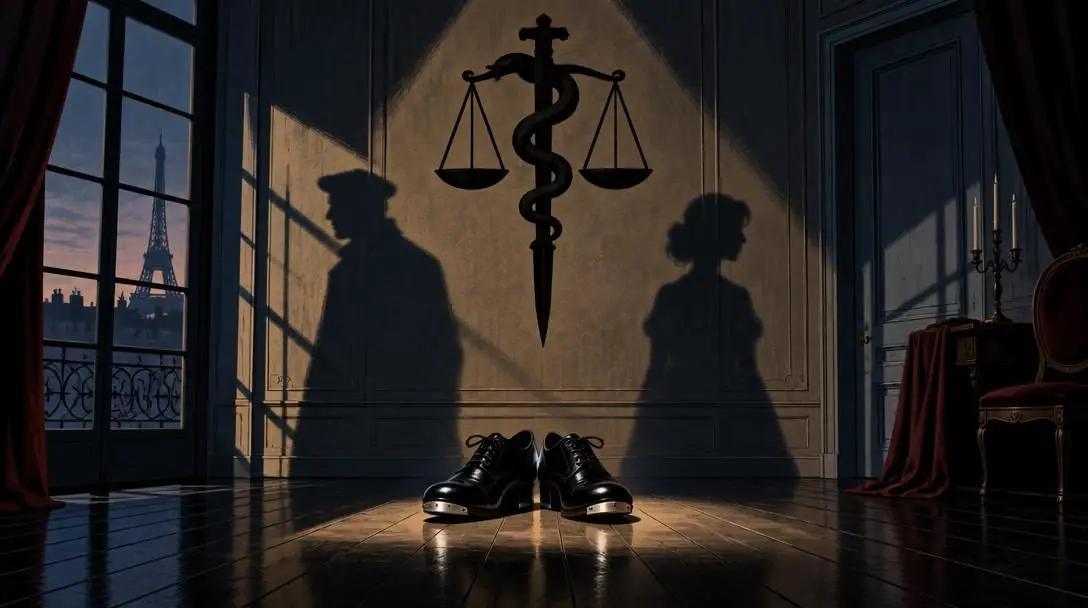
Thou Shalt Not was conceived as an exceptionally ambitious piece of theater, setting the psychological torment of French naturalism to an energetic musical score. Adapted from Émile Zola's 1867 novel Thérèse Raquin, the production explored the intense moral fallout that occurs when people break the biblical sixth and seventh commandments against murder and adultery.
Audiences and critics, however, were not interested in an odd hybrid production revolving around murder, adultery, and tap dancing. The creative dissonance proved jarring; pairing gritty criminal guilt with sunny show-tune choreography undermined any genuine dramatic tension. The commercial failure was particularly ironic for director Susan Stroman, who mounted this somber drama directly on the heels of her record-shattering success directing the hit stage version of The Producers. That Broadway magic did not transfer, and Thou Shalt Not folded after only 85 performances.
Urban Cowboy

- Setting: Industrial oil refinery and local honky-tonk
- Featured songwriters: Clint Black, Charlie Daniels
- Core conflict: Romantic love triangle
Attempting to cash in on country music popularity, Urban Cowboy brought line dancing and honky-tonk drama to the Great White Way. The storyline followed a young country boy who moves to the city for a grueling job at an oil refinery, spending his evenings unwinding at a bustling mechanical-bull watering hole. There, he falls for a young woman who finds herself romantically torn, unable to decide whether she prefers his hard-working cowboy boots or the shoes of an ex-con under her bed.
Despite integrating recognizable songs from country icons such as Clint Black and Charlie Daniels, the production could not overcome its script problems. The staging failed to get anyone's feet tapping because the characters on stage remained paper-thin, while the comedic dialogue fell flat with dumb jokes. Without genuine emotional stakes or clever theatrical staging, the show stalled out almost immediately.
Dracula
- Composer: Frank Wildhorn
- Prior hit: Jekyll & Hyde
- Critical reception: Described as an overblown pseudo-romance
Vintage horror literature has occasionally found long-term commercial success on the Broadway stage, and expectations were high when composer Frank Wildhorn tackled Bram Stoker's iconic vampire. Wildhorn had previously earned a devoted theatrical following and achieved a major box office hit with his musical adaptation of Jekyll & Hyde. Investors anticipated another gothic pop-opera triumph.
Instead of chilling terror or compelling dark romance, the production devolved into unintentional comedy. In this musical incarnation, the titular vampire spends considerable stage time crooning power ballads about his personal loneliness, but the emotional delivery never felt authentic to theatergoers. Rather than an atmospheric gothic drama, reviewers widely dismissed the stage adaptation as a dunderheaded pseudo-romance that looked and felt like an unnecessarily long Meatloaf music video.
Lennon
- Subject: The life and legacy of John Lennon
- Premiere year: 2005
- Total performances: 49
The biographical jukebox musical has long served as a dependable mainstay on Broadway, turning the catalog of legendary musicians into dependable ticket sales. In 2005, a lavish production celebrating the artistic life and enduring catalog of John Lennon seemed virtually guaranteed to attract global crowds. With dozens of world-famous songs at its disposal, the project was billed as a must-see theatrical event.
Critics remarked that rather than watching an exciting car crash, the vehicle's engine never seemed to start in the first place.
Instead of an illuminating tribute, Lennon collapsed almost immediately upon opening. The book stripped away the complex, contradictory human edges of its subject, presenting a sanitized hagiography that painted Lennon as an absolute saint. Simultaneously, the production relied on heavy-handed storytelling techniques to make a 1970s narrative comment clumsily on modern political controversies. The production shut down after just 49 performances.
Lestat
- Source material: Anne Rice's The Vampire Chronicles
- Composers: Elton John and Bernie Taupin
- Total performances: 39
Few recent Broadway musicals arrived with as much mainstream fanfare as Lestat. Built upon the best-selling vampire novels of Anne Rice and featuring a full original theatrical score by the legendary pop songwriting team of Elton John and Bernie Taupin, the production seemed explicitly engineered for commercial domination. Given the worldwide popularity of Rice's books and previous film adaptations, industry observers expected an instant smash.
The result on stage, however, drained the wallets of theatergoers without offering any genuine thrills in return. Critics thoroughly panned the show for being maudlin, sluggish, and drenched in uninspired kitsch. The lavish costumes and dark themes could not disguise a weak narrative that failed to generate dramatic tension, leading to an abrupt closing after a dismal run of only 39 performances.
How Musical Theater Failures Work
Understanding why multi-million-dollar Broadway musicals crash requires examining the development pipeline that shepherds a concept from initial pitch to opening night.
- Concept acquisition and early drafting: Producers secure adaptation rights to existing intellectual property, including bestselling books, classic films, or back-catalog music. Writers and composers then spend months crafting a book and score, testing material through private industry readings.
- Capitalization and theater contracts: Securing a Broadway theater requires millions in liquid capital raised from wealthy theatrical angels and investment groups. This money covers physical set construction, costume design, lighting, marketing, and advance rental deposits.
- Out-of-town tryouts and previews: Before facing New York critics, shows run out-of-town tryouts or extensive preview performances on Broadway. During this phase, the creative team can rewrite dialogue, replace songs, or restage scenes based on audience feedback.
- The opening night verdict: Once critics attend the official opening performance, reviews appear online within hours. If the consensus is toxic, casual ticket buyers vanish, advance ticket sales evaporate, and weekly operating losses force producers to close the theater doors immediately.
Common Mistakes in High-Budget Theatrical Disasters
Analyzing major commercial flops reveals consistent pitfalls that trip up even the most experienced theater makers:
- Tonal incongruity: Forcing lighthearted musical tropes into gritty psychological horror or serious literary tragedies, such as adding tap-dance numbers to stories centered on murder and adultery.
- Superficial hagiography: Removing flaws, contradictions, and messy personal conflicts from biographical subjects, which robs the stage narrative of the dramatic friction required to hold an audience's attention.
- Over-reliance on pop royalty: Assuming that legendary radio songwriters can seamlessly write for theatrical storytelling without adjusting their craft to narrative character arcs and plot progression.
- Branded intellectual property complacency: Believing that popular books or Hollywood films will automatically draw crowds, regardless of whether the story genuinely benefits from being set to music.
- Heavy-handed contemporary messaging: Forcing a period piece to comment overtly on contemporary modern politics, alienating viewers and quickly dating the material.
How to Evaluate a Musical Before Buying Tickets
Broadway tickets require a serious financial commitment. To avoid wasting your evening on an expensive creative misfire, follow these practical steps before heading to the box office.
- Assess the source material integration: Ask yourself whether the underlying plot naturally sings. If turning the source material into a musical requires trivializing serious themes with unmotivated song-and-dance numbers, the staging will likely suffer from severe tonal confusion.
- Investigate the book writer's track record: Musicals rarely fail because of the orchestra; they fail because of a weak book. Check who wrote the dialogue and narrative structure, ensuring they have experience crafting functional theatrical pacing.
- Monitor early preview buzz: Look at message boards and social commentary from general theater fans who paid to see preview performances. Unfiltered audience reactions often reveal major structural flaws long before official reviews come out.
- Examine the function of the score: Check whether the music actively advances the story and deepens character relationships, or if famous radio hits are simply being wedged into a paper-thin plot to trade on nostalgia.
Frequently asked questions
Why did Susan Stroman's Thou Shalt Not flop right after The Producers succeeded?
While Susan Stroman proved her mastery of broad musical comedy with The Producers, Thou Shalt Not suffered from severe tonal dissonance. Attempting to blend Émile Zola's bleak drama of murder and adultery with traditional tap dance alienated critics and ticket buyers alike.
Why do famous pop and rock stars often struggle to write Broadway hits?
Writing theatrical songs requires distinct structural skills that differ from radio pop. Stage songs must actively reveal character development, propel the narrative forward, and navigate dramatic scene transitions, which even legendary pop hitmakers can struggle to execute effectively.
How many performances did Lestat survive on Broadway?
Despite being based on Anne Rice's bestselling novels and featuring original music by Elton John and Bernie Taupin, Lestat closed after playing only 39 regular Broadway performances.
What caused the John Lennon biographical musical to fail in 2005?
The musical Lennon suffered from two primary issues: a saintly script that erased the musician's human complexities and an awkward storytelling approach that forced a 1970s biographical narrative to serve as commentary on contemporary modern politics.
Can a major Broadway flop ever recoup its production costs?
Musicals that close after only a few dozen performances almost never recoup their initial investments. Weekly running costs in commercial Broadway theaters are so high that without substantial advance sales, shows lose money rapidly each week they stay open.
The Bottom Line
The existence of legendary commercial flops is a vital reminder of how delicate the alchemy of musical theater truly is. Mel Brooks satirized the intentional staging of a catastrophe in The Producers, but Broadway history proves that sincere, well-funded creative efforts can collapse just as thoroughly. When tone, script, and musical execution fall out of balance, not even the most beloved vampires, country icons, or rock legends can keep the marquee lights burning.