What to Wear To A Show On Broadway
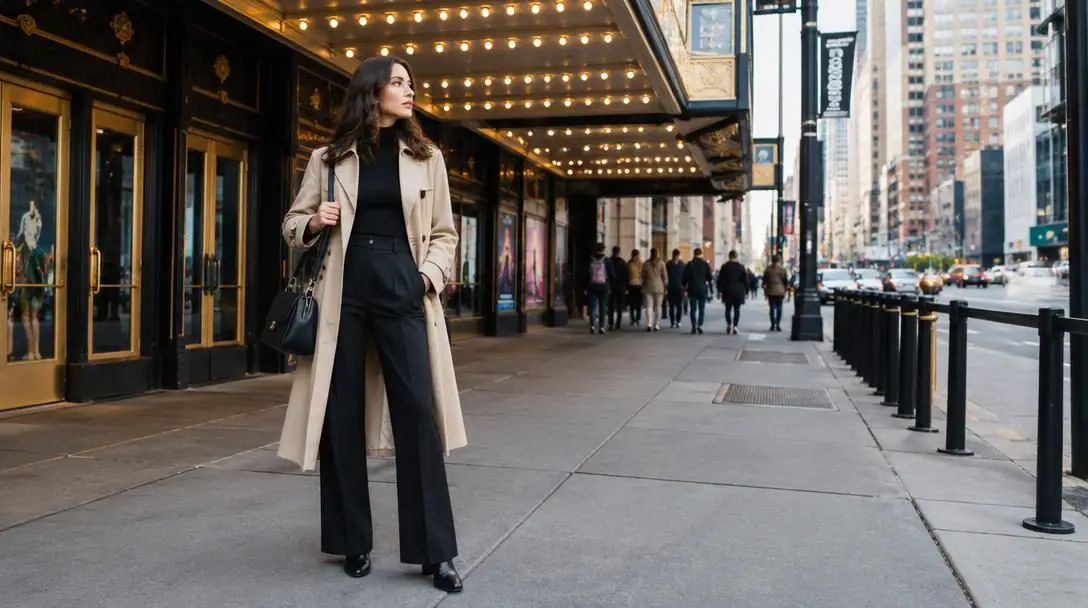
Whether you have been waiting your whole life to experience the magic of Broadway or were invited along by an eager theater enthusiast, deciding what to wear is often one of the first questions that comes to mind. Live theater carries a storied heritage, leading many first-time attendees to wonder if historic dress codes still dictate what is acceptable in the auditorium. The reality of modern theatergoing is liberating: Broadway houses today have no universal dress code, and audiences are welcomed in an extraordinarily wide range of personal fashion.
Because there is no mandatory uniform, choosing the right outfit becomes an exercise in balancing self-expression, physical comfort, and the practical demands of navigating New York City. Understanding the culture of contemporary audiences, the layout of historic Broadway venues, and how your theater visit fits into your broader day ensures you can take your seat feeling relaxed, stylish, and ready for the curtain to rise.
Key takeaways
- Modern Broadway theaters do not enforce dress codes, welcoming everything from casual streetwear to formal evening wear.
- Milestone performances such as opening nights, previews, and charity galas typically invite elevated, dressier attire.
- Your overall day—including restaurant reservations, city walking, and group coordination—should guide your wardrobe choices.
- Historic theaters feature compact seating and significant temperature swings, making functional layers and comfortable footwear essential.
- Outfits should never disrupt fellow audience members through sightline-blocking headwear, noisy jewelry, or distracting elements.
The Evolution of Theater Attire on Broadway
Attending live theater in New York City was once an exclusive high-society ritual. In the late nineteenth and early twentieth centuries, attending a major production was as much about displaying social standing as it was about enjoying the art on stage. Patrons occupying prime orchestra stalls and mezzanine boxes arrived in full evening attire, with gentlemen wearing dark tailcoats or tuxedos and women dressed in elaborate floor-length gowns, fine jewelry, and opera cloaks. These strict expectations reinforced the perceived exclusivity and prestige of the institutions.
Over the decades, broader cultural movements shifted public life toward accessibility, informality, and convenience. As Broadway evolved into an international cultural destination that attracts millions of diverse visitors from across the globe, formal sartorial rules gradually dissolved. Production companies and venue operators recognized that rigid dress mandates created unnecessary barriers to entry. The emphasis shifted away from elite dress codes and toward celebrating the storytelling on stage and opening doors to a wider public.
Broadway has transitioned from an exclusive high-society ritual into an open cultural space where personal style and audience comfort take center stage.
Today, stepping into an auditorium in the Theater District reveals an eclectic mix of aesthetics. On any given evening, you might see patrons dressed to the nines in tailored suits and cocktail dresses sitting directly beside tourists and lifelong locals wearing jeans, casual shorts, and sneakers. Rather than enforcing conformity, modern Broadway embraces this varied social tapestry.
Five Principles for Deciding What to Wear
The absence of strict venue rules means that selecting an ensemble depends on your personal judgment. To navigate this freedom smoothly, keep five fundamental concepts in mind when building your theater outfit.
Expressing Personal Style
The overarching rule of modern theater fashion is that you can make your own kind of music. You do not need to alter your identity or adopt an uncomfortable persona simply to attend a Broadway show. The auditorium welcomes an expansive range of aesthetics, from vintage tailoring and high-fashion statement pieces to minimalist contemporary streetwear. What matters most is that you feel authentic, presentable, and comfortable sharing the room with hundreds of fellow theater lovers.
Dressing for Opening Nights and Special Galas
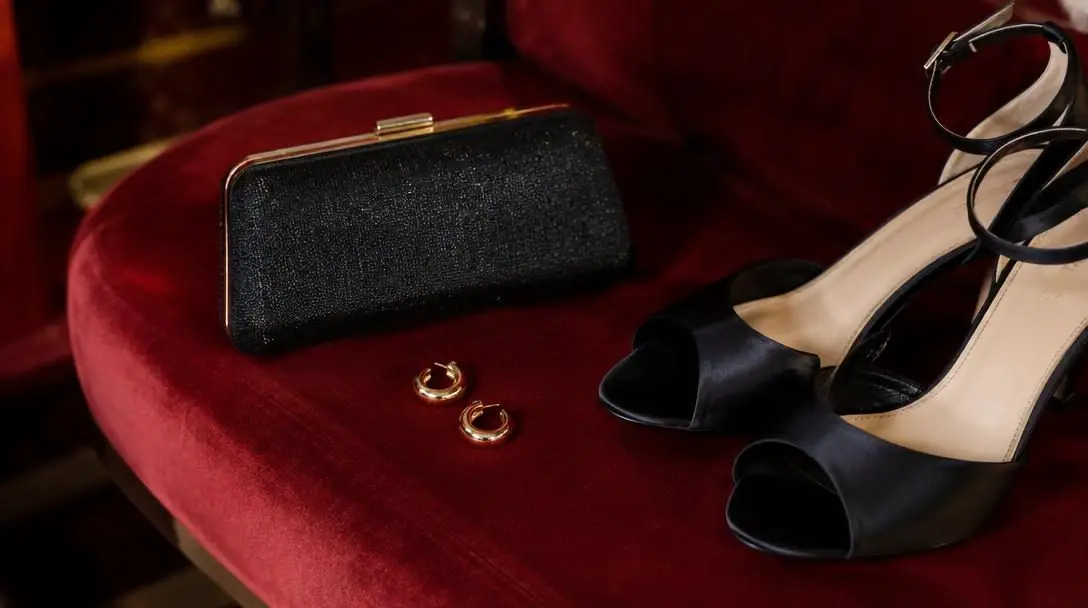
While regular performances during a production's open run feature an eclectic mix of casual and elevated clothing, certain milestone performances call for extra polish. Landmark events such as invitation-only previews, star-studded opening nights, and high-profile charity galas carry a distinct celebratory energy. When access is exclusive or tied to a major celebration for the cast, creative team, and producers, dressing up is considered standard etiquette. For these special evenings, polishing your footwear, styling your hair carefully, and opting for formal suits or elegant dresses mirrors the excitement of the occasion.
Factoring in Your Pre- and Post-Show Itinerary
Because Broadway venues place few restrictions on what you wear, your broader schedule should serve as the primary compass for your wardrobe. An outing to the theater rarely happens in a vacuum; it is often paired with travel, dining, and sightseeing throughout Manhattan. If your plans include reservations at an upscale fine-dining establishment before curtain, men may require a tailored sports coat and tie, while women may prefer refined cocktail attire. Conversely, if you are attending a weekend matinee nestled between miles of walking tours and transit rides, casual separates paired with supportive walking shoes are practical and completely appropriate.
Additionally, remember that attending a Broadway performance is a memorable event. Even if you do not consider yourself someone who takes many photos, friends or family members in your group will likely want to snap pictures outside under the marquee or in the theater lobby to preserve the memory for social media or personal albums. Dressing in a way that makes you feel photo-ready ensures you look back on those pictures fondly.
Coordinating Attire Across Your Party
Visual harmony within your own party can make the entire outing feel far more comfortable. While individual self-expression is encouraged, severe discrepancies within a group can feel awkward. An attendee wearing an athletic jersey and sweatpants next to a companion wearing an evening gown will create unnecessary friction in photos and shared social settings. Communicating before the outing ensures your party settles on a common tier—such as smart casual, dressy casual, or cocktail attire—so everyone looks and feels cohesive.
Matching Your Look to the Nature of the Production
The production itself should also inform what you choose to wear. The physical nature of the show plays a direct role in your comfort. Extended marathon plays with long running times demand soft, unrestrictive clothing that remains comfortable through hours of sitting. In contrast, immersive theater productions where audiences stand, wander through sets, or interact with performers require flat footwear and flexible garments. In other cases, longstanding audience traditions—such as the cult followings seen around themed musicals and interactive revivals—invite subtle, creative nods to iconic characters. Whatever you choose, ensure the focus remains on the stage; avoid costumes or novelty attire that could distract performers or fellow attendees.
Comparing Broadway Wardrobe Styles
To help balance comfort, schedule requirements, and venue expectations, consider how different performance contexts influence wardrobe choices across common scenarios.
| Event Type | Recommended Attire | Ideal Footwear | Climate Considerations |
|---|---|---|---|
| Standard Matinee | Smart casual, neat denim, sweaters, or casual dresses | Comfortable sneakers, flat boots, or walking shoes | Light cardigans or jackets for variable auditorium cooling |
| Standard Evening Show | Elevated casual, blazers, collared shirts, or midi dresses | Loafers, low heels, or polished leather shoes | Tailored layers suitable for drafty historic interiors |
| Opening Night or Gala | Cocktail wear, dark suits, or formal evening dresses | Formal dress shoes or dress heels | Elegant shawls, evening wraps, or formal overcoats |
| Immersive Production | Flexible separates, breathable fabrics, non-restrictive cuts | Supportive flat shoes with traction for active movement | Breathable layers that can be shed if moving between rooms |
A Step-by-Step Guide to Choosing Your Outfit
Building an appropriate and comfortable outfit for Broadway is simple when approached methodically. Following an orderly checklist ensures no logistical details are missed.
- Review your entire day's schedule: Map out the hours leading up to and following the show, paying close attention to restaurant dress codes, transit requirements, and outdoor weather forecasts.
- Evaluate the show format and duration: Check the runtime of the production and whether the seating arrangement is traditional, tight, or interactive to determine how flexible your clothing needs to be.
- Align with your party: Send a quick text to your group to confirm a shared formality level, ensuring no one feels underdressed or overdressed when taking group photos.
- Choose practical footwear: Account for steep theater stairs, crowded sidewalks, and subway commutes by picking footwear that provides adequate support and traction.
- Assemble breathable layers: Select a versatile outer piece—such as a tailored blazer, pashmina, or knit sweater—that can be put on or removed easily within the confines of a narrow seat.
- Conduct a sightline and comfort check: Check your appearance in the mirror to make sure your hairstyle, headwear, or accessories will not obstruct the view of anyone sitting directly behind you.
Common Wardrobe Mistakes to Avoid
Even though modern Broadway venues are accommodating, certain styling missteps can compromise your comfort or disrupt fellow audience members. Keeping these pitfalls in mind ensures a smooth experience for everyone in the theater.
- Wearing view-obstructing headgear: Entering the auditorium with wide hats, top hats, or large fascinators directly blocks the stage view for people behind you. If you wear a hat on the street, remove it and stow it beneath your seat as soon as you sit down.
- Ignoring theater climate swings: Broadway auditoriums can feel intensely cold due to heavy air conditioning designed to counterbalance powerful stage lights and a packed house. In winter, buildings may run hot due to central radiators. Failing to bring a removable layer leaves you vulnerable to prolonged discomfort.
- Selecting noisy or illuminated items: Bangles that clatter with every movement, fabrics that rustle loudly, or accessories equipped with lights and glowing elements draw attention away from the stage and irritate nearby theatergoers.
- Overlooking transit demands: Dressing purely for a seated experience without considering walking distances, subway stairs, or wet city pavement often leads to painful feet and ruined footwear.
- Misjudging personal space: Wearing voluminous ballgowns, massive tulle skirts, or wide structural shoulders can encroach on the already narrow space of your seat neighbors in historic venues.
Navigating Venue Logistics and Seating
Historic Broadway houses are architectural treasures, but many were built in the early twentieth century when average human proportions and expectations of personal space were smaller. Orchestra and balcony rows often feature minimal legroom and narrow aisles. Understanding these physical realities will help you refine your wardrobe and gear choices.
Avoid carrying large backpacks, oversized shopping totes, or rolling luggage into the theater. Traveling light allows you to navigate crowded lobbies, climb steep balcony staircases, and settle into your assigned seat without bumping into other patrons. Aim to arrive at the theater roughly thirty minutes before curtain time. This window provides ample time to pass through security screenings, scan your tickets, visit the restroom, purchase a program or beverage, and stow your layers before the overture begins.
Frequently asked questions
Is there an official dress code for Broadway shows?
No, Broadway theaters do not enforce an official dress code. You will see patrons wearing everything from formal suits and evening dresses to casual jeans, t-shirts, and sneakers. As long as you are covered and comfortable, you will be admitted.
Can I wear jeans and sneakers to a Broadway performance?
Yes, neat jeans and clean sneakers are completely acceptable at modern Broadway shows. Many attendees choose smart-casual denim paired with a nice shirt, sweater, or blazer to stay comfortable while walking around Manhattan.
Do matinee performances have different dress expectations than evening shows?
Matinee performances tend to lean slightly more casual than evening performances because many patrons attend them as part of a full day of sightseeing, shopping, and transit. However, evening shows also welcome casual attire unless it is an opening night or gala.
What should I wear if I am seeing an immersive or interactive show?
For immersive or walking productions, prioritize flat, supportive footwear and breathable, non-restrictive clothing. You may be required to stand for extended periods, navigate stairs, or move across different rooms alongside the cast.
Why are Broadway auditoriums often so cold?
Theaters utilize powerful air conditioning systems to counteract the intense heat generated by high-wattage stage lighting, equipment, and hundreds of closely seated audience members. Bringing a light jacket, wrap, or sweater is recommended in all seasons.
The Bottom Line
Choosing what to wear to a Broadway show should be an enjoyable part of your theatergoing experience, not a source of anxiety. Modern New York theater celebrates personal individuality and artistic immersion over rigid historical dress codes. By considering your overall daily itinerary, layering for auditorium climate control, coordinating with your party, and ensuring your outfit does not obstruct the view of those around you, you can take your seat in full confidence and lose yourself in the performance.