
5 Classic Rock Albums That Stood The Test Of Time
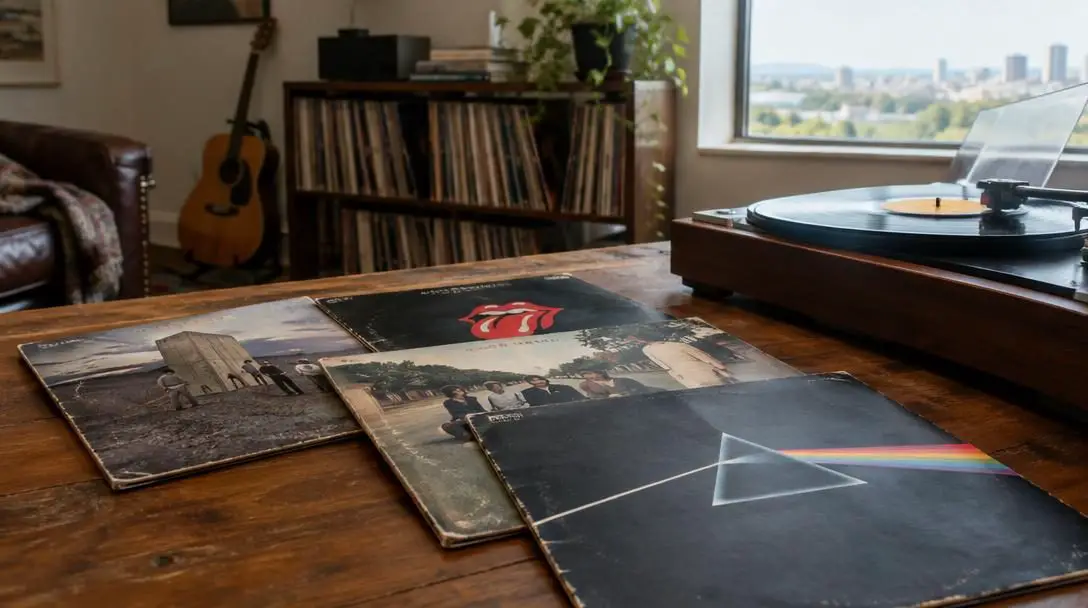
Music is inevitably shaped by the specific era in which it is composed, recorded, and distributed. As recording technologies progress, cultural aesthetics evolve, and contemporary production methods age, countless releases end up functioning primarily as sonic time capsules that capture the fleeting trends of their heyday. While specific subgenres like certain strands of hair metal have often faced criticism for remaining trapped in their original decade, the broader classic rock canon features monumental releases that continually connect with audiences across successive generations.
Spanning from the blues-infused and experimental territory of the late 1960s and 1970s through the ferocious precision of 1980s thrash metal and the explosive rise of 1990s alternative music, genuine masterworks endure because they unite top-tier musicianship, cohesive track sequencing, and resonant emotional honesty. Examining these celebrated albums reveals not only how rock history developed, but also why particular bodies of work never lose their creative vitality.
Key takeaways
- Enduring rock records survive generational shifts because their compositional depth, authentic performances, and narrative pacing transcend the technical limits of their era.
- Iconic releases from artists like Fleetwood Mac, Nirvana, and Metallica showcase a complete absence of filler material, making every track essential to the full listening experience.
- Vinyl-era album sequencing relied heavily on two distinct acts, utilizing Side A and Side B to structure mood, dynamic tension, and thematic resolution.
- Deep cuts often contain the creative heart of an album, providing musical substance well beyond the commercial radio singles.
- Evaluating vintage recordings requires an appreciation for organic room acoustics, dynamic range, and analog warmth rather than modern, hyper-compressed volume levels.
At a glance: Five landmark rock albums
Each of these five landmark albums captures a distinct movement within rock history, from pristine pop-rock harmonies to groundbreaking heavy metal and grunge.
| Album | Artist | Key tracks | Primary sonic style |
|---|---|---|---|
| Nevermind | Nirvana | Smells Like Teen Spirit, Lithium, Something in the Way | Grunge / Alternative Rock |
| Rumours | Fleetwood Mac | Go Your Own Way, Dreams, The Chain | Pop-Rock / Soft Rock |
| Master of Puppets | Metallica | Battery, Master of Puppets, Orion | Thrash Metal |
| Led Zeppelin IV | Led Zeppelin | Black Dog, Stairway to Heaven, When the Levee Breaks | Hard Rock / Folk Rock |
| Van Halen | Van Halen | Runnin' with the Devil, Ain't Talkin' 'bout Love, Ice Cream Man | Hard Rock |
The 5 albums that stood the test of time
Between 1971 and 1991, the rock landscape underwent massive creative transformations. The following five releases highlight the versatility of the genre and continue to command critical acclaim and widespread listener devotion decades after their debuts.
Nevermind

- Artist: Nirvana
- Key single: Smells Like Teen Spirit
- Cultural milestone: "Something in the Way" entered the Billboard Hot 100 in 2022 via The Batman
Although Nirvana remained an active band for only a brief period due to the tragic death of frontman Kurt Cobain in 1994, the trio reshaped the trajectory of popular music. Nevermind captured the collective cultural consciousness upon its release, kicking off with an instantly recognizable cover image and the defining generational anthem "Smells Like Teen Spirit." Rather than tapering off after its explosive beginning, the record moves seamlessly into iconic grunge staples such as "In Bloom," "Come As You Are," "Breed," and "Lithium."
The album owes much of its staying power to the remarkable strength of its deep cuts. Compositions like "Drain You" and the somber closer "Something in the Way" carry equal weight alongside the heavily rotated radio singles. Demonstrating how seamlessly the record speaks to modern listeners, "Something in the Way" found renewed global prominence after its inclusion in the 2022 blockbuster film The Batman, securing a spot on the Billboard Hot 100 chart decades after the album first arrived in stores.
Rumours

- Artist: Fleetwood Mac
- Industry recognition: Album of the Year at the 1977 Grammy Awards
- Track total: 11 songs
Frequently cited by critics and casual fans as an unblemished triumph, Rumours emerged from Fleetwood Mac's intentional effort to create an accessible, pop-forward rock release. The result was an eleven-song masterpiece that topped commercial charts worldwide and went on to win the prestigious Album of the Year honor at the 1977 Grammy Awards. The enduring legacy of the record rests largely on the utter absence of filler, creating a listening experience where every track feels indispensable.

While juggernauts like "Go Your Own Way" and "Don't Stop" dominated the airwaves, the full tracklist maintains the same standard of musical distinction. Offerings such as "Dreams," "The Chain," and "You Make Loving Fun" highlight the group's exquisite vocal harmonies, intricate multi-layered instrumentation, and vulnerable lyricism. The interpersonal tension and emotional honesty poured into the recording sessions gave the songs a raw authenticity that keeps the album universally relatable across generations.
Master of Puppets

- Artist: Metallica
- Track total: 8 songs
- Signature instrumental: Orion
While passionate debates surround Metallica's celebrated output prior to the mid-1990s, Master of Puppets remains widely heralded as the creative and technical pinnacle of thrash metal. Supported by an evocative cover design that ranks among the most recognizable in rock history, the eight-track album balances breakneck velocity with classical compositional discipline. It delivered a decisive statement that heavy music could be both punishingly aggressive and meticulously crafted.
The opening fourteen minutes deliver an electrifying one-two punch, launching through the rapid acoustic-to-thrash progression of "Battery" directly into the intricate tempo shifts of the title cut. Far from running out of momentum, the album maintains its gripping atmosphere through dark, complex journeys like "Welcome Home (Sanitarium)" and the sprawling instrumental "Orion." Though "Orion" was never issued as a commercial radio single, its ambitious bass lines and cinematic movements have earned it a reputation as one of the band's finest and most overlooked works.
A timeless record captures an authentic human performance in physical space rather than relying on modern studio perfection.
Led Zeppelin IV

- Artist: Led Zeppelin
- Release year: 1971
- Track total: 8 songs
Released in 1971 by the renowned British quartet, Led Zeppelin IV stands as a cornerstone of hard rock and one of the highest-selling albums in global music history. Across eight tracks, the group struck an immaculate balance between thunderous electric riffs and delicate acoustic folk traditions. The first half features an unassailable run of classics, progressing from the swagger of "Black Dog" and the driving energy of "Rock and Roll" into the mystical folk tones of "The Battle of Evermore" and the gradual crescendo of "Stairway to Heaven."
The second side proves every bit as vital to the album's identity. Moving through the offbeat groove of "Misty Mountain Hop" and the rhythmically intricate "Four Sticks" into the fingerpicked beauty of "Going to California," the record concludes with the seismic, reverberant drum patterns of "When the Levee Breaks." This deliberate journey showcases four musicians working in total creative synergy, ensuring the record remains an enduring reference point for rock production.
Van Halen
- Artist: Van Halen
- Release year: 1978
- Frontman: David Lee Roth
Van Halen produced an impressive string of hits throughout their multi-decade run, yet their 1978 self-titled debut remains their definitive artistic statement. Fronted by the flamboyant and charismatic David Lee Roth, the California quartet fundamentally altered how the guitar was played and how rock swagger was projected. Roth himself later designated this debut effort as the band's supreme accomplishment, echoing the enthusiastic reception it received from critics and fans upon arrival.
The record announces its presence immediately with the rumbling bass and siren effects of "Runnin' with the Devil," setting an unapologetic tone that carries across the entire tracklist. Anchored by an electrifying cover of "You Really Got Me" as its primary single, the album is packed with enduring arena favorites such as "Ain't Talkin' 'bout Love," "Feel Your Love Tonight," and the blues-infused showpiece "Ice Cream Man." Its sheer energy and revolutionary guitar acrobatics set a new standard for high-octane American rock.

The production and architecture of classic rock masterworks
Understanding why these specific albums continue to captivate audiences requires a closer look at the physical limitations and artistic approaches of their original recording periods. Before the advent of streaming platforms and digital downloads, musicians designed albums strictly for the vinyl format. This physical constraint imposed a specific structural discipline that elevated album construction into a sophisticated art form.
Because listeners had to physically turn a record over halfway through the listening experience, albums were conceived in two distinct acts. Side A and Side B required independent narrative arcs. A typical vinyl masterpiece opens its first side with an arresting, high-energy track to capture immediate interest, then wraps up that side with an expansive or emotional piece to leave a lasting impression before the flip. For instance, Led Zeppelin IV kicks off with the raw power of "Black Dog" and concludes its first side with the sprawling journey of "Stairway to Heaven." This format cultivated a habit of patient, front-to-back engagement that digital shuffle playlists rarely replicate.
Furthermore, vintage studio methods relied on analog warmth and natural acoustics rather than algorithmic corrections. Where contemporary pop and rock often feature quantised drums, pitch-perfect vocal tuning, and digitally generated textures, vintage releases prioritized human performance in physical rooms. The ambient drum reverb on "When the Levee Breaks," the live room interplay throughout Rumours, and the tight, mechanical precision of Metallica's rhythm tracks all stem from genuine instrumental execution. These organic imperfections and rich dynamic ranges give the recordings an earthy character that resists sounding artificial over time.
How to explore classic rock records with intention
To move beyond familiar radio singles and experience classic rock records the way their creators intended, adopt an intentional listening routine. Following these structured steps will reveal the artistic choices behind legendary releases.
- Listen chronologically from start to finish: Turn off shuffle mode and set aside uninterrupted time to play the record from track one to the final second. Observe how key signatures, transitions, and tempos flow between tracks.
- Analyze the split between sides: Identify where Side A ended and Side B began on the original release. Pay close attention to how the band chose to open and conclude each half of the presentation.
- Prioritize deep album cuts: Look past the widely recognized hits to discover the non-singles. Tracks like Metallica's "Orion" or Nirvana's "Drain You" frequently hold the band's purest creative expressions.
- Inspect packaging and original artwork: Look up original album sleeves, photography, and liner notes to appreciate the full visual universe that accompanied the music upon its debut.
- Trace chronological development: After thoroughly absorbing a landmark release like Van Halen's debut or Nirvana's Nevermind, listen to the group's subsequent catalog to evaluate how their songwriting and production shifted.
Pitfalls to avoid when listening to vintage albums
Approaching vintage albums through the lens of modern listening habits can lead to unfair assessments. Avoiding these common missteps will ensure a richer and more authentic musical experience.
- Expecting modern loudness levels: Contemporary digital masters are heavily compressed to achieve maximum volume and sharp sub-bass impact. Classic rock masters preserve dynamic range and midrange warmth, requiring you to turn up your volume dial manually rather than expecting immediate digital loudness.
- Evaluating songs purely in isolation: Judging every track based on whether it functions as a stand-alone pop single disregards the functional role of transitional tracks, mood builders, and extended instrumental pieces.
- Disregarding historical context: Groundbreaking musical breakthroughs can seem familiar after decades of imitation by younger bands. Appreciating records like Van Halen requires remembering how startling and unprecedented those guitar tones sounded when originally released.
- Relying solely on greatest hits compilations: While greatest hits packages compile famous singles, they completely strip away the album sequencing, thematic nuance, and narrative tension that made the original records iconic.
Frequently asked questions
Why is Nirvana's Nevermind considered a classic rock record?
Although it debuted in the early 1990s as a foundational grunge release, Nevermind has crossed over into the classic rock canon due to its sustained critical acclaim, generational resonance, and profound influence on modern rock production.
How many tracks are on Led Zeppelin IV and Master of Puppets?
Both Led Zeppelin IV and Metallica's Master of Puppets feature exactly eight carefully structured songs, with no disposable filler tracks across either release.
Which album on this list won Grammy Album of the Year?
Fleetwood Mac's 1977 masterpiece Rumours claimed the Album of the Year honor at the 1977 Grammy Awards following its immense commercial success and chart dominance.
What song brought Nirvana back to the Billboard Hot 100 in 2022?
The deep cut "Something in the Way" made its first-ever appearance on the Billboard Hot 100 in 2022 after being featured prominently in the major motion picture The Batman.
Why did classic albums use a two-part structure?
Physical vinyl records required listeners to turn the disc over midway through playback, compelling artists to create deliberate two-act narratives with dedicated opening and closing songs for both Side A and Side B.
The bottom line
The records that truly survive the test of time do not rely on passing production fads or fleeting cultural novelties. Whether exploring the atmospheric folk textures of Led Zeppelin, the introspective songwriting of Fleetwood Mac, the relentless precision of Metallica, the swaggering virtuosity of Van Halen, or the raw emotional drive of Nirvana, these releases remain timeless because they were engineered as complete, coherent works of art. Engaging with them as complete albums allows listeners to experience rock music at its absolute peak.