5 Classic Rock Hits That Were Revived Through Movie Soundtracks
The intersection of cinema and popular music has shaped global culture for decades. While bespoke orchestral scores provide emotional architecture and narrative pacing, the calculated choice to insert vintage rock hits introduces immediate cultural resonance. When a filmmaker sets an iconic sequence to a beloved song from decades past, the music is thoroughly recontextualized. A track that once defined a specific era for one generation can suddenly transform into a defining cinematic anthem for an entirely new audience.
Every so often, a feature film or streaming series rescues a song from catalog dormancy, propelling vintage recordings back up international sales and streaming charts. This reciprocal dynamic benefits legacy artists, contemporary film directors, and audiences alike. By examining memorable soundtrack moments across different decades of filmmaking, we can uncover how visionary directors turn historical recordings into living, dynamic cultural touchstones.
Key takeaways
- Film directors regularly revive catalog rock tracks by pairing them with character-defining narrative sequences.
- Iconic movie moments can propel vintage songs onto national and international charts decades after their original release dates.
- Deep album tracks and overlooked songs often provide richer thematic storytelling than overexposed radio hits.
- Clearing legacy rock songs requires securing both synchronization licenses for the composition and master use licenses for the recorded audio.
At a glance: Catalog hits that found a second life
| Song | Artist | Original Release | Featured Movie | Key Revival Metric |
|---|---|---|---|---|
| "Come and Get Your Love" | Redbone | January 1974 | Guardians of the Galaxy (2014) | Massive global streaming surge and inclusion in animated series |
| "Hooked on a Feeling" | Blue Swede | 1974 cover (orig. 1968) | Guardians of the Galaxy (2014) | Renewed global visibility as a central plot backdrop |
| "Bohemian Rhapsody" | Queen | Late 1975 | Wayne's World (1992) | Worldwide chart re-entry and inspiration for a 2018 biopic |
| "Tiny Dancer" | Elton John | 1971 | Almost Famous (2000) | Widespread critical reappraisal following an iconic van scene |
| "Something in the Way" | Nirvana | September 1991 | The Batman (2022) | First-ever appearance in the Billboard top 50, plus global top 40 runs |
5 classic rock hits revived through landmark soundtracks
From space-faring superhero blockbusters to indie-leaning period dramas, movie soundtracks have repeatedly rewritten the commercial life cycles of legacy tracks. Here are five of the most notable examples of rock hits enjoying major cultural revivals through cinema.
"Come and Get Your Love" by Redbone
- Original release: January 1974
- Peak original chart position: Number 5 on the Billboard Hot 100
- Original sales milestone: Over 1 million copies sold
- Revival vehicle: Guardians of the Galaxy (2014)
When native rock band Redbone released "Come and Get Your Love" in January 1974, it quickly cemented itself as a defining groove of the decade. Climbing to number five on the Billboard Hot 100, the song sold over 1 million physical copies and stood as the fourth most successful single of 1974. Although it remained an enduring favorite among classic rock enthusiasts for decades, the track underwent an explosive cultural resurgence four decades later.
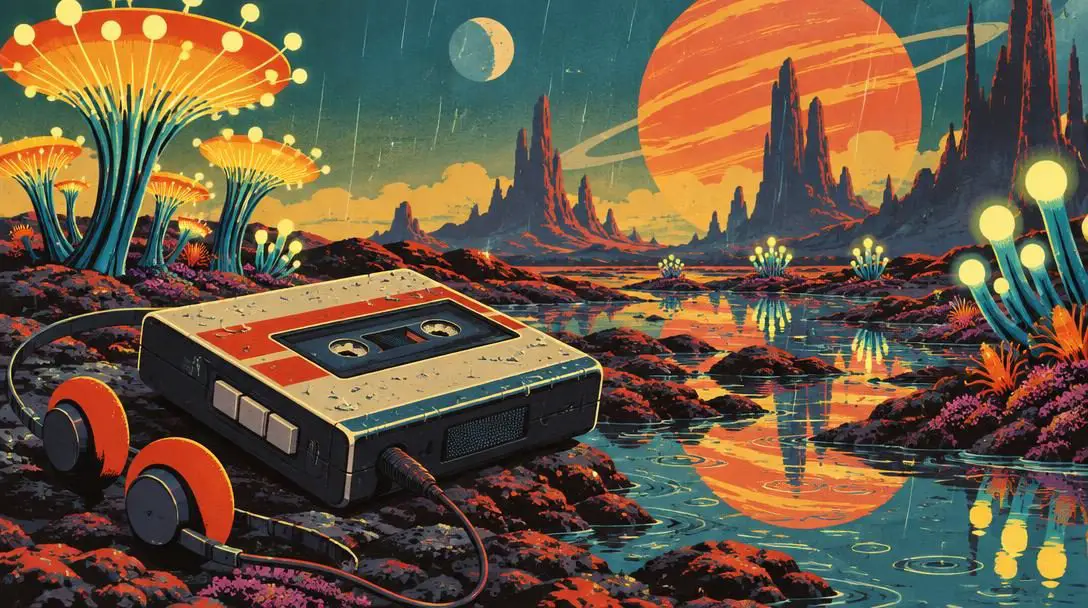
In 2014, director James Gunn selected the song to score the opening title sequence of Marvel Studios' Guardians of the Galaxy. In the scene, protagonist Peter Quill (played by Chris Pratt) dances his way through a desolate, rain-soaked alien ruin while lip-syncing into an alien creature like a microphone. That lighthearted sequence instantly established the film's irreverent tone and introduced the track to millions of young moviegoers. The song subsequently maintained its presence in modern pop culture through its use in the Bill Burr animated series F is for Family.
"Hooked on a Feeling" by Blue Swede
- Song origin: Written by Mark James (1968)
- Signature musical motif: "Ooga Chaka" vocal chant
- Featured film: Guardians of the Galaxy (2014)
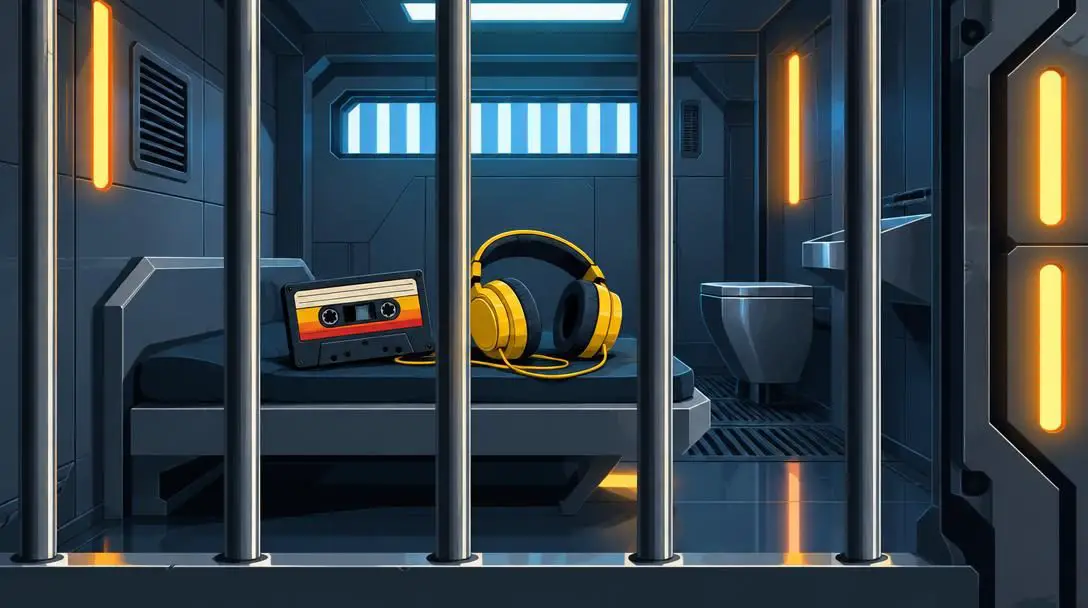
- Key scene: The Kyln space prison intake sequence
The infectious rendition of "Hooked on a Feeling" performed by Swedish rock group Blue Swede is actually a cover version of a cover version. Originally composed and recorded in 1968 by Mark James, the track gained its famous rhythmic "Ooga Chaka" vocal arrangement in subsequent years before Blue Swede turned it into an international phenomenon. While the song had enjoyed occasional appearances in modern entertainment, its inclusion in Guardians of the Galaxy transformed it back into an active pop-culture sensation.
Gunn placed the song squarely in the middle of a harrowing transition in the film: the ragtag crew's processing into the Kyln, a high-security cosmic prison. As Peter Quill is subdued with an electric stun baton after trying to reclaim his personal cassette player, Blue Swede's upbeat brass and harmonies erupt on the soundtrack. Rather than functioning purely as comedic relief, the song serves as a musical backdrop for the sequence in which the volatile group members slowly learn to navigate their lockup, piecing together each other's pasts and cautiously building mutual trust.
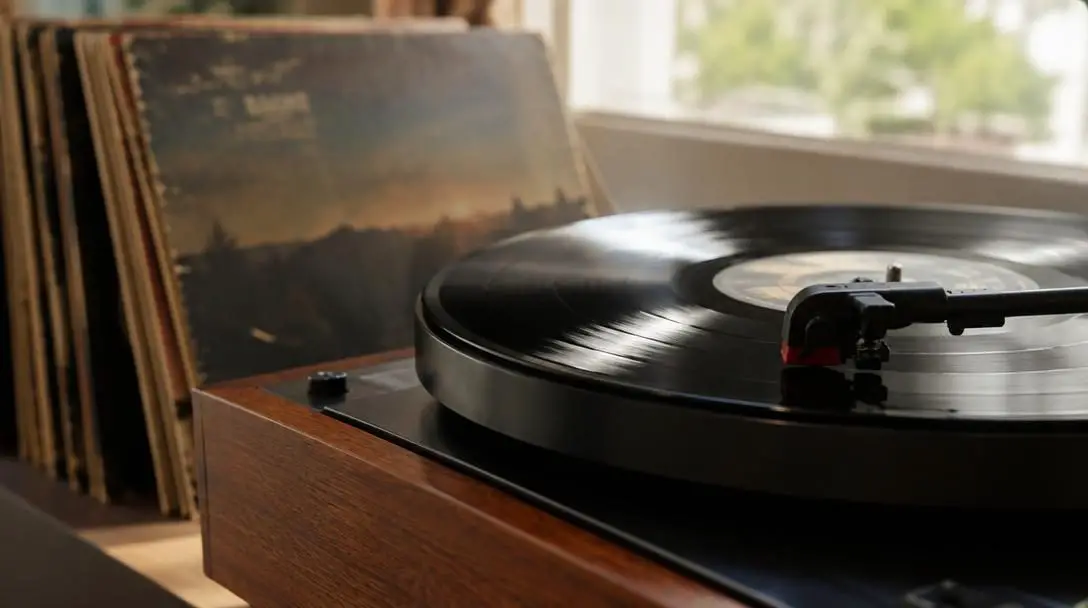
"Bohemian Rhapsody" by Queen
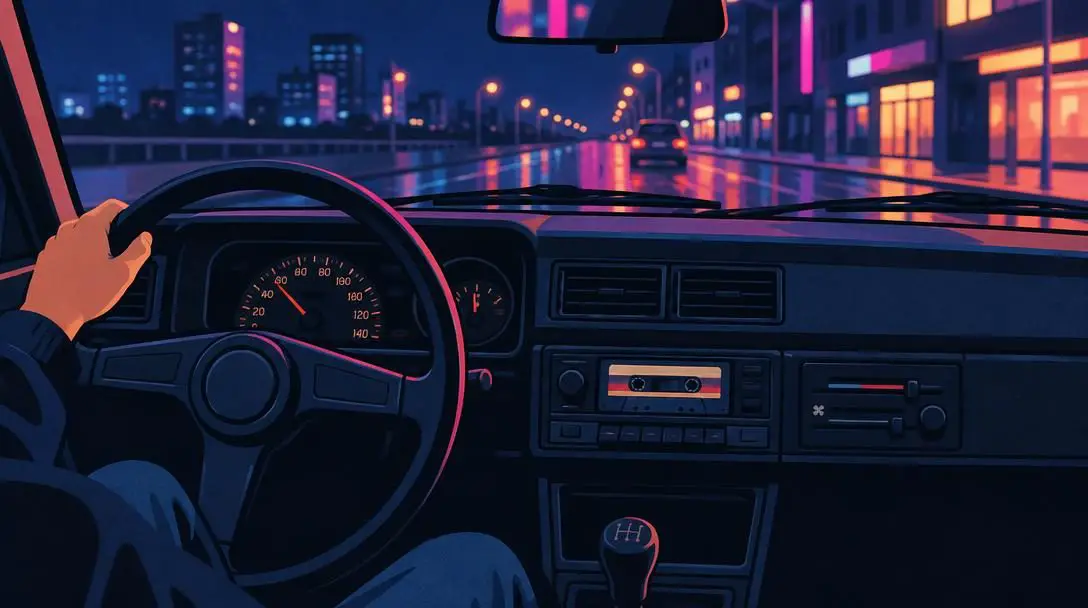
- Original release: Late 1975
- Original chart milestone: Top 10 on the Billboard Hot 100
- Revival vehicle: Wayne's World (1992)
- Related milestone: 2018 Freddie Mercury biopic named after the song
Structurally complex, wildly ambitious, and defying standard pop radio conventions, Queen's "Bohemian Rhapsody" functions almost like five discrete songs condensed into a single six-minute composition. Upon its late 1975 release, the single was a worldwide commercial success, soaring comfortably into the Billboard top 10. Yet by the early 1990s, the track had shifted largely into classic rock radio programming rather than contemporary cultural ubiquity.
That dynamic changed dramatically in 1992 with the comedy blockbuster Wayne's World. In one of the most famous musical scenes in modern comedy history, characters Wayne, Garth, and their friends cruise in an AMC Pacer, enthusiastically singing along before erupting into synchronized headbanging at the arrival of the song's operatic heavy metal breakdown. The scene became an immediate viral trend before the internet era, with audiences across the country reenacting the routine in their own vehicles. The box office smash propelled "Bohemian Rhapsody" back into the upper reaches of international music charts, revitalized global interest in Queen's catalog, and laid the groundwork for the 2018 biopic detailing the life of frontman Freddie Mercury.
A song that defined an era for one generation can suddenly transform into the signature anthem for a completely different cinematic moment.
"Tiny Dancer" by Elton John
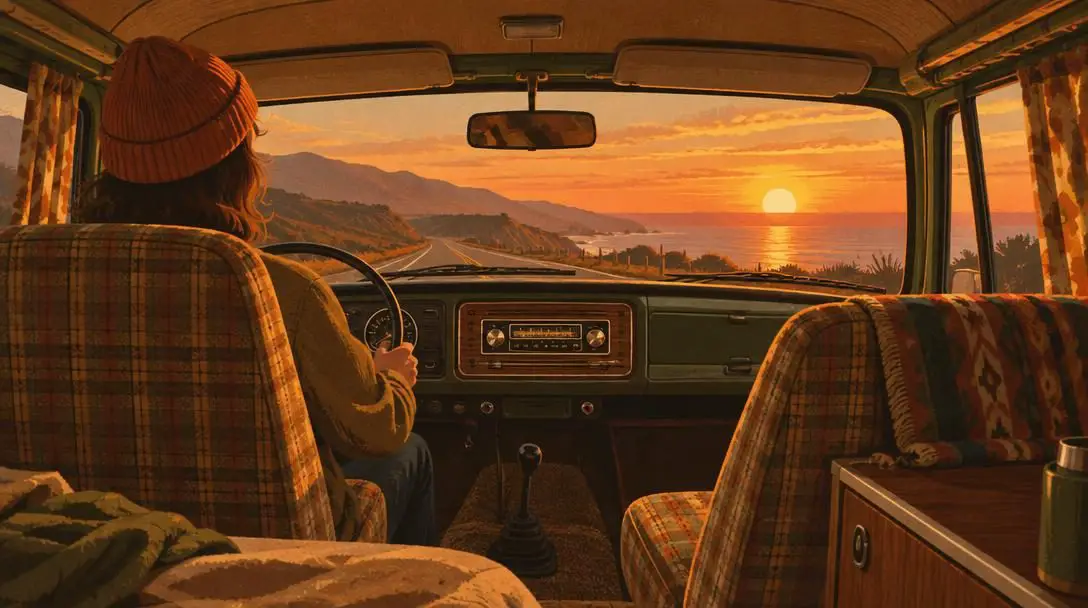
- Original release: 1971
- Song length: Over 6 minutes
- Original US chart peak: Failed to reach the Billboard Top 40
- Original international peak: Reached number 13 in Australia
While today considered one of Elton John's quintessential masterpieces, "Tiny Dancer" was not a runaway radio smash upon its initial arrival. Running more than six minutes in length, the ballad faced resistance from American commercial radio stations reluctant to program prolonged album tracks. As a result, the single failed to crack the top 40 of the Billboard Hot 100 in the United States, managing its highest international chart performance in Australia, where it reached number 13.
The song underwent a complete cultural reassessment in 2000, courtesy of Cameron Crowe's semi-autobiographical rock drama Almost Famous, which garnered Academy Award acting nominations for Kate Hudson and Frances McDormand. Crowe utilized the track during a crucial emotional crossroads: following severe internal fractures, the members of fictional rock band Stillwater and their traveling entourage sit in exhausted, resentful silence inside a tour bus. As "Tiny Dancer" begins playing on the radio, one person starts singing along, then another, until the entire bus unites in full-throated harmony. The emotional scene reframed the song in the public consciousness, permanently associating it with forgiveness, shared community, and the timeless pull of rock and roll.
"Something in the Way" by Nirvana
- Album: Nevermind (1991)
- Track status: Deep cut and hidden track precursor
- Revival vehicle: The Batman (2022)
- 2022 chart debuts: Billboard Top 50, top 40 in Greece and Iceland
Nirvana's landmark 1991 album Nevermind generated some of the most influential radio singles in alternative rock history, but its closing selection, "Something in the Way," remained largely a deep cut. On original physical copies of the album, the brooding acoustic composition was positioned as a semi-hidden track, followed by approximately ten minutes of dead silence before a secret bonus noise recording started playing. Because of its somber arrangement and sparse instrumentation, it was rarely highlighted in casual radio programming.
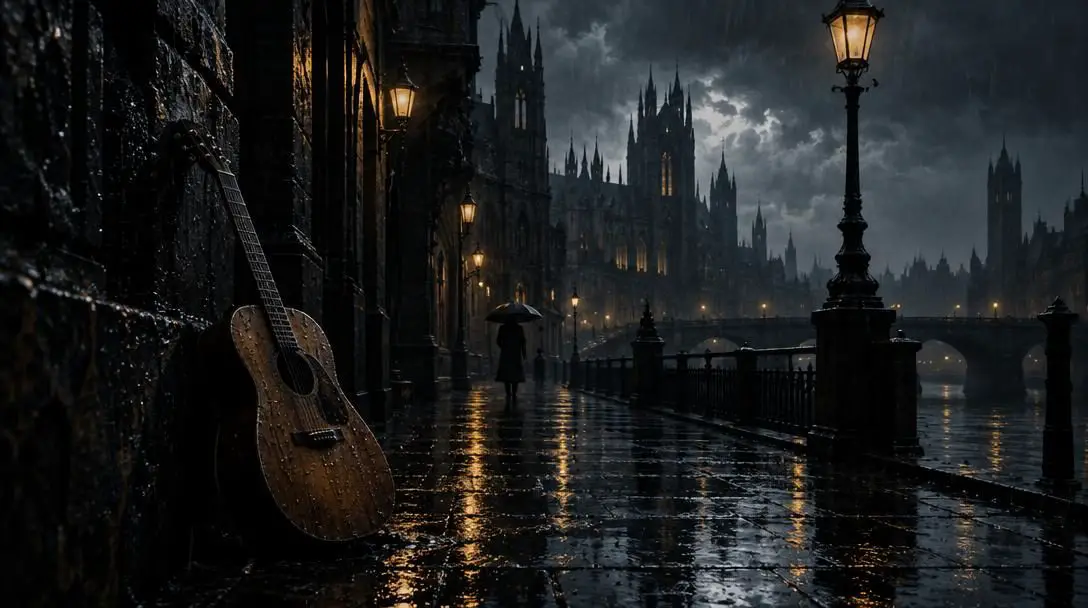
That changed three decades later when director Matt Reeves utilized the recording as a foundational sonic motif for 2022's The Batman. Paired with Robert Pattinson's melancholic portrayal of Bruce Wayne and the rain-slicked, corrupt aesthetic of Gotham City, the song served as both an emotional anchor in the film's promotional trailers and a crucial thematic cue in the finished cut. The cinematic exposure prompted an immediate wave of internet searches, driving the 31-year-old recording into the Billboard top 50 for the first time in history. The revival extended internationally, earning the track top 40 chart placements across several European territories, including Greece and Iceland.
The mechanics of song revival through film
The process of resurrecting an older recording through a motion picture is rarely accidental. When catalog songs find renewed commercial life, it is typically the result of deliberate artistic craftsmanship and precise audience psychology.
- Narrative characterization: Vintage songs often operate as direct windows into a protagonist's internal psychology. In Guardians of the Galaxy, Peter Quill's Walkman cassette is his only tangible connection to his home planet of Earth, transforming pop music into an emotional lifeline.
- Communal and relatable moments: Sequences showing characters spontaneously singing along create an immediate bridge to the audience. When friends sing in a car in Wayne's World or tour personnel harmonize inside a bus in Almost Famous, the viewer experiences the unifying power of music directly alongside the characters.
- Atmospheric worldbuilding: Integrating a sparse, somber track like Nirvana's "Something in the Way" deepens the sensory texture of a fictional environment. The music reinforces visual elements like rain, shadows, and interior isolation.
- Instant digital access: In earlier eras, discovering a song in a cinema required a trip to a brick-and-mortar record store days later. Today, moviegoers can open streaming applications on their smartphones while the theater credits are still scrolling, converting cinematic intrigue into chart metrics within minutes.
How filmmakers select and clear classic hits
For independent directors, production teams, and music supervisors seeking to integrate classic songs into their projects, navigating the creative and legal pipeline requires a disciplined process.
- Define the storytelling purpose: Determine whether the song will be diegetic (music that exists inside the narrative world and can be heard by the characters, such as a car radio or personal tape player) or non-diegetic (music serving strictly as an external background score for the audience).
- Evaluate tone and narrative subtext: Analyze the lyrics, tempo, and historical connotations of the song against the visual pacing of the scene to ensure the track supports the dramatic beats rather than distracting from dialogue.
- Identify rightsholders: Commercial music contains two separate copyrights that must be licensed: the master recording rights (typically owned by the record label) and the composition/publishing rights (held by the songwriters or their music publishing companies).
- Secure synchronization and master use licenses: Formally negotiate terms with both copyright owners. If either party denies permission or demands fees exceeding the production budget, the song cannot be included legally.
- Integrate the track in post-production: Work with audio engineers and re-recording mixers to blend the track cleanly around environmental sound effects, foley, and spoken dialogue.
Common mistakes when using vintage songs in media
While a well-placed classic song can create an unforgettable cinematic moment, careless execution can undermine an entire scene. Directors and editors frequently stumble into predictable pitfalls when working with legacy recordings.
- Relying on gimmicks over storytelling: Inserting a famous song solely to manufacture unearned nostalgia often makes a scene resemble a commercial rather than a coherent piece of narrative art.
- Ignoring visual cadence: Failing to synchronize camera cuts, character movement, and scenic pacing with the tempo and rhythmic transitions of the song leaves the sequence feeling disjointed.
- Neglecting deep album cuts: Leaning entirely on an artist's top-streamed singles can limit emotional resonance. Obscure cuts provide fresh artistic territory without the burden of existing media associations.
- Budgetary oversight: Leaving music licensing until late post-production frequently forces filmmakers to abandon ideal musical cues when clearance costs exceed remaining funds.
The future of musical rediscovery in cinema and television
As media consumption shifts toward direct-to-consumer digital channels, the relationship between visual storytelling and music discovery continues to transform. Multi-episode serialized television provides expanded running times, enabling creators to incorporate diverse catalog choices beyond standard blockbuster hits.
Simultaneously, the continuous evolution of algorithmic streaming ensures that when a legacy track catches the public imagination on screen, global recommendation feeds amplify that interest immediately. From standalone superhero films to artist biopics like Bohemian Rhapsody, visual storytelling remains one of the music industry's most potent engines for catalog preservation, ensuring classic rock hits remain vibrant for generations to come.
Frequently asked questions
Why didn't "Tiny Dancer" chart well when it was originally released?
When Elton John originally released "Tiny Dancer" in 1971, its runtime exceeded six minutes. That extended length made commercial AM radio stations hesitant to put it into regular rotation, which prevented the single from entering the top 40 of the Billboard Hot 100 in the United States.
How did "Wayne's World" affect Queen's commercial performance in 1992?
The memorable headbanging scene inside Wayne's car introduced "Bohemian Rhapsody" to a younger generation of listeners, driving the song back up global music charts and reviving broad international interest in Queen's catalog years after the song's initial 1975 release.
What is the difference between a master use license and a sync license?
A synchronization (sync) license covers the underlying musical composition and lyrics, which are controlled by songwriters and music publishers. A master use license covers the specific recorded audio performance, which is typically controlled by the recording artist's record label. Filmmakers must secure both to use a vintage track.
Was "Something in the Way" an original radio hit for Nirvana?
No, "Something in the Way" was a deep catalog track on Nirvana's 1991 album Nevermind. It was placed before ten minutes of silence leading into a secret bonus track and did not achieve mainstream chart success until its prominent placement in 2022's The Batman.
What makes diegetic music different from non-diegetic music in movies?
Diegetic music exists within the fictional world of the film, meaning the characters on screen can actually hear it playing from sources like radios, stereos, or live instruments. Non-diegetic music is audible only to the audience, functioning as an external score or background mood enhancer.
The bottom line
Classic rock tracks are far more than static artifacts of the vinyl era. When matched with bold visual sequences, authentic character moments, and thoughtful narrative staging, vintage hits gain an entirely new lease on life. Whether through Peter Quill's Walkman, Wayne Campbell's dashboard cassette deck, or a somber trip through Gotham City, cinema continues to prove that great music never truly goes out of style—it simply waits for the right scene to bring it back into the spotlight.