5 Common Behavioral Problems In Cats And How To Address Them
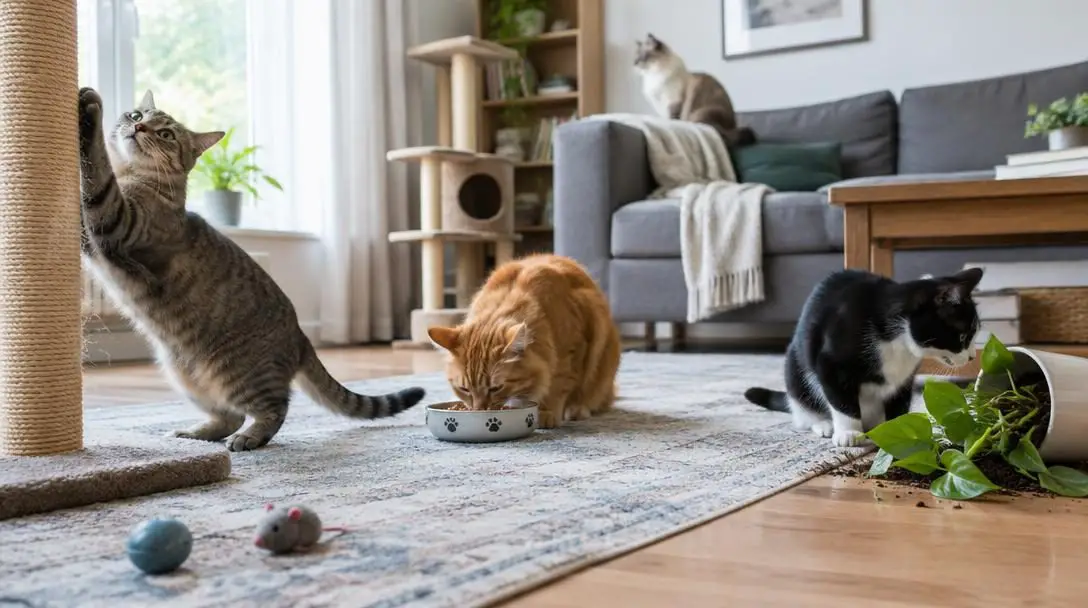
Domestic cats are celebrated for their independent temperaments, acute curiosity, and idiosyncratic charms. Yet, living with felines can present serious household challenges when innate evolutionary tendencies run counter to domestic routines. Cat owners frequently struggle to decipher why a once-gentle companion suddenly avoids the litter tray, claws an expensive armchair, or unleashes sudden hostility toward family members.
To address these disruptions effectively, caregivers must acknowledge that companion felines are driven by powerful biological wiring. Behaviors categorized by people as stubborn, malicious, or erratic are virtually always normal feline instincts expressed within unsuitable environments or manifestations of acute underlying anxiety. By identifying what motivates these actions, owners can implement gentle, sustainable environmental adjustments that solve root problems rather than temporarily suppressing symptoms.
Key takeaways
- Most disruptive feline habits are natural marking, territorial, or defensive instincts triggered by an unsuitable domestic setting.
- Sudden litter box avoidance or uncharacteristic vocalization requires a veterinary evaluation to exclude medical issues like urinary tract disease or systemic pain.
- Punitive training methods such as yelling or spray bottles increase feline fear and worsen aggressive or evasive responses.
- Environmental enrichment, consistent daily routines, and species-appropriate resources like vertical scratching posts and quiet hiding retreats restore behavioral balance.
Understanding the Five Most Common Feline Behavioral Challenges
Feline behavioral modification requires recognizing how cats perceive their surroundings. Every instinct—from claw conditioning to territorial patrol—serves an evolutionary purpose. Below are five of the most widespread behavioral concerns seen in domestic households, along with targeted strategies to manage them.
Scratching Furniture
Scratching is an essential, hardwired physical necessity rather than an act of willful destruction. The process fulfills three distinct physiological functions: it strips away the frayed outer husks of the claws, exercises and stretches the muscles of the shoulders and spine, and deposits territorial markers. These markers are both visual lacerations and chemical scent messages released by interdigital glands located between the paw pads. When cats direct this behavior toward sofas, wooden door casings, or carpeted stairs, they are simply choosing prominent, stable boundary markers.
Solving unwanted clawing requires redirecting the behavior toward appropriate equipment rather than attempting to eradicate the impulse. Cat owners must evaluate the textures and spatial orientations their pets naturally prefer. Many felines favor the rough, unyielding resistance of natural sisal rope or woven sisal textiles, whereas others prefer shredding corrugated cardboard pads. In addition to material, consider post geometry: tall, sturdy vertical scratching columns allow cats to achieve a full vertical body stretch, while horizontal boards or wedge-shaped inclines suit cats that target flat carpets.
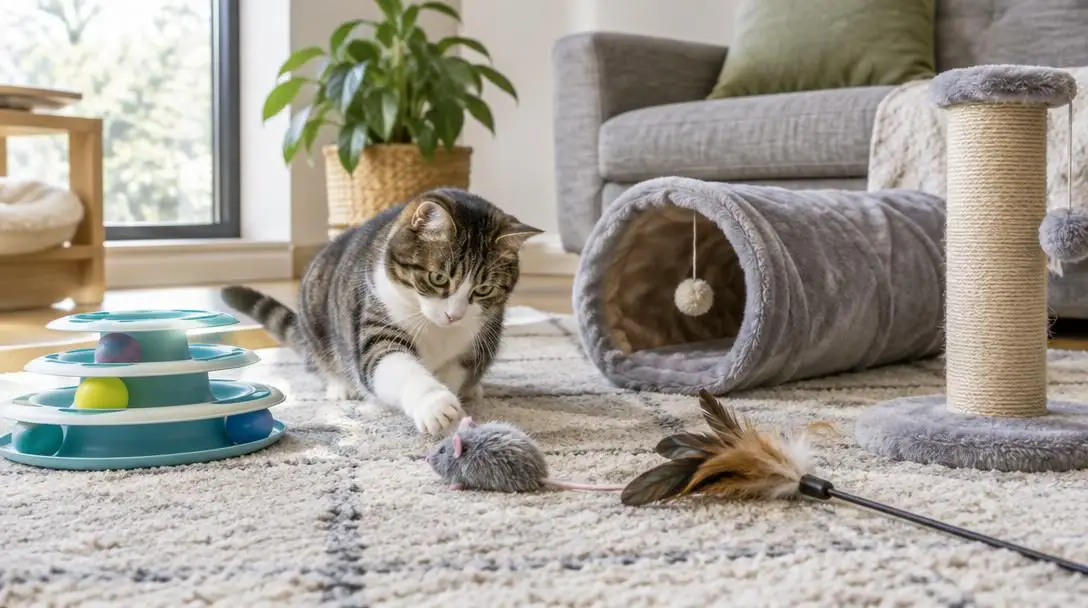
Placement is critical. Position new posts right beside the furniture pieces currently being damaged. You can entice your cat toward these fresh scratching surfaces by rubbing organic catnip into the sisal fibers or cardboard cells. Incorporate the post into daily interactive sessions by fluttering a feather wand across the post's upright beam, prompting the cat to sink its claws into the acceptable surface during play.
Urinating Outside the Litter Box
Inappropriate elimination outside designated facilities is among the most alarming problems faced by cat owners, yet it must never be interpreted as an act of spite or retaliation. When a cat bypasses its litter pan to urinate on carpets, bathmats, or bedding, the animal is communicating a clear physical complaint, environmental distress, or an aversion to the current sanitary arrangement.
The first and most urgent priority is ruling out serious physical ailments. Conditions like feline lower urinary tract disease, bacterial urinary tract infections, interstitial cystitis, and renal disease make urination exceptionally painful. A cat experiencing urinary discomfort often associates the litter tray itself with pain, driving it to seek out cool, smooth, or soft surfaces like tile floors or duvets. Chronic ailments like arthritis can also prevent an aging cat from comfortably stepping over high-sided plastic rims.
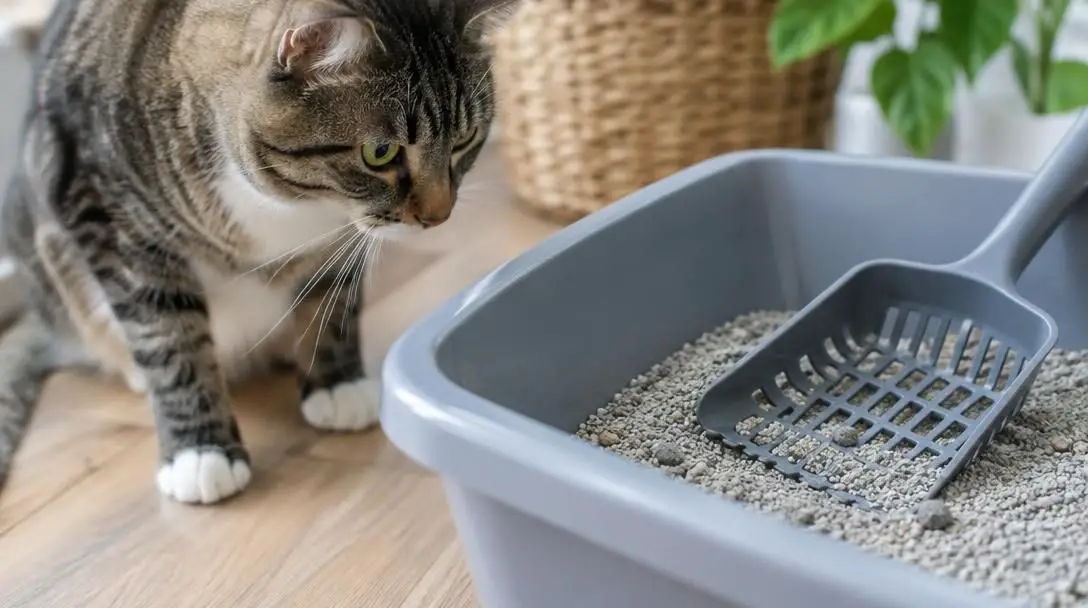
If physical pathology is excluded by a veterinarian, evaluate environmental factors. Cats possess an acute olfactory sense, and accumulated waste frequently drives them away from soiled litter. Implement daily scooping routines and complete weekly washouts. Ensure adequate box distribution by placing multiple boxes in separated, low-traffic areas on every level of the residence. Avoid tucking boxes beside noisy furnaces or washing machines, which can terrify a vulnerable cat. Finally, test litter textures; fine-grained, unscented clumping litters are widely favored, while heavily perfumed pellets or restrictive covered hoods can cause box refusal.
Aggressive Behavior
Feline aggression generally falls into two distinct categories: predatory play aggression and fear-induced defense. Play aggression typically manifests in young or under-stimulated cats that view passing human ankles, hands, or feet as small prey. Driven by an unfulfilled hunting drive, the cat will crouch, stalk, swat, or deliver painful ambushing bites. Conversely, fear aggression occurs when a cat feels cornered, startled, trapped, or intimidated by visitors, unfamiliar noises, or rival household pets. In fear states, an offensive bite or swipe is used to force the perceived threat to retreat.
Managing aggression requires identifying the precise contextual triggers. Never respond to hostile outbursts with raised voices or physical retaliation, as this escalates fear and triggers higher defensive aggression. Instead, increase structured environmental enrichment to channel predatory drives away from human bodies. Implement predictable daily play sessions using wand-style toys, allowing the cat to stalk, chase, and capture an artificial target before ending the session with a meal.
For cats prone to fear reactions, expand vertical and enclosed territory. Install wall-mounted catwalks, elevated window perches, and quiet hideaways where the animal can monitor its environment from a safe vantage point without feeling trapped. If inter-cat or human-directed hostility remains unmanageable, collaborate directly with a veterinary behaviorist to devise a systematic desensitization and counter-conditioning program.
Excessive Meowing
While certain breeds are naturally vocal, repetitive or escalating meowing is an intentional signal designed to solicit human attention, food, or assistance. Because adult cats rarely vocalize to one another with typical meows—relying instead on scent, body language, and subtle chirps—persistent vocal demands are an acquired communication channel aimed directly at human caregivers. Frequent drivers of excessive vocalization include nutritional cravings, chronic boredom, physical disorientation, and acute emotional distress.
Resolving problematic vocal demands requires satisfying the cat's core welfare needs while avoiding accidental positive reinforcement. First, confirm that the animal's nutritional schedule is properly balanced and that clean drinking water is consistently accessible. To curb boredom-induced vocalizations, introduce dynamic foraging puzzles, rolling treat dispensers, and interactive puzzle toys that stimulate problem-solving skills during hours when humans are working or asleep.
Establish structured, predictable routines for feeding, interactive exercise, and physical affection. Felines thrive on environmental predictability, and chaotic daily routines fuel vocal anxiety. If an older cat begins yowling loudly, especially during late-night hours, prompt veterinary screening is crucial. Uncharacteristic vocalizations in mature cats often stem from hearing loss, visual decline, hypertension, or metabolic disorders like feline hyperthyroidism.
Hiding Behavior
When exposed to unfamiliar territory, booming noises, intrusive guests, or major home renovations, a cat's primary instinct is complete withdrawal. Retreating to an enclosed, secluded den is an effective feline coping strategy designed to preserve safety. However, when hiding becomes prolonged, persistent, or causes a cat to avoid eating, drinking, or using the litter box, the animal's quality of life is severely compromised by chronic stress.
To assist a timid cat, create an environment rich in accessible, secure safe zones. Provide covered igloo-style beds, fabric tunnels, and sturdy cardboard boxes set on their sides in quiet corners. Distribute essential resources—such as water dishes, food saucers, and clean litter pans—within close proximity to the animal's retreat so it does not have to traverse exposed, frightening hallways to meet essential biological needs.
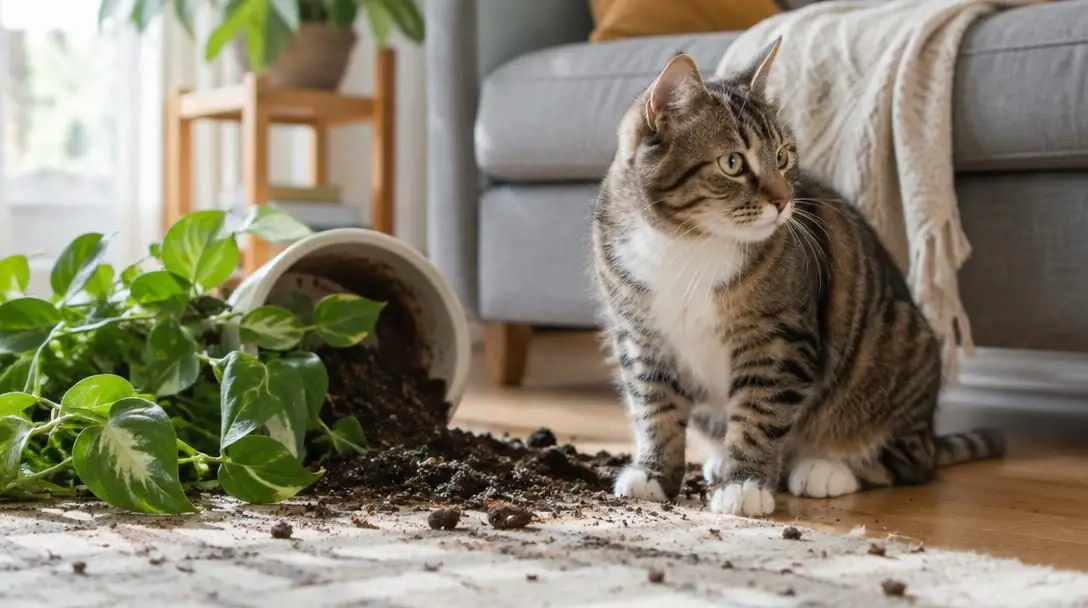
Actions perceived by humans as destructive or defiant are almost always normal feline behaviors expressed in inappropriate settings or responses to severe underlying distress.
Respect the cat's boundaries completely. Never reach into a hiding spot to pull a frightened animal out, as forcing interactions destroys its sense of agency and intensifies defensive anxiety. Instead, let the cat emerge independently when ready. Utilize synthetic feline facial pheromone diffusers throughout core living areas to broadcast chemical markers of safety, and lower ambient household noise to foster a calm, reassuring domestic sanctuary.
At a Glance: Behavioral Triggers and Interventions
The following table summarizes the root motivations, common domestic catalysts, and recommended modifications for the five common feline behavioral challenges discussed above.
| Behavioral Issue | Instinctive Motivation | Common Household Trigger | Primary Corrective Strategy |
|---|---|---|---|
| Scratching Furniture | Claw maintenance, physical stretching, and scent marking | Absence of stable, appealing posts in high-traffic zones | Provide sturdy sisal or cardboard posts right beside targeted items |
| Inappropriate Elimination | Territorial signaling or avoidance of uncomfortable substrate | Medical illness, dirty litter pans, or harsh artificial scents | Veterinary screening, daily scooping, and unscented clumping litter |
| Aggressive Outbursts | Predatory impulses or protective fight-or-flight defense | Under-stimulation, sudden movements, or feeling trapped | Interactive wand play, elevated perches, and behaviorist consultation |
| Excessive Meowing | Direct vocal communication aimed at human caregivers | Boredom, hunger, inconsistent routines, or sensory loss | Mental puzzle feeders, fixed feeding schedules, and health audits |
| Persistent Hiding | Survival instinct to retreat from perceived danger | Loud environmental noise, unfamiliar visitors, or household conflict | Provide private retreats, pheromone diffusers, and patient handling |
A Systematic Guide to Behavioral Modification
Addressing behavioral disruption demands an orderly, step-by-step methodology. Inconsistent responses or fragmented interventions will confuse your cat, prolong household tension, and hinder lasting improvement. Follow this logical framework to pinpoint and resolve behavioral difficulties systematically.
- Document the pattern: Keep a detailed log noting the exact time, domestic context, location, and surrounding human or animal activities whenever the problem behavior occurs. Pinpointing environmental patterns is the fastest way to isolate underlying triggers.
- Schedule a comprehensive veterinary checkup: Always rule out organic medical pathology before treating an issue as purely psychological. Pain, metabolic imbalances, and urinary tract infections frequently masquerade as behavioral disobedience.
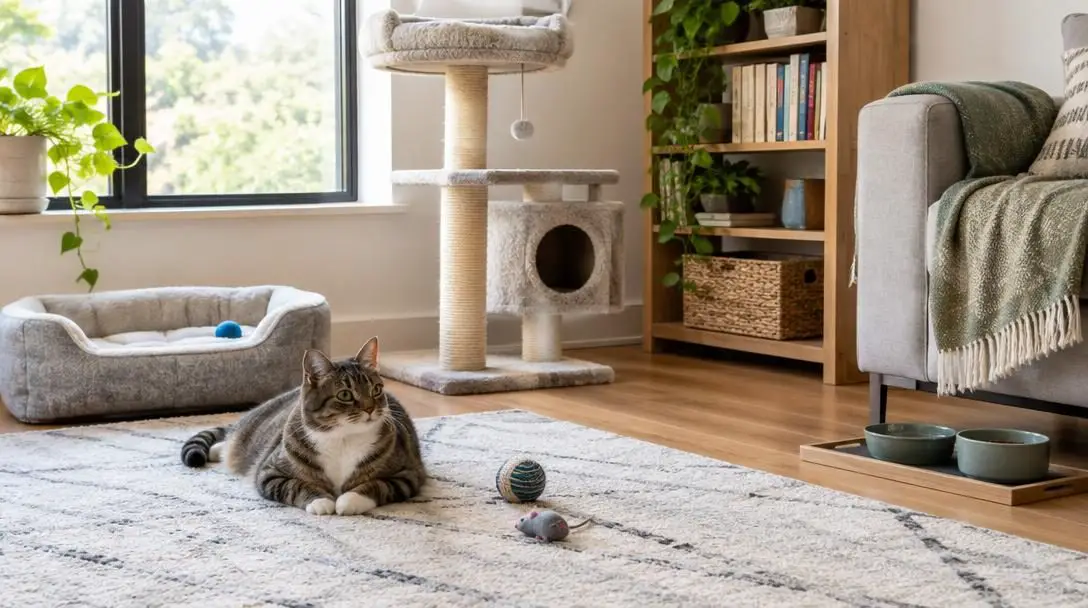
- Perform a home environmental audit: Inspect your living space through a feline sensory lens. Count your litter boxes, evaluate the balance and height of scratching surfaces, verify vertical climbing options, and assess resource accessibility.
- Install appropriate physical upgrades: Add sturdy scratching furniture made from corrugated cardboard or natural sisal, place multiple open litter boxes in quiet zones, set up calming pheromone diffusers, and offer interactive toys.
- Implement structured enrichment routines: Dedicate 15 to 20 minutes each day to interactive, predatory play sessions followed immediately by meals. Predictable feeding and recreation schedules build confidence and relieve nervous tension.
- Track behavioral adaptation and consult specialists: Monitor your cat's reactions over several weeks of consistent environmental support. If distress or hostility persists, partner with a certified feline behavior consultant or veterinary specialist.
Critical Mistakes That Compound Feline Stress
When coping with frayed upholstery or ruined carpets, caregivers may adopt well-intentioned reactions that inadvertently escalate the problem. Avoiding these frequent missteps protects your household harmony and deepens mutual trust.
- Using physical or verbal punishment: Yelling, swatting, or using water spray bottles induces severe fear. Punishment fails to communicate proper alternatives; it simply convinces the cat that the human caregiver is unpredictable and dangerous.
- Cleaning urine with regular household cleaners: Standard disinfectants and ammonia-based detergents fail to break down microscopic uric acid crystals. The residual odor draws cats back to re-mark the exact same spot. Use only enzymatic cleaners.
- Forcing contact on a frightened cat: Dragging a cat from under a sofa or behind an appliance to offer forced cuddling will trigger intense fear aggression and extend the animal's period of total withdrawal.
- Purchasing lightweight, wobbly scratching posts: If an upright scratching column sways, wobbles, or collapses under your cat's weight, the animal will abandon it immediately in favor of a heavy, immovable sofa or armchair.
- Delaying regular litter box maintenance: Expecting a clean animal to step into an overflowing, heavily soiled litter tray causes chronic box aversion and forces the pet to find clean carpeting or laundry instead.
- Dismissing subtle health warnings: Assuming that sudden litter box refusal, sudden nocturnal howling, or touch-sensitivity is purely a personality flaw can leave dangerous, painful diseases undiagnosed and untreated.
Long-Term Environmental Maintenance Across Life Stages
Feline behavioral modification is not a one-time project; it is an evolving commitment to your pet's emotional and physical welfare. A setup that supports an agile, boundary-pushing adolescent cat may prove difficult or painful for an older cat dealing with stiff joints, vision changes, or cognitive decline.
Periodically re-evaluate your home environment as your pet matures. Senior felines require litter pans with low entry cutouts, orthopedic resting pads, and ramps to reach elevated perches. Conversely, energetic young adults require frequent toy rotations, challenging foraging puzzles, and vigorous aerobic exercise to keep play aggression in check. By remaining observant and responsive to changing life stages, you ensure that your home remains a peaceful, accommodating habitat for life.
Frequently asked questions
Why has my cat suddenly stopped using the litter box?
Sudden litter box avoidance is usually caused by an underlying medical condition, such as a urinary tract infection, bladder inflammation, or kidney disease, which causes pain during urination. If your veterinarian rules out physical illness, the issue is typically linked to a dirty litter box, an unappealing litter texture, or a noisy, stressful box location.
Will a water spray bottle stop my cat from scratching the couch?
No. Spray bottles do not eliminate the natural urge to scratch; they merely teach the cat to fear you or to scratch the furniture when you are not in the room. The effective solution is providing heavy, appealing sisal or cardboard posts right next to the targeted furniture and rewarding your cat for using them.
How many litter boxes should I have in my house?
The standard guideline is to provide multiple litter boxes distributed across different areas of the house. Ensuring easy access on every floor prevents competition in multi-cat homes and ensures that an animal is never caught too far from a clean, quiet facility.
What should I do if my cat attacks my ankles when I walk by?
Ankle-stalking is an expression of redirected predatory play aggression stemming from excess energy and boredom. To stop this behavior, provide structured daily interactive play sessions using wand toys, offer puzzle feeders to stimulate hunting instincts, and never use bare hands or feet as play targets.
How can I encourage a cat that spends all day hiding to come out?
Never pull a hiding cat from its sanctuary by force. Instead, place food, water, and litter boxes nearby so basic needs can be met safely. Reduce sudden noises and foot traffic, use synthetic calming pheromone diffusers, and allow the cat to explore the household at its own pace.
The bottom line
Living harmoniously with a cat requires recognizing that household disruptions are usually normal biological behaviors channeled into inappropriate modern settings. Whether you are addressing frayed upholstery, inappropriate elimination, sudden hostility, persistent meowing, or chronic hiding, the path to resolution lies in patient observation, environmental enrichment, and compassionate redirection.
By scheduling prompt veterinary assessments to rule out hidden physical discomfort and creating a domestic habitat rich in appropriate scratching textures, private sanctuaries, and mental stimulation, you address the root causes of feline anxiety. With time, structure, and respect for your cat's evolutionary needs, problematic habits can be transformed into lasting household peace.