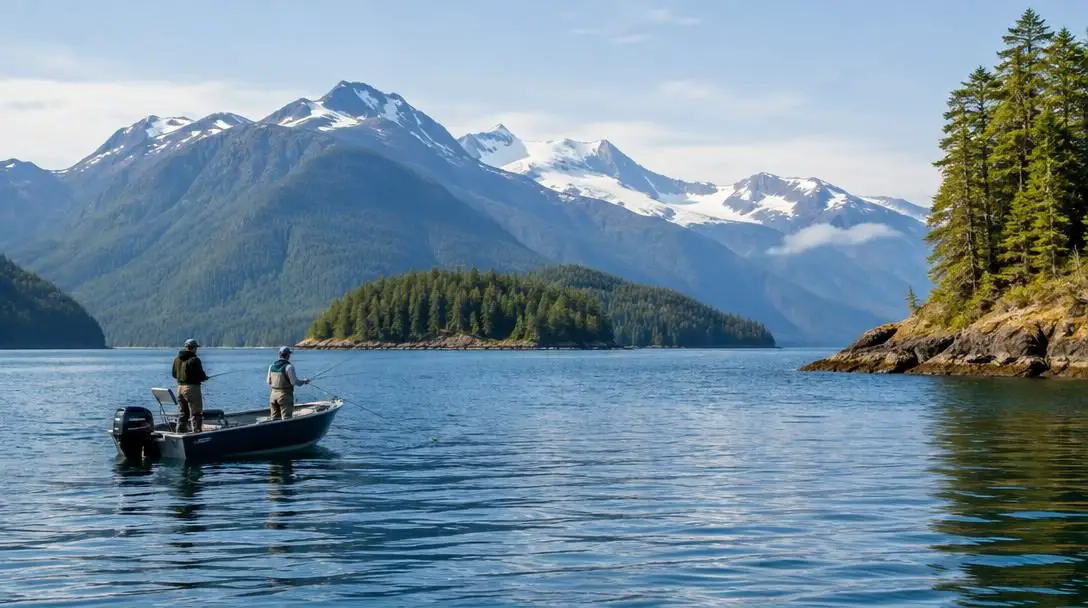
Freshwater vs. Saltwater Fishing: Pros, Cons, and Differences to Know Before You Go
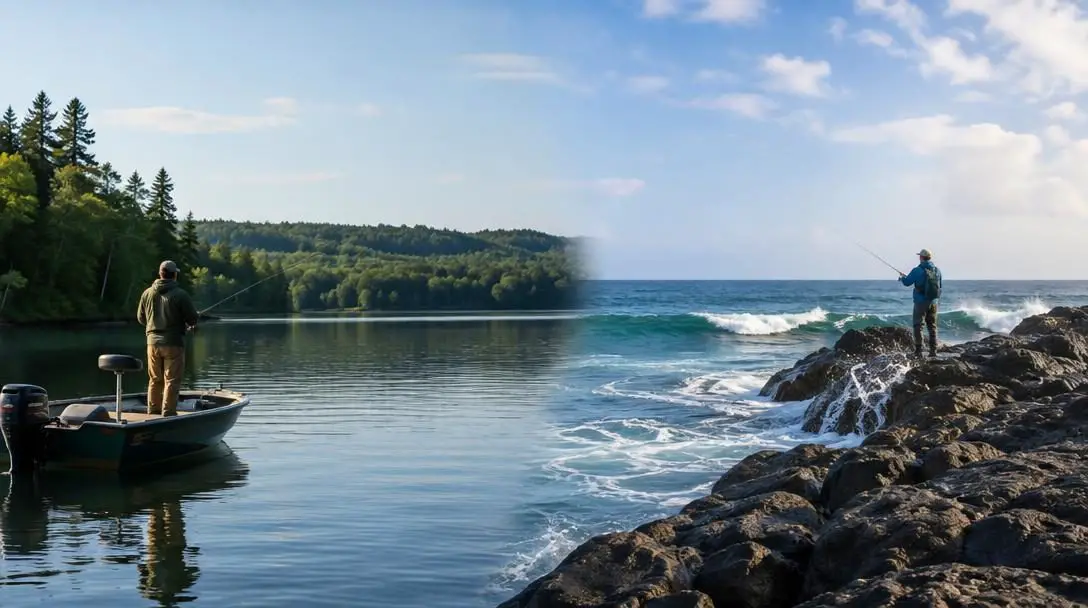
Fishing stands as one of the most widely practiced outdoor traditions in the world, connecting millions of anglers with waterways that range from quiet neighborhood ponds to the sprawling, wind-whipped expanse of the open ocean. While the central objective remains the same across every discipline—presenting an enticing bait or lure to trick an aquatic predator—the environments where fishing occurs dictate radically different experiences. The two foundational branches of the sport, freshwater fishing and saltwater fishing, present distinct ecosystems, physical demands, and mechanical requirements that influence every decision an angler makes.
Choosing between freshwater and saltwater requires an understanding of how water dynamics, fish physiology, and equipment durability interact. Freshwater habitats are characterized by stable, landlocked waters filled with shoreline structure and heavy plant life, creating an accessible environment focused on casting accuracy and technique. In contrast, marine fishing pulls anglers into dynamic coastal bays, tidal flats, and offshore drop-offs where powerful currents, heavy surf, and immense gamefish test both physical stamina and tackle integrity. Examining the unique advantages, limitations, and tactical considerations of each environment ensures you head to the water properly equipped and prepared.
Key takeaways
- Freshwater fishing offers an affordable, accessible entry point characterized by calmer inland waters, predictable bite patterns, and precise casting around weed beds and timber.
- Saltwater fishing provides high-energy adventure and encounters with massive, exotic gamefish, but it demands heavier tackle, dynamic boat positioning, and higher financial investment.
- Inland presentations rely heavily on natural baits like worms and crayfish alongside crankbaits, jigs, spoons, and spinners.
- Marine setups require corrosion-resistant, high-capacity reels, heavy terminal tackle, and thick leaders to handle sharp teeth, strong tides, and rough pelagic predators.
- Thoroughly rinsing tackle with fresh water after marine outings is essential to prevent corrosive salt deposits from ruining reels and line guides.
Understanding the Two Aquatic Environments
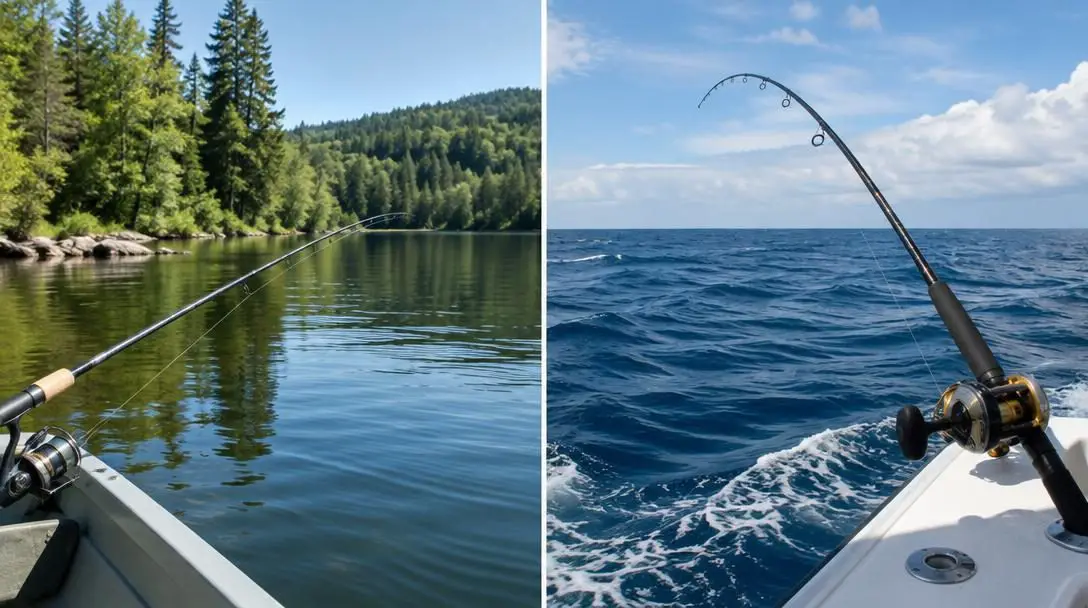
The geographic and chemical characteristics of a waterway govern the species that live within it and the tactics required to catch them. Inland bodies of water—such as lakes, farm ponds, reservoirs, rivers, mountain streams, and creeks—form the cornerstone of freshwater angling. Because these aquatic systems are landlocked or situated within inland watersheds, they are largely sheltered from massive ocean swells. They typically feature stable surface conditions, calmer waters, and dense biological structure. Submerged logs, overhanging brush, rocky points, and thick weed beds provide resident fish with shelter, oxygen, and ambush points, making freshwater fishing the most widespread and accessible form of the sport for beginners and seasoned anglers alike.
Saltwater fishing moves outward toward coastal shorelines, tidal flats, protected bays, estuaries, and the vast expanse of the open ocean. Marine environments operate under the influence of global atmospheric and oceanic forces. Anglers must navigate significant salinity, shifting tidal movements, open horizons, powerful underwater currents, and heavy waves. These elements make boat positioning, boat safety, and bait presentation far more demanding than dropping a line into a placid pond. However, the sheer scale of the ocean supports food webs capable of growing massive gamefish and rare pelagic species that simply cannot survive in landlocked freshwater habitats.
While freshwater angling rewards pinpoint accuracy around visible structure, ocean fishing demands durable tackle capable of mastering relentless tides and roaming pelagic schools.
How Freshwater and Saltwater Systems Function
To consistently hook fish in either setting, anglers must adapt their tactics to the mechanics of the surrounding ecosystem. The primary differences emerge in how water movement affects fish behavior and how equipment must be presented to trigger strikes.
In freshwater bodies, predictability and precision drive angling strategy. Because inland waters are calm and environmental variables are relatively stable, fish establish dependable feeding patterns around stationary cover. Anglers can read subtle shoreline indicators—such as a fallen tree, an eddy forming behind a river boulder, or a defined edge along a weed bed—to identify where predatory fish are staging. This degree of predictability allows anglers to utilize delicate, highly targeted tactics. A freshwater outing readily accommodates varied approaches, from finesse spin fishing and baitcasting around timber to casting dry flies along shallow trout streams.
Saltwater ecosystems operate under dynamic, fluid variables that change hour by hour. Marine waters are rarely stationary; fish respond continuously to rising and falling tides, offshore water temperature breaks, and the seasonal migration of massive bait schools. Instead of casting to a single visible stump, saltwater anglers often rely on drift fishing through heavy currents, anchoring on deep offshore reefs, or trolling lures across miles of open ocean to intercept roaming predators. Presentations must account for strong underwater drag on the line, requiring heavy sinkers and robust terminal gear to keep baits suspended in the strike zone.
Pros and Cons of Freshwater Fishing
Inland angling remains the most popular style of fishing worldwide due to its low barrier to entry and forgiving learning curve. Evaluating its specific strengths and trade-offs helps determine if it suits your angling goals.
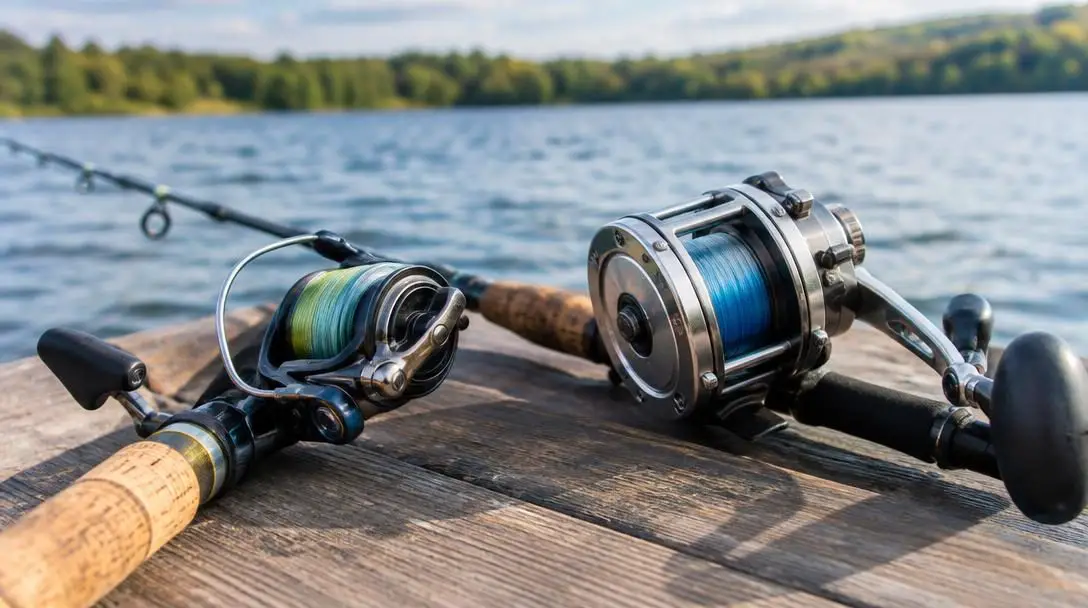
- Affordability: Outfitting a freshwater setup is budget-friendly, requiring lighter rods, standard monofilament or braided lines, and modest tackle assortments without the need for expensive offshore vessels.
- High Consistency: Calmer water surfaces and stable inland ecosystems create dependable feeding windows, leading to reliable action and more predictable bite rates throughout the season.
- Abundant Target Species: Inland lakes and rivers hold diverse gamefish adapted to different niches, allowing anglers to switch target species within the same body of water.
- Versatile Techniques: Anglers can easily alternate between baitcasting, spin casting, bottom bouncing, and fly fishing using lightweight, responsive setups.
- Readily Available Natural Baits: Plentiful shoreline cover makes it simple to source and use natural baits like earthworms, nightcrawlers, and crayfish that match the resident forage base.
- Pinpoint Structural Targeting: Visible shoreline cover, lily pads, and submerged timber make it straightforward to isolate and target specific individual fish.
Despite these clear benefits, freshwater fishing carries distinct limitations:
- Smaller Overall Fish Size: Inland gamefish rarely attain the colossal weights and pure muscle mass found among oceanic pelagic species.
- Fewer Exotic Encounters: The species inhabiting local lakes, ponds, and creeks tend to be familiar regional fish, offering less variety for anglers seeking novel, rare catches.
- Localized Fishing Pressure: Because freshwater spots are easily accessible from public banks and boat ramps, popular waters frequently experience heavy pressure from other anglers, making fish cautious.
Pros and Cons of Saltwater Fishing
For those drawn to the open sea, marine fishing offers unmatched scale and excitement, accompanied by an intense physical environment.
- Adventure and Excitement: Heading through coastal channels or into the deep ocean delivers a profound sense of exploration and physical challenge.
- Significantly Larger Fish: The boundless volume of marine ecosystems allows gamefish to reach massive proportions, resulting in hard-hitting strikes and prolonged, grueling fights.
- Exotic and Unique Biodiversity: The open ocean and coral systems harbor an incredible diversity of rare, brightly colored, and prehistoric-looking gamefish that do not exist inland.
- Thrilling Unpredictability: Shifting ocean currents, tidal flushes, and deep-sea topography create unexpected encounters, where any drop of the line can yield a personal-best catch.
However, the marine environment also introduces substantial hurdles:
- Higher Overall Expenses: Saltwater fishing demands specialized, corrosion-resistant rods, reels, and heavy terminal hardware, alongside elevated costs for ocean-capable boats, fuel, charters, and pier fees.
- Challenging Environmental Conditions: Rolling ocean swells, crashing surf, and turbulent currents make maintaining boat control, casting accurately, and feeling subtle bites much harder.
- Less Consistent Bite Windows: Changing tidal stages and fast-moving schools mean fish may vanish entirely from an area within an hour, requiring extensive searching.
- Severe Tackle Wear and Tear: Salt crystals, abrasive sand, and strong currents inflict heavy damage on gear, demanding strict maintenance regimens to avoid mechanical breakdown.
Tackle, Baits, and Gear Selection
Because the physical demands of these two environments diverge completely, the tools developed for them prioritize different mechanical qualities. Freshwater gear emphasizes presentation subtlety, natural mimicry, and casting accuracy, whereas saltwater tackle is engineered for raw tensile strength, high line capacity, and corrosion resistance.
To understand how lures function across these settings, consider how the most common lure categories perform in varied fishing scenarios.
| Tackle Category | Primary Action and Design | Effective Depth Range | Target Environment |
|---|---|---|---|
| Crankbaits | Hard-bodied plastic or wood with diving bills that wobble and displace water | Shallow to deep (3 to 20+ feet) | Freshwater drop-offs, points, and submerged flats |
| Spoons | Curved metal blanks that wobble, flutter, and reflect natural light | Versatile across full water column | Freshwater ledges and open saltwater flats |
| Jigs | Weighted lead heads paired with soft plastics, hair, or silicone skirts | Bottom-oriented to mid-depths | Submerged timber, weed lines, and deep ocean structure |
| Spinners | Revolving metallic blades that generate intense vibration and flashing pulses | Shallow to moderate depths | Rivers, creeks, vegetated freshwater shallows |
Natural and Live Baits

- Common Types: Nightcrawlers, earthworms, crayfish, baitfish
- Target Waters: Inland ponds, vegetated lakes, slow rivers
- Key Advantage: Delivers authentic scent, texture, and natural movement
Natural forage forms the backbone of inland angling. Earthworms, nightcrawlers, and freshwater crayfish thrive naturally along vegetated shorelines and muddy banks. Presenting these live baits on modest hooks beneath a float or on a bottom rig triggers natural feeding instincts in predatory fish, proving especially lethal around docks, fallen trees, and weed pockets where fish forage actively.
Crankbaits
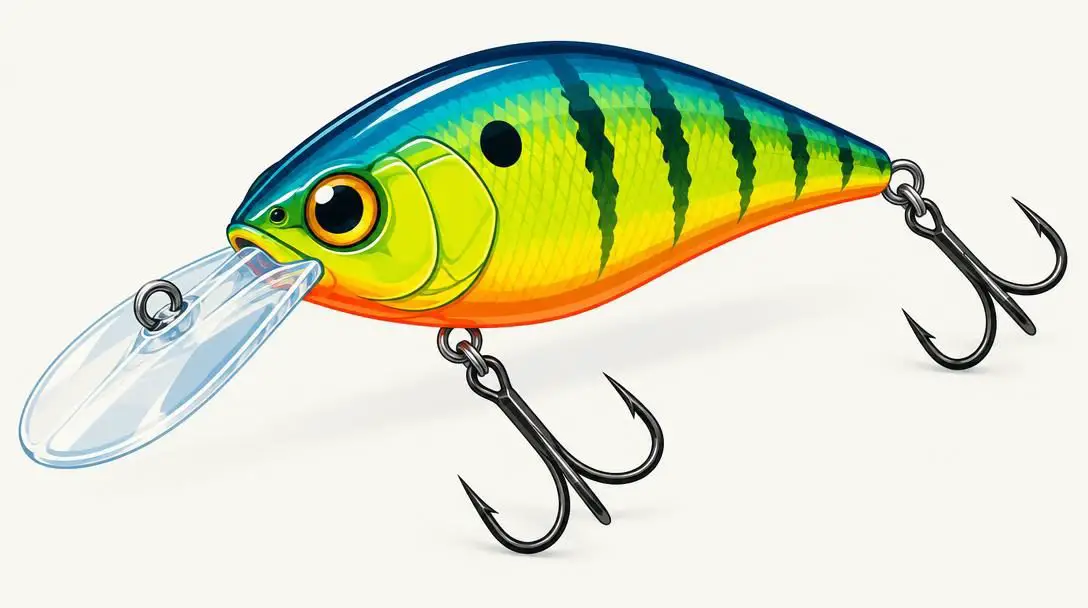
- Design: Molded plastic or balsa wood with a front diving lip
- Retrieval Style: Steady cranking, stop-and-go pulses, or bottom deflections
- Primary Application: Locating active predators along structural contours
Crankbaits are designed to dive to predetermined depths, imitating small forage fish fleeing across open water or bouncing off rocky bottoms. The lip on the front of the lure forces it downward while creating an erratic wobble. When retrieved along deep weed edges, structural points, or submerged creek channels, the sudden deflections off logs or rocks frequently trigger aggressive reaction strikes.
Spoons
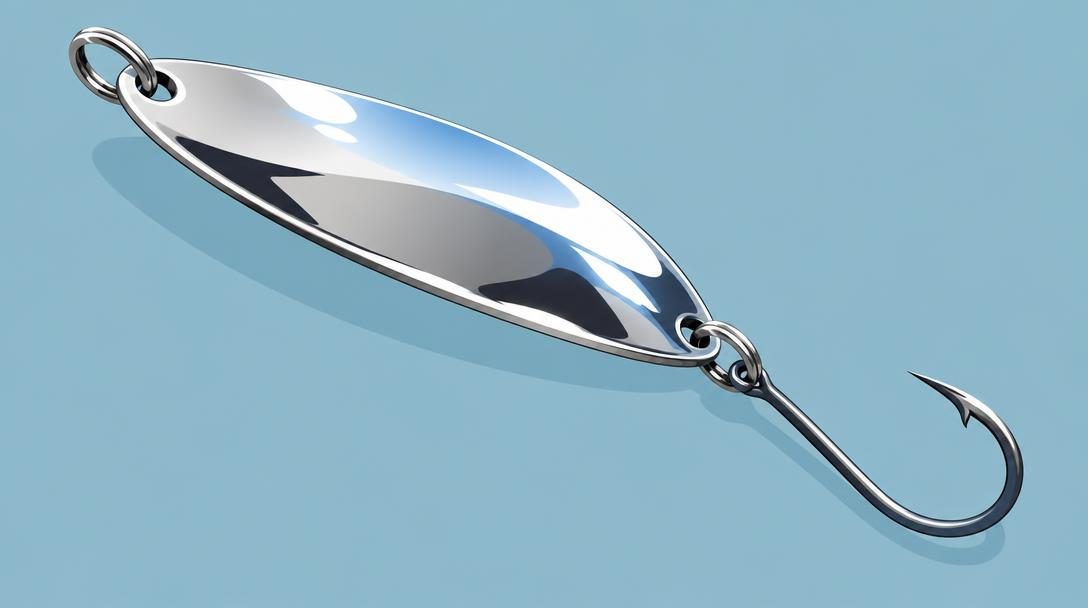
- Construction: Concave stamped brass, steel, or metallic alloy
- Visual Cue: Wide-radius fluttering flash simulating wounded baitfish
- Versatility: Usable for vertical jigging, trolling, or casting
Spoons represent one of the oldest and most dependable artificial lure concepts. Their simple, curved metallic body captures and refracts ambient light as it wobbles through the water. Spoons can be cast across expansive flats, retrieved through mid-depth weed channels, or jigged vertically over deep structure to target aggressive predators drawn to flash and erratic movement.
Jigs
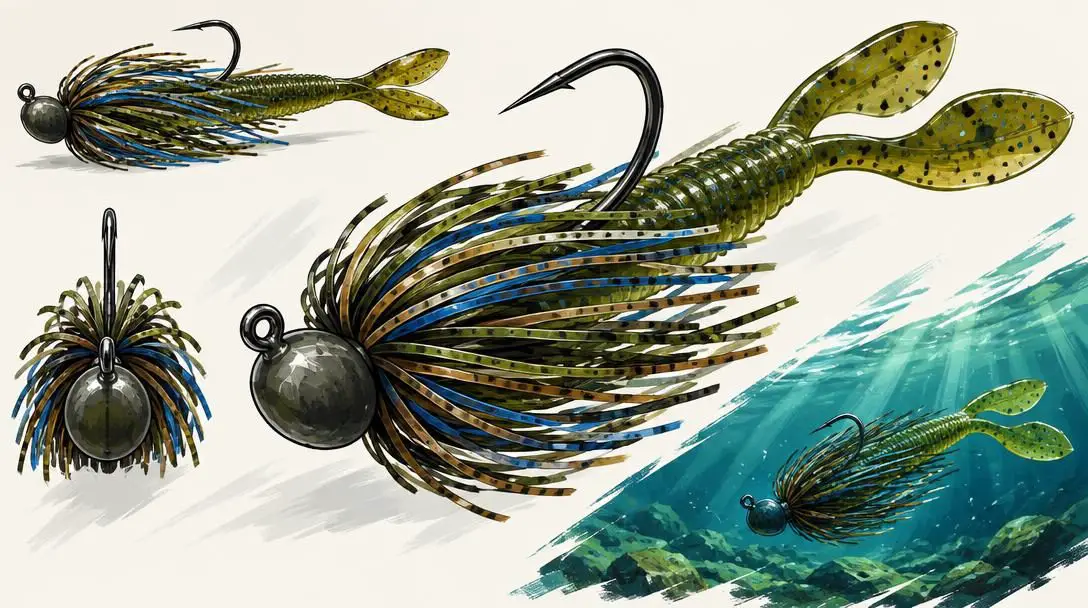
- Configuration: Weighted hook molded into a lead head with skirt or plastic trailer
- Presentation: Hopping, dragging, or vertical bouncing along the bottom
- Strength: Pinpoint penetration through dense aquatic vegetation
Jigs give anglers absolute control over vertical and bottom presentations. By pairing a weighted lead head with a silicone skirt or soft plastic trailer, the angler can crawl the bait through heavy weed beds, bounce it across rocky shoals, or pitch it into tight pockets inside submerged brush where swimming lures would quickly snag and foul.
Spinners
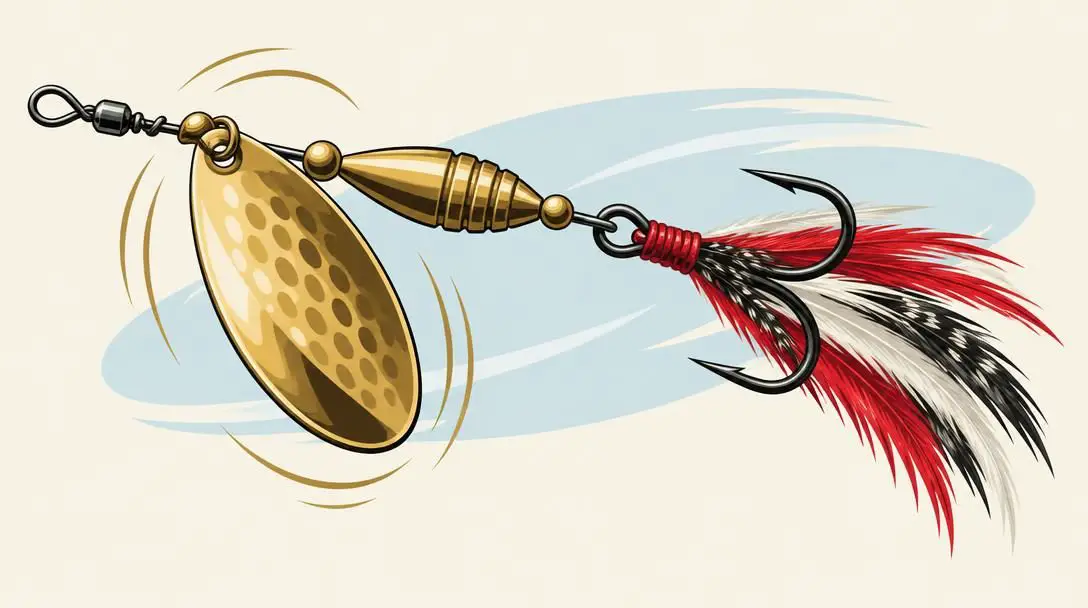
- Key Feature: Wire frame mounted with spinning metallic blades
- Sensory Attraction: High-frequency water displacement and bright visual flash
- Ideal Conditions: Stained water, swift river currents, and murky shallows
In-line spinners feature metal blades that rotate rapidly around a central wire shaft as the bait moves forward. This continuous rotation produces high-frequency underwater vibrations that fish detect through their lateral line system, making spinners exceptionally effective in murky water, winding river bends, and low-light conditions where visibility is compromised.
Heavy Saltwater Terminal Tackle
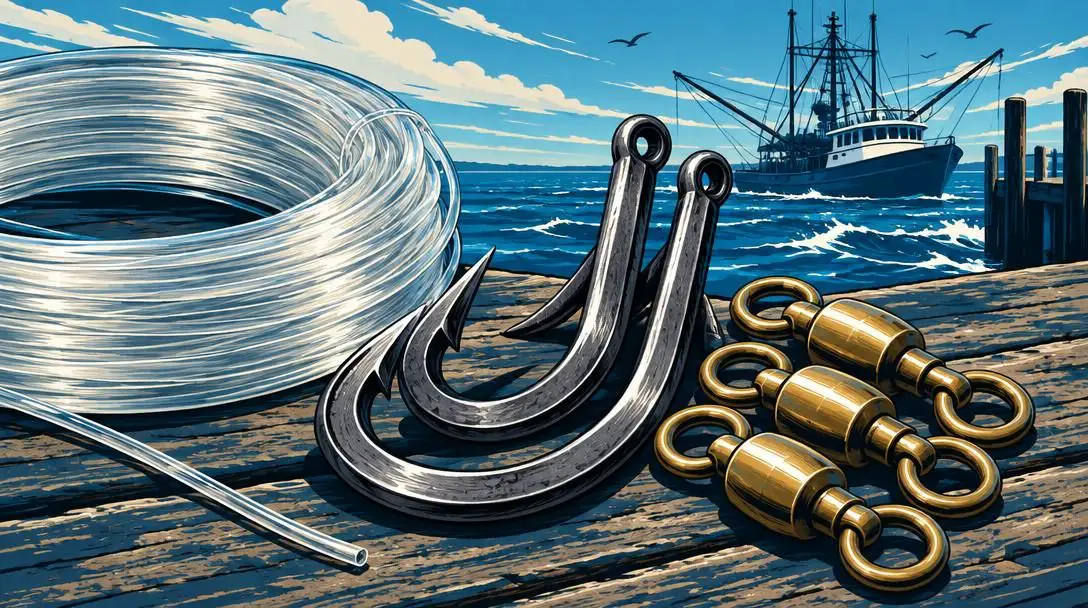
- Key Components: Heavy-gauge forged hooks, ball-bearing swivels, wire leaders
- Primary Material: Stainless steel, fluorocarbon, and corrosion-resistant alloys
- Core Purpose: Resisting abrasive teeth, crushing jaws, and reef friction
Saltwater terminal tackle is engineered to endure forces rarely encountered in freshwater environments. Marine predators often feature razor-sharp teeth, abrasive jaws, and explosive initial runs. Thick fluorocarbon leaders, steel wire rigs, heavy brass or stainless swivels, and forged hooks prevent lines from parting when rubbing against rough skin or jagged underwater coral reefs.
Step-by-Step Preparation for a Successful Outing
A productive day on the water requires careful preparation, regardless of whether you are visiting a neighborhood lake or launching an ocean vessel. Follow these practical steps to organize your gear and strategy before casting a line.
- Decide on Your Preferred Style: Determine whether you want a relaxed, budget-conscious trip centered on casting accuracy in calm water, or an energetic, physically demanding adventure pursuing large marine gamefish in dynamic coastal waters.
- Research the Location: Investigate your chosen waterway. For freshwater, determine whether you are fishing a weed-choked pond, a clear reservoir, or a swift river. For saltwater, establish whether you will cast from a public pier, surfcast into breaking waves, or travel offshore by boat.
- Identify Your Target Species: Pinpointing the exact species you wish to target dictates your entire technical setup, including your hook dimensions, line test rating, and rod action.
- Acquire Appropriate Gear: Match your rod, reel, and line weight strictly to the environment. Ensure saltwater equipment possesses sealed drag systems and anti-corrosive components, and reserve lightweight, sensitive rods for inland presentations.
- Select the Right Bait or Lures: Pack inland baits like nightcrawlers, crayfish, crankbaits, and spinners for freshwater weed cover, or assemble ocean-specific cut bait, squid, and heavy marine jigs when heading out to coastal tides.
- Review Water and Weather Conditions: Check local meteorological forecasts, surface wind speeds, and barometric shifts. In saltwater, pay close attention to wave heights, coastal swell periods, and incoming or outgoing tidal cycles.
Critical Mistakes to Avoid on the Water
Anglers transitioning between inland settings and the open sea often encounter unexpected challenges. Avoiding these common mistakes protects your tackle, saves money, and improves your catch rate.
- Underestimating Ocean Currents: Anglers used to still lakes often fail to account for tidal flow and wind drift. Failing to use adequate weight causes baits to drift away from the strike zone and produces massive line tangles.
- Deploying the Wrong Baits for the Habitat: Attempting to fish standard freshwater plastics in ocean currents or tossing marine baits into heavily vegetated inland ponds ignores local food chains and rarely yields results.
- Skimping on Saltwater Tackle: Trying to save money by using light freshwater swivels, thin hooks, and standard monofilament in the ocean frequently leads to straightened hooks, broken lines, and lost fish during powerful runs.
- Overlooking Natural Freshwater Vegetation: Focusing exclusively on expensive artificial lures while neglecting the fish-holding power of live worms or crayfish near shoreline weed beds often costs anglers steady action.
- Failing to Clean Equipment Post-Trip: Leaving ocean tackle unwashed allows salt crystals to dry inside reel bearings, line rollers, and hook eyes, rapidly causing rust, pitting, and irreversible mechanical failure.
Frequently asked questions
Can I use my freshwater fishing gear in saltwater?
While you can physically cast freshwater tackle in saltwater, doing so poses significant risks. Standard freshwater reels lack sealed drag mechanisms and corrosion-resistant coatings, meaning exposure to salt and sand can cause internal corrosion. Furthermore, light freshwater rods and thin lines can easily snap when hooked into strong ocean currents or heavy marine gamefish.
Which style of fishing is more affordable for beginners?
Freshwater fishing is significantly more affordable. Entry-level rod and reel combos, basic terminal tackle, and natural baits like nightcrawlers can be acquired at a low cost. Additionally, freshwater locations like public ponds, lakes, and riverbanks can be accessed freely without booking offshore charters or purchasing high-capacity marine vessels.
Why are saltwater fish generally larger than freshwater fish?
Marine environments provide immense physical space, deeper water columns, and expansive, nutrient-dense marine food webs that support rapid growth. Pelagic baitfish schools, crabs, squid, and rich coastal currents allow oceanic species to attain far greater physical mass and muscle density than landlocked inland species.
Why is rinsing gear with fresh water so important after saltwater fishing?
When saltwater evaporates, it leaves behind abrasive, microscopic salt crystals. These deposits quickly corrode metal parts, degrade internal reel gearing, stiffen braided lines, and pit ceramic guide rings. Rinsing your tackle thoroughly under gentle fresh water flushes away salt residue and preserves equipment lifespan.
How do tides affect fishing compared to freshwater water levels?
Tides generate predictable, cyclical water movement twice daily, creating powerful currents that push baitfish past ambush points and trigger feeding periods for marine species. In freshwater systems, water flow is governed by seasonal rain, river discharge, and dam releases rather than rapid, clockwork gravitational swings.
The bottom line
Neither freshwater nor saltwater fishing is inherently superior; rather, each offers a distinctive connection to the natural world. If your schedule and budget call for convenience, consistent bite action, and the satisfaction of placing accurate casts around weed beds and sunken timber, freshwater fishing provides an accessible, deeply rewarding pursuit. It allows anglers to master casting fundamentals, experiment with versatile lures, and enjoy steady success close to home.
Conversely, if you crave the physical rush of battling immense gamefish against rolling ocean swells and navigating shifting coastal tides, saltwater angling delivers an unforgettable sense of adventure. While it requires a greater commitment to durable tackle, safety planning, and equipment maintenance, the thrill of hooking into powerful, exotic marine life makes the investment worthwhile. By assessing your preferences, matching your gear to the water, and respecting the unique dynamics of each environment, you can look forward to rewarding outings across both inland waters and open seas.