Top 5 Fishing Destinations in British Columbia
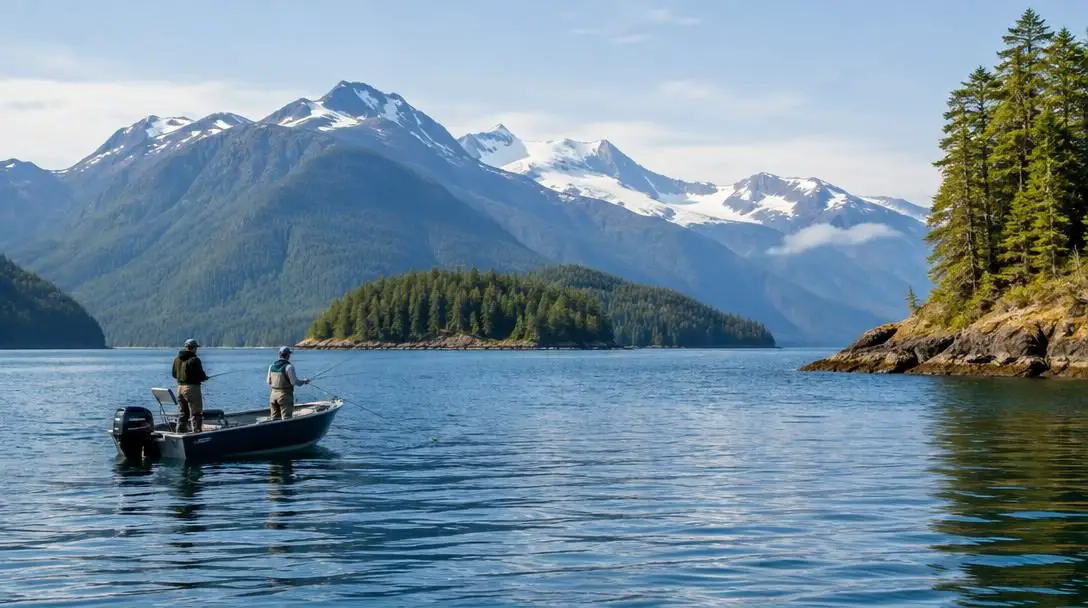
British Columbia holds a celebrated reputation as one of the most ecologically diverse sport fishing regions in North America. Spanning rugged Pacific shorelines, dense coastal rain forests, arid interior plateaus, and glacial valleys that stretch into the subarctic north, the province provides an exceptional range of freshwater and saltwater habitats. Anglers from around the globe journey here to pursue migratory ocean salmon, prehistoric river giants, and wild trout adapted to secluded alpine lakes.
Because the province covers thousands of square miles of varied topography and hydrology, choosing the right destination depends entirely on the angling experience you seek. Whether your goal is casting along accessible river bars near major metropolitan centers or navigating tranquil mountain waters far off the standard transit routes, understanding the distinct regional fisheries of British Columbia is the key to executing an unforgettable expedition.
Key takeaways
- British Columbia delivers diverse angling settings ranging from coastal tidal channels to subarctic glacial lakes.
- Migratory salmon, prehistoric white sturgeon, and native trout species each follow specific seasonal windows across the province.
- Productive fisheries exist close to urban hubs like Vancouver as well as remote northern wilderness hubs like Atlin and Teslin.
- Successful trips require matching your rod weights, terminal tackle, and presentation styles to regional flow and depth conditions.
- Anglers must secure distinct freshwater or tidal licenses and check water-specific conservation rules before heading out.
Ecosystems Shaping British Columbia's Fisheries
The remarkable productivity of British Columbia's fisheries is a direct result of its dynamic geography. Immense drainage networks like the Fraser River and the Columbia River carve through steep mountain ranges, establishing dynamic corridors that connect nutrient-rich interior watersheds with the Pacific Ocean. Along the coastline, these river channels welcome millions of returning salmon each year as they navigate inland to their natal spawning beds, sparking food chains that support apex predatory fish, local wildlife, and visiting anglers.
Moving away from the marine influence, the interior plateaus and northern reaches reveal thousands of glacial lakes and clear tributary networks. These interior basins remain cool throughout the open-water season, fostering nutrient cycles that allow resident trout and char to achieve extraordinary proportions. Because the province extends across significant degrees of latitude, conditions transition from mild, rain-soaked coastal valleys to harsh, ice-bound northern territories, dictating the biological timetables of aquatic insect hatches, migration runs, and peak angling windows.
Massive river corridors and pristine glacial lakes combine to create one of North America's most dynamic environments for native sport fish.
Top Destinations at a Glance
Every major fishing area in British Columbia offers unique water conditions, accessibility levels, and target species. The overview below highlights how the province's five primary angling destinations compare.
| Destination | Primary Water Type | Key Sport Fish | Notable Seasonal Highlight |
|---|---|---|---|
| Coastal Vancouver and Lower Fraser | Large tidal rivers and coastal tributaries | Chinook salmon, coho salmon, white sturgeon | Summer chinook migrations and autumn coho runs |
| Cultus Lake and Kamloops | Lowland recreational lakes and interior stillwaters | Rainbow trout, bull trout, largemouth bass | Year-round trout fishing and spring chironomid hatches |
| The Kootenays | Deep glacial lakes and large rushing rivers | Steelhead, kokanee salmon, whitefish, lake trout | Autumn steelhead run from late September to early December |
| Prince George Mountain Lakes | High-elevation reservoirs and small streams | Trophy rainbow trout, brook trout, bull trout | Open-water summer trolling and secluded creek wading |
| Atlin and Teslin | Subarctic glacial lakes and clear river mouths | Arctic grayling, cutthroat trout, rainbow trout | Pristine dry-fly action during the northern summer |
The Top 5 Fishing Destinations in British Columbia
From the bustling estuary systems of the southwest coast to the untouched shorelines of the Yukon border, these five regions represent the pinnacle of sport fishing in British Columbia.
Coastal Vancouver and the Lower Fraser River
- Key Species: Chinook salmon, coho salmon, white sturgeon
- Primary Waterways: Fraser River, Capilano River, Seymour River
- Access Points: Municipal riverfront parks, gravel bars, Fraser Valley boat ramps
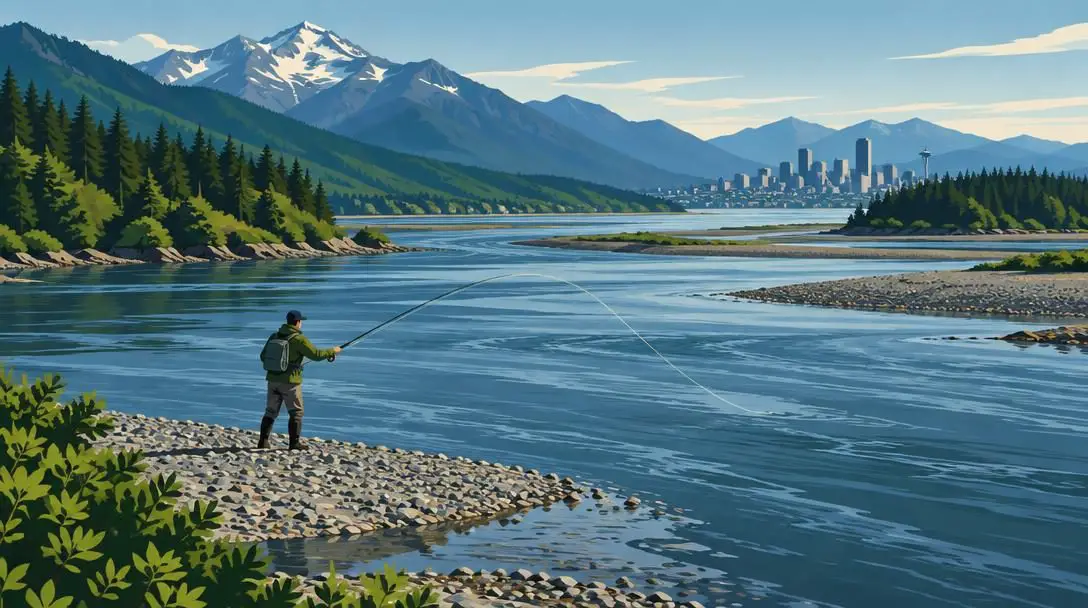
The waterways surrounding Vancouver combine urban convenience with access to world-class sport fish. Flowing directly past the Lower Mainland, the Fraser River functions as a major superhighway for Pacific salmon. During the heat of the summer, strong runs of chinook salmon (also known as king salmon) push into the mainstem river, testing the drag systems of heavy casting and spinning gear. As summer yields to autumn, smaller coastal tributaries such as the Capilano River and the Seymour River see clean influxes of coho salmon (silver salmon) staging in holding pools on their way upstream.
Beyond its salmon runs, the lower Fraser River around Chilliwack holds global acclaim as a premier destination for white sturgeon. These prehistoric freshwater giants can reach astonishing lengths and exert incredible fighting power. Because sturgeon feed along deeper bottom contours, anglers position specialized heavy gear in river holes and back eddies, using fresh baits to hook into what is widely regarded as British Columbia's ultimate freshwater test of endurance.
Cultus Lake and the Kamloops Region
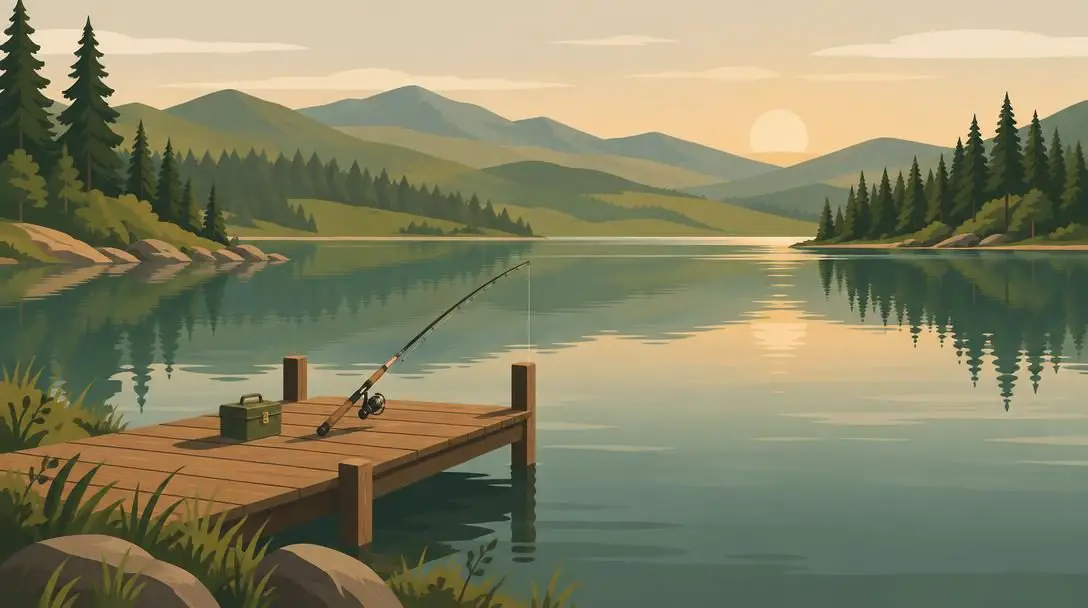
- Key Species: Rainbow trout, bull trout, largemouth bass, perch, northern pike
- Primary Waterways: Cultus Lake, Kamloops area interior lakes
- Travel Distance: Cultus Lake is approximately two hours east of Vancouver
Traveling eastward into the Fraser Valley and toward the Thompson Plateau reveals an angling scene centered around trout and warm-water species. Located roughly two hours outside Vancouver near Chilliwack, Cultus Lake provides an accessible and family-friendly fishery. Anglers target rainbow trout throughout the entire calendar year, utilizing trolling techniques across the open basin or casting from accessible shoreline perimeters. Cultus Lake also provides diversity with healthy numbers of largemouth bass, perch, and northern pike, which congregate in shallow bays and submerged weed beds.
Further east lies Kamloops, an internationally famous center for stillwater trout angling. The surrounding rolling landscape is dotted with hundreds of highly productive lakes where rich insect life allows resident rainbow trout and bull trout to thrive in high numbers and reach substantial weights. The region is particularly celebrated among fly anglers who match emerging aquatic insect hatches, though conventional spin anglers casting spoons and plugs also find steady action across these fertile interior waters.
The Kootenays

- Key Species: Steelhead, kokanee salmon, whitefish, lake trout
- Primary Waterways: Columbia River, Kootenay Lake system
- Peak Season: Late September to early December for river steelhead
Set against the backdrop of the Purcell and Selkirk mountain ranges, the Kootenay region presents dramatic alpine scenery paired with diverse river and lake fishing. The powerful Columbia River winds through broad valleys, sustaining rich populations of kokanee salmon (landlocked sockeye), whitefish, and heavy lake trout that cruise the depths of its lake-like reservoirs. Trolling deep with specialized hardware is a proven approach for covering water and locating dispersed schools of foraging game fish across these expansive lake systems.
For many dedicated river anglers, the primary draw of the Kootenay region is its exhilarating steelhead fishery. These ocean-going rainbow trout return to inland freshwater channels to spawn, bringing with them a reputation for relentless runs and acrobatic leaps. The annual steelhead run in this territory takes place from late September to early December, giving late-season anglers an opportunity to swing flies or drift presentations through classic walking-speed river pools in cool mountain air.
Prince George and the Central Mountain Lakes
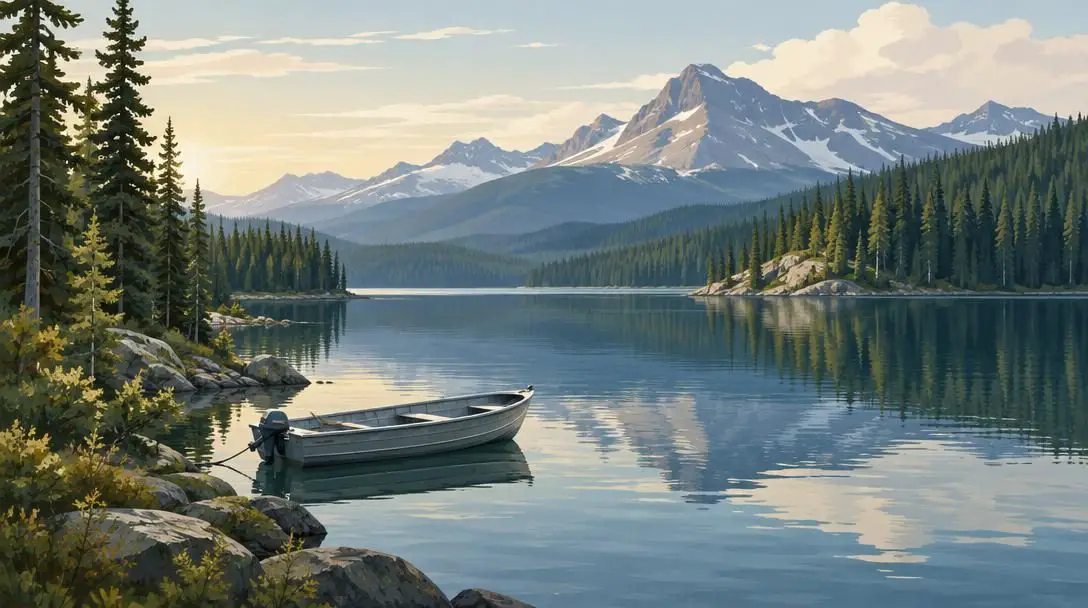
- Key Species: Trophy rainbow trout, brook trout, bull trout
- Primary Waterways: Ootsa Lake, Francois Lake, Williston Lake
- Terrain: Central interior plateau, mountain reservoirs, forested tributaries
Moving north into the central interior toward Prince George, the landscape shifts into vast wilderness expanses dominated by deep mountain reservoirs and labyrinthine river systems. The region has earned wide acclaim among fly anglers and boaters searching for secluded waters holding trophy-sized rainbow trout. Sprawling lakes such as Ootsa Lake, Francois Lake, and the massive Williston Lake provide immense expanses of open water where trout grow large by feeding on baitfish and rich benthic invertebrate populations.
In addition to its large boating waters, the territory around Prince George is threaded with small, cold tributary streams that cut through forested valleys. Anglers willing to explore these smaller flows will encounter rewarding settings to target brook trout and bull trout. Wading gravel shorelines and pitching light spoons, nymphs, or streamers into undercut banks, deep pockets, and pool tail-outs offers a peaceful, solitary fishing experience far away from heavier southern fishing traffic.
Atlin and Teslin
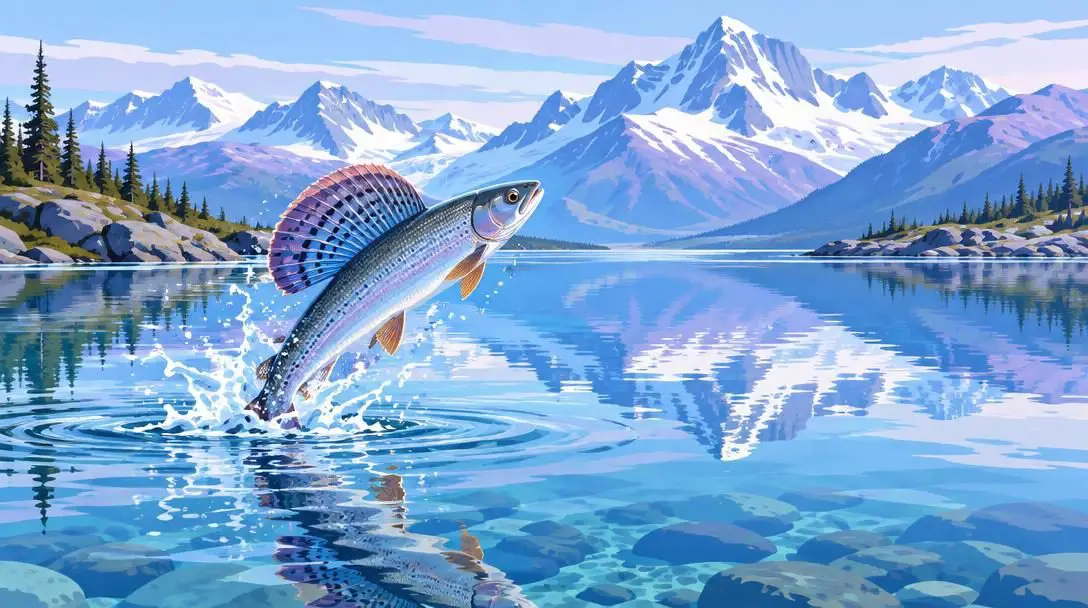
- Key Species: Arctic grayling, cutthroat trout, rainbow trout
- Primary Waterways: Atlin Lake, Teslin Lake
- Environment: Subarctic glacial lakes, remote northern borderlands
Positioned along British Columbia's far northern boundary near the Yukon border, Atlin and Teslin represent the ultimate frontier for wild, cold-water angling. These immense, glacially fed bodies of water remain exceptionally clear, clean, and cold throughout the summer months. Because of their distant location and limited road networks, fishing pressure in this subarctic zone remains remarkably low, preserving pristine conditions for native sport species.
The primary highlight of the northern borderlands is the world-class fishery for Arctic grayling. Recognizable by their oversized, iridescent, sail-like dorsal fins, grayling are eager surface feeders that readily rise to dry flies and strike miniature spoons cast into river mouths and clear lake margins. Both Atlin and Teslin also support strong native populations of cutthroat trout and rainbow trout, which frequent rocky points, drop-offs, and shallow shoreline flats where incoming creeks deliver cold, oxygenated water.
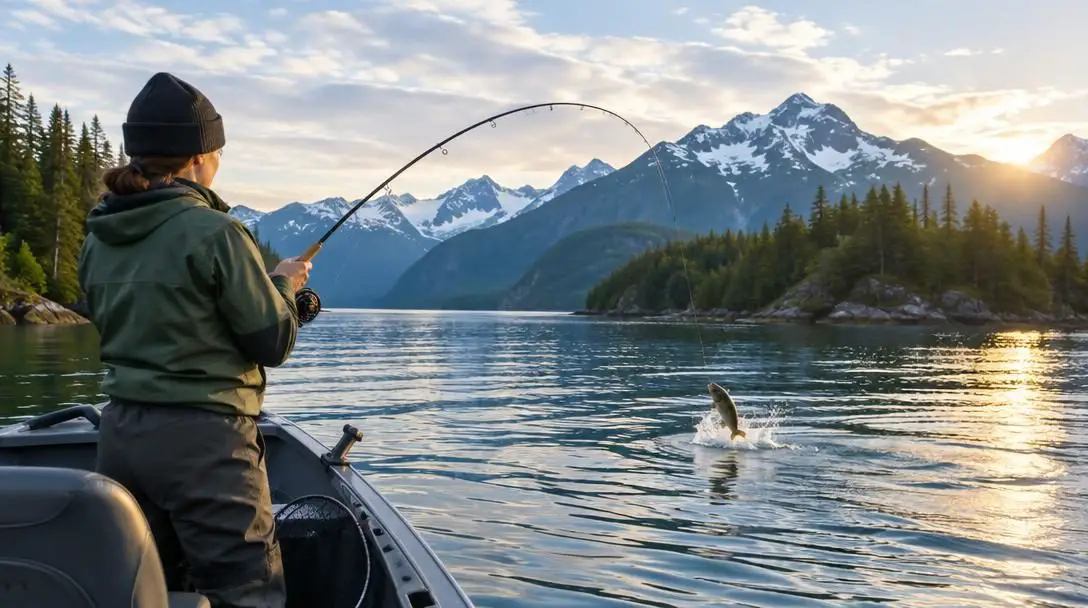
Tactics, Tackle, and Water Access Across BC
Succeeding on British Columbia's waters requires adapting your tackle and watercraft to the specific demands of each hydrological environment. Gear that shines on an interior trout lake will fall short when facing heavy tidal currents or massive river predators.
When fishing the lower Fraser River and coastal streams near Vancouver, sturdy equipment is mandatory. Salmon anglers pursuing chinook and coho rely on medium-heavy to heavy casting or spinning rods spooled with braided line or heavy monofilament. Popular presentations include cured salmon roe, heavy casting spoons, weighted spinners, and colorful drifting jigs designed to stay down in brisk flows. For Fraser River white sturgeon, anglers step up to heavy-duty conventional reels, high-test braided line, and specialized terminal bottom rigs baited with lamprey, salmon parts, or coarse fish, anchored firmly to the riverbed.
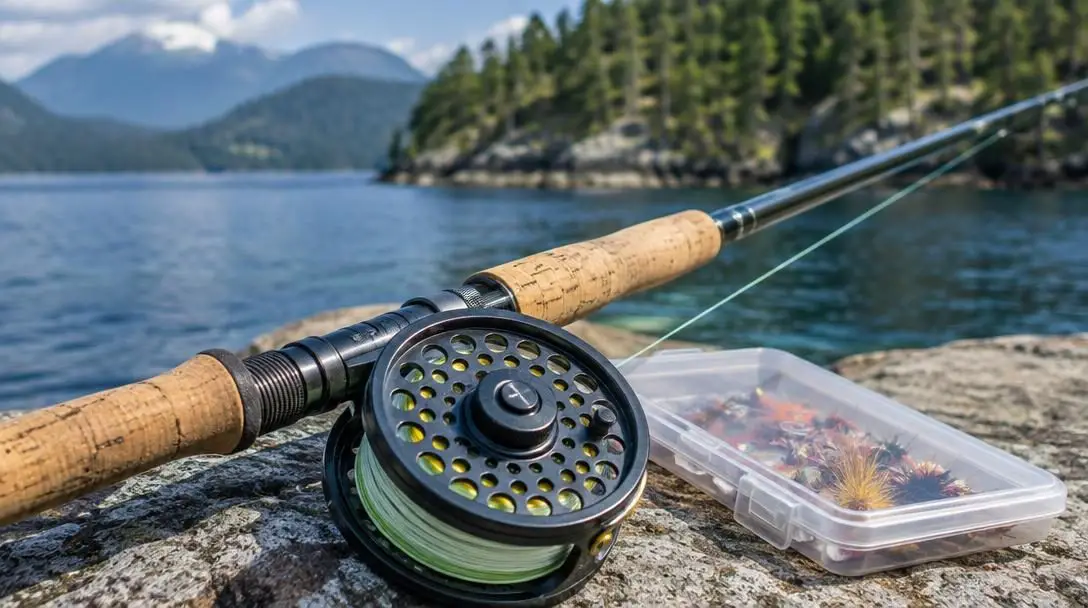
In the lakes of the Kamloops district and Cultus Lake, presentations shift toward finesse. Cultus Lake anglers often use light trolling setups with gang trolls, flatfish, or small spoons behind a boat, while shoreline anglers fish floating paste baits or natural offerings for trout. Targeting largemouth bass, perch, and northern pike at Cultus calls for medium-action rods throwing crankbaits, soft plastics, or weedless spoons around aquatic vegetation. In Kamloops, four-weight to six-weight fly outfits dominate the water, deploying floating or sinking lines with chironomid pupae, leech imitations, and dry flies. Spin anglers in the region focus on small gold or silver spinners and micro diving plugs.
Deep trolling setups are the standard method for locating kokanee salmon, lake trout, and whitefish in the Kootenays and large central reservoirs like Ootsa and Williston. Downriggers and lead-core lines help lower flashing blades, small hoochies, and deep-diving plugs into the thermocline where fish feed. When the autumn steelhead run arrives on the rivers, anglers shift to long two-handed Spey rods swinging heavy intruder flies, or long float-fishing rods configured to drift beads, jigs, and artificial roe smoothly beneath a slip float.
In the far northern waters of Atlin and Teslin, light tackle is the superior choice. Arctic grayling possess small, delicate mouths and sharp vision, meaning that small dry flies such as gnats and mayflies, tiny unweighted nymphs, or miniature inline spinners produce the highest catch rates. Casting near rocky shorelines and tributary mouths with light spinning tackle will reliably tempt cruising cutthroat and rainbow trout.
Step-by-Step Guide to Planning a British Columbia Fishing Trip
A successful angling journey across British Columbia requires thorough logistical preparation. Working through these methodical steps helps ensure your tackle, timing, and legal credentials are fully aligned before your line hits the water.
- Identify your target fish: Decide whether your primary objective is fighting coastal salmon, wrestling massive Fraser sturgeon, casting stillwater fly patterns for interior trout, or exploring northern rivers for Arctic grayling.
- Match your travel dates to regional seasons: Align your trip with established biological movements, such as Fraser chinook runs during peak summer, Capilano coho pushes in early autumn, or the late September through early December Kootenay steelhead migration.
- Secure the proper fishing licenses: Determine whether your planned destinations fall under non-tidal (freshwater) or tidal (marine) regulations. Purchase your official British Columbia freshwater fishing license and add any necessary classified waters tags, conservation stamps, or sturgeon endorsements.
- Review body-specific regulations: Read the current provincial synopsis for your target zones. Look out for single-barbless hook mandates, regional bait bans, local closures, and species retention quotas that vary lake by lake.
- Select and inspect your gear: Spool fresh monofilament or braid, service your drags, and build out tackle boxes with lures, downrigger tackle, or fly selections tailored to the specific depths and water currents of your destination.
- Confirm access points and transport logistics: Map out municipal parks, gravel bars, or provincial boat ramps. If you are venturing into Prince George mountain lakes or northern territories, check the conditions of gravel forestry service roads and ensure your vehicle is equipped for rough driving.
Frequently asked questions
When is the best time of year to target salmon in the Vancouver region?
Summer is prime time for chinook salmon along the mainstem Fraser River, while the autumn months offer the best action for coho salmon returning through coastal streams like the Capilano and Seymour rivers.
Where can I target white sturgeon in British Columbia?
The lower Fraser River near Chilliwack is the premier location for white sturgeon. Anglers position heavy-duty gear and natural bottom baits in deeper channels where these massive fish congregate.
What makes the Kamloops area such a famous trout fishery?
The Kamloops region features hundreds of fertile interior lakes rich in insect life. These productive stillwater ecosystems support dense, healthy populations of wild rainbow trout and bull trout, making it an ideal destination for fly and spin anglers.
When does the steelhead run happen in the Kootenays?
The annual steelhead run across the Kootenay region takes place during the late autumn season, extending from late September through early December.
What species are most common in the northern waters of Atlin and Teslin?
The remote northern lakes of Atlin and Teslin are renowned for world-class Arctic grayling fishing, alongside strong native populations of cutthroat trout and rainbow trout.
The bottom line
British Columbia stands apart as an exceptional angling territory thanks to its remarkable geographic scope and biological abundance. By selecting the right destination—from the coastal runs of the lower Fraser to the subarctic wilderness of Atlin and Teslin—and matching your tackle to seasonal conditions, you can experience the very best freshwater and coastal sport fishing Canada has to offer.