5 Countries Which Excel at Coffee
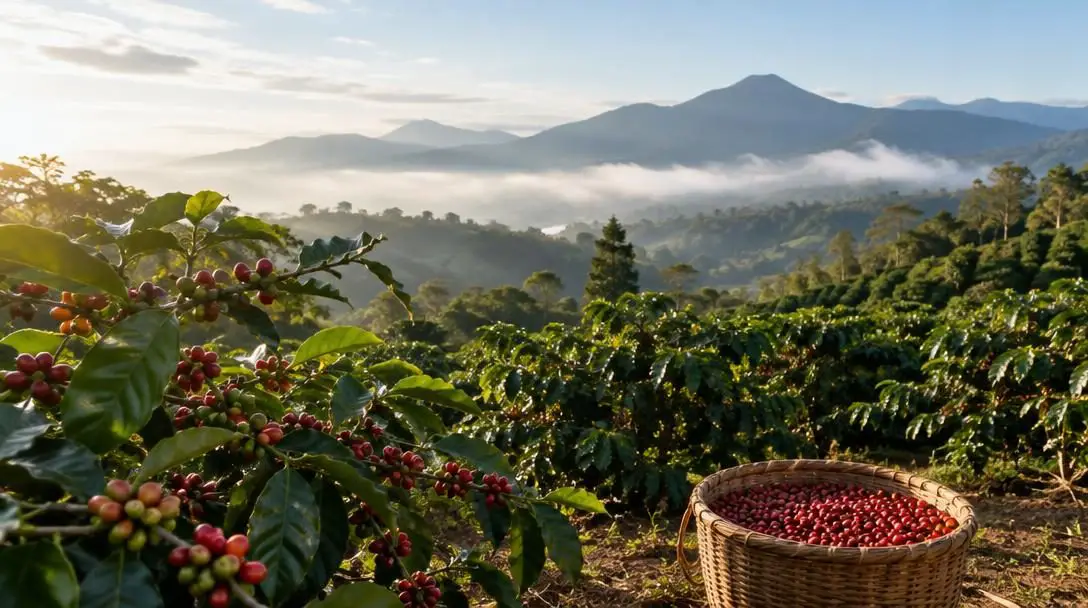
Travel allows people to explore vibrant cultures, dramatic landscapes, and unforgettable culinary traditions, yet certain daily rituals remain comfortingly consistent wherever you land. Brushing your teeth, choosing your clothes, and preparing for the day ahead follow familiar rhythms, but few morning habits are as universally cherished as reaching for a fresh cup of coffee. That steaming mug represents far more than a dose of morning motivation; it is a direct line to centuries of agricultural craft and artisanal technique.
Coffee excellence spans two distinct worlds: agricultural origin hubs that boast the ideal microclimates to nurture delicate crops, and preparation capitals that transform raw green seeds into masterfully extracted drinks. While hundreds of regions harvest or serve coffee, a handful of nations have set the benchmark for global quality. Whether celebrated for nutrient-rich volcanic soil, sweet arabica beans, or the invention of classic cafe drinks, these five countries have decisively shaped the international coffee landscape.
Key takeaways
- Colombia ranks as the third-largest coffee producer worldwide, celebrated for sweet arabica crops with a lower caffeine content that prevents mid-day jitters.
- Brazil supplies approximately one-third of the global coffee volume, offering naturally sweet, low-acidity beans that rank among the most expensive on Earth.
- Mexico produces top-ten global yields predominantly in its southern territory, where coffee is traditionally brewed with cinnamon and sugar.
- Kenya leverages rich volcanic soil to grow beans renowned throughout Europe and North America for their intense acidity and powerful flavor profile.
- Italy grows no coffee crops of its own due to climate and topography, but it revolutionized the beverage by inventing espresso, cappuccinos, and macchiatos.
At a glance: Five global coffee destinations
| Country | Global Standing | Signature Flavor & Bean Traits | Distinctive Tradition |
|---|---|---|---|
| Colombia | Third-largest producer globally | Arabica beans, sweet flavor profile, naturally lower caffeine | Western Hemisphere benchmark for gentle, all-day drinking |
| Brazil | Produces about one-third of the world's coffee | Low acidity, pronounced natural sweetness, premium pricing | Dominant commercial power since the 18th century |
| Mexico | Ranks in the top ten for production volume | Smooth, versatile crops harvested in the south | Simmering coffee with fragrant cinnamon and sugar |
| Kenya | Africa's premier specialty coffee origin | High acidity, bold intensity, complex mineral depth | Cultivation in mineral-laden volcanic soil |
| Italy | Global capital of preparation and extraction | Concentrated, syrupy espresso bases with balanced crema | Invention of espresso, macchiato, and cappuccino drinks |
Five countries setting the global standard for coffee
Colombia
- Global Production Rank: Third most bags in the world
- Primary Variety: Arabica
- Flavor Profile: Sweet taste with lower caffeine levels
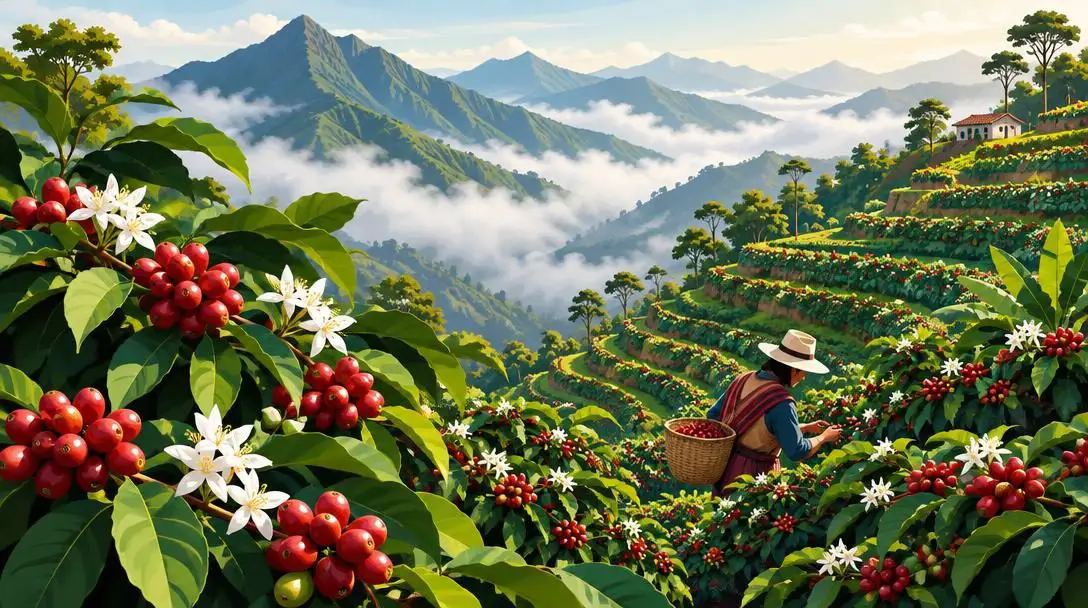
No discussion of Western Hemisphere coffee culture is complete without Colombia. Renowned across the globe for its agricultural heritage, Colombia holds a secure position producing the third most bags of coffee worldwide. The nation has built its reputation on high-grade arabica beans, which are celebrated for their gentle sweetness and balanced taste. For travelers and coffee enthusiasts who struggle with the physical side effects of caffeine, Colombian coffee provides a remarkably soothing alternative. Its naturally lower caffeine content allows drinkers to enjoy multiple cups throughout the day without suffering from nervous jitters or the abrupt energy crashes associated with harsher stimulant-heavy beans.
Brazil
- Market Share: Produces about one-third of the world's coffee
- Historical Origin: Coffee cultivation established in the 18th century
- Flavor Profile: Low acidity, naturally sweet, premium market value
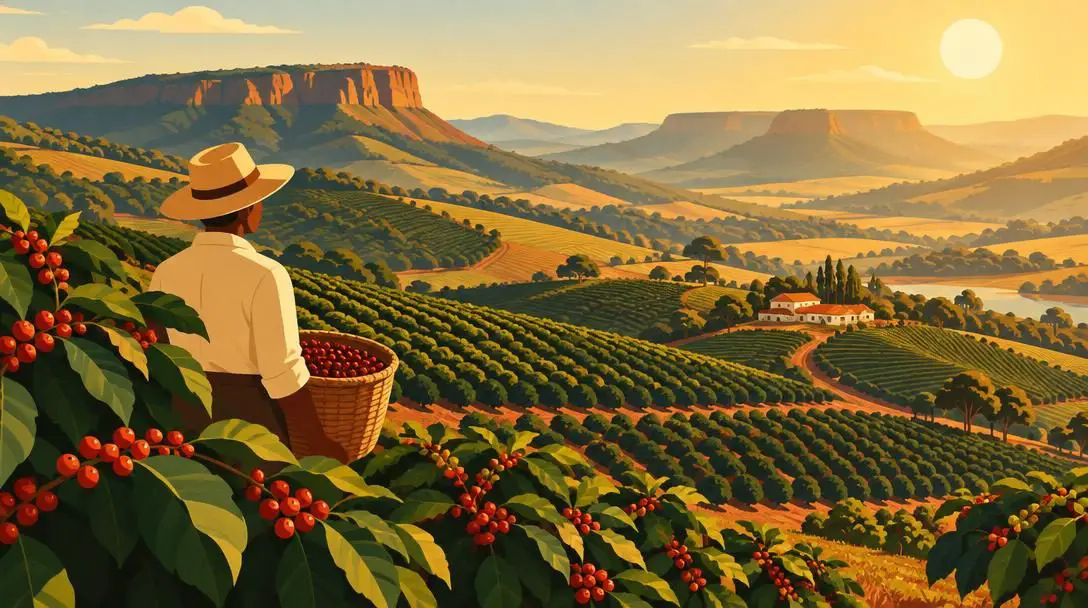
As an undisputed agricultural juggernaut, Brazil is responsible for producing approximately one-third of the world's total coffee supply. While the plant's history in Brazilian soil traces back only to the 18th century, the country quickly evolved into a massive coffee powerhouse. Brazilian beans are celebrated for their remarkably low acidity when compared to harvests from other continents, carrying a pronounced natural sweetness that makes them universally appealing to casual drinkers and seasoned roasters alike. Connoisseurs should note that this reputation commands a premium; beans originating from Brazil rank among the most expensive commodities on the global market.
Mexico
- Global Output: Ranks among the top ten producers worldwide
- Primary Growing Area: Southern region of the country
- Cultural Brew: Prepared with cinnamon and sugar
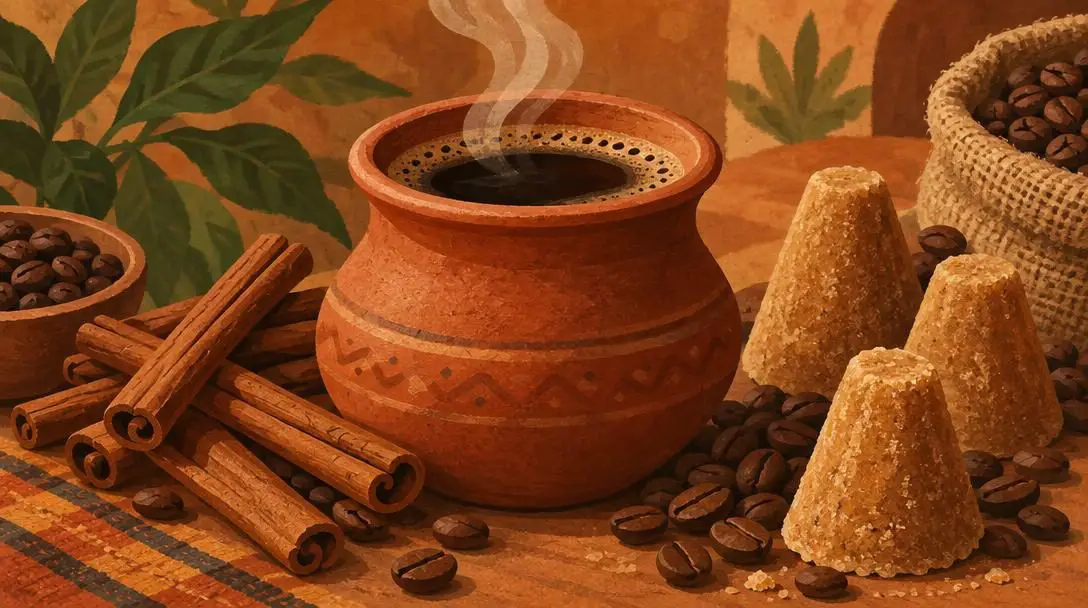
For coffee lovers situated in North America, premier coffee craftsmanship is right next door in Mexico. Consistently ranking within the top ten coffee producers on the planet by volume, the country has spent decades steadily increasing its total harvest. Nearly all of Mexico's coffee cultivation occurs across the lush, mountainous terrains of its southern states. Mexican coffee culture is equally distinguished by how the final beverage is served; rather than consuming the brew plain, the local tradition frequently incorporates cinnamon and sugar right into the brewing process, creating a spiced, sweet cup that highlights the deep notes of the native beans.
Kenya
- Regional Standing: Africa's standout coffee origin
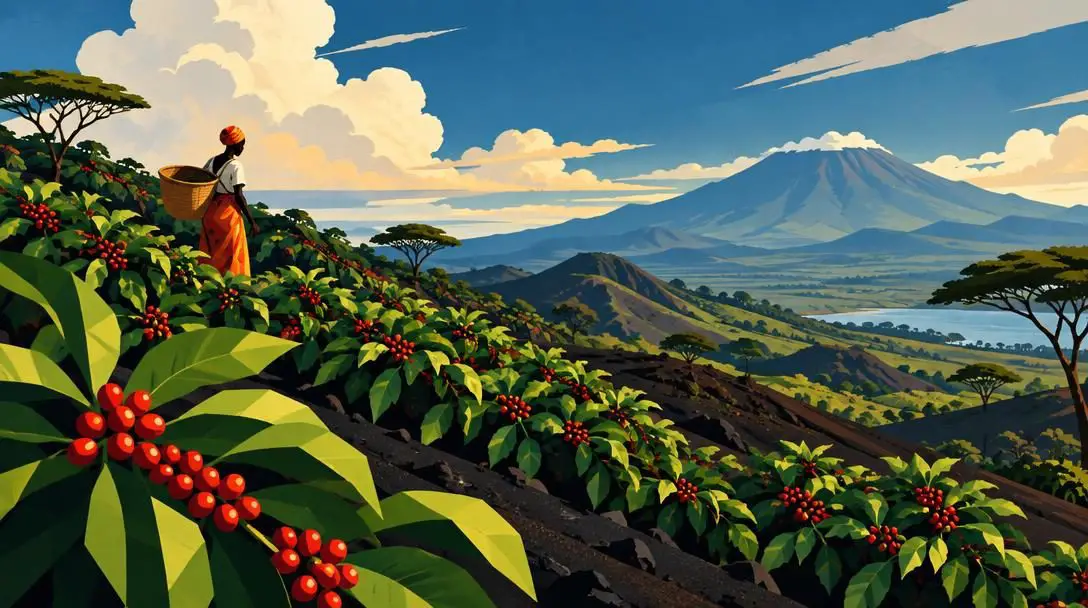
- Soil Composition: Nutrient-rich volcanic earth
- Flavor Profile: Strong flavor driven by bright, elevated acidity
While the African continent is home to several historic coffee-producing countries, Kenya stands out head and shoulders above the rest. Immensely popular among European coffee connoisseurs and experiencing a major surge of interest across North America, Kenyan coffee is famous for its vibrant, unapologetically punchy profile. The secret to this bold taste lies within the country's nutrient-dense volcanic soil, which creates an optimal breeding ground for coffee shrubs. The plants draw abundant minerals from this earth, yielding beans characterized by high acidity and an unmistakably powerful flavor that often leaves a lasting impression after the very first sip.
Italy

- Agricultural Role: Does not grow coffee due to topography and climate
- Global Specialty: Master of extraction, roasting, and cafe culture
- Key Inventions: Espresso, cappuccino, and macchiato
Travelers often wonder whether Italy cultivates its own crops, but the country's local climate and topography make agricultural coffee farming impossible. Despite growing zero beans within its borders, Italy has shaped modern coffee consumption more profoundly than almost any other society. The nation's genius lies entirely in the realm of preparation. Italian engineers and baristas pioneered innovative extraction methods, most notably inventing the high-pressure espresso machine. This technical breakthrough laid the foundation for world-famous coffee preparations, including the velvety cappuccino and the layered macchiato. Anyone walking through an Italian piazza can easily order an extraordinary, precisely engineered cup that redefined how the planet drinks coffee.
The science of flavor: From terroir to extraction
Achieving a world-class cup of coffee is an intricate chain reaction that links botany, geology, processing, and thermodynamics. The unique identity of any bean begins in the ground, governed by terroir. As seen in Kenya, mineral-laden volcanic earth infuses developing roots with nutrients that promote complex organic acids, whereas the high elevations of Colombia encourage gradual cherry development, yielding sweeter arabica beans with balanced sugars and milder caffeine concentrations.
Without precise extraction, even the finest harvest can produce an unpleasant beverage.
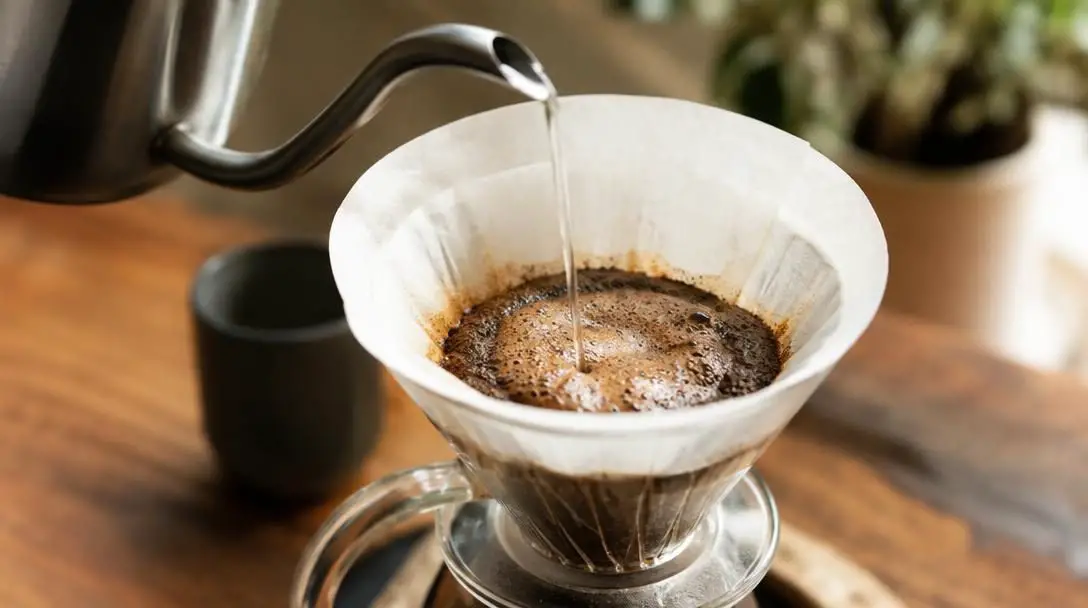
Once cherries are picked, the post-harvest separation of the fruit pulp from the inner seed dictates the body and acidity of the green bean. Brazil's traditional processing techniques capitalize on ambient conditions to keep bean acidity low while accentuating round, sugary flavor notes. The final hurdle occurs at the brewer: water temperature, grind uniformity, and pressure determine which aromatic compounds dissolve into liquid. Italian espresso machines push pressurized hot water through finely ground coffee, pulling rich oils and sweet solubles into an emulsified crema that cannot be duplicated by passive brewing methods.
A practical guide to tasting and exploring international coffees
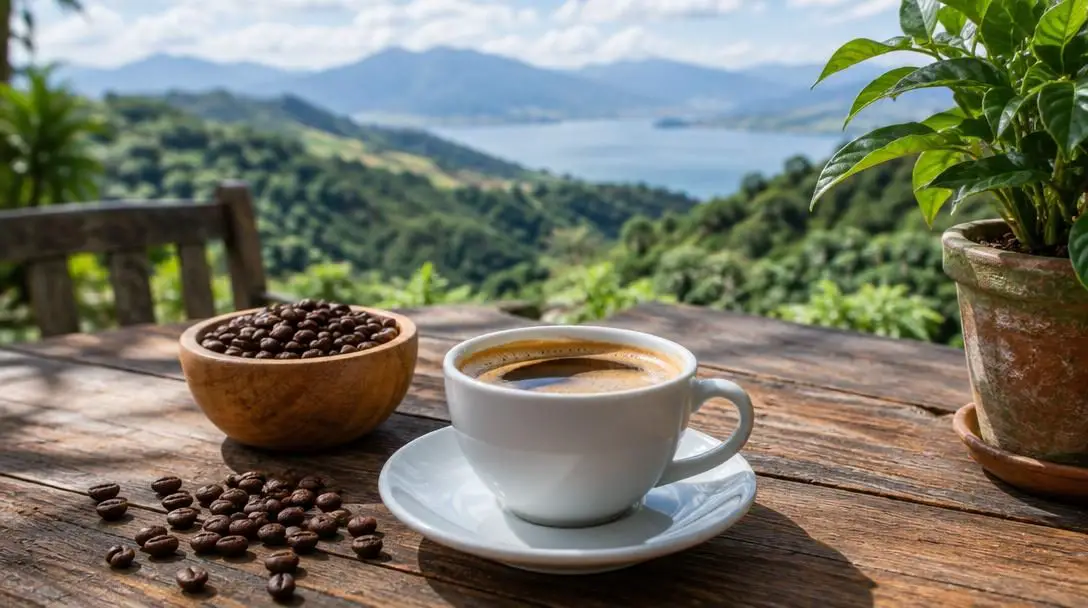
Exploring the sensory differences between these five coffee giants requires an intentional brewing approach. Use the following steps to evaluate the nuances of each origin from home:
- Source unblended single-origin beans from Colombia, Brazil, Kenya, and southern Mexico to taste each region's natural qualities without cross-regional interference.
- Match the roast profile to the bean origin, choosing lighter roasts to highlight Kenya's sharp acidity or Colombia's sweetness, and darker roasts for Italian-style espresso extraction.
- Grind your beans immediately before brewing with a burr grinder to ensure uniform particle size, avoiding the sourness and bitterness that stem from uneven extraction.
- Heat clean, filtered water to just below boiling, protecting delicate flavors from scorching while ensuring sufficient heat to release natural sweetness.
- Taste contrasting origins side by side, such as a bright Kenyan pour-over next to a low-acidity Brazilian brew, to immediately train your palate on regional acidity and sweetness variations.
Common brewing and selection pitfalls to avoid
Even exceptional beans from premier origins can fall flat if handled incorrectly. Avoid these frequent missteps when buying and preparing global coffees:
- Treating all beans identically during extraction instead of adjusting your brew parameters to suit Kenyan high acidity or Brazilian low acidity.
- Using inconsistent blade grinders that generate both fine dust and bulky boulders, ruining origin clarity through simultaneous over-extraction and under-extraction.
- Storing freshly roasted beans in transparent jars or unsealed bags exposed to heat, humidity, and direct sunlight, which rapidly degrades natural aromas.
- Ignoring bean caffeine profiles, especially if you are sensitive to morning jitters and could benefit from Colombian arabica's naturally gentler stimulant levels.
- Dismissing regional culinary traditions by insisting on drinking everything black, which overlooks cultural masterpieces like Mexican cinnamon-and-sugar brews or Italian cappuccinos.
Frequently asked questions
Does Italy grow any of its own coffee beans?
No, Italy does not cultivate its own coffee crops because its natural topography and Mediterranean climate are unsuitable for coffee farming. Instead, Italy achieved international coffee fame through its preparation mastery, inventing high-pressure espresso extraction alongside beloved drinks such as the macchiato and cappuccino.
Why does Colombian coffee cause fewer jitters?
Colombia produces arabica beans that possess a sweeter natural flavor alongside lower overall caffeine levels compared to robusta-heavy coffees. This milder caffeine concentration allows people to drink multiple cups without experiencing sudden crashes or nervous stimulants.
What makes Kenyan coffee taste different from South American varieties?
Kenyan coffee trees grow in rich volcanic soil, which imbues the beans with exceptional mineral nutrients. This terroir produces a stronger flavor profile characterized by vivid, elevated acidity, contrasting sharply with the low acidity and mild sweetness found in Brazilian crops.
How is coffee traditionally prepared in Mexico?
In Mexico, where production flourishes across the southern region, coffee is traditionally brewed together with cinnamon and sugar. This method creates a warm, spiced beverage that complements the natural notes of the locally harvested beans.
Why is Brazilian coffee considered so expensive?
Brazil supplies about one-third of all global coffee and has maintained an industry stronghold since the 18th century. Its coffee is widely sought after for its naturally sweet, exceptionally low-acidity profile, making top-tier Brazilian harvests command premium prices in international markets.
The bottom line
The journey from a rural mountainside shrub to an aromatic morning mug reveals the incredible diversity of world coffee culture. Excellence is not confined to a single climate or method. In Colombia, gentle arabica beans provide a jitter-free, naturally sweet foundation, while Brazil leverages centuries of production expertise to supply low-acidity crops at a global scale. In southern Mexico, centuries of agricultural growth merge seamlessly with cinnamon-spiced brewing traditions, and Kenya harnesses fertile volcanic hillsides to generate cups of unforgettable acidic brightness. Meanwhile, Italy proves that human ingenuity and engineering can turn raw imports into an international cafe standard. By exploring these five distinct powerhouses, any coffee enthusiast can transform an everyday morning routine into an inspiring world tour.