
5 Couriers With The Best Customer Service

Finding an efficient, dependable, and reliable courier is one of the most critical operational decisions any modern business or individual shipper can make. When goods leave a fulfillment facility, local storefront, or residential doorstep, the sender places immense trust in the shipping partner to complete the delivery safely and punctually. Courier interactions often represent the only direct, physical touchpoint between an online merchant and its end consumers. When a parcel experiences transit delays, routing errors, or package damage, the quality of customer support determines whether the issue becomes a momentary inconvenience or a damaging ordeal.
World-class courier customer service is built upon accessibility, prompt communication, and a willingness to provide individualized assistance across every phase of delivery. By prioritizing round-the-clock responsiveness, digital self-service tools, and knowledgeable human support desks, the industry's leading carriers resolve transit disruptions smoothly while generating positive word-of-mouth marketing for the businesses that depend on them.
Key takeaways
- Superior courier customer support protects brand reputation by transforming logistics disruptions into swift, professional solutions.
- Leading international and domestic carriers blend automated virtual assistants with direct live phone, chat, and physical branch support.
- Specialized features like proactive delivery management portals and automated SMS updates give recipients direct control over incoming parcels.
- Resolving shipping issues quickly requires preparing documentation in advance and selecting the communication channel best suited to the urgency of the problem.
At a glance: Top courier customer service networks
| Courier | Primary Support Channels | Key Service Features | Core Operational Strength |
|---|---|---|---|
| FedEx | Virtual Assistant, phone, live chat, in-person counters | FedEx Delivery Manager, real-time electronic chat | Comprehensive self-service and personalized face-to-face attention |
| UPS | 24/7 technical help desk, virtual assistant, live chat | Continuous weekend access, storefront integration support | Round-the-clock availability for domestic and international logistics |
| DHL Express | Email ticketing, dedicated telephone advisors, web portal | Local advisor routing, clear digital paper trails | Time-sensitive international transit and cross-border tracking |
| Aramex | Physical depot offices, virtual phone lines, email support | Customs clearance assistance, regional office access | On-the-ground support and streamlined cross-border administration |
| LaserShip | Online help center, live web chat, SMS alerts, phone | Mobile text updates, rapid intervention out-for-delivery support | Modern 24/7 communication tailored for e-commerce fulfillment |
The 5 couriers setting the standard for customer service
While logistics providers face unpredictable hurdles ranging from severe weather to regional customs backlogs, the couriers with the highest customer satisfaction separate themselves through the speed, empathy, and reach of their assistance infrastructure. The following carriers maintain sophisticated communication networks that connect customers to prompt answers whenever questions arise.
FedEx
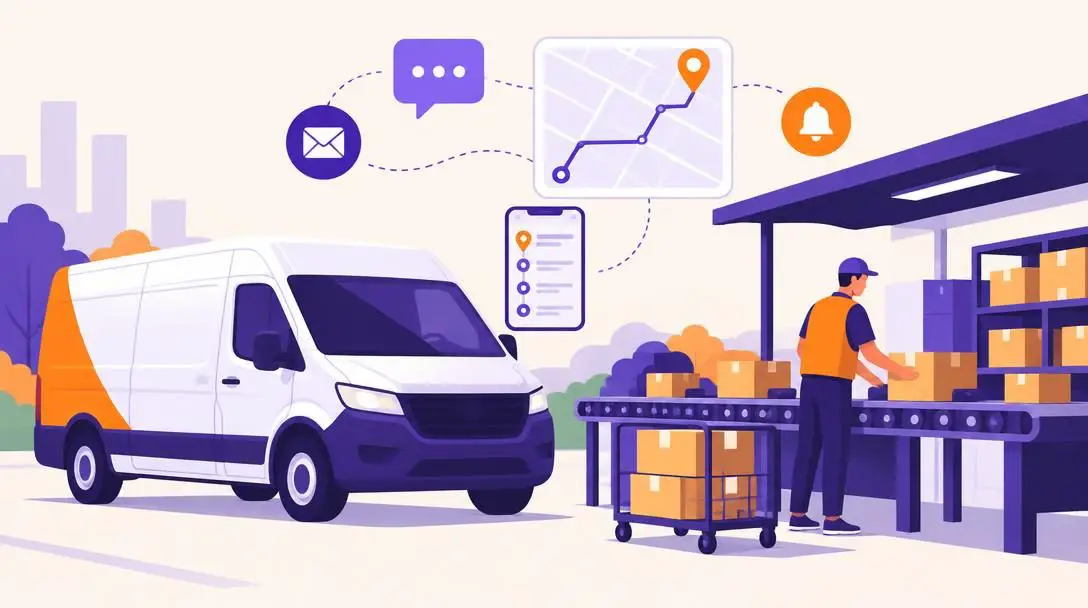
- Support channels: Virtual Assistant, FedEx Delivery Manager, live chat, phone support, in-person locations
- Core specialty: Flexible parcel rerouting and face-to-face retail assistance
FedEx has earned an international reputation for world-class customer service by offering a layered support system that balances sophisticated automation with traditional personal interaction. Senders and recipients who require immediate guidance can engage the FedEx Virtual Assistant, an automated tool capable of answering tracking and scheduling questions without waiting on hold for a live agent.
For individuals seeking hands-on control over incoming parcels, the company offers the FedEx Delivery Manager. This platform empowers recipients to customize drop-off dates, designate safe drop locations, or request parcel holds at local retail partner points. When logistical issues require hands-on troubleshooting, customers can pivot seamlessly to real-time chat support, telephone agents trained in complex logistics, or walk into one of the carrier's physical locations for personalized, face-to-face attention.
UPS

- Support channels: 24/7 technical desk, virtual assistant, live chat tools, customer phone lines
- Core specialty: Round-the-clock technical troubleshooting and domestic and global transit support
Recognizing that seamless shipping is vital for commercial enterprises and everyday consumers alike, UPS operates an extensive, round-the-clock support network. The carrier provides true 24/7 customer and technical support across both domestic and international shipping pipelines, ensuring that senders are never left stranded during critical shipment cycles.
The UPS infrastructure incorporates an intelligent virtual assistant designed to deliver fast answers at any hour of the day or night. For more intricate shipping dilemmas, real-time live chat tools allow customers to connect directly with specialists to correct routing mistakes, initiate intercepts, or schedule pickups. Furthermore, UPS provides specialized technical support to assist online merchants in integrating automated shipping software into their web storefronts, maintaining consistent assistance across both standard business weekdays and busy weekends.
DHL Express

- Support channels: Email paper trail system, web portal, dedicated advisor telephone lines
- Core specialty: Cross-border logistics coordination and regional customs advisory
For time-sensitive shipments traversing global frontiers, DHL Express provides customer service built specifically to navigate international trade. Moving goods across international boundaries frequently introduces complex clearance procedures, making access to knowledgeable support staff an essential operational requirement for commercial shippers.
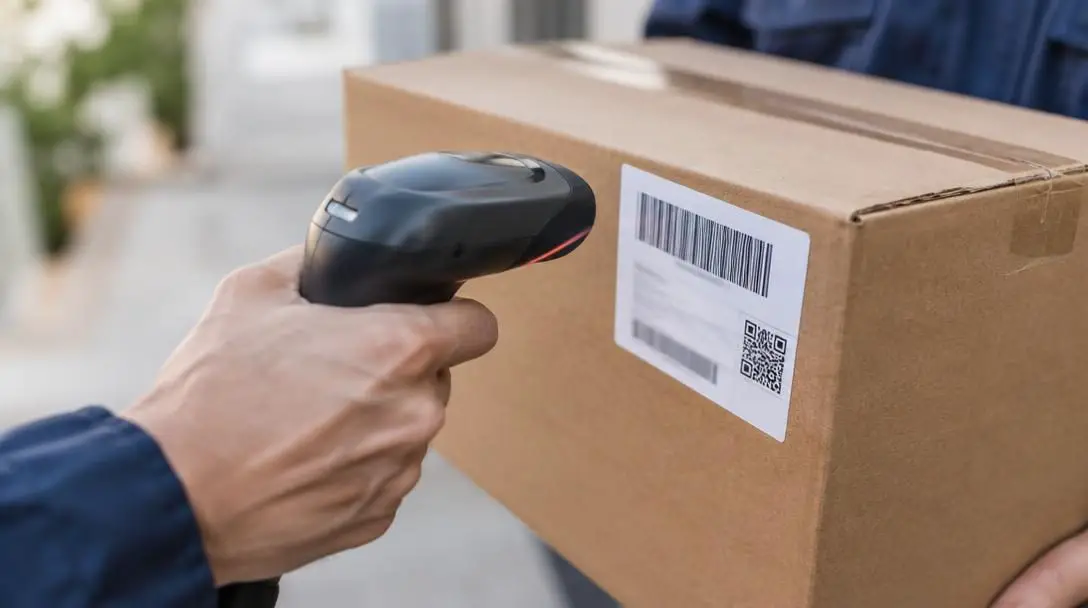
DHL Express maintains an easy-to-use email support framework that guarantees a dependable documented paper trail for multi-leg logistics claims and detailed delivery inquiries. Complementing this is an intuitive web portal designed for parcel monitoring and scheduling cross-border pickups. Callers contacting DHL Express reach dedicated telephone advisors who can immediately route inquiries to local operational staff, ensuring that shippers receive answers informed by regional expertise rather than generic scripts.
Courier interactions often serve as the only direct, physical touchpoint between an online business and its end consumers.
Aramex
- Support channels: Physical branch offices, virtual phone lines, email support desks
- Core specialty: Customs clearance processing and direct regional staff accessibility
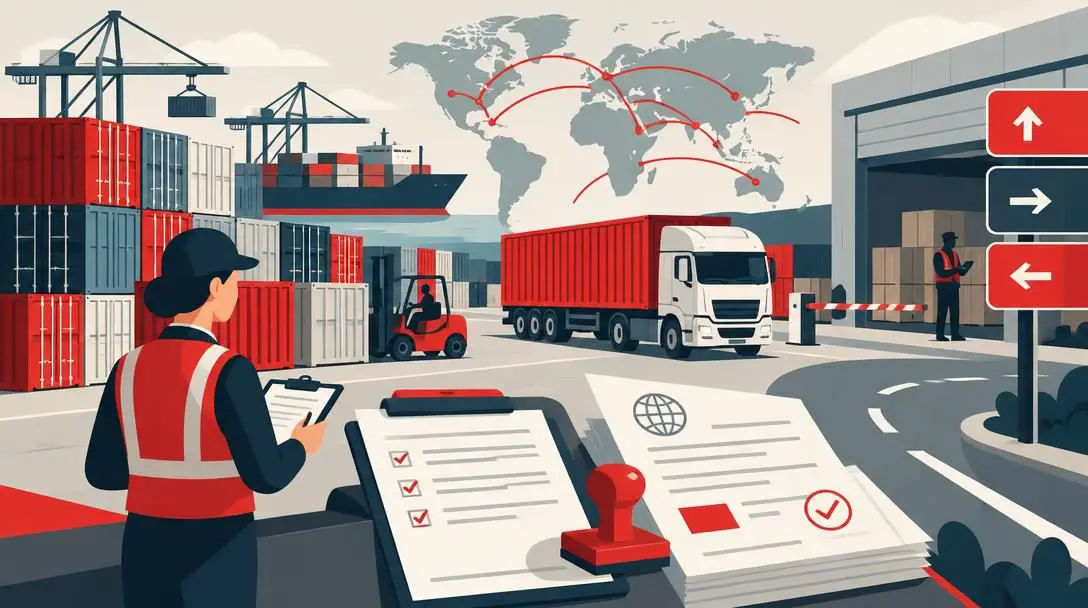
Aramex has established a strong global presence by focusing on accessible, localized customer care. The carrier understands that navigating international parcel handoffs requires proactive operational communication, which is why it provides direct access to logistics personnel through physical branch offices situated in key commercial territories.
Shippers and recipients utilizing Aramex can choose between virtual telephone networks and traditional email support desks to receive detailed, prompt answers to complex logistical questions. A distinct advantage of the Aramex support model is its specialized focus on customs clearance assistance. By guiding clients through complex tariff documentation, border regulations, and import declarations, Aramex minimizes costly transit bottlenecks and keeps cross-border deliveries moving on schedule.
LaserShip

- Support channels: Online help centers, live chat, SMS text messaging, telephone lines
- Core specialty: E-commerce fulfillment support and real-time mobile order alerts
LaserShip has positioned itself as an agile logistics partner tuned directly to the rapid pace of the modern e-commerce fulfillment sector. The carrier focuses heavily on consumer-friendly digital communication, ensuring that online shoppers and retailers have access to fast, accessible assistance throughout the last-mile delivery cycle.
The carrier's support structure features an expansive online help center containing searchable troubleshooting guides for routine shipping challenges. For shipments already out on delivery vehicles, integrated web chat features enable rapid support interventions before a parcel is dropped off. LaserShip also offers automated text message updates sent directly to consumer mobile devices, alongside around-the-clock phone support, providing consumers with multiple convenient avenues to address questions at any time.
How modern courier customer service systems operate
Courier customer support relies on a tiered operational model designed to balance rapid automation with human expertise. Understanding this organizational structure enables senders and recipients to choose the most efficient path toward resolving shipment challenges.
The foundational tier consists of automated self-service technologies. When a user queries a carrier tracking portal, initiates an online chat with a virtual assistant, or navigates a digital knowledge center, the interface communicates directly with core logistics databases. These systems retrieve raw scan data, timestamps, vehicle assignments, and facility locations. Automated tools successfully address the vast majority of routine inquiries—such as checking expected delivery windows or retrieving proof of delivery—without requiring human intervention.
The secondary tier comprises live customer support personnel working across chat, email, and call centers. When automated systems detect a delivery exception, such as an incomplete address or an inaccessible gate, the file escalates to a live representative. These specialists possess operational permissions to open formal tracking investigations, contact local distribution hubs, instruct drivers via dispatch systems, and update active routing instructions on packages in transit.

The final tier involves localized operational touchpoints and physical facilities. This level includes station managers at sorting hubs, customer counters at retail depots, and licensed customs brokerage agents. These professionals handle localized parcel management, verify identity documentation for restricted goods, process physical parcel inspections for damaged items, and navigate local regulatory compliance for international freight.
Step-by-step guide to resolving courier delivery issues
While leading carriers provide accessible communication desks, the clarity and preparation of the customer directly influence how quickly a shipping discrepancy is resolved. Following a structured resolution process minimizes delays and prevents communication errors.
- Gather essential shipment documentation: Locate your parcel tracking code, commercial invoice, item description, origin and destination addresses, and any digital delivery exception notices before contacting support.
- Check automated self-service portals: Use the carrier's digital delivery manager or virtual assistant to determine whether simple options like signature releases, neighbor drop-offs, or depot holds can be scheduled online immediately.
- Select the appropriate contact method: Use live chat or telephone desks for immediate in-transit problems requiring driver intervention; reserve email support for complex claims that require file attachments and written paper trails.
- Explain the problem factually: Present an objective summary outlining what was scheduled to occur versus the current tracking status, omitting emotional language to keep the representative focused on operational facts.
- Record case details: Note the representative's name, the unique support ticket or case reference number, and the precise operational steps promised during the exchange.
- Follow up within the established window: If the tracking status does not reflect the agreed-upon correction within the timeframe provided by the carrier, contact the support desk again referencing your existing ticket number.
Mistakes to avoid when dealing with courier support
Many shipping complications escalate into prolonged disputes because of simple missteps made during the booking or troubleshooting phase. Shippers can avoid unnecessary delays by watching out for common communication errors:
- Omitting complete delivery details: Leaving out apartment numbers, commercial suite designations, gate codes, or recipient phone numbers frequently triggers delivery exceptions that require manual support interventions.
- Delaying claims filing: Waiting weeks to notify a carrier of a missing parcel or damaged carton can exceed the courier's official reporting window, voiding potential insurance reimbursements.
- Opening duplicate support requests: Contacting a carrier simultaneously via phone, web chat, and email for the same tracking number creates competing service tickets in the database, often slowing down internal investigations.
- Discarding packaging prematurely: Tossing out damaged exterior boxes, bubble wrap, or mailing labels eliminates physical evidence needed by courier adjusters to verify handling claims.
- Overlooking customs paperwork: Omitting detailed commodity descriptions, harmonized tariff codes, or tax documentation on cross-border shipments inevitably leads to extended customs holds that standard customer support desks cannot immediately lift.
Selecting the right courier partner for your shipping needs
Selecting a courier partner requires balancing shipping budgets with the quality of customer care your parcels will receive. Different logistics networks excel in distinct shipping scenarios, making it vital to match carrier strengths with your core priorities.
Businesses shipping cross-border goods must evaluate a carrier's international infrastructure. Providers like DHL Express and Aramex maintain dedicated customs clearance teams and regional advisors capable of resolving border delays swiftly. Conversely, merchants whose business model relies heavily on regional consumer e-commerce may benefit more from LaserShip's direct mobile text messaging and out-for-delivery communication channels.
For general domestic shipping, evaluating the flexibility of tools like the FedEx Delivery Manager or the 24/7 technical and weekend availability of UPS is crucial. Providing end consumers with self-service tools to reschedule drop-offs or reroute parcels dramatically reduces the burden on your internal customer service team while keeping consumer satisfaction high.
Frequently asked questions
Which courier offers the best 24/7 technical and customer support?
UPS provides continuous 24/7 technical and customer support across weekdays and weekends, making it a reliable option for both international operations and merchants requiring storefront software assistance.
How can recipients manage delivery dates and drop-off points with FedEx?
Recipients can use the FedEx Delivery Manager, a specialized digital platform that allows users to adjust delivery times, specify safe drop-off locations, or redirect packages to nearby holding facilities.
What makes DHL Express effective for international shipping questions?
DHL Express operates a dedicated phone advisory network that routes inquiries directly to regional logistics specialists, complemented by an email support system that maintains a clear documentation trail for complex cross-border shipments.
Why is Aramex recommended for shipments requiring customs clearance?
Aramex provides dedicated assistance with customs clearance procedures, utilizing physical branch offices and experienced logistics professionals to help clients navigate international trade regulations and paperwork.
How does LaserShip communicate delivery updates to e-commerce customers?
LaserShip utilizes automated text message services, online help centers, live chat tools, and phone support to provide real-time updates and address questions while packages are out for delivery.
The bottom line
A courier's customer service infrastructure is just as important as its fleet of delivery vehicles and sorting facilities. Logistics disruptions are an inevitable reality of global supply chains, but carriers that prioritize transparent communication, broad support accessibility, and rapid problem resolution protect the reputation of the businesses they represent. By leveraging the automated tools, dedicated desks, and localized branches of industry leaders like FedEx, UPS, DHL Express, Aramex, and LaserShip, shippers can ensure their parcels are backed by dependable support from pickup to final delivery.





