How to make it in CGI
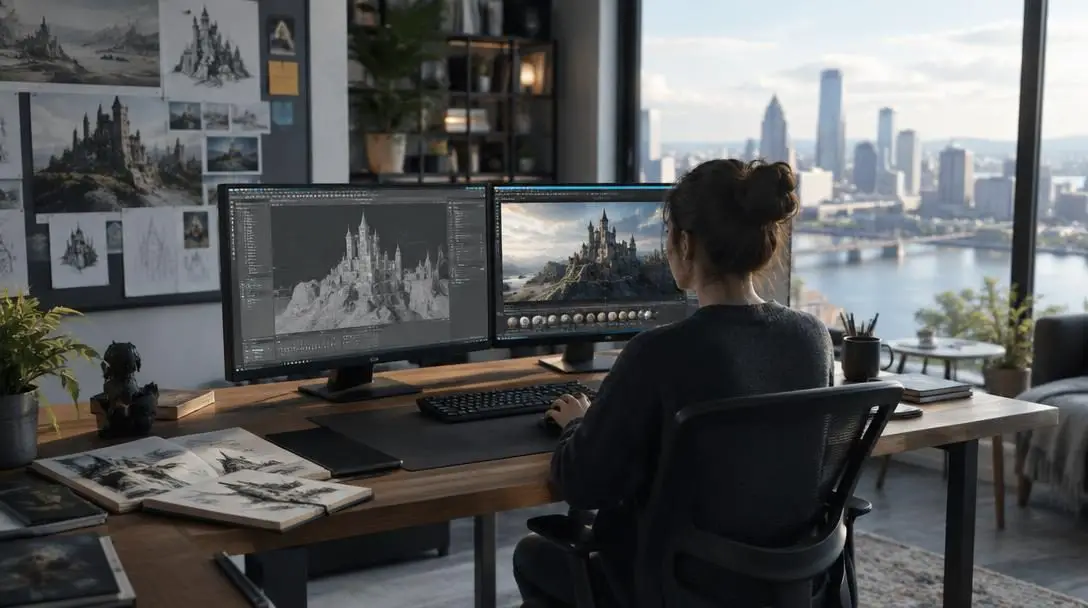
Computer-generated imagery, universally known as CGI, continues to experience surging demand across the entertainment and commercial sectors. From Hollywood blockbuster visual effects that transport audiences to impossible fantasy realms to real-time assets that populate expansive open-world video games and contemporary fine art, digital imagery has become an indispensable medium of contemporary visual culture. Despite the pervasive visibility of digital graphics in modern media, discovering how to establish a sustainable career within the CGI sector remains a formidable challenge for aspiring artists.
The field sits at the demanding intersection of creative visual fundamentals and rigorous computer science. Newcomers routinely confront a steep learning curve as they navigate intricate 3D software suites, collaborative digital production pipelines, and continuously escalating fidelity standards. Whether your aspiration involves designing digital doubles for feature films or sculpting assets for interactive gaming environments, breaking into the industry requires deliberate technical specialization, disciplined daily workflow habits, and proactive networking.
Key takeaways
- Specializing in a focused discipline—such as character modeling, rigging, animation, environments, or lighting—is far more effective than trying to master every stage of the pipeline at once.
- Studios require thorough knowledge of human anatomy, behavioral mannerisms, and micro-level surface details like fabric weaves, hair strands, and light reflections.
- Earning a formal bachelor's degree in art, computer graphics, animation, or computer science provides structured training that fulfills standard studio hiring expectations.
- Applying the Eisenhower Decision Matrix enables artists to prioritize urgent and important tasks under demanding studio deadlines.
- Developing genuine industry relationships on platforms like LinkedIn unlocks vital mentorship, practical delegated tasks, and long-term career opportunities.
Inside the Modern CGI Production Pipeline
To establish a career in digital arts, you must understand that computer graphics production operates as a collaborative assembly line. Rarely does a solo creator produce an entire cinematic sequence or video game single-handedly. Instead, professionals work within large teams where specialized departments handle distinct phases of asset creation before passing the work along the pipeline.
The workflow commences with conceptual design, where visual concepts are drafted and approved. Once the designs are established, 3D artists construct the core digital models. This encompasses characters, mechanical props, environmental structures, and panoramic backgrounds built within virtual three-dimensional space. Every asset must be constructed with clean geometry so it can function efficiently in subsequent production stages.
Following geometric construction, assets enter the rigging phase. Technical artists construct intricate digital skeletons that establish the rotational limits, joint hinges, and muscle deformations of a model. This structural armature enables animators to articulate the figures with convincing body mechanics, facial expressions, and natural mannerisms.
Concurrently, digital surfaces must be enriched through surfacing and texturing. Studio hiring managers look for artists who demonstrate microscopic attention to detail. Textures must accurately represent real-world physics, capturing elements such as the individual threads woven into a garment, natural surface reflections across diverse materials, and each distinct strand of hair on a character's scalp. Finally, lighting artists illuminate the scene, establishing dramatic mood, clarifying spatial depth, and harmonizing synthetic 3D elements with digital backgrounds or live-action footage before the frames are rendered into final imagery.
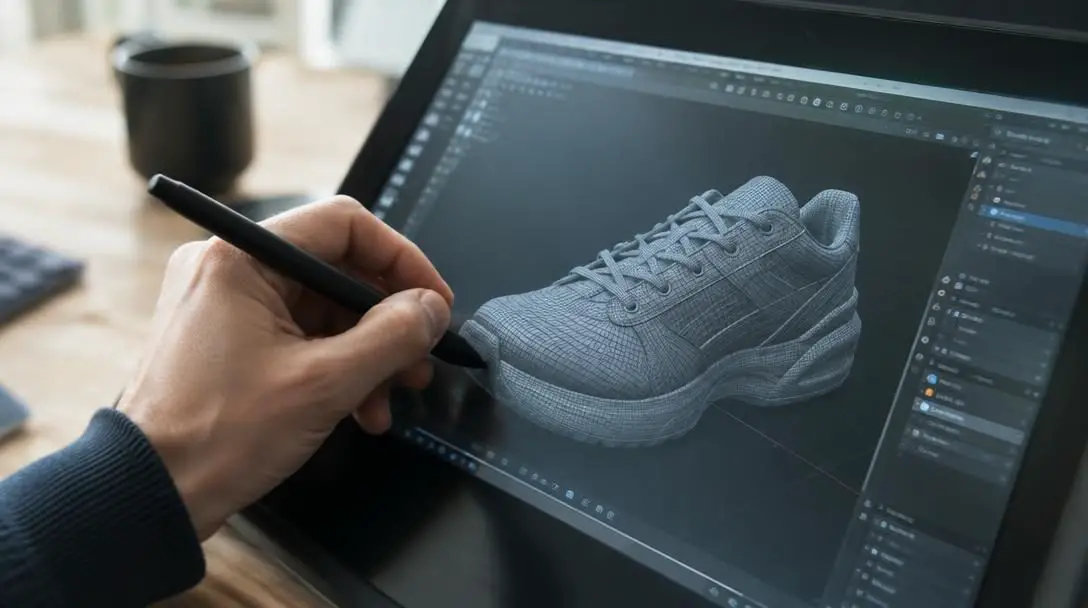
In modern studio pipelines, technical precision and hyper-realistic surface detail mean nothing if a digital character lacks the authentic weight of human anatomy and emotional mannerisms.
Core CGI Career Tracks and Specializations
Because modern digital pipelines involve deep technical and artistic complexity, attempting to master every facet of the discipline often leads to creative fatigue and surface-level competency. Determining your area of specialization early in your development allows you to tailor your portfolio to the specific demands of prospective employers.
| Specialization | Primary Pipeline Role | Core Technical and Artistic Focus | Key Portfolio Deliverable |
|---|---|---|---|
| Character Art & Modeling | Asset Creation | Human anatomy, structural proportions, digital sculpting | High-fidelity character busts and full-body sculpts |
| Rigging & Animation | Asset Articulation | Digital skeletal armatures, kinematics, expressive mannerisms | Dynamic motion studies and articulation control tests |
| Environment & Prop Art | World Building | Architectural construction, hard-surface modeling, spatial layout | Detailed environmental vignettes and prop collections |
| Digital Lighting & LookDev | Visual Atmosphere | Color temperature, shadow falloff, scene composition, shaders | Multi-light mood passes and rendered sequence integration |
Foundational Knowledge: Anatomy and Academic Training
A frequent error among self-taught digital artists is diving straight into complex 3D software without first mastering foundational visual principles. If you intend to work in character modeling, digital sculpting, or character rigging, developing an expert understanding of human anatomy is non-negotiable. Artists must understand skeletal structure, muscle distribution, and proportional balance. When limbs are rendered unnaturally long or facial features sit out of alignment without clear stylistic purpose, viewers instinctively perceive the model as unconvincing.
Anatomical mastery remains equally essential for stylized or exaggerated aesthetics. Even when creating cartoony or non-photorealistic figures, grounding them in real-world human behavior ensures that expressions, physical weight shifts, and movement stay emotionally compelling and relatable to an audience.
In addition to independent artistic study, pursuing formal higher education remains a proven pathway into commercial studios. Given the intricate mathematical and artistic principles underpinning computer graphics, many entry-level and advanced studio positions require candidates to hold a bachelor's degree. Pursuing an academic degree in art, computer graphics, animation, or computer science gives you structured training, direct faculty critique, access to industry-grade equipment, and a cohort of peers who will eventually become your initial professional network.
A Step-by-Step Roadmap to Launch Your CGI Career
Transforming an interest in 3D art into a sustainable studio career demands a calculated progression from basic fundamentals to specialized portfolio pieces and industry outreach. Follow this structured roadmap to guide your development:
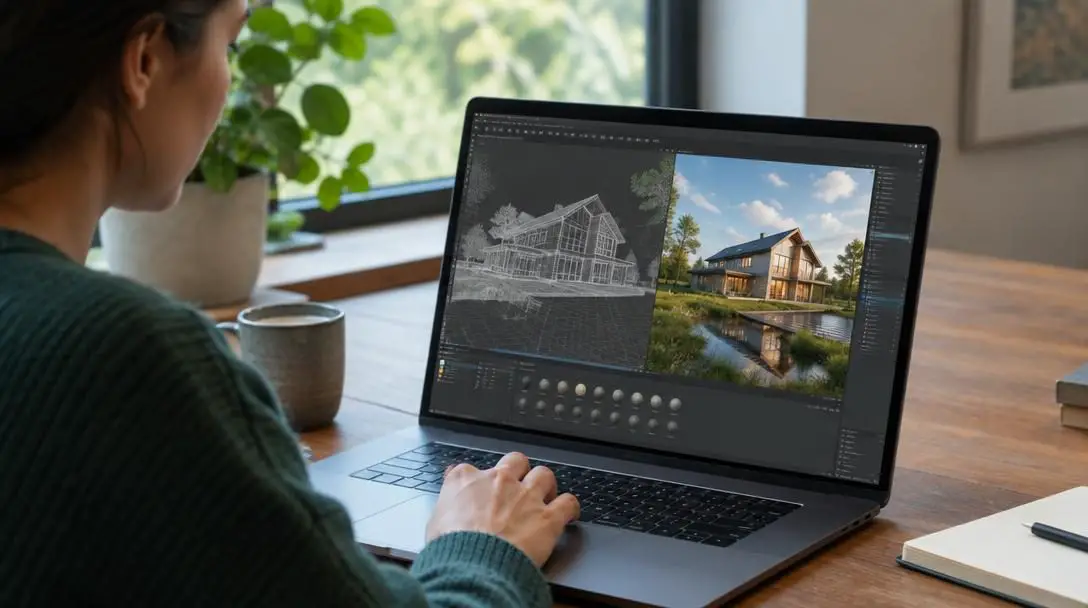
- Select your target specialization: Choose a specific track within the CGI pipeline—such as environment art, character modeling, character rigging, animation, or digital lighting—based on your creative instincts and technical strengths. Focusing early prevents burnout and produces a cohesive showreel.
- Pursue structured formal education: Enroll in a bachelor's degree program centered on art, computer graphics, animation, or computer science. Structured academic curricula ensure you understand the foundational theory behind 3D space, pipeline mechanics, and visual composition while fulfilling standard job prerequisites.
- Study real-world anatomy and human behavior: Dedicate scheduled practice to drawing, sculpting, and analyzing live human subjects. Memorize muscle attachments, bone landmarks, and joint limitations, while taking note of the micro-expressions and postural mannerisms that express genuine emotion.
- Train your eye for granular surface detail: Elevate the fidelity of your assets by meticulously recreating real-world surfaces. Practice rendering the distinct fiber weaves of textiles, authentic specular highlights and reflections across polished or scuffed surfaces, and individual hair strands on character assets.
- Master digital lighting principles: Study how real-world cinematographers use light direction, intensity falloff, color temperature, and shadow density to tell stories. Apply these techniques to your 3D scenes to establish spatial depth, convey mood, and demonstrate to hiring managers that your assets work within finished shots.
- Adopt the Eisenhower Decision Matrix for time management: CGI studios work under strict production schedules. Organize complex multi-asset workflows by dividing tasks into four distinct categories: urgent and important, important but not urgent, urgent but not important, and neither urgent nor important. Prioritize your urgent and important tasks first, schedule your deep technical practice, and eliminate peripheral distractions to consistently deliver projects on time.
- Build a deliberate professional network: Create an active profile on industry platforms like LinkedIn. Connect with practicing CGI artists, supervisors, and technical directors. Engage respectfully, learn how experienced artists secured their positions, and seek opportunities to handle simple delegated tasks that build practical studio experience and lasting industry relationships.
Common Mistakes That Derail Aspiring Artists
Many aspiring digital artists stall their progress because they commit easily avoidable strategic errors. Recognizing these common pitfalls early will help you direct your energy where it yields the highest return:
- Attempting to master the entire pipeline simultaneously: Trying to simultaneously become an expert modeler, rigger, animator, texturing artist, and lighting technician results in a shallow skill set that fails to meet studio benchmarks for any individual department.
- Neglecting anatomical references and behavioral observation: Working from memory rather than verified anatomical references leads to distorted limbs, misplaced joints, and unnatural character poses that immediately disqualify a portfolio from professional consideration.
- Overlooking fine-grain surface textures: Neglecting microscopic surface complexities—such as fabric weaves, hair variation, and material-accurate surface reflections—leaves models looking plastic, flat, and incomplete.
- Failing to implement disciplined time management: Underestimating how long rendering, rigging, or texture mapping takes can lead to missed deadlines. Failing to break projects into prioritized subtasks causes artists to spend excessive hours on trivial assets while primary assignments languish.
- Isolating yourself from the professional community: Believing that technical ability alone guarantees employment is a mistake. Ignoring networking platforms like LinkedIn prevents you from finding mentors, learning unwritten industry standards, and accessing the hidden job market where many studio positions are filled.
Navigating Film, Gaming, and Long-Term Career Growth
As your technical fluency matures, you must evaluate which commercial medium best matches your long-term creative instincts and preferred working style. While feature films and interactive video games both rely heavily on CGI, their technical pipelines and operational tempos differ significantly.
Feature film visual effects departments routinely push for absolute photorealism. In this sector, artists work with massive polygonal budgets, complex multi-layered shader networks, and heavy procedural simulations that are calculated over hours across dedicated render farms. Video game development, by contrast, operates under the constraints of real-time rendering. Game artists must create assets that look exceptional while running seamlessly at 60 frames per second on consumer hardware, requiring exceptional skill in polygon budgeting, level-of-detail management, and texture map optimization.
Whichever path you choose, sustaining a multi-decade career requires continuous self-evaluation. Digital production suites, rendering engines, and real-time workflows evolve constantly. Regularly test your workflow against structured time-management practices on self-directed projects, maintain active connections with peers across the industry, and continually refine your foundational observational eye. By pairing technical specialization with disciplined execution and authentic industry relationships, you will position yourself to thrive in the competitive world of CGI.
Frequently asked questions
Do I need a university degree to get hired as a CGI artist?
Many entry-level and advanced CGI positions at established studios specify a bachelor's degree as an employment requirement. Pursuing a degree in art, computer graphics, animation, or computer science provides structured technical training, portfolio development, and essential foundational art education, though personal portfolio quality remains critical alongside academic credentials.
Why is human anatomy important if I only plan to create stylized or cartoon art?
Even stylized and cartoon characters rely on real-world anatomical principles to appear convincing. Understanding skeletal landmarks, muscle placement, and natural joint articulation allows artists to exaggerate proportions intentionally without making the character look broken. Grounding stylized designs in real human behavior and anatomy ensures that expressions and poses carry authentic physical and emotional weight.
How does the Eisenhower Decision Matrix help CGI artists manage production deadlines?
The Eisenhower Decision Matrix divides your assignments into four categories based on urgency and importance. In high-pressure CGI production environments, this framework helps artists immediately identify critical milestone deliverables, schedule non-urgent but vital foundational development, delegate auxiliary tasks when possible, and eliminate non-essential work that threatens production deadlines.
What specific texture details make a CGI model look professional to studio recruiters?
Studio hiring managers look for micro-level surface realism, including the distinct woven threads of clothing fabric, accurate specular reflections that respond correctly to surrounding light, and individualized strands of hair on characters. Capturing these fine details prevents digital assets from looking like flat, synthetic computer graphics.
How can aspiring artists effectively network on LinkedIn to break into the industry?
Aspiring artists can use LinkedIn to identify and connect with working CGI artists, department heads, and studio production staff. Instead of asking for jobs immediately, reach out respectfully to learn about their career trajectories, seek constructive critique, and build professional rapport. Over time, these relationships can lead to valuable mentorship, delegated entry-level tasks, and early referrals for open studio roles.
The bottom line
Building a successful career in the CGI industry requires a thoughtful balance between artistic mastery, technical problem-solving, and professional diligence. By selecting a clear specialization, grounding your work in rigorous anatomical and observational study, adhering to proven time-management frameworks, and engaging actively with the broader professional community, you can transition from a dedicated enthusiast into an indispensable commercial studio artist.