5 Crazy Facts About Coffee

Did you know that coffee is the most popular beverage in the world after water? Estimates show that consumers drink more than 2.25 billion cups of coffee across the globe every single day. While millions rely on a fresh cup in the morning to jump-start their routines, the story behind this beloved drink goes far beyond an ordinary dose of caffeine.
From botanical surprises and unusual agricultural collection methods to remarkable long-term health benefits, coffee is far more complex than just a warm, dark liquid sitting in a ceramic mug. Exploring the agricultural origins, chemical mechanisms, and historical journey of coffee reveals why this global staple continues to fascinate scientists, farmers, and daily drinkers alike.
Key takeaways
- Coffee beans are not actual legumes, but rather the inner seeds extracted from sweet, brightly colored coffee cherries.
- One of the most expensive specialty coffees in the world, kopi luwak, is harvested from the droppings of the civet.
- More than 18,000 varieties, subtypes, and hybrids of coffee plants exist, anchored primarily by the Arabica and Robusta species.
- Loaded with natural antioxidants, regular coffee consumption correlates with lower risks of cardiovascular disease and certain cancers.
- A landmark study found that drinking two to three cups daily reduced mortality risk by 18 percent over a 16-year follow-up period.
Five surprising facts behind your daily brew
Every steaming mug of coffee represents an intricate web of botany, ecology, and human history. Examining these five remarkable facts demonstrates how versatile, peculiar, and beneficial the beverage truly is.
Coffee cherries and hidden seeds
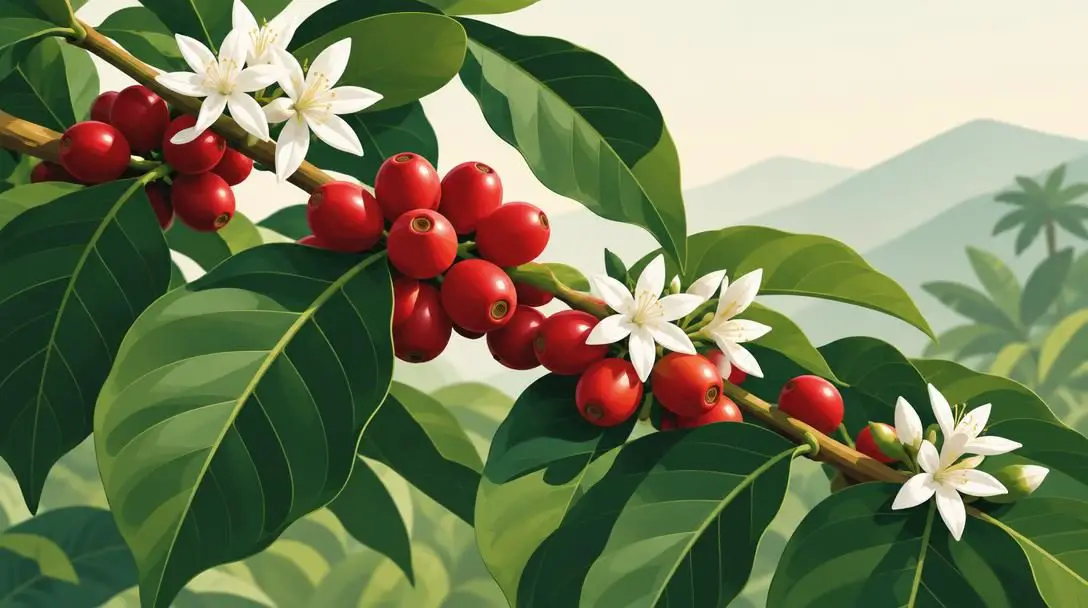
- Botanical identity: Seeds of a flowering tropical fruit tree
- Fruit classification: Coffee cherry
- Common misnomer: Legume or true bean
The term coffee bean is technically a misnomer based on physical appearance. In reality, coffee trees produce small, round fruits known as coffee cherries that turn bright red or yellow upon reaching peak ripeness. Tucked inside the sweet outer pulp are two symmetrical seeds with flat faces touching one another.
Farmers harvest these cherries and carefully remove the outer skin, flesh, and mucilage to expose the green seeds within. These raw seeds are subsequently dried, sorted, and roasted under high temperatures to create the fragrant brown beans familiar to consumers. Understanding that coffee begins as a juicy tropical fruit helps explain why green unroasted seeds possess fresh vegetative aromas, and why local soil and climate conditions dramatically alter the fruit's sugar content and final cup profile.
Kopi luwak coffee

- Processing agent: Wild and captive civets
- Collection source: Animal digestive droppings
- Market reputation: One of the world's most expensive coffees
In select regions of the world, coffee harvesters rely on an unexpected partner: a small nocturnal mammal known as the civet. Civets roam tropical coffee groves and select ripe coffee cherries as a sweet addition to their natural diet. While the animal digests the soft, sugary cherry fruit, its digestive enzymes cannot break down the hard inner seeds.
The seeds pass through the civet's digestive tract intact and are later collected from the animal's droppings. Harvesters gather, wash, sanitize, and roast these digested seeds to produce kopi luwak coffee. Prized for its velvety, exceptionally smooth texture, this unusual delicacy commands high prices across global markets. Proponents argue that the unique enzymatic processing that occurs inside the civet's gut alters the seed's protein structure, minimizing bitterness and creating a distinctive flavor profile.
Thousands of coffee plant varieties
- Estimated varieties: More than 18,000 distinct types and hybrids
- Commercial pillars: Arabica and Robusta
- Flavor influencers: Plant genetics, elevation, and terroir
Although commercial supermarkets and local coffee shops are dominated by two primary botanical species—Arabica and Robusta—botanists have cataloged more than 18,000 different types, botanical subtypes, and cultivated hybrids of coffee plants worldwide. Wild and cultivated species thrive across diverse equatorial habitats, adapting to unique elevations, rainfall patterns, and soil chemistries.
Arabica varieties typically produce nuanced, sweet, and bright floral or fruity characteristics, whereas Robusta plants yield hardy crops with stronger body, higher caffeine content, and earthy or chocolate notes. Because each botanical variety features an individual genetic blueprint, the vast diversity of plants ensures that consumers can discover flavors ranging from tart citrus and berry notes to deep, smoky caramel.
| Trait or Dimension | Arabica Specialty Beans | Robusta Commercial Beans | Kopi Luwak Civet Beans |
|---|---|---|---|
| Botanical Origin | Coffea arabica varieties | Coffea canephora varieties | Arabica or Robusta cherries |
| Processing Method | Standard washed or natural drying | Mechanical wet or dry hulling | Mammalian digestive tract transit |
| Typical Flavor Profile | Fruity, bright, floral, and sweet | Earthy, bitter, bold, and heavy body | Unusually smooth with low bitterness |
| Market Role | High-end cafes and specialty brews | Espresso blends and instant coffee | Ultra-premium luxury novelty item |
Abundant cellular antioxidants
For decades, popular culture frequently treated coffee as a guilty vice, associating heavy consumption with jitteriness or digestive irritation. Modern nutritional research has largely reversed this perspective, demonstrating that coffee acts as an exceptional reservoir of dietary antioxidants. These bioactive molecules help neutralize dangerous free radicals that cause cellular oxidation and chronic tissue damage.
Regular consumption of coffee has been repeatedly correlated with a reduced incidence of several chronic ailments, including cardiovascular disease and specific forms of cancer. In many Western diets, coffee actually represents the single largest dietary contributor of polyphenols and antioxidant compounds, offering passive cellular defense with every morning serving.
Far from being an unhealthy morning indulgence, a regular cup of coffee delivers a complex matrix of protective antioxidants that defend cells against chronic disease.
Documented longevity advantages
The health benefits of regular coffee intake culminate in one of the most compelling discoveries of recent nutritional science: drinking coffee can genuinely help you achieve a longer life. A massive long-term study published in the prestigious New England Journal of Medicine tracked the health trajectories and daily dietary habits of more than 450,000 participants over a span of 16 years.
The study revealed an inverse association between coffee consumption and overall mortality risk. Specifically, participants who consumed between two to three cups of coffee each day experienced an 18 percent reduction in their risk of death over the study period compared to non-drinkers. This protective effect applied across a broad spectrum of demographic groups, establishing coffee as a valuable component of a healthy daily regimen.
The journey from tropical tree to roasted bean
To fully grasp how these biological phenomena unite inside a single beverage, it helps to understand the physical voyage coffee takes across the globe. Coffee plants thrive within a narrow geographical zone surrounding the equator, widely known as the Bean Belt. Here, stable tropical temperatures, regular rainfall, and high mountain elevations combine to create ideal conditions for perennial growth.
The cycle begins when coffee trees produce delicate, sweet-scelling white blossoms that resemble jasmine. Once pollinated, these flowers drop away, leaving behind small green clusters that take months to mature into deep red or yellow coffee cherries. The transition from freshly picked fruit to brewable bean encompasses several meticulous stages:
- Selective harvesting: Skilled pickers pass through groves multiple times, plucking only the cherries that have attained full, uniform ripeness while leaving unripe fruit to develop.
- Fruit processing: Producers strip away the cherry flesh using either the washed process (where water and fermentation tanks dissolve the fruit mucilage) or the natural process (where whole cherries dry in the sun, letting the fruit sugars infuse the inner seed).
- Drying and hulling: Once the outer fruit is removed or dried, the pale green seeds are dried until their internal moisture content balances near optimal storage levels. Parchment layers are hulled off, and the raw coffee is sorted by size and density.
- Roasting chemistry: Roasters expose the dense green seeds to temperatures exceeding 400 degrees Fahrenheit. Intense heat triggers the Maillard reaction, caramelizing natural sugars, expanding seed volume, and liberating hundreds of aromatic volatile oils.
The chemistry of brewing: understanding extraction
Brewing coffee is fundamentally an exercise in solid-liquid extraction, where heated water acts as an active solvent to dissolve soluble chemical compounds from roasted, ground coffee seeds. When hot water saturates dry grounds, water dissolves individual compounds at distinctly different rates, producing a staged release of flavor.
In the first phase of brewing, water dissolves volatile organic fats and acids. These light molecules contribute bright citrus, floral aromatics, and tart fruit flavors to the brew. During the second phase, hot water dissolves sweet carbohydrates and caramelized sugars, lending body, balance, and sweetness that temper the early acidity. In the final phase, dense plant fibers and astringent bitter compounds leach into the liquid. While a modest amount of bitterness creates necessary balance, excessive extraction produces an unpleasantly dry, acrid cup.
Step-by-step guide to brewing a better cup at home
Brewing balanced, aromatic coffee at home does not require expensive commercial machines. By honoring the botanical nature of the coffee seed and controlling basic extraction variables, you can consistently unlock the rich potential of your favorite beans.
- Select fresh whole beans: Buy whole bean coffee marked with a clear, recent roast date rather than pre-ground varieties, grinding your beans immediately before brewing to prevent oxidation.
- Use clean, filtered water: Since brewed coffee is more than 98 percent water, run tap water through a carbon or reverse-osmosis filtration system to eliminate off-tastes and excess minerals.
- Dial in the grind size: Match your ground texture to your chosen brew device, using coarse grains for full-immersion French presses, medium grounds for flat-bottom drip machines, and fine grinds for short espresso extractions.
- Weigh your brewing ratios: Maintain consistent proportions by using a scale or kitchen measures, targeting roughly one to two tablespoons of ground coffee for every six fluid ounces of fresh water.
- Regulate water temperature: Bring your water just under a rolling boil—ideally resting between 195 and 205 degrees Fahrenheit—to extract complex oils without scorching delicate compounds.
- Store remaining beans carefully: Seal unused coffee beans inside an opaque, airtight container and store them in a cool, dry pantry away from direct heat, sunlight, and air exposure.
Common pitfalls to avoid in daily brewing
Even dedicated coffee drinkers can accidentally compromise the complex flavors of premium beans by following outdated storage tips or careless habits. Avoiding these frequent brewing mistakes will immediately improve your morning cup:
- Freezer or refrigerator storage: Storing everyday coffee in the fridge or freezer introduces condensation whenever the cold container meets room air, accelerating degradation and causing beans to absorb lingering food aromas.
- Pouring boiling water straight onto grounds: Dumping boiling water directly off the stove burns delicate surface oils, creating a scorched, excessively bitter extraction.
- Prolonged hot plate heating: Leaving brewed carafes sitting on an active electric warming plate continuously cooks the liquid, destroying delicate flavors and leaving a harsh, stale aftertaste.
- Neglecting equipment cleanliness: Natural coffee oils collect on grinder burrs, brew baskets, and carafes; when left unwashed, these residual lipids oxidize, turn rancid, and spoil future batches.
- Mismatched extraction times and grinds: Pairing a powdery fine grind with a slow brew method causes severe over-extraction, while coarse grinds exposed to brief brewing produce sour, thin liquid.
What to consider as you explore coffee
Armed with a deeper appreciation of coffee's botanical roots and health profile, you can expand your culinary horizon by exploring several exciting avenues:
- Experimenting with diverse origins: Explore single-origin beans from different continents to taste how elevation, volcanic soils, and varietals shape bright Ethiopian florals, balanced Colombian caramels, or earthy Indonesian profiles.
- Examining sourcing ethics: Look for coffees with transparent supply chains that ensure fair compensation for smallholder agricultural communities and discourage environmentally harmful farming models.
- Tasting without milk or sweeteners: Try taking small sips of freshly roasted coffee black before adding milk or sugar; high-grade beans frequently offer natural notes of berries, honey, cocoa, and toasted nuts.
- Monitoring personal tolerance: While medical studies reveal extensive longevity and protective benefits, evaluate how caffeine influences your sleep cycles, digestive comfort, and daily nervous system equilibrium.
Frequently asked questions
Are coffee beans actually related to garden beans or legumes?
No. Coffee beans are not legumes at all. They are the twin internal seeds found inside the fruit of the coffee tree, commonly referred to as a coffee cherry. The name bean was adopted strictly because the seeds share a visual resemblance to common legume pods.
Why is kopi luwak coffee so expensive compared to normal beans?
Kopi luwak commands high prices because of its labor-intensive collection process and novelty status. The coffee cherries must be eaten and digested by wild or captive civets before harvesters locate the droppings, wash and process the intact seeds, and roast them for commercial sale.
What are the differences between Arabica and Robusta plants?
Arabica and Robusta are two distinct species of coffee plants. Arabica grows at higher altitudes, produces more delicate, fruity, and aromatic flavors, and contains less caffeine. Robusta grows at lower elevations, yields hardier crops that resist pests, contains higher caffeine, and delivers a bolder, earthier, more bitter profile.
How many cups of coffee per day were linked to longer life in the study?
In the New England Journal of Medicine study following more than 450,000 individuals over 16 years, participants drinking two to three cups of coffee daily demonstrated an 18 percent lower risk of death compared to non-coffee drinkers.
Can freezing coffee beans help keep them fresher for longer?
Freezing daily-use beans is generally discouraged because opening the cold container introduces ambient moisture and condensation. This moisture degrades the bean's aromatic oils and allows porous coffee seeds to absorb odors from surrounding freezer items.
The bottom line
Far from being an ordinary caffeinated beverage, coffee is a remarkable botanical fruit seed that undergoes complex ecological, culinary, and chemical transformations before filling your cup. Whether you are intrigued by the strange journey of civet-processed beans, amazed by the sheer genetic variety of more than 18,000 cultivars, or motivated by the documented antioxidant and longevity benefits revealed in large-scale clinical studies, every cup has a story to tell.
By applying mindful brewing habits, grinding fresh whole beans, using clean filtered water, and avoiding harsh heating plates, you can respect the long agricultural journey of the coffee cherry and enjoy an exceptional sensory experience every morning.