5 Crazy Facts About NYC
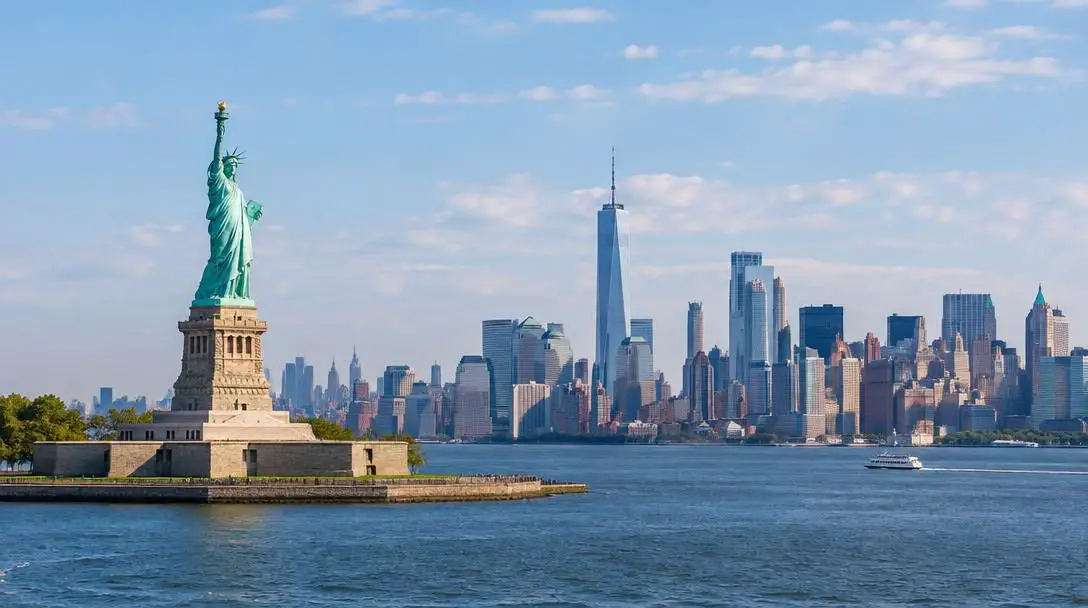
New York City is universally celebrated for its soaring skyline, legendary cultural venues, and round-the-clock kinetic energy. Yet behind the familiar postcard facades lies a metropolis defined by remarkable historical contradictions, forgotten subterranean spaces, curious bureaucratic quirks, and profound human challenges. The true character of the city lives as much in its quiet municipal archives and abandoned infrastructure as it does in its bustling public squares.
From the birth of street-level food staples to bizarre colonial-era ordinances that still officially sit on the books, New York contains an astonishing variety of untold stories. By examining the city through five distinct dimensions—its revolutionary culinary traditions, archaic legal curiosities, eccentric institutional collections, subterranean communities, and forensic missing-persons workflows—we gain a far richer understanding of how America's largest urban laboratory truly operates.
Key takeaways
- New York transformed traditional culinary imports into ubiquitous classics like pizza-by-the-slice, eggs benedict, and pasta primavera.
- Centuries of legislative inertia have left bizarre historical bans in the city's legal code, even while progressive rights like public toplessness are fully protected for all sexes.
- The research archives of the New York Public Library preserve unusual physical relics, ranging from locks of famous hair to personal artifacts stained with author blood.
- Subterranean transit networks like the 2.6-mile Freedom Tunnel became off-grid shelters for vulnerable populations, contrasting sharply with the nearly 60,000 individuals in municipal shelters.
- The New York Department of Medical Examiner relies on specialized forensic workflows to cross-reference thousands of unidentified remains with long-term missing-persons files.
At a glance: Five surprising dimensions of New York City
| Dimension | Primary Location or Entity | Historical Milestone | Distinctive Feature or Highlight |
|---|---|---|---|
| Culinary Innovation | Lombardi's Pizza | Opened in 1905 at 32 Spring Street | Pioneered American pizza-by-the-slice culture |
| Legal Contradictions | New York City Municipal Code | Accumulated over centuries of legislative record-keeping | Permits public toplessness while unenforced blue laws persist |
| Archival Curiosities | New York Public Library | Centuries of literary conservation | Houses organic relics from Jack Kerouac and Charles Dickens |
| Subterranean Shelter | The Freedom Tunnel | Abandoned by Amtrak in 1980 | A 2.6-mile underground haven chronicled by artists and researchers |
| Forensic Identification | New York Department of Medical Examiner | Continuous municipal operation | Investigates over 13,000 missing-persons cases annually |
The five surprising realities of New York City
Lombardi's Pizza

- Location: 32 Spring Street, Manhattan
- Year Established: 1905
- Historical Distinction: First licensed American pizzeria
- Notable Innovations: Commercialized New York-style pizza-by-the-slice
While pizza originally crossed the Atlantic from Italy alongside millions of immigrants, New York completely reshaped how the food was prepared, sold, and consumed. At the heart of this culinary transformation was Lombardi's Pizza, which opened its doors at 32 Spring Street in 1905 and continues operating to this day as the nation's premier pizzeria. Italian baking customs were adapted to the rapid pace of Manhattan's industrial workforce, leading to the invention of New York-style pizza-by-the-slice—a portable, affordable meal that busy laborers could fold and eat on the move.
The city's pioneering food culture extends far beyond the slice. Innovative chefs, immigrant grocers, and hotel kitchens across the five boroughs served as the birthplace for an incredible lineup of global staples. New York is credited as the cradle of eggs benedict, pasta primavera, spaghetti and meatballs, English muffins, and the ubiquitous ice cream cone. These dishes demonstrate how New York takes traditional ingredients and reconfigures them into enduring international mainstays.
Archaic New York Legal Codes

- Legal Status: Valid statutes on record, generally unenforced
- Mechanism: Legislative inertia without automatic sunset clauses
- Protected Liberty: Public toplessness legal for all sexes
New York represents a fascinating paradox between progressive statutory rights and absurd historical remnants. Because local governing bodies historically created laws without enacting formal review schedules or mandatory sunset clauses, centuries of municipal ordinances remain officially recorded on the legal rolls. Today, public toplessness is entirely legal for all sexes across New York, allowing anyone to bare their chest in public without running afoul of the penal code. Yet resting quietly beside this progressive protection are obsolete statutes that reflect the social anxieties of distant centuries.
Among the oddest unenforced rules still lingering in the city's statutory backlog are bans against carrying an ice cream cone in one's pocket on Sundays, prohibiting men from wearing trousers that fail to match their suit jacket, and outlawing public flatulence while inside a church. The code also technically prohibits unauthorized puppet shows conducted inside windows, outlaws the act of urinating on pigeons in Central Park, forbids honking car horns under non-emergency circumstances, and officially decrees it unlawful to permit a donkey to sleep inside a residential bathtub.
The New York Public Library
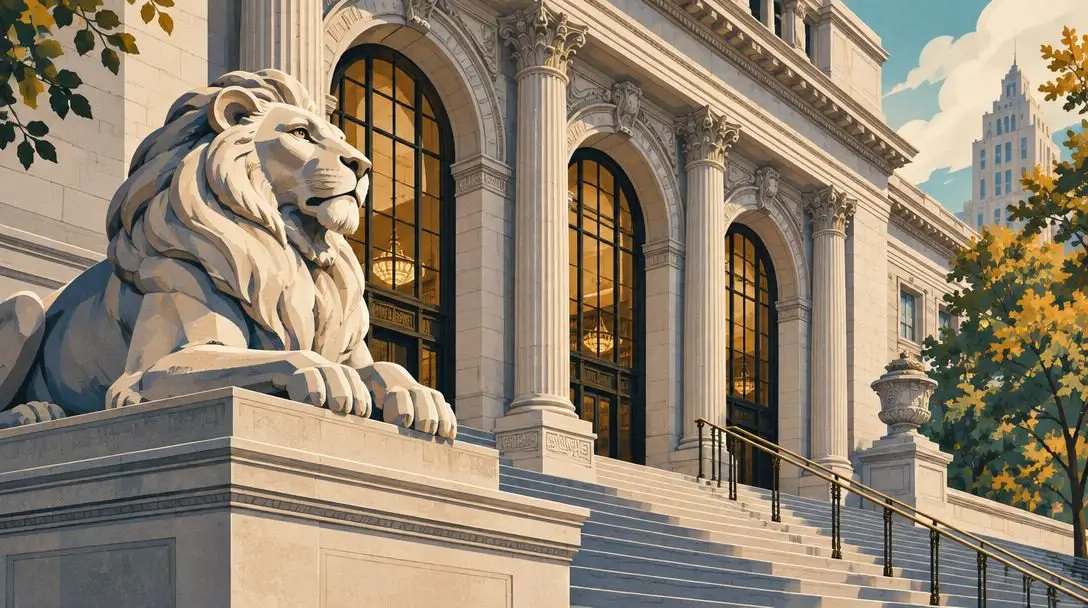
- Institution Type: Research and public archive system
- Specialty Holdings: Rare manuscripts, ephemera, and biological relics
- Key Figures Featured: Jack Kerouac, Charles Dickens, Mary Shelley
Beyond its monumental reading rooms and millions of cataloged books, the New York Public Library serves as a repository for some of the world's most peculiar literary ephemera. The institution preserves personal belongings and organic artifacts that grant scholars an intimate, tactile connection to monumental literary figures. Maintaining these fragile materials requires meticulous climate-controlled storage designed to prevent the decay of ancient leather, paper, textiles, and biological specimens.
Tucked within these specialized collections are striking personal possessions from Beat Generation icon Jack Kerouac, including his worn leather boots, his pocket cigarette lighter, his personal harmonicas, and a handwritten postcard preserved with a drop of his own dried blood. The library also safe-keeps delicate locks of human hair gathered from Frankenstein author Mary Shelley, poet Walt Whitman, and frontiersman Wild Bill Hickok. Perhaps the most eccentric curiosity in the archive is an ornate letter opener custom-crafted from the preserved paw of novelist Charles Dickens' favorite deceased pet cat.
The Freedom Tunnel
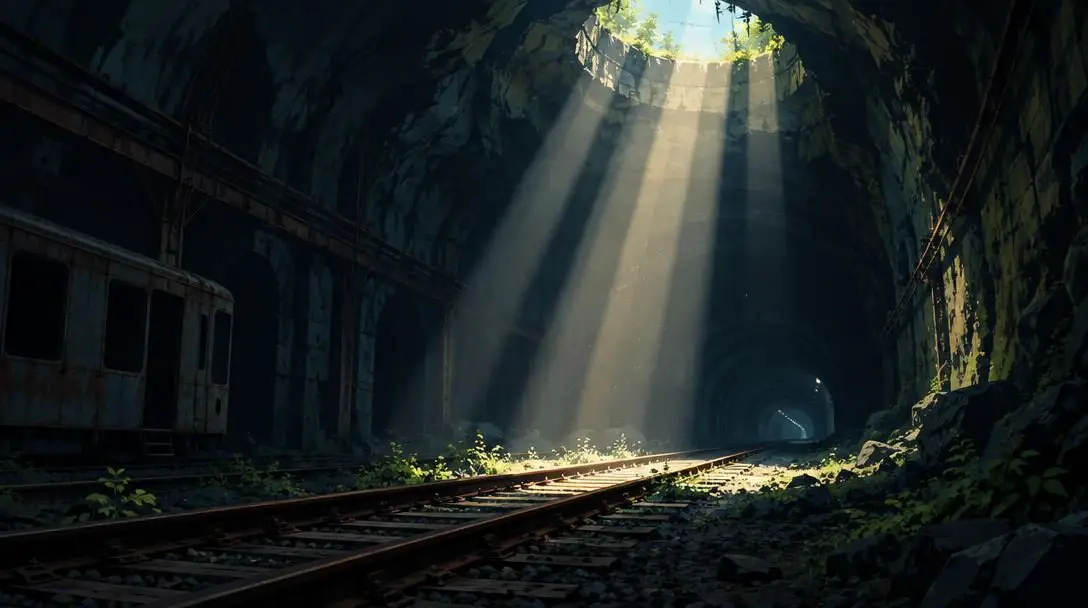
- Infrastructure: 2.6-mile railway passage under Manhattan
- Decommissioned: 1980 by Amtrak
- Cultural Documentation: *Tunnel People* by Teun Voeten, *Dark Days* by Marc Singer
- Comparative Context: Nearly 60,000 individuals in above-ground shelters nightly
Beneath the concrete sidewalks of upper Manhattan lies a secondary world carved into former transportation corridors. When Amtrak ceased operations through the 2.6-mile-long Freedom Tunnel in 1980, the cavernous railway cut quickly became an off-grid sanctuary for unhoused individuals. These subterranean residents, sometimes sensationalized by the media as "Mole People," built complex communities inside abandoned train passages, utility shafts, and forgotten sewer corridors, seeking privacy and stability far away from the chaotic street level.
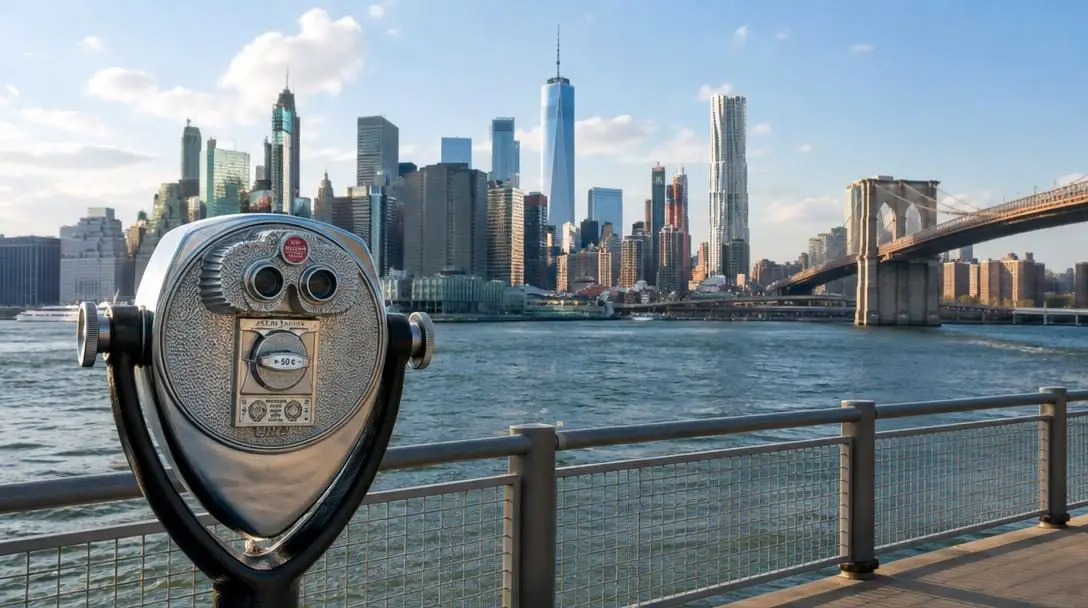
Subterranean communities carved out an off-grid existence in forgotten railway corridors, creating complex social systems beneath the city streets.
This underground society was brought to broader public awareness through thorough, empathetic research. Anthropologist Teun Voeten chronicled the everyday routines, architecture, and personal stories of these residents in his book Tunnel People, while British filmmaker Marc Singer worked directly alongside tunnel dwellers to film the acclaimed documentary Dark Days. These works highlighted the harsh realities of urban marginalization in a city where nearly 60,000 people sleep each night in municipal shelters above ground, contrasting the formal welfare safety net with informal subterranean survival networks.
The New York Department of Medical Examiner

- Annual Missing Persons Filings: Over 13,000 reports
- Long-Term Missing Criterion: Open case lasting two months or longer
- Investigative Focus: Forensic identification of unknown Jane and John Does
Handling the scale of human movement across an ultra-dense population center presents immense challenges for city investigators. Each year, authorities receive over 13,000 missing-persons reports throughout New York City. While the vast majority of these individuals are rapidly found and reunited with their loved ones, hundreds of open files pass the critical two-month benchmark, officially shifting into the category of long-term missing-persons investigations.
Working in parallel with these missing-persons searches is the New York Department of Medical Examiner, which holds thousands of historical case records for unidentified human remains. These include individuals discovered in abandoned buildings, transient settings, or pulled floating face down from waterways like the East River. Forensic specialists deploy sophisticated scientific workflows, recording dental charts, fingerprint patterns, and biological samples. The department actively works with families who have been searching for missing relatives for more than two months, inviting them to submit reference DNA samples to help definitively match nameless records with open missing-persons files.
How to explore and engage with New York's hidden dimensions
- Trace the culinary heritage: Start a historic walking food tour at 32 Spring Street to see where Lombardi's Pizza established the commercial pizza-by-the-slice model, then sample classic dishes like pasta primavera and eggs benedict throughout Lower Manhattan.
- Inspect archival public exhibitions: Visit the research hubs of the New York Public Library to view seasonal exhibitions displaying historic manuscripts, personal effects, and odd literary relics from authors like Jack Kerouac and Charles Dickens.
- Understand statutory history before acting: Remember that while modern freedoms like public toplessness are fully protected for all sexes, activities such as honking car horns without cause or organizing unpermitted window puppet shows still linger as technical violations in municipal legal books.
- Educate yourself on subterranean housing history: Rather than attempting dangerous personal explorations of active or abandoned rail cuts, study the documented history of the Freedom Tunnel by reading Teun Voeten's Tunnel People or watching Marc Singer's documentary Dark Days.
- Support urban shelter and missing-persons awareness: Recognize that nearly 60,000 people depend on municipal shelters every evening, and learn how the New York Department of Medical Examiner utilizes family DNA contributions to solve long-standing unidentified missing-persons cases.
Mistakes to avoid when learning NYC history
- Assuming pizza was invented in New York: Pizza originated in Italy, but New York innovators transformed it into an accessible, mass-market street food through the pizza-by-the-slice format.
- Believing all strange laws are actively enforced: While blue laws barring church flatulence, bathtub-sleeping donkeys, or pocketed ice cream cones technically persist, law enforcement agencies do not penalize citizens for these archaic statutes.
- Trespassing into transit shafts and tunnels: Entering abandoned train tunnels, air vents, or sewer corridors like the Freedom Tunnel is illegal, hazardous, and disrupts the safety and privacy of vulnerable individuals.
- Assuming every missing person stays lost: Out of more than 13,000 missing-persons reports logged annually in New York City, the overwhelming majority are quickly resolved, with only a small fraction remaining open past two months.
- Fearing the investigative use of DNA: Family members submitting reference samples to the New York Department of Medical Examiner need not fear privacy exploitation, as biological material is analyzed solely to identify missing relatives and close unresolved John and Jane Doe files.
Frequently asked questions
Is Lombardi's Pizza still open at its original location?
Yes. Lombardi's Pizza, recognized as the nation's first licensed pizzeria, opened in 1905 at 32 Spring Street in Manhattan and continues serving customers at that historic address today.
Is it actually legal to go topless in public in New York City?
Yes. New York law explicitly allows public toplessness for people of all sexes. It is entirely legal to expose one's breasts in public spaces throughout the city without violating the law.
Why does the New York Public Library keep locks of hair and a cat paw?
During the 19th and early 20th centuries, preserving personal effects and locks of hair from prominent figures was a common memorial practice. The library maintains these organic items, including Charles Dickens' cat paw letter opener and locks from Mary Shelley, as valuable artifacts of literary history.
Who are the people living in the Freedom Tunnel?
The Freedom Tunnel is a 2.6-mile Amtrak rail cut that was decommissioned in 1980. Homeless individuals used its sheltered, forgotten spaces to build informal communities away from crowded city shelters, an existence chronicled in the book Tunnel People and the film Dark Days.
How many missing-persons reports are filed in New York City each year?
More than 13,000 missing-persons reports are filed annually across New York City. Most cases are resolved quickly, but those that remain unresolved for over two months enter long-term investigative tracking overseen by authorities and forensic medical examiners.
The bottom line
New York City is far more than its celebrated tourist landmarks and iconic skyline. Its identity has been forged through the practical problem-solving of immigrant cooks at establishments like Lombardi's, the stubborn longevity of obsolete colonial statutes, the eccentric archival treasures of its public library system, the resourceful survival of subterranean communities in the Freedom Tunnel, and the painstaking forensic work of municipal medical examiners. Exploring these lesser-known realities reveals a resilient, complex, and endlessly fascinating city that continues to reinvent itself from the bedrock up.