
5 Things To Know Before Your Motorcycle Travel Adventure
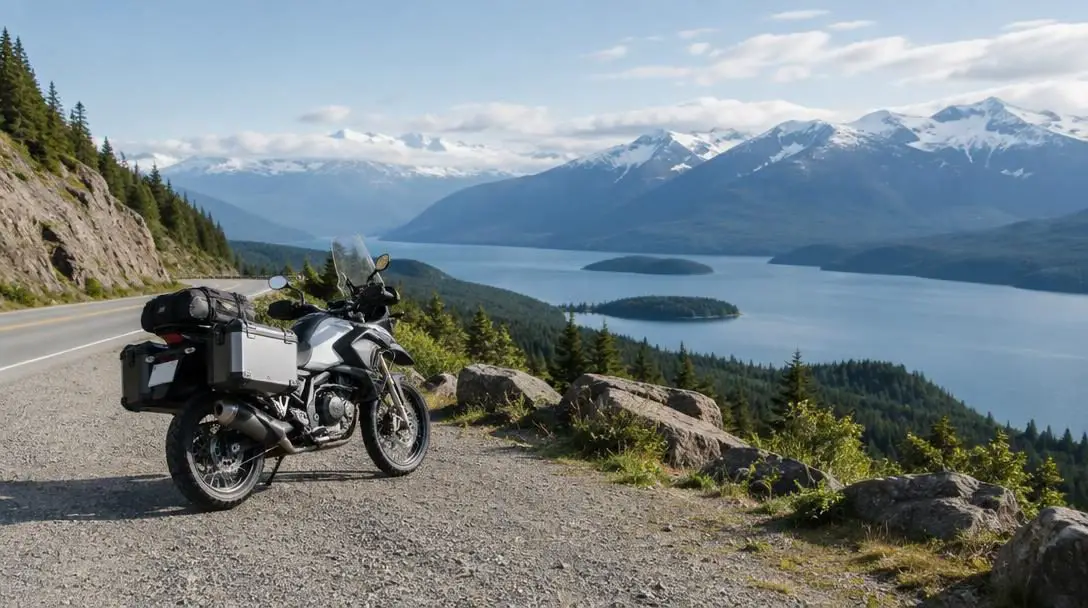
Embarking on a motorcycle road trip offers a profound sense of freedom that an enclosed automobile simply cannot replicate. Gliding through sweeping mountain passes, feeling the crisp shift in air temperature, and taking in unobstructed panoramic views connect a rider intimately with the surrounding terrain. For decades, traveling long distances on two wheels has stood as one of the purest expressions of highway exploration.
Yet the very exposure that makes motorcycle touring so captivating also introduces distinct vulnerabilities and environmental challenges. Unlike drivers nestled in climate-controlled cabins with ample trunk space and stable four-wheel footprints, motorcyclists must actively manage balance, weather shifts, and cargo limitations over hundreds of consecutive miles. Thorough preparation and realistic expectations are essential to keeping an open-road journey safe, smooth, and deeply rewarding.
Key takeaways
- Packing light reduces fuel consumption, preserves nimble bike handling, and prevents cargo overextension.
- Long-distance riding demands immense physical effort, making hydration and scheduled rest pauses vital defenses against fatigue.
- Stopping for meals during off-peak hours like 10:30 am eliminates restaurant waits and keeps your schedule moving.
- New touring riders should limit travel to roughly 150 miles per day before gradually stepping up to 300-mile milestones.
- A dedicated mechanical kit with tire repair items, hand tools, illumination, and first aid supplies prevents roadside abandonment.
How motorcycle travel differs from traditional road trips
Planning an extended journey on a motorcycle requires a complete shift in travel psychology compared to taking a road trip in a car. In a standard passenger vehicle, the driver is largely isolated from wind resistance, rain, and road debris. The vehicle provides constant equilibrium, while the passenger compartment offers heated seats, air conditioning, and cavernous cargo compartments. A driver can easily sip coffee, carry multiple heavy suitcases, and push through six or seven hundred highway miles with minimal physical strain.
On a motorcycle, by contrast, the rider serves as a living, dynamic component of the machine itself. Every turn requires countersteering, deliberate body positioning, and constant environmental surveillance. The physical load of bracing against wind turbulence, absorbing road vibrations, and managing varying weather conditions places continuous demands on the musculoskeletal system.
On a motorcycle, the rider acts as an active component of the machine, continuously balancing, shifting weight, and processing environmental input.
Cargo management also functions under vastly different physical constraints. When you load gear onto a motorcycle, the extra weight sits high on the chassis, elevating the machine's center of gravity. This alters cornering clearance, extends braking distances, and degrades acceleration response. Furthermore, gear strapped to an open bike disrupts aerodynamics, creating air drag that reduces fuel efficiency. The heavier and bulkier your luggage configuration, the more you pay at the gas pump.
The five core things to know before you depart
To avoid turning an exciting tour into an exhausting ordeal, every rider must master five fundamental aspects of motorcycle travel. Respecting these operational realities ensures you remain alert, well-equipped, and physically capable from your first departure to your final return.
Pack lightly and efficiently
The temptation to overpack is the most frequent trap for first-time motorcycle travelers. Lugging excess items onto your bike consumes valuable real estate, strains the suspension, and worsens fuel economy. Every extra pound demands more energy from your engine and your body when maneuvering at low speeds or parking on uneven pavement.
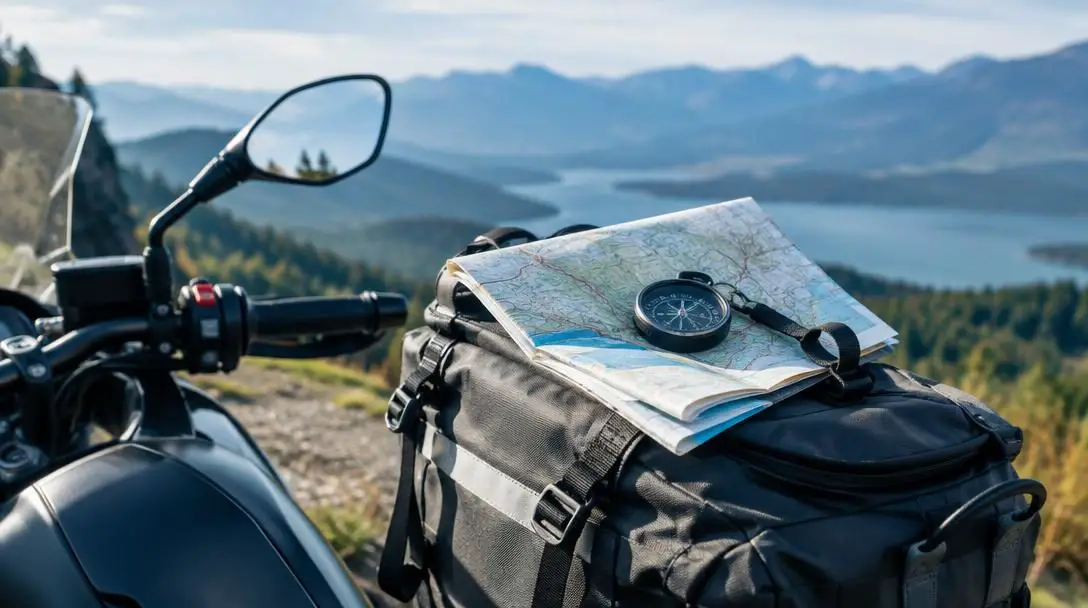
Focus entirely on functional essentials, emphasizing clothing layers that can adapt to rapid swings in temperature and unexpected rain. If your motorcycle lacks integrated saddlebags or standard compartments, invest in an aftermarket luggage carrier designed to mount securely to your specific motorcycle frame. Ensure that all gear is packed tightly to avoid shifting during tight leans or heavy crosswinds.
Understand and manage physical exhaustion
Riding a motorcycle for hours is an athletic pursuit. Even on straight highways, your core muscles, neck, and forearms remain engaged to stabilize against buffeting headwinds. Traveling through high summer heat or brisk autumn cold significantly accelerates this physical drain, drawing down your mental alertness long before you realize you are tired.
Dehydration is a leading contributor to sudden fatigue and lightheadedness in the saddle. The steady rush of wind evaporates sweat immediately, tricking many riders into believing they are not losing moisture. Scheduling recurring rest stops gives your body time to recover. If you prefer to minimize roadside downtime, wear a personal hydration pack with a drinking hose routed into your helmet so you can take in water continuously while cruising.
Time your meals around off-peak hours
Maintaining energy requires regular nutritional intake, but stopping at roadside diners during conventional dining hours can derail your travel timeline. Pulling off a busy corridor at noon often means waiting in long lines for a table, waiting for food preparation, and enduring crowded, noisy environments when you need quiet decompression.
Adjust your schedule by having lunch at 10:30 am rather than noon. By entering roadside diners, cafes, and highway service plazas ahead of the traditional rush, you will receive faster service, enjoy a relaxed environment, and get back onto the open road quickly. This strategy is especially valuable along rural highways where dining options are sparse and quickly overwhelmed by midday travelers.
Recognize and respect your personal riding limits
Highway endurance is built gradually over seasons of riding; it cannot be forced on day one. While legendary endurance riders may cover 1,000 miles within a 24-hour window, attempting such feats without conditioning creates severe safety risks. Pushing past your physical threshold leads to delayed braking reactions, tunnel vision, and poor judgment in traffic.
Beginner tourers should establish conservative milestones, targeting approximately 150 miles per day. This distance allows ample time to acclimate to touring luggage, navigate unexpected delays, and arrive at your evening destination refreshed. As your conditioning and comfort improve, you can advance toward an average benchmark of 300 miles per day, which balances generous forward progress with manageable physical exertion.
Carry the right roadside tools and emergency gear
Motorcycle breakdowns often happen miles away from service centers, mobile phone reception, or towing services. Relying on good fortune is not a viable strategy. A well-organized, compact roadside maintenance kit allows you to address common road-hazard setbacks and continue moving without costly delays.
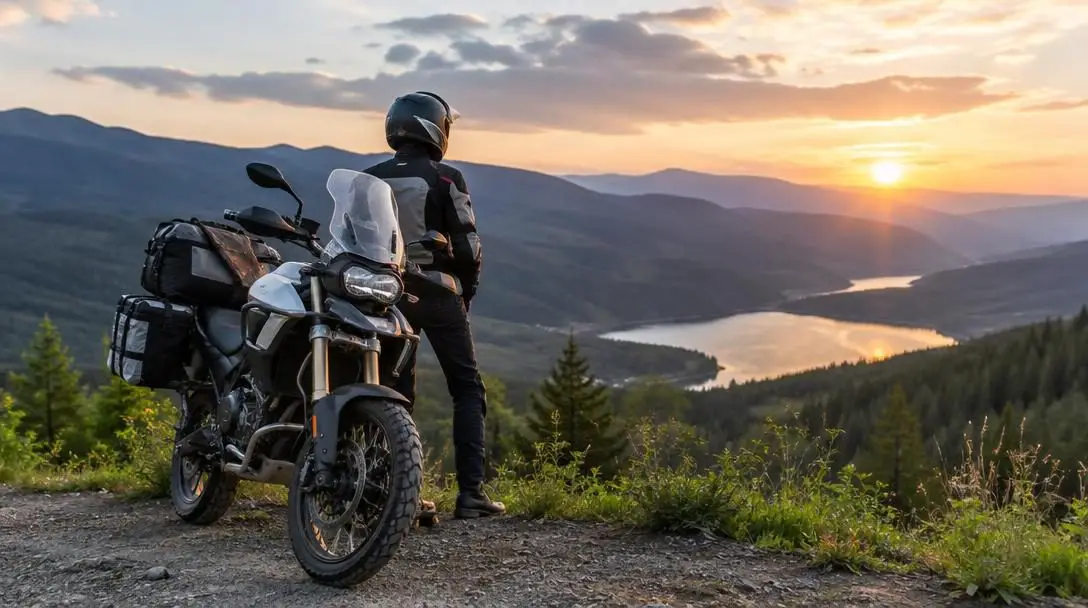
Your emergency setup must contain dedicated equipment capable of handling puncture repairs, loose hardware, and personal injury. Assemble these items into a rugged, weather-resistant tool roll that remains permanently strapped to your bike throughout the trip:
- Tire-plug kit and a portable, 12-volt or rechargeable air pump for roadside puncture repairs
- Metric or SAE wrenches and socket sets tailored specifically to your motorcycle's fasteners
- Multi-use Swiss Army knife or multi-tool for quick adjustments and wire work
- Compact headlamps and high-output flashlights for nighttime mechanical assessments
- Extra riding gloves matched to rain or sudden drops in temperature
- Quality earplugs to prevent permanent wind-noise hearing damage and sensory fatigue
- Fully stocked first aid kit with bandages, antiseptic, gauze, and pain management supplies
Evaluating daily mileage targets by experience level
Establishing an appropriate travel pace requires honest self-assessment. Planning unrealistic daily distances guarantees burnout and leaves zero margin for weather delays, mechanical checks, or scenic detours. Use the following baseline table to align your itinerary with your current touring experience:
| Touring tier | Target daily mileage | Physical demands | Primary focus |
|---|---|---|---|
| Beginner | Approximately 150 miles | Low to moderate; leaves energy for rest and recovery | Pacing, bike balance, and acclimating to luggage weight |
| Conditioned | Around 300 miles | Moderate; requires disciplined hydration and breaks | Efficient highway transit and sustained daily consistency |
| Endurance veteran | Up to 1,000 miles in 24 hours | Extreme; demands specialized training and ergonomics | Long-distance endurance challenges and non-stop staging |
Step-by-step preparation checklist for your journey
Executing an unforgettable road adventure requires organizing both rider and machine well before the kickstand goes up. Follow this sequential roadmap to make sure no crucial steps are overlooked:
- Establish realistic daily mileage benchmarks by mapping routes around roughly 150 miles per day for novice tourers or 300 miles per day for conditioned riders.
- Pinpoint rest areas, fuel stations, and scenic overlooks to create predictable intervals for stretching muscles, taking on fluids, and refilling hydration packs.
- Schedule your daily meal stops around off-peak dining periods, targeting an early lunch near 10:30 am to bypass congested dining rooms.
- Install an approved aftermarket luggage carrier or saddlebag setup if your motorcycle lacks adequate integrated factory cargo storage.
- Assemble your mechanical emergency bag with a tire-plug kit, compact air pump, sockets, wrenches, a Swiss Army knife, headlamps, flashlights, spare gloves, earplugs, and first aid supplies.
- Perform a comprehensive dry-run pack 48 hours before departure by mounting all loaded bags to check side-to-side balance, chassis clearance, and strap tension.
Common touring traps and mistakes to avoid
Even seasoned commuters can stumble when transitioning to multi-day highway travel. Recognizing common pitfalls will help keep your itinerary intact and your bike operating reliably:
- Overpacking unnecessary items: Loading excess casual clothes and heavy electronics burdens the bike suspension, ruins cornering agility, and consumes excessive fuel.
- Underestimating physical fatigue: Treating long-distance motorcycling like driving an automobile ignores the fatiguing impact of wind resistance, noise, and engine vibration.
- Waiting to hydrate: Delaying fluid intake until dry thirst sets in leads directly to lightheadedness, slower reflexes, and physical exhaustion.
- Dining during peak lunch hours: Stopping at popular highway eateries between 12:00 pm and 1:30 pm traps you in crowded dining rooms when you could be riding open roads.
- Exceeding physical thresholds: Forcing your body past its daily conditioning limit causes mental burnout and compromises your safety on the road.
- Traveling without emergency tools: Venturing into remote areas without tire plugs, a pump, or basic hand tools can leave you stranded by a simple, repairable puncture.
Post-trip maintenance and reflection
A successful motorcycle journey does not end the moment you pull back into your driveway. Extended touring places immense stress on mechanical components, making post-trip care essential before you return to daily commuting.
Wash away accumulated road grime, chain lube fling, and insects to reveal any hidden mechanical defects. Inspect your tires closely for squared-off tread profiles, embedded glass, or slow leaks that developed on highway stretches. Check your drive chain for stretching and wear, adjust tension to factory specifications, and lubricate thoroughly. Inspect engine case bolts, luggage rack mounting brackets, and chassis fasteners to confirm nothing vibrated loose over the trip's mileage.
Finally, evaluate your safety and survival gear. Restock any bandages, antiseptic wipes, or blister treatments used from your first aid kit. Replace any vulcanized rubber plugs extracted from your tire-plug kit, clean your hand tools, and test flashlight batteries. Reflecting on how your body handled your chosen daily mileage will help you set smarter, more ambitious routes for your next two-wheeled adventure.
Frequently asked questions
How many miles should a beginner ride per day on a motorcycle trip?
A beginner should aim for roughly 150 miles per day. This distance allows new tourers to build road stamina, adjust to riding with heavy cargo, and manage fatigue without placing themselves under extreme physical stress.
Why does carrying heavy luggage increase motorcycle fuel costs?
Excess luggage adds overall mass that the engine must work harder to propel, while external bags disrupt the motorcycle's aerodynamic profile. The resulting air resistance creates drag, pulling down miles per gallon and increasing fuel stops.
What is the advantage of eating lunch at 10:30 am on a tour?
Stopping at 10:30 am allows you to beat the traditional midday rush at roadside diners and fuel plazas. You avoid long table waits and meal delays, leaving more daylight hours for riding.
What basic tools should every touring motorcyclist carry?
Every rider should pack a tire-plug kit, a compact air pump, bike-specific wrenches and sockets, a Swiss Army knife, a headlamp, a flashlight, spare riding gloves, earplugs, and a stocked first aid kit.
How can I stay properly hydrated without stopping constantly?
Wearing a wearable hydration pack equipped with a drinking tube routed into your helmet lets you drink fluids continuously while underway, preventing dehydration and fatigue without requiring frequent stops.
The bottom line
Motorcycle touring rewards riders with a vivid, unforgettable view of the world, but it requires thorough preparation and practical discipline. Packing lightly keeps your machine agile and fuel-efficient, while disciplined hydration and scheduled rest breaks protect you from dangerous physical fatigue. By scheduling off-peak meal stops, honoring your personal mileage limits, and securing a reliable roadside emergency kit, you turn the challenges of long-distance riding into a safe, empowering highway adventure.