5 creative ways to use a temporary phone number for personal and business purposes

In standard telecommunications, your personal mobile number serves as a persistent anchor for your digital identity. Cellular carriers link your SIM card directly to your billing history, physical address, and legal name. Whenever you share that primary number with an e-commerce platform, a freelance client, or a peer-to-peer marketplace, you provide an identifier that data aggregators, commercial platforms, and malicious actors can use to track your behavior across disparate services.
A temporary phone number—frequently referred to as a virtual or disposable number—functions as an adaptable buffer. Rather than operating via a dedicated physical SIM card or landline wire, these numbers run on software-driven communication frameworks. By routing incoming and outgoing communications through dedicated digital gateways, disposable numbers allow you to communicate freely while shielding your real phone line from unwanted surveillance, promotional saturation, and data breaches.
Key takeaways
- Temporary numbers decouple your real cellular identity from daily interactions, helping prevent identity theft, SIM swapping, and corporate espionage.
- Using disposable contact details for e-commerce and classifieds stops retailers from aggregating your data and protects your personal phone line from spam.
- Businesses and creative professionals can set up distinct communication channels for staff, client projects, and social media administration without issuing separate physical hardware.
- Virtual lines used for account recovery or two-factor authentication must be maintained carefully to prevent permanent account lockouts.
How temporary and virtual numbers work
The mechanics behind modern temporary phone numbers rely primarily on Voice over Internet Protocol (VoIP) and software-directed message routing. Instead of transmitting acoustic signals directly over traditional copper wires or routing cellular frequencies to a single handheld subscriber identity module (SIM), a virtual number exists entirely as an entry within a cloud telecommunications platform.
When an outside caller dials your temporary number or transmits a text message, the host service intercepts the transmission and processes it according to preconfigured routing rules. Depending on how you configure your communication flow, the platform can direct the data along one of two primary pathways:
- Direct call and SMS forwarding: The software forwards the incoming call or text to your primary mobile number. Your handset rings normally, but the caller never sees your underlying mobile phone number.
- Application-based interaction: The communication remains isolated within a dedicated software application on your mobile device, tablet, or desktop computer. You place calls, review voicemails, and send text messages through the software interface.
Because the application controls the outgoing metadata, recipient devices display the virtual number on their caller identification screens, keeping your private line completely hidden during outbound outreach.
Temporary phone numbers act as a functional shield, allowing you to stay reachable without revealing your primary, permanent line.
5 creative ways to use a temporary phone number
Integrating disposable or virtual numbers into daily workflows enables precise compartmentalization. Below is an overview of how virtual numbers function across common personal and commercial environments.
| Use Case | Primary Security Benefit | Target Application | Operational Lifespan |
|---|---|---|---|
| Online Shopping | Protects financial profiles and prevents merchant tracking | One-off retail checkouts and delivery coordination | Short-term or transactional |
| Identity Protection | Hides personally identifiable information from strangers | Local classifieds, peer-to-peer sales, and community boards | Short- to medium-term |
| Business Communication | Prevents business espionage and protects employee privacy | Client liaison, contractor assignments, and departmental projects | Medium-term to persistent |
| Social Media Management | Shields brand assets from phishing and administrative takeover | Account registration, administrative verification, and customer outreach | Persistent or multi-year |
| Two-Factor Authentication | Mitigates unauthorized account access and SIM-swapping risks | Platform access security and critical portal logins | Persistent across active accounts |
Online Shopping
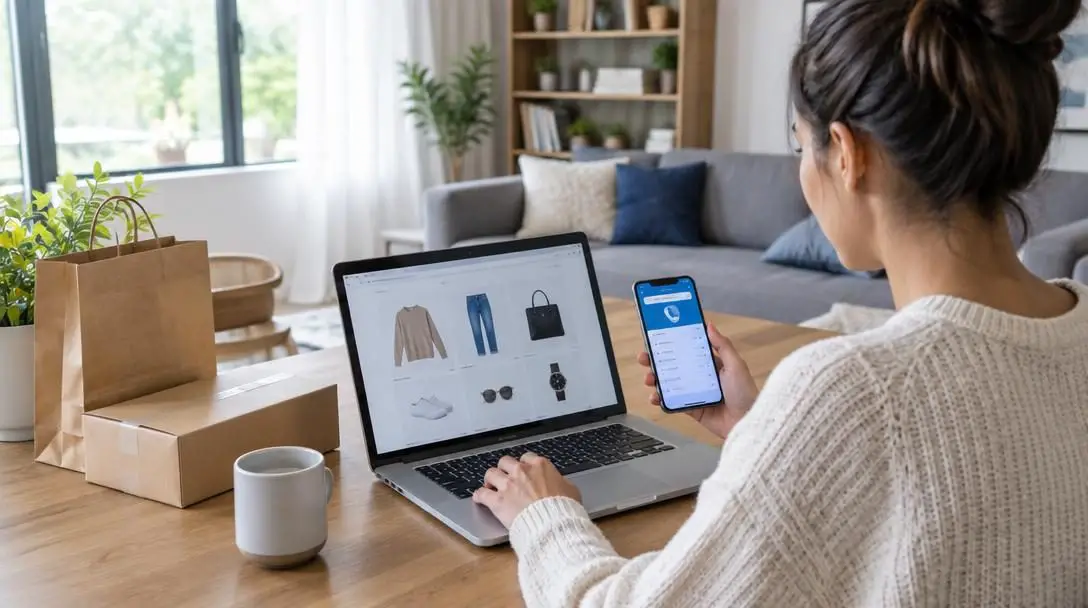
Modern online storefronts routinely mandate a contact telephone number to confirm an order or deliver shipping notifications. However, submitting your permanent personal number exposes your consumer profile to data harvesting. Retail platforms frequently cross-reference phone numbers across partner networks to track purchasing habits, build marketing profiles, or send automated marketing text messages.
By providing a temporary number at checkout, you introduce an isolated barrier between your bank account details and the merchant's commercial database. If an online retailer suffers a database breach, your primary phone number is not exposed alongside your transaction history, name, or mailing address. Furthermore, once an order arrives safely, you can discard or silence the number, instantly terminating promotional SMS campaigns before they reach your everyday device.
Identity Protection
Your primary cellular phone number is classified as personally identifiable information. With access to a single persistent mobile number, data brokers, scammers, and casual researchers can query public directories and commercial data brokers to reveal your legal name, physical address, employment records, and immediate family members.
Temporary numbers provide a safe framework for interacting with unvetted parties in peer-to-peer marketplaces, neighborhood classifieds, and community forums. Coordinating an in-person exchange or negotiating purchase prices requires real-time messaging, yet handing your personal line to a stranger poses unnecessary personal risks. Utilizing a disposable line gives you the communication bandwidth required to finalize local sales while ensuring bad actors cannot trace your digital activities back to your residence or private life.
Business Communication
In modern operational environments, employees frequently use personal mobile devices to converse with suppliers, clients, and external contractors. Mandating that staff use their personal numbers blurs the boundary between off-duty hours and professional responsibilities while introducing tangible corporate risks, including client data leakage and commercial espionage.
Virtual numbers function as a flexible corporate layer between the organization's central directory and outside contacts. Remote workers and project leads can make phone calls and exchange project files through dedicated software apps, ensuring business conversations stay within company-managed boundaries. Once a seasonal project finishes or a freelance contract ends, the administrator can reassign or decommission that virtual number without disrupting the company's broader telecommunications network or exposing the employee's personal line.
Social Media Management
Digital marketing professionals, brand managers, and influencers often administer multiple social accounts across different platforms. Major networks routinely require a mobile number for initial account verification, credential resets, and security prompts. Utilizing a personal mobile number for company accounts introduces serious security liabilities, exposing the employee's phone to coordinated social engineering and phishing attempts.
Employing a virtual number for administrative onboarding creates a distinct operational perimeter. Brands can supply team members with access to the virtual receiving portal without distributing executive personal phone numbers. This infrastructure preserves administrative oversight, isolates recovery codes from employee personal devices, and ensures social accounts remain protected against unauthorized account hijacking.

Two-Factor Authentication
Two-factor authentication (2FA) is a vital defensive layer for verifying user identities across cloud software and sensitive portals. However, standard SMS-based two-factor authentication directed to a physical SIM card carries an inherent vulnerability: the SIM-swapping exploit. In this attack, a malicious actor impersonates the target, persuades the mobile carrier to reassign the target's mobile number to an unauthorized SIM card, and intercepts password-reset notifications.
Routing two-factor authentication prompts to an isolated virtual phone number neutralizes this specific vulnerability. Because the software line is not connected to a physical retail SIM card, attackers cannot execute a standard carrier SIM swap to hijack your accounts. The virtual number acts as an independent authentication point, ensuring that even if an unauthorized party obtains your master login credentials, they cannot compromise your primary mobile handset to intercept verification codes.
Step-by-step guide to deploying a virtual number
Deploying a temporary phone line requires an intentional setup process to guarantee that calls connect reliably, private information remains hidden, and administrative access is not interrupted.
- Identify your operational scope: Determine whether the number serves a transactional, single-use purpose (such as an online sale or delivery confirmation) or an ongoing function (such as corporate project coordination or ongoing account security).
- Select an appropriate platform: Choose a virtual telecommunications provider that fits your technical criteria. Ensure the platform supports your required communication formats, including inbound and outbound voice, short-code SMS verification, and team access dashboards.
- Designate geographic parameters: Choose a specific area code and country assignment. Selecting a local geographic code increases pickup rates for community operations, while national toll-free codes may better suit customer support services.
- Configure routing pathways and alerts: Decide whether inbound contacts should forward straight to your personal SIM, alert you via email, or stay strictly inside an isolated application. Establish active operating hours within the app to prevent calls from ringing during personal time.
- Run transmission diagnostics: Before deploying the number in active business or account setups, place a test call and send an inbound text message. Confirm that caller ID displays properly on the receiving device and that messages route cleanly.
- Schedule retirement or renewal: Record the expiration timeline or billing schedule. If the number was created for a classified sale, release the number once the sale concludes. If the line secures ongoing corporate tools, ensure your subscription remains funded to prevent losing access.
Common pitfalls and operational mistakes
While disposable and virtual phone numbers offer undeniable security and organizational benefits, mishandling them can result in administrative bottlenecks or compromised access.
- Allowing essential verification numbers to expire: Discarding a temporary number while it is still linked to an active social media profile, professional portal, or two-factor security system can lock you out permanently. Always update your account records to an active number before releasing a virtual line.
- Mixing distinct activities on a single virtual line: Using the same temporary number for local marketplace sales, executive business correspondence, and online retail defeats the goal of compartmentalization. Assign separate virtual numbers to distinct operational tasks.
- Overlooking outbound caller ID configurations: Placing calls through your phone's native cellular dialer instead of the virtual number's dedicated application exposes your true mobile number to the recipient. Always make sure you are placing calls from within the software platform.
- Neglecting notification alerts: Missing text messages or inbound calls inside an infrequently checked virtual app can cause you to miss urgent delivery confirmations, customer queries, or time-sensitive security alerts.
Frequently asked questions
What is the difference between a temporary phone number and a regular mobile number?
A standard mobile number is hardwired to a physical SIM card and registered directly with a cellular provider alongside your billing history and identity records. A temporary or virtual number operates through software and VoIP systems, allowing you to route calls and text messages over internet connections without tying communication to a specific hardware device or physical SIM card.
Can I make outbound voice calls with a temporary phone number?
Yes. Most virtual number providers feature specialized mobile or desktop applications that allow you to make outbound voice calls. When you dial through the application, the system masks your personal mobile number and displays the temporary number on the recipient's caller ID screen.
Can temporary phone numbers receive automated two-factor authentication codes?
Many virtual platforms receive automated SMS verification codes without issue. However, certain banking institutions, payment processors, and online platforms specifically identify and block VoIP numbers to reduce fraud. You should test whether your specific provider supports short-code verification before making it your default 2FA channel.
What happens to my online accounts if my temporary number expires?
If you allow a temporary number to expire while it remains assigned as your primary contact or two-factor recovery method, you risk being permanently locked out of that platform. If an account requires SMS verification to log in or reset a forgotten password, the platform will send the security code to a deactivated line. Always update your account settings before decommissioning a virtual number.
Will using a temporary number stop all spam and telemarketing calls?
A temporary number protects your primary cellular phone line from receiving unwanted spam, sales calls, and automated marketing messages. While the temporary number itself might eventually receive automated marketing if submitted to public platforms, you can silence, archive, or completely delete the disposable line without affecting your permanent personal phone.
The bottom line
Safeguarding your digital footprint requires proactive steps. In an era where a single phone number can link your financial records, home address, and commercial history, treating your personal mobile line as a public identifier creates needless vulnerabilities. Temporary and virtual numbers provide an adaptable buffer, allowing you to conduct everyday personal and business activities without sacrificing your privacy.
To implement this defensive strategy, begin by auditing where your personal mobile number is currently exposed. Review public classified accounts, digital resumes, e-commerce platforms, and marketing channels. Replacing that data with dedicated temporary numbers allows you to compartmentalize communication, mitigate cyber threats, and maintain total control over your digital identity.