5 Feng Shui Principles That Will Make Your Home A Nicer Place

In many Western households, interior decorating decisions are driven primarily by momentary visual preferences, paint swatches, or whatever layout happens to fit the floor plan. Furniture is frequently positioned wherever wall space is available, with little consideration given to how physical placement shapes the mood, vitality, and focus of the people living inside. For centuries, however, traditional Eastern philosophies have maintained that an individual's personal environment and inner well-being are intimately connected.
A major modern resurgence in the ancient Chinese art of feng shui is shifting how people perceive their living quarters. Rather than treating a home as a static warehouse for belongings, feng shui views domestic architecture as an active energetic ecosystem where spatial orientation directly influences health, relationships, and success. By mastering a few core principles—from elemental balancing to intentional furniture placement—anyone can transform a chaotic living space into a restorative, supportive sanctuary.
Key takeaways
- Feng shui is an ancient Chinese spatial tradition that arranges the domestic environment to encourage positive energy flow and personal balance.
- The bagua map segments your home into nine distinct life areas, anchored by a central health sector and oriented from your front door.
- Balanced interior energy relies on the five traditional wuxing elements: wood, fire, earth, metal, and water.
- A kitchen stove represents career resources and nourishment, requiring solid wall placement rather than a floating island design.
- The primary entryway serves as the mouth of all household energy and must remain immaculate and clutter-free to preserve mental clarity.
The Spatial Mechanics of Feng Shui
At its core, feng shui functions on the principle that physical structures, directional layouts, and everyday furnishings actively channel the energy circulating throughout a residence. When rooms are organized haphazardly or neglected, that environmental vitality can become blocked, stagnant, or scattered. Conversely, applying deliberate spatial and elemental rules establishes a natural rhythm that invites harmony, vitality, and focus into everyday routines.
Embracing feng shui does not require expensive architectural renovations or gutting an existing floor plan. Instead, it relies on calibrating subtle spatial cues that guide your daily movement and subconscious perception. By using analytical tools such as energy grids and elemental pairings, you can turn ordinary surfaces—from kitchen countertops to entryway thresholds—into intentional instruments that support your personal life, physical health, and long-term ambitions.
Feng shui approaches living quarters as interconnected settings where spatial layout directly influences daily life, mindset, and personal vitality.
The 5 Essential Feng Shui Principles for a Harmonious Home
Whether you inhabit a compact downtown apartment or an expansive suburban house, implementing feng shui begins with five fundamental principles. These guidelines address everything from the conceptual energy map of your floor plan to the physical alignment of your most critical home appliances.
| Principle | Primary Focus | Symbolic Meaning | Practical Action |
|---|---|---|---|
| 5. Follow the Map | Whole-home spatial energy | Life aspects mapped across nine sectors | Align the bagua map using the front doorway as the baseline career zone. |
| 4. Go Up | Verticality and room height | Uplifting energy and room expansion | Install tall bookshelves, vertical blinds, or vertical paint treatments. |
| 3. Use the Elements | Wuxing elemental equilibrium | Holistic balance across natural forces | Integrate wood, fire, earth, metal, and water in balanced proportions per room. |
| 2. Stove Savant | Kitchen cooking appliance | Career stability, resources, and nourishment | Back the stove against a permanent wall and keep all burners operational. |
| 1. Free Entry | Primary home entrance | The portal for incoming energy and mental clarity | Clear all threshold clutter and install a formal, welcoming door. |
5. Follow the Map
The foundational diagnostic tool of residential feng shui is the bagua map, an energetic grid that divides any residential floor plan into nine defined zones. Every home should have its layout charted across this grid to help residents understand where specific energetic themes reside within their living quarters. Each segment corresponds to a specific dimension of human experience, providing a roadmap for intentional placement.
Orienting the bagua map always begins at the primary entrance of the residence. As you step across the threshold into the home, you stand in the sector dedicated to your career. Looking forward from that baseline entrance, the sector situated immediately to your left governs knowledge and self-cultivation, while the space directly to your right represents travel and helpful people.
The remaining peripheral zones cover family, wealth and prosperity, fame and reputation, relationships, and children and creativity. At the geographic heart of the grid lies the ninth zone: the center of the home. This crucial core is dedicated exclusively to health and longevity, acting as the stabilizing anchor that balances and connects the eight sectors surrounding it.
4. Go Up
Homes arranged by experienced feng shui practitioners frequently emphasize vertical design throughout their main living areas. While homeowners rarely have the architectural freedom to raise their ceilings or knock out upper levels without extensive remodeling, incorporating furnishings, decorative patterns, and architectural shapes that create an illusion of greater height provides substantial energetic benefits.
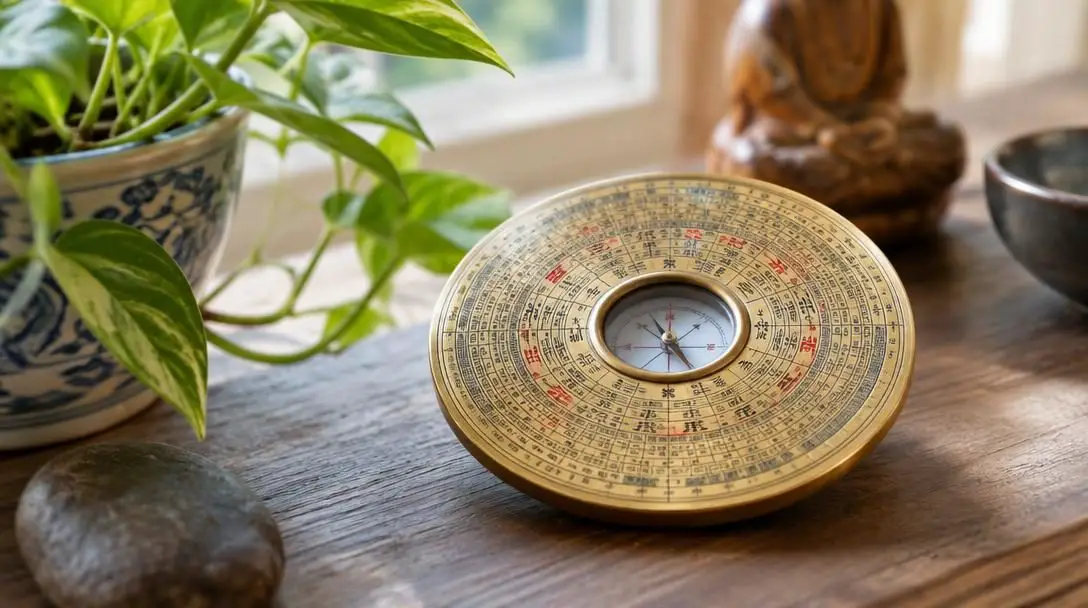
Verticality naturally draws the gaze upward, uplifting the room's energy and preventing occupants from feeling compressed, cramped, or psychologically weighed down. Introducing vertical elements counters low ceilings and heavy, squat furnishings by directing the room's focus toward the ceiling.
You can readily generate this visual elevation by incorporating tall indoor trees, vertical bookshelves, and floor-to-ceiling vertical blinds. Additionally, because surface sheens, clean line work, and strategic shading significantly alter spatial perception, partnering with a professional painter is an effective way to manipulate perceived room height using specialized wall treatments.
3. Use the Elements
A core doctrine of traditional feng shui is wuxing, the intentional balance of the five classic elements: wood, fire, earth, metal, and water. When designing, styling, and decluttering your home, the primary objective is creating an environment where these five elemental forces coexist in proportional harmony.
Every physical possession inside a house carries an energetic affiliation with one of these elemental forces. Live houseplants, timber furniture, and botanical prints represent wood, while lighting fixtures and candles embody fire. Terracotta ceramics and stone surfaces ground the earth element, metallic hardware and brass fixtures project metal, and mirrors or decorative water features channel water. Even the textile fibers in your wardrobe carry elemental identities.
True environmental harmony means ensuring that no individual element overtakes a room while another is completely forgotten. A room overloaded with water features can feel adrift and cold, while an overabundance of fiery hues or lighting can breed restlessness. Each individual living area should feature a thoughtful, balanced representation of all five forces.
2. Stove Savant
While modern homeowners often regard the kitchen stove as merely a practical cooking appliance, feng shui treats it as one of the most powerful symbols in the entire residence. The stove represents an individual's personal resources, professional career advancement, and fundamental ability to provide daily sustenance and nourishment.
Because of this symbolic importance, the stove must be positioned with deliberate care. In proper feng shui practice, a stove should never sit exposed on an open, freestanding kitchen island. Floating cooktops lack structural grounding, which symbolically destabilizes the resources and career of the resident. Instead, the stove should always rest with its back firmly placed against a solid, permanent wall to provide an unwavering foundation of energetic support.
Furthermore, the physical construction of your cooktop matters. The number of active burners on a stove directly influences your household's alignment with abundance. Because every burner represents incoming opportunities and alternative avenues for prosperity, keeping a multi-burner appliance immaculate and regularly cycling through each burner expands your potential for success.
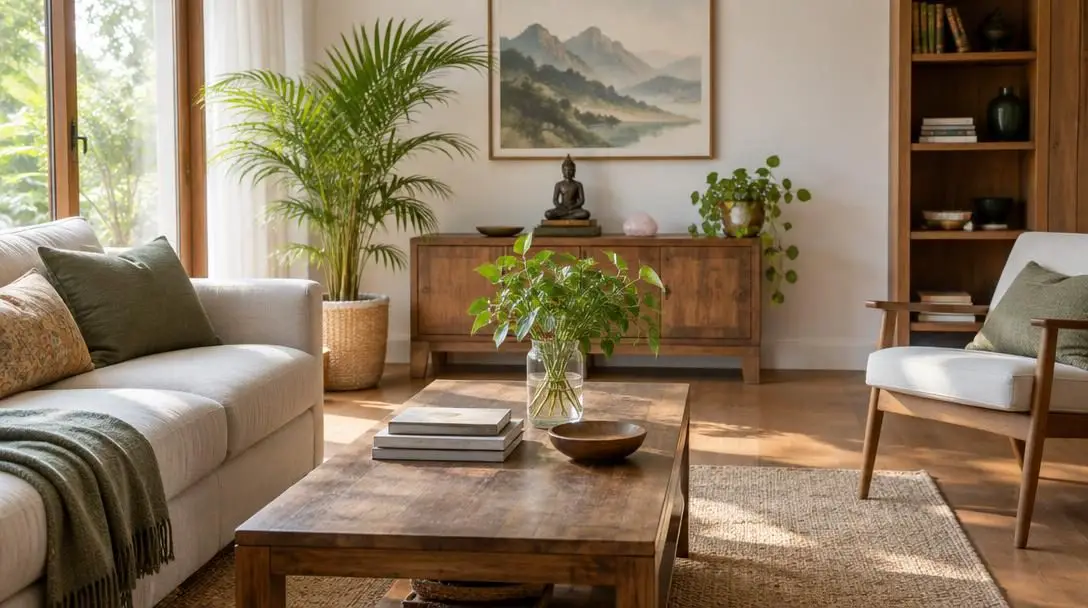
1. Free Entry
While the stove commands the focal point of the kitchen, the primary entryway stands as the most critical zone in the entire residence. Feng shui designates the front entrance as the absolute portal through which all energy flows into the home. The structural condition and energetic quality of this threshold establish the tone for the entire household.
Cultivating an ideal entrance starts with the physical exterior door itself. A front door should project a presence that is both formal and inviting to anyone approaching from outside, establishing a clear, dignified boundary between the external world and your private sanctuary. You can find well-crafted replacement doors suited to this purpose at major hardware stores.
Once an appropriate door is in place, the interior foyer must be maintained with pristine tidiness. Clutter cannot be permitted to gather behind or around the doorway. Piles of scattered shoes, dropped packages, and hanging coats create energetic logjams that immediately disrupt serenity. Physical clutter accumulated at the threshold directly translates into mental clutter, scattering your thoughts the moment you step through your own front door.
How to Implement Feng Shui Step by Step
Transforming your home according to feng shui principles does not require an immediate, exhausting overhaul of every room. By following a structured sequence, you can systematically upgrade each sector of your living environment with minimal friction.
- Map your living space by drawing an accurate floor plan of your residence, setting the main entryway as the baseline for the career zone, mapping out the remaining eight bagua sectors, and identifying the vital health and longevity zone at the exact center.
- Clear out the main entrance thoroughly by stripping away stray footwear, clearing off console tables, sorting mail piles, and ensuring the front door can swing completely open without encountering physical obstruction.
- Evaluate your kitchen stove arrangement to verify that it rests firmly against a structural wall rather than a floating kitchen island, cleaning all burners to make sure they are operational and ready for frequent rotation.
- Enhance verticality in rooms that feel cramped or heavy by introducing upright indoor trees, installing vertical bookshelves, hanging floor-length vertical blinds, or consulting a professional painter to manipulate the visual height of your walls with vertical lines.
- Perform an elemental inventory across every room, ensuring that wood, fire, earth, metal, and water are all represented through your decor, furnishings, and accents without a single element overwhelming the room.
Common Feng Shui Pitfalls to Avoid
When redecorating with feng shui in mind, homeowners frequently fall into several predictable traps that undermine their efforts. Steering clear of these widespread missteps will help keep your home's energetic flow balanced and unhindered:
- Allowing clutter to accumulate around the front door: Disorganized shoes, umbrellas, and packages block incoming energy and induce instant psychological stress.
- Floating the kitchen stove on an island: Situating your primary cooking appliance without the solid support of an exterior or interior structural wall weakens its symbolic foundation for career stability.
- Neglecting the center of the floor plan: Treating the central health and longevity sector as a catch-all storage area destabilizes the core anchor of the entire house.
- Monopolizing a space with a single element: Flooding a living area with excessive water accents or heavy wood furniture while excluding metal, earth, or fire creates elemental conflict.
- Ignoring vertical design opportunities: Relying exclusively on low, horizontal furniture leaves living spaces feeling compressed, dark, and energetically stagnant.
- Relying on a single favorite stove burner: Failing to use all available burners limits the varied professional and financial opportunities represented by your appliance.
Long-Term Maintenance and Energetic Flow
Adopting feng shui is not a temporary interior design project that concludes once your furniture is repositioned. It represents an evolving relationship with your personal surroundings that should adapt alongside changes in your professional ambitions, family dynamics, and personal milestones.
As seasons change and households accumulate new items, take time to re-examine your floor plan against the bagua map. Check whether new furniture, artwork, or storage additions still align with the dedicated sectors for wealth, family, relationships, and knowledge. Routine evaluations of your primary entryway and kitchen ensure that clutter has not reclaimed your front threshold and that your stove continues to serve as an immaculate centerpiece of abundance.
Frequently asked questions
How do I know where the bagua map starts in my home?
The bagua map is oriented using your primary front entrance as the baseline. As you stand in the main doorway looking inward, you are positioned in the career sector, with knowledge to your left, helpful people and travel to your right, and the health center straight ahead in the middle of the floor plan.
Why is a stove on a kitchen island discouraged in feng shui?
In feng shui, the stove represents your career, resources, and nourishment. A stove placed on an open island lacks the solid energetic and physical backing of a permanent wall, which symbolically leaves your financial stability and professional support unsupported.
What are the five elements of wuxing used in home decor?
The five elements are wood, fire, earth, metal, and water. A balanced home incorporates all five through everyday decor, such as living houseplants for wood, lighting and candles for fire, ceramics or stones for earth, hardware for metal, and reflective mirrors or water fountains for water.
How does vertical design improve household energy?
Vertical design elements, such as upright bookshelves, tall house trees, vertical blinds, and upward-oriented paint treatments, draw the eye toward the ceiling. This upward movement uplifts the energetic feel of the room, preventing low or heavy spaces from feeling compressed and stagnant.
What makes the front door the most important area in feng shui?
The front entryway serves as the primary portal through which all energy enters the household. A clean, formal, and clutter-free entrance allows fresh vitality to circulate freely into the residence while preventing external chaos from disrupting your mental clarity.
The bottom line
Arranging your living space according to traditional feng shui principles offers a time-tested blueprint for creating an environment that feels deliberate, uplifting, and tranquil. By understanding the nine sectors of the bagua map, using vertical features to lift room energy, balancing the five natural elements, positioning your stove against a solid wall, and maintaining an unobstructed front entrance, you can build a home that actively supports your daily peace of mind and long-term vitality.