5 Fish That Are Easy to Keep
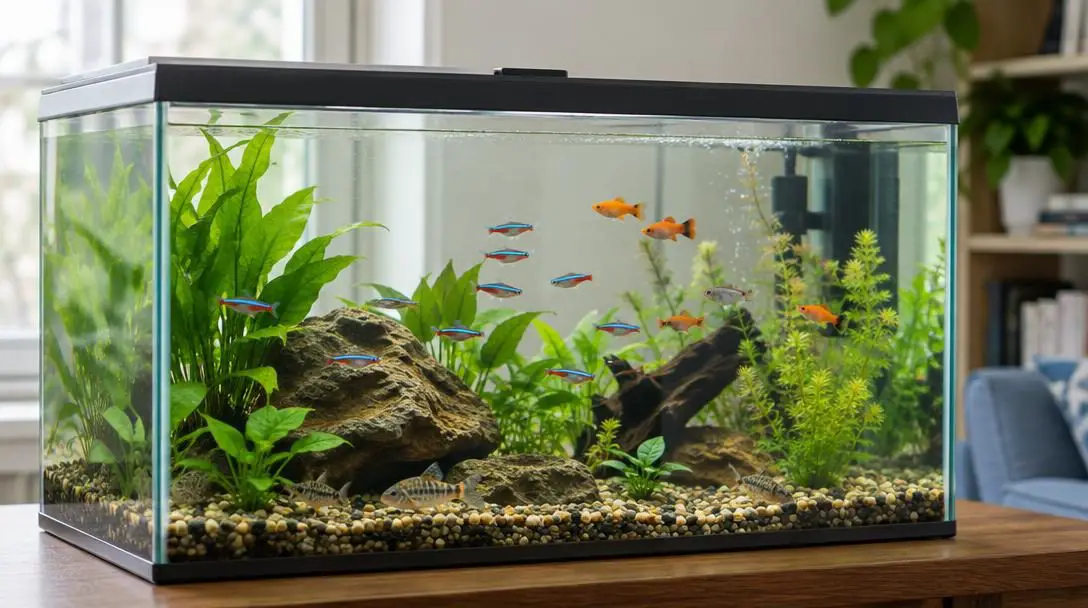
Many aspiring pet owners turn to aquatic life as a sensible compromise when daily life leaves little room for high-demand pets. Busy work schedules, cramped apartment layouts, and the heavy physical demands of walking dogs or managing active cats often make an aquarium feel like the ideal domestic addition. A well-placed tank offers a quiet, calming glimpse of the natural world, functioning as a contained decorative piece that seemingly asks very little in return.
Yet, novice hobbyists are frequently surprised to learn that fish keeping can be deceptively demanding. Certain popular aquatic species require complex chemical monitoring, costly mechanical equipment, and strict feeding regimens. When unprepared beginners bring fragile specimens into unstable setups, the results are often heartbreaking. Thankfully, not all aquatic pets require advanced technical knowledge. By choosing hardy, adaptable species and establishing a stable environment, beginners can enjoy a thriving home aquarium with minimal daily friction.
Key takeaways
- Standard streamlined goldfish can live up to a decade when provided with a proper circulating aquarium rather than a stagnant bowl.
- Betta fish require warm, conditioned water maintained at or above 76°F and must be housed individually when male to prevent fighting.
- Neon tetras thrive in schools of six or more but require mindful monitoring of water pH levels and careful inspection of captive-bred stock.
- Mollies are prolific live-breeders that prefer warm temperatures between 72°F and 78°F along with a diet rich in algae and plant matter.
- Zebrafish are exceptionally hardy, handling cooler water temperatures down to 64°F or lower without requiring an artificial heater in mild climates.
At a glance: Five beginner-friendly fish species
Selecting the right species depends heavily on your planned tank temperature, enclosure size, and maintenance schedule. The table below compares the core environmental and social requirements for five of the hardiest freshwater fish available to beginners.
| Species | Temperature Preference | Social Behavior | Primary Dietary Focus |
|---|---|---|---|
| Goldfish | Unheated to cool water | Solitary or community | Generalist flakes and pellets |
| Betta Fish | 76°F or warmer | Solitary (males strictly separated) | Conditioned carnivore / generalist |
| Neon Tetra | Tropical community range | Schooling (groups of 6+) | Standard micro-bites and flakes |
| Molly | 72°F to 78°F | Active community group | Plant-based foods and algae |
| Zebrafish | 64°F and lower (cold-tolerant) | Active schooling group | Broad spectrum foods |
The 5 heartiest fish species to consider
For beginners seeking resilient aquatic pets that tolerate minor beginner mistakes without requiring high-end technological hardware, these five freshwater species provide the best balance of beauty, durability, and manageable maintenance.
Goldfish
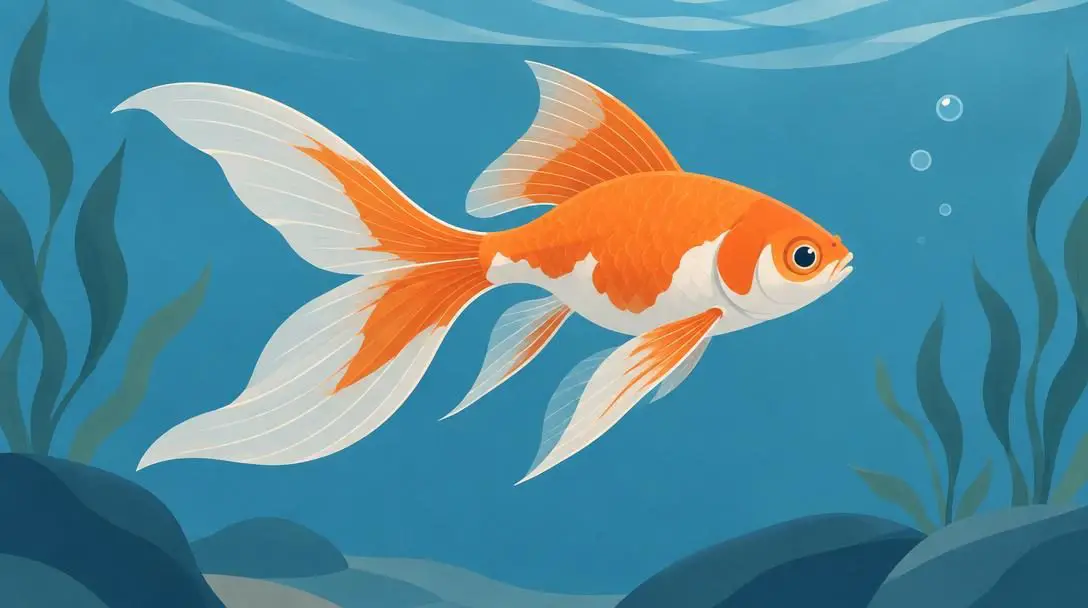
- Scientific Name: Carassius auratus
- Body Shape: Long and streamlined
- Average Lifespan: Up to 10 years in proper conditions
- Common Colorations: Gold, orange, white, and black
The standard goldfish represents the traditional introductory pet in home aquatics. Characterized by a long, streamlined body shape, this classic variety is far tougher than the rounder, more exotic fancy varieties that require intermediate care. While popular culture often depicts standard goldfish living in small, unadorned glass bowls, this setting severely limits their natural lifespan. When given a filtered, properly circulating aquarium, a standard goldfish can live for up to 10 years. In addition, their name is somewhat misleading: while classic gold is standard, these fish are widely available in striking shades of pure orange, white, and deep black.
Betta Fish
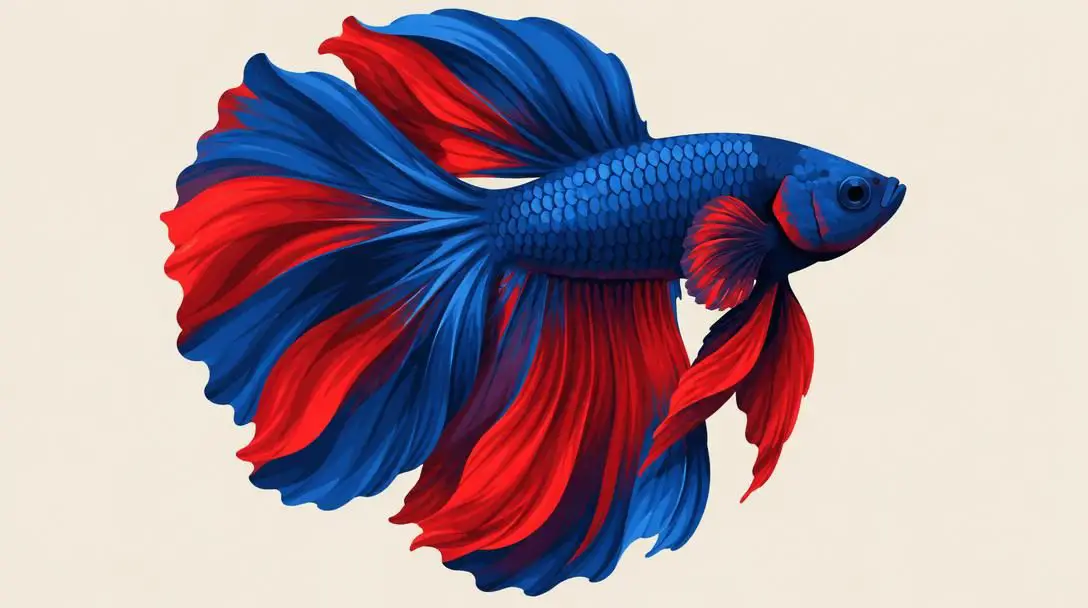
- Minimum Water Temperature: 76°F
- Water Quality Need: Conditioned water
- Male Housing Rule: Strictly solitary
- Temperament: Highly responsive to surroundings
Betta fish are famous for their brilliant coloration, flowing fins, and interactive personalities. Unlike many smaller fish that ignore events outside the glass, bettas regularly engage with their owners and observe their surroundings with keen curiosity. While they can endure for short periods in unheated containers, bettas only truly flourish when provided with conditioned water in a circulating aquarium held at 76°F or higher. Housing arrangements require careful attention to natural instincts: male bettas are fiercely territorial and will attack one another on sight. Novices must maintain male bettas in individual, dedicated tanks. As keepers gain greater experience, they can explore keeping small, peaceful groups of female bettas in shared enclosures.
Neon Tetras
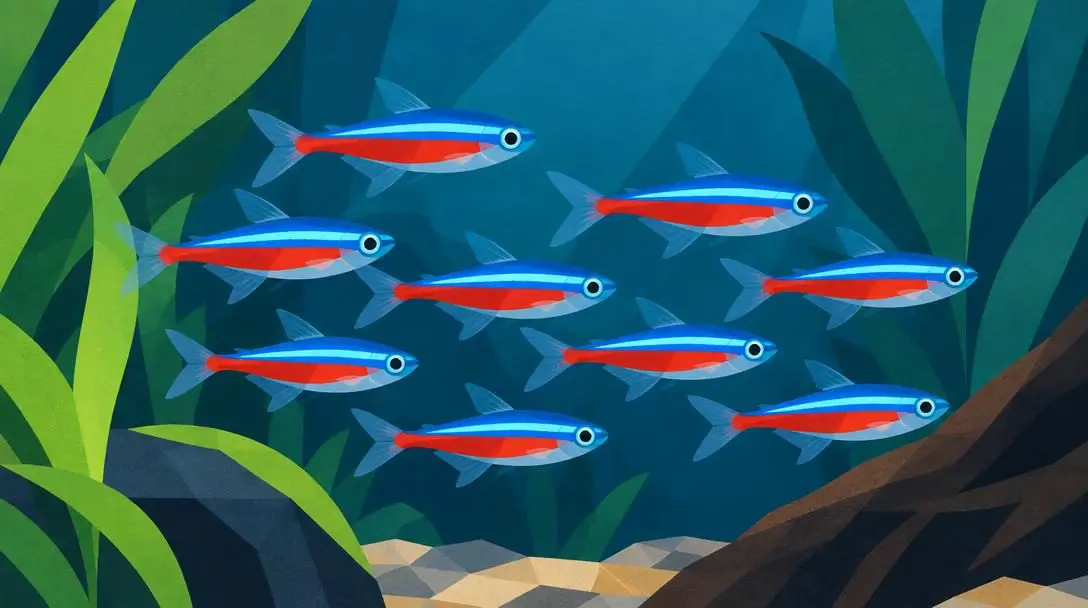
- Recommended Group Size: 6 or more individuals
- Critical Water Metric: pH balance
- Aquarium Role: Peaceful community fish
- Known Vulnerability: Inbreeding-related physical defects
Neon tetras are miniature, vivid freshwater fish that bring constant color and movement to any multi-species community tank. Because they possess such small bodies, they produce minimal waste, allowing owners to maintain an active aquarium without immediately exhausting biological filtration. Neon tetras are intensely social and should always be kept in schools of at least six individuals to help them feel secure. Despite their hardiness, they are sensitive to shifts in water pH levels, requiring owners to keep chemical parameters stable. Furthermore, because neon tetras breed readily in commercial captivity, purchasers must inspect new specimens closely for genetic defects such as misshapen fins, asymmetrical mouths, or missing gill covers.
Mollies
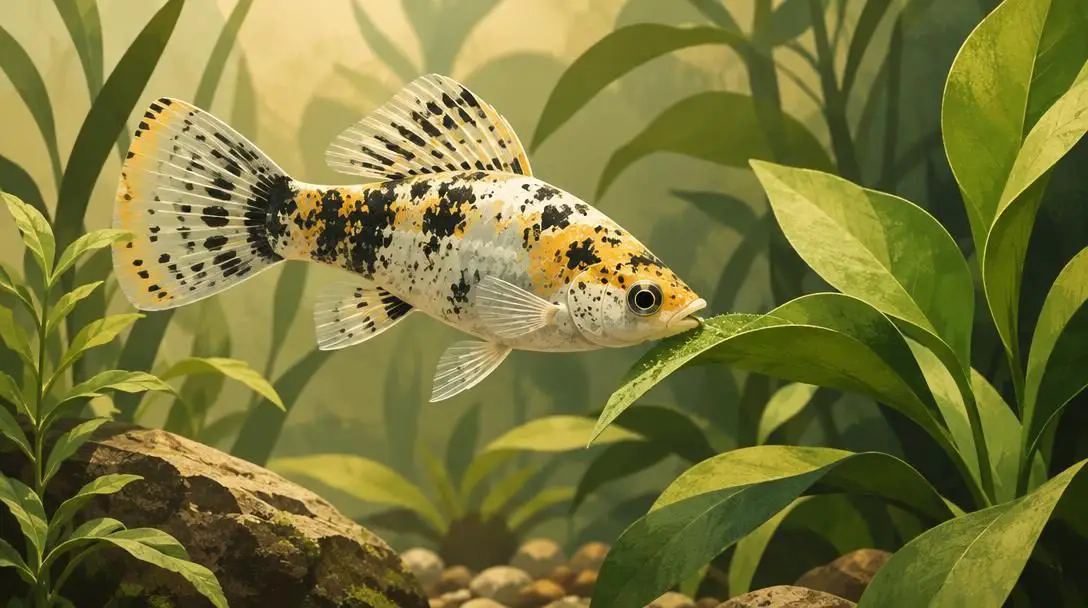
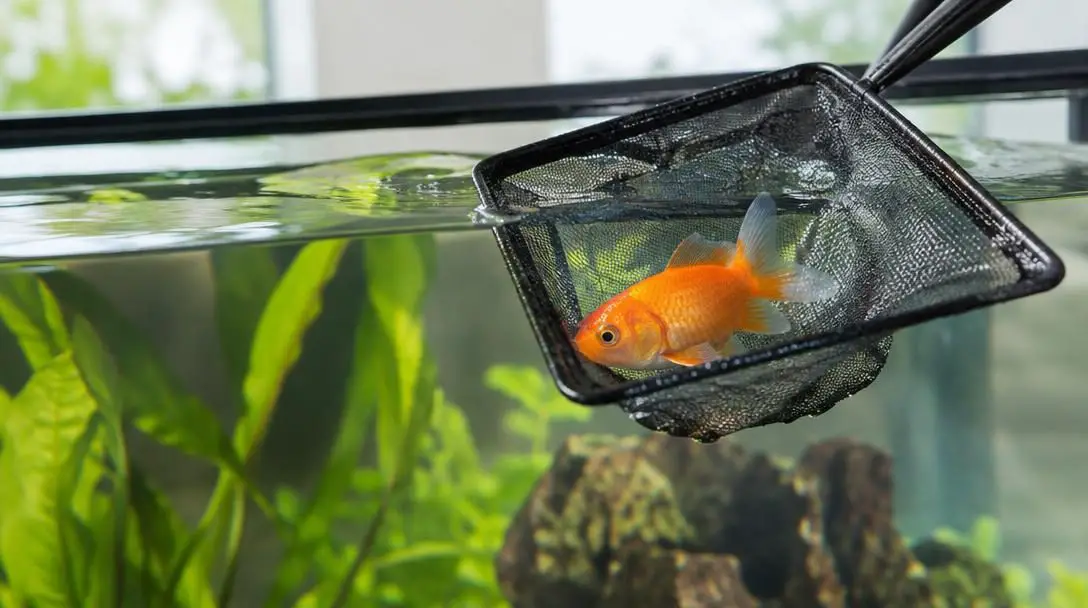
- Preferred Temperature Range: 72°F to 78°F
- Reproductive Strategy: Live-breeding
- Primary Dietary Need: Plant matter and algae
- Related Species Traits: Similar adaptability to guppies
Mollies are lively, resilient aquatic pets that share substantial environmental adaptability with guppies. They flourish in stable water conditions maintained between 72°F and 78°F, provided the tank is kept clean and feedings follow a predictable routine. Unlike egg-laying fish, mollies are live-breeders, meaning females give birth to fully formed free-swimming fry. Because they reproduce rapidly, keeping mixed-sex groups can quickly cause tank populations to surge. When it comes to daily feeding, mollies will readily consume almost any generic fish flake; however, their digestive systems rely on a steady supply of algae and plant-based foods to maintain peak long-term health.
Zebrafish
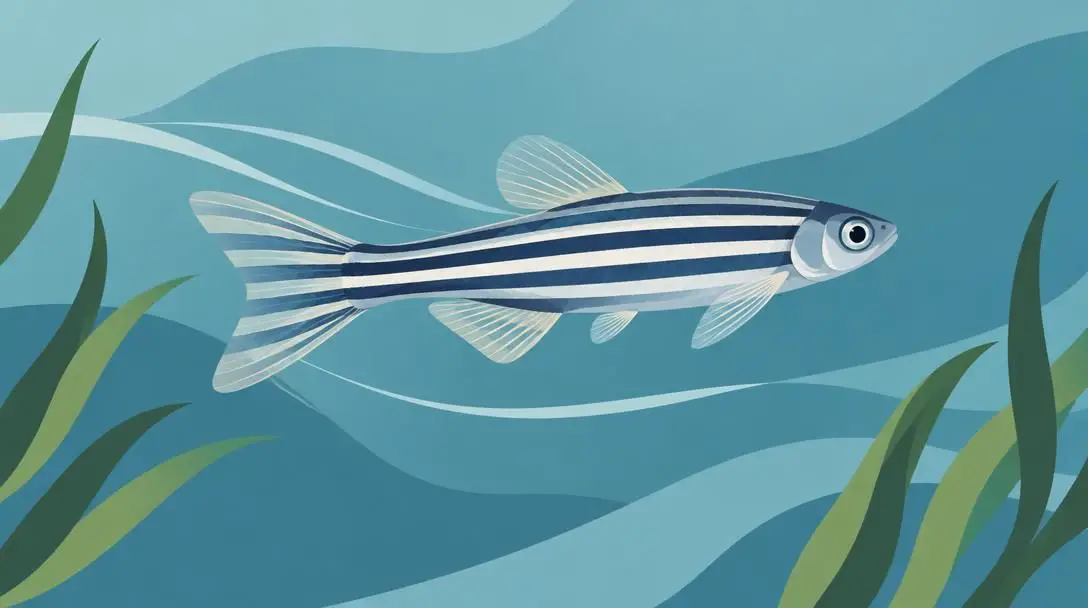
- Tolerated Temperature: 64°F and lower
- Heating Equipment: Often unnecessary in warm climates
- Dietary Type: Broad-spectrum opportunistic feeder
- Experience Level: Absolute beginner
For individuals who want an uncomplicated pet setup that bypasses complex climate control, the zebrafish is one of the most reliable selections available. These fish are remarkably cold-tolerant, remaining active and healthy in water temperatures of 64°F or lower. For households located in temperate or warm regions, this thermal tolerance eliminates the need to install and monitor an immersion water heater. Zebrafish possess energetic swimming patterns, consume a wide variety of standard commercial foods, and rarely suffer from minor fluctuations in tank conditions, making them exceptionally low-maintenance companions.
Understanding how home aquatic environments function
Keeping resilient fish healthy requires viewing the aquarium not as a decorative vase of water, but as a living, closed biological system. In any home aquarium, the daily metabolic processes of fish release waste products into the water column. Leftover flakes and decomposing organic matter settle onto the substrate, creating toxic compounds as they break down. Without adequate intervention, water quality deteriorates, stressing the animals and compromising their immune systems.
A circulating aquarium counters this issue by combining mechanical filtration with biological balance. Moving water passes through filter media that houses colonies of beneficial bacteria. These microscopic organisms process harsh nitrogenous waste into far less harmful components. This biological cycle explains why species like standard goldfish and bettas thrive in circulating tanks but languish in stagnant, uncirculated bowls.
An aquarium is not merely a container of water; it is a closed environment that depends on biological balance to remain safe for its inhabitants.
Water chemistry and temperature work together to govern an aquatic pet's daily biological function. As cold-blooded animals, fish rely entirely on water warmth to regulate their metabolic rates. While zebrafish operate comfortably in unheated water down to 64°F, tropical species like bettas require stable temperatures at or above 76°F to maintain proper digestion and disease resistance. Similarly, tracking basic metrics like pH ensures that species such as neon tetras can breathe comfortably without suffering chemical gill irritation.
Practical steps for setting up an easy-care tank
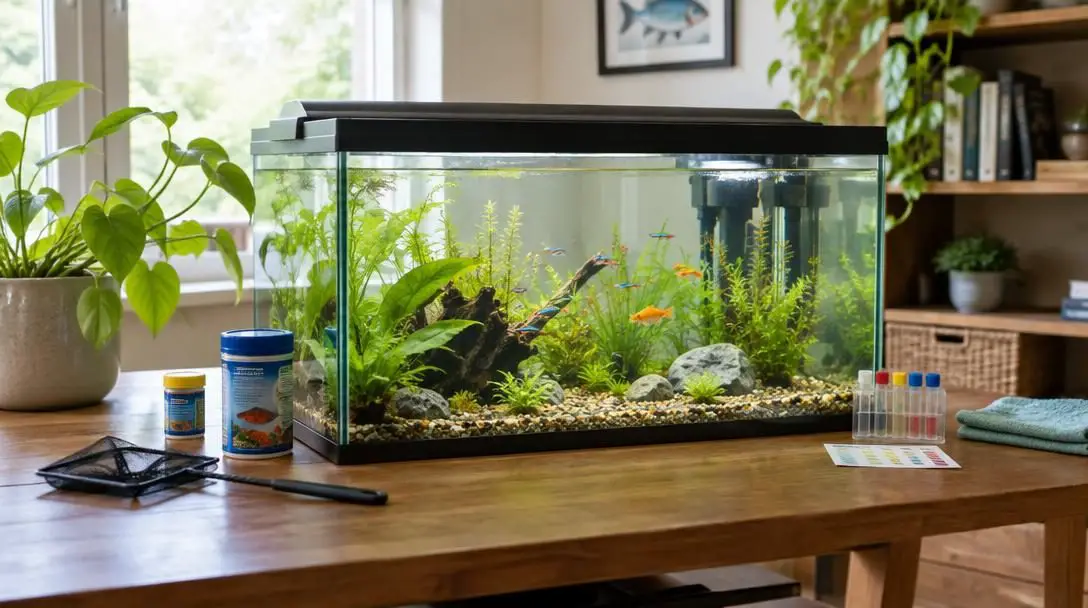
Establishing an aquarium for hardy species does not demand professional equipment, but following an orderly, methodical procedure ensures your biological environment stabilizes before any animals arrive.
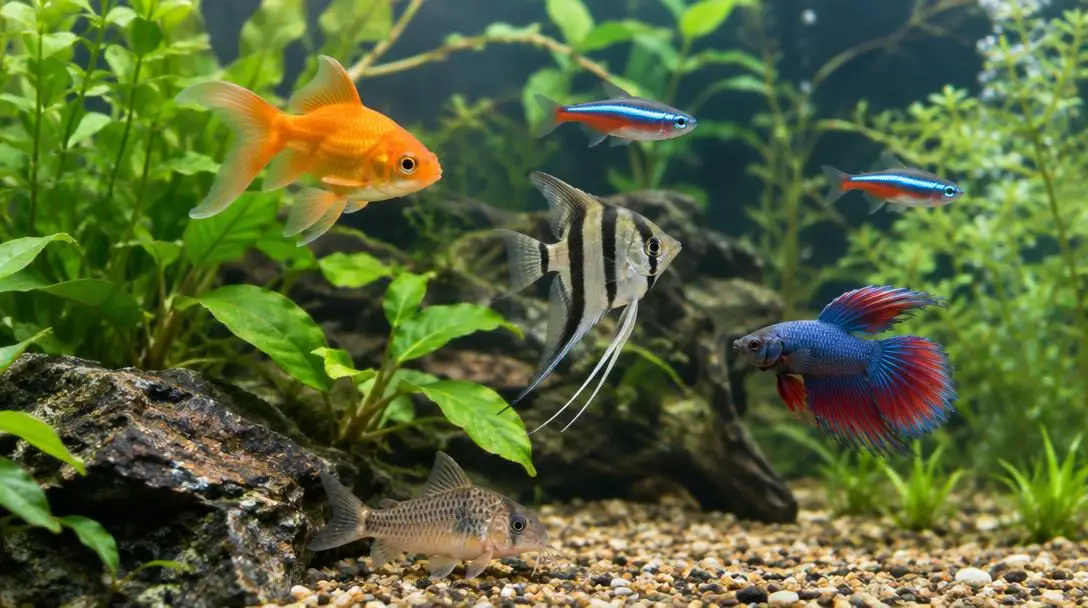
- Select the appropriate enclosure: Choose a tank size based on your desired species, keeping in mind that solitary male bettas require compact individual setups, while active groups of zebrafish or schools of six or more neon tetras require larger communal spaces with ample swimming room.
- Rinse and arrange physical elements: Wash your aquarium, substrate, and non-reactive decorations using plain tap water only. Never wash aquatic supplies with household soaps or chemical detergents, as lingering residues will poison fish. Position the aquarium on a level, supportive surface shielded from direct sun exposure.
- Prepare and condition the water: Fill the tank with tap water and add a high-quality water conditioner. This treatment neutralizes dissolved chlorine, chloramines, and heavy metals commonly found in municipal water networks, protecting sensitive gills from chemical burns.
- Install technical components: Mount a mechanical circulation filter to drive steady water movement and cultivate beneficial bacteria. If you plan to house tropical species like bettas (requiring 76°F or higher) or mollies (72°F to 78°F), install a reliable submersible heater paired with an independent thermometer. If you live in a warm area and keep cold-tolerant zebrafish, an artificial heater can be safely skipped.
- Allow the habitat to stabilize: Run the filter and heating components continuously for several days before introducing live animals. This test window verifies that all mechanical components function correctly and confirms that water temperatures remain within the targeted parameters.
- Acclimate your fish gradually: Float the transport bag containing your newly acquired fish in the aquarium for 15 to 20 minutes to equalize water temperatures. Gradually introduce small quantities of tank water into the bag before gently releasing the fish, minimizing physiological shock caused by abrupt environmental changes.
Common mistakes to avoid with hardy fish
Even the most durable fish have definite biological limits. Beginner hobbyists often encounter avoidable difficulties by making common assumptions about pet hardiness:
- Confining resilient fish to tiny bowls: While standard goldfish and bettas can survive in basic glass bowls for short periods, uncirculated setups lead to severe waste accumulation. Goldfish can reach up to 10 years of life, but only when given proper filtration and swimming volume.
- Overlooking species-specific nutrition: Assuming all fish share identical dietary needs is a common pitfall. Mollies require substantial plant-based matter and algae, meaning an exclusive diet of generic animal-protein flakes can compromise their digestive health.
- Ignoring thermal parameters: Confusing overall hardiness with cold tolerance can prove fatal. While zebrafish endure temperatures down to 64°F without a heater, tropical bettas will become sluggish and fall ill if water dips below 76°F.
- Neglecting live-bearer reproduction: Mollies reproduce quickly. Introducing mixed-sex pairs into a small aquarium without a strategy for managing newborn fry will quickly cause severe overcrowding and poor water quality.
- Failing to inspect captive-bred stock: High-volume breeding of species like neon tetras can produce fish with physical deformities. Carefully examine potential purchases for missing gill plates, asymmetrical mouths, or bent fins before introducing them to your tank.
Planning for long-term tank maintenance
Before purchasing fish, evaluate how your setup will function over the coming months. Account for the physical footprint of the enclosure inside your home. While a single betta can live comfortably in a modest footprint, active species like zebrafish and schooling neon tetras need horizontal swimming distance so groups of six or more can swim freely without colliding or showing signs of stress.
You must also budget regular time for upkeep. Although resilient fish forgive small delays, clean water is essential to prevent chronic illness. Plan to perform regular water testing to verify that pH levels remain stable—a critical step if you keep sensitive neon tetras—and carry out periodic partial water changes to extract solid debris from the substrate.
Finally, consider how your tank might develop over time. Many owners who start with an uncomplicated setup containing zebrafish or a standard goldfish eventually expand their systems into diverse freshwater communities combining schooling neon tetras and algae-grazing mollies. By mastering the fundamentals with hardy species today, you lay the groundwork for a stable, rewarding hobby for years to come.
Frequently asked questions
Can goldfish really survive in an ordinary glass bowl?
While standard goldfish can survive for a limited period in a basic bowl, they will not reach their full potential. In an unfiltered, stagnant bowl, metabolic waste accumulates rapidly. When provided with a proper circulating aquarium, standard goldfish can live for up to 10 years.
Why do male betta fish have to be kept completely alone?
Male bettas possess an aggressive, instinctual drive to defend territory against rivals. If two males are placed inside the same tank, they will fight, resulting in serious physical injuries or death. Beginners must house male bettas in individual tanks, though experienced keepers may eventually house groups of peaceful female bettas together.
Do all beginner-friendly freshwater fish need an aquarium heater?
No. While tropical fish like bettas (requiring 76°F or warmer) and mollies (preferring 72°F to 78°F) need artificial heating, zebrafish are cold-tolerant down to 64°F or lower. If you live in a mild or warm climate, zebrafish can thrive in an unheated aquarium.
How many neon tetras should be kept together in one tank?
Neon tetras are schooling fish that experience chronic stress when kept alone or in tiny pairs. Keepers should maintain them in groups of at least six individuals to satisfy their social instincts and encourage natural schooling behavior.
What anatomical defects should I look for when buying neon tetras?
Because neon tetras breed readily in commercial captivity, inbreeding can cause physical defects. Before buying, inspect the fish closely to ensure they do not display misshapen fins, asymmetrical mouths, or missing gill covers.
The bottom line
Starting an aquarium does not require mastering complex marine chemistry or spending thousands of dollars on delicate livestock. By focusing on durable, proven species like standard goldfish, bettas, neon tetras, mollies, and zebrafish, beginner fish keepers can enjoy the peaceful ambiance of an aquatic display without the frustration of fragile pets. Matching your tank's temperature and filtration to your chosen species will ensure your aquatic companions remain vibrant, active, and healthy for years to come.